Making a video that changes how someone sees a stranger, in the length of a single scroll, is a real skill. By the back half of Together We Click our participants were doing it on purpose: scripting, filming, and cutting short clips built to interrupt a stereotype rather than confirm one. Getting there took days, and most of them had nothing to do with a camera.
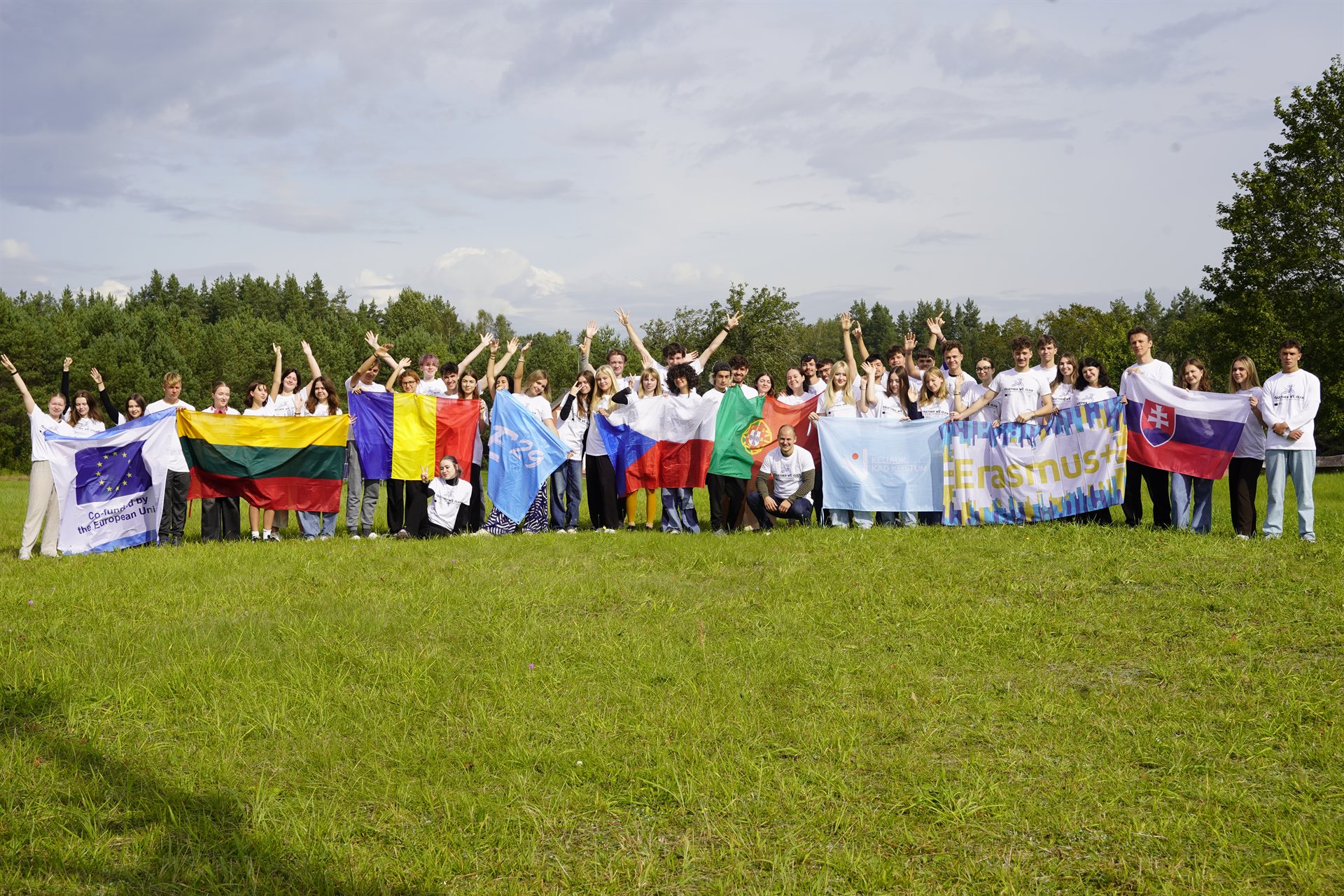
The exchange ran in Labanoras, a forest village in Lithuania, and brought together young people from Lithuania, Czechia, Slovakia, Hungary, Portugal and Romania. We joined as one of the partner organisations and sent a group of Czech participants, who spent the week treating inclusion not as a topic to revise but as a thing to build, argue, and test.
What a Signed Agreement Buys You
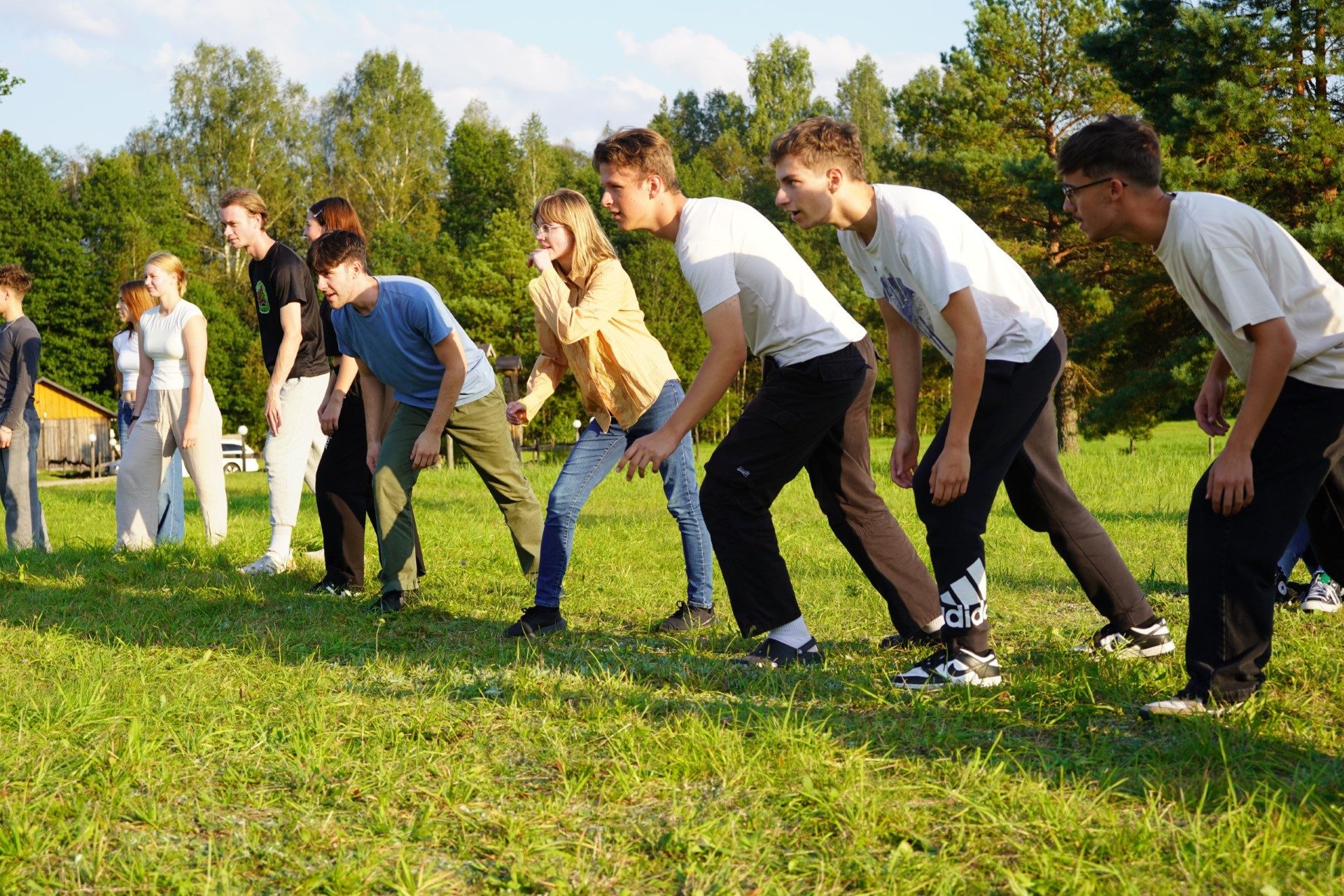
The first thing the group built was not a video or a poster. It was a working level of trust. Name games and a round of human bingo got people talking, and a hunt for five things in common across mixed-nationality teams quietly proved that the room had more shared ground than anyone expected.
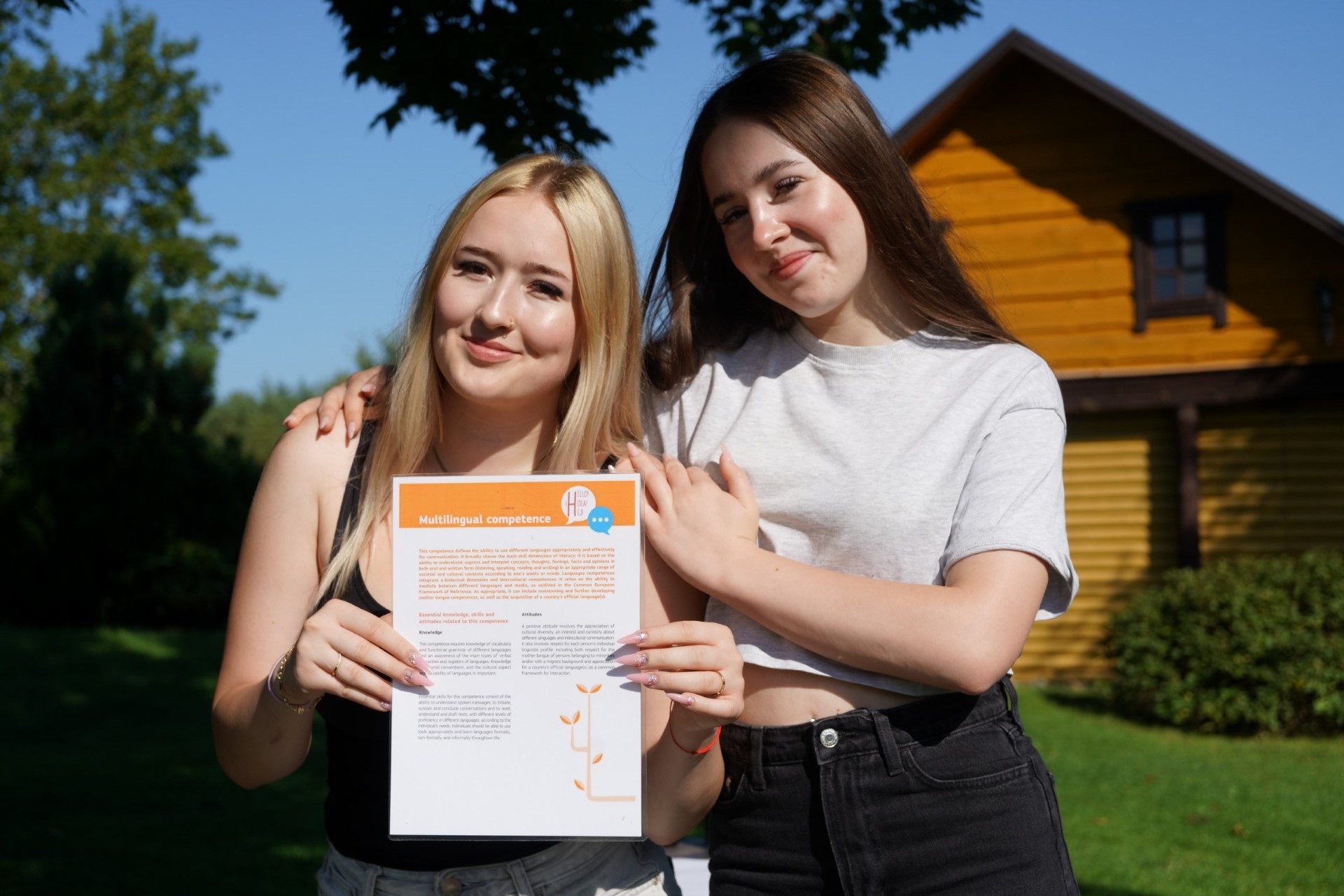
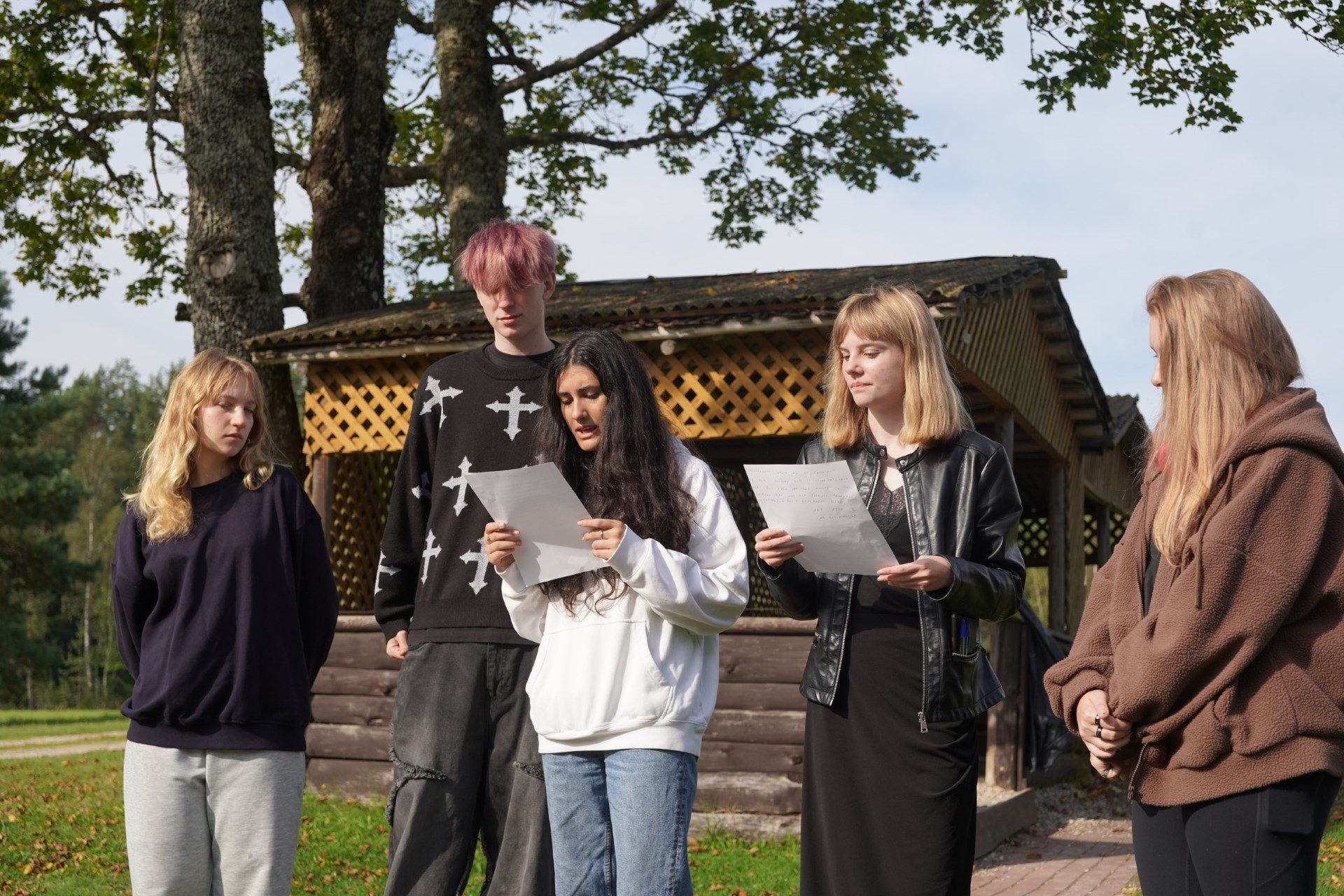
Then everyone put their name to it. Working in small teams, participants wrote and signed their own Code of Conduct, a plain set of rules for how a respectful week would run, and posted their hopes and fears where the whole group could read them. The week itself was handed to the participants to run, through rotating crews for recall, energizers, evenings and documentation, and a session on the Youthpass turned the experience into eight named competences we could actually point to afterwards. An anonymous Compliment Box and a Secret Friend kept the mood generous from the opening evening onward.

Inclusion Off the Page
The sessions on discrimination refused to stay theoretical. The group sorted it into its real varieties, around nationality, gender, disability, religion and appearance, and then went looking for where each one hides in an ordinary day. A structured debate made participants physically pick a side of the room and defend it. In forum theatre, they acted out moments of exclusion and then rewound them so someone in the audience could step in and try a better ending.
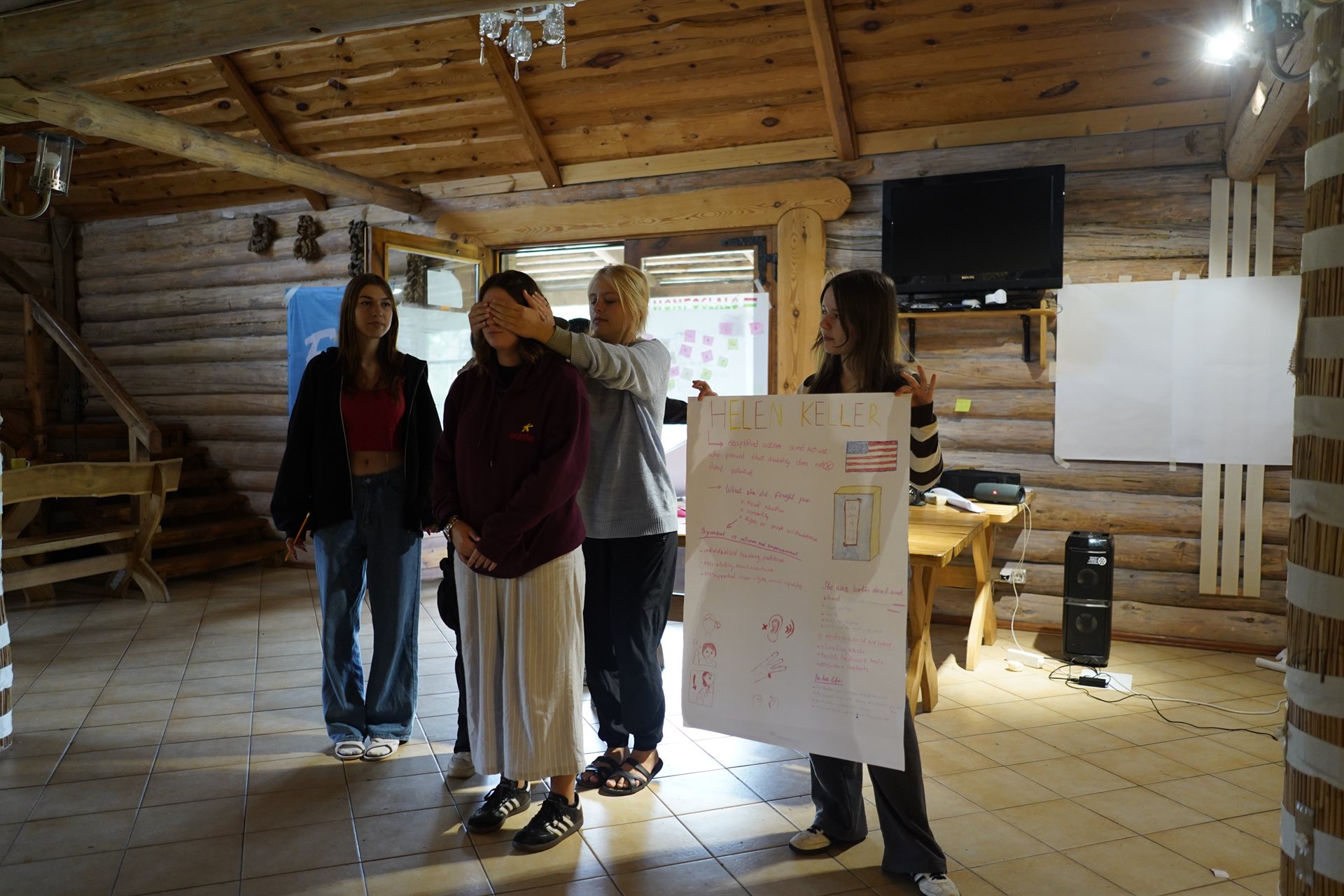
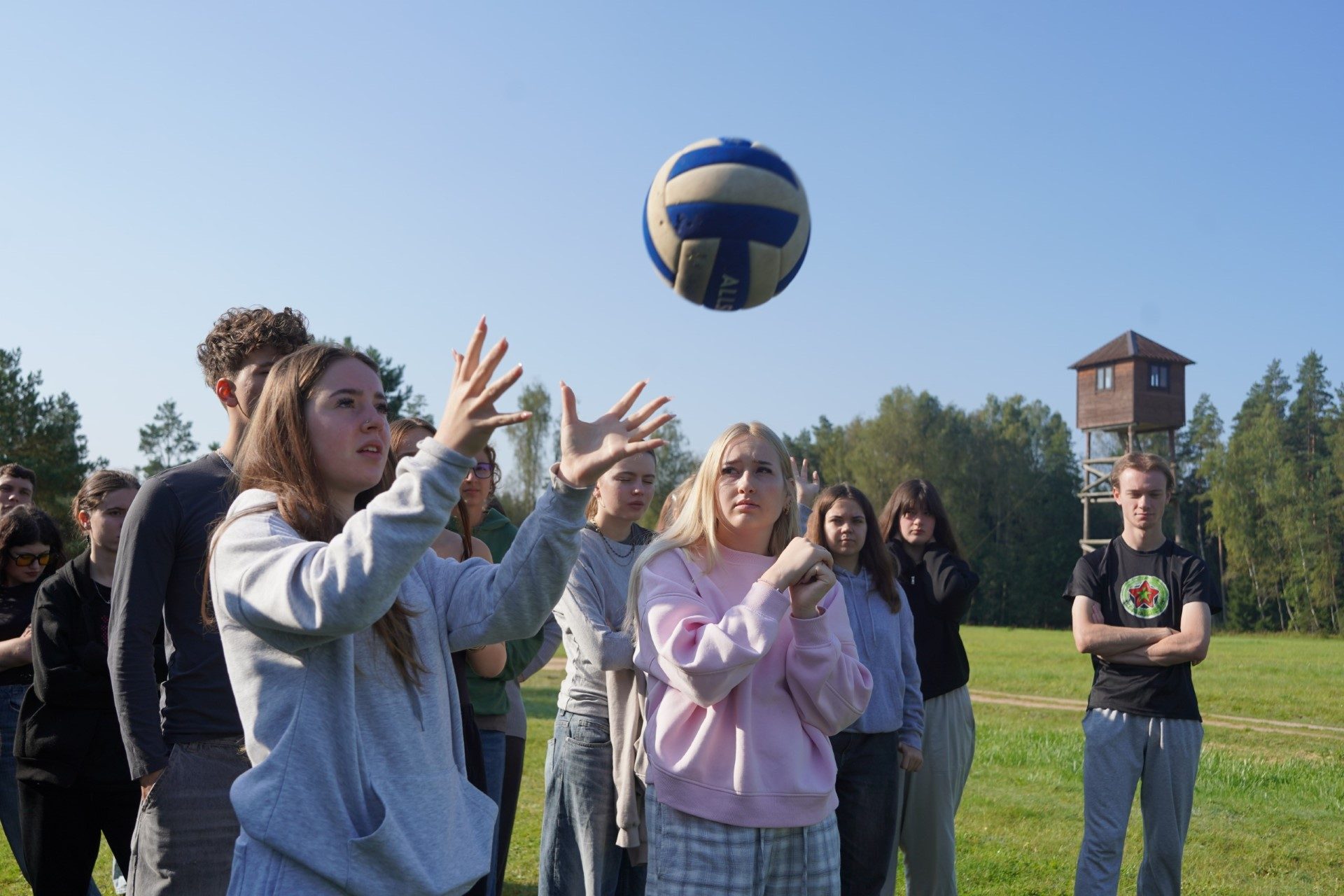
The accessibility work was the part our participants kept talking about. They presented research using only the sign-language alphabet and gesture, with not one spoken word allowed, and read lines of Braille with their eyes closed from a single shared key. An adapted sports round handed out cards that removed a movement and dared each team to keep everyone playing anyway. None of it explained a barrier. It made the group meet one.

From Scroll to Statement
With the groundwork laid, the week asked the group to produce. Teams drew comics that turned heavy ideas like mental health stigma into something you grasp in a glance, then hung them up as a gallery. A Shark Tank session sent participants pitching genuine inclusion products, Navican, InclEye and Togetherly among them, to a jury of their peers. In National Perspectives, each country gave an unsentimental read on how inclusive it really is, and The Bias of Words had teams write two opposing articles about the same film to show how reporting tilts the truth.
The digital sessions are where the opening skill came good. Our participants planned and edited short videos taking on the stereotypes their generation scrolls past without thinking, choosing humour or weight depending on the message.
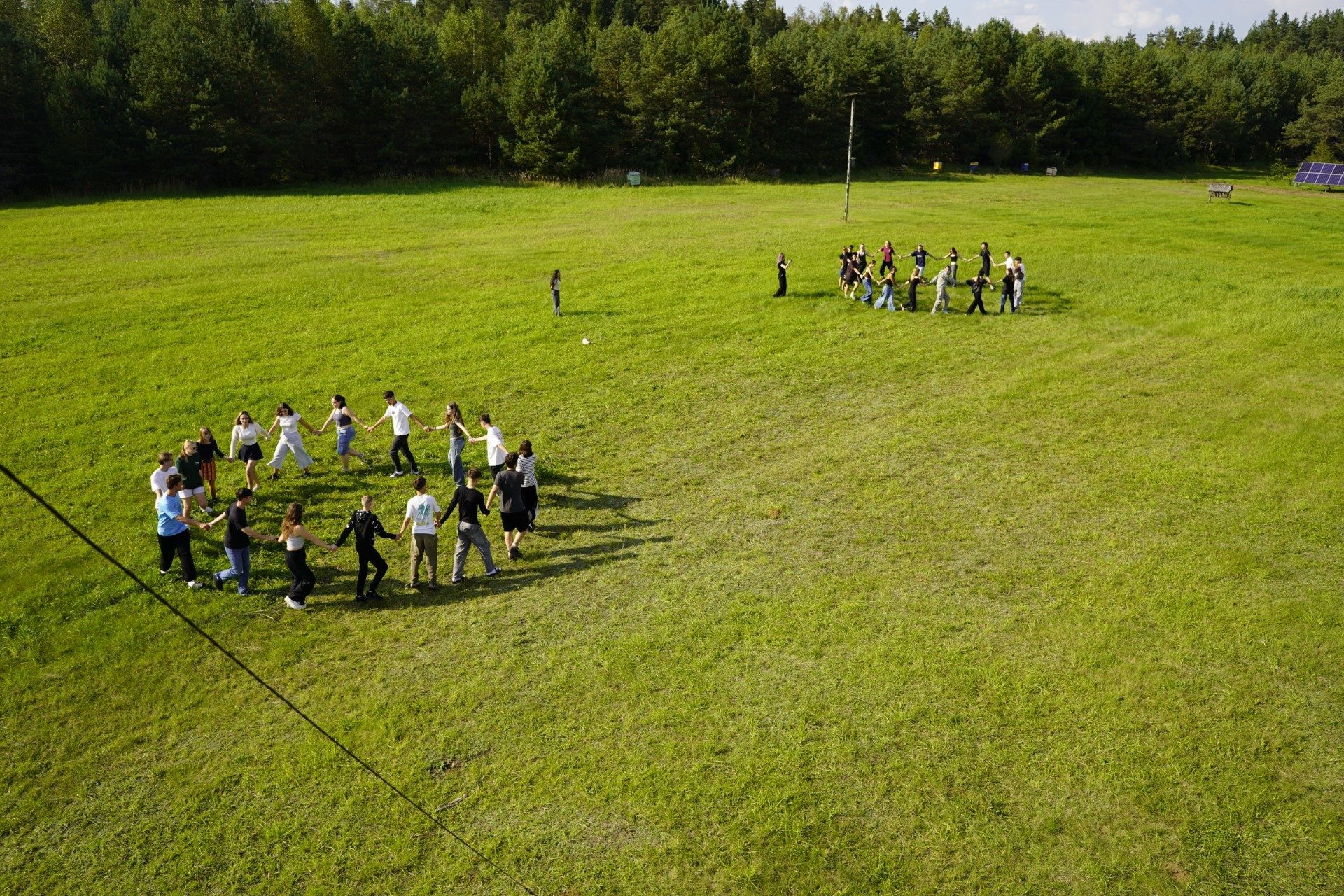
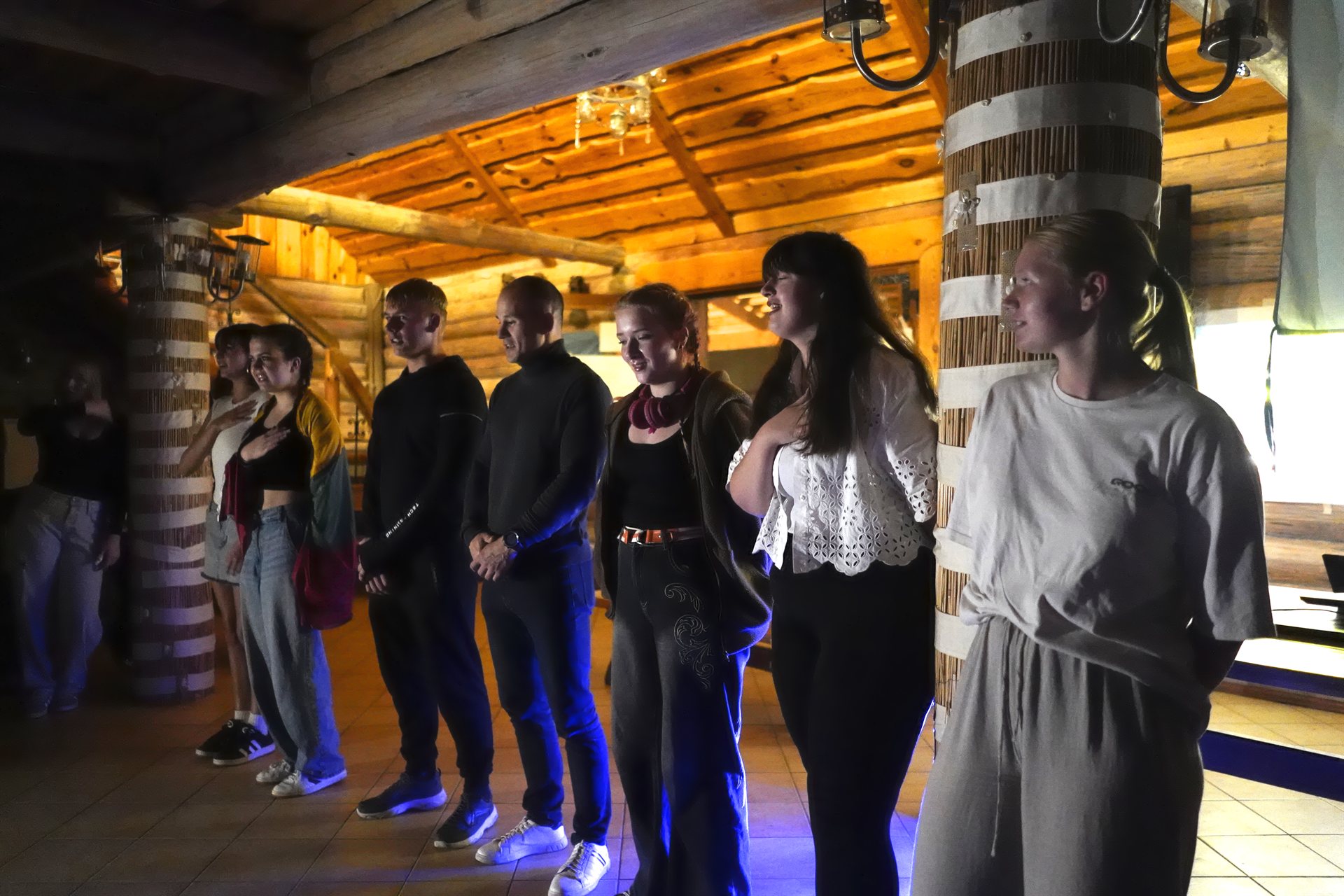
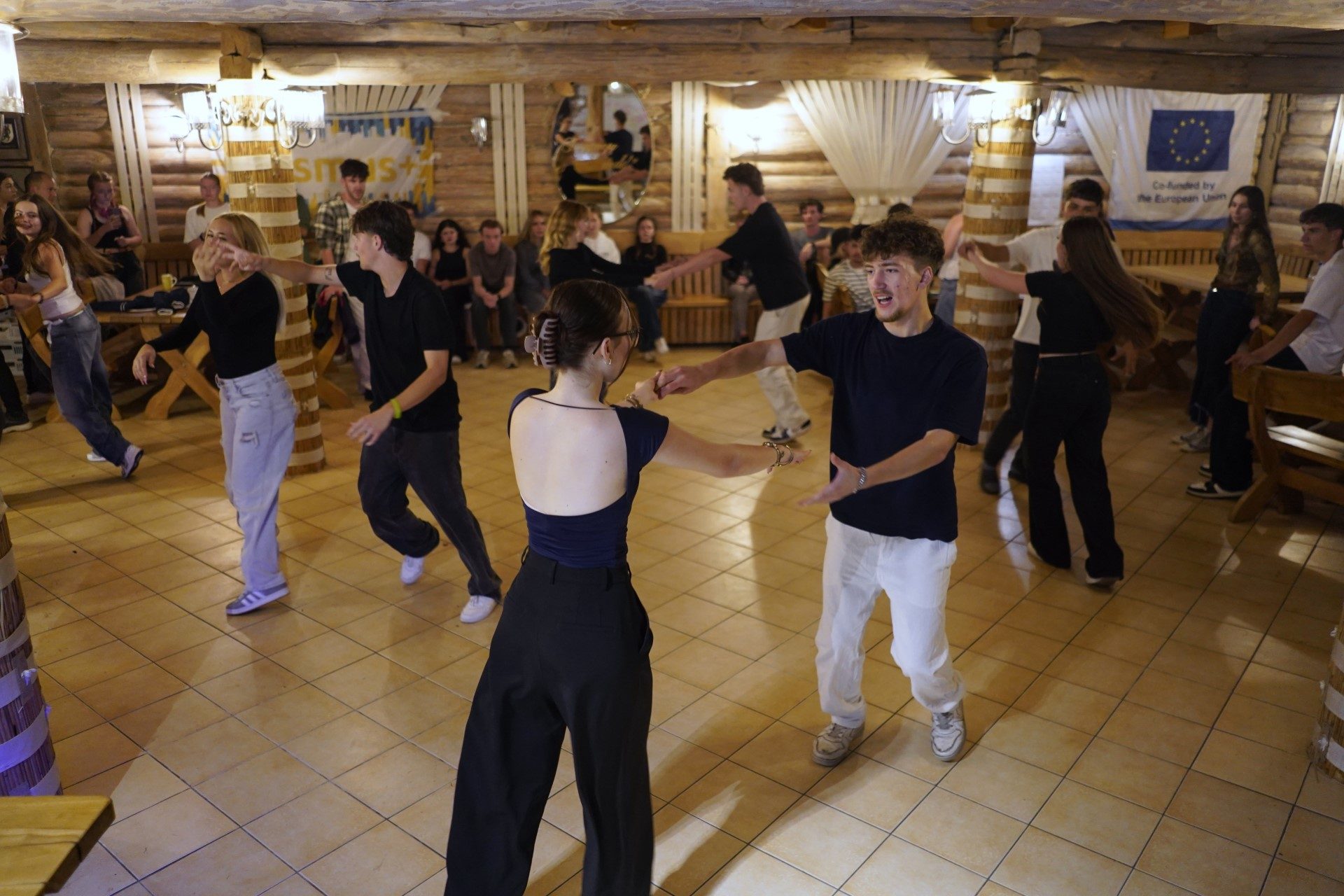
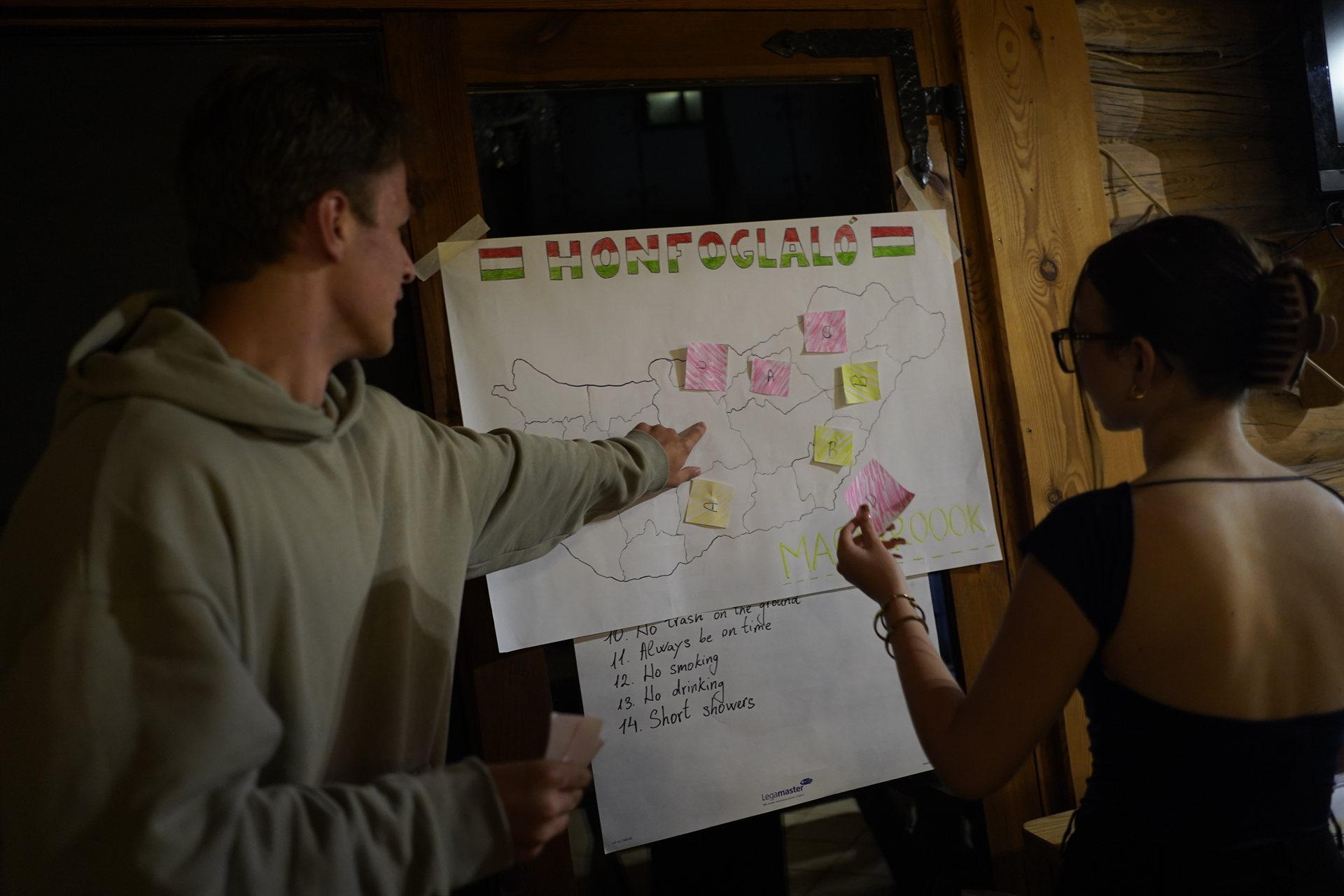
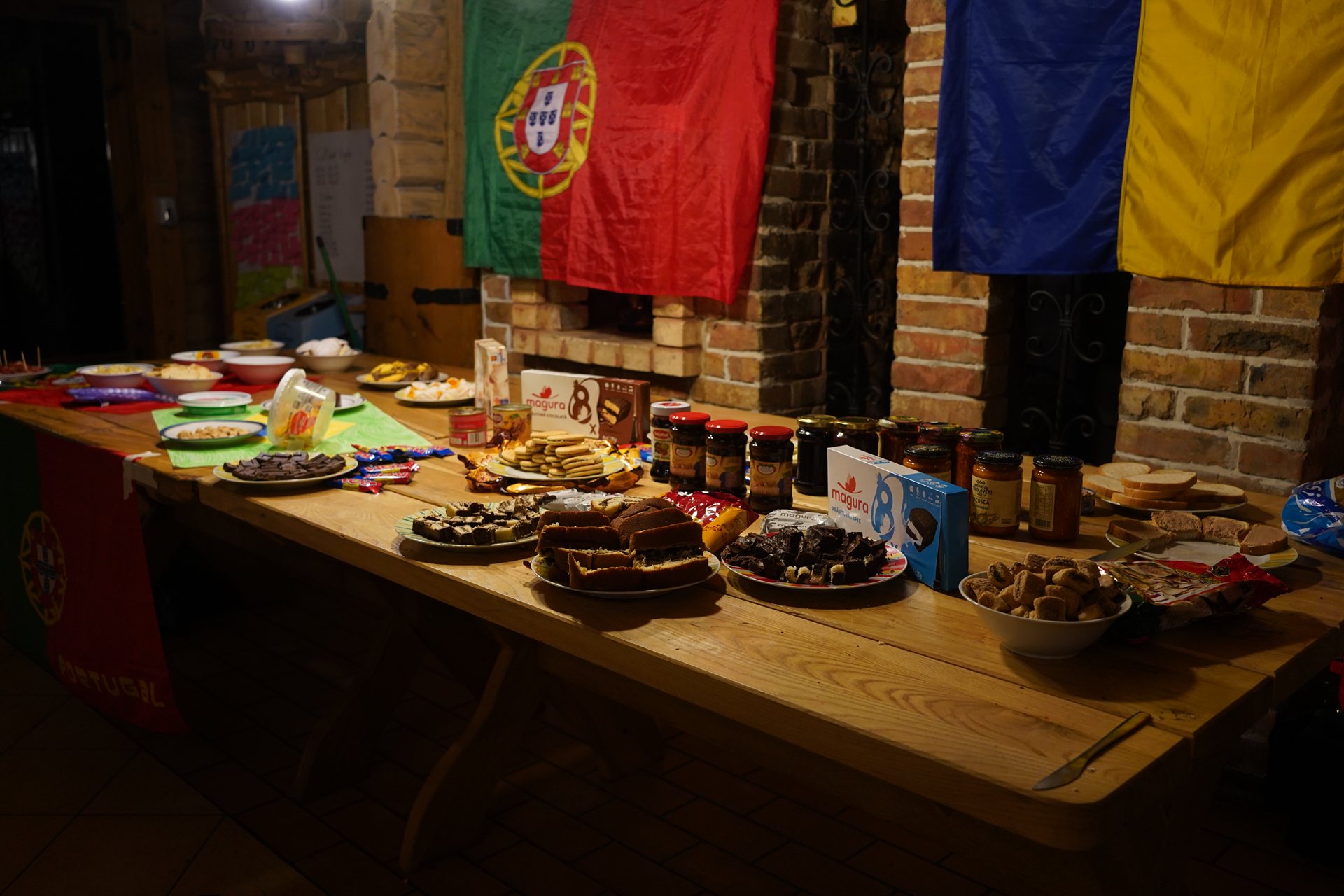
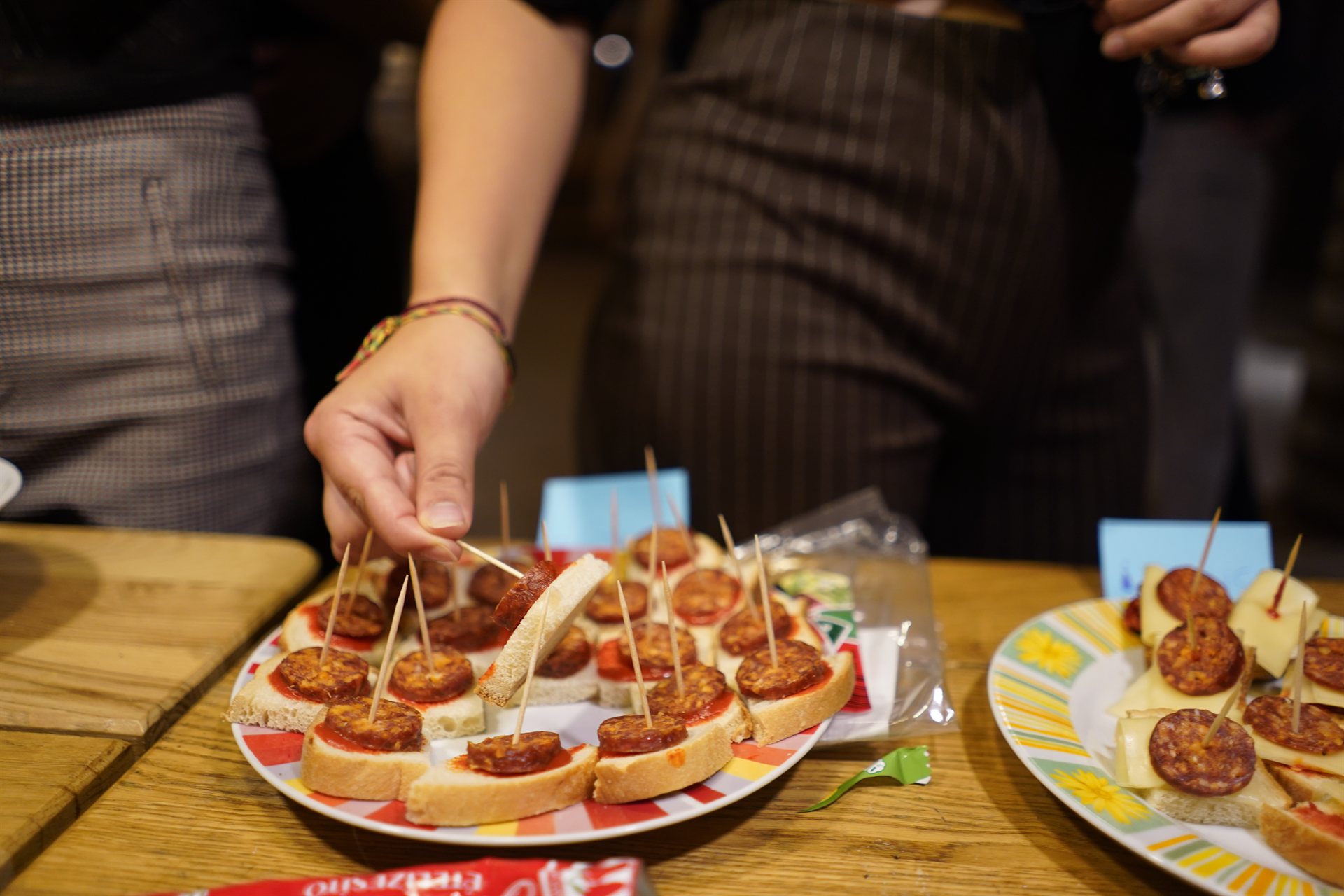
Away from the work, three cultural nights handed the floor to each national group in turn, with food to pass around and dances that pulled the whole room up.

What Our Participants Brought Home
Our Czech participants came back with concrete things they can do. They can break discrimination down into its specific forms instead of treating it as one vague problem, spot the barriers built into a room or a routine, and put a clear message in front of an audience, with words, with a drawing, or with their hands. The short videos and comics they made are evidence of work, not just attendance.
That is the kind of value a week like this is meant to leave behind: skills that hold up when the participant is back in a Czech classroom explaining what they learned. Together We Click was hosted under Keliauk Kad Keistum’s Erasmus+ Accreditation and co-funded by the European Union.
Photo Gallery
A few more moments from this activity :)

Check these and more photos in the activity’s photo album.