Digital content is everywhere, but knowing how to make it well, and make it mean something, is a skill few young people are ever taught. Tap to Create set out to close that gap. As coordinator, we brought fifty-seven young people from seven countries together in the Krkonoše mountains of northern Czechia, in the town of Rokytnice nad Jizerou, for ten days of photography, film and digital storytelling.
The setting did half the work. Quiet mountains, clean air, and a group with every reason to be curious about one another. As part of Four Links’ Accreditation, the exchange was co-funded by the European Union through Erasmus+.
Seven Countries, One Mountain Studio
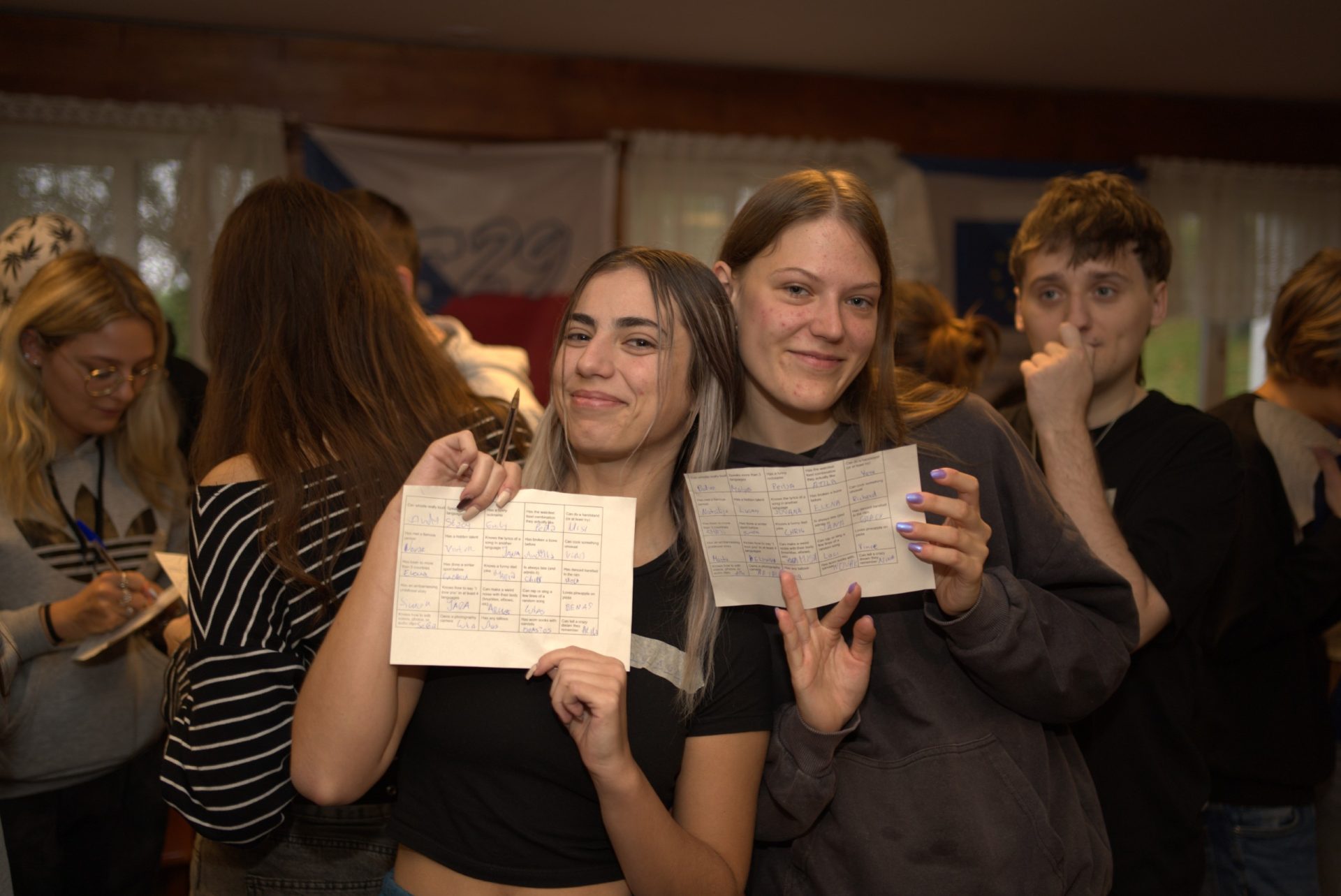
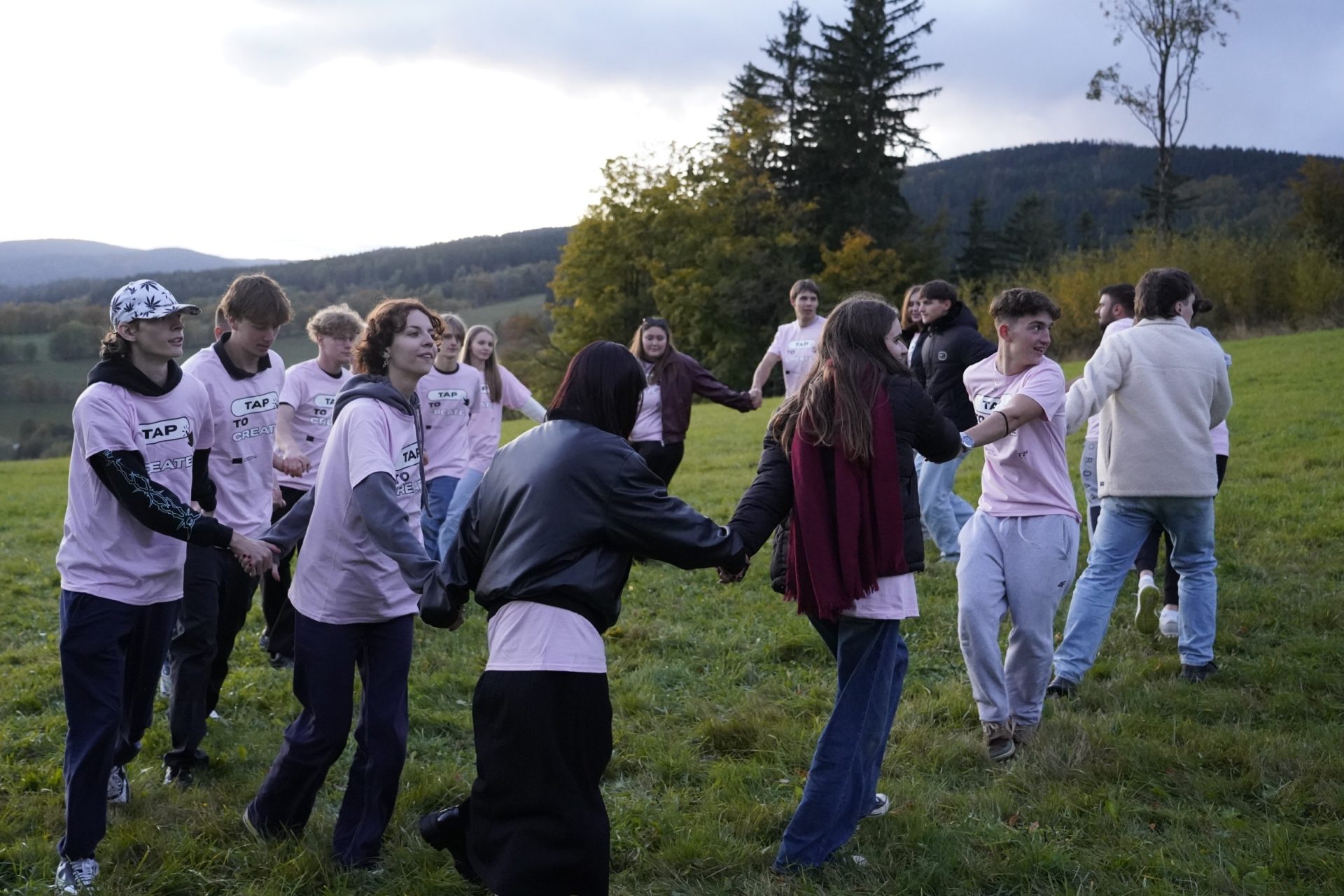
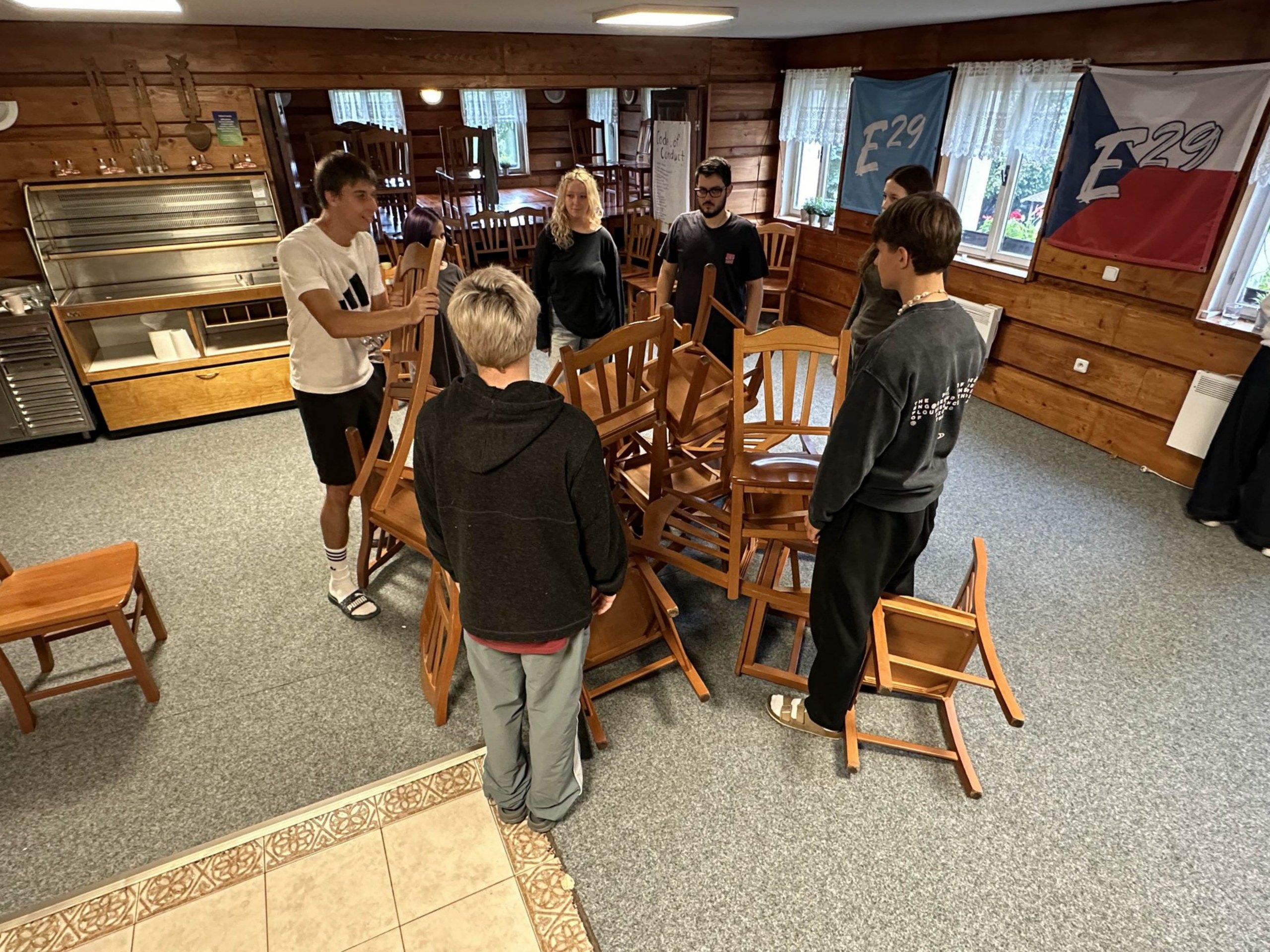
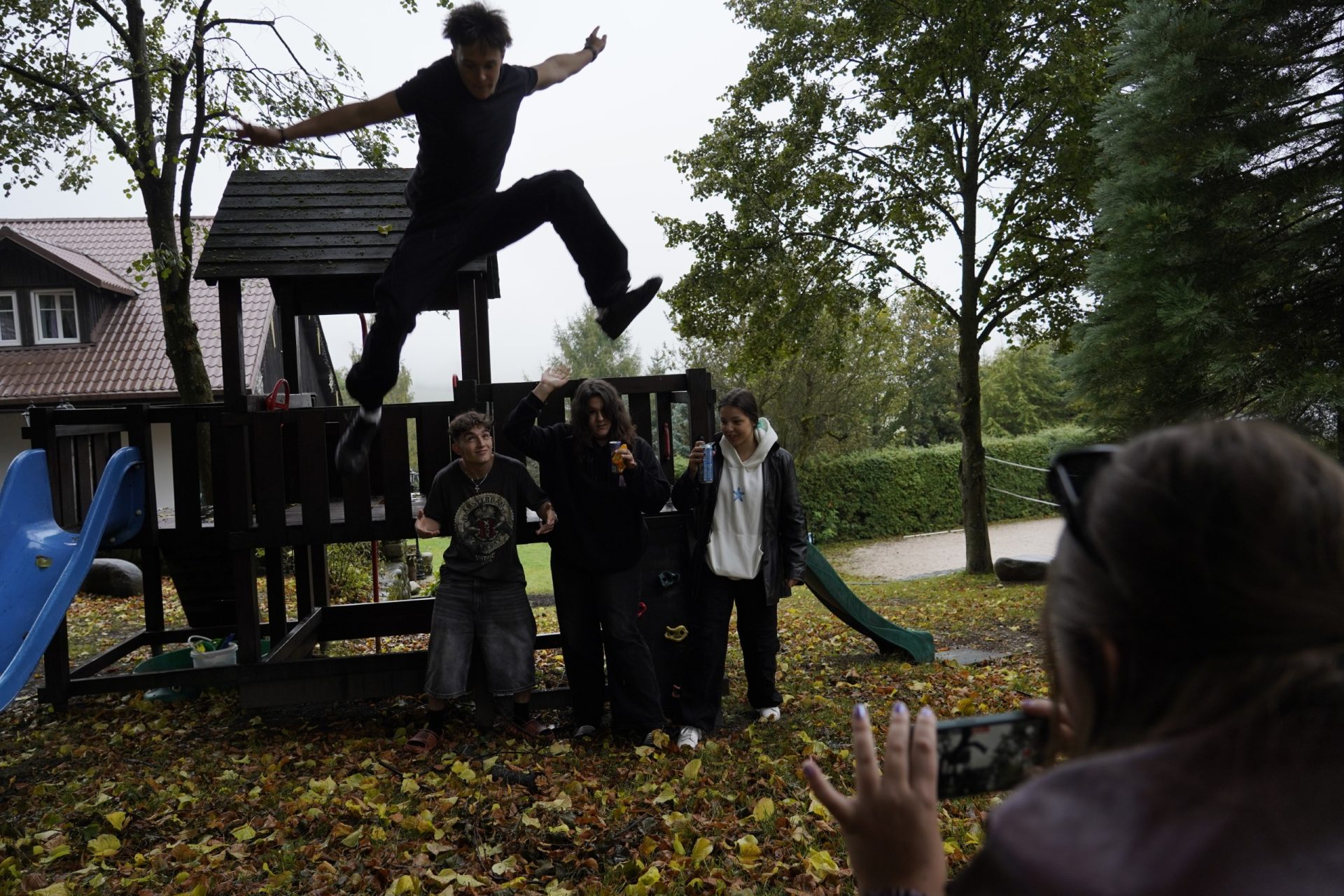
Czechia, Hungary, Lithuania, Portugal, Slovakia, Romania and Serbia all sent young people, and on the first morning most of them did not yet know each other’s names. The opening days went to ice-breakers, energizers and team-building, because a content workshop only works once people are willing to be filmed, corrected and laughed with. Name games gave way to Crazy 50, a fast multinational scavenger hunt of fifty small challenges that sent teams racing around the venue. Some groups got so into it they spun up their own Instagram accounts to post the results as they went.
It paid off quickly. A quiet Secret Friend game ran in the background throughout, and by the time the cameras came out, the seven national groups had become one studio.
Learning to See Before Pressing the Shutter
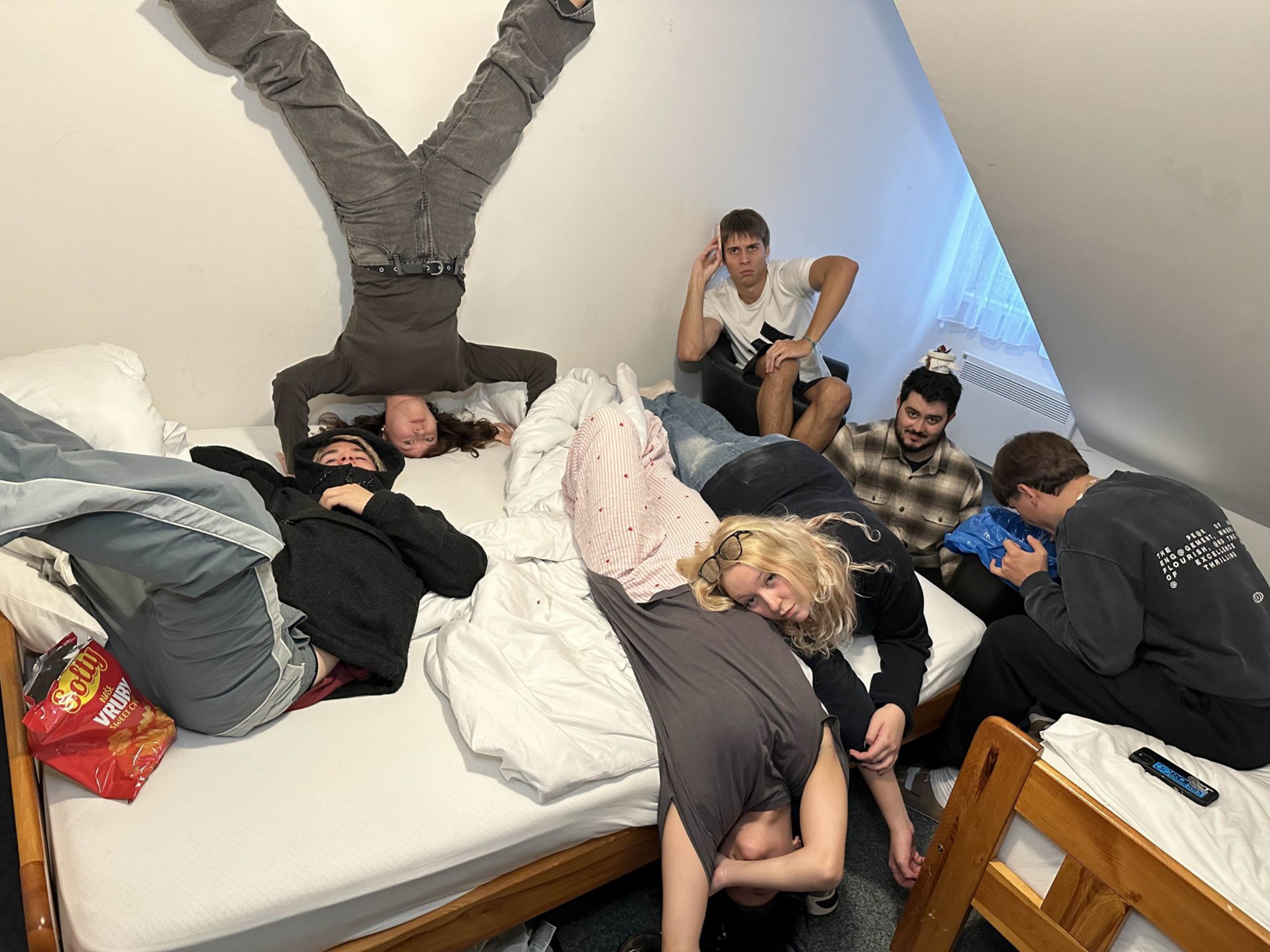
The first creative block was photography. Before any talk of gear came the question of seeing: how angle, perspective, lighting and focus change what a picture means. Participants framed everyday objects, caught candid moments of the people next to them, and started noticing details in the venue they had walked past for days.
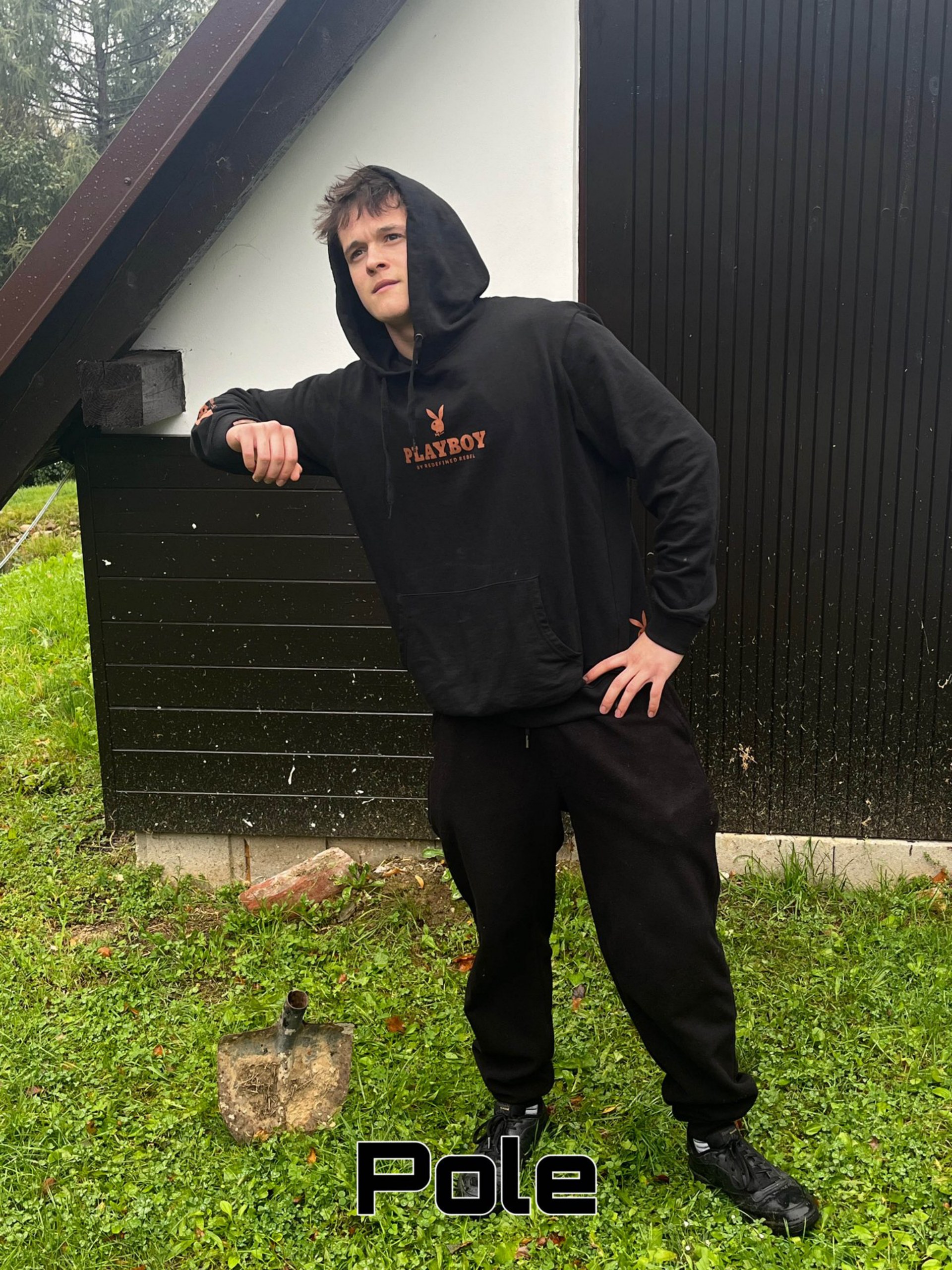
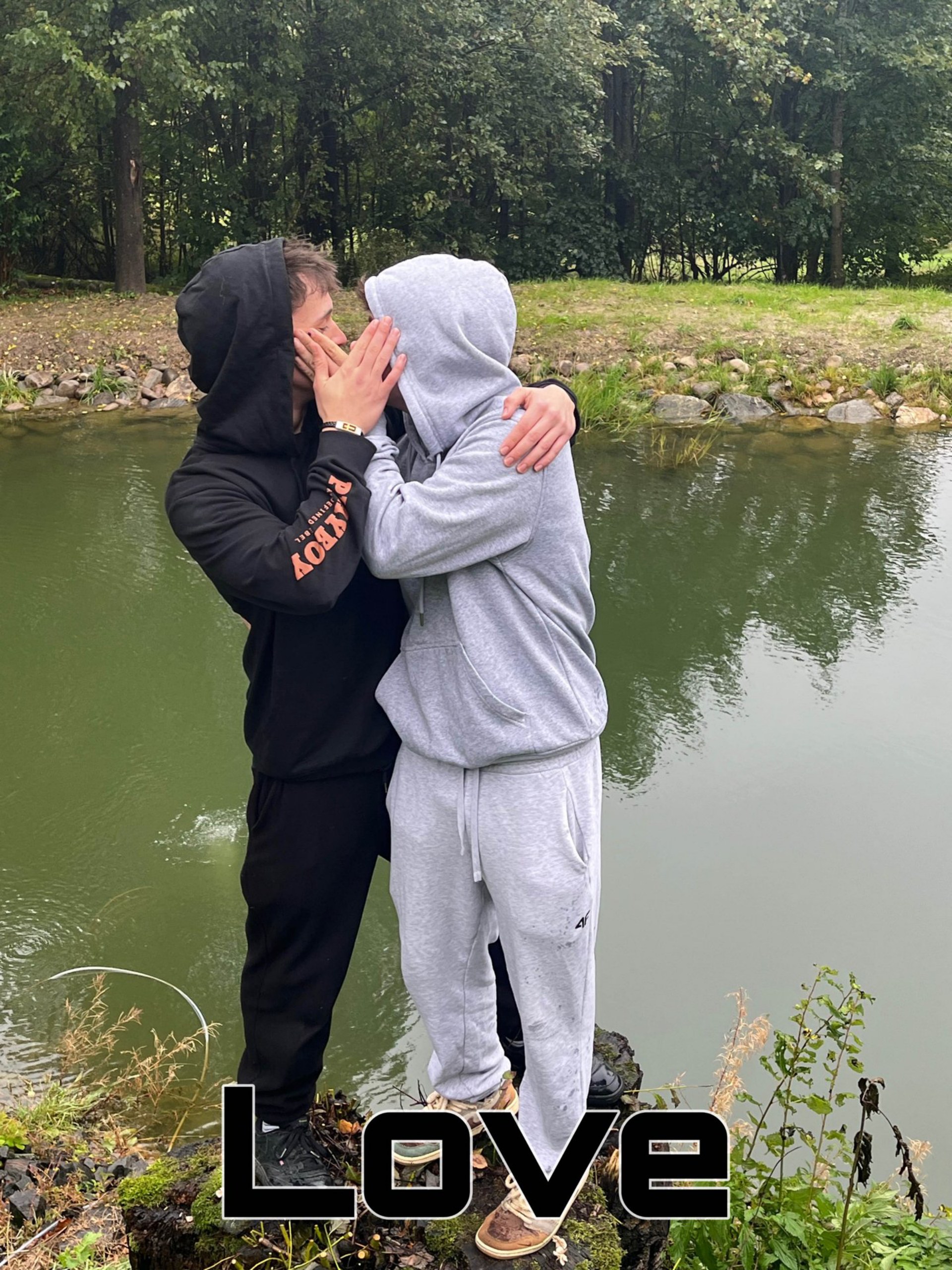
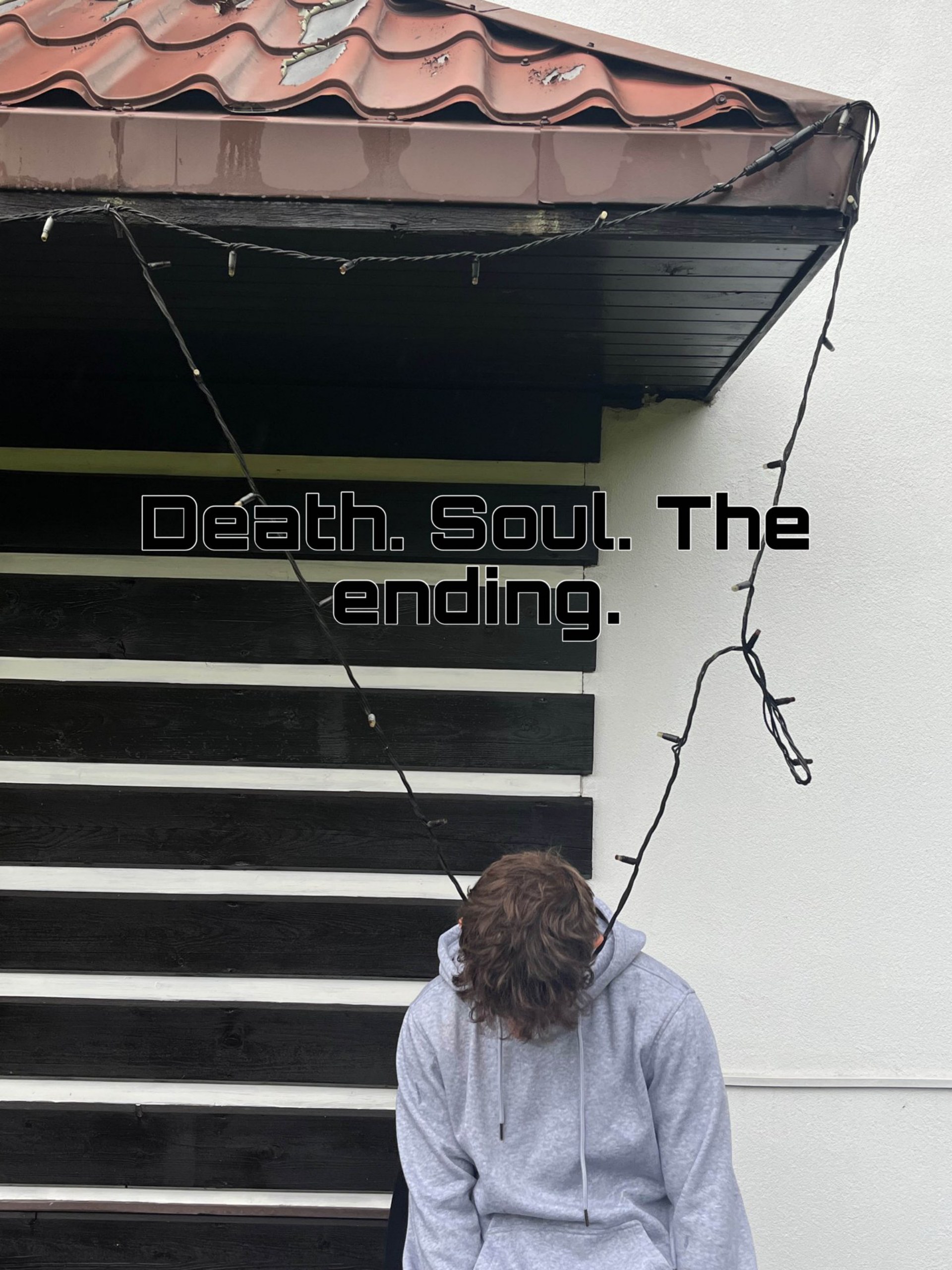
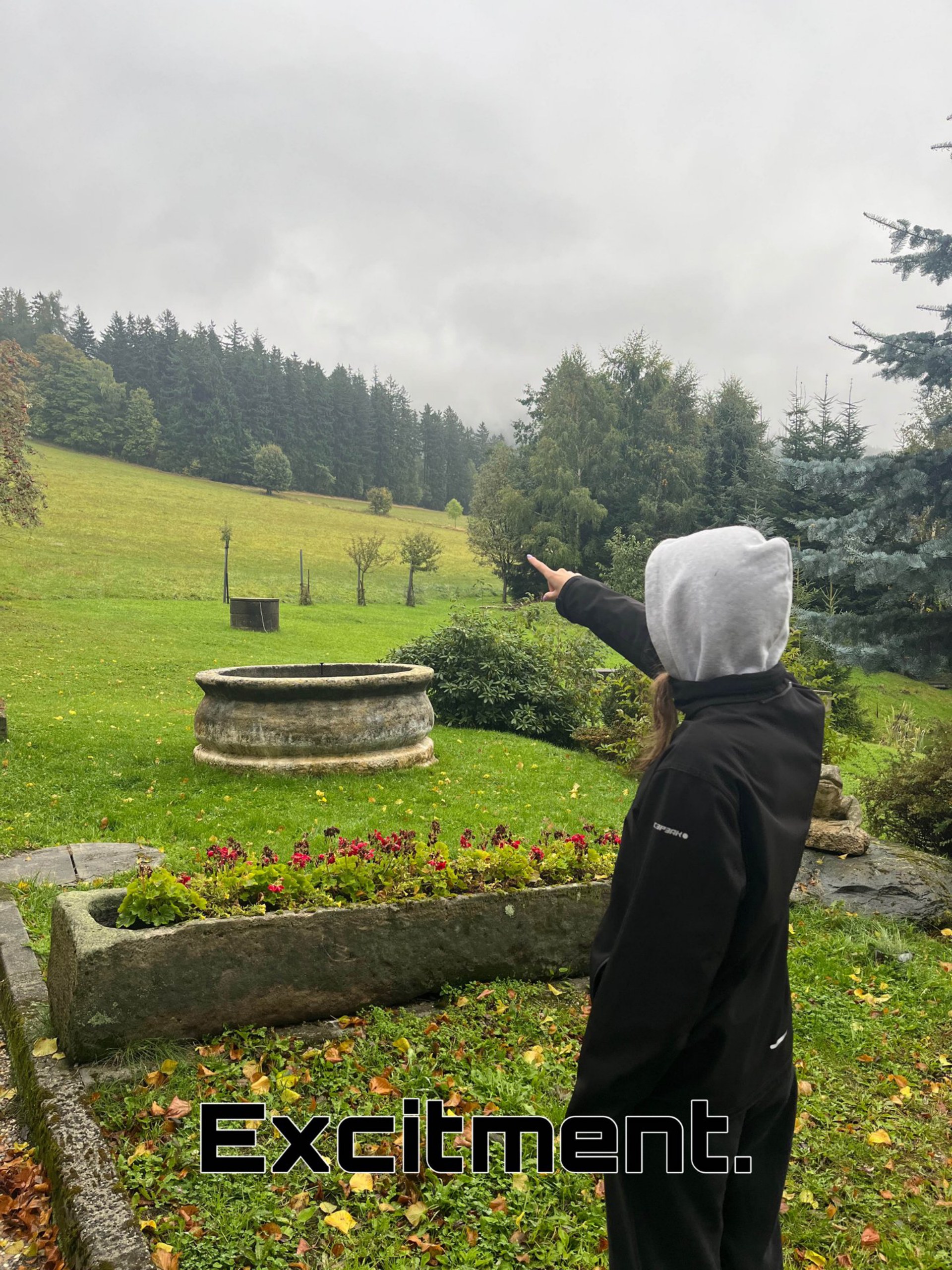
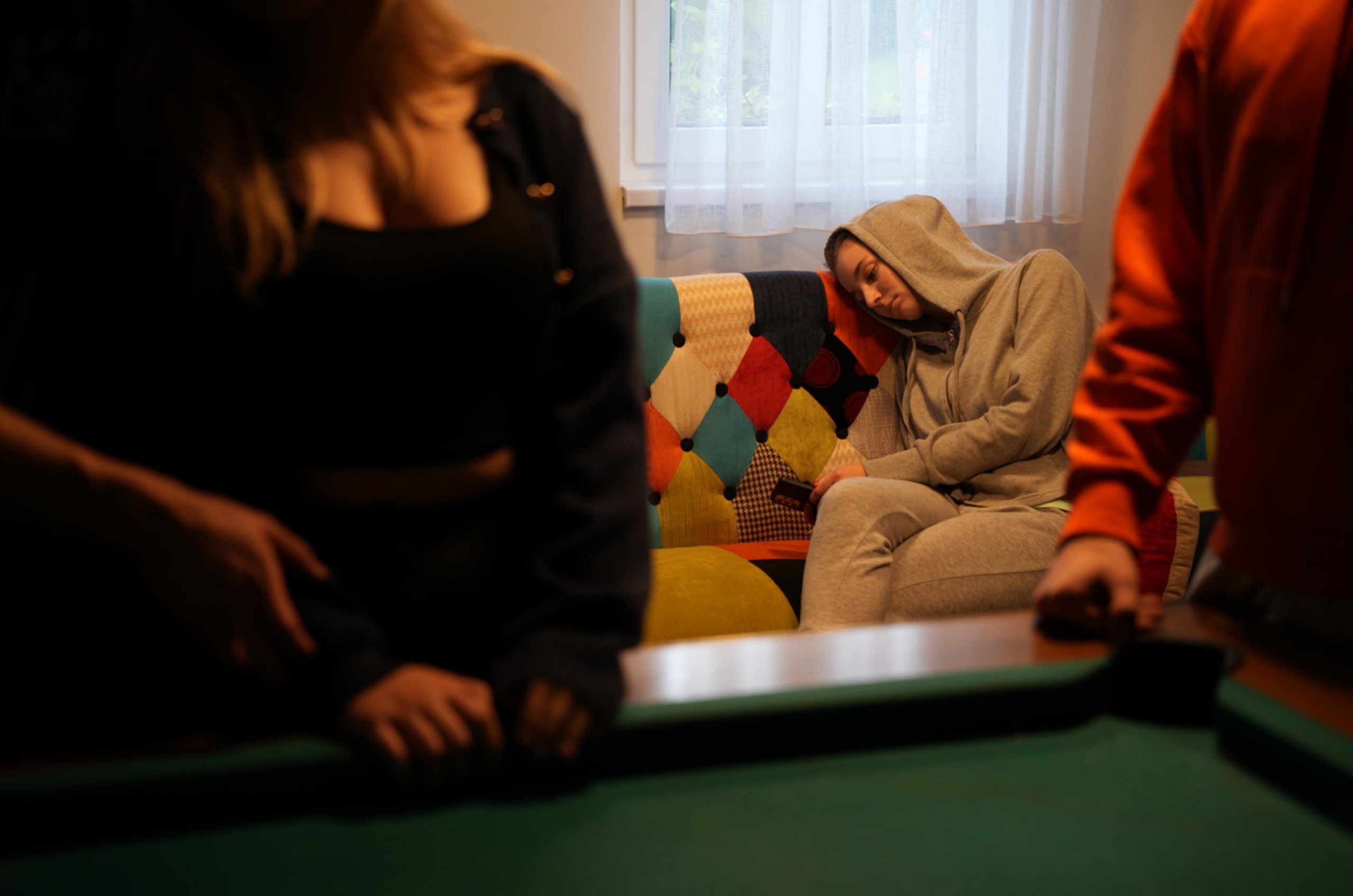
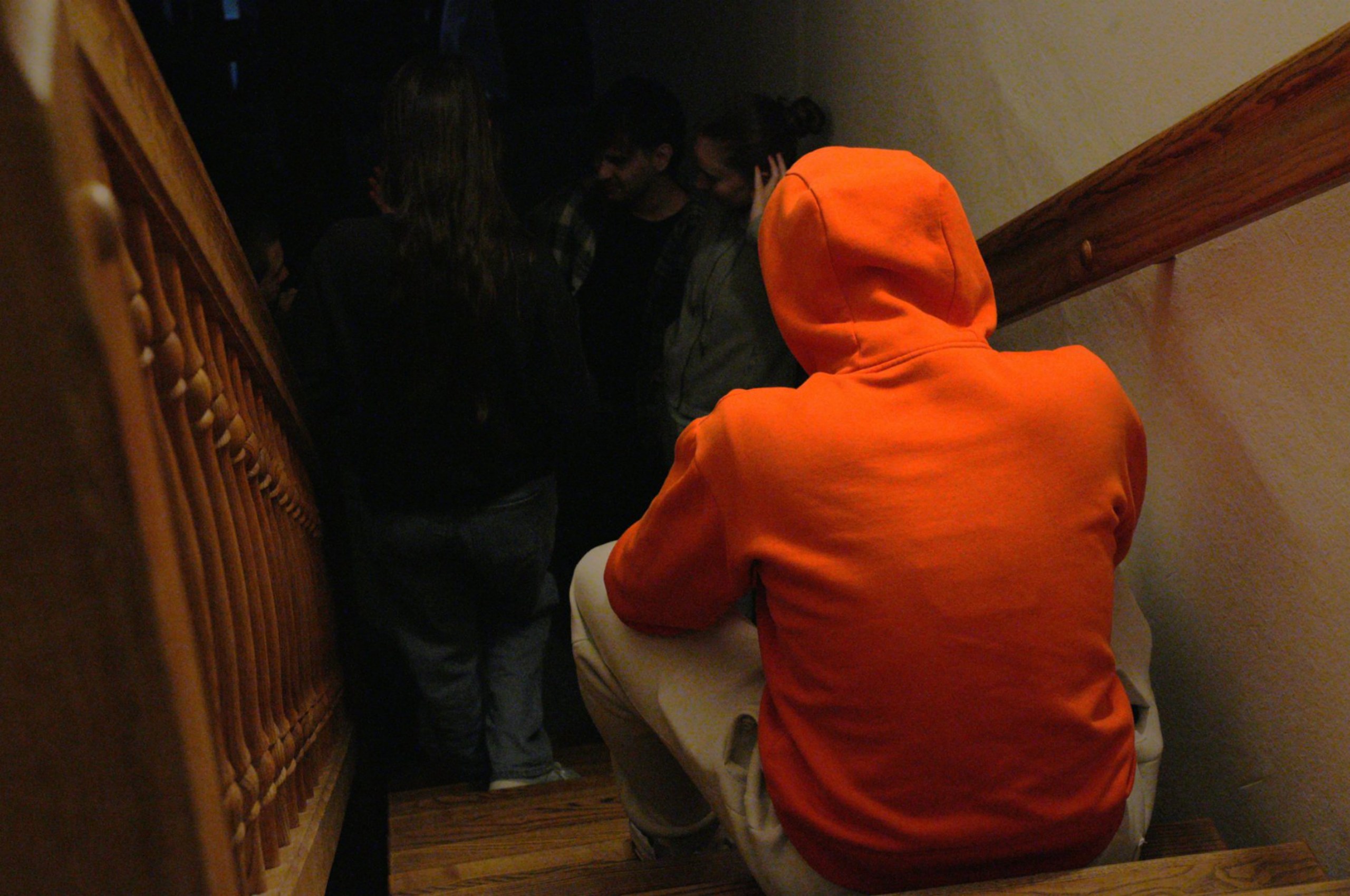
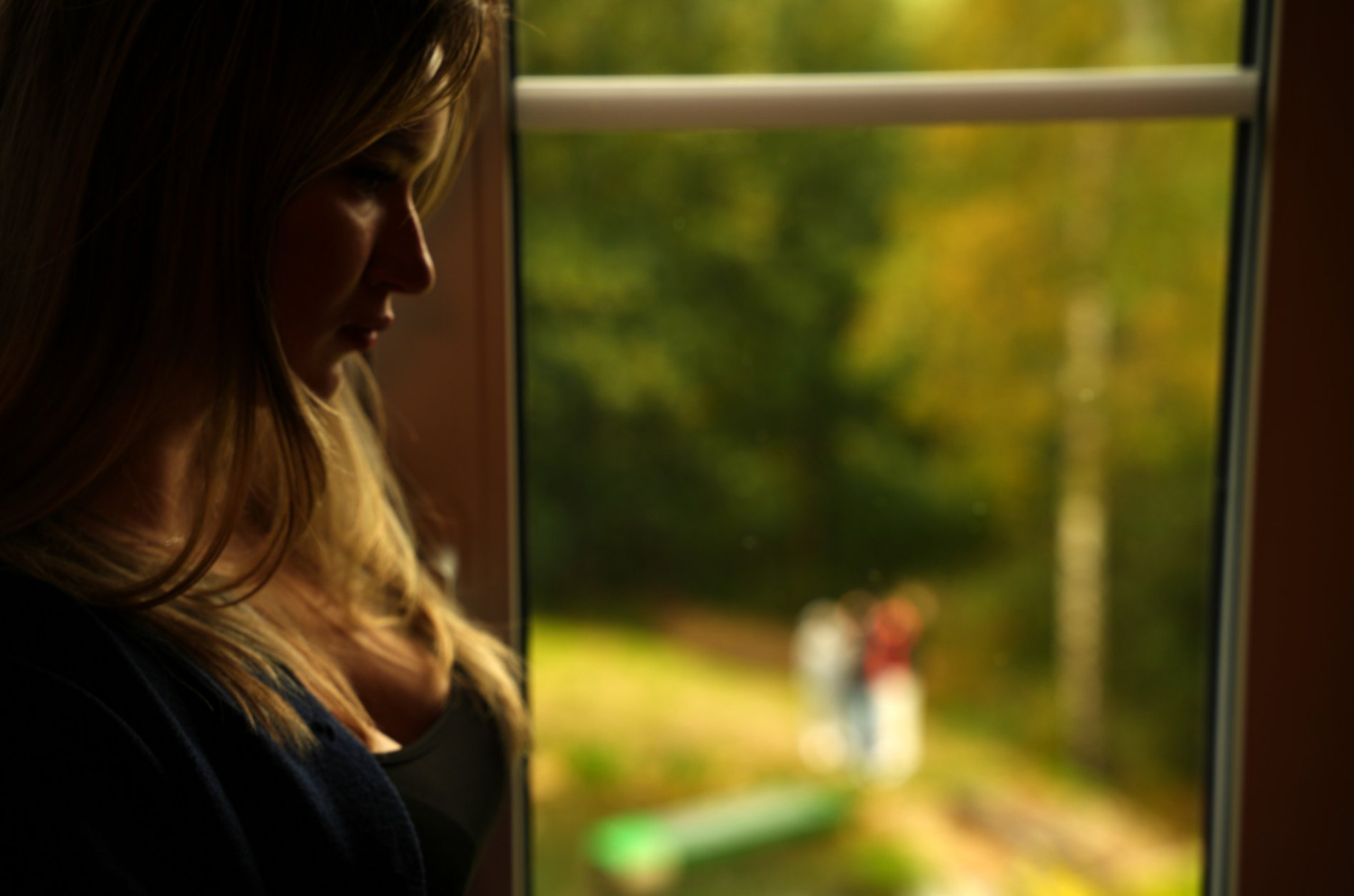
Then they turned it into storytelling. In a photo-storytelling session, each team drew an anonymous topic and built a wordless sequence of images around it, while the other groups tried to guess the theme. The results were sharper than anyone expected: a study of routine as a kind of cage, the same scenes shot once as chaos and once as order, a sequence on the things you cannot photograph directly, like friendship and love, and a quiet set on solitude.
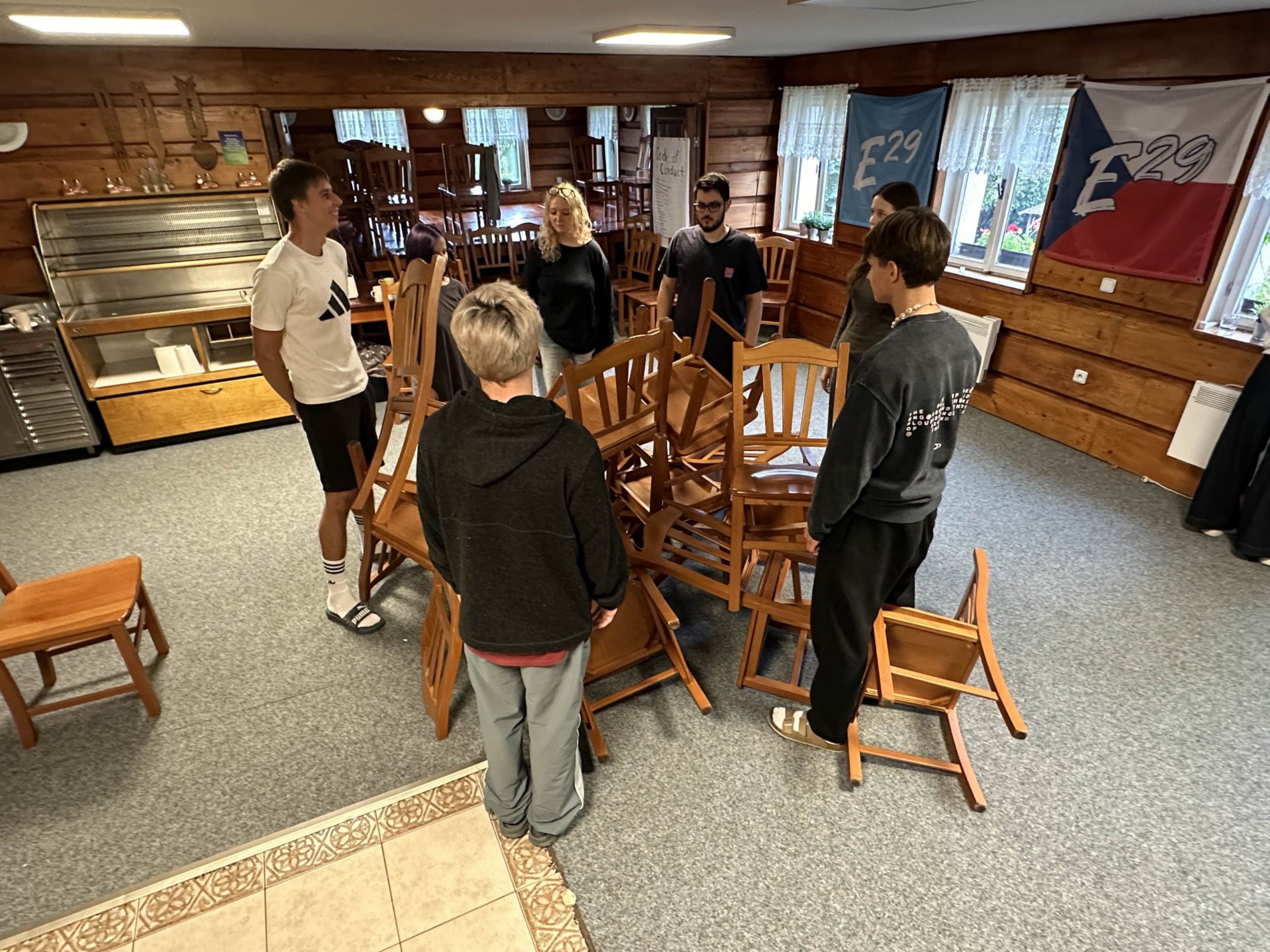
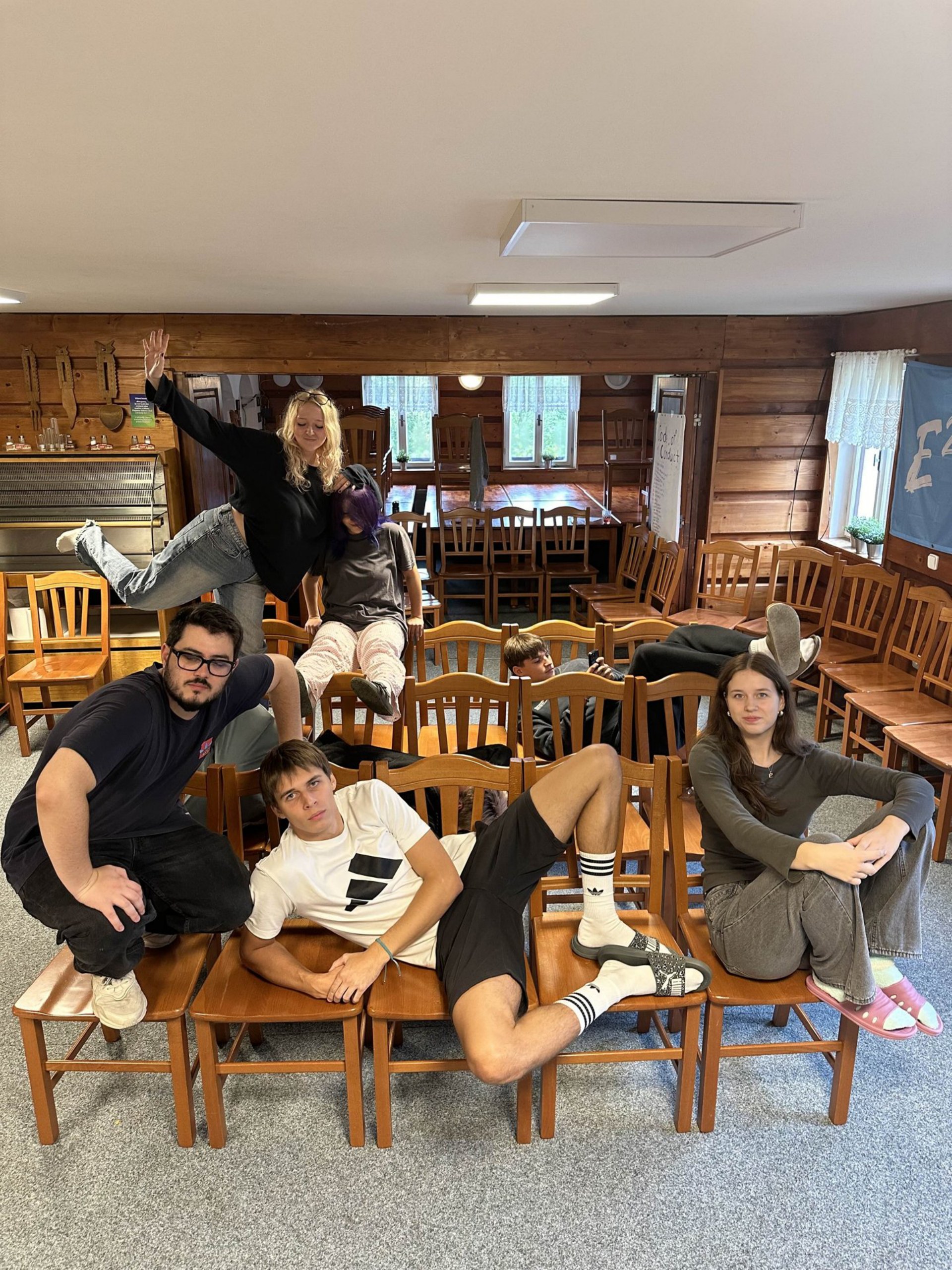
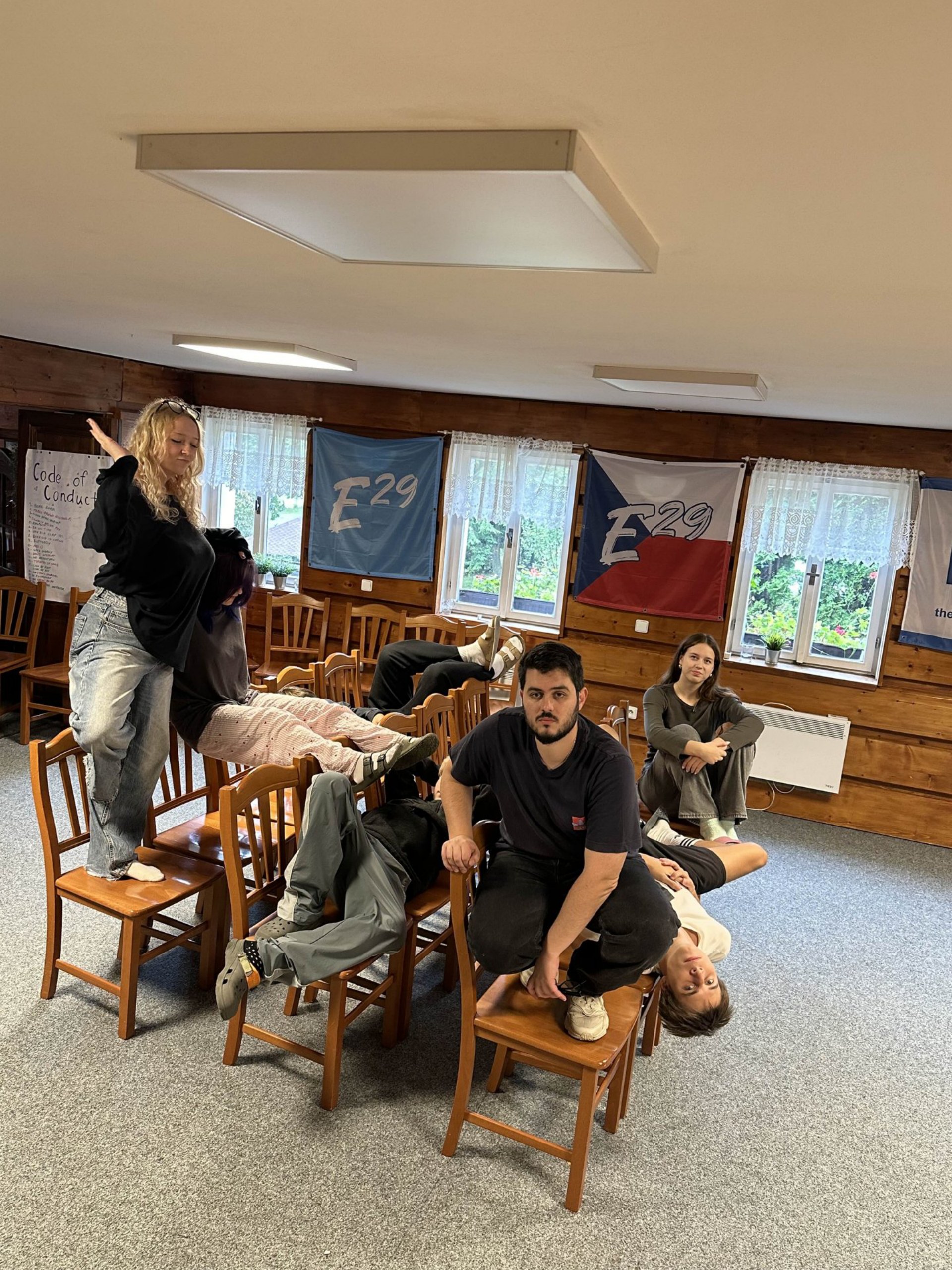
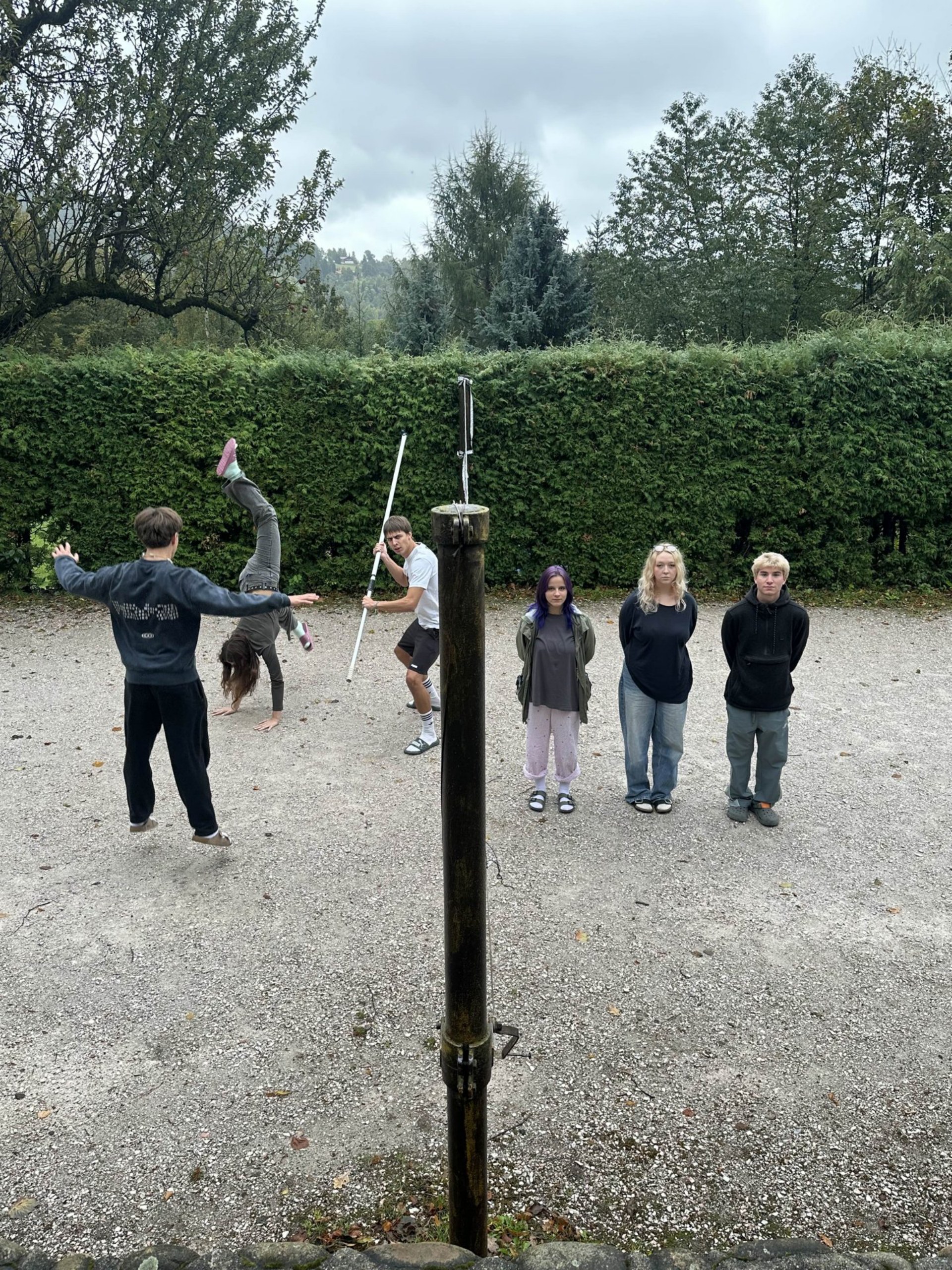
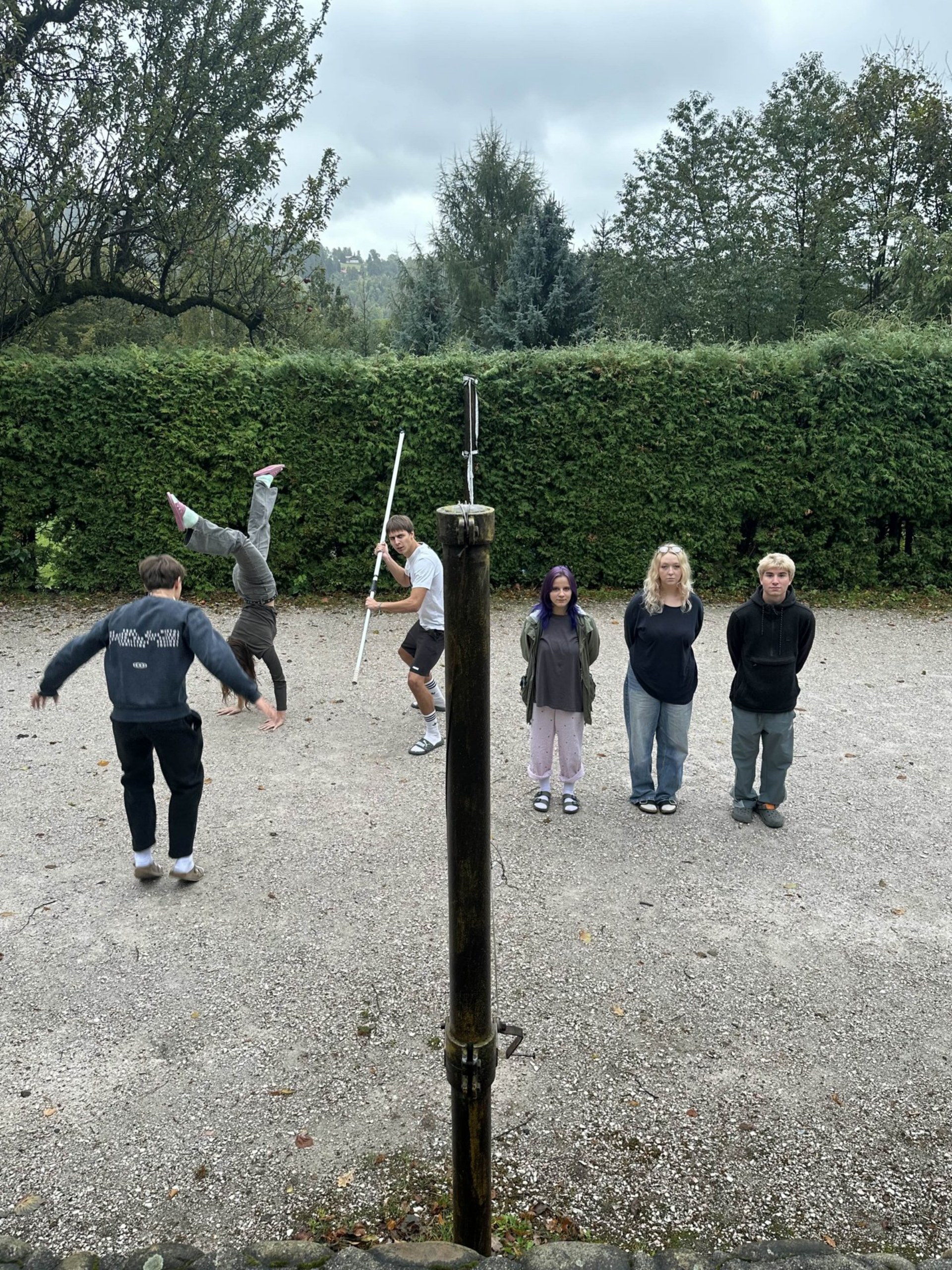
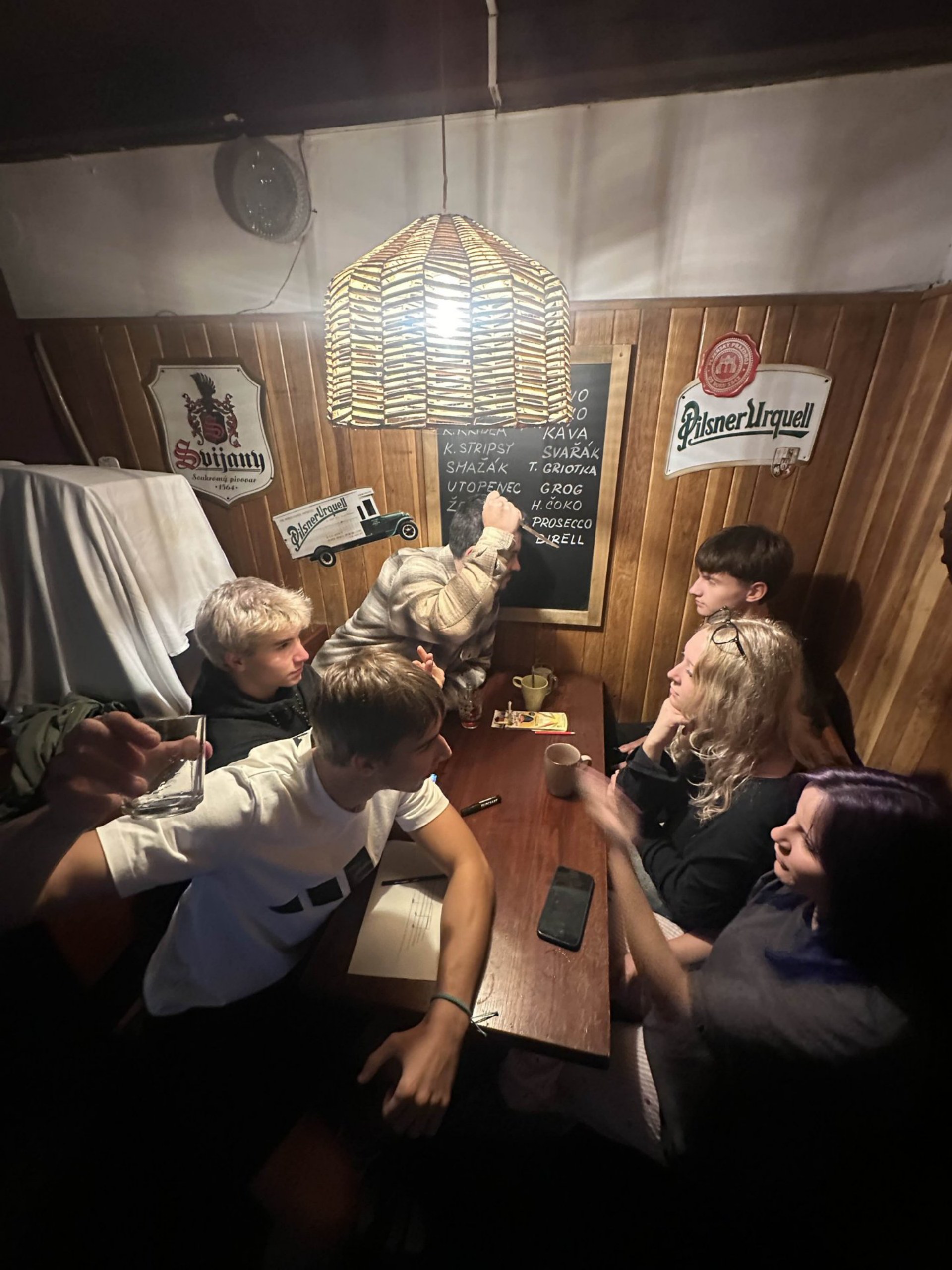
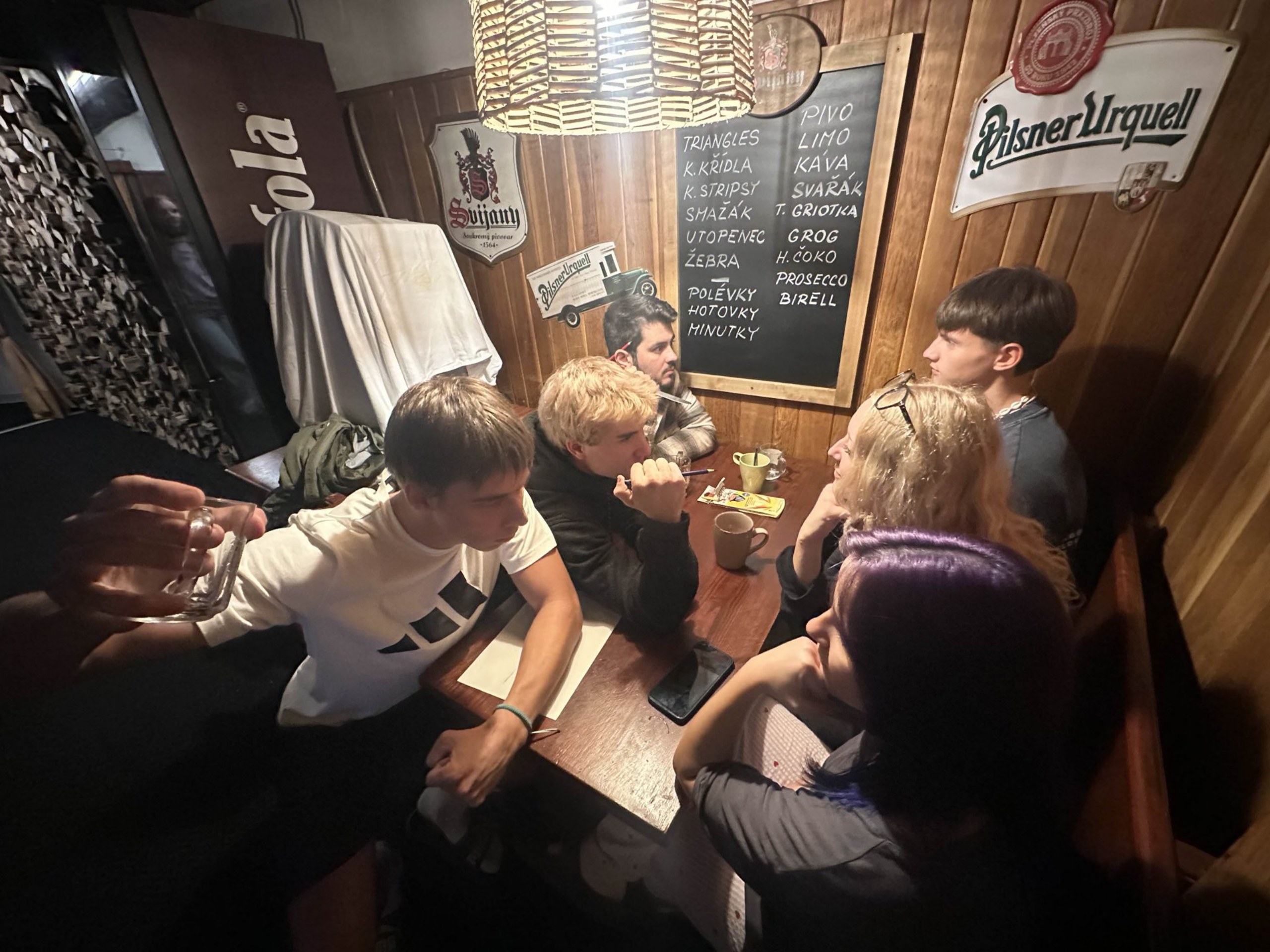
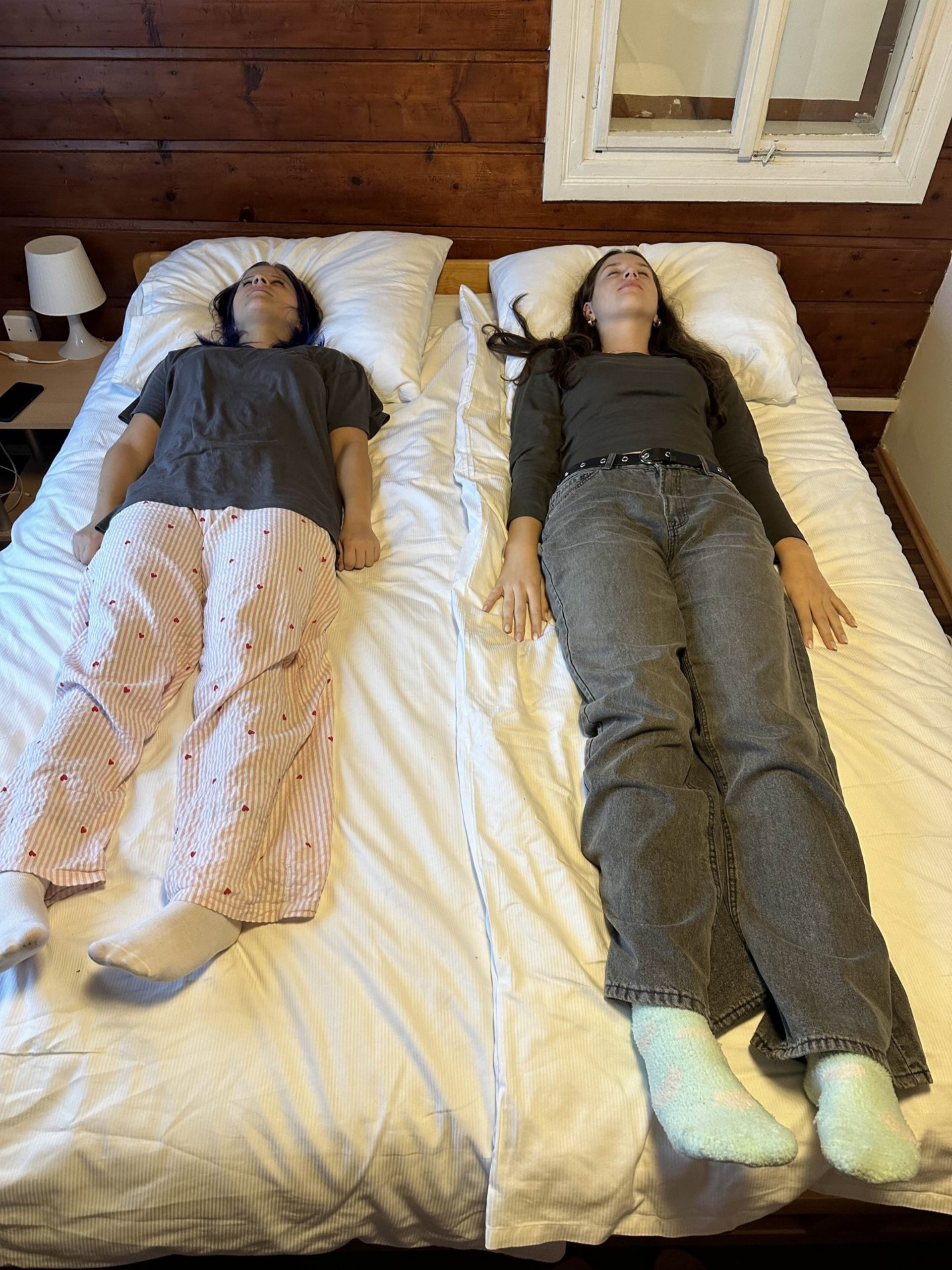
The full set of photo stories is in the Results below.
Many Ways to Tell a Story
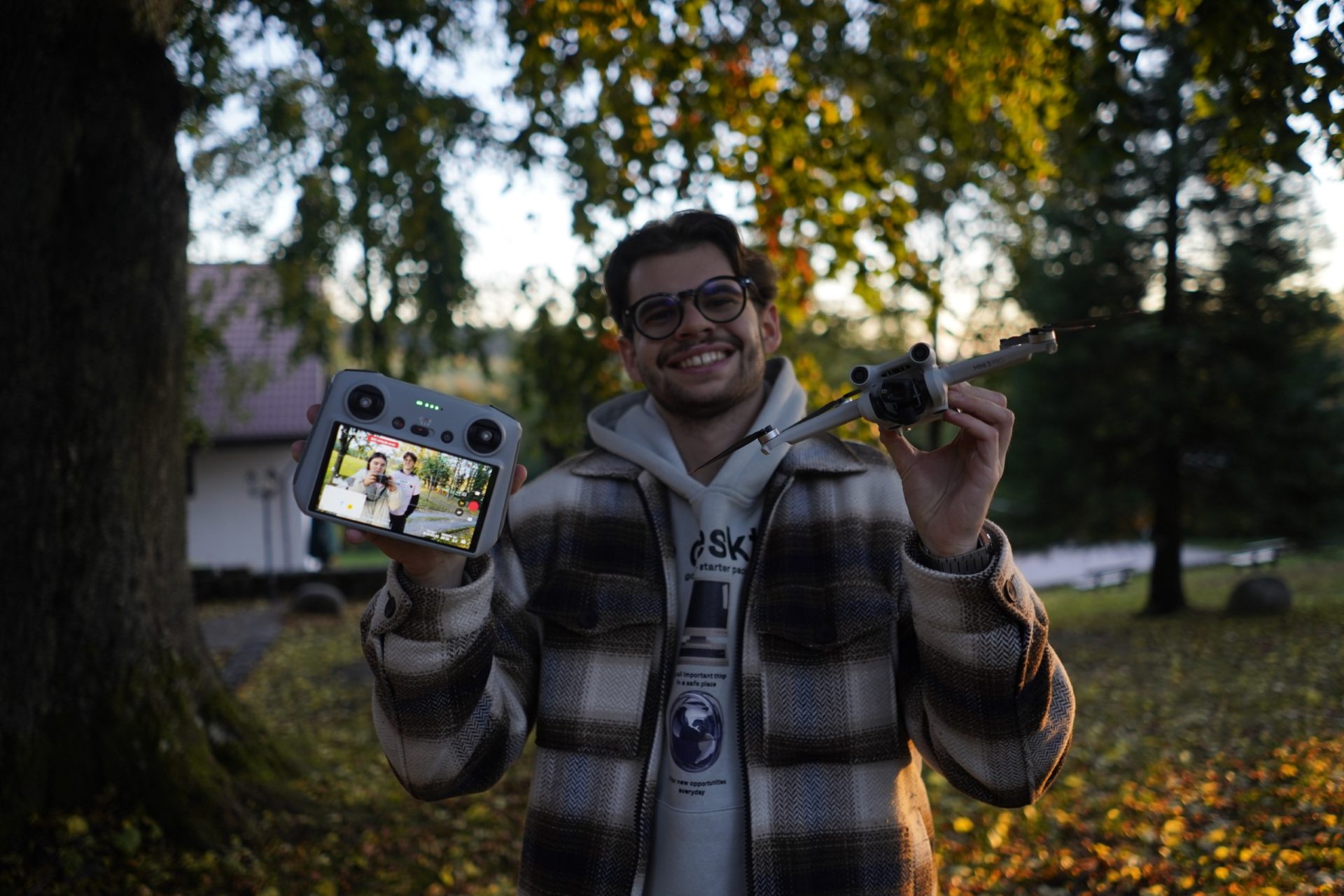
From there the programme opened up into format after format. There was a music video challenge and a podcast sprint, a theatre block where groups staged and filmed short scenes, and a session on digital activism and campaign strategy that asked how a message actually travels online. There was plenty of room for play too: a meme workshop, mock advertisements for invented products, and remade trailers for famous films. Some of it was silly on purpose, and that was the point. After trying so many different shapes of content, the group had learned that the tool is never the story. The idea is.
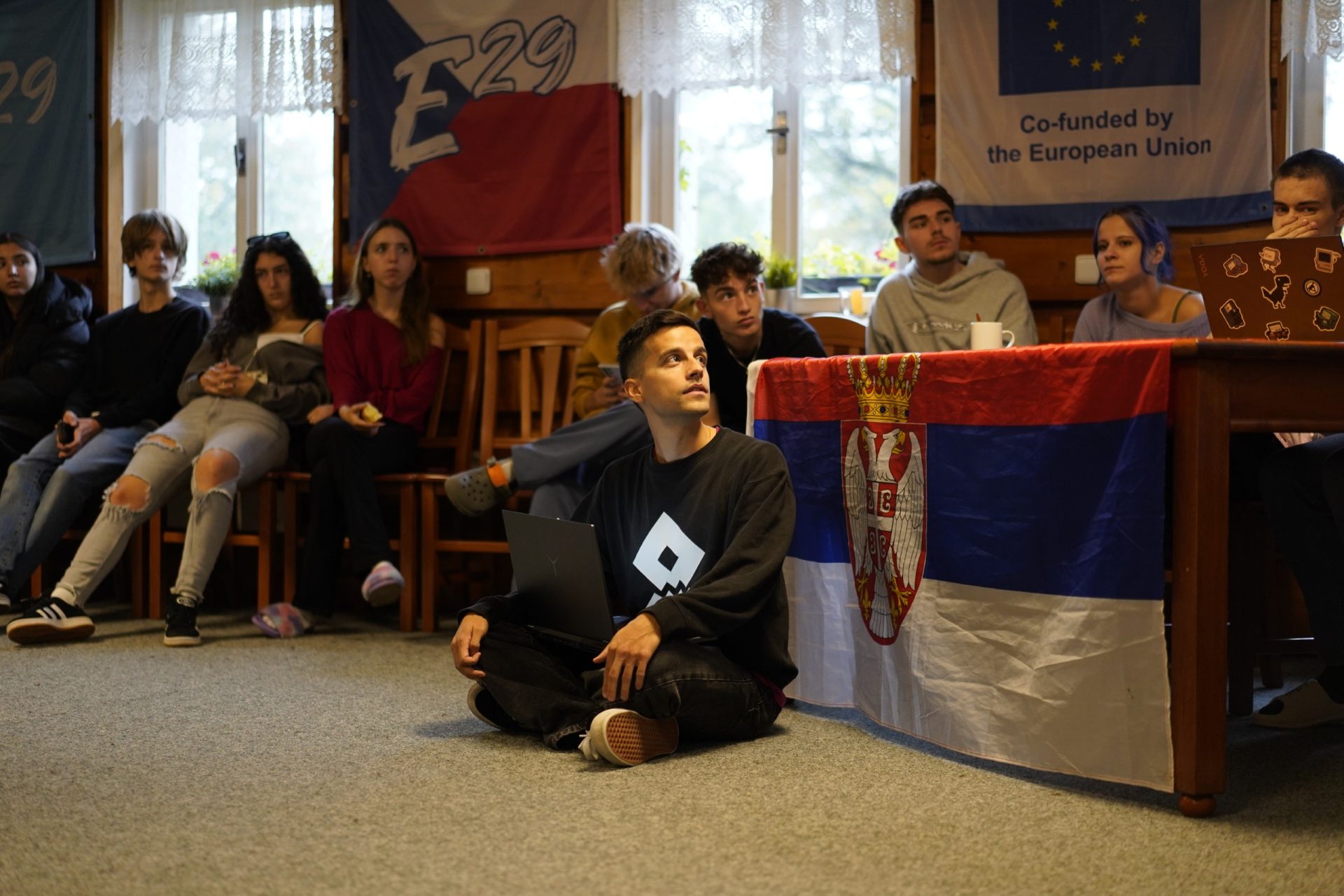
Evenings Belonged to the Countries
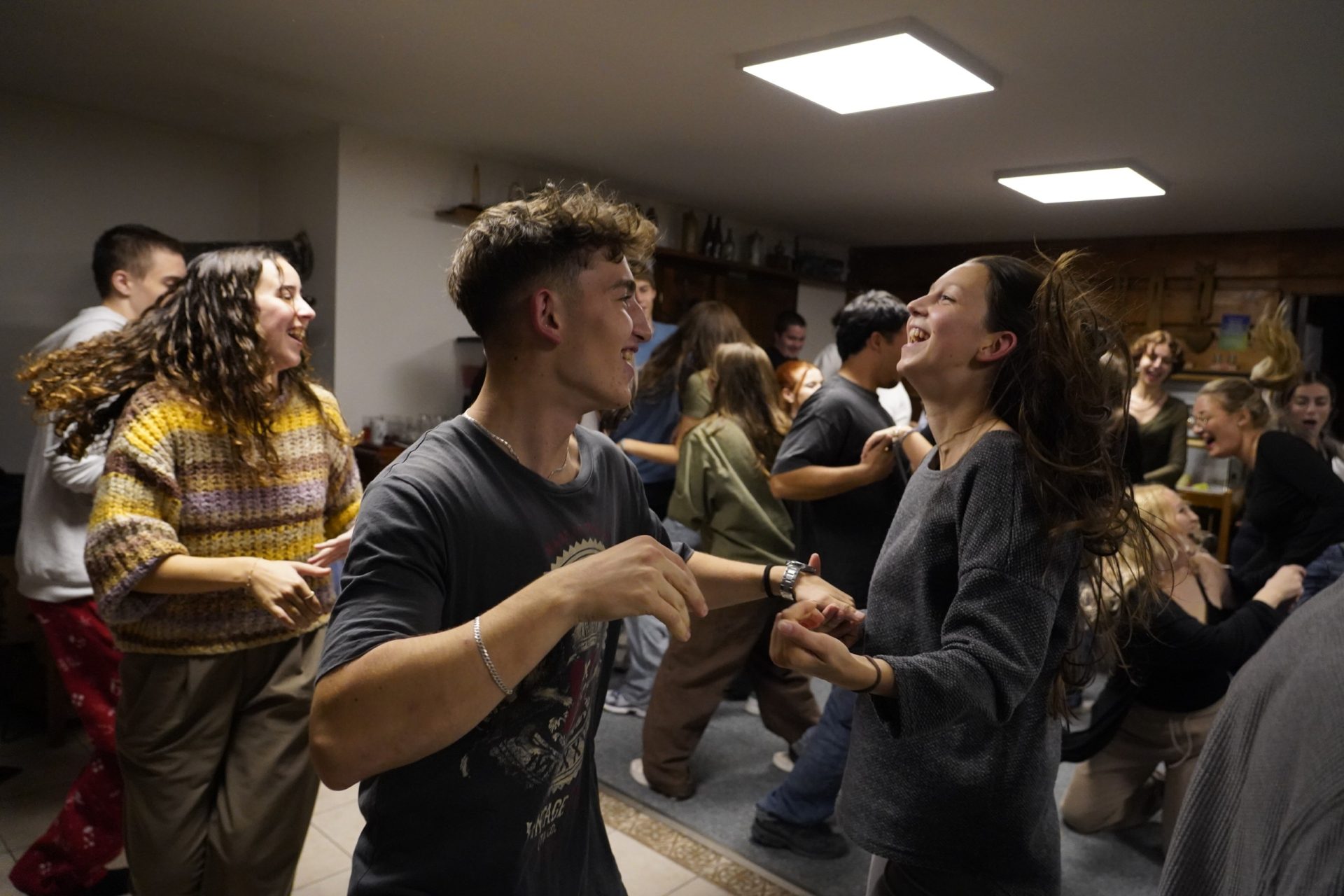
The workshops ran in daylight; the evenings belonged to the seven national groups. One after another, each took a turn hosting a Cultural Night, presenting home through whatever felt truest: a flag on the wall, a playlist, a dance the rest of the room got pulled into, and a table of food carried across Europe in a suitcase. Some nights ran loud, others quiet, on storytelling and tastings, but every one ended a little less like seven delegations and a little more like one group.
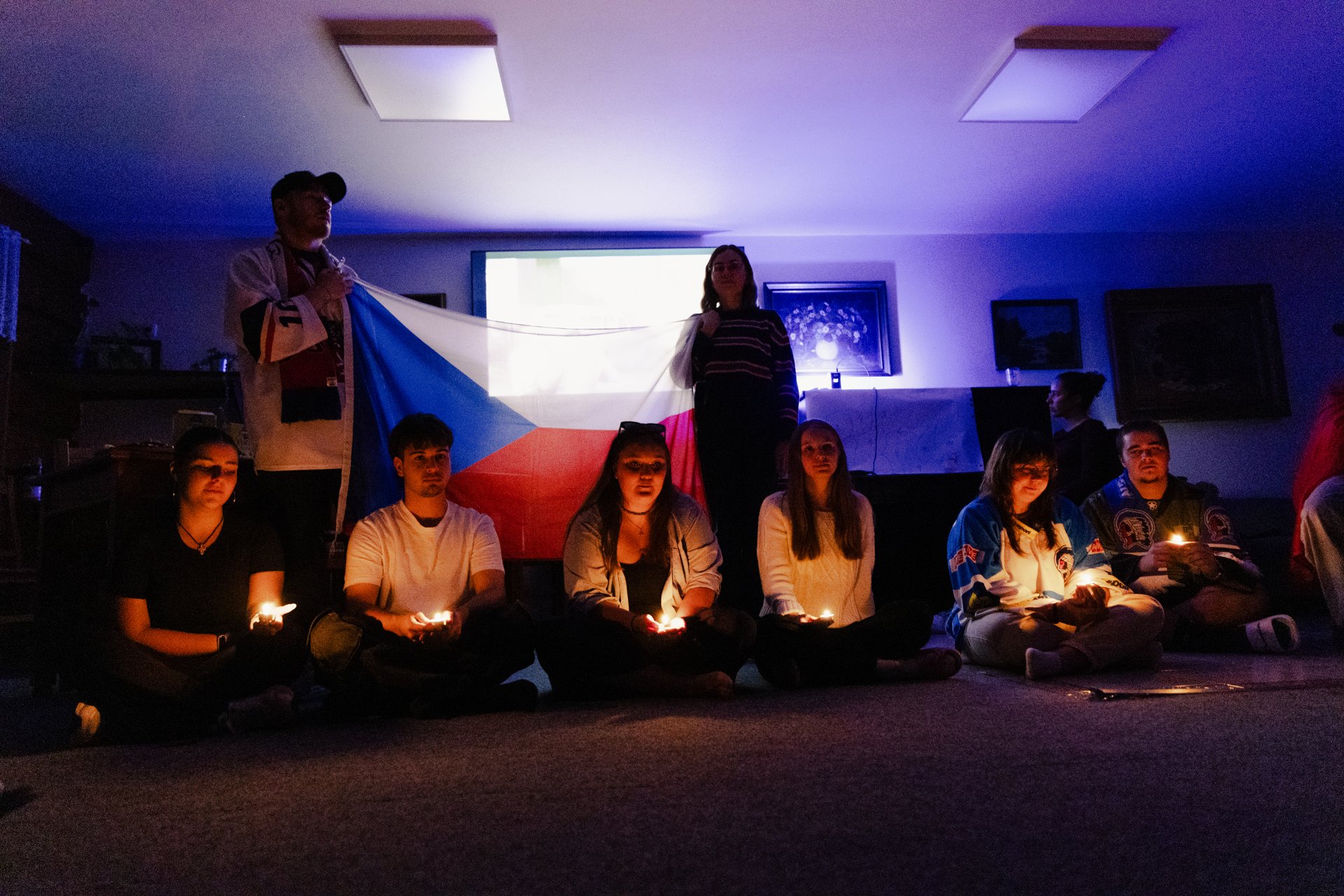
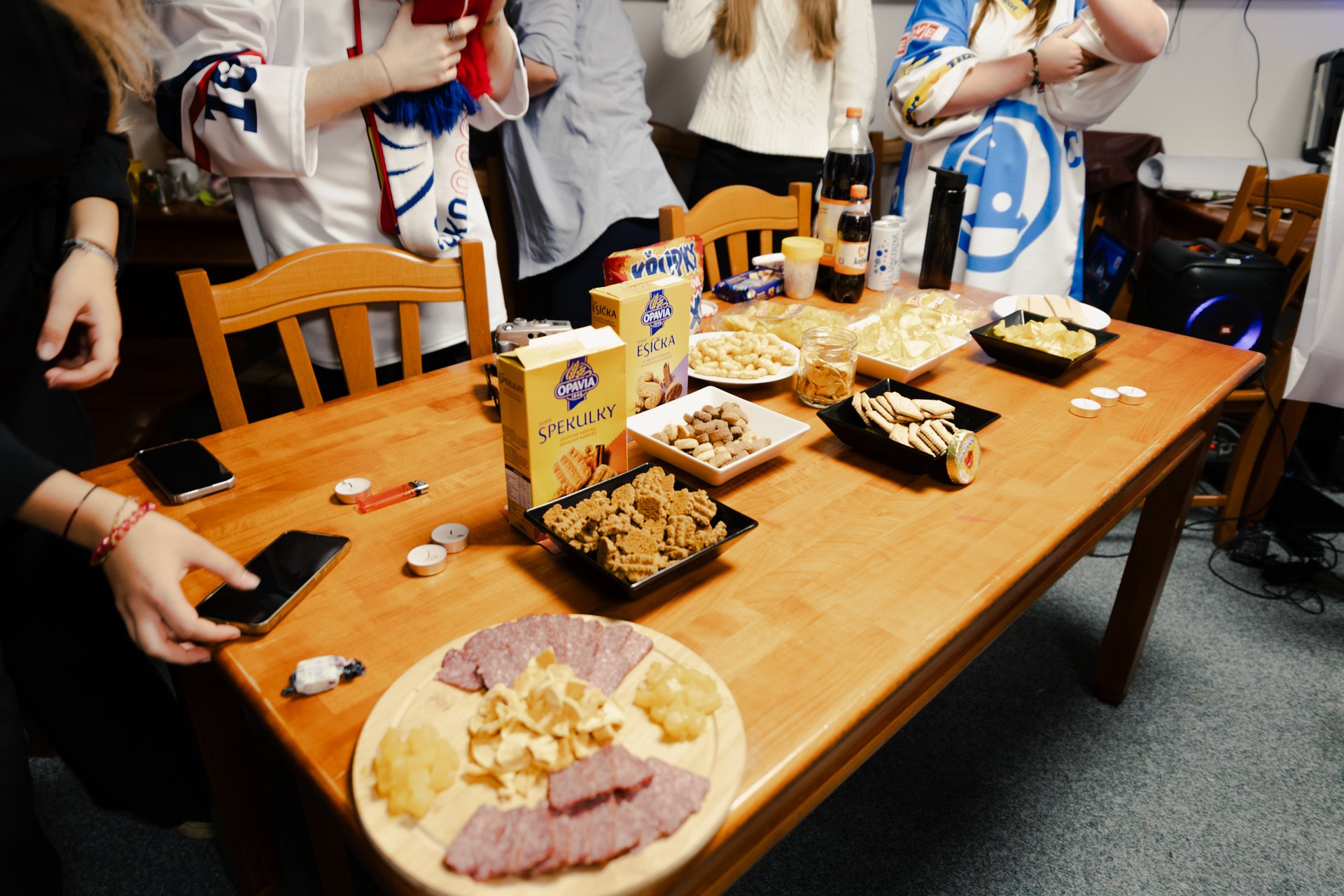
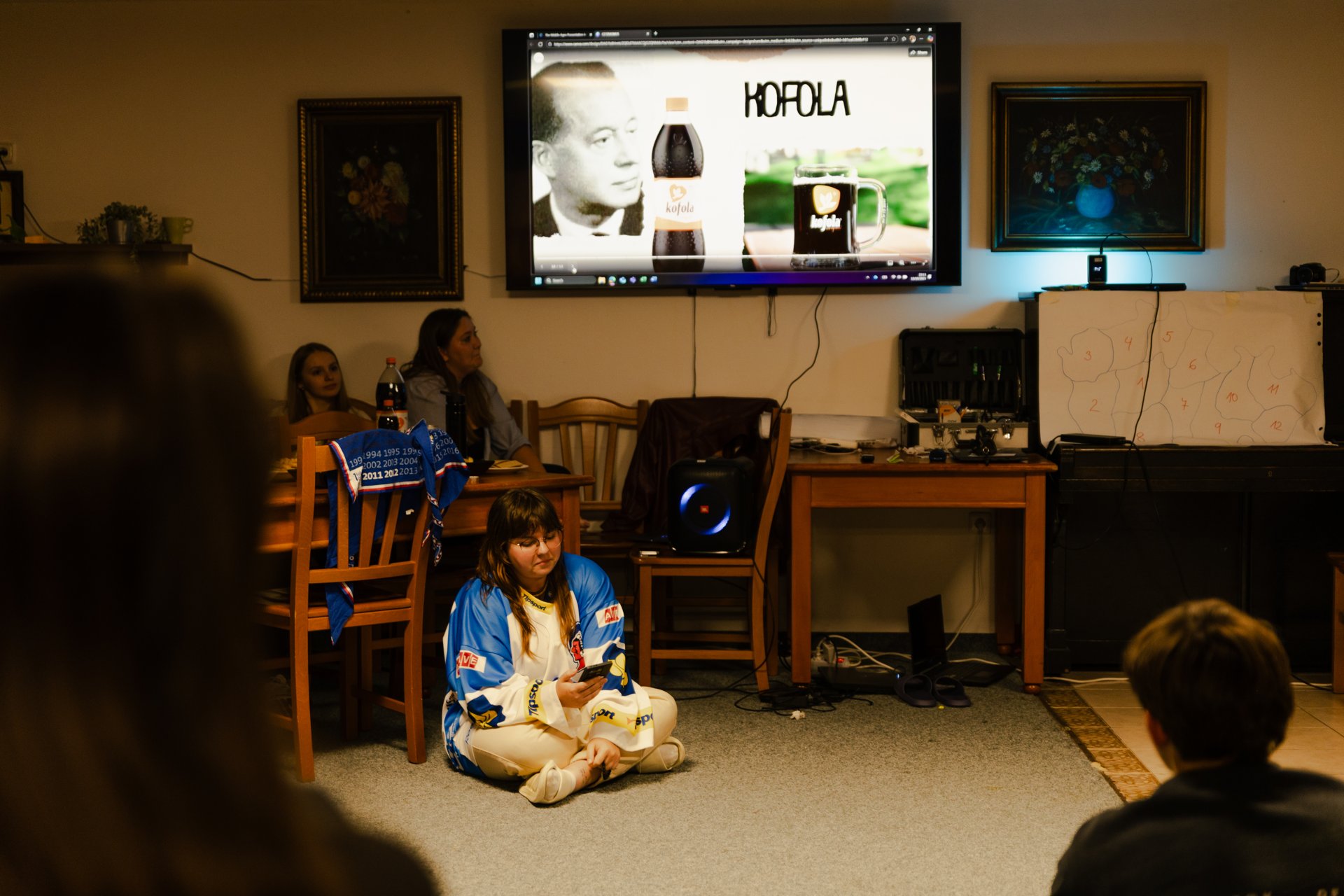
The Czech night was ours to host. We dimmed the room and passed out candles, hung the flag behind us, and laid out a table of open sandwiches and snacks from home, with Kofola standing in for the national drink and a bit of Plzeň ice-hockey pride never far from the conversation.
Films With Something to Say
The block that landed hardest was the one where national teams made a film about a problem or a stereotype from their own country. The camera skills were suddenly in service of something heavier, and the groups rose to it.
The Lithuanian team built a film around a child watching a home come apart, ending on the line “I want to be a kid again and be safe in my own home.” Portugal followed the same person across two parallel realities, both of them struggling, carried by a narrated poem and some of the best camerawork of the exchange. Romania took on phone addiction, then offered an alternate, hopeful ending where everyone simply puts the phone down. Slovakia traced a teenager becoming an influencer and sliding into depression, under the title “not all addictions are drugs.” Czechia turned its lens inward, on a relationship slowly turning toxic, the small cruelties that build until something breaks.
Czechia's film, on troubled relationships.
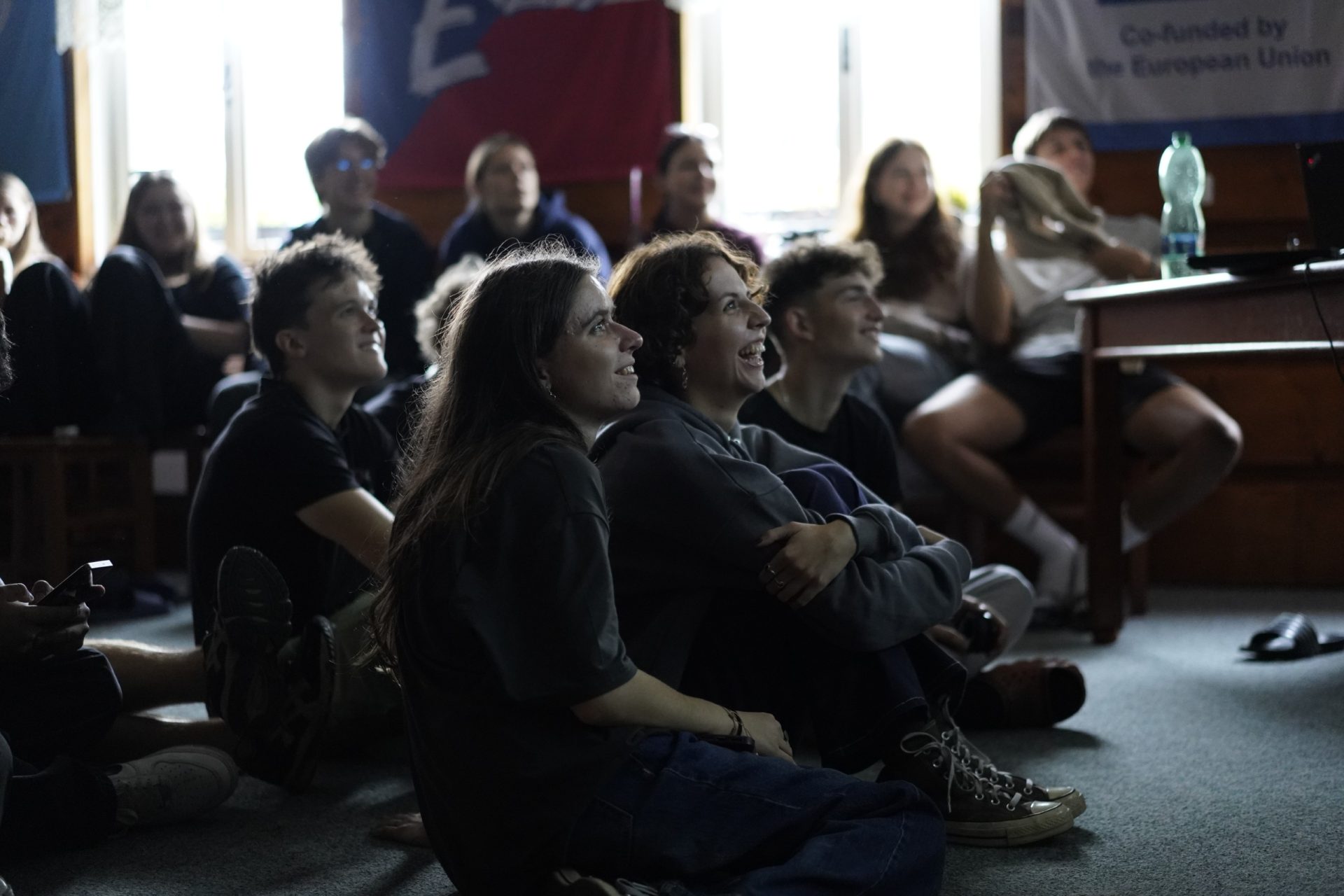
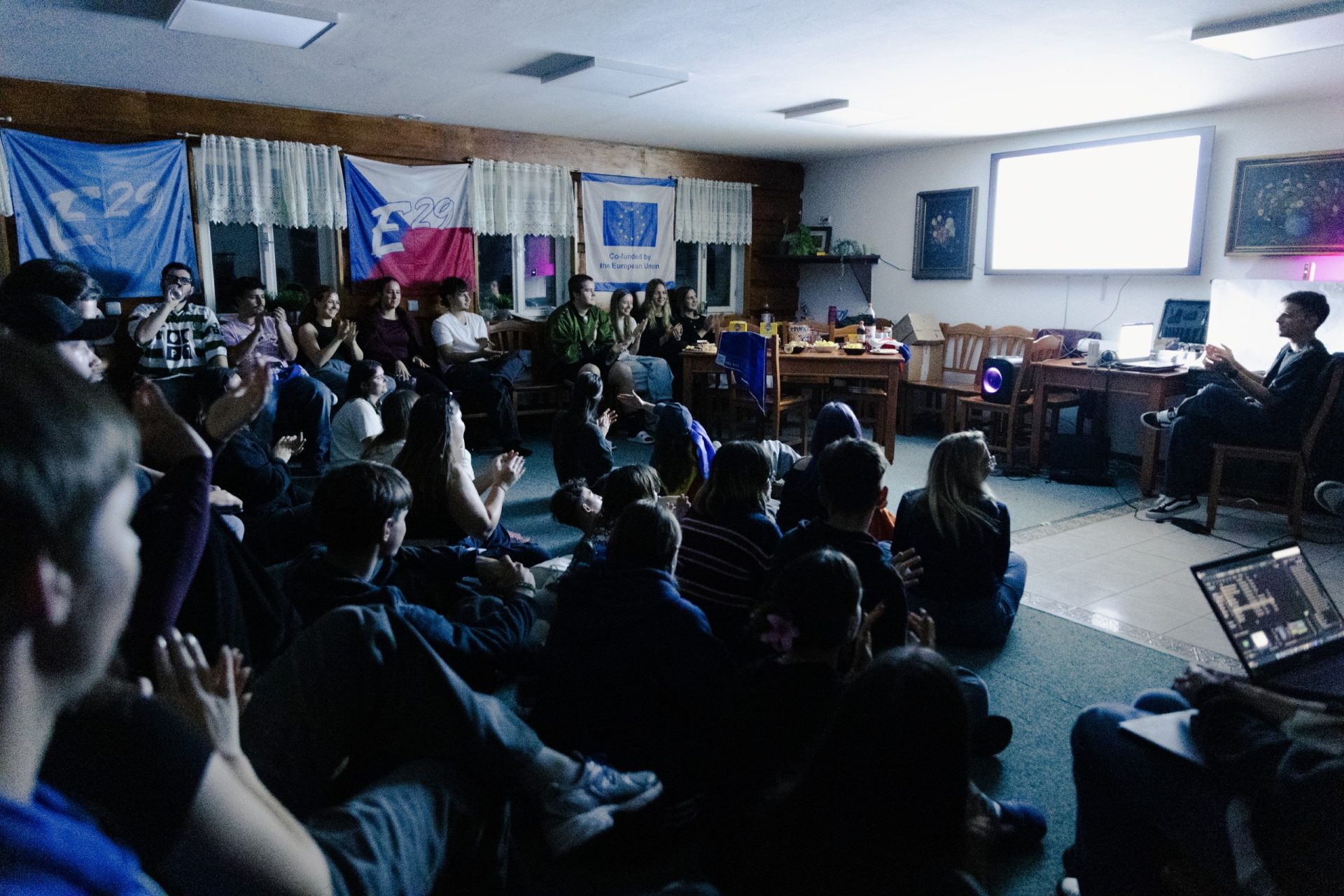
Cutting a Story Together
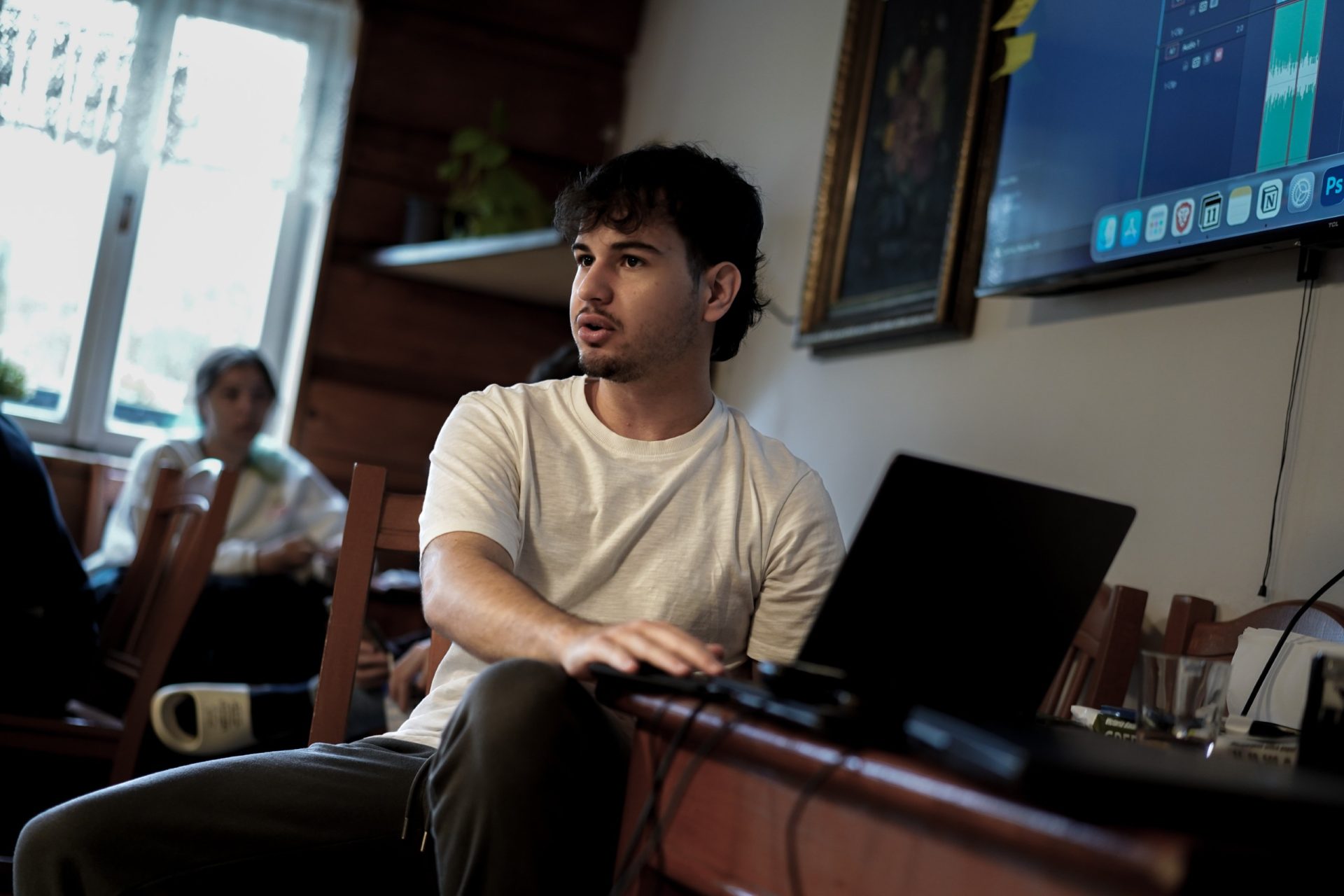
Alongside the issue films, mixed teams took on a short-film project, writing, shooting and editing a complete piece from scratch. This was one of the high points of the whole activity: real production where each group had to carry an idea from a blank page to a finished cut, sharing cameras, locations and an edit suite. For many in the room, this was the first time touching editing software at all. That could have been intimidating, so we kept it collaborative: people traded tips, gave each other honest feedback, and treated every small win as a shared one. Cutting a first clean cut, landing a transition, fixing a colour grade. Each step turned a technical tool into a way of telling a story.
The range was wider than anyone expected. One team pulled off a Money-Heist-style heist, another told a whole story through FaceTime calls, a third built a tense, Taken-style kidnapping thriller, and others leaned into comedy and parody. The one that stuck with most people was The Gift: a horror short set at a birthday party in a haunted house, where an ordinary celebration slowly turns sinister.
The Gift, one team's haunted-house horror short.
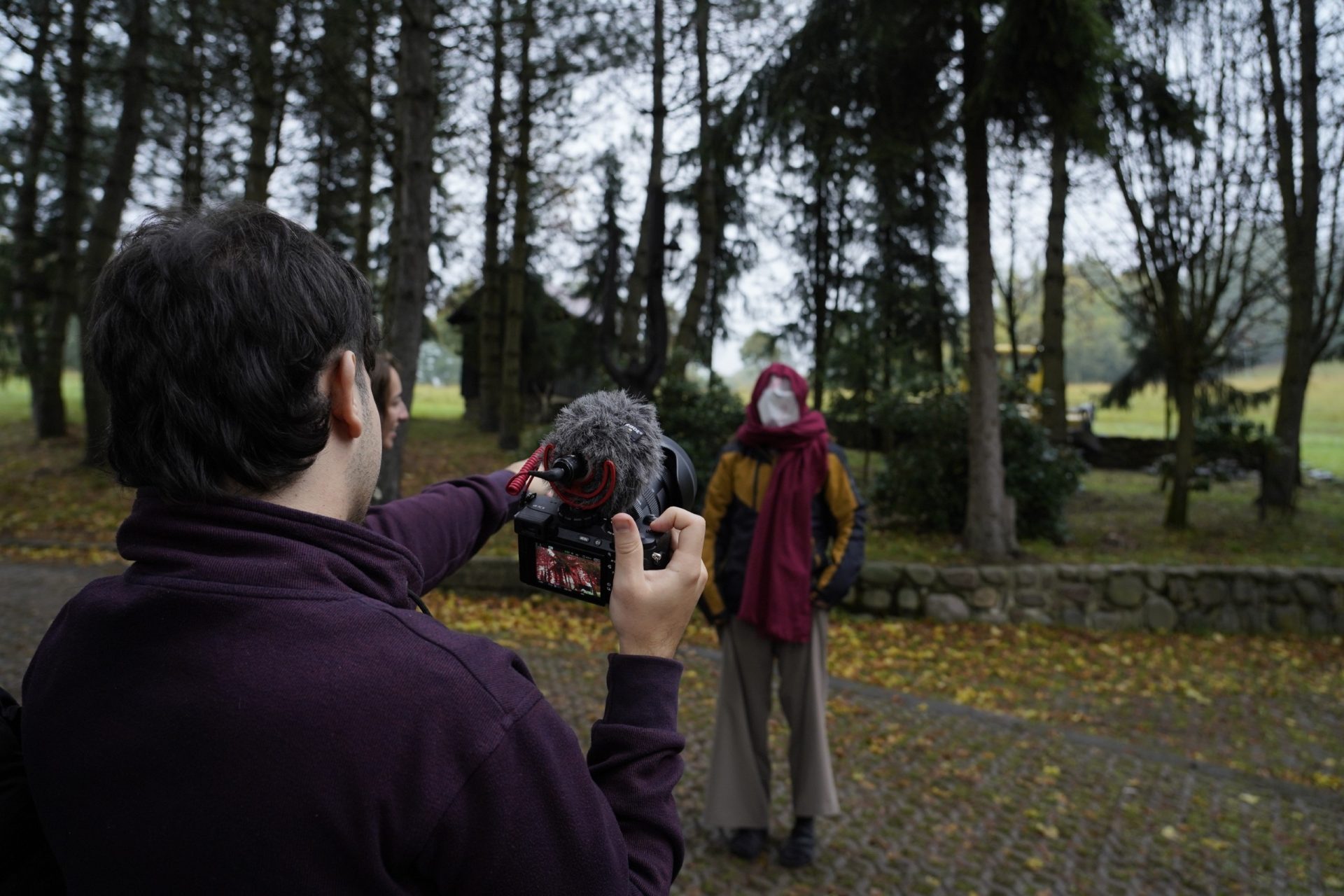
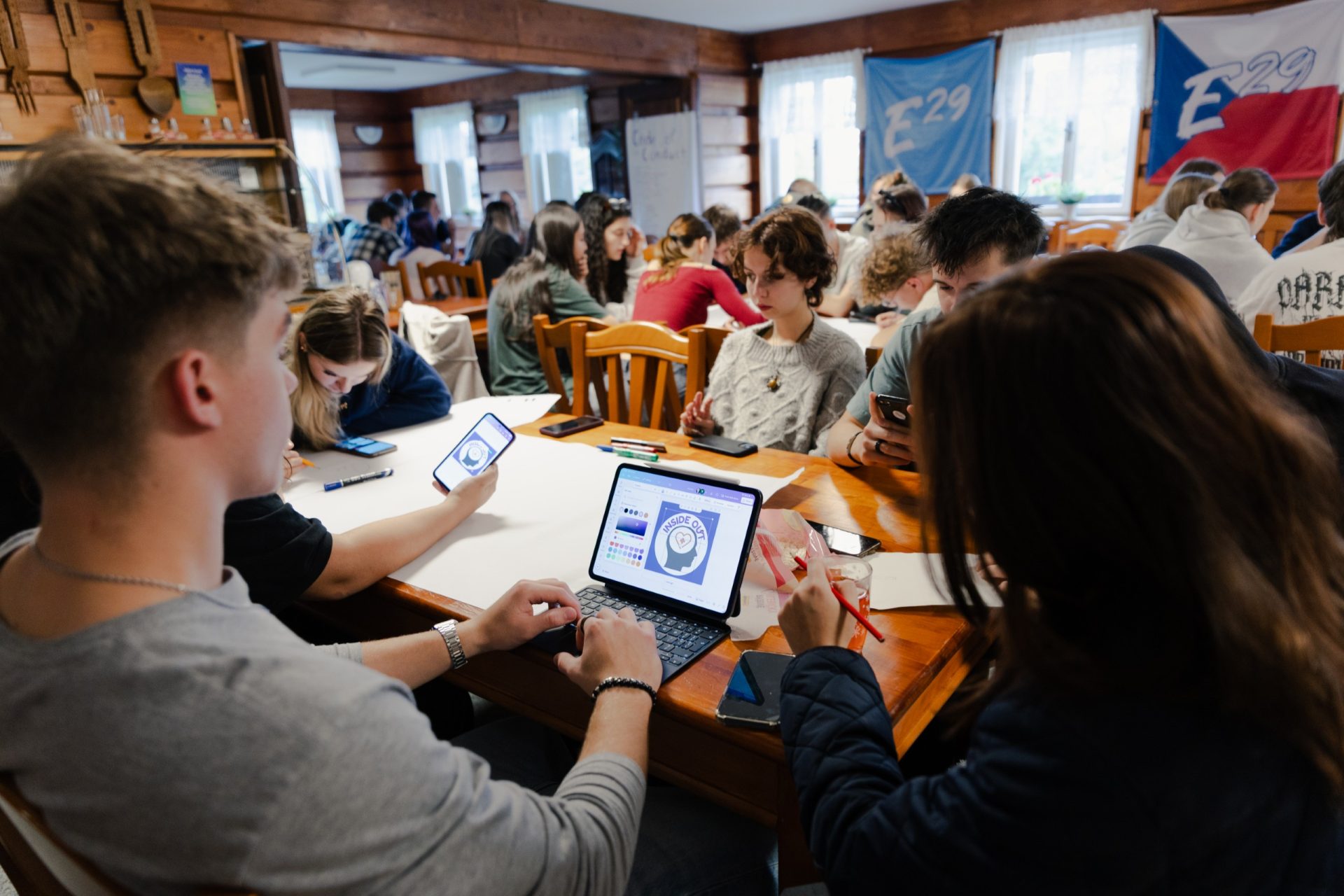
Skills That Travel Home
On the final days the group mapped out how they would carry the project home, a ripple effect spreading from one mountain town outward across seven countries. That plan became real fast: participants went on to run dissemination events at schools, universities, libraries and youth groups, screening the films they had cut here and showing other young people how to find the same opportunities.
That is the value this exchange is measured by. Not a trip away, but a set of capabilities that keep working long after the group has gone home, in the photos, films and presentations our participants are already making.
Results
Across the exchange the group produced a steady stream of work, from quiet photo sequences to short films with real ambition. Here is some of what they made.
Photo stories
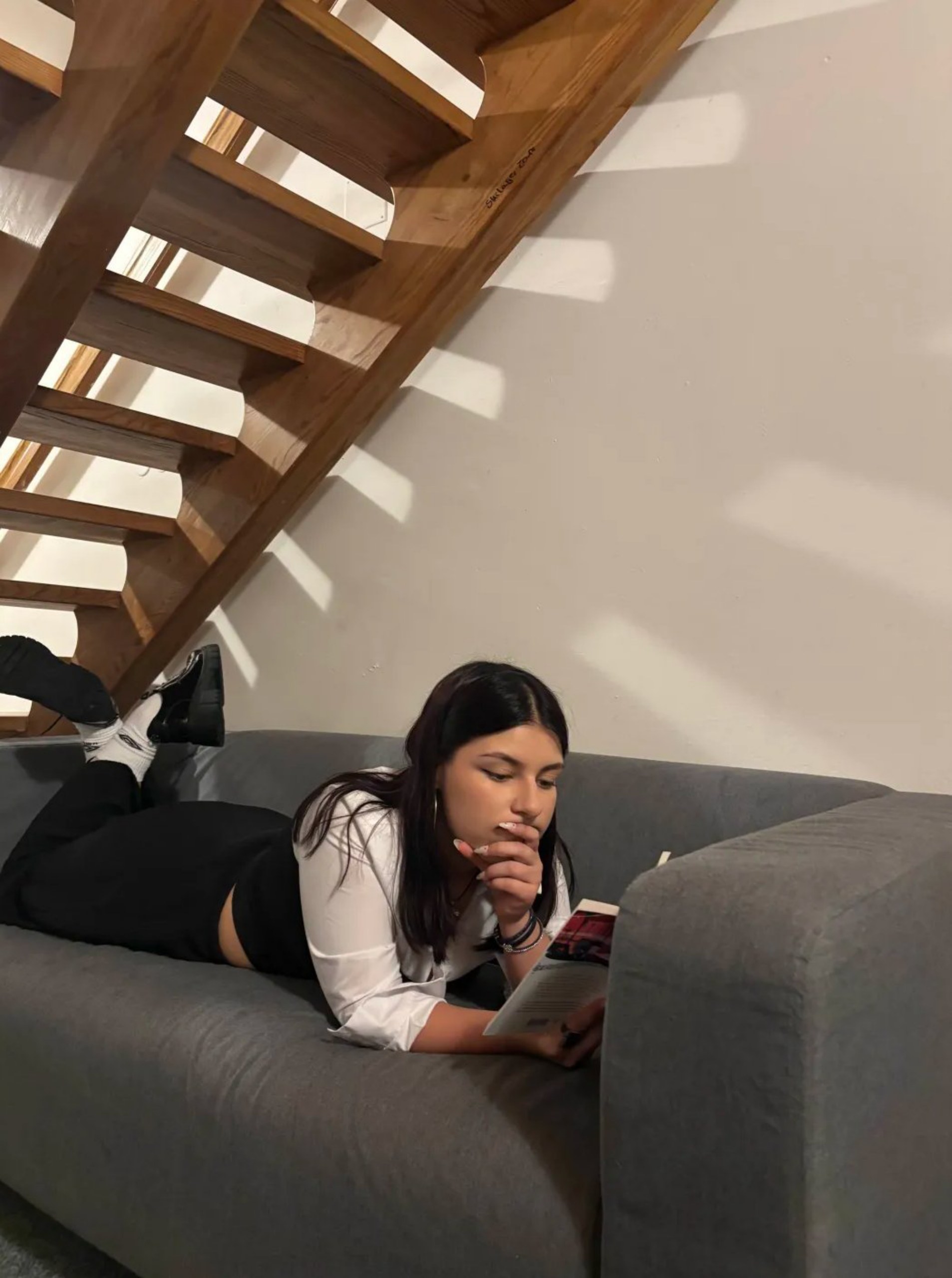
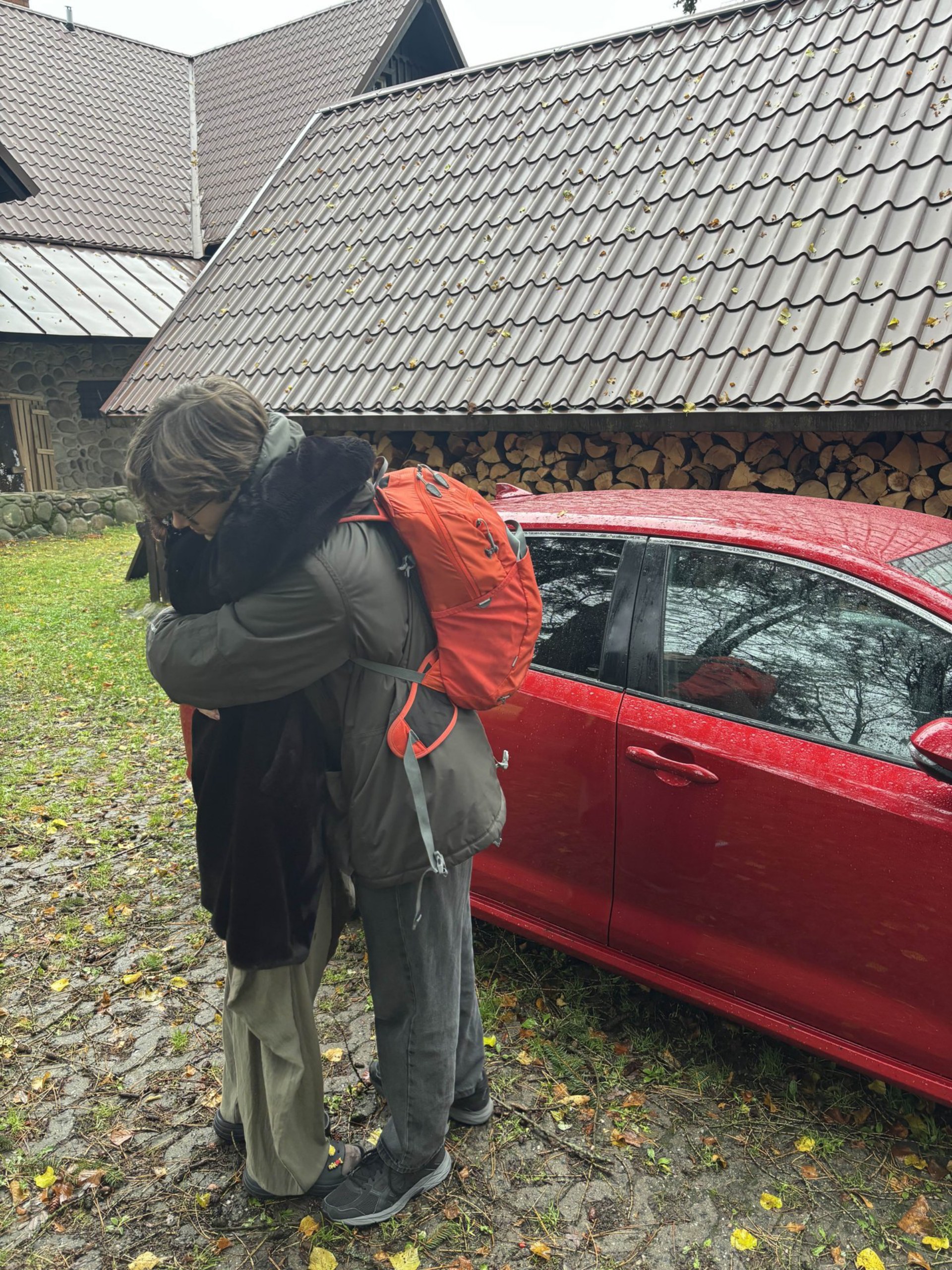
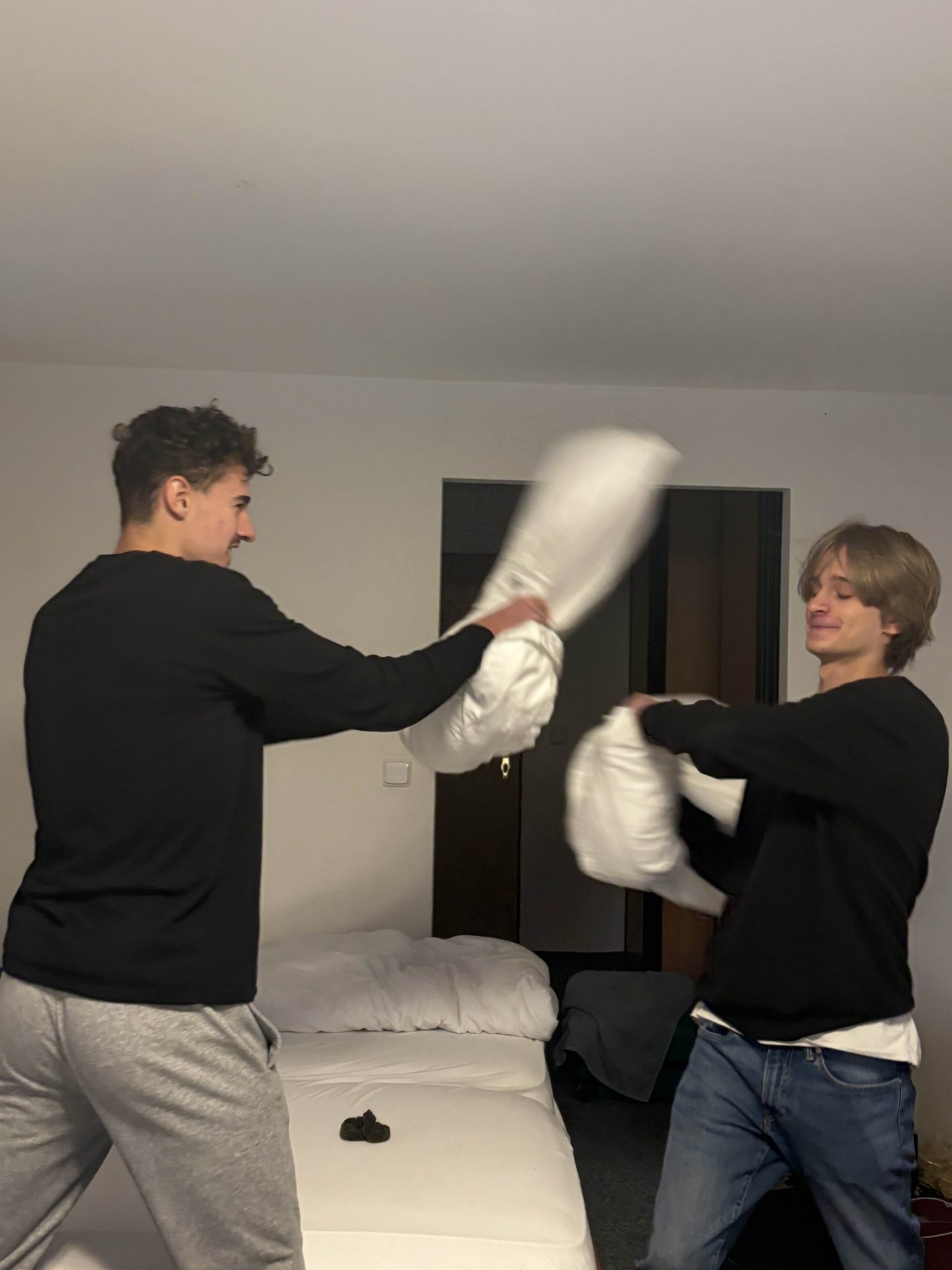
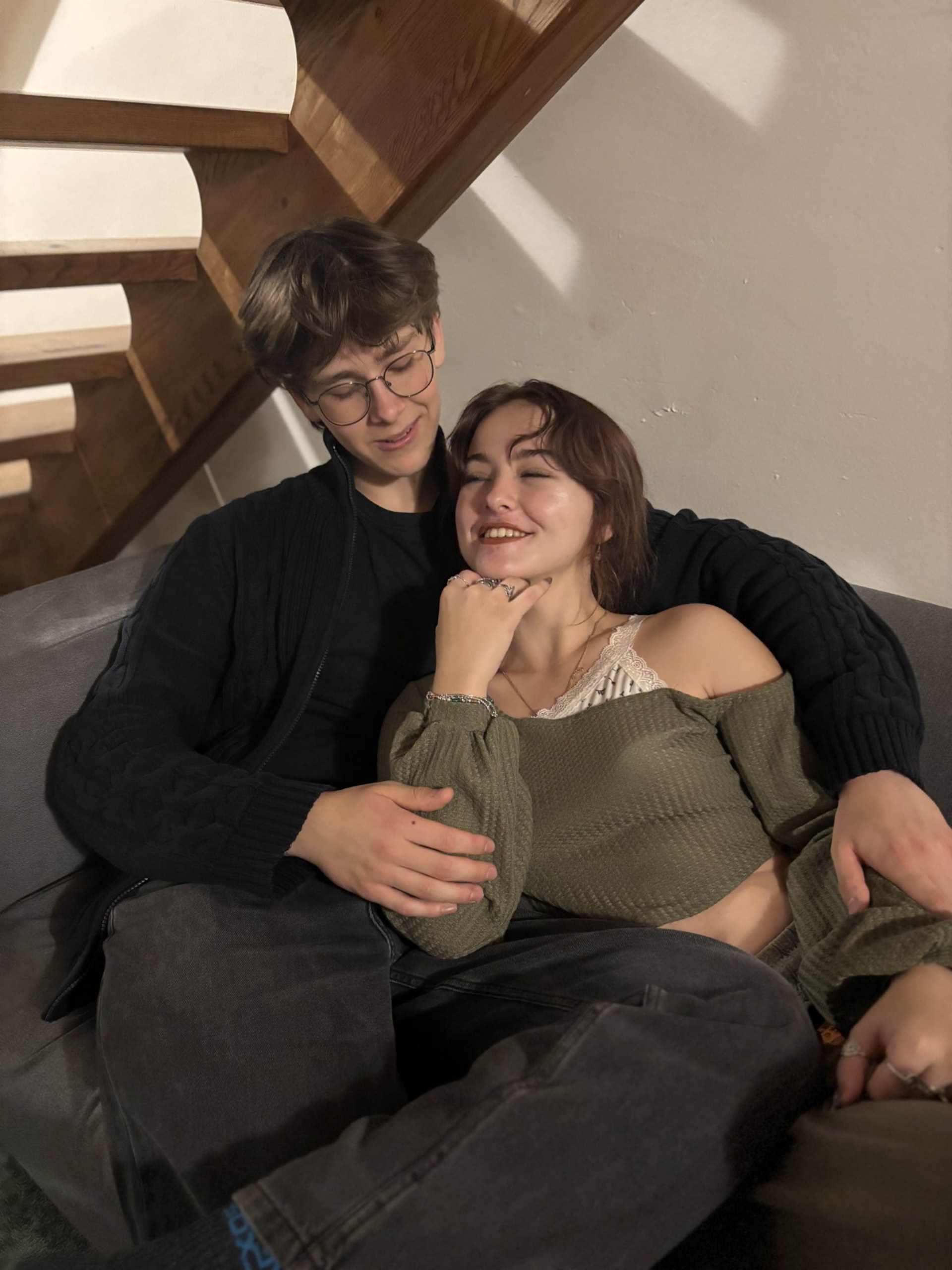
Each team drew an anonymous topic and built a wordless sequence of images around it, leaving the other groups to guess the theme. The strongest turned simple prompts into something quietly affecting.
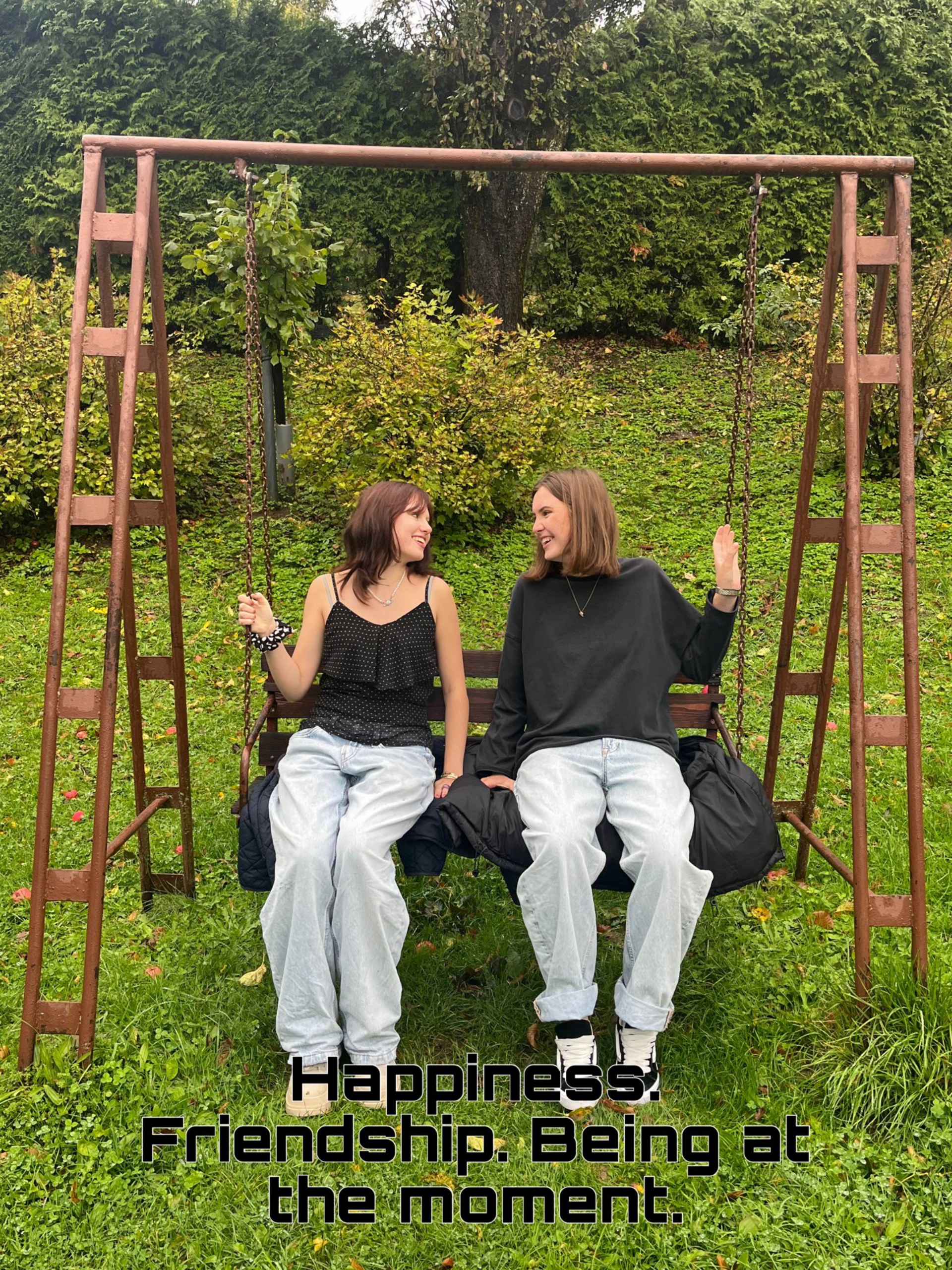
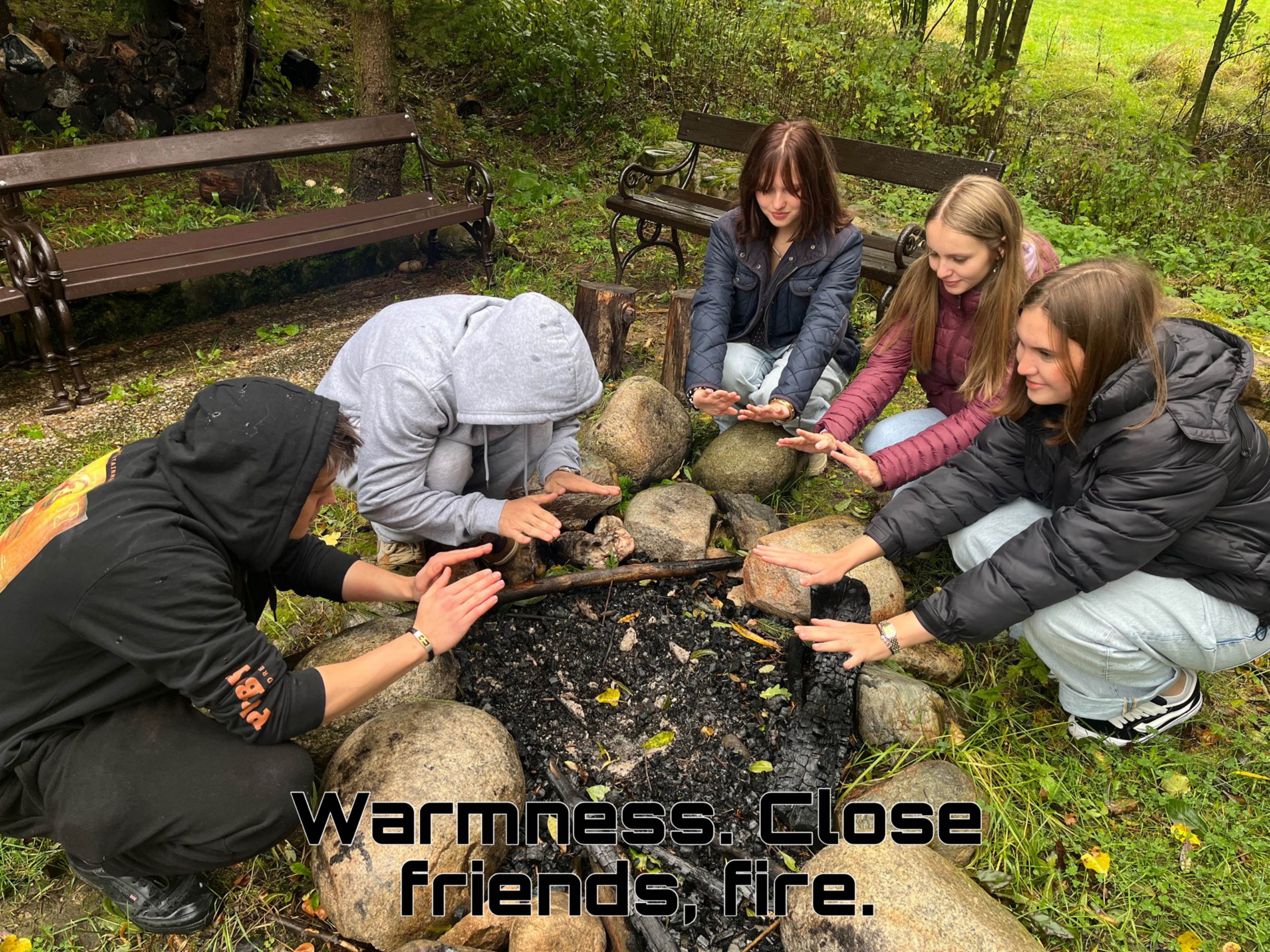
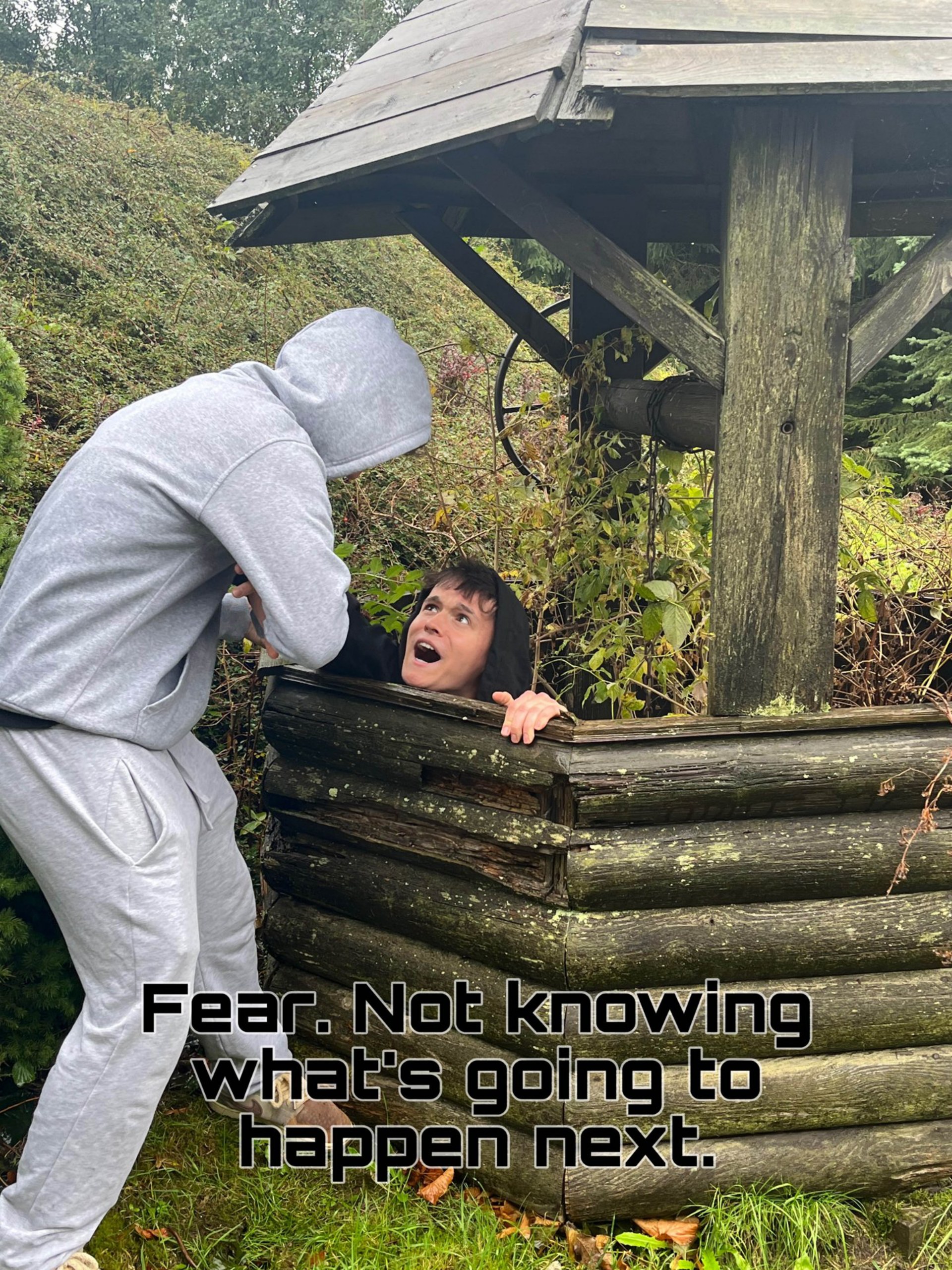
Films on a problem from home
Working in national teams, participants made a film about a problem or stereotype from their own country, turning their new camera and editing skills toward something personal.
Lithuania, on a child caught in a home falling apart.
Romania, on phone addiction, with a hopeful alternate ending.
Slovakia, 'not all addictions are drugs'.
Portugal, two parallel realities and a narrated poem.
Short films
Mixed international teams wrote, shot and edited a complete short film from scratch, ranging from heist and horror to comedy and thriller.
Bella Ciao, a heist short.
Kardashians: Reality to Horror.
Hi-Fi to Comedy, a date with an alien gone wrong.
Facetime Misunderstanding, told entirely over FaceTime.
Fight Club, a fast remake.
Action to Crime, a kidnapping thriller.
Photo Gallery
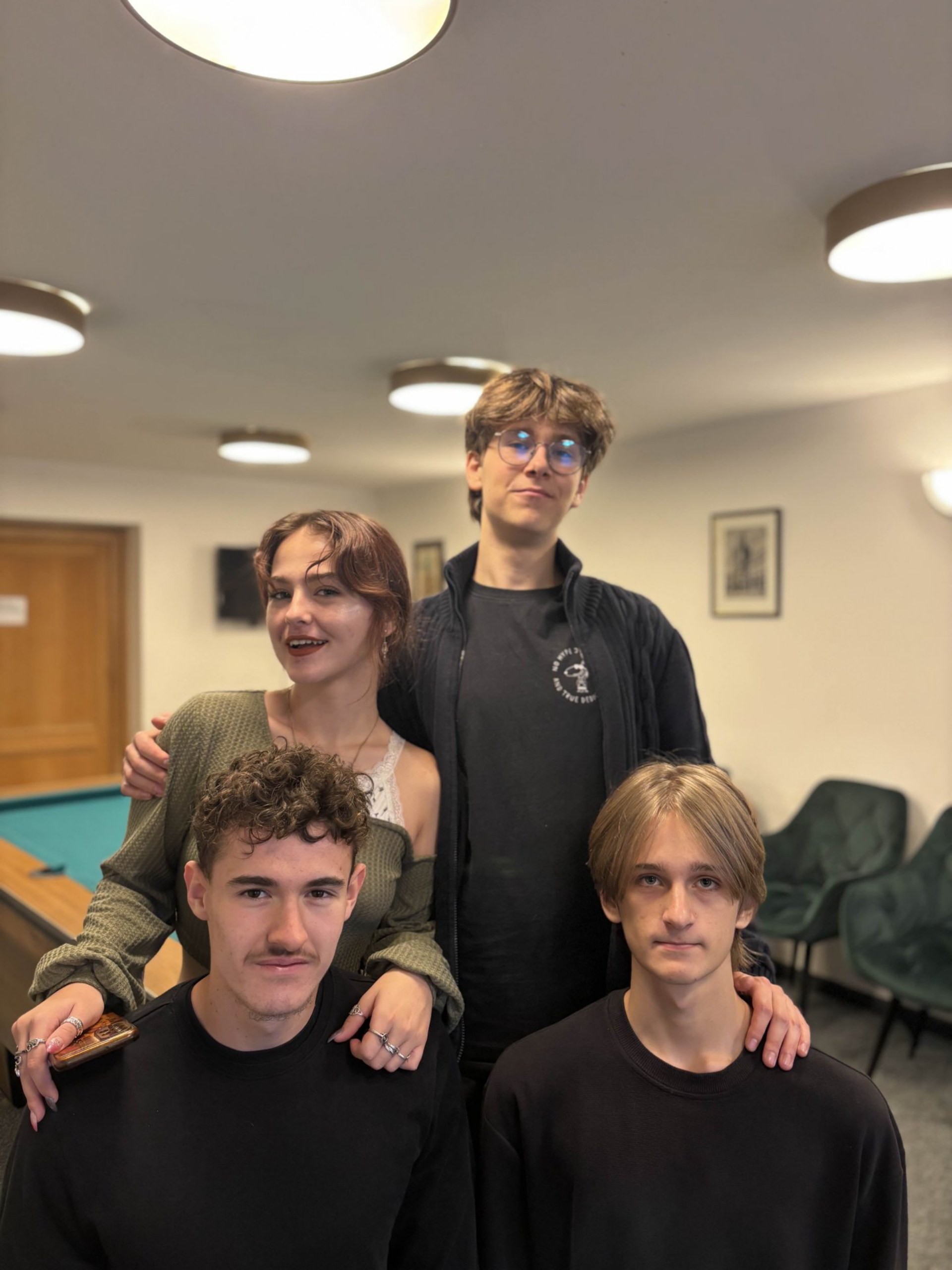
A few more moments from this activity :)
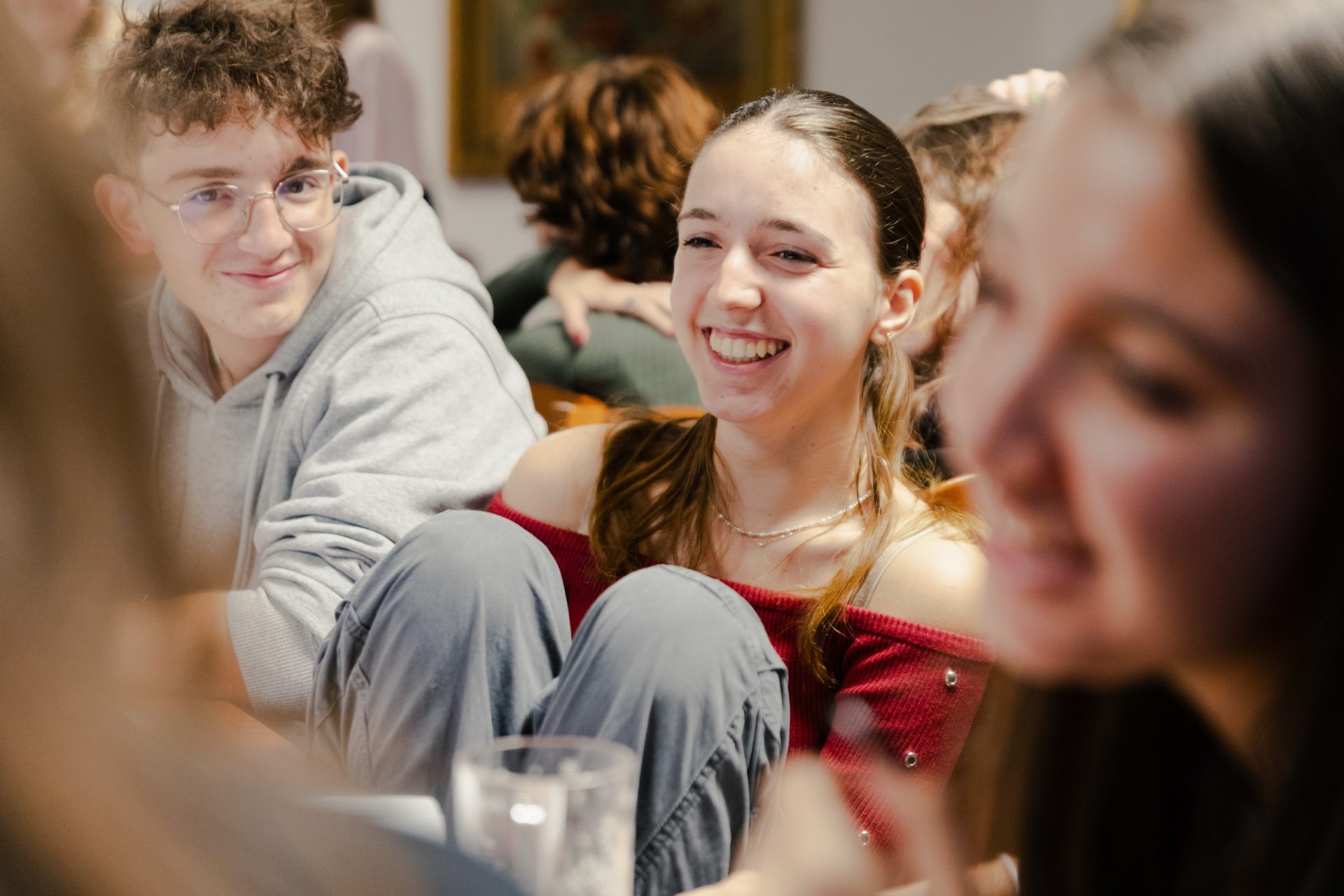
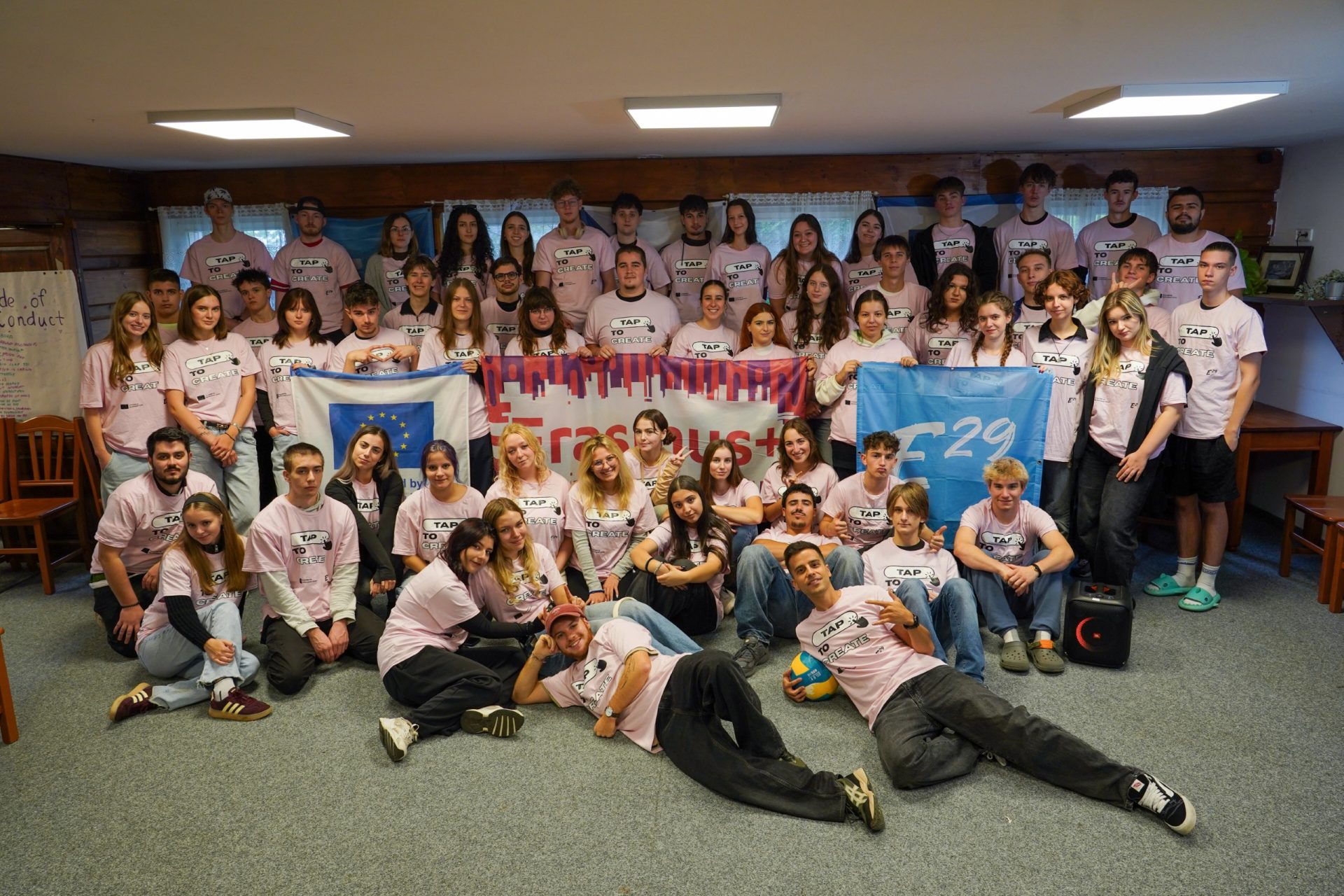
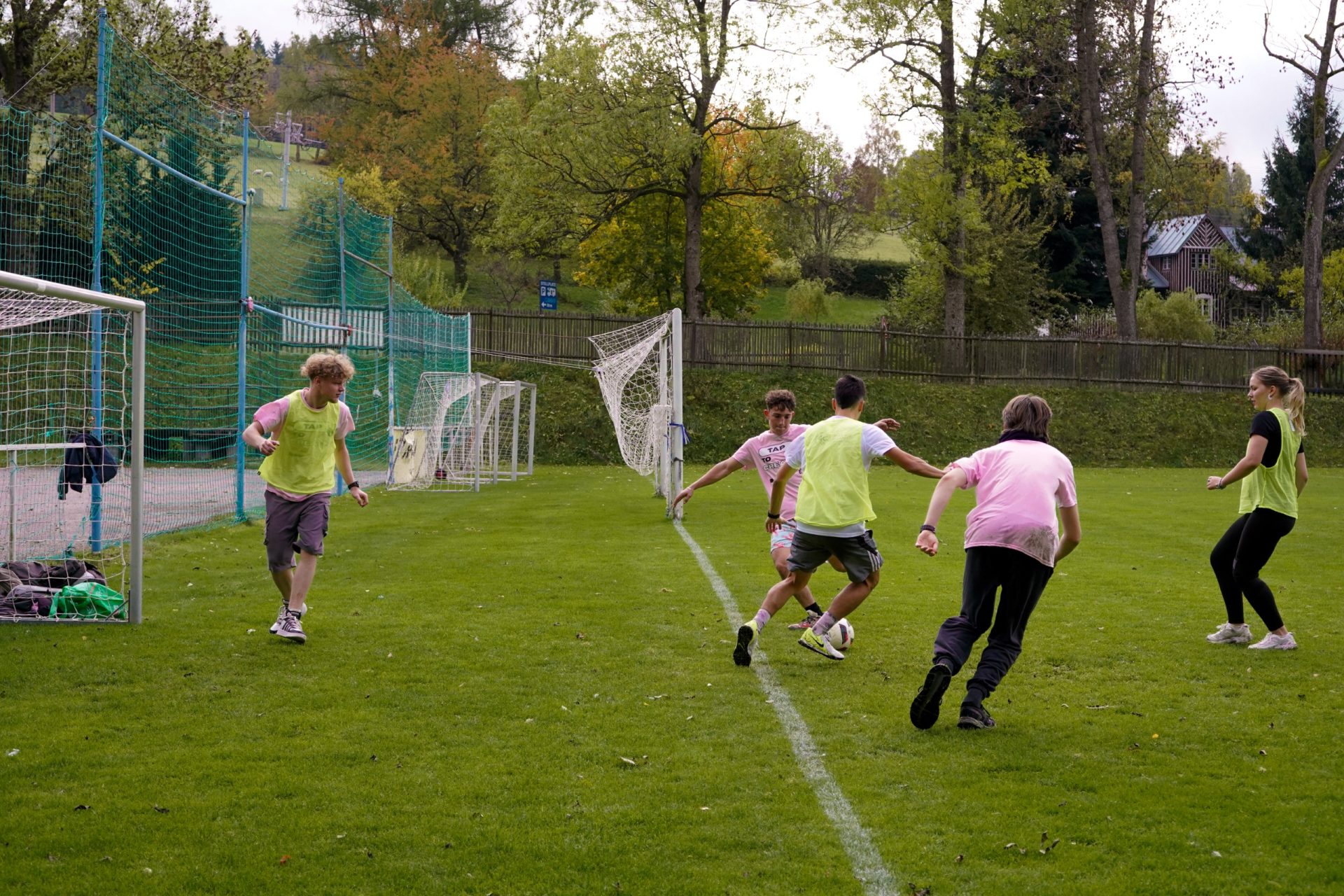
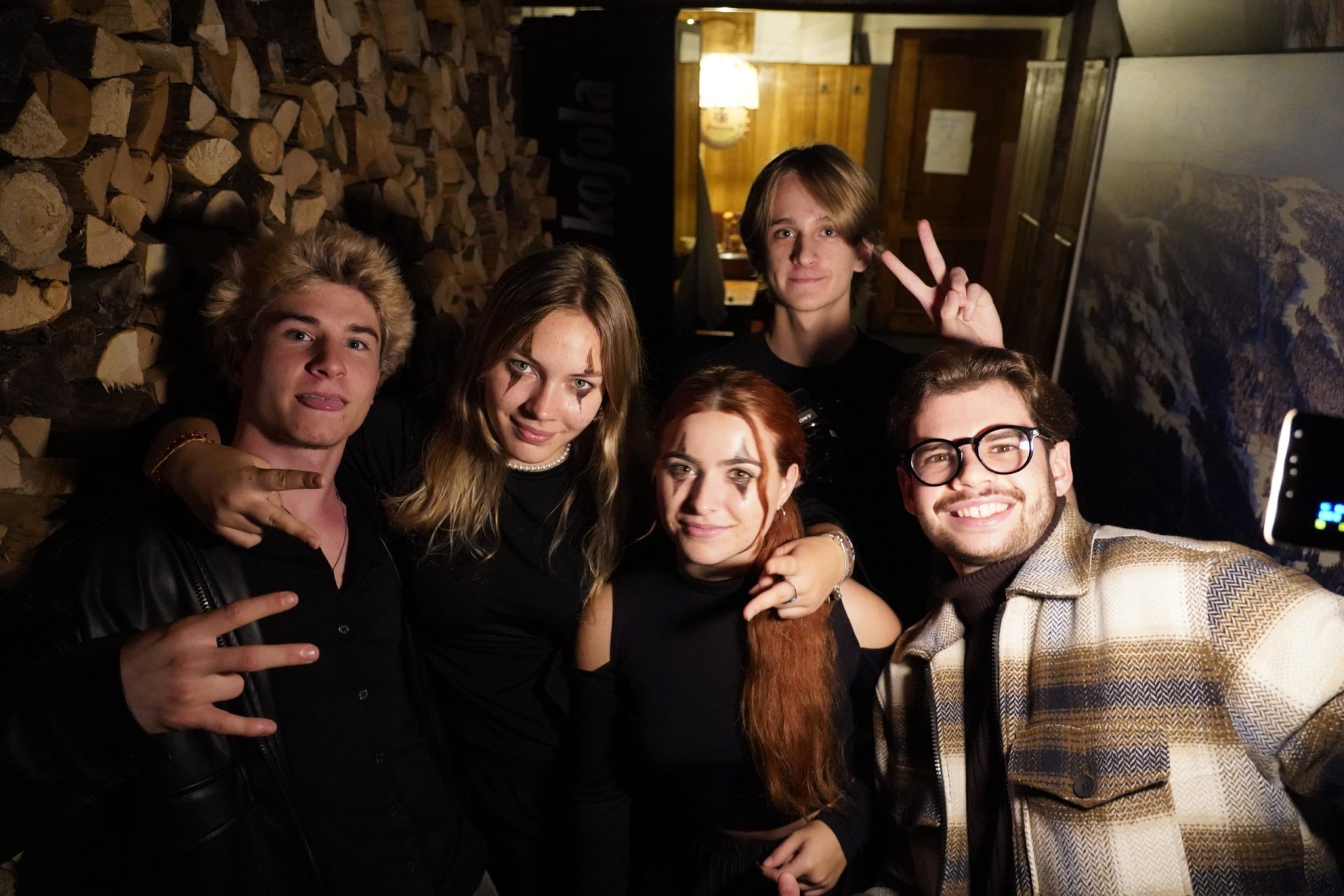
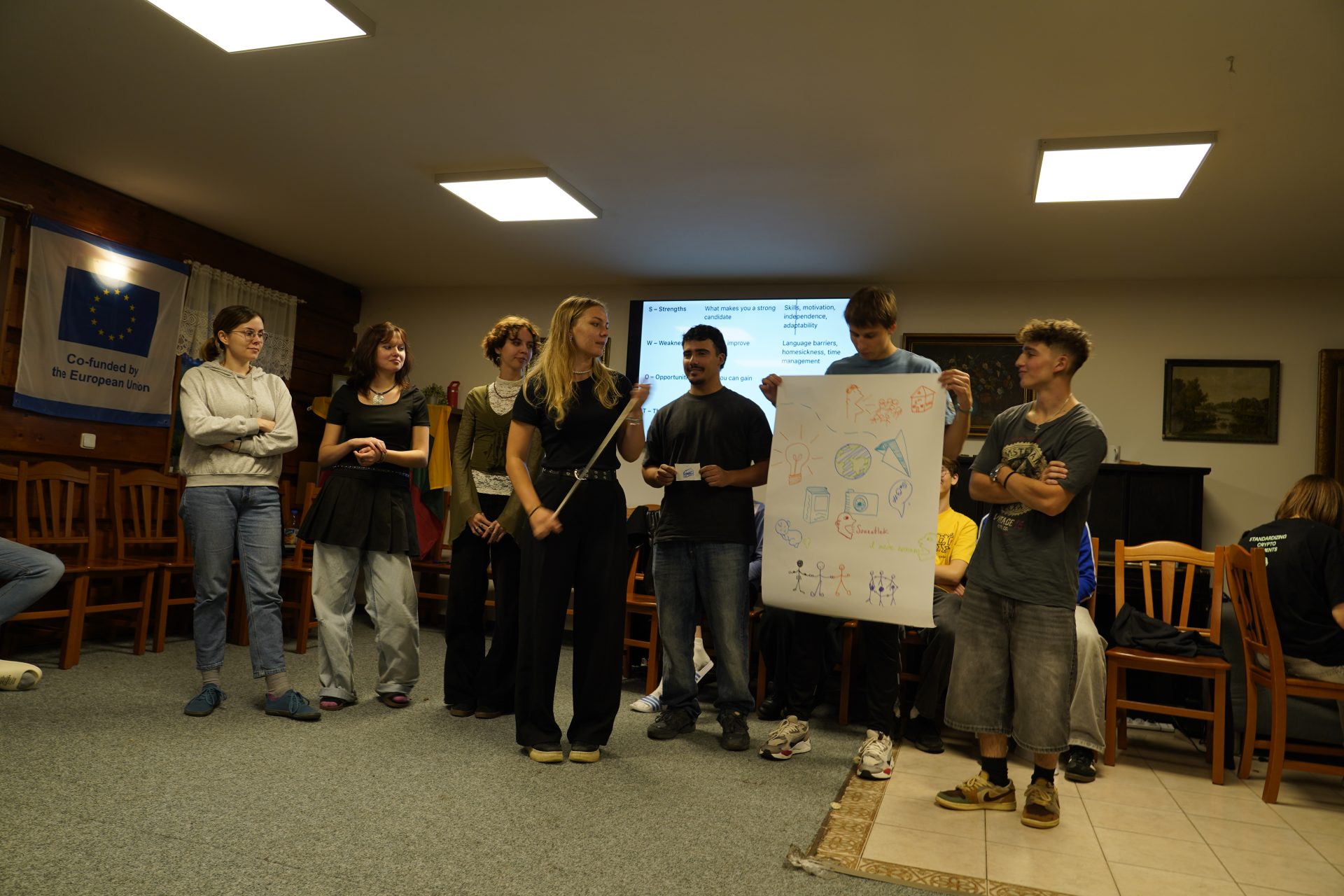
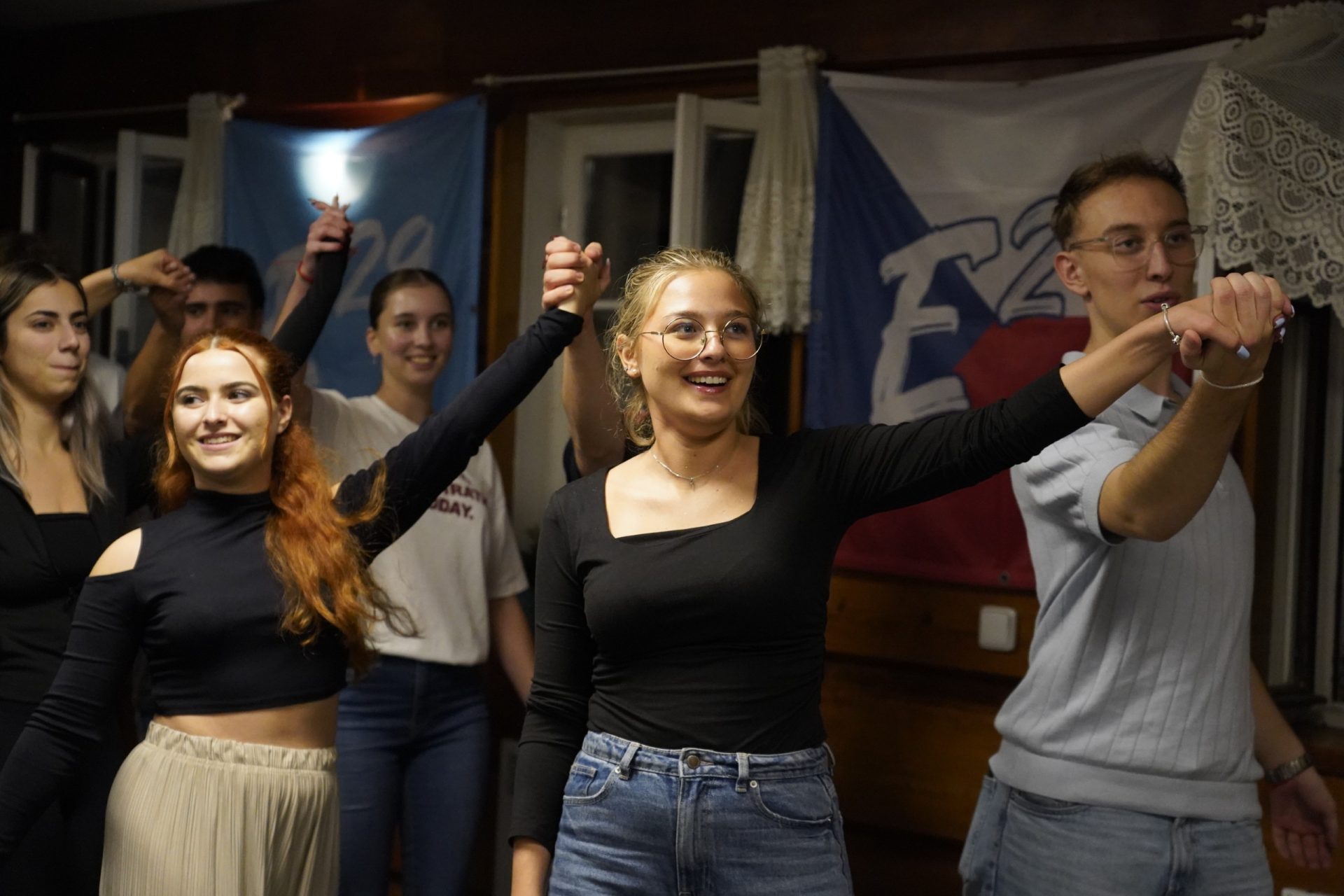
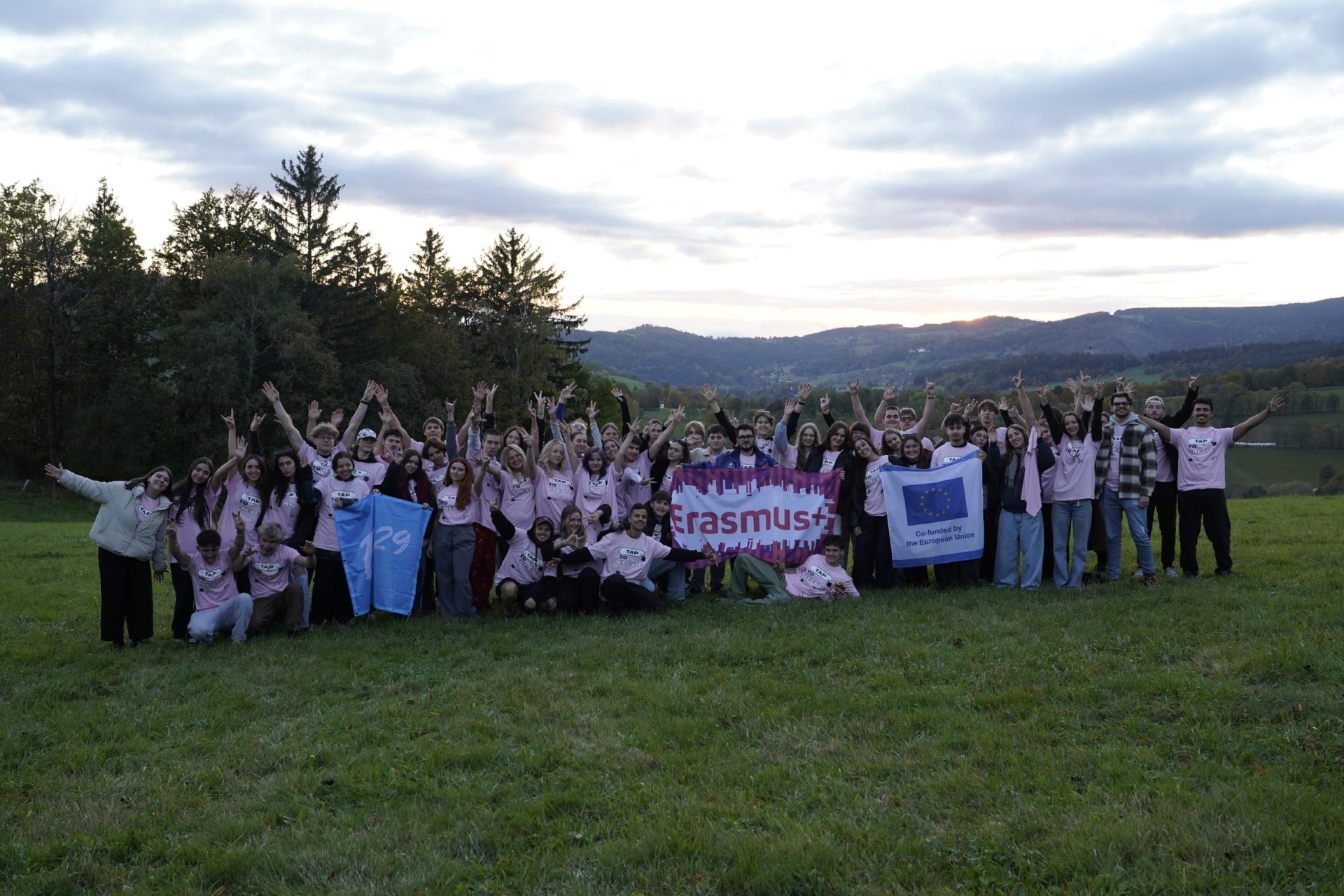
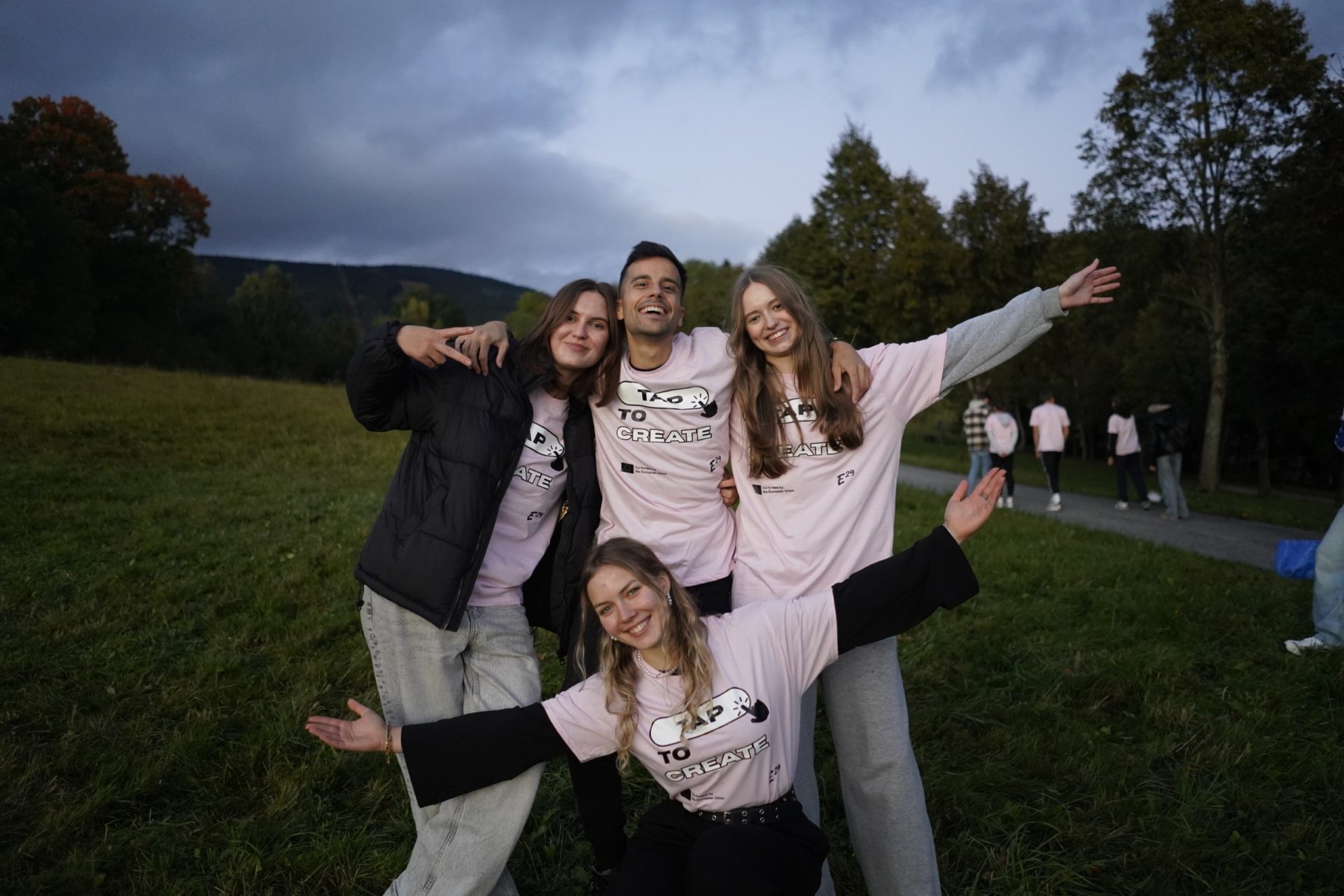
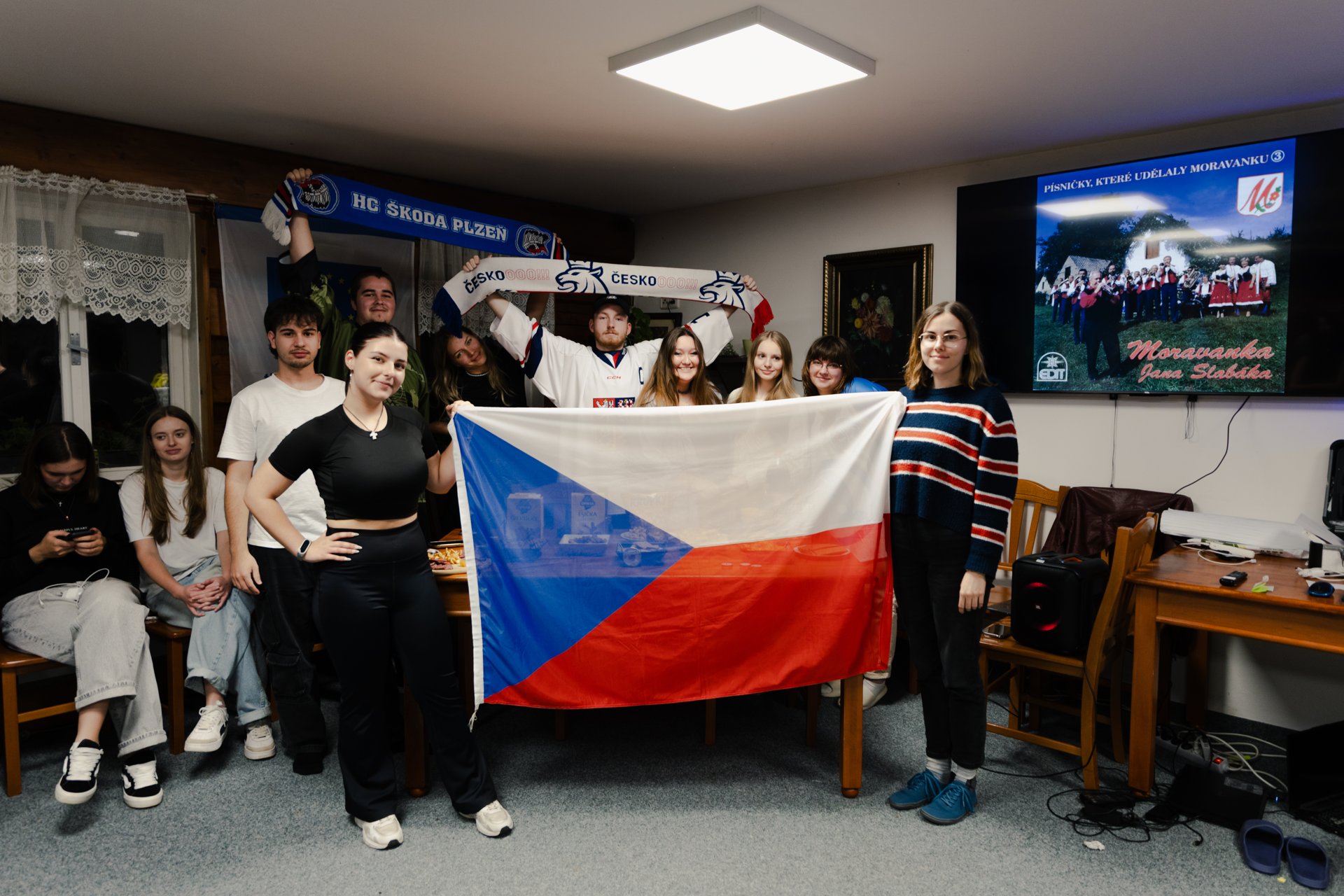
Check these and more photos in the activity’s photo album.
Dissemination Events
Our participants carried what they learned back home, organising dissemination events across seven countries to share the project, the skills they gained, and the opportunities open to other young people.
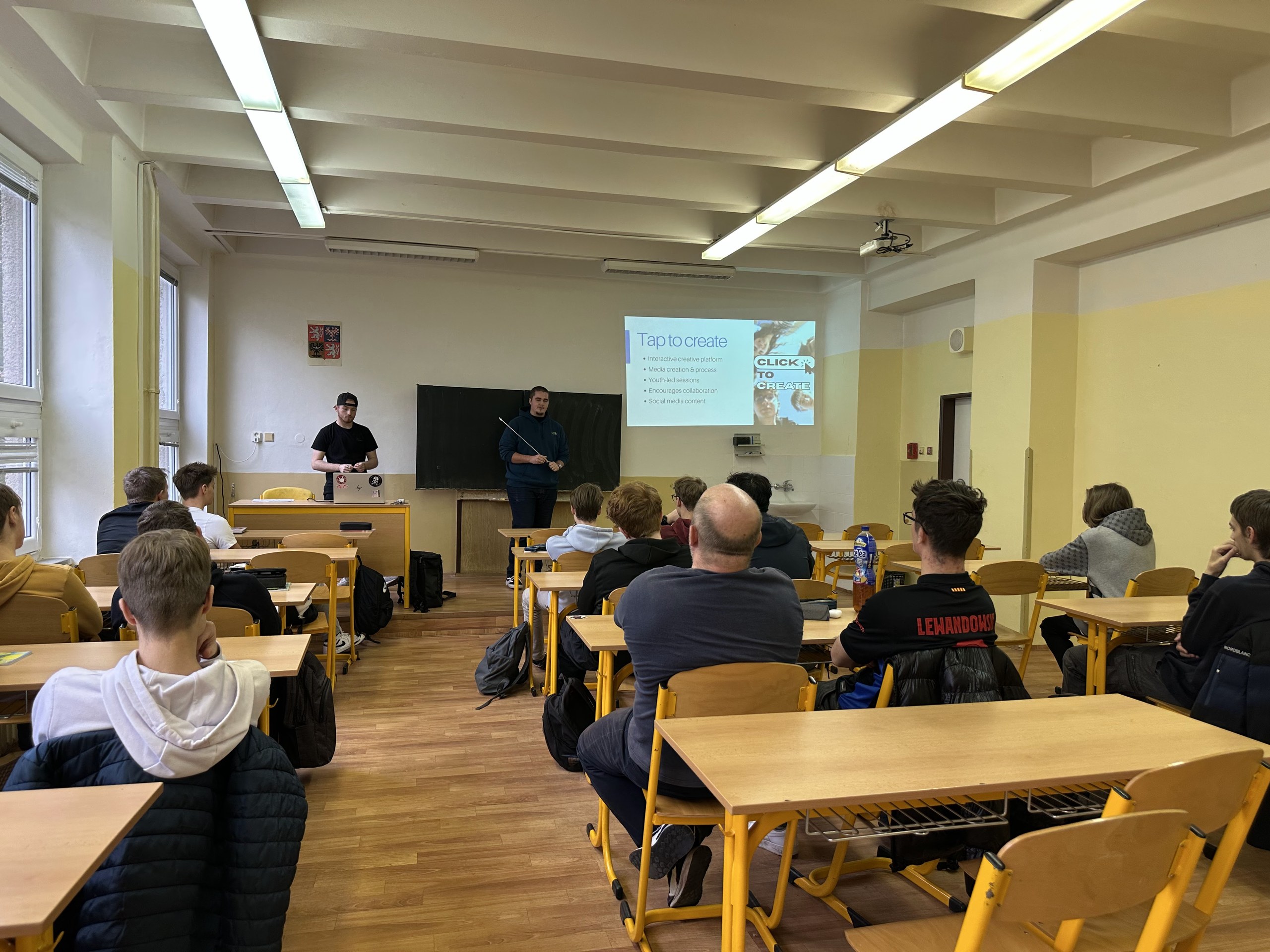
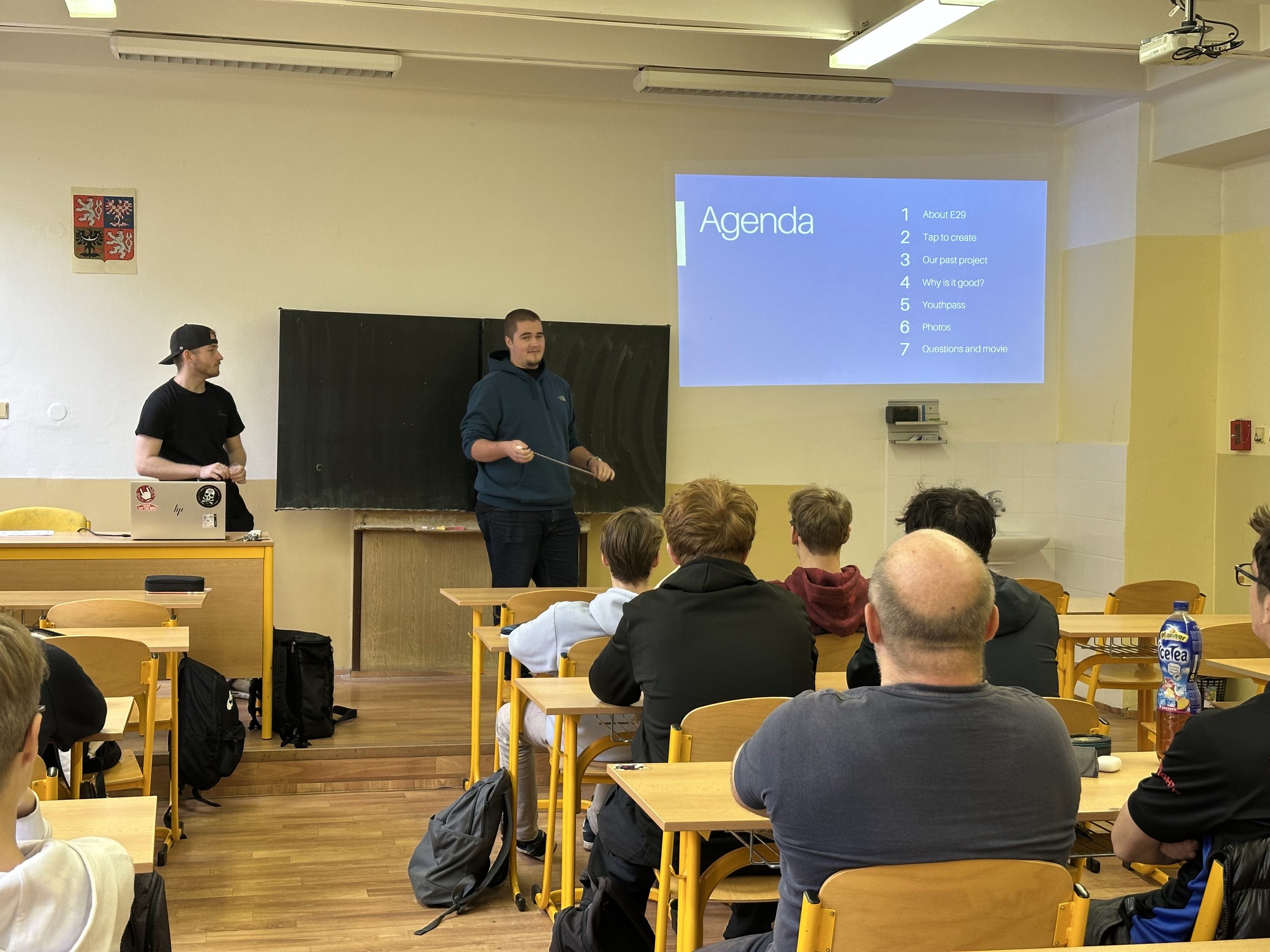
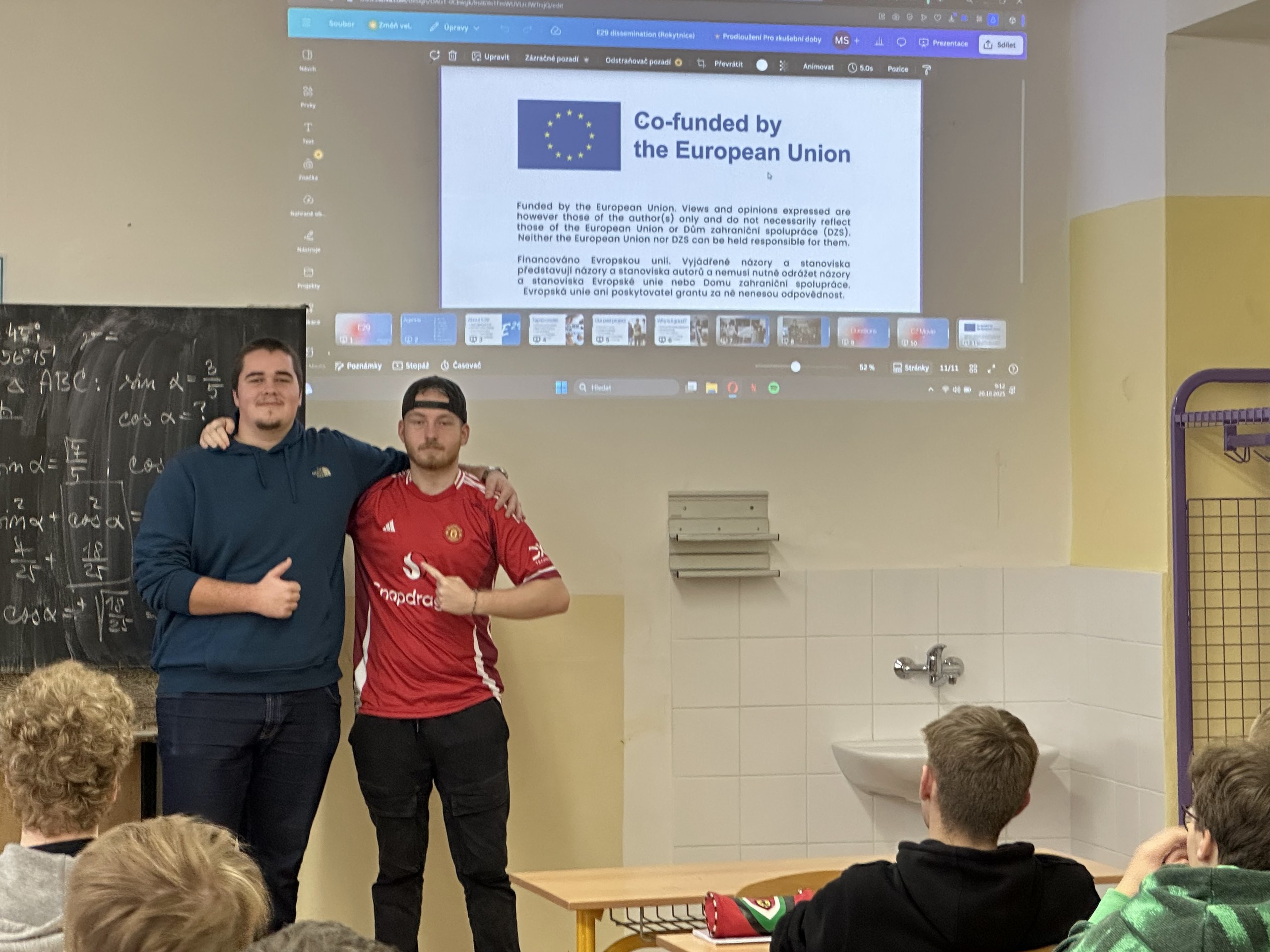
Vejprnice, Czechia, October 2025
Jan Klier ran a hands-on session at Chata pod Lipami, working in groups with 56 participants to explore how digital content gets made.
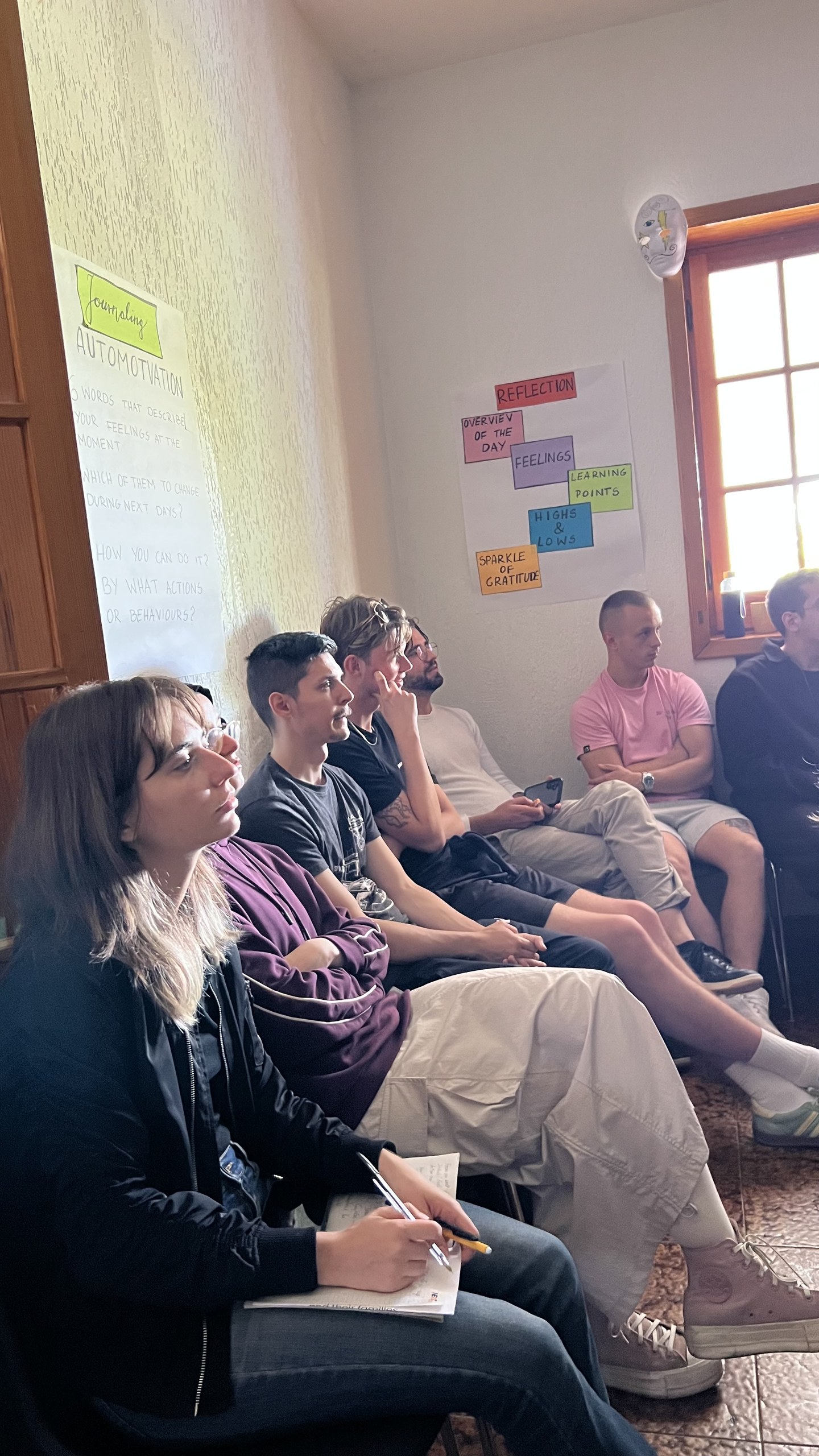
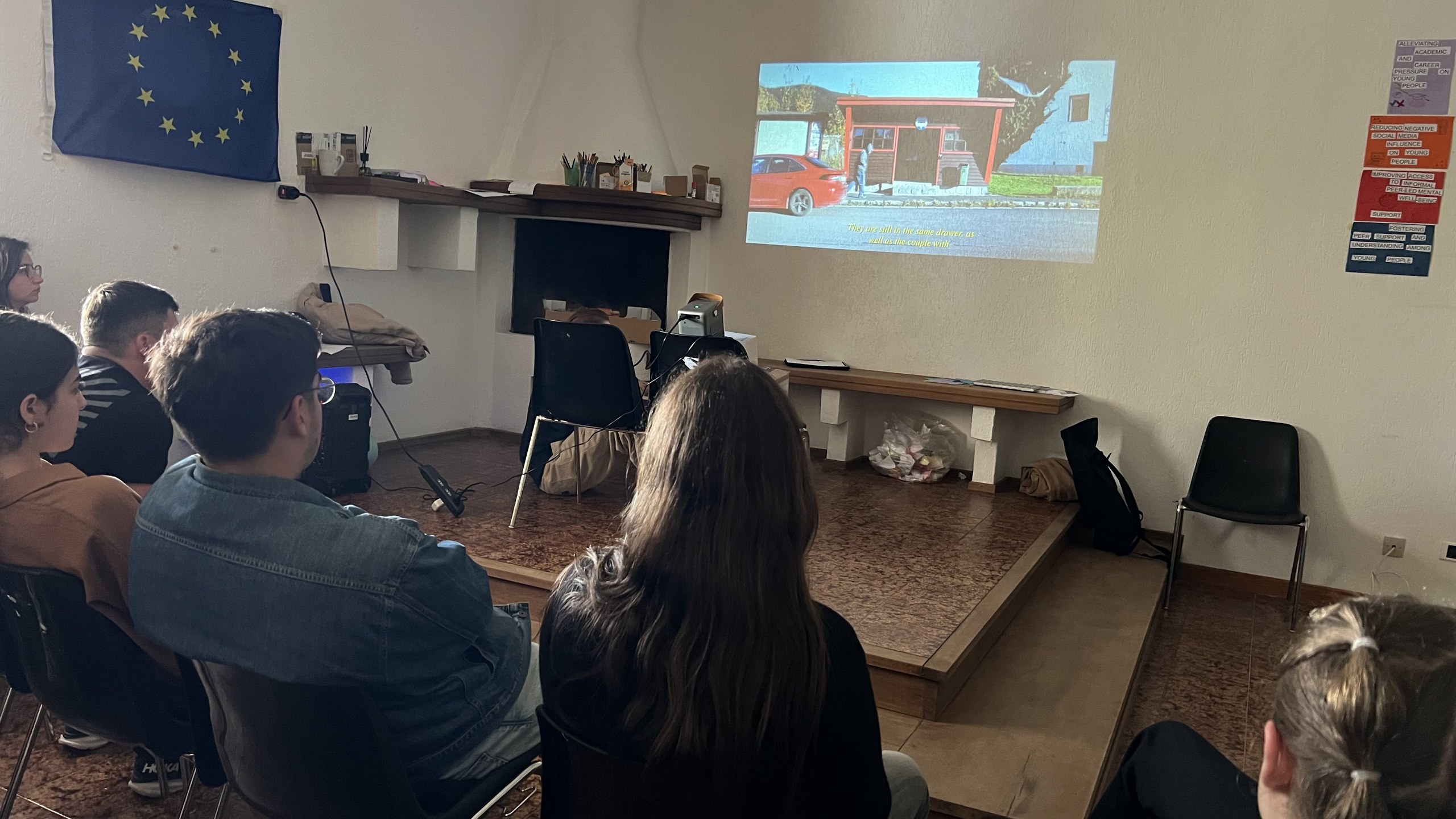
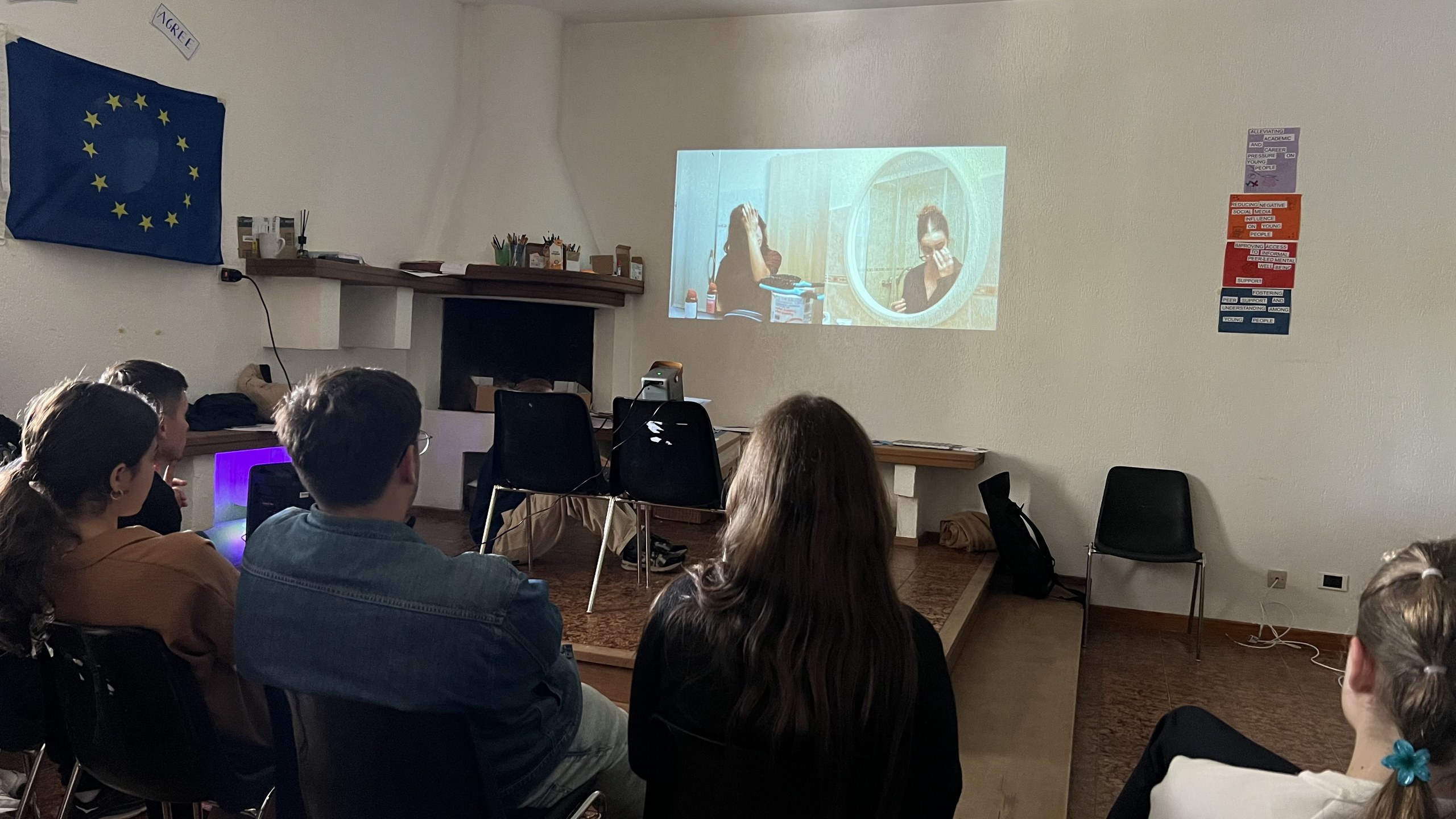
Taranto, Italy, October 2025
Dinis Vital screened the film produced during the project at Residence Sun Beam Padel Club for a youth group of 38 working with marginalised communities, using it to build awareness and empathy.
Anyksciai, Lithuania, October 2025
Yevhen Baksheiev spoke to the film club at Jono Biliuno gymnasium, showing 20 students the films shot during Tap to Create and explaining how they could find similar opportunities.
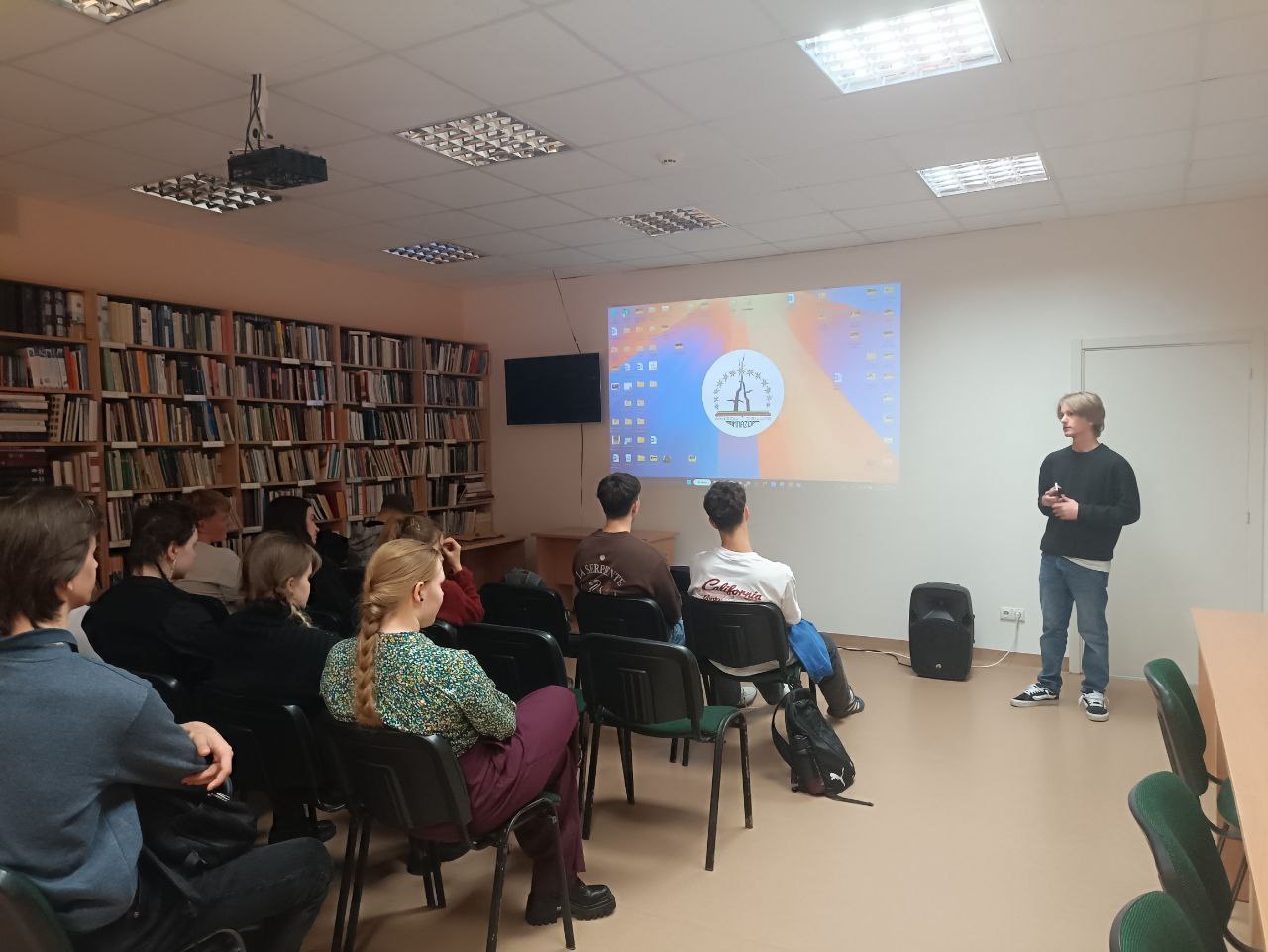
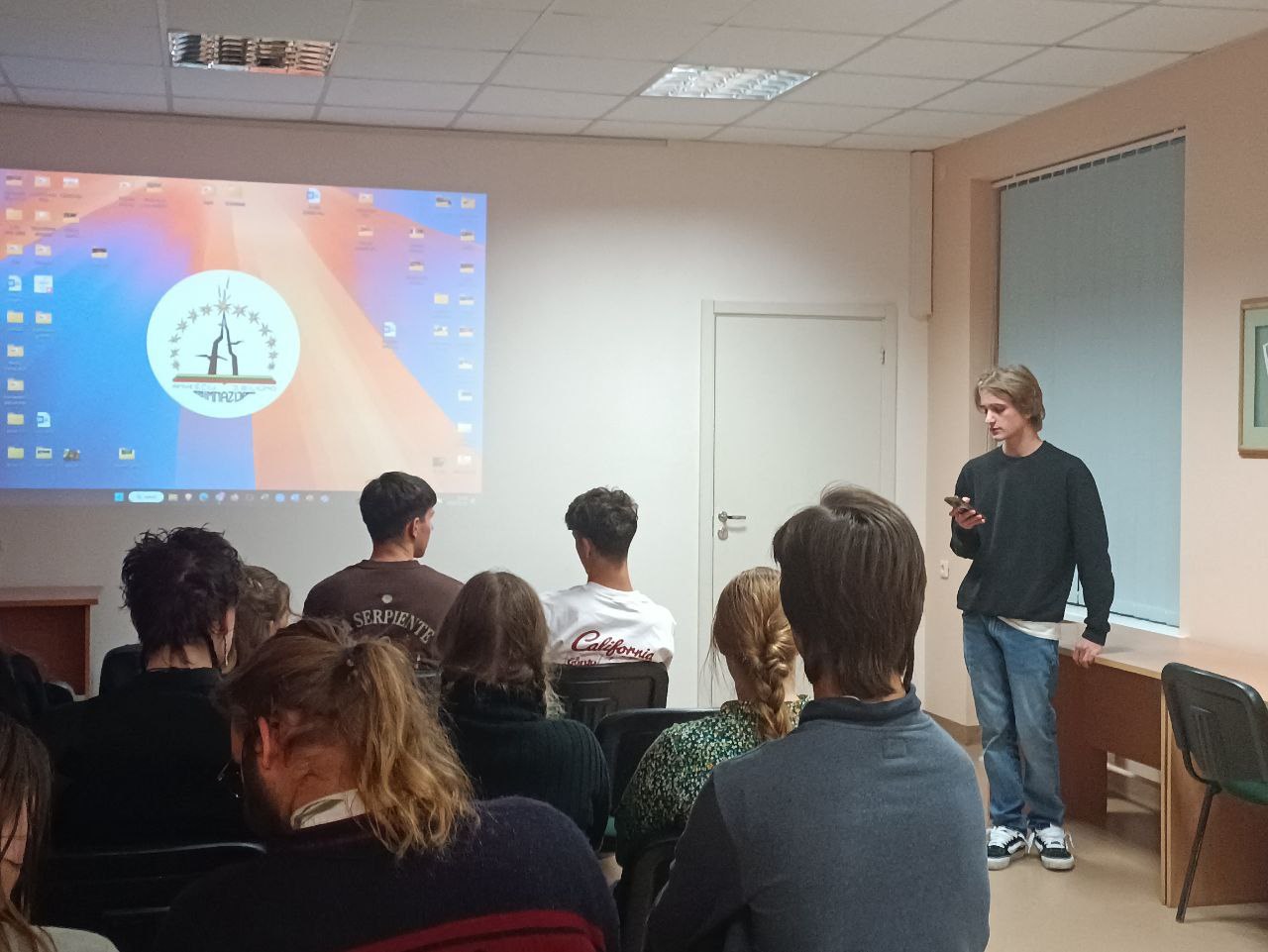
Belgrade, Serbia, October 2025
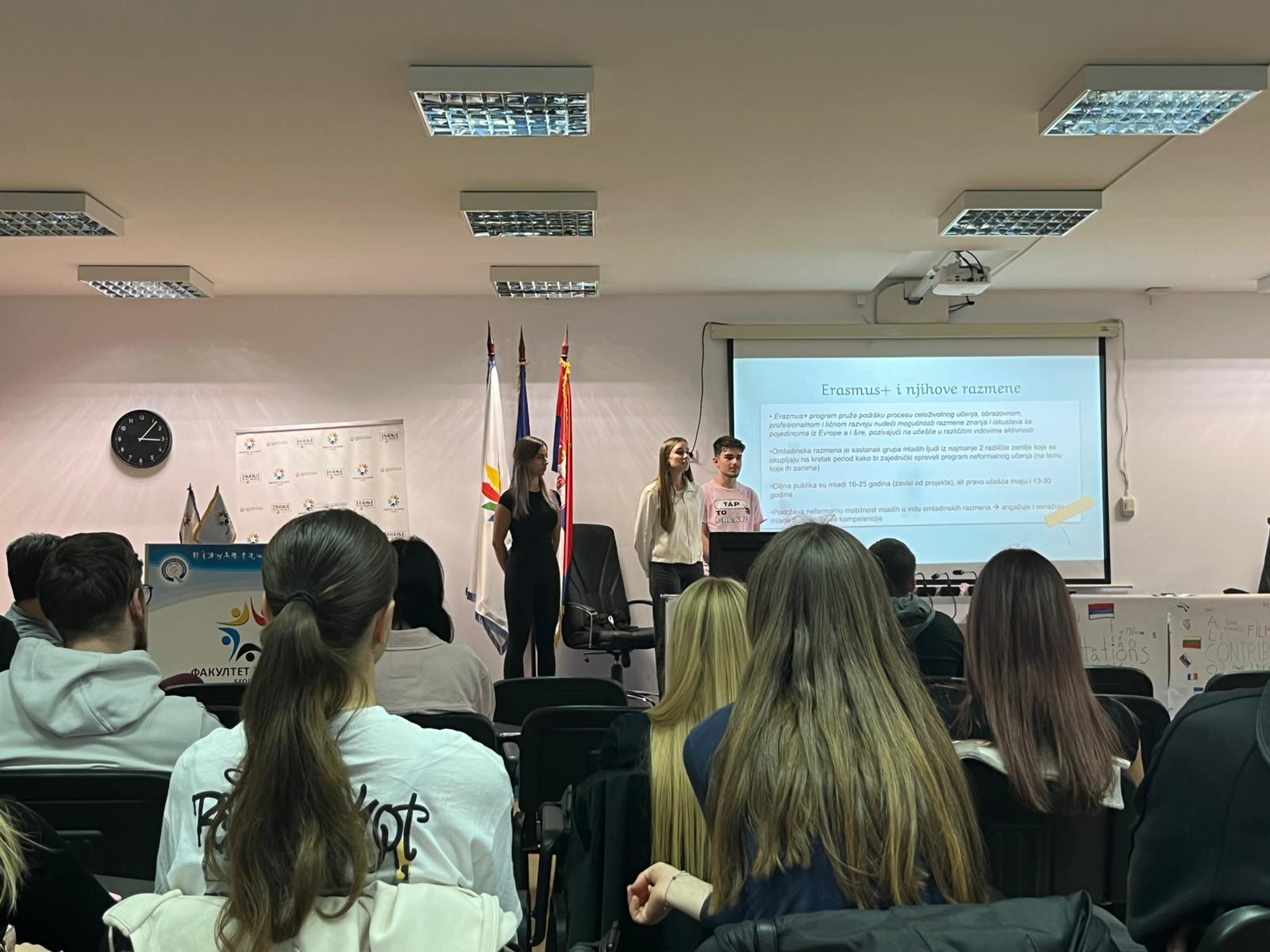
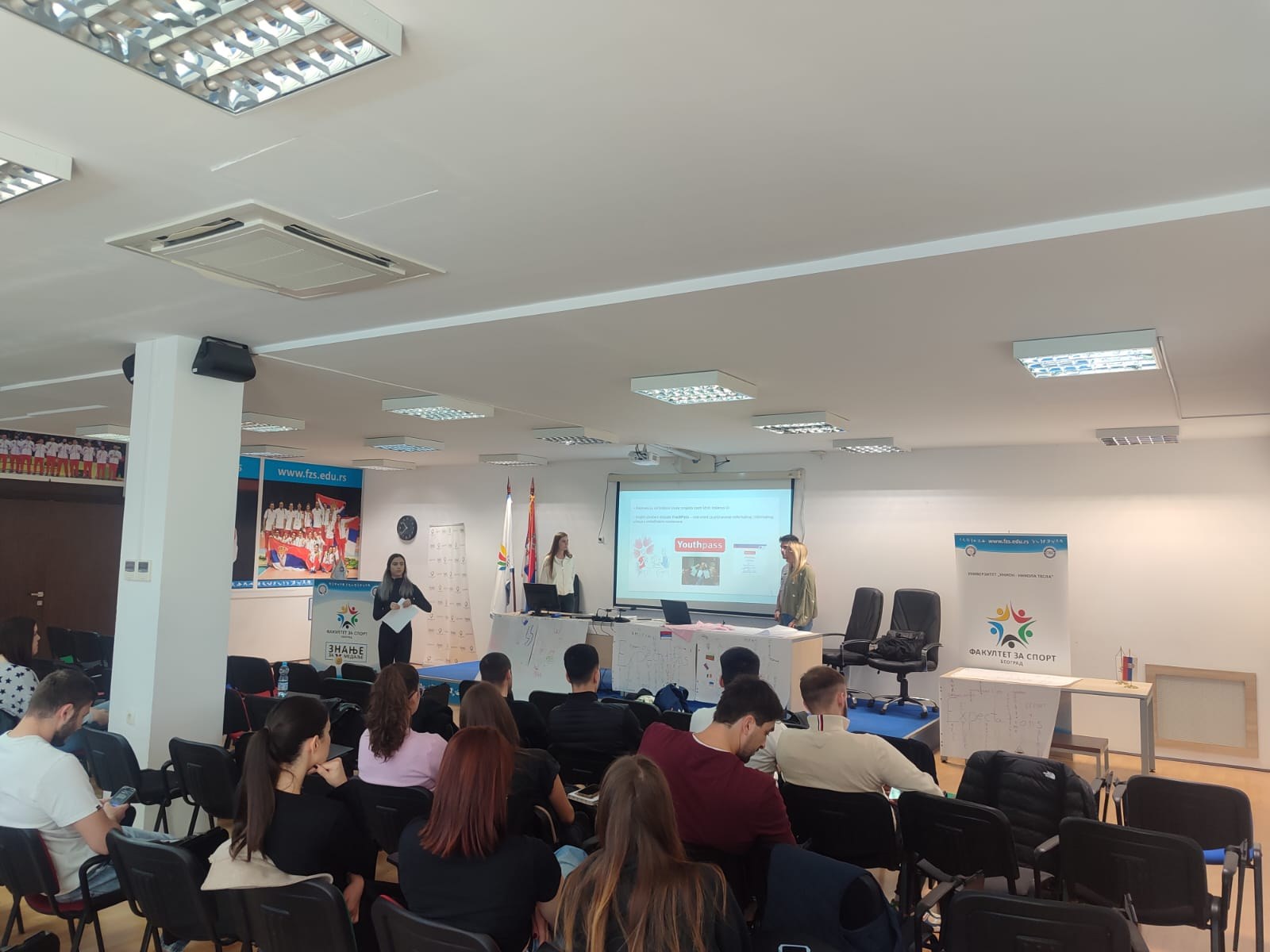
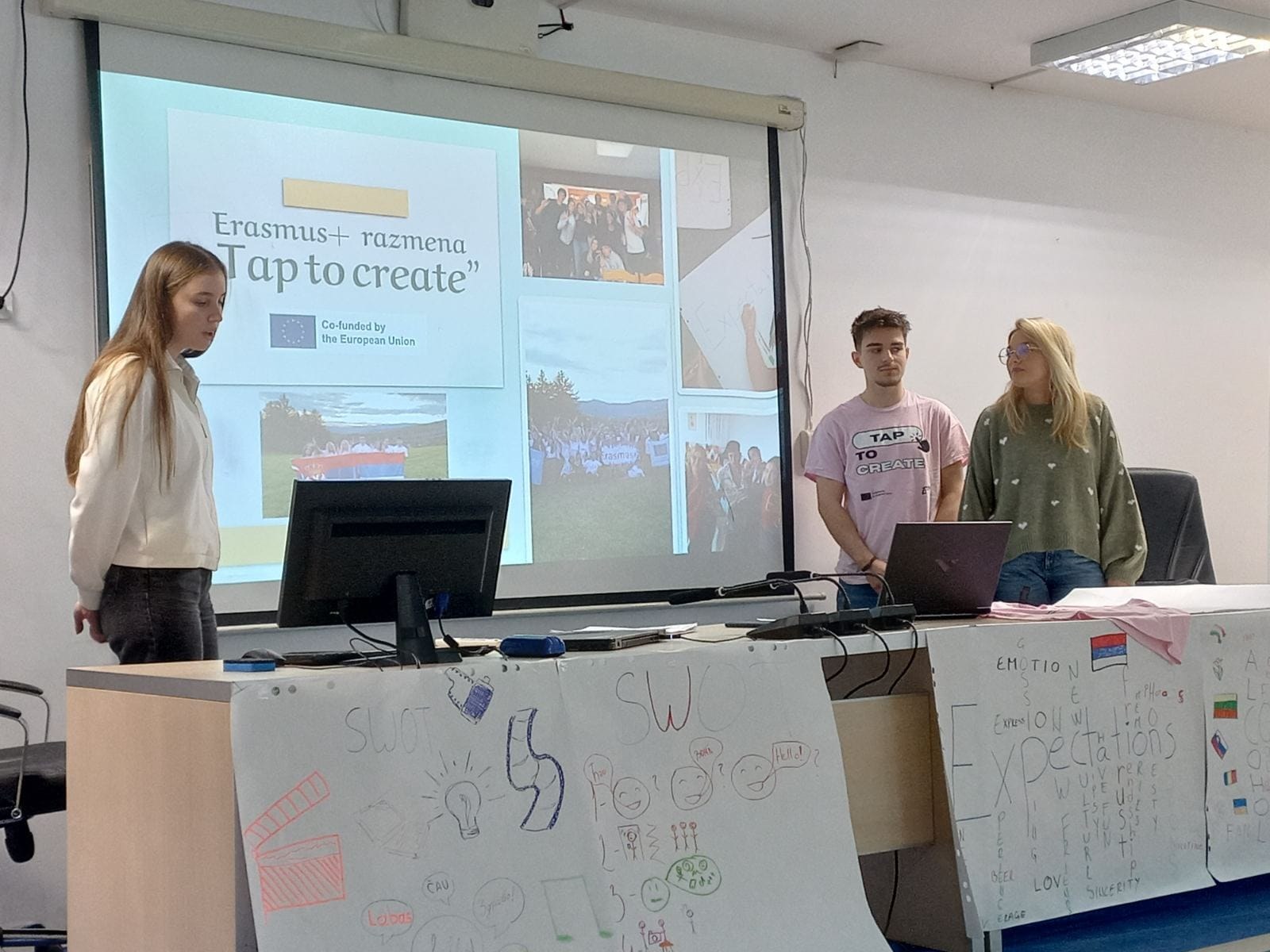
Pedja Paunkovic ran a two-session event for 45 students at University Union Nikola Tesla, covering what Erasmus+ offers, how to apply, the work of E29, and the Youthpass certificate, alongside the team’s own experience.
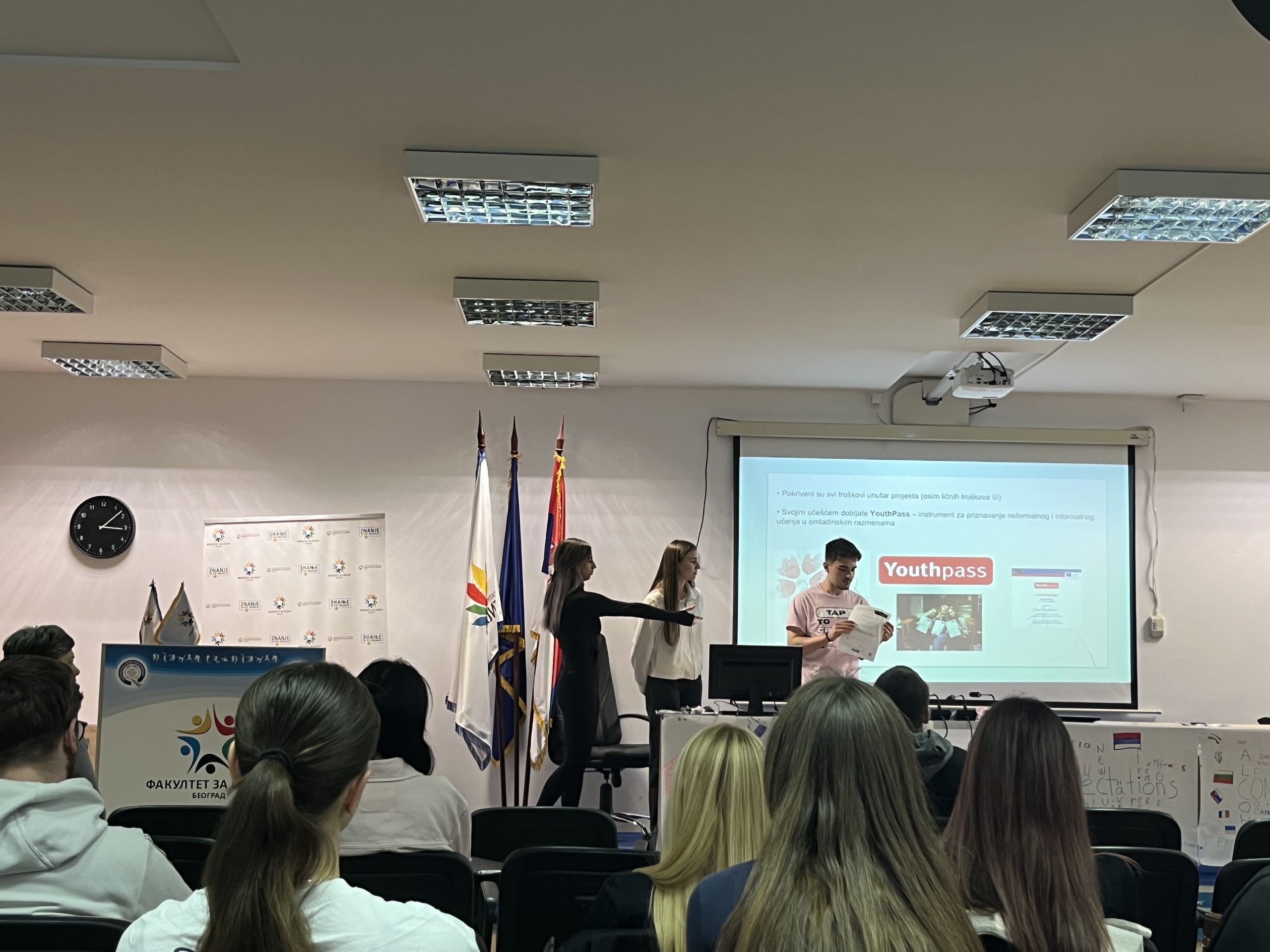
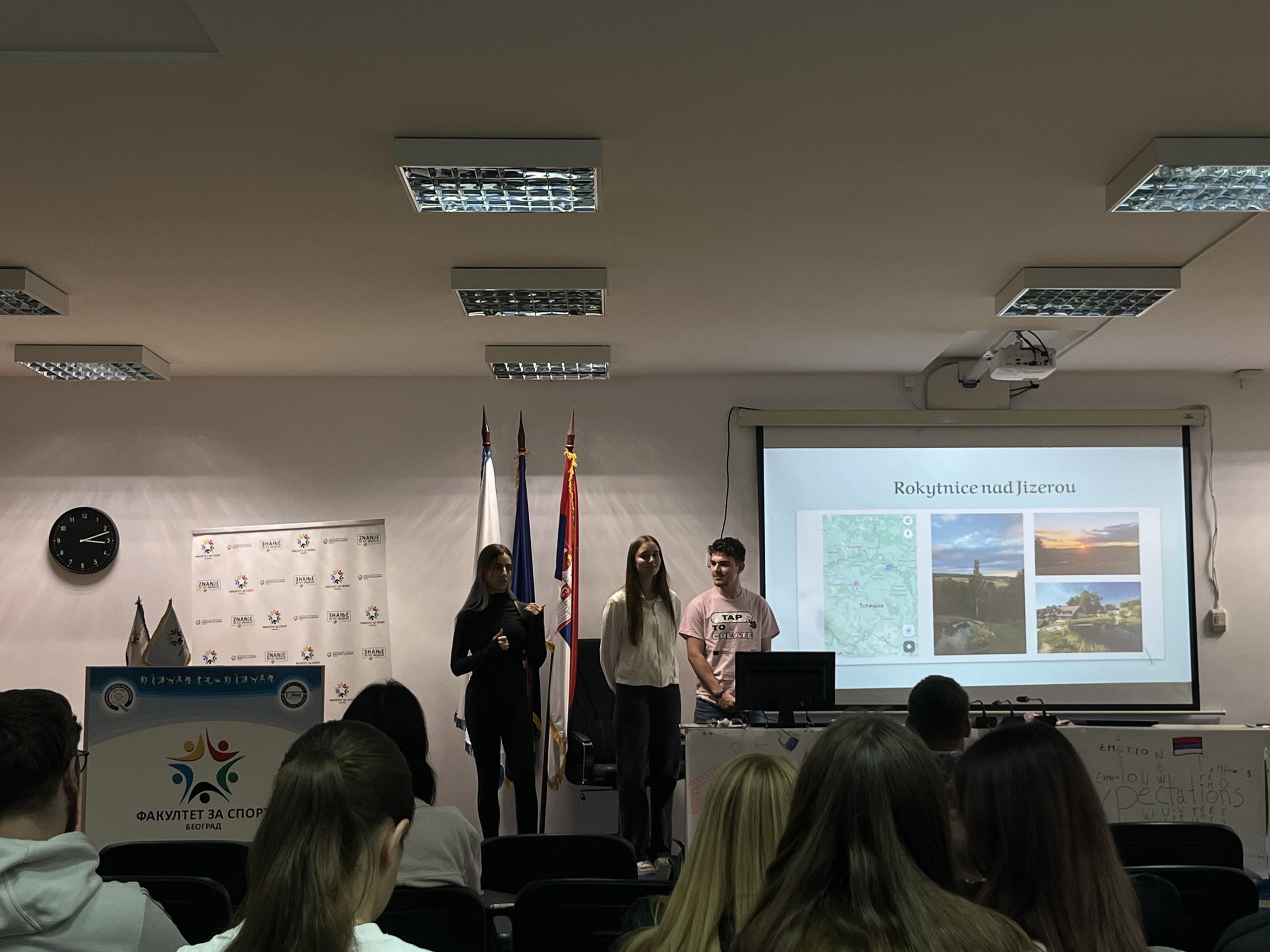
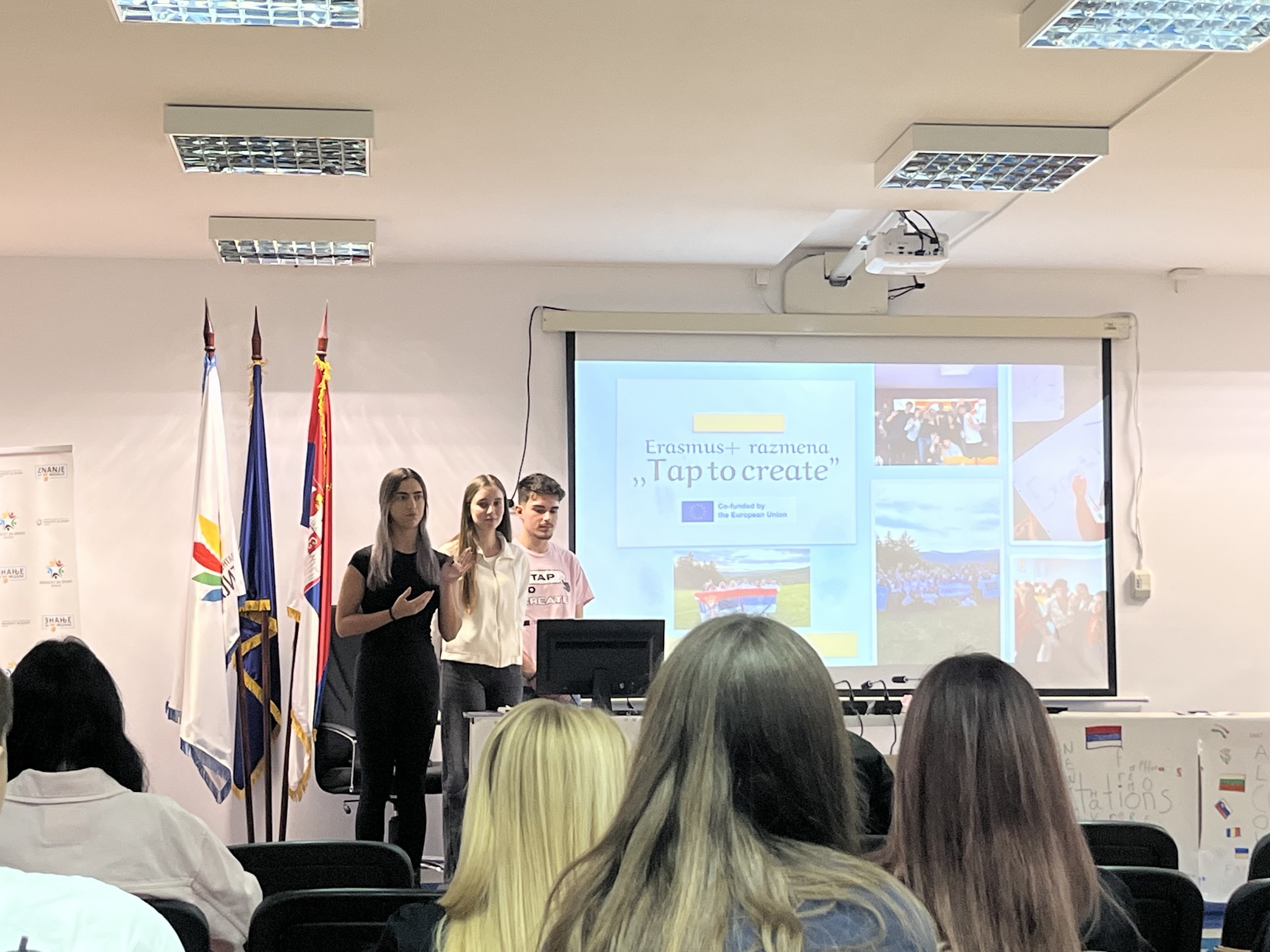
Belgrade, Serbia, October 2025
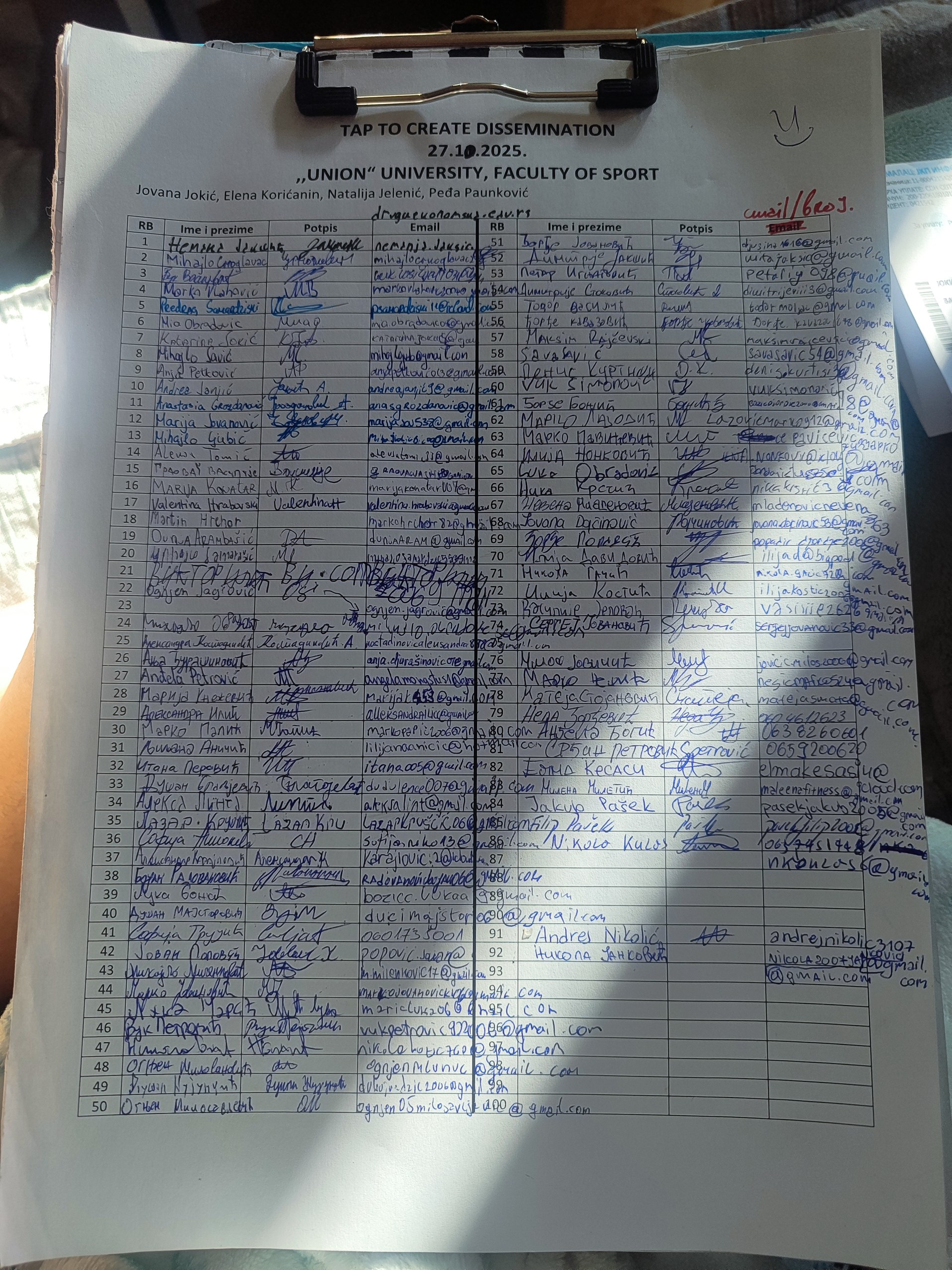
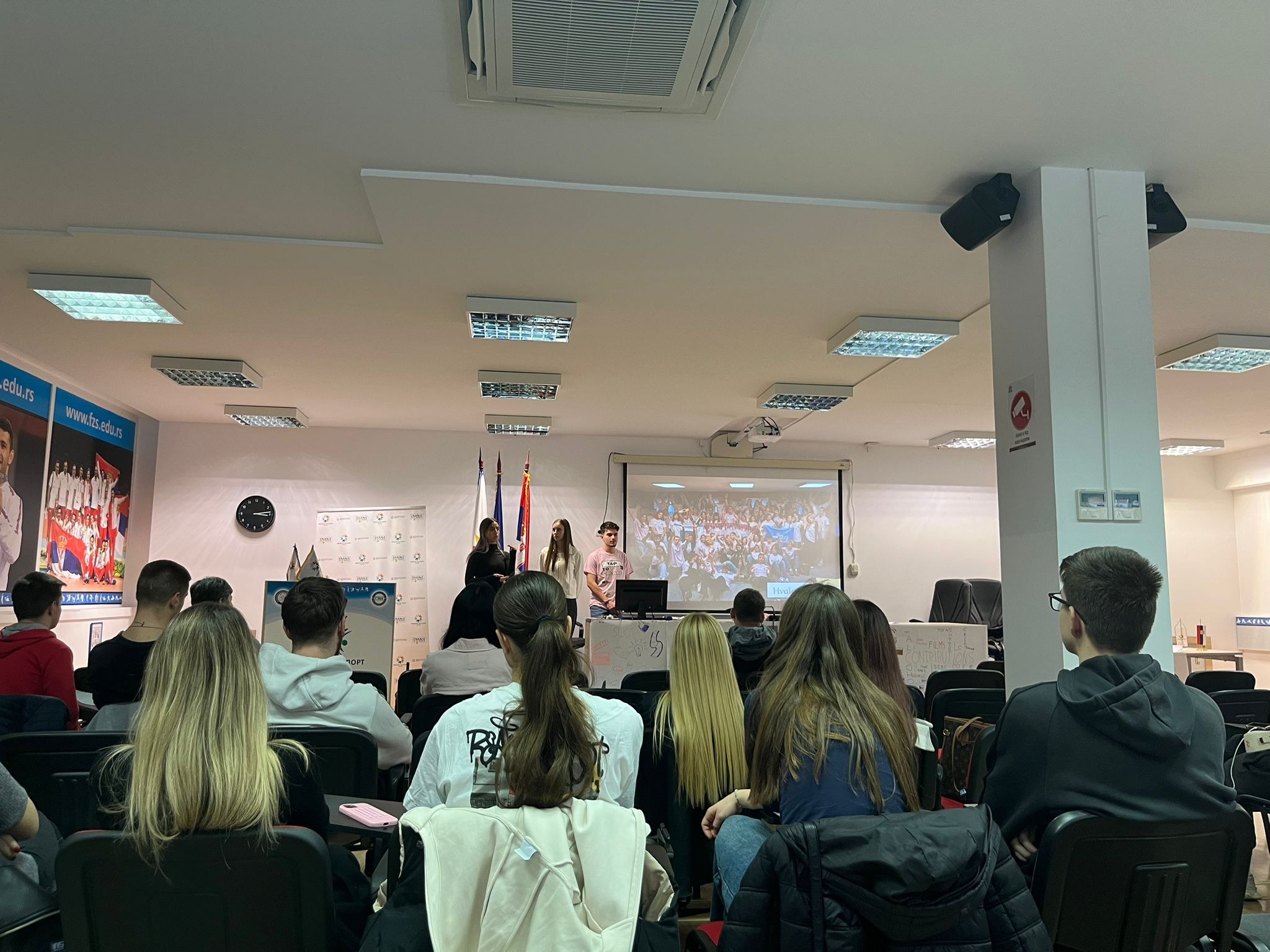
Jovana Jokic and Elena Koricanin presented to roughly 90 first- and third-year students at the Faculty of Sports, splitting into two teams to introduce Erasmus+ and E29, walk through Youthpass, and share photos, videos, and personal impressions from Tap to Create.
Constanta, Romania, October 2025
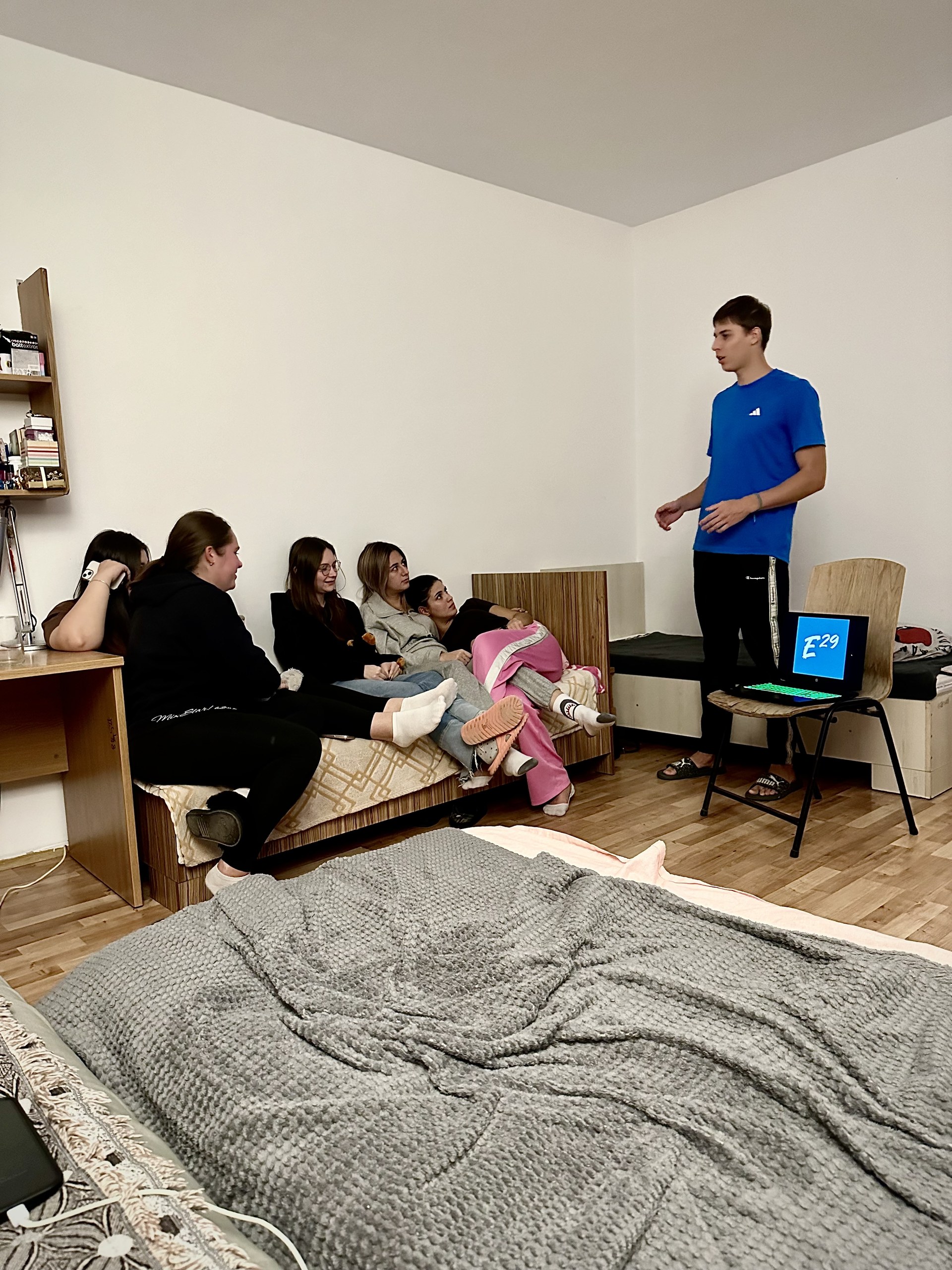
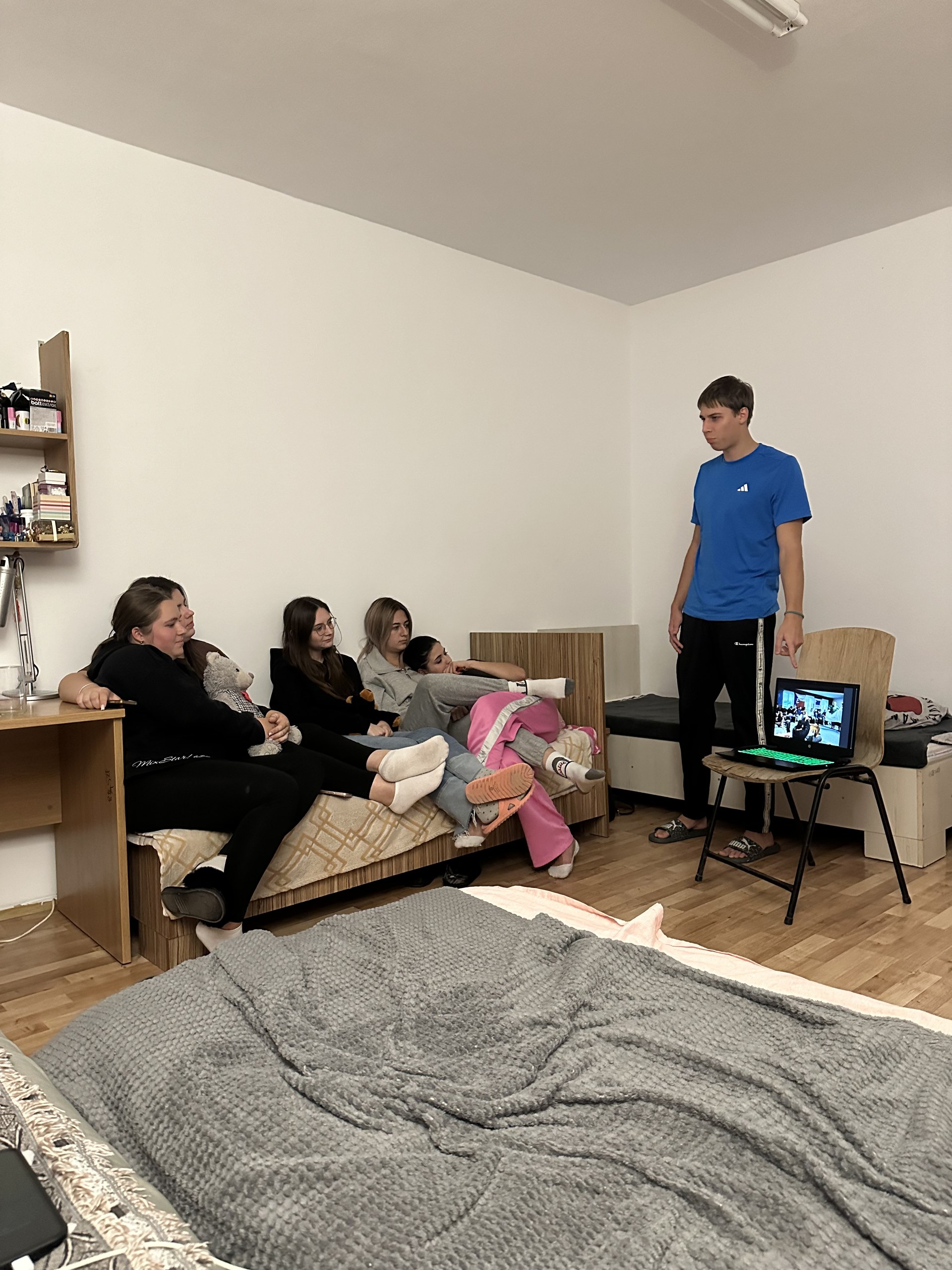
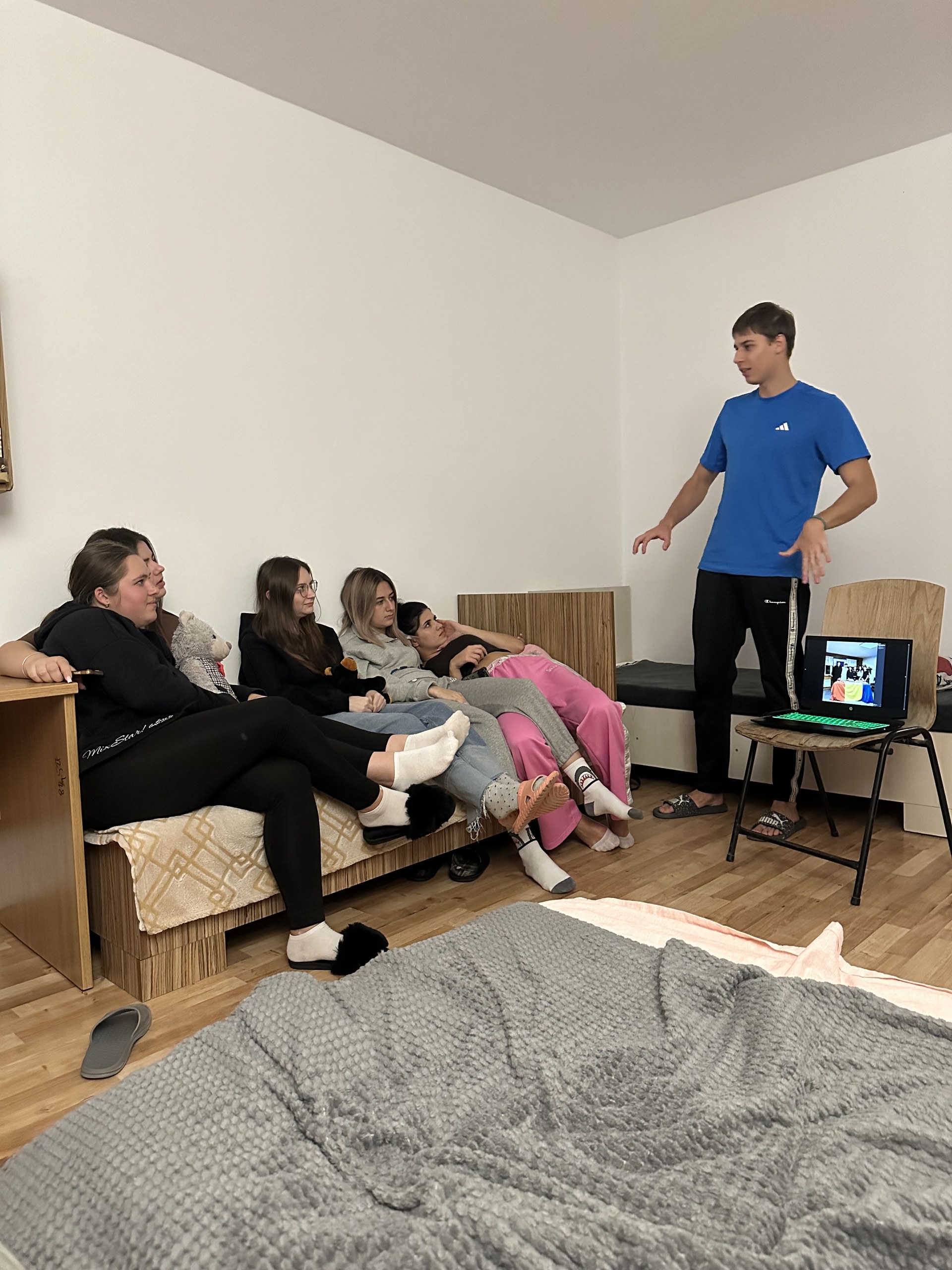
Lucian Budac presented E29 and his own project experience to 9 people at University Ovidius, encouraging them to look into the opportunities for themselves.
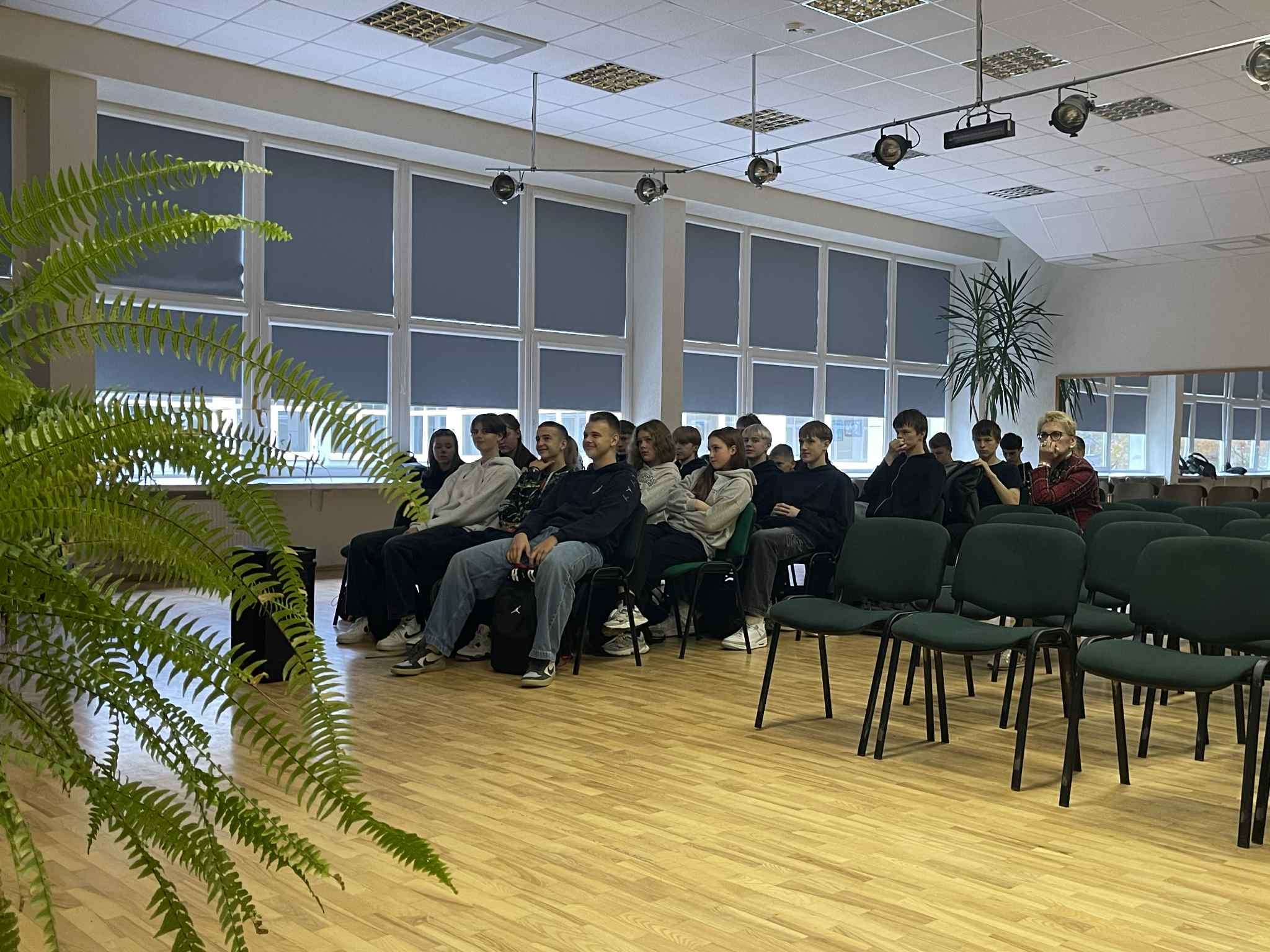
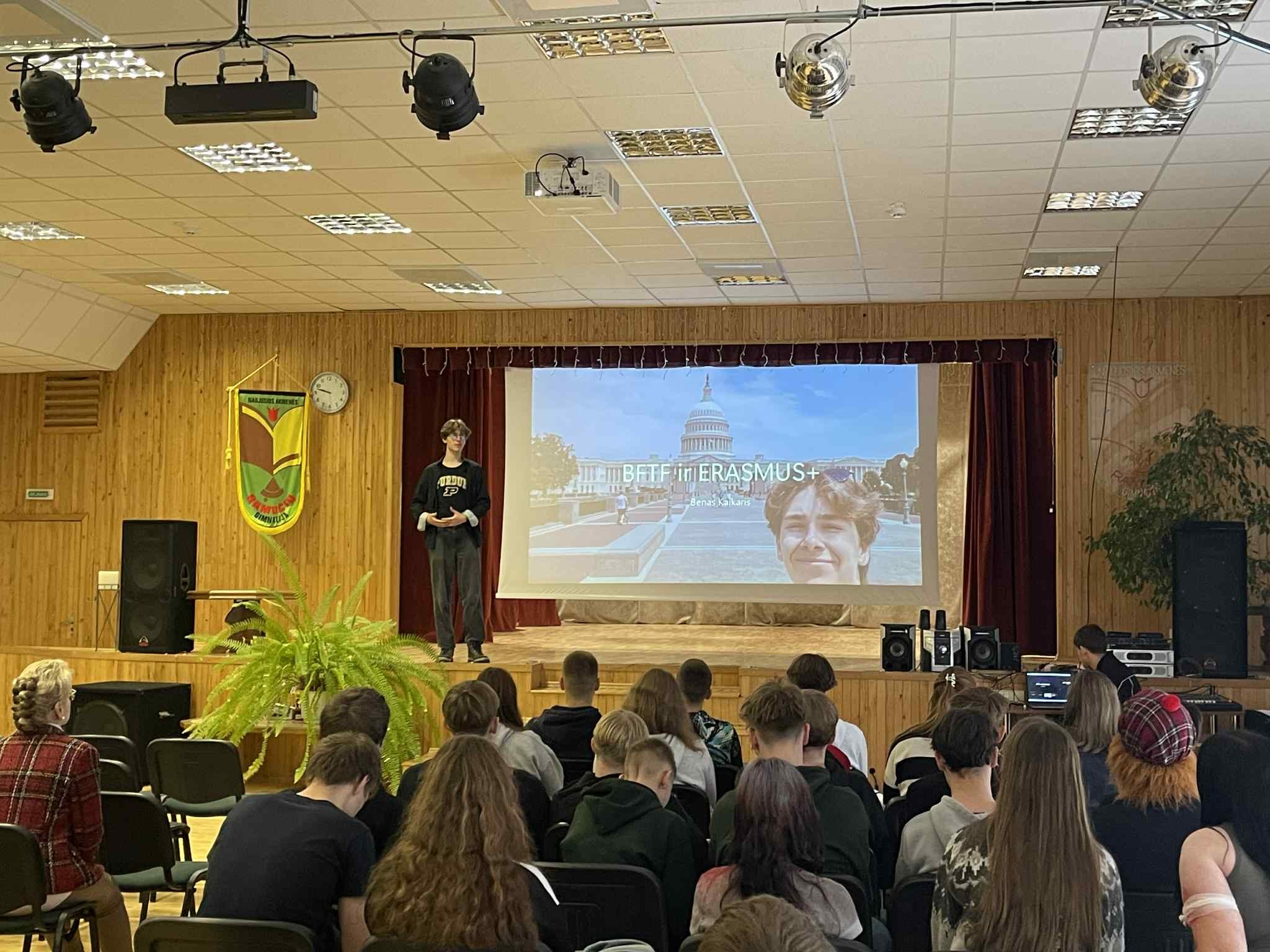
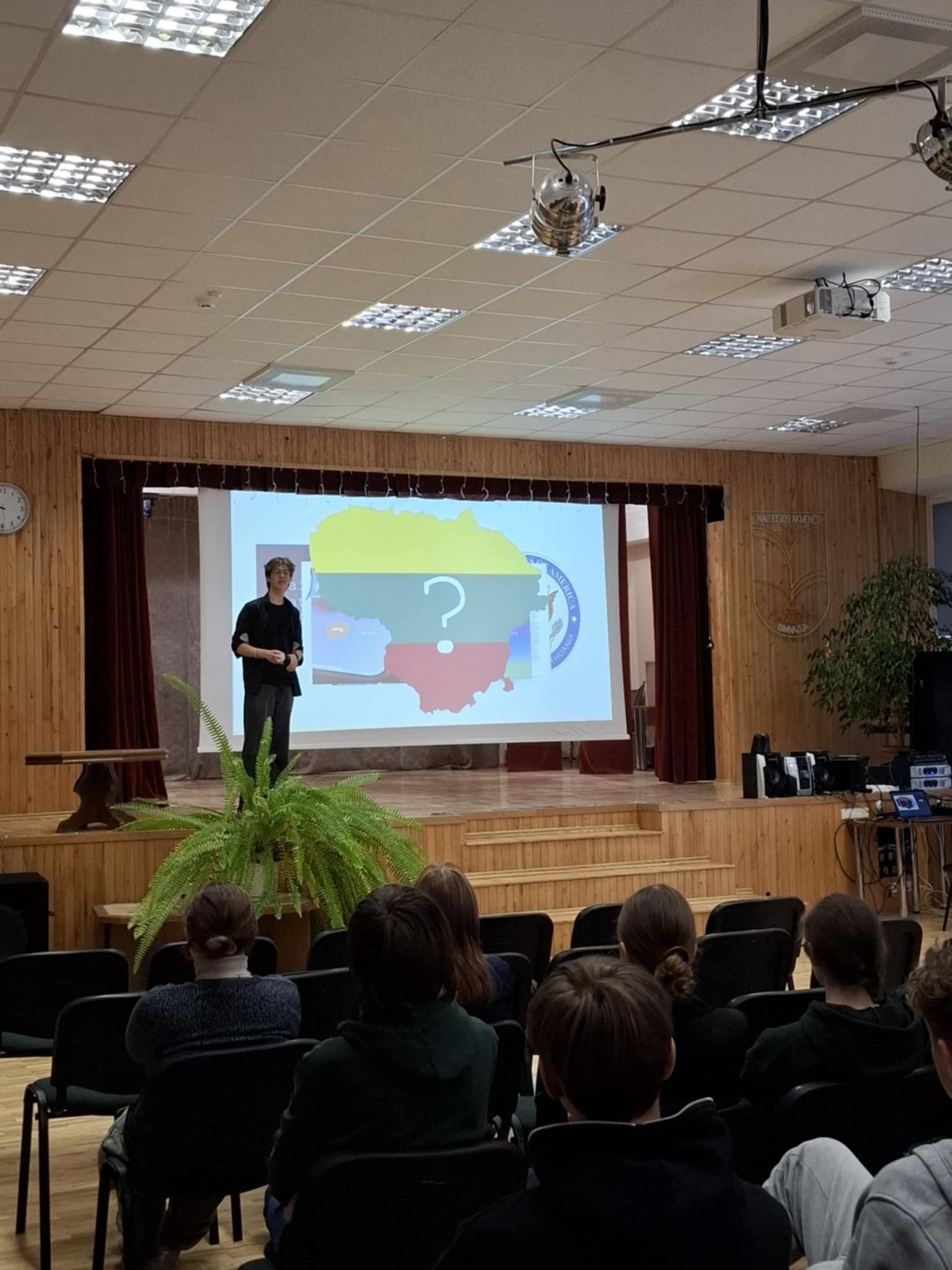
Naujoji Akmene, Lithuania, October 2025
Benas Kaikaris presented to four classes of 15-to-17-year-olds at Naujoji Akmene Ramuciai gymnasium, around 90 teenagers in total, sharing his experience and tips for finding projects.
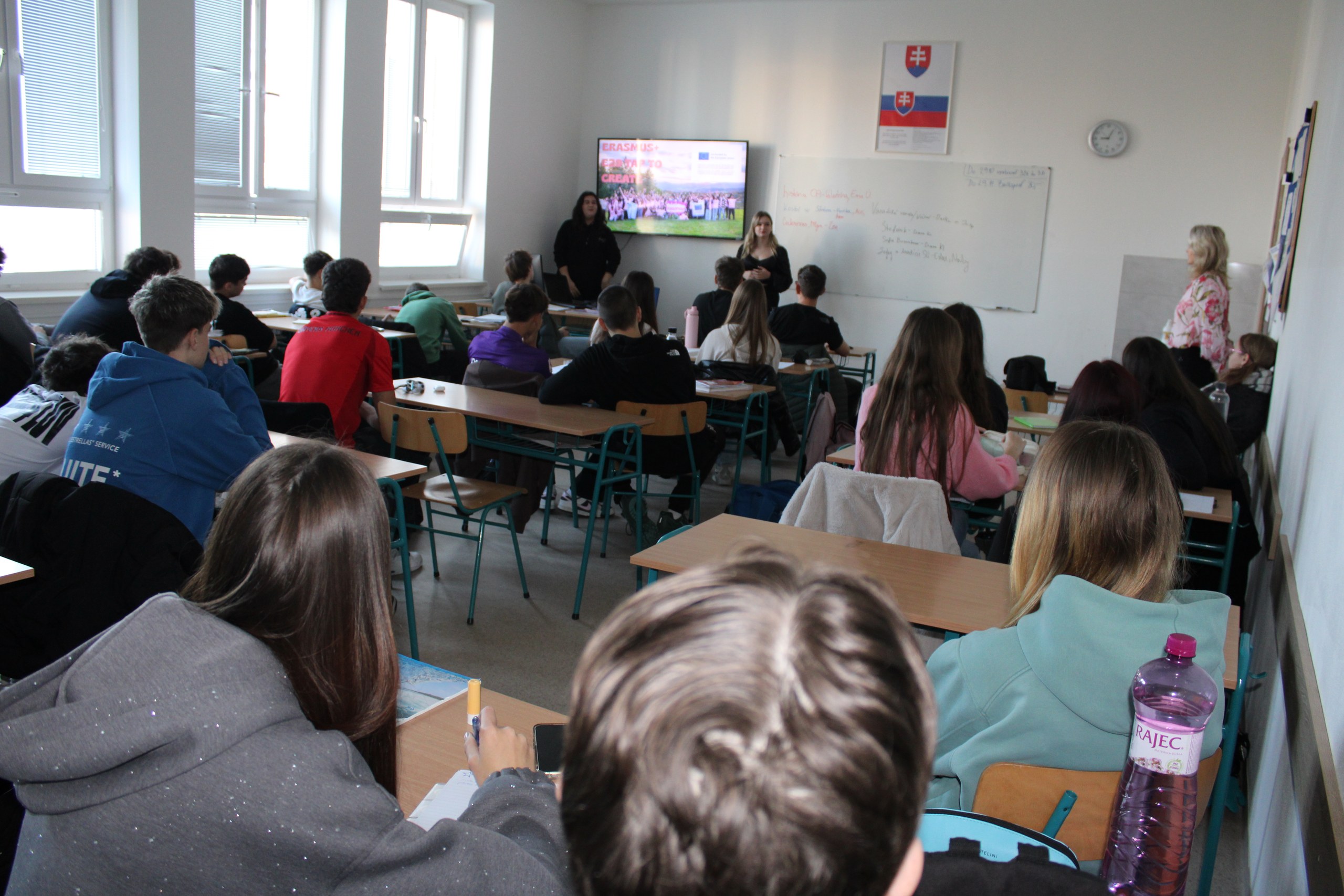
Surany, Slovakia, November 2025
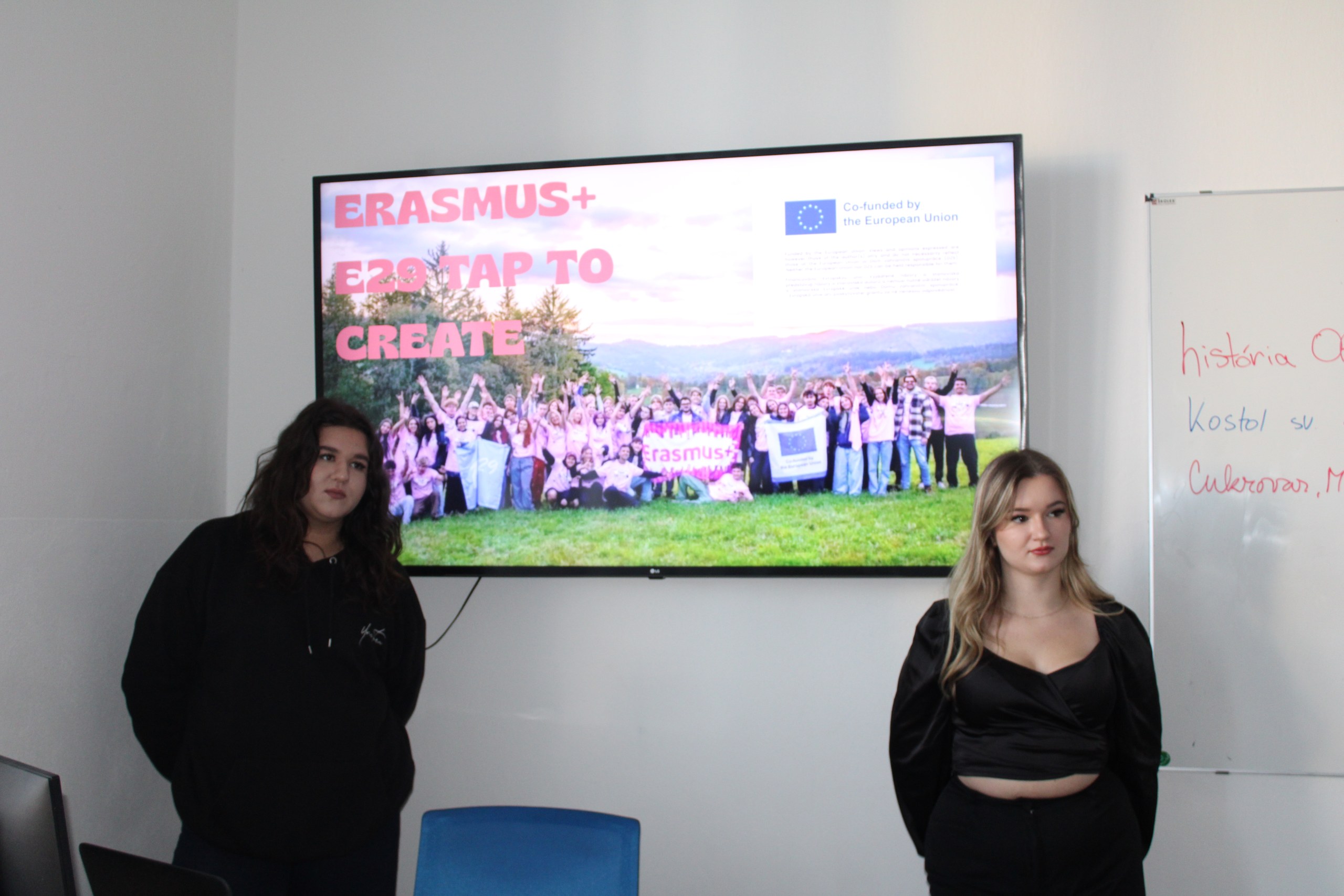
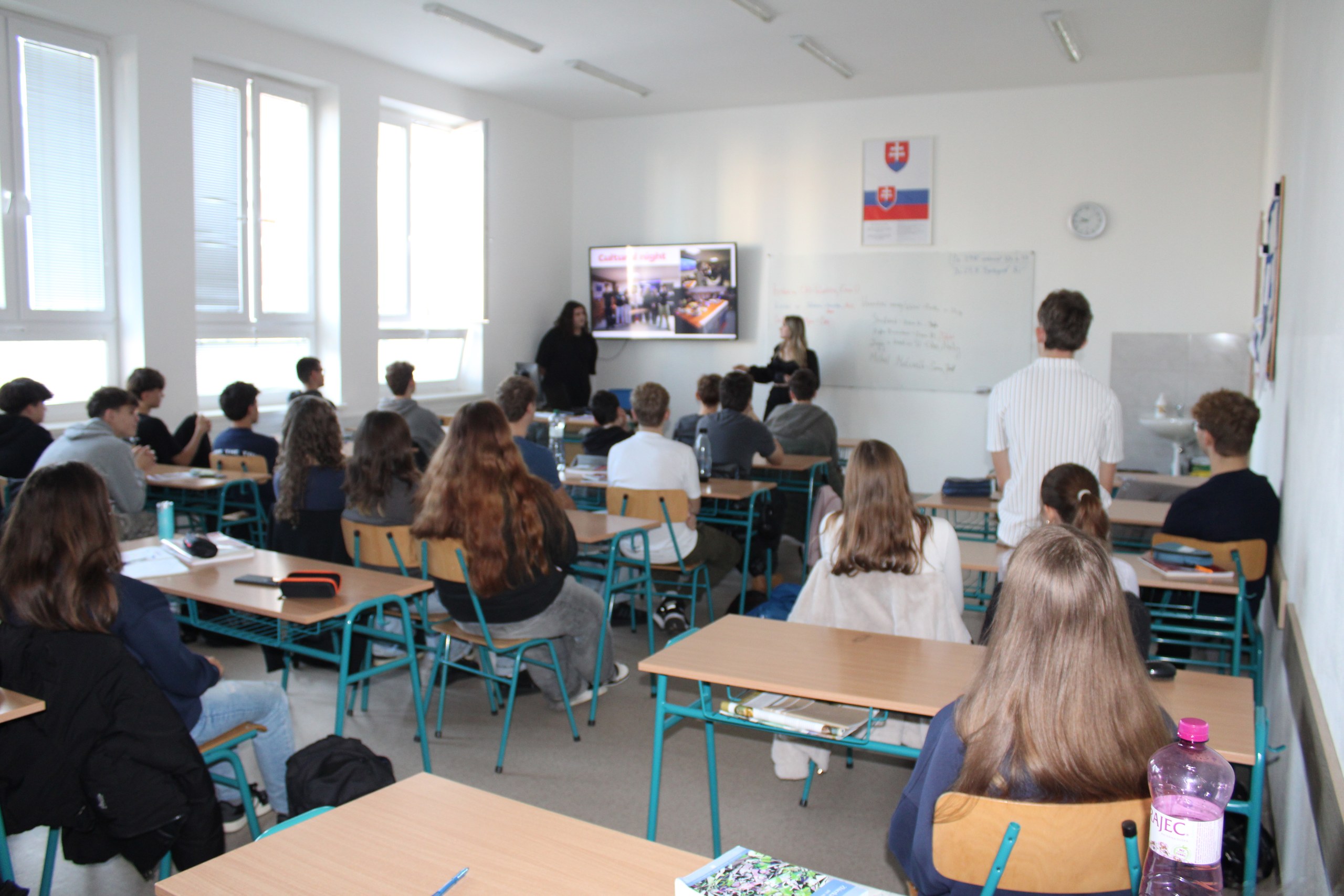
Liana Bihariova and a fellow participant presented the project to 60 younger students at Obchodna Akademia Surany.
Surany, Slovakia, November 2025
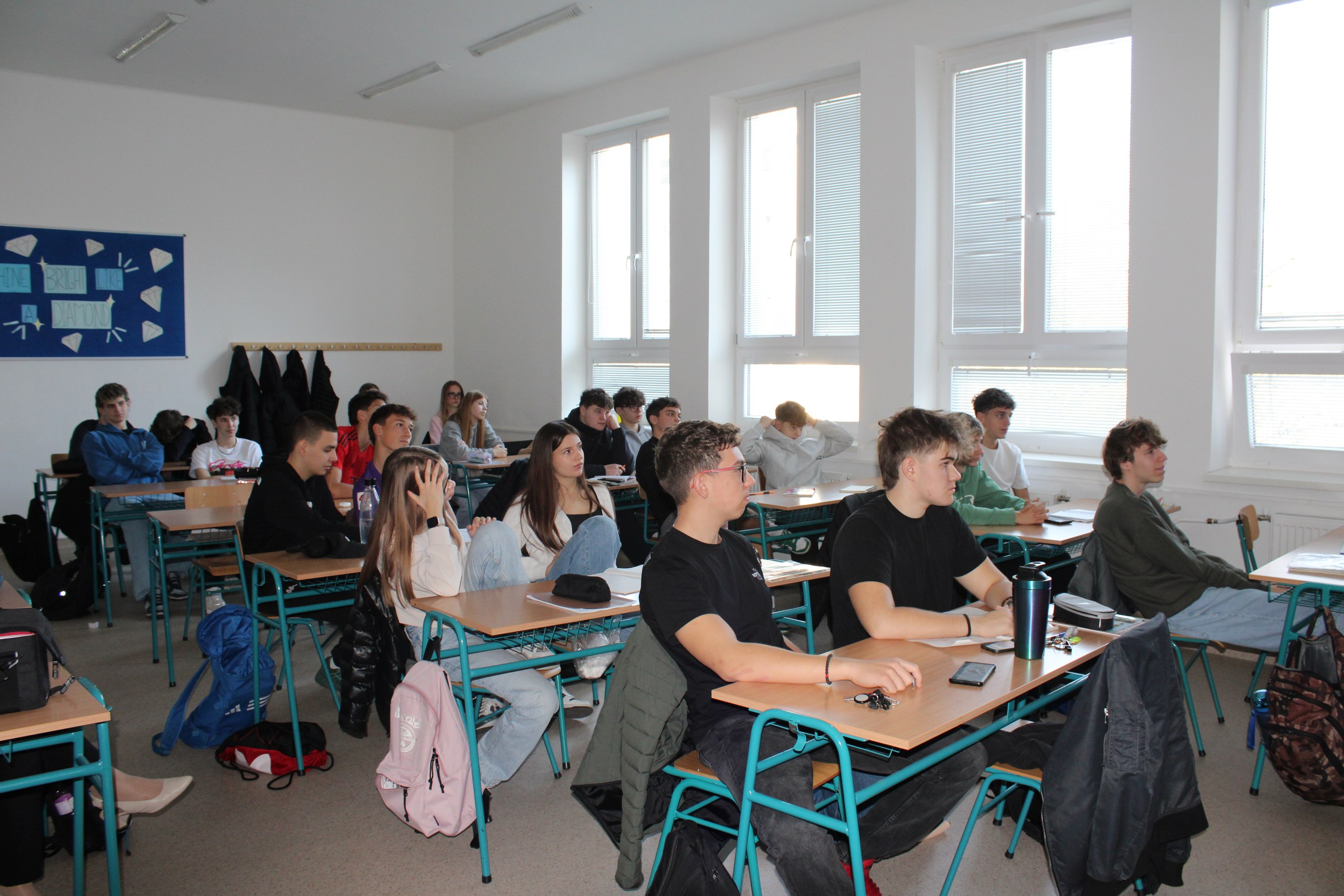
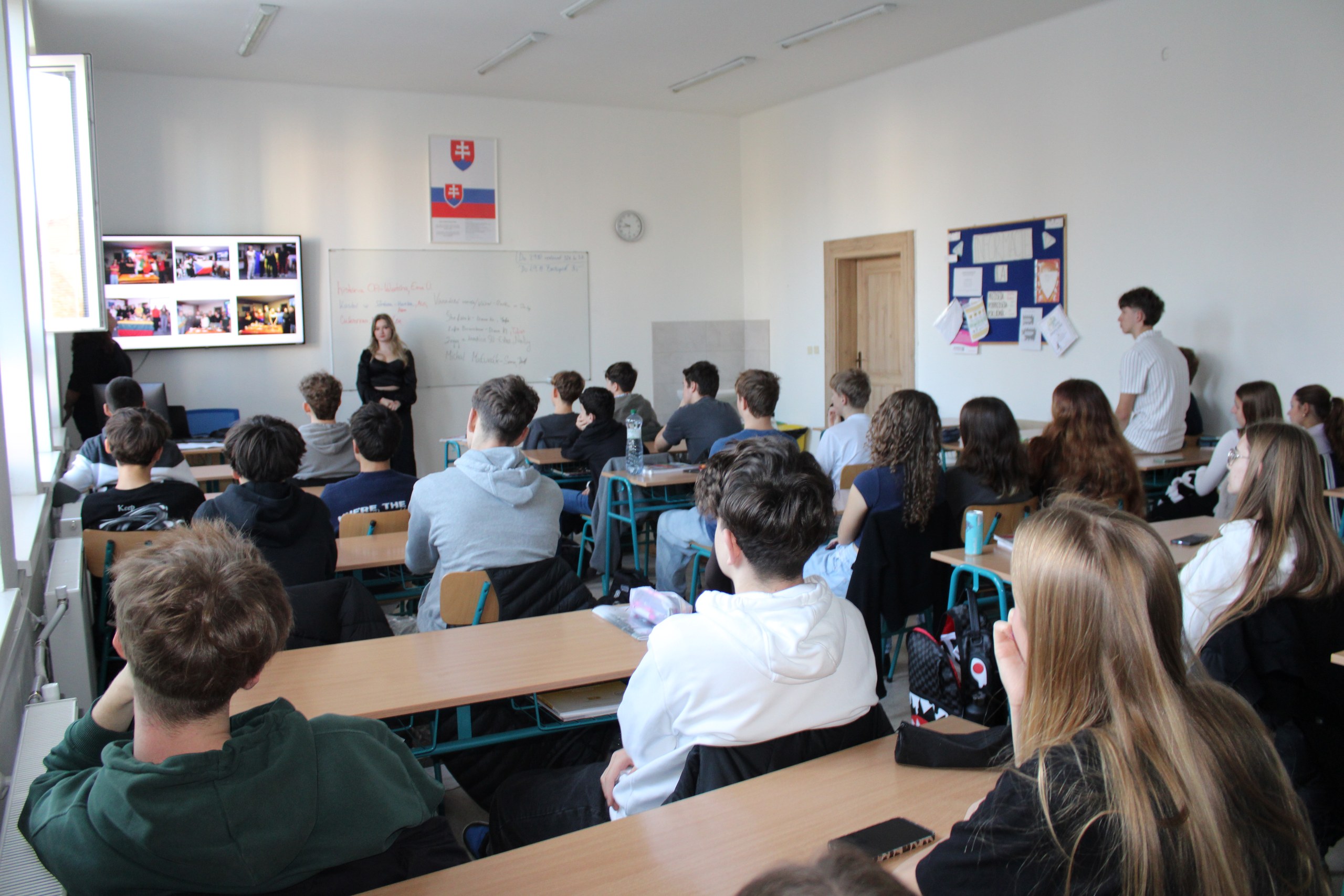
Michaela Bazoova presented across several classes at her high school for an audience of 60, including a teacher and the principal, screening two of the films the team created during the exchange.
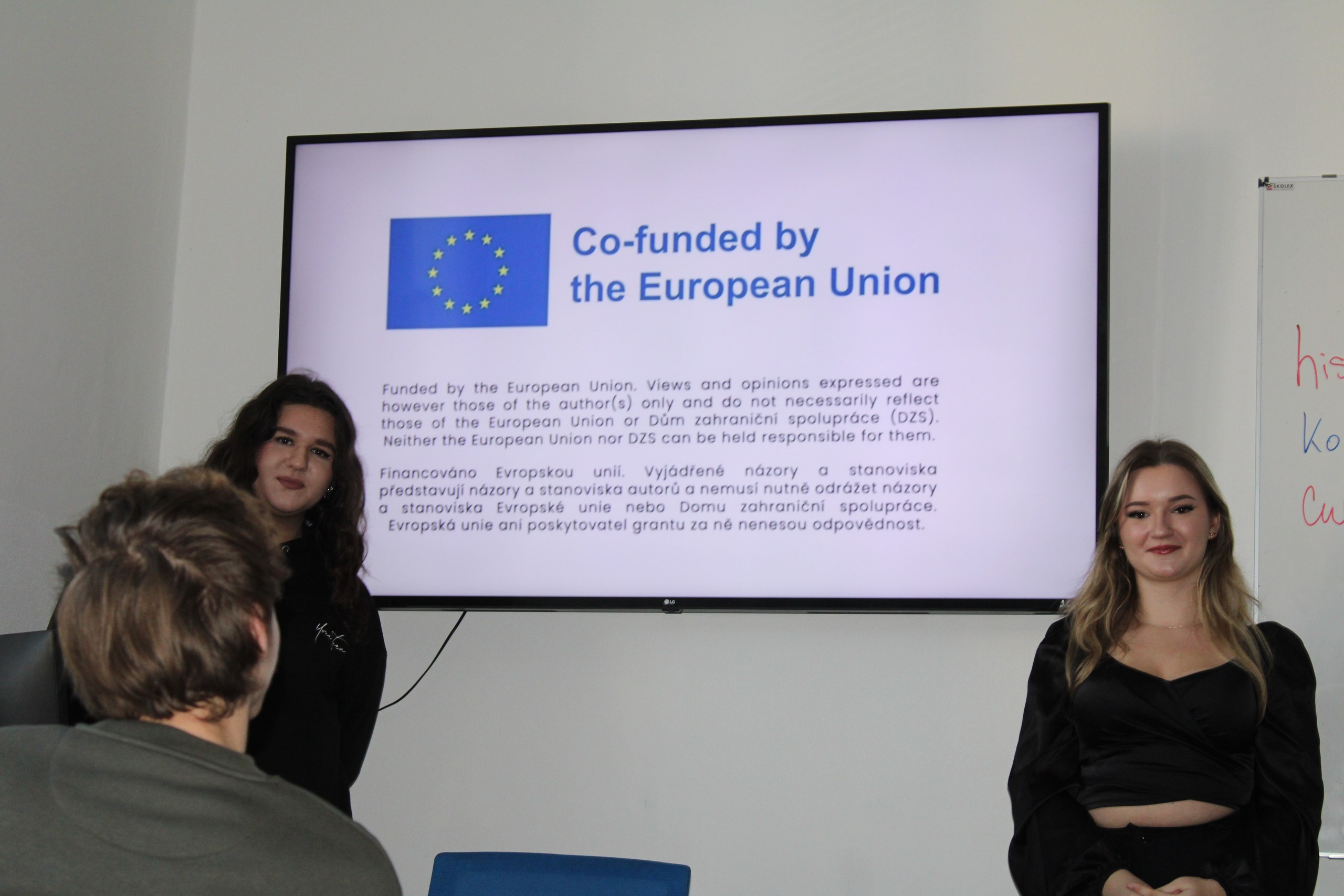
Elektrenai, Lithuania, November 2025
Orestas Blazevicius shared his Tap to Create experience with 9 people at Elektrenai viesoji biblioteka.
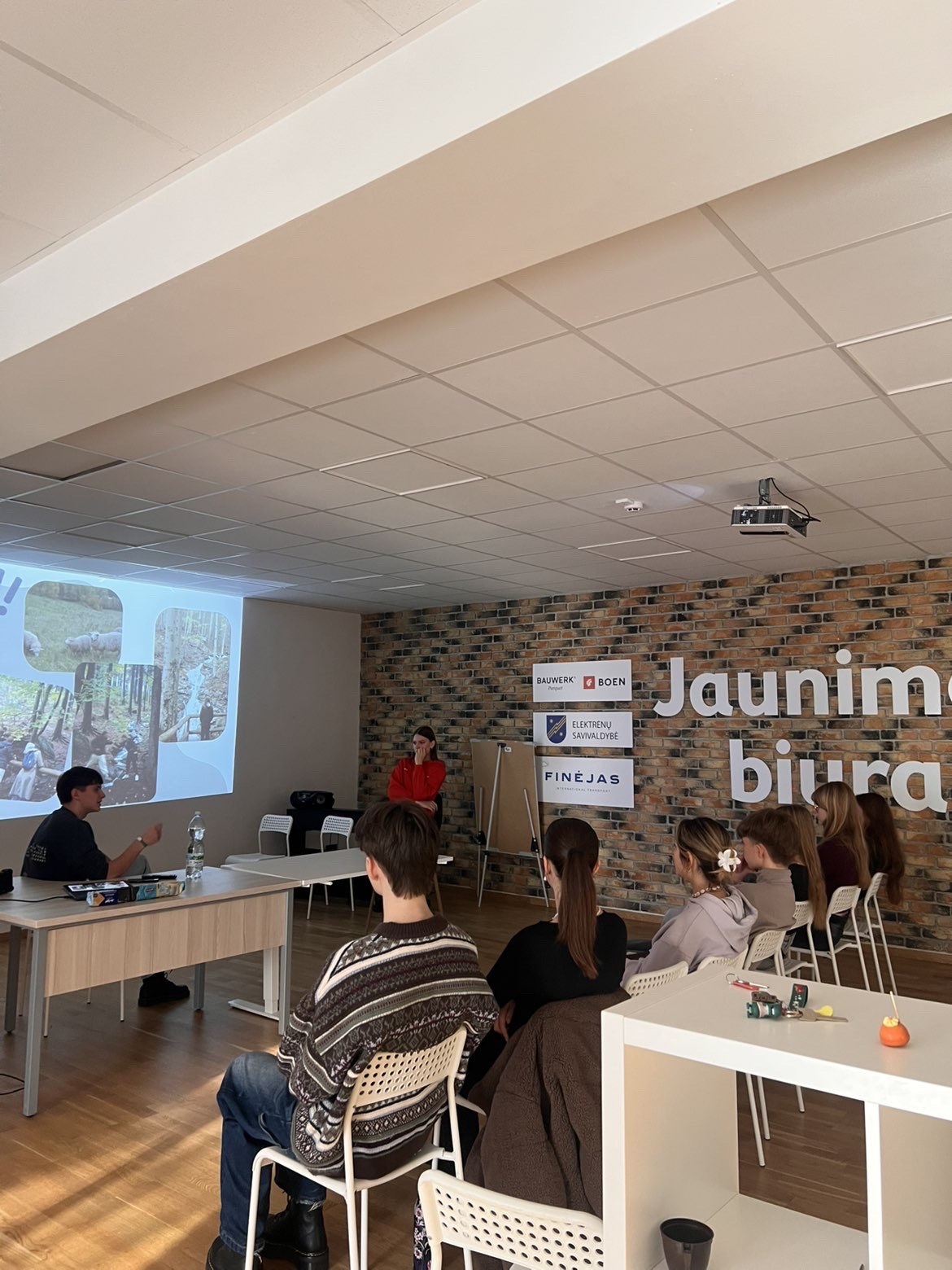
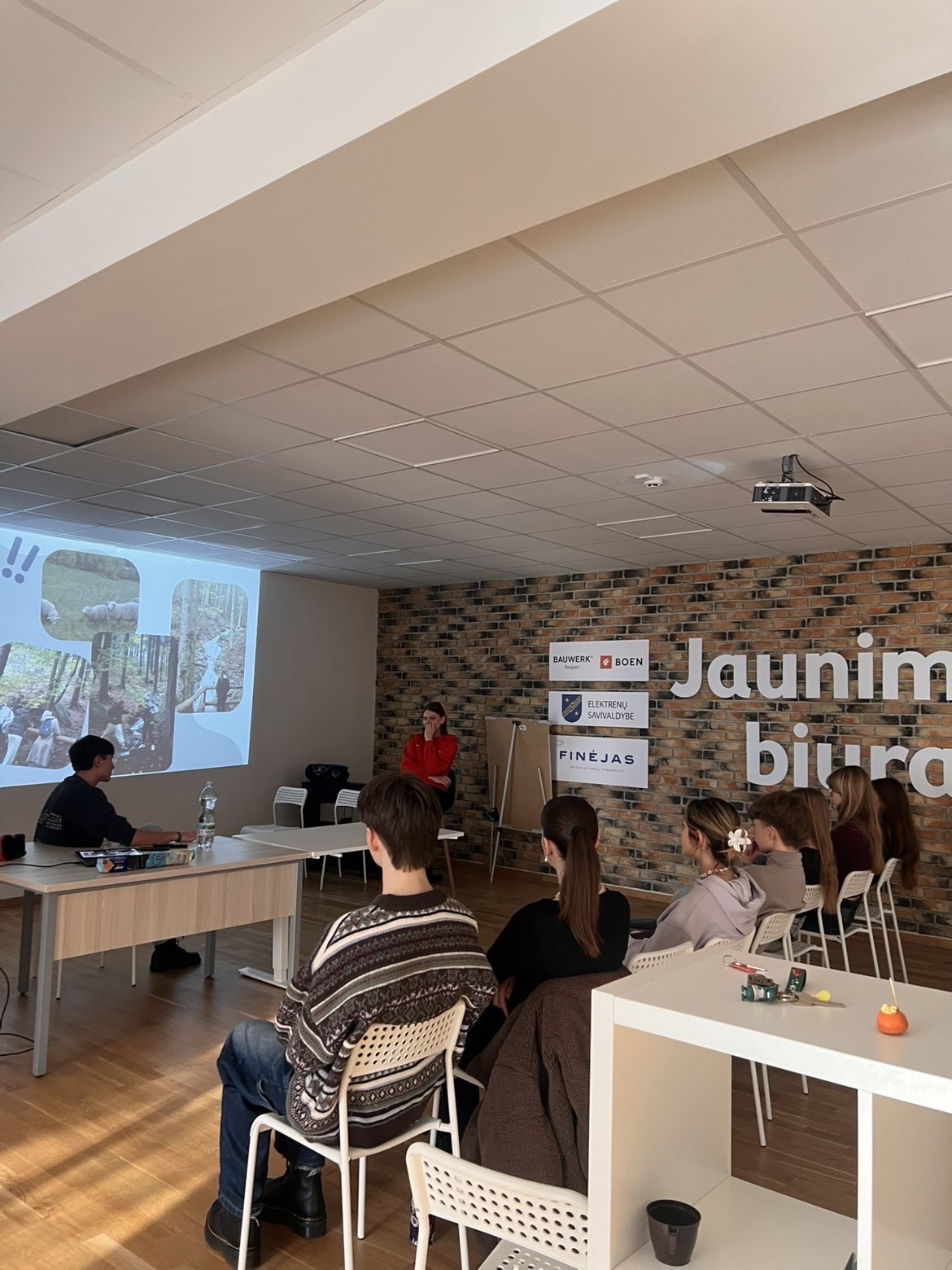
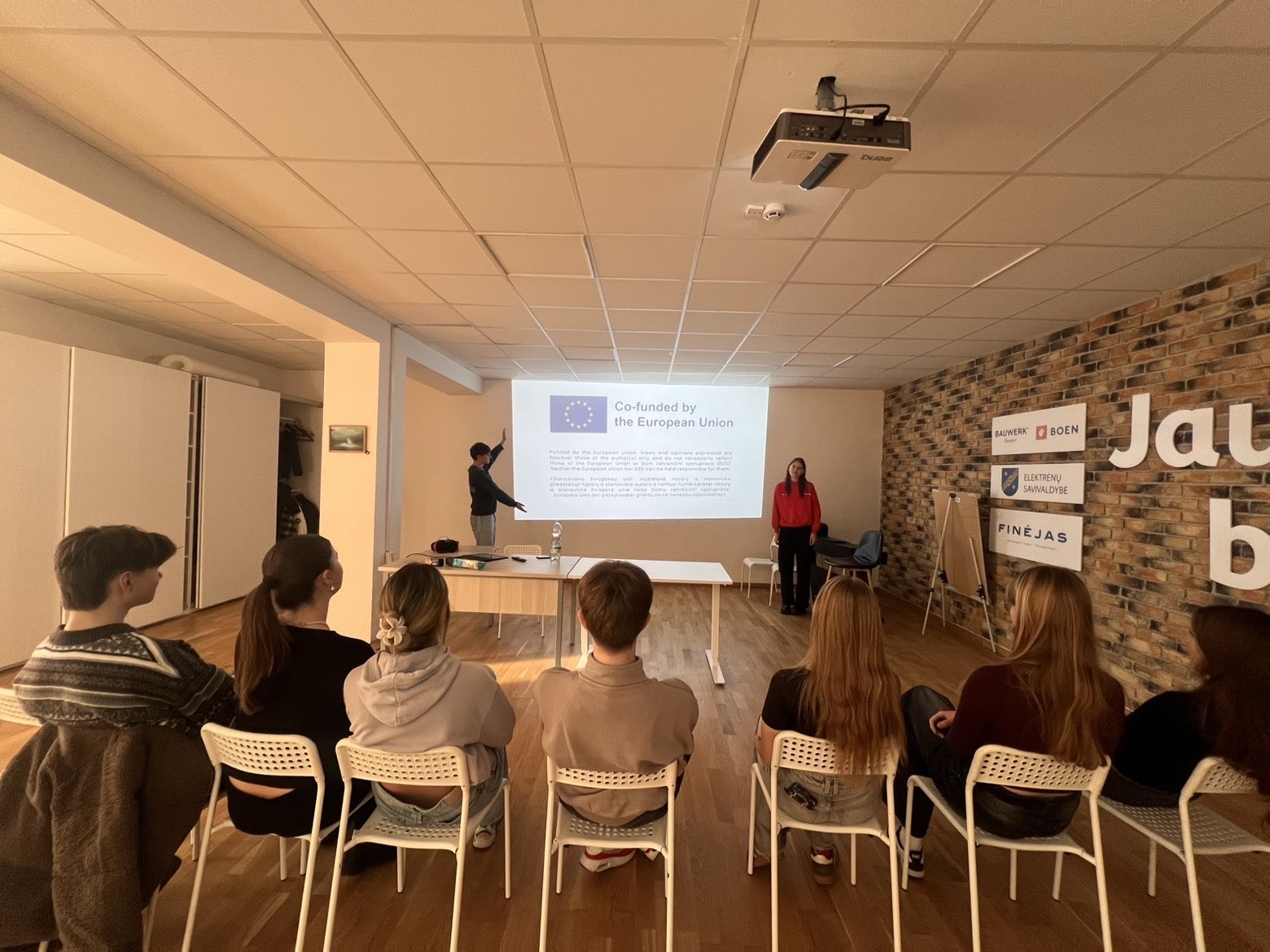
Elektrenai, Lithuania, November 2025
Gabriele Poskaite and Orestas presented E29 and Erasmus+ to 10 people at Elektrenu Kulturos Centras, showing videos and answering questions about how to take part.
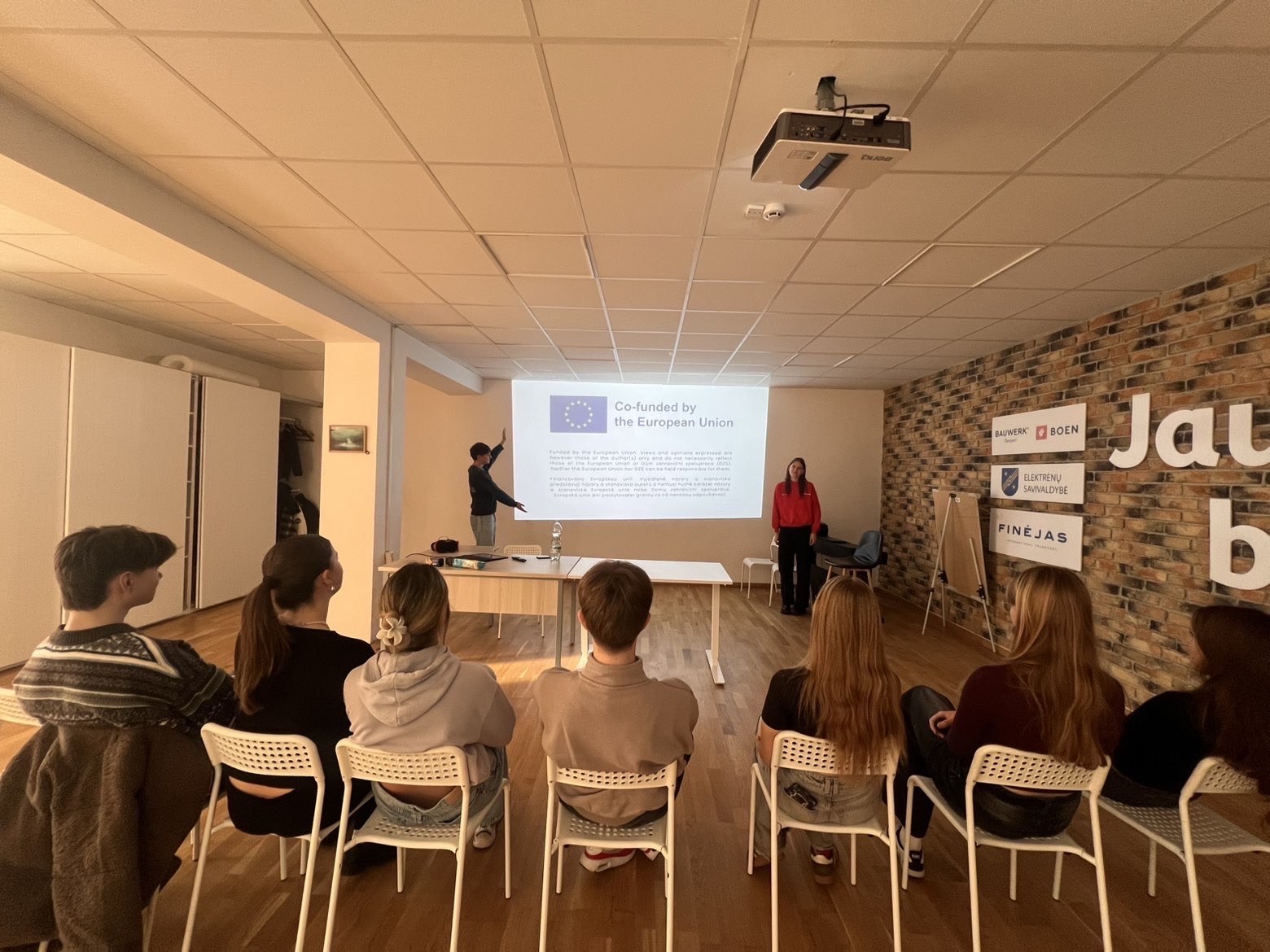
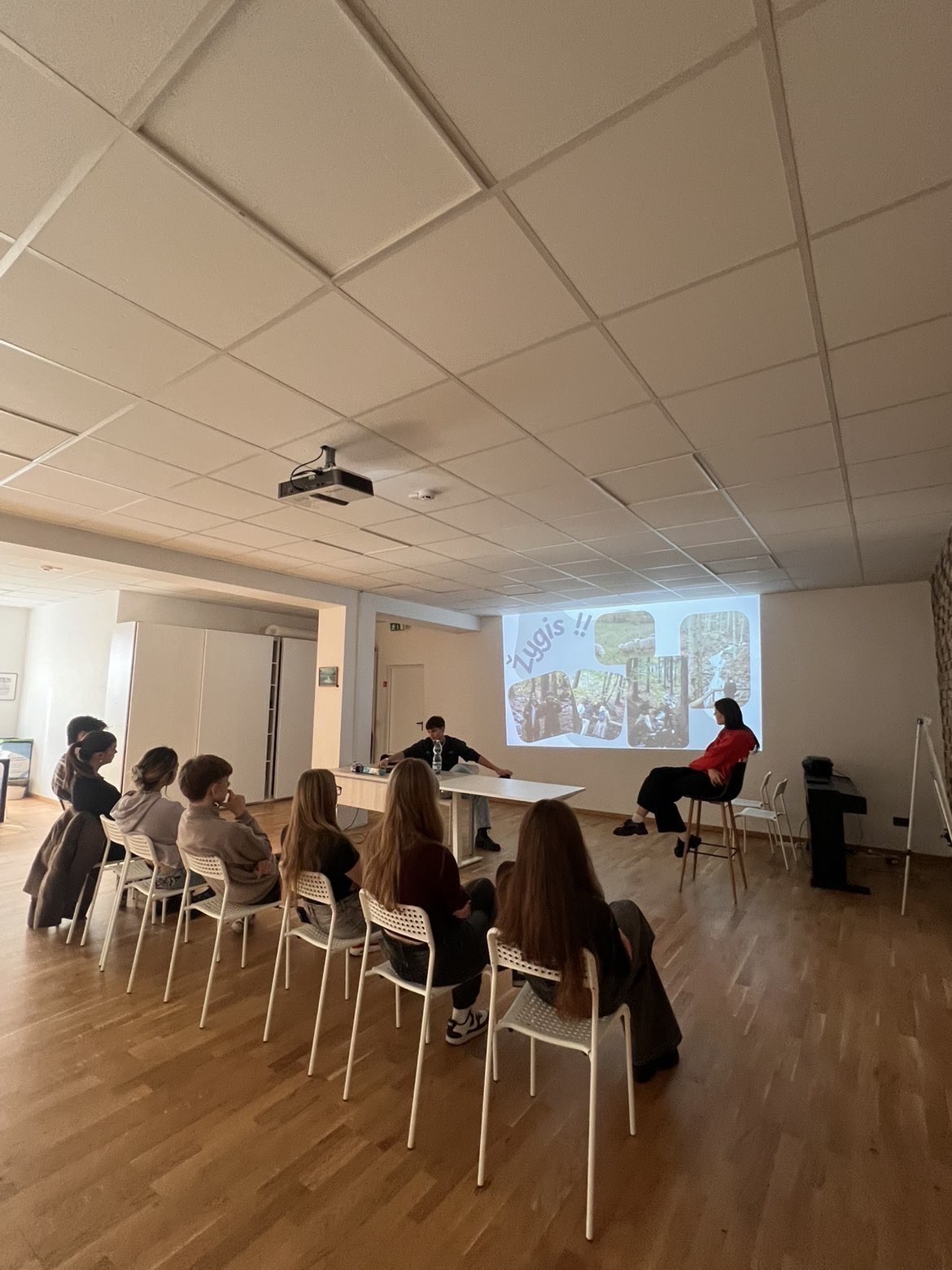
Uherske Hradiste, Czechia, November 2025
Natalie Rasochova introduced 12 classmates at her school to E29 and the range of Erasmus+ programmes, showing short films she helped create during the project.
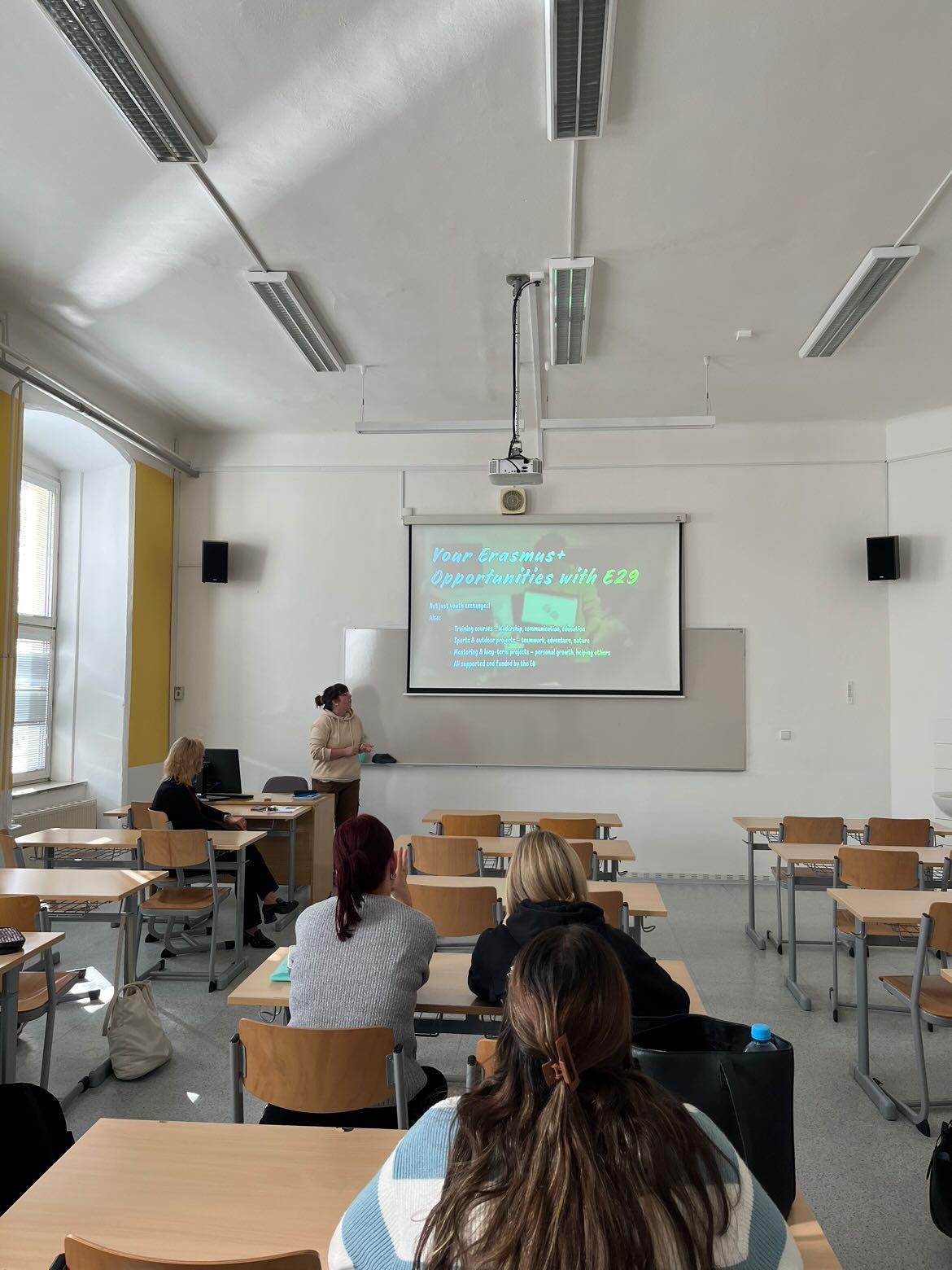
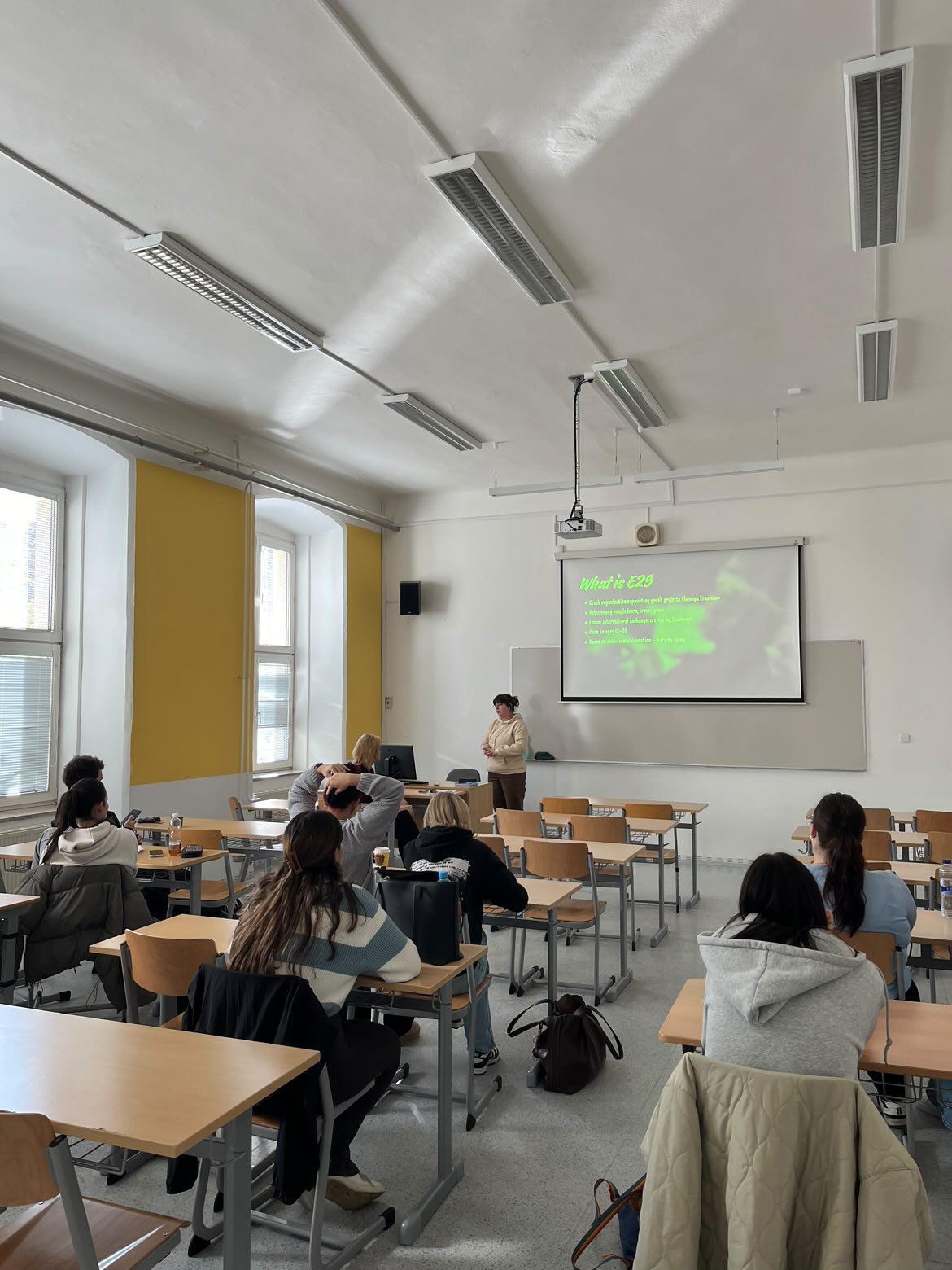
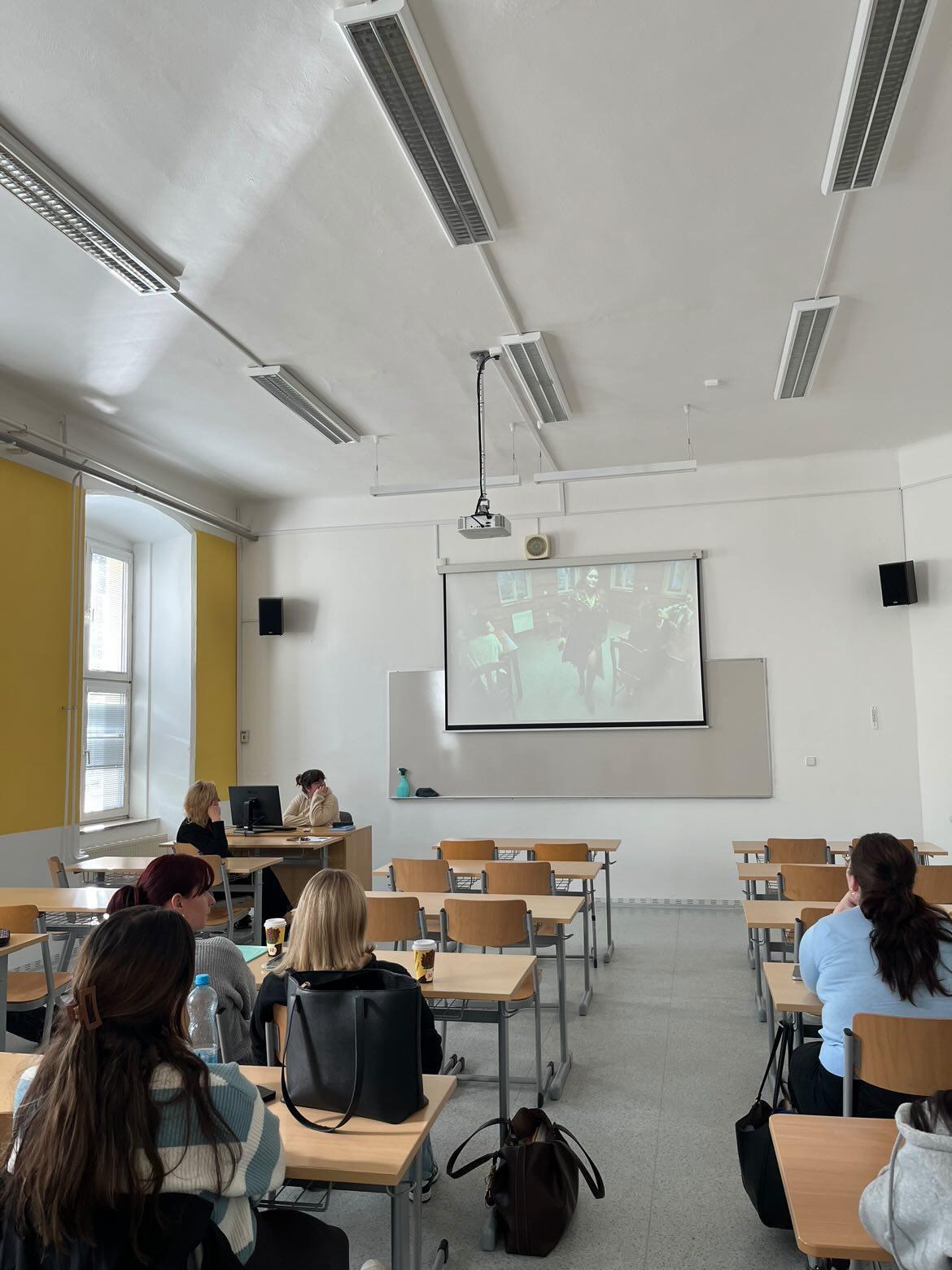
Pilsen, Czechia, November 2025
Andela Krikavova talked through her Tap to Create experience with 9 people at ZUS Bedricha Smetany Plzen, screening one of the films the group made and explaining how to apply.
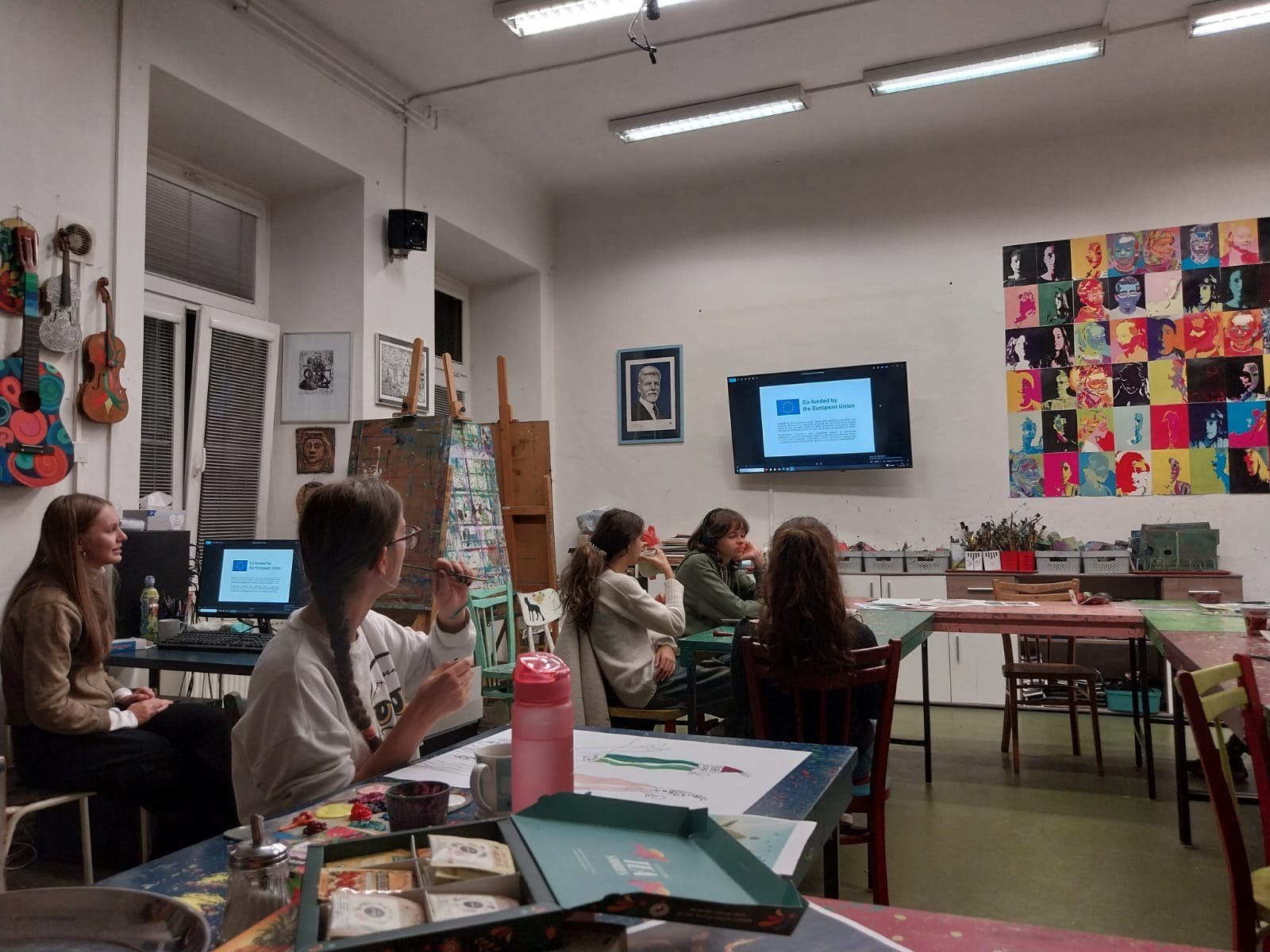
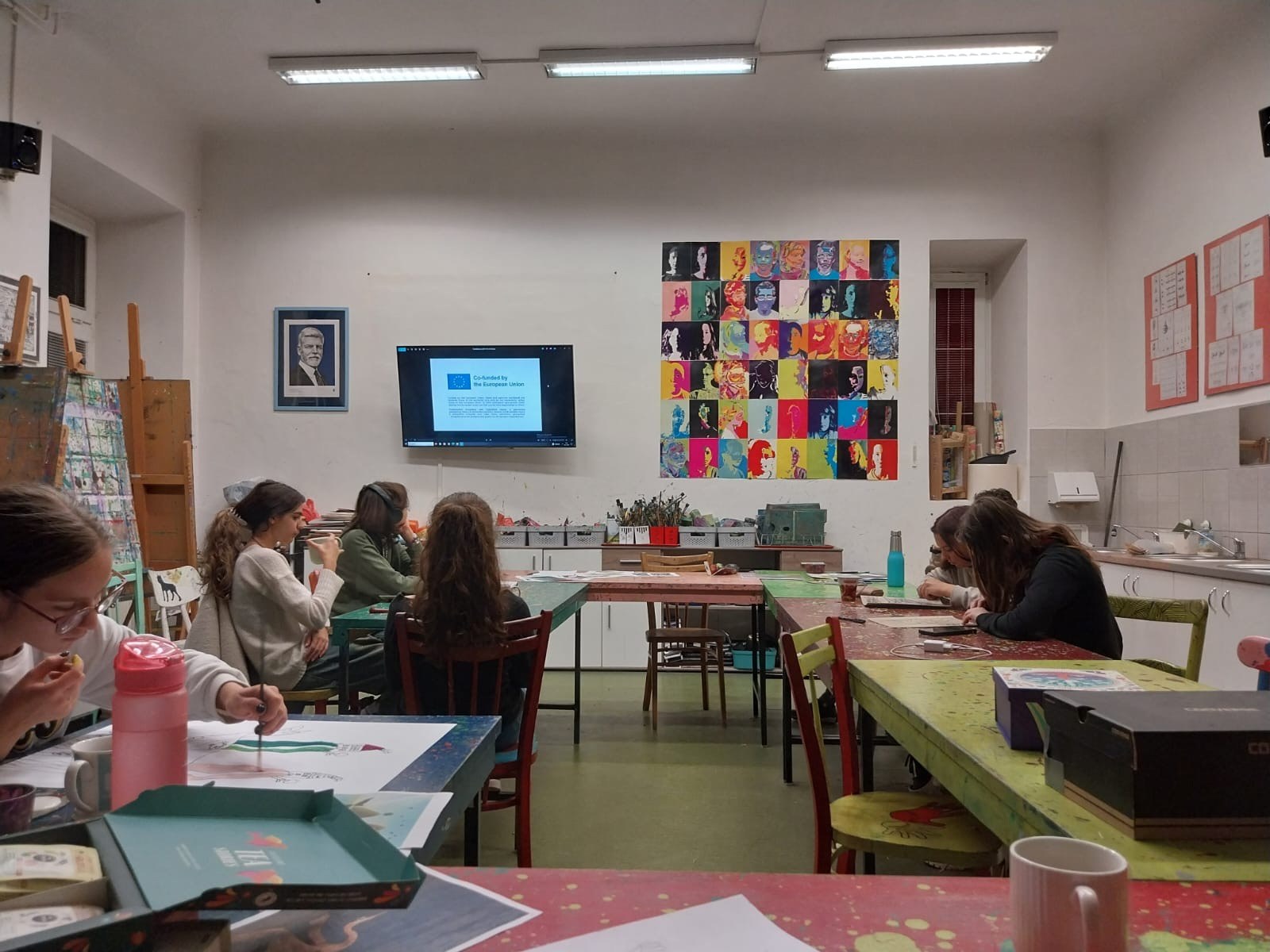
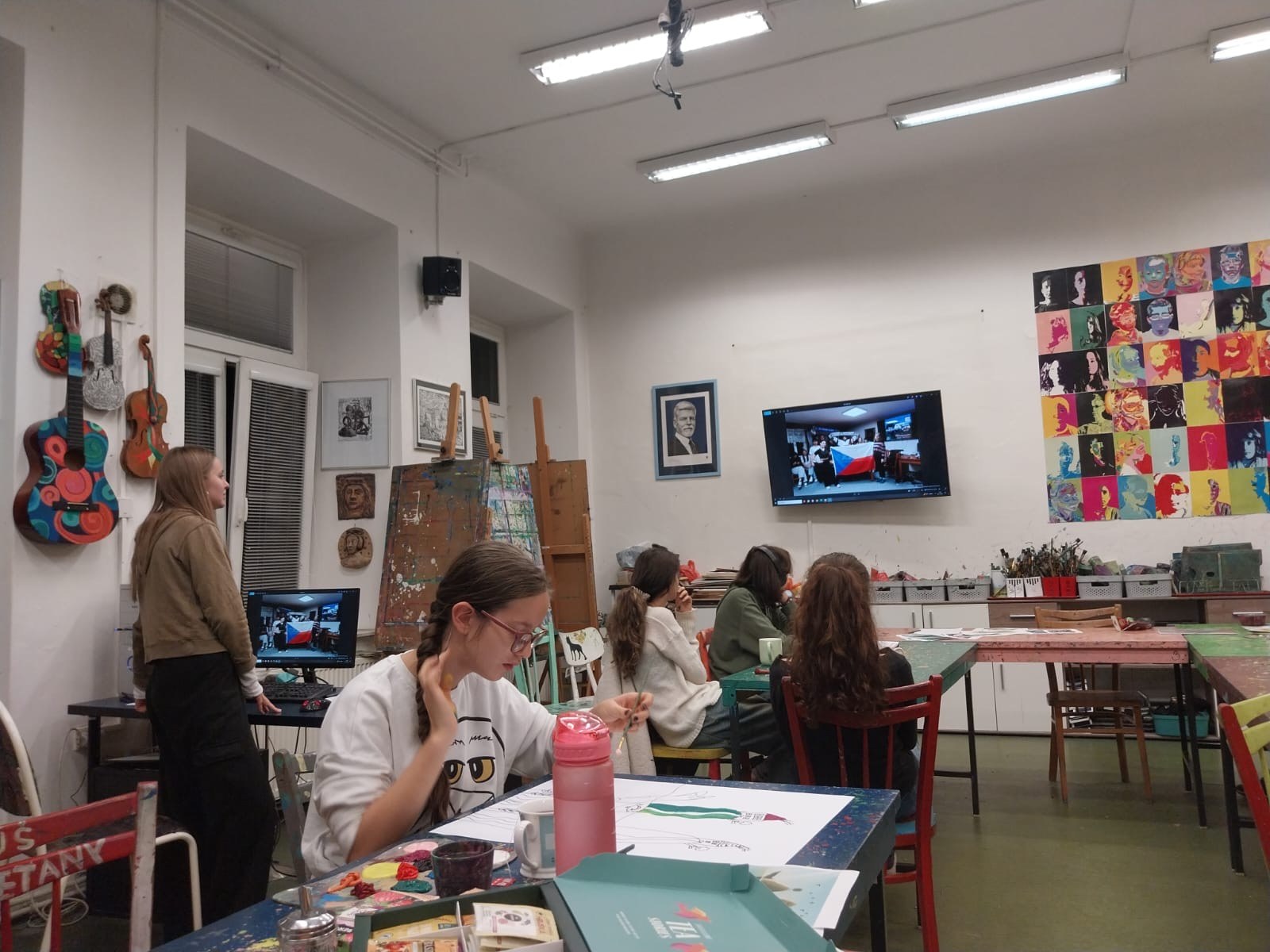
Pilsen, Czechia, November 2025
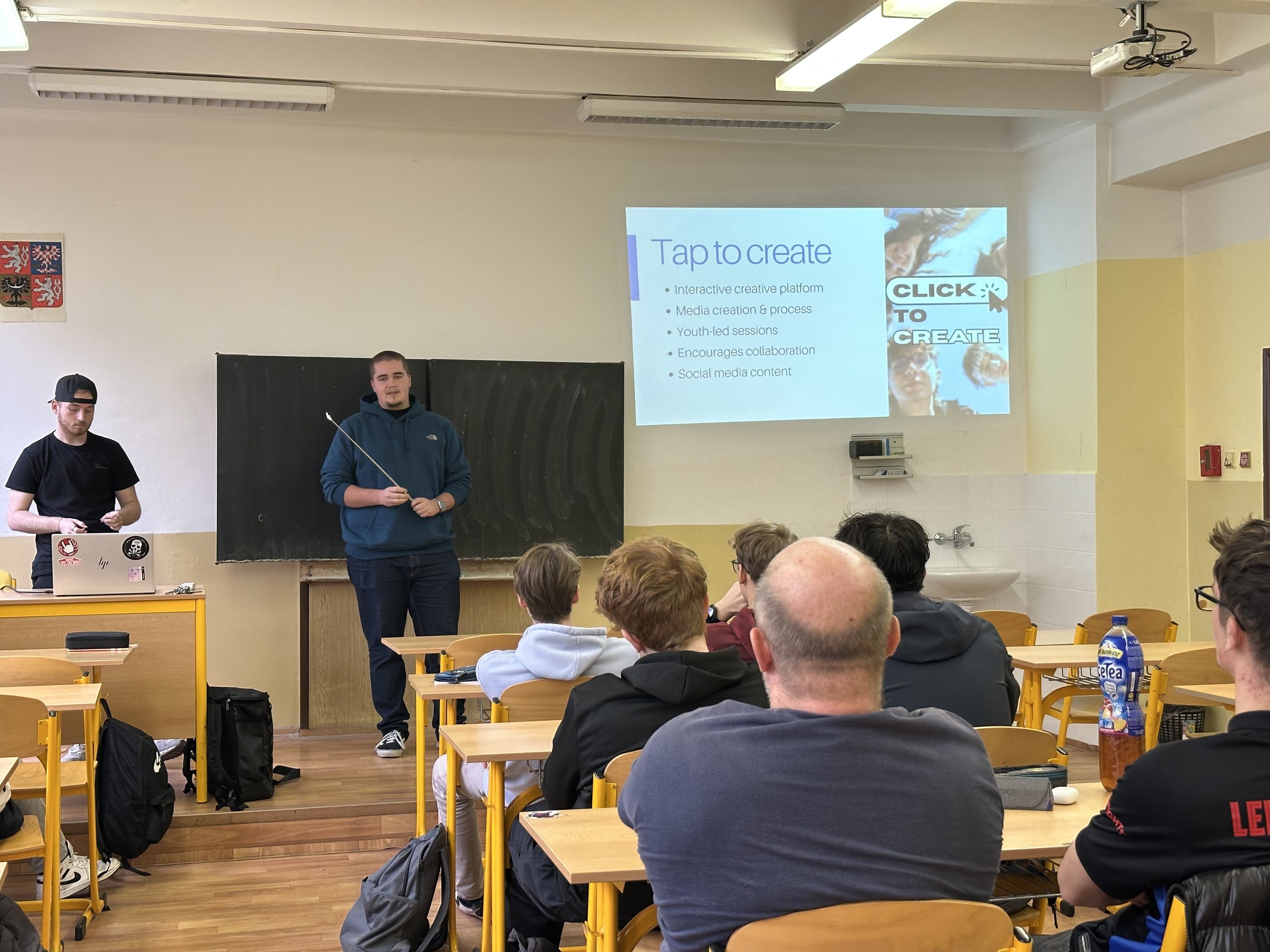
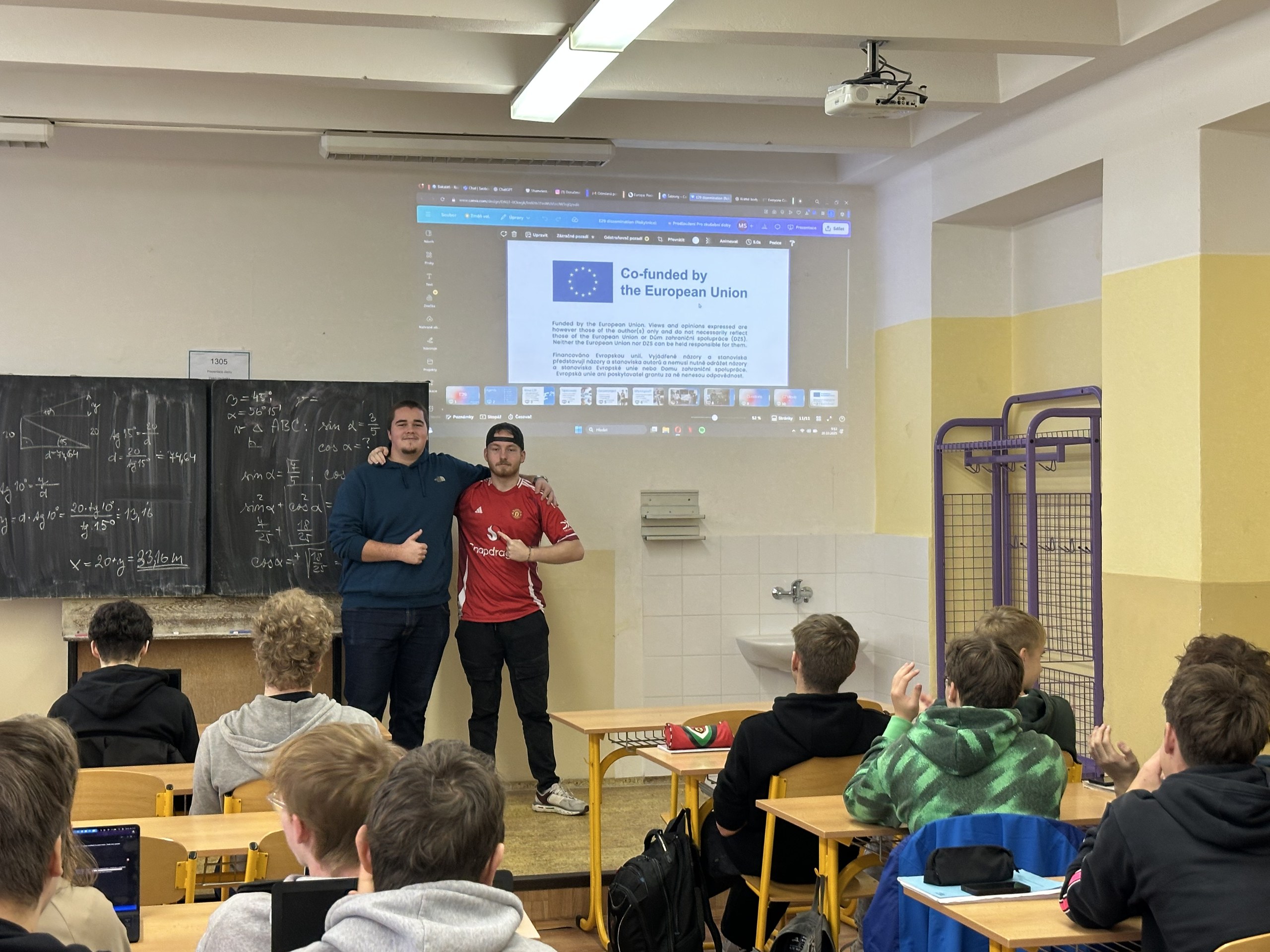
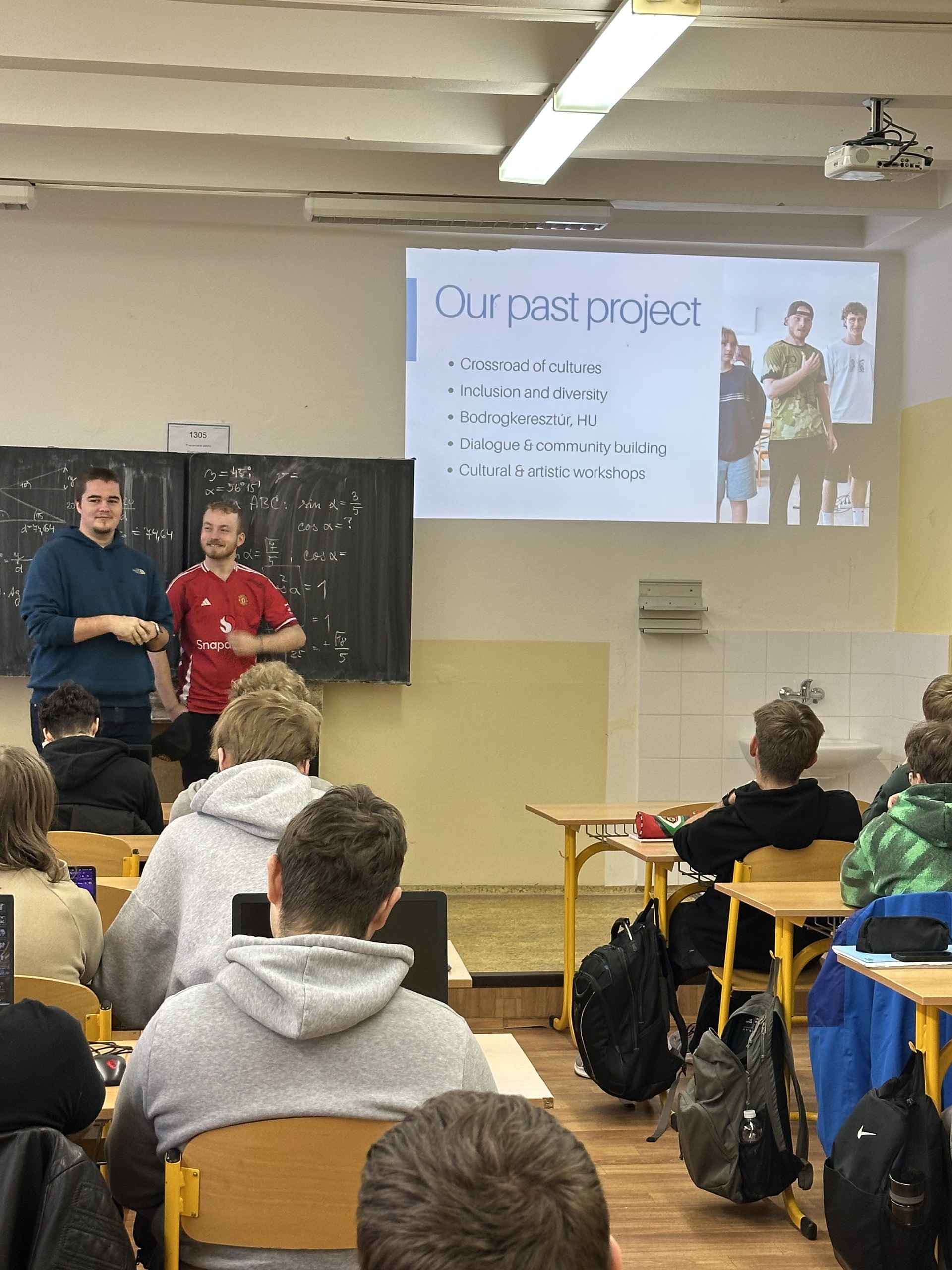
Matyas Svoboda, together with Jan Klier, presented to 45 students across two classes at VOS a SPSE Plzen, showing how to apply and navigate the E29 website.
Belgrade, Serbia, November 2025
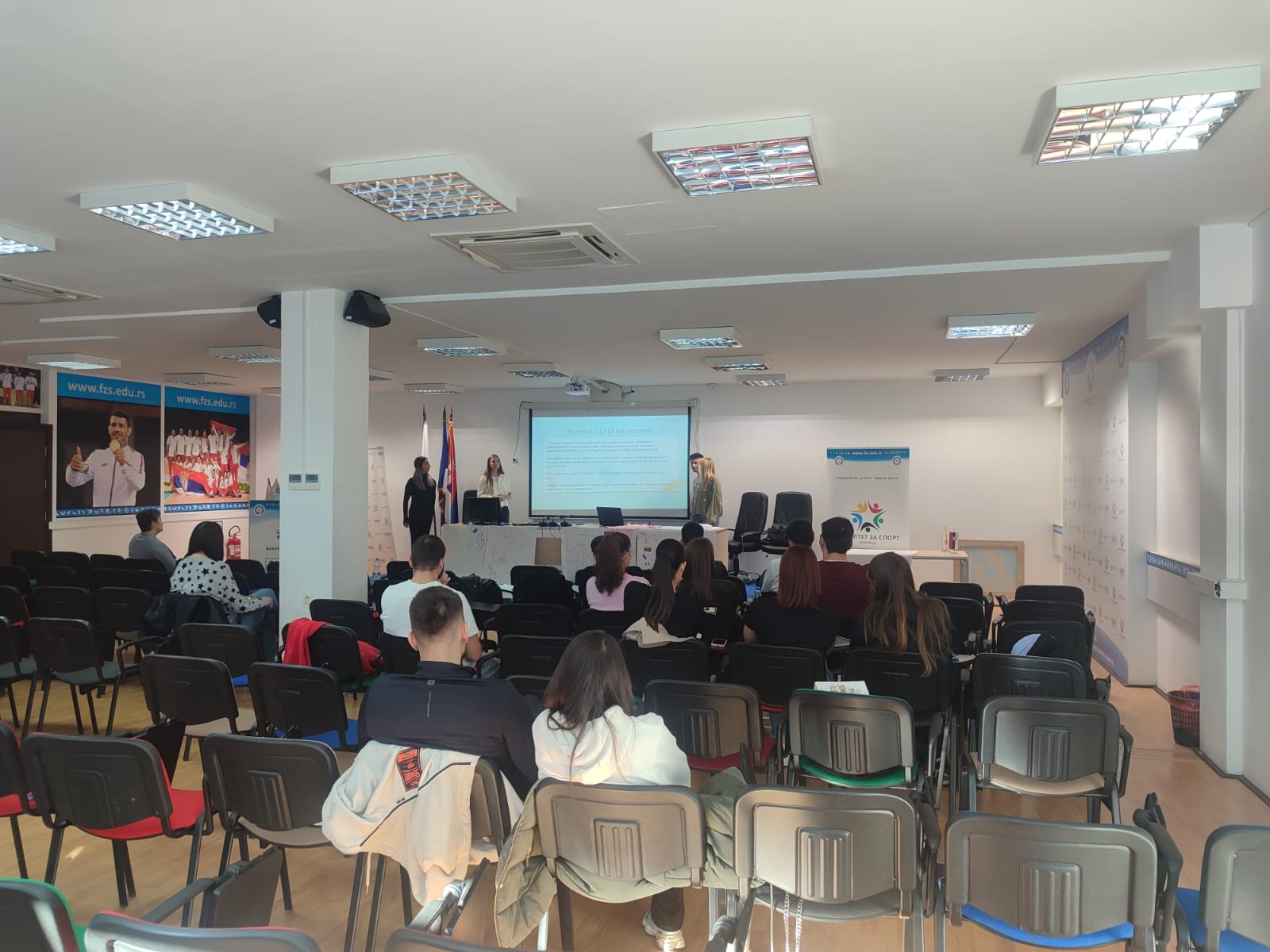
Natalija Jelenic presented Erasmus+, E29, and the Youthpass certificate to 18 students at the Faculty of Sport, sharing the team’s experience and upcoming opportunities.
Vilnius, Lithuania, November 2025
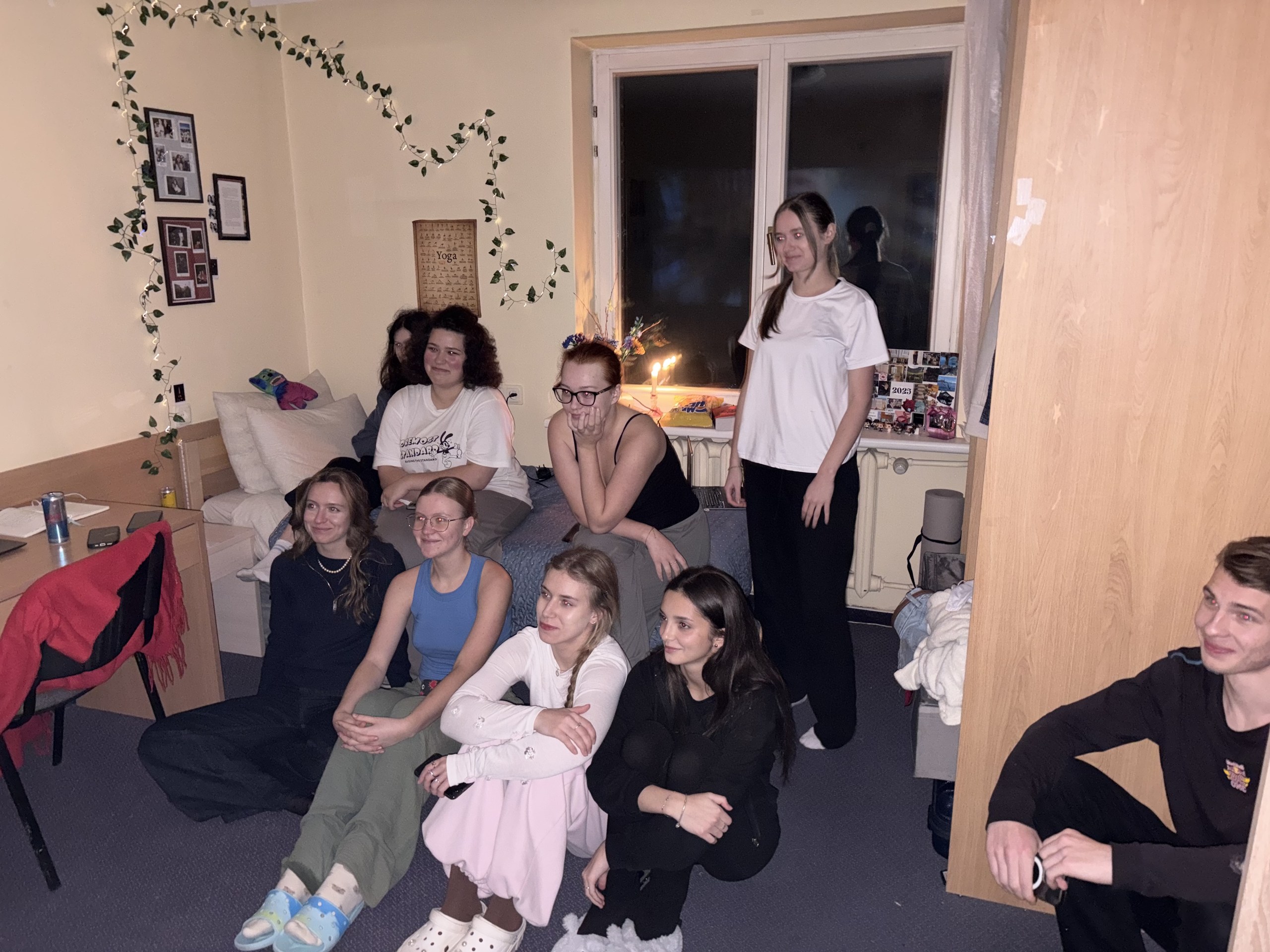
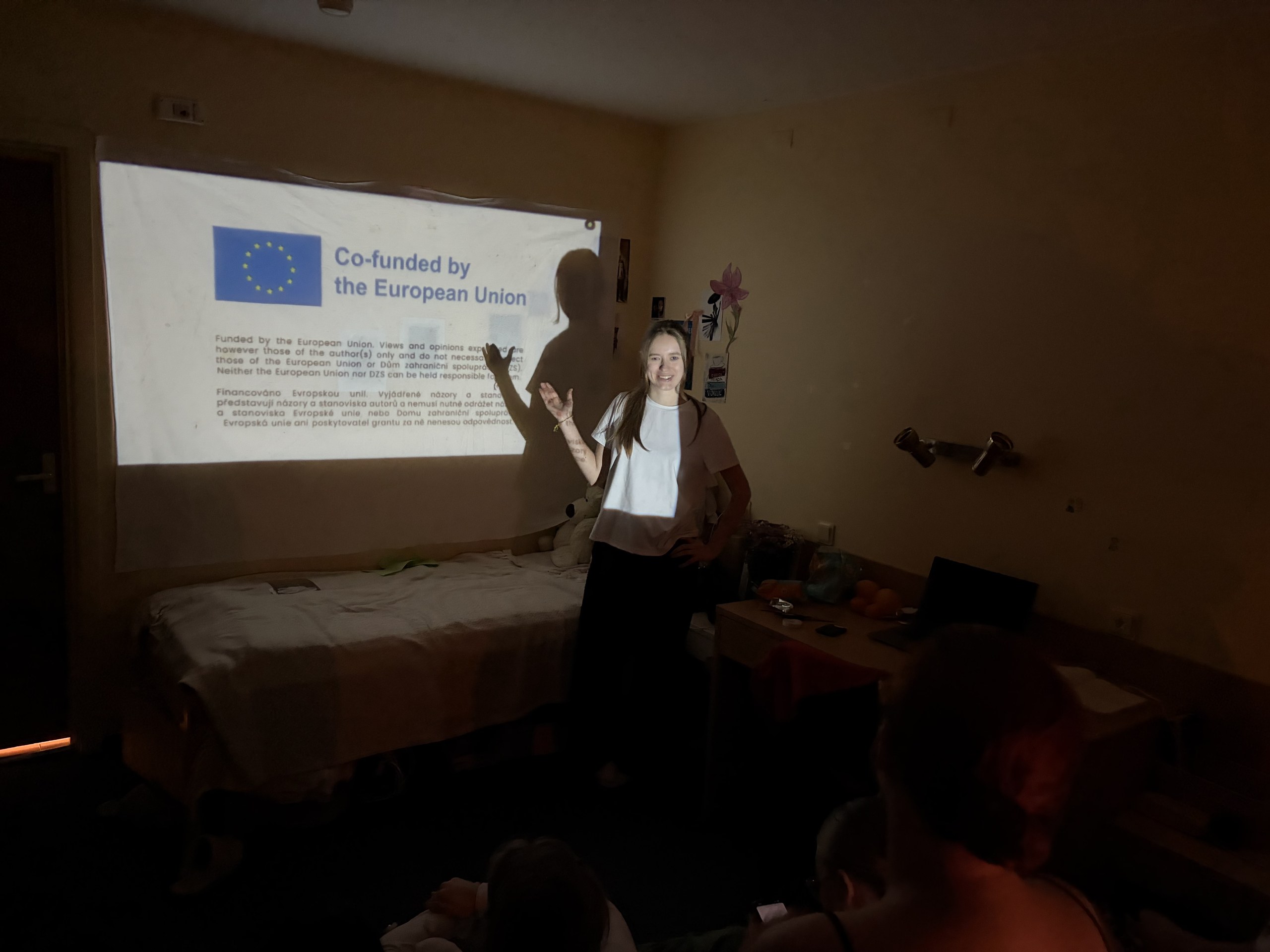
Maryia Bahachova and Veranika Baravik held a dissemination in their dormitory for 10 people interested in Erasmus+, screening the final Tap to Create video and answering questions.
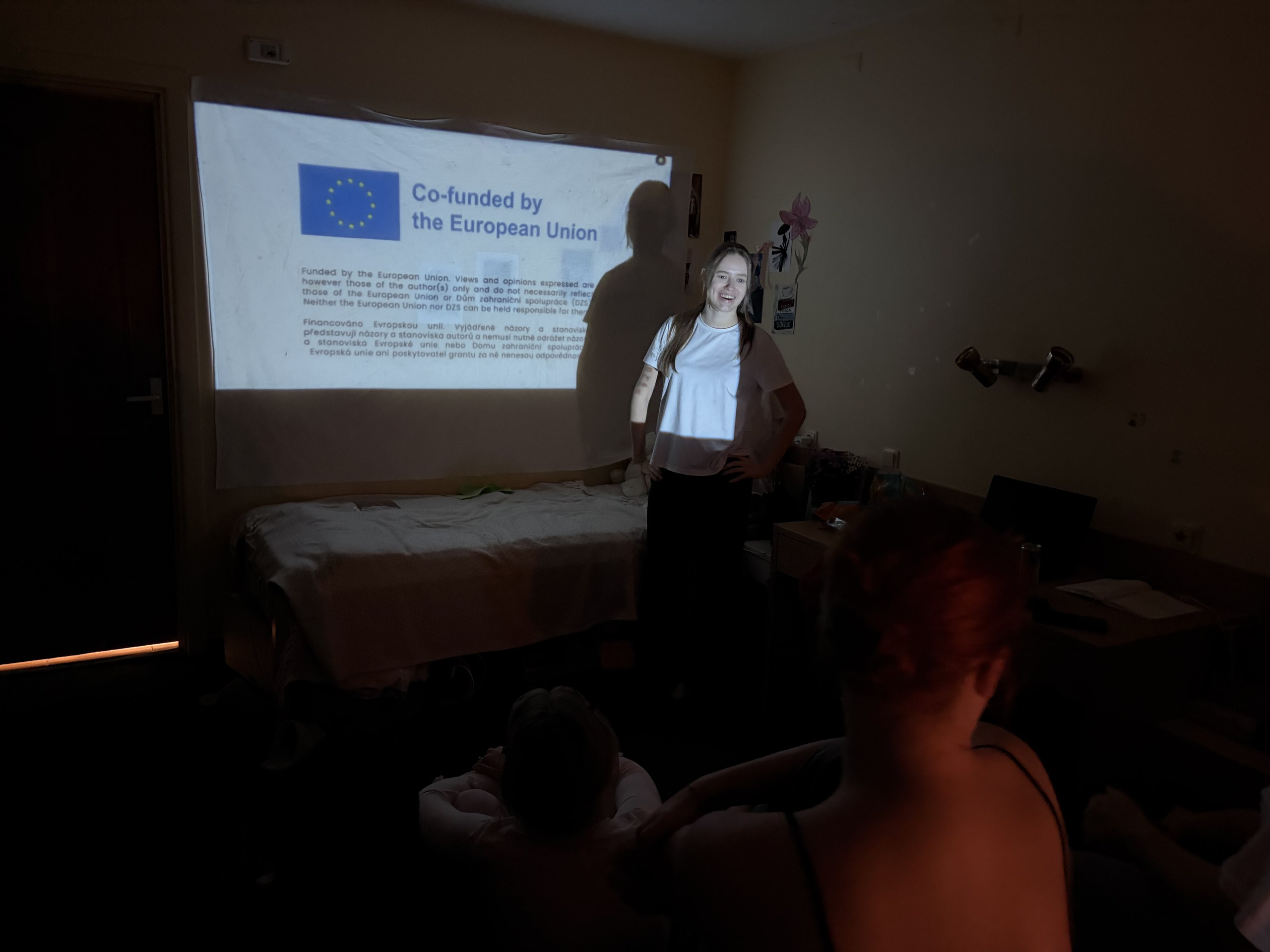
Trencin, Slovakia, November 2025
Nina Bystrianska prepared a presentation with photos from the project and shared it with 7 of her classmates at Skola umeleckeho priemyslu.
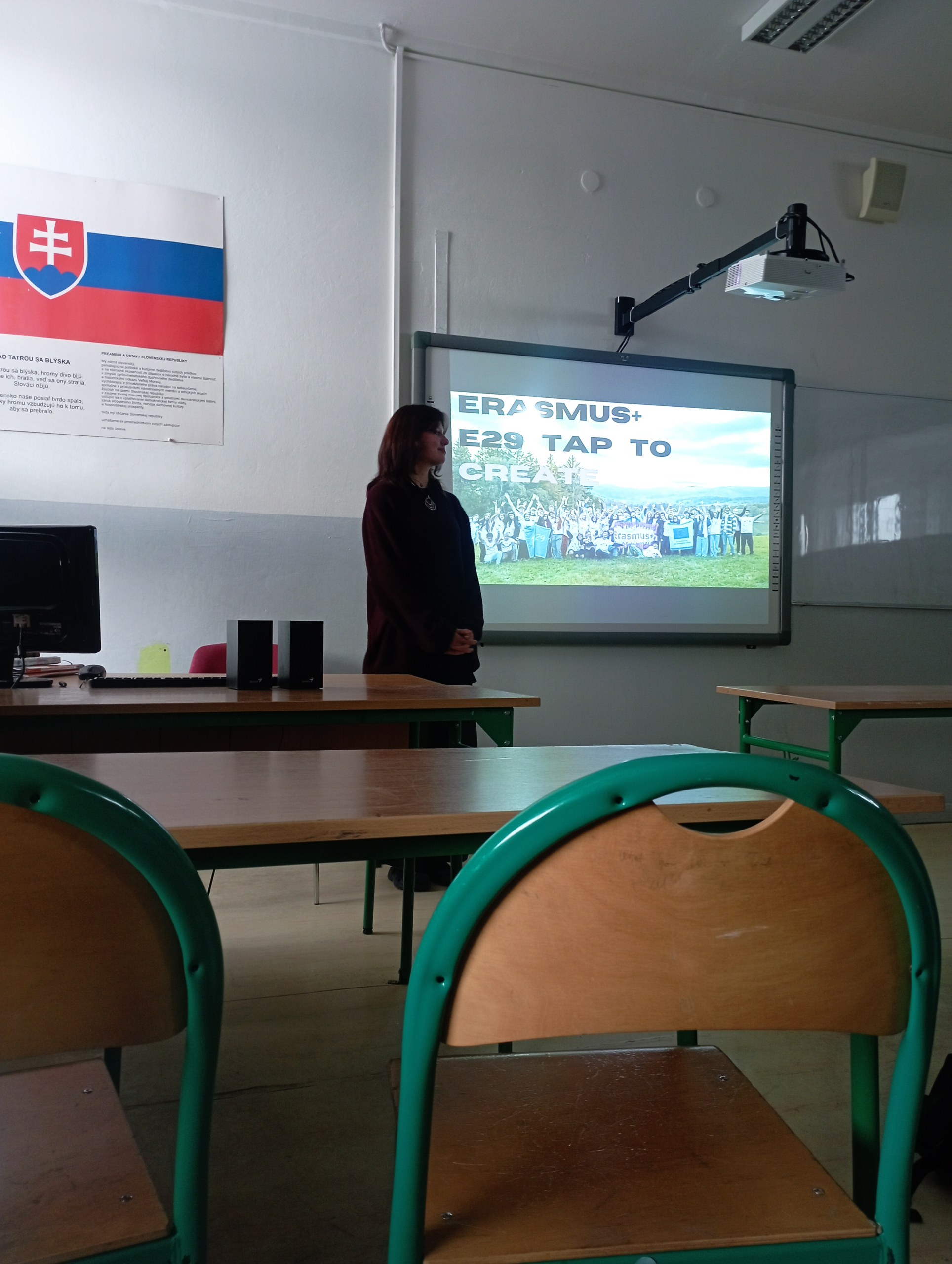
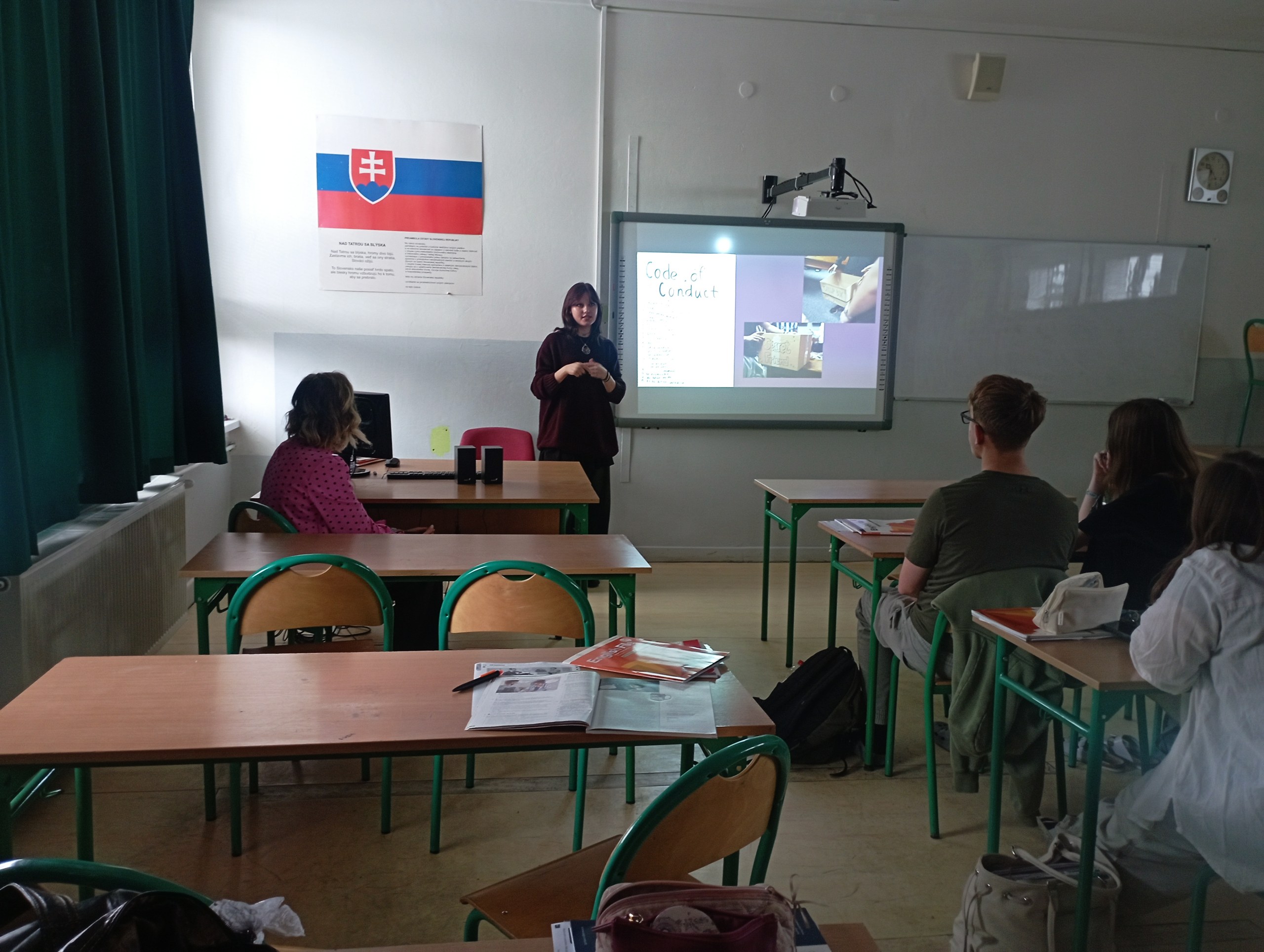
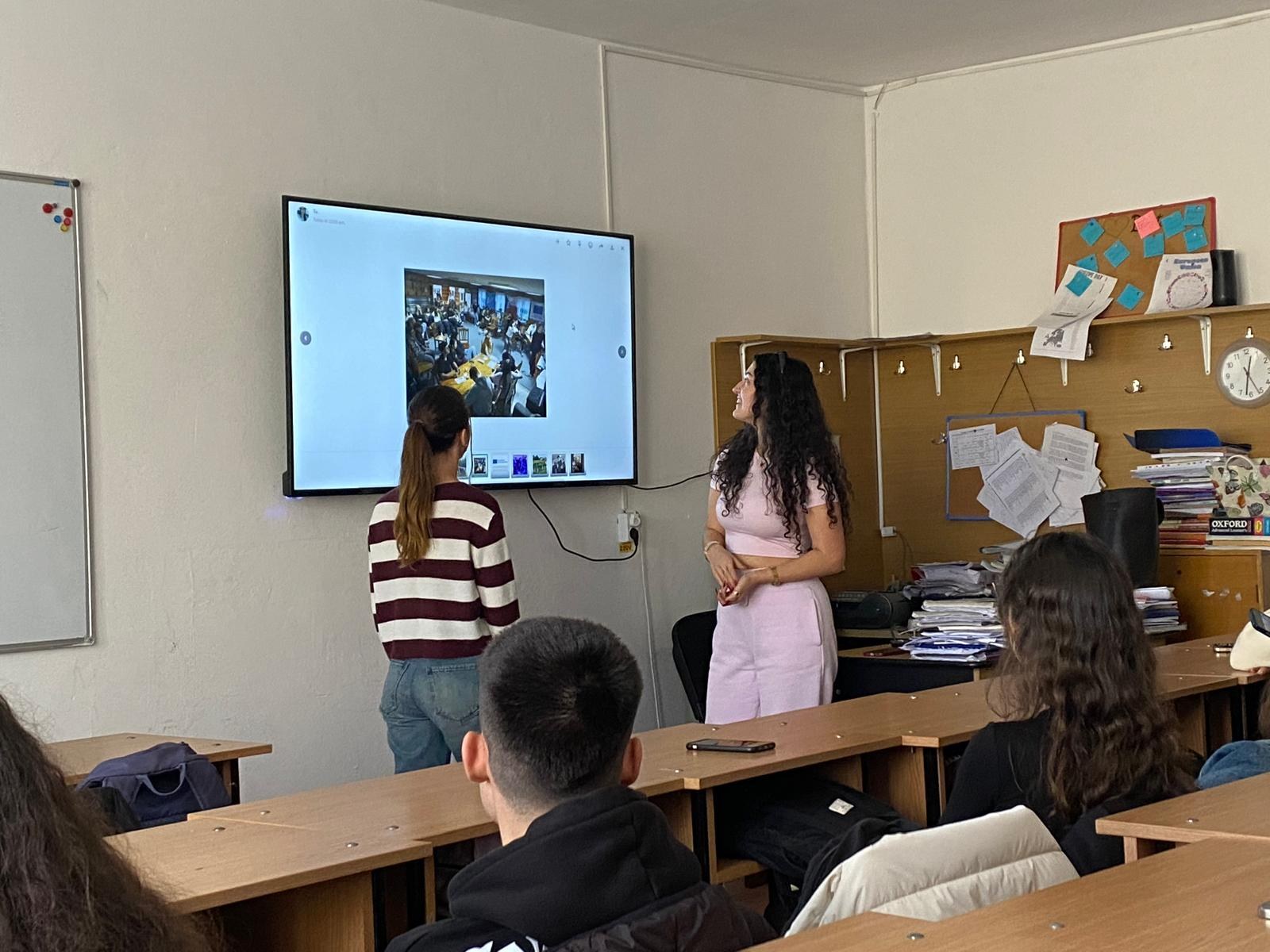
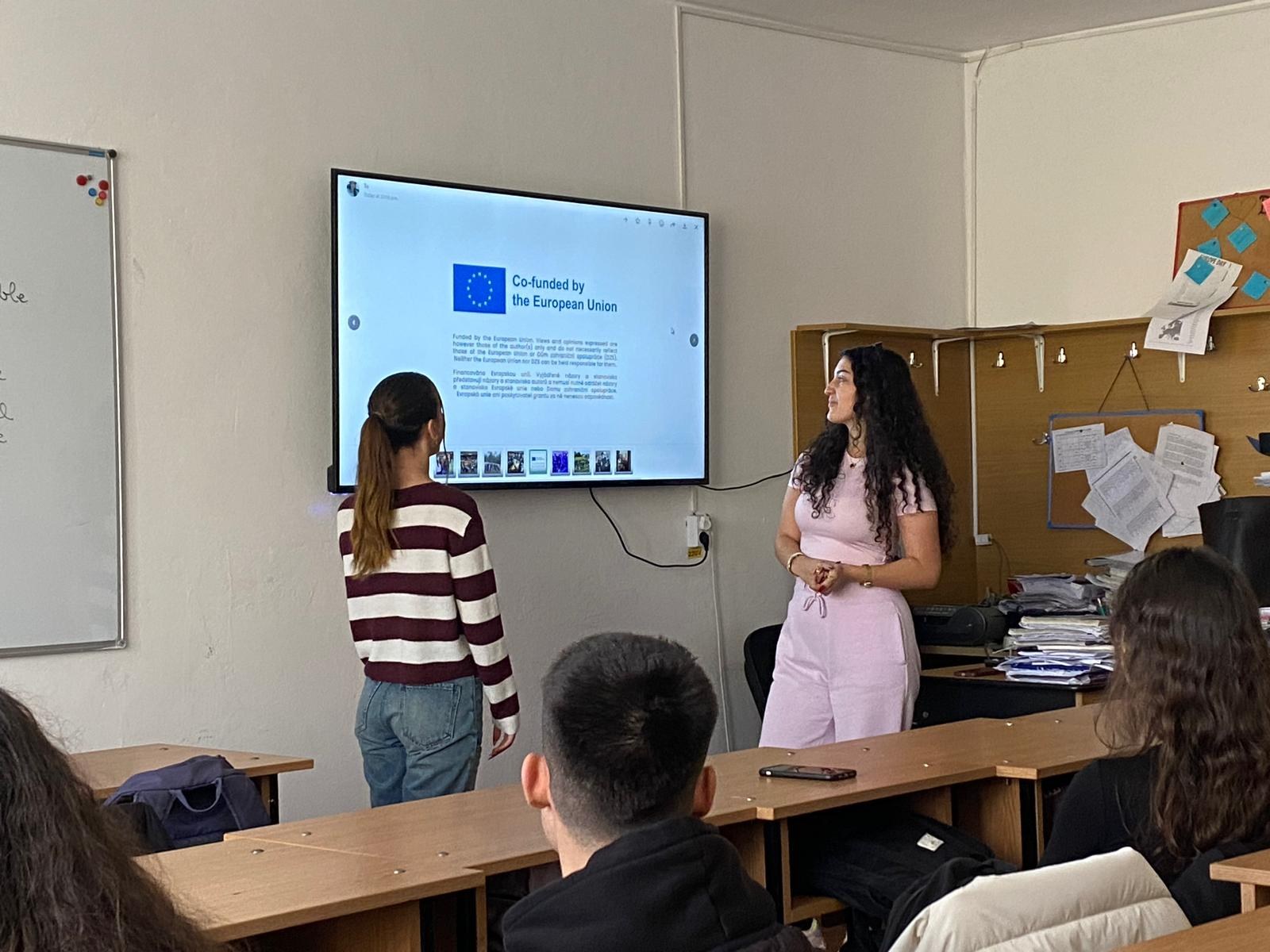
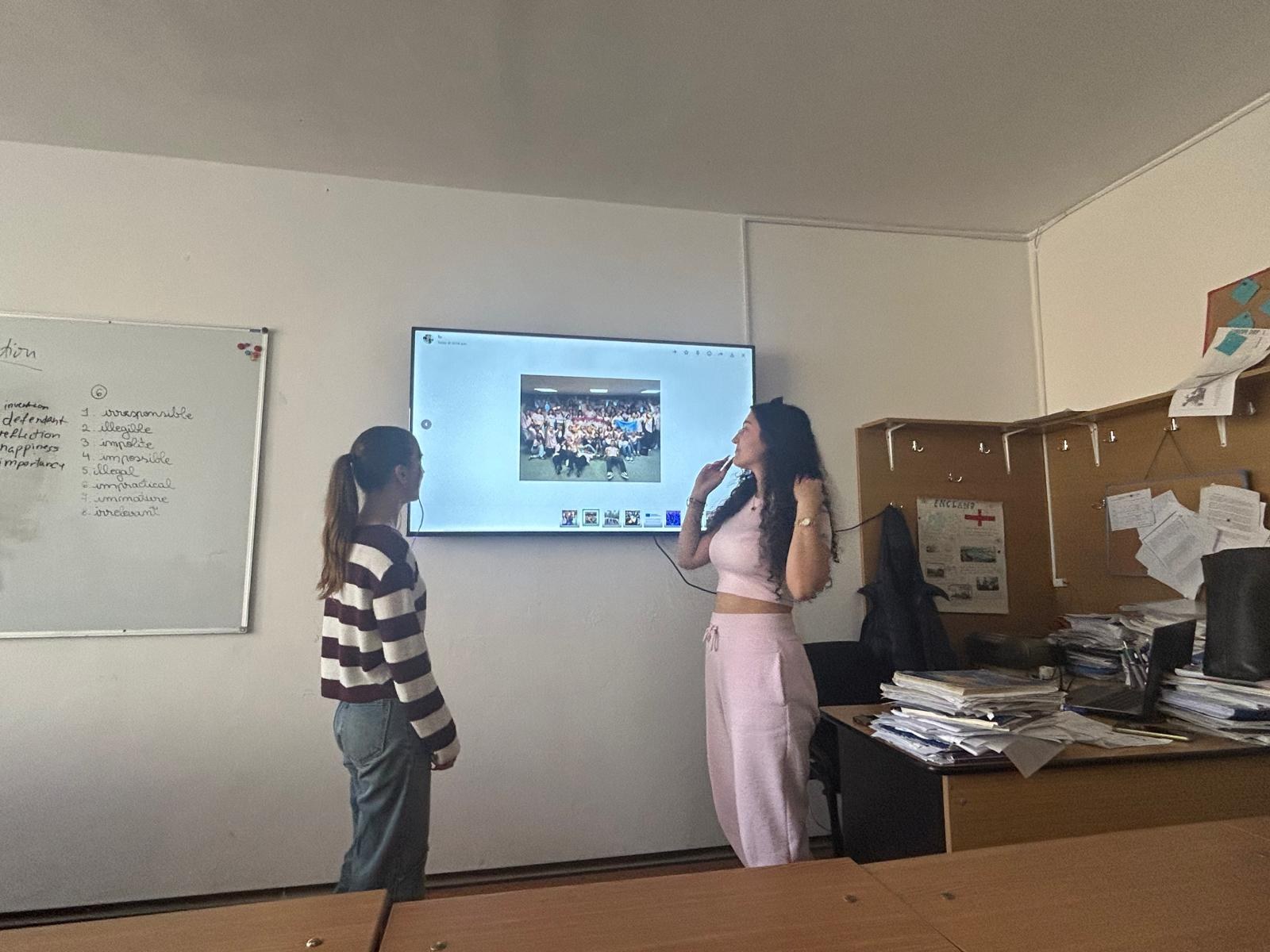
Pitesti, Romania, November 2025
Antonia Coserea and Adela Tudose presented the project to around 20 classmates during their English class at Colegiul National Alexandru Odobescu, showing photos and introducing E29.
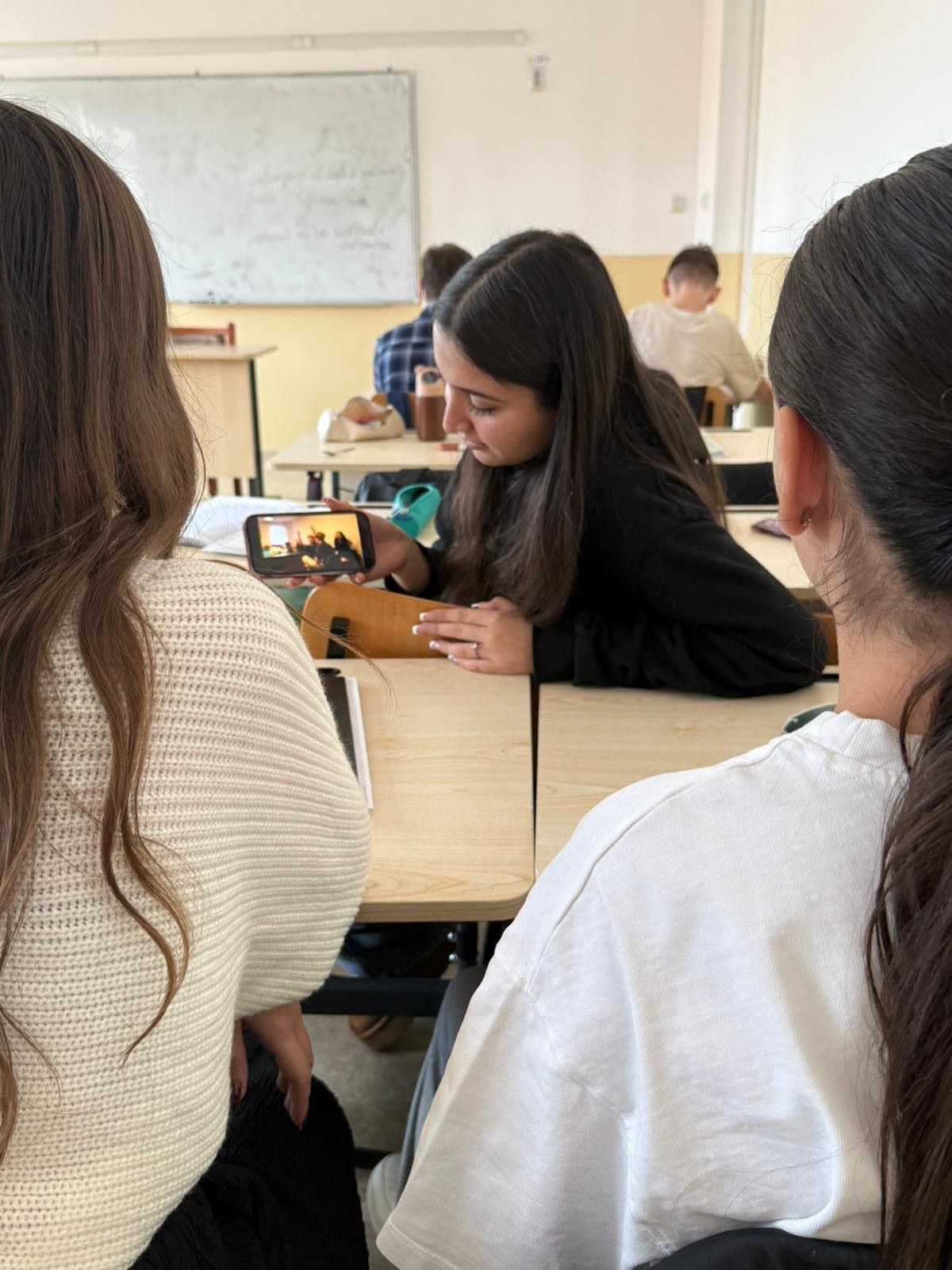
Pitesti, Romania, November 2025
Luiza Banica shared the final project video and her experience with a small group of classmates at her high school.
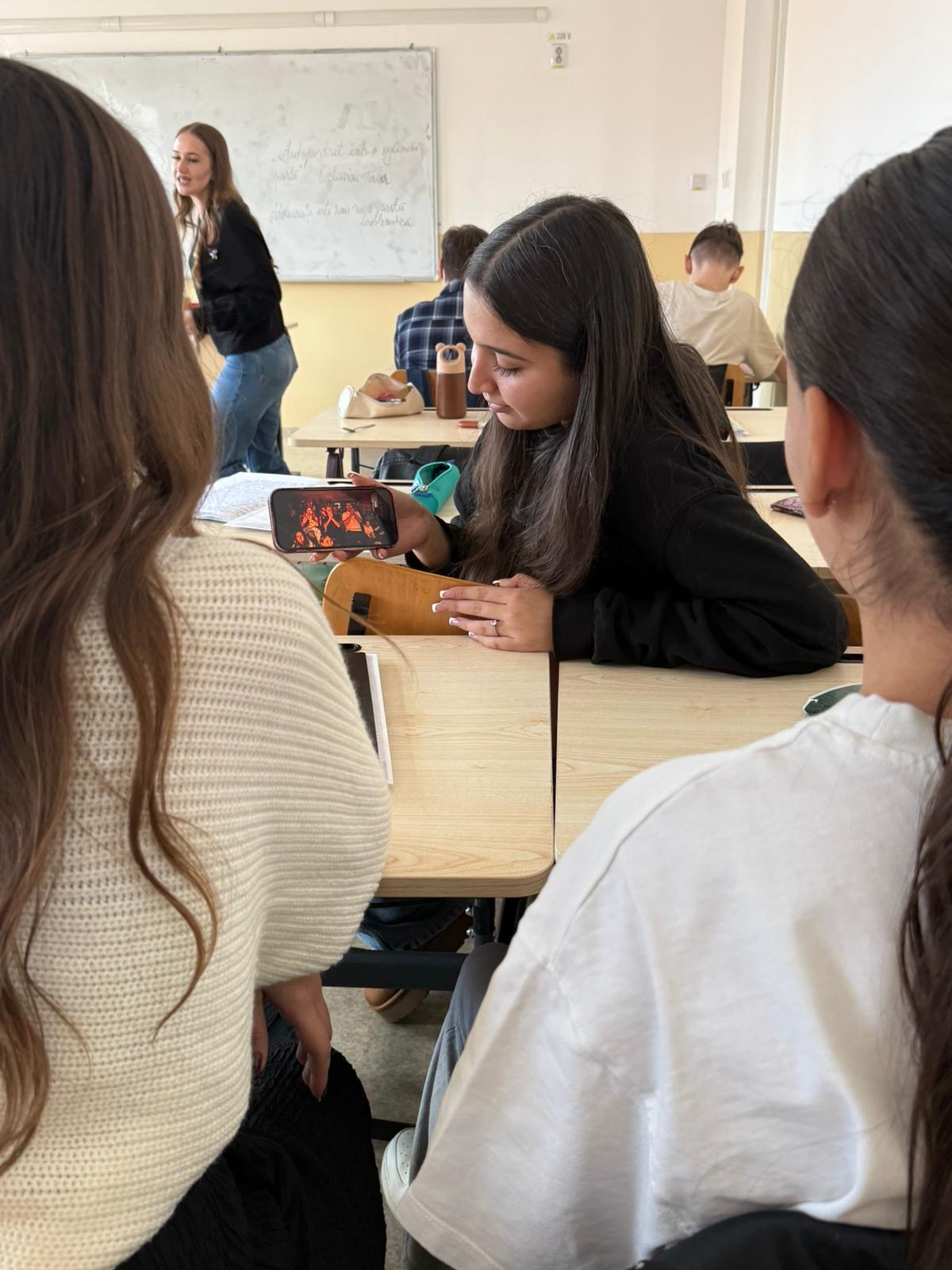
Prague, Czechia, November 2025
Elishka Kazem Tabrizi gave a presentation to friends and family across two sessions, talking through the project and what she took from it.
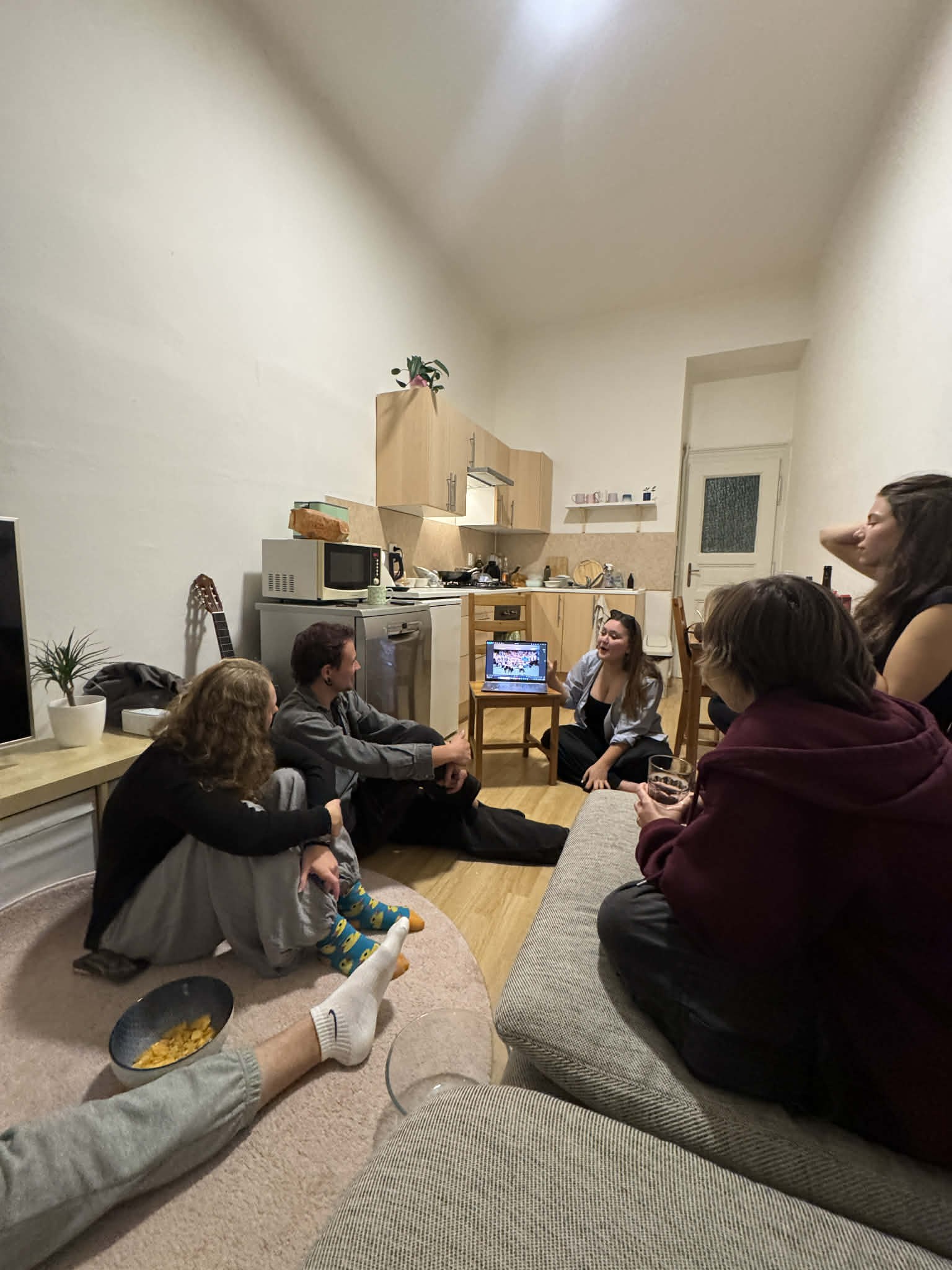
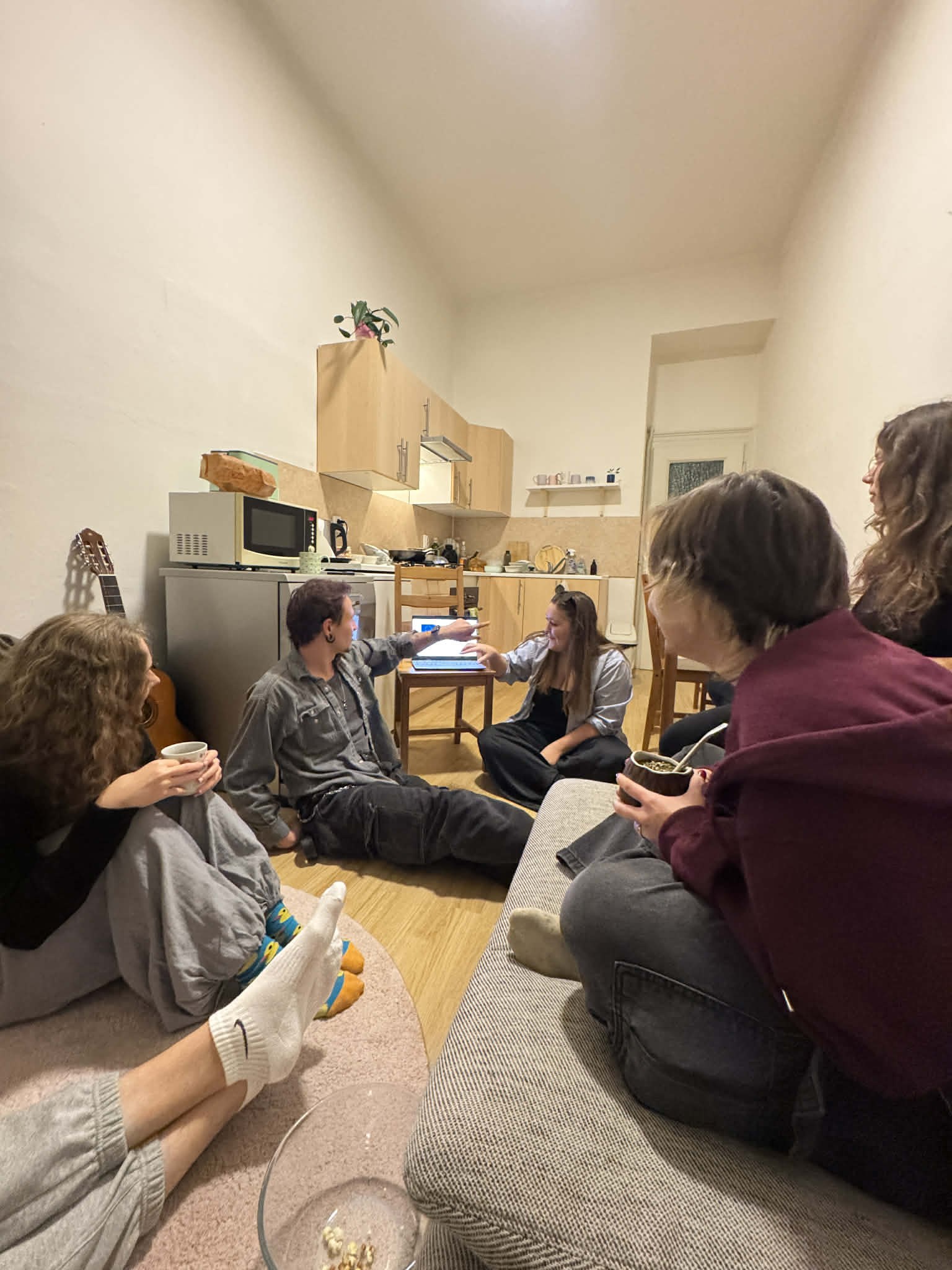
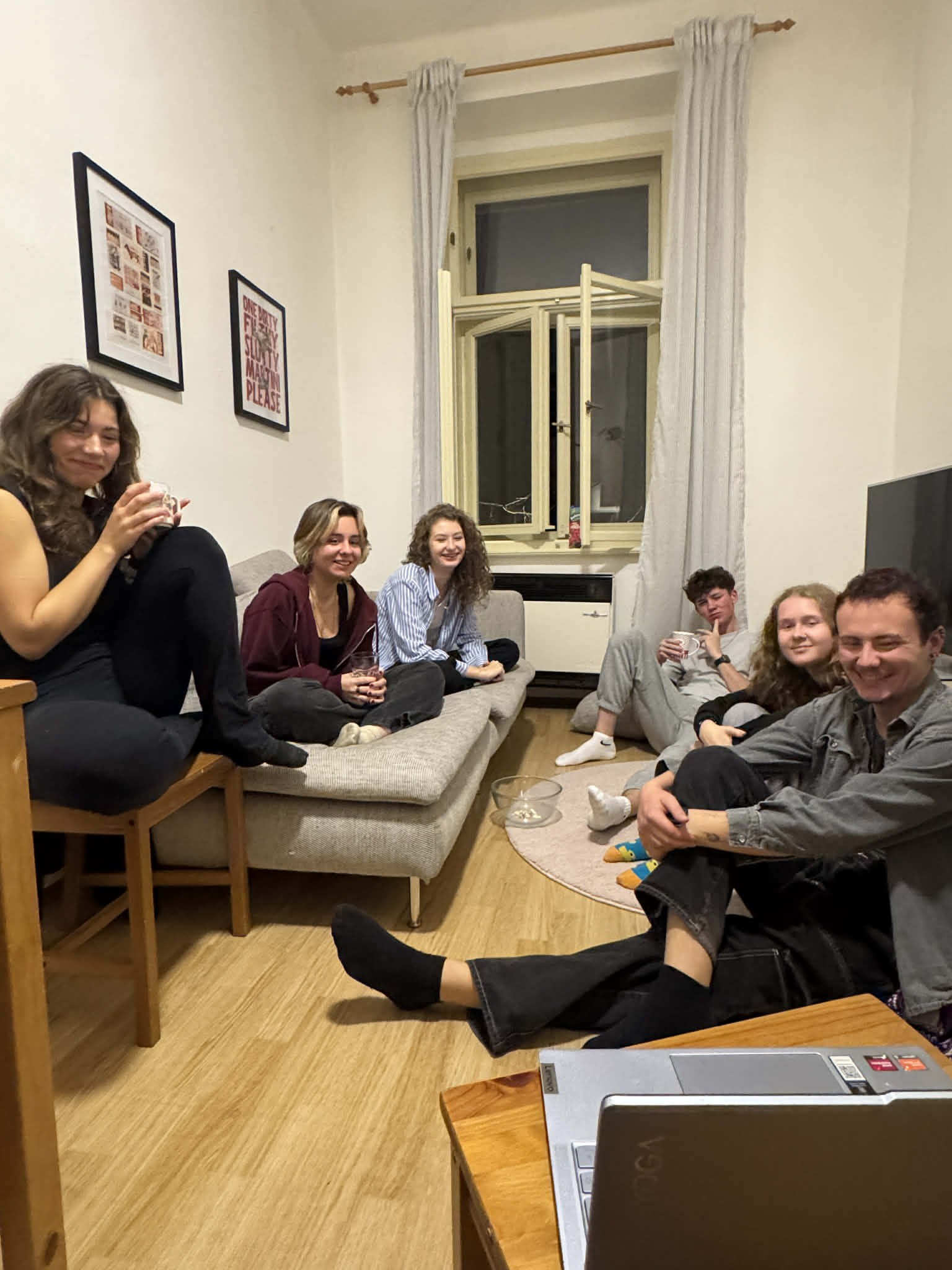
Bartninkai, Lithuania, November 2025
Yaroslava Horielova held a dissemination at Babeckyne for an audience of 44.
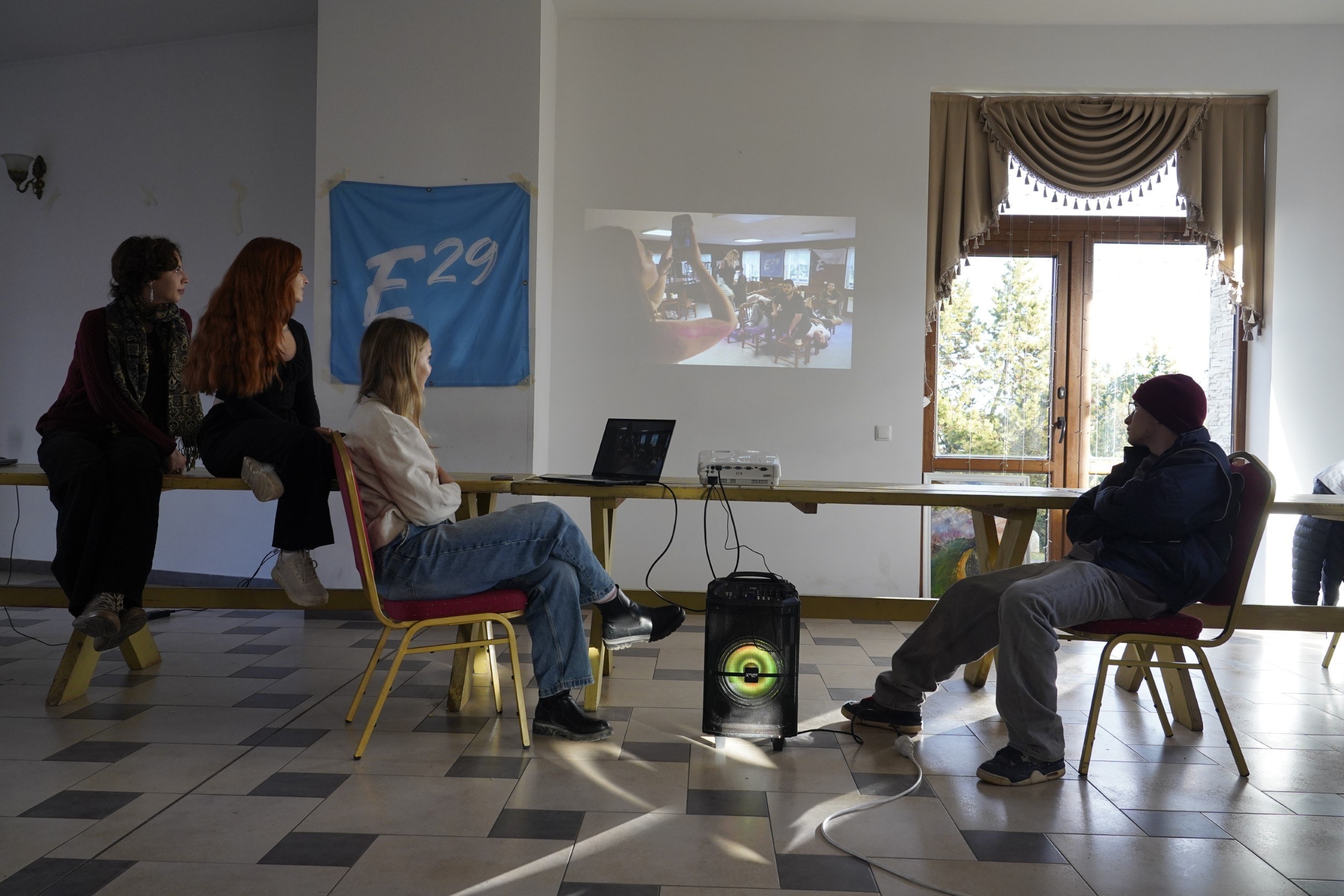
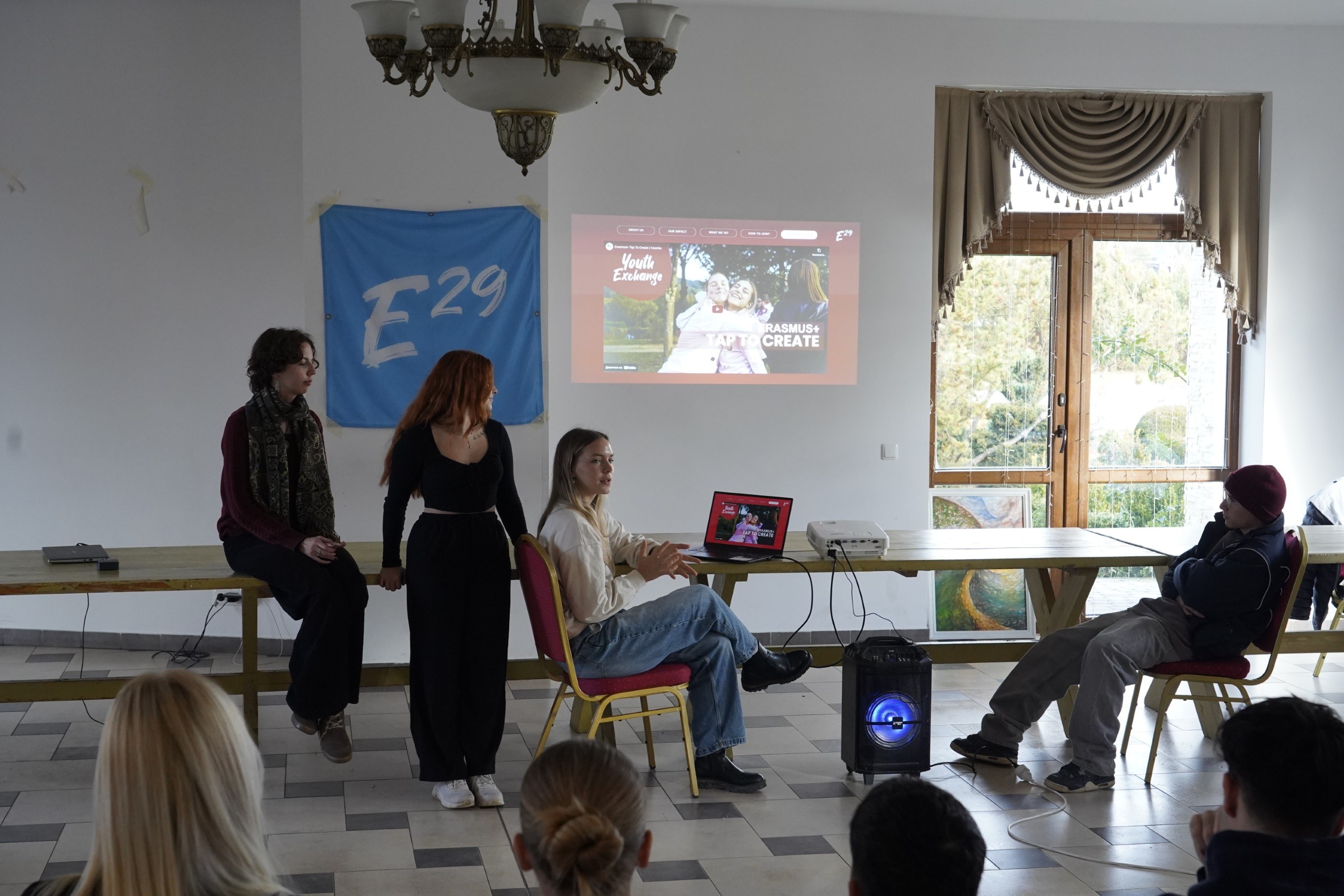
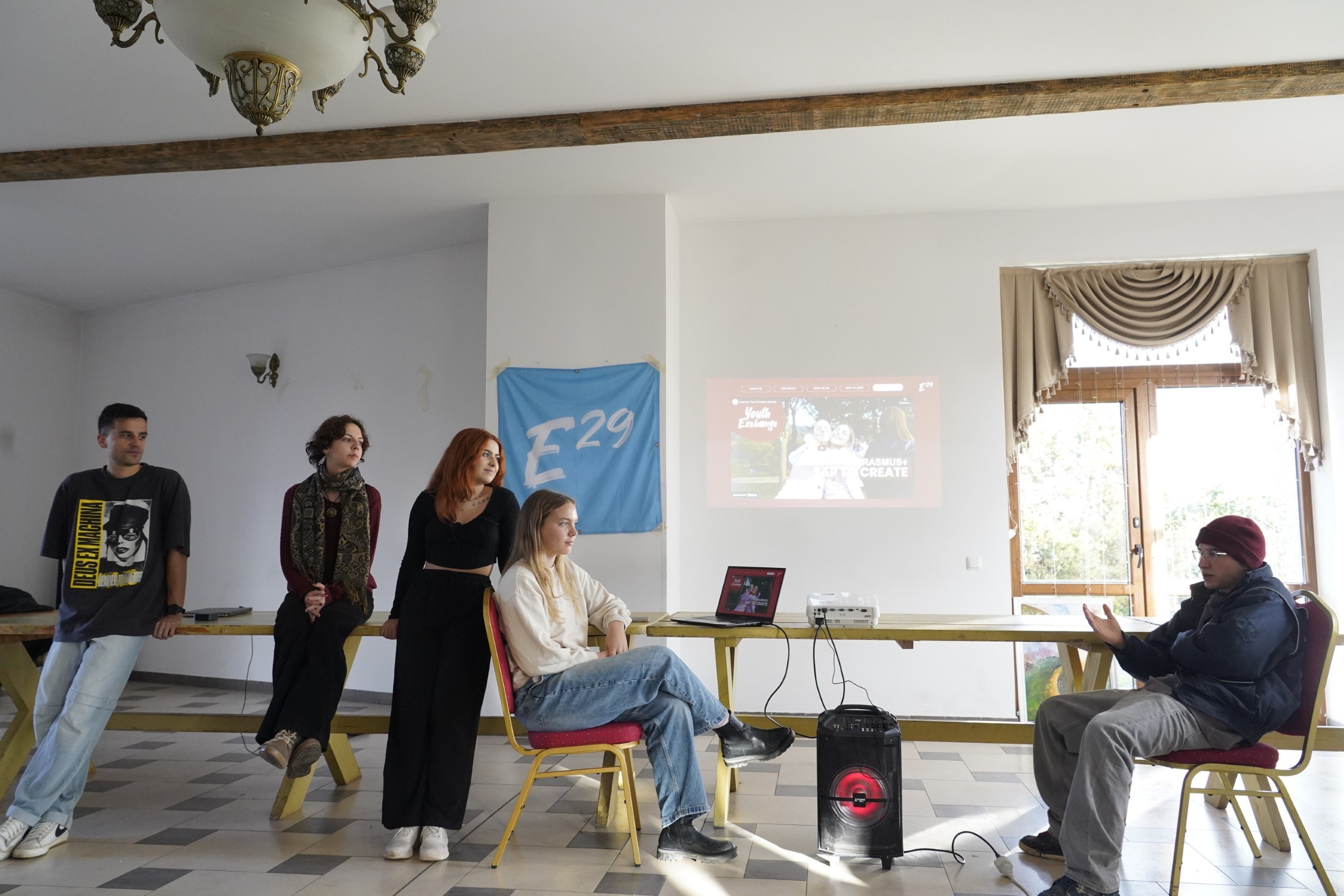
Budapest, Hungary, November 2025
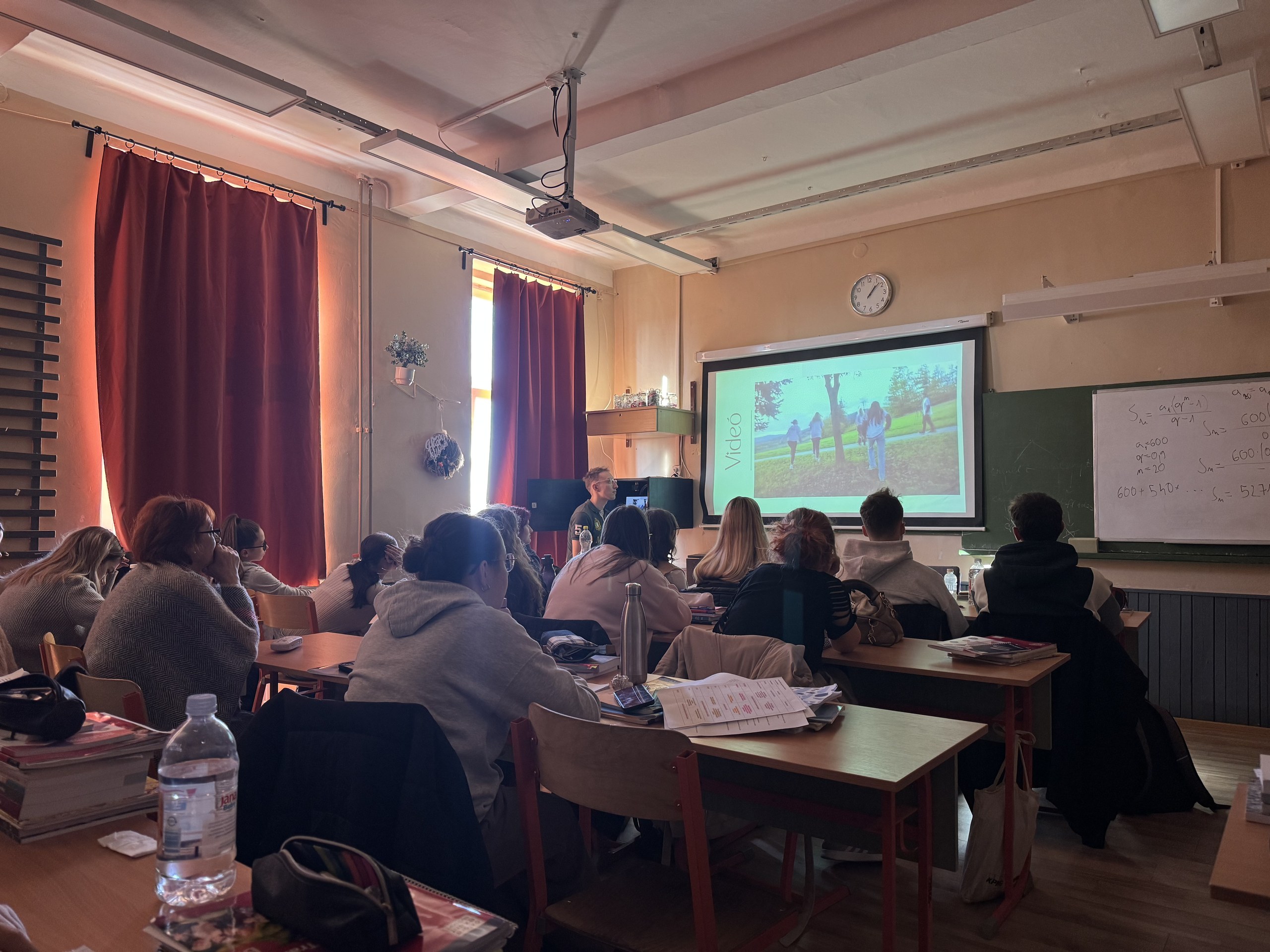
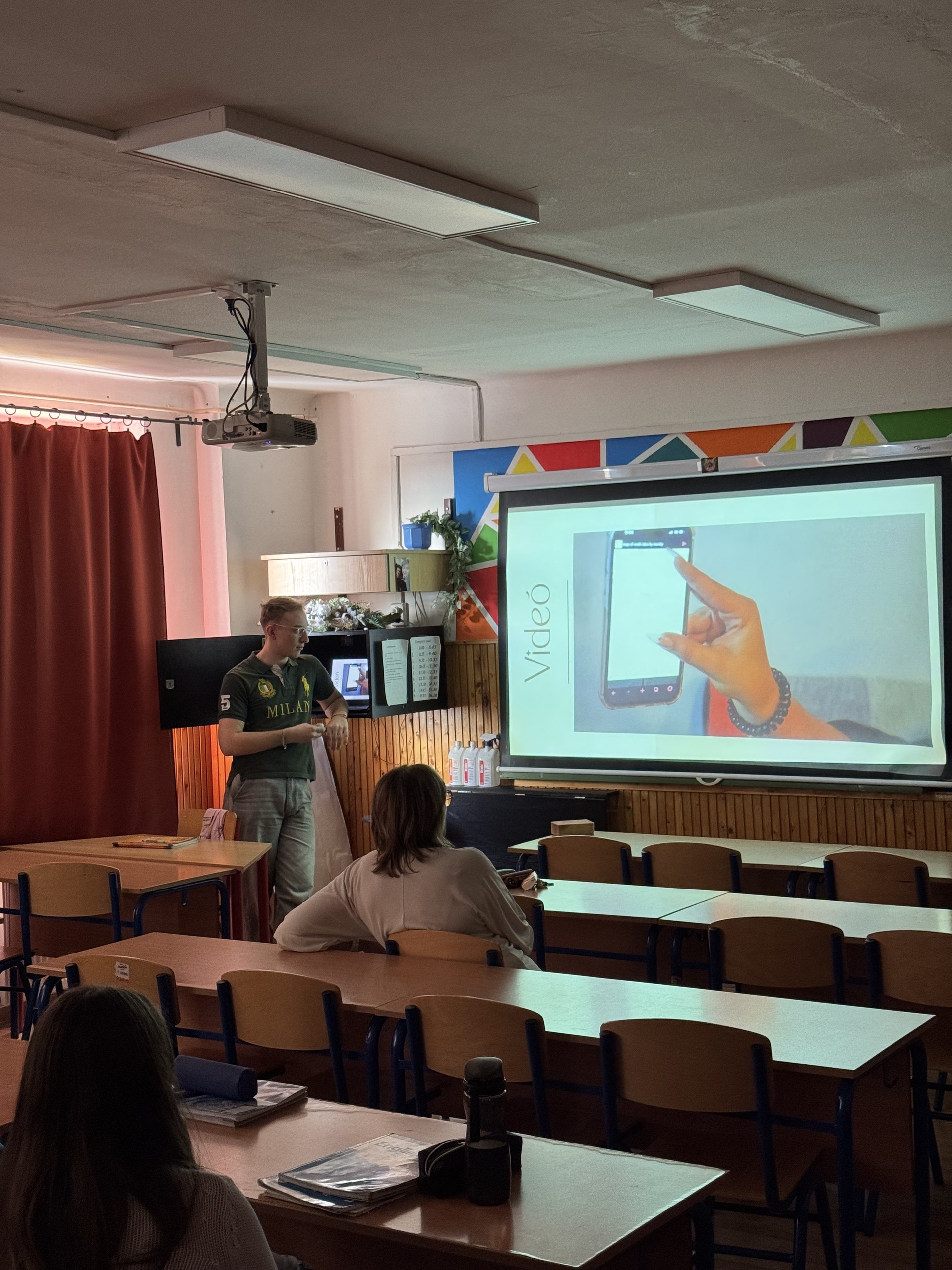
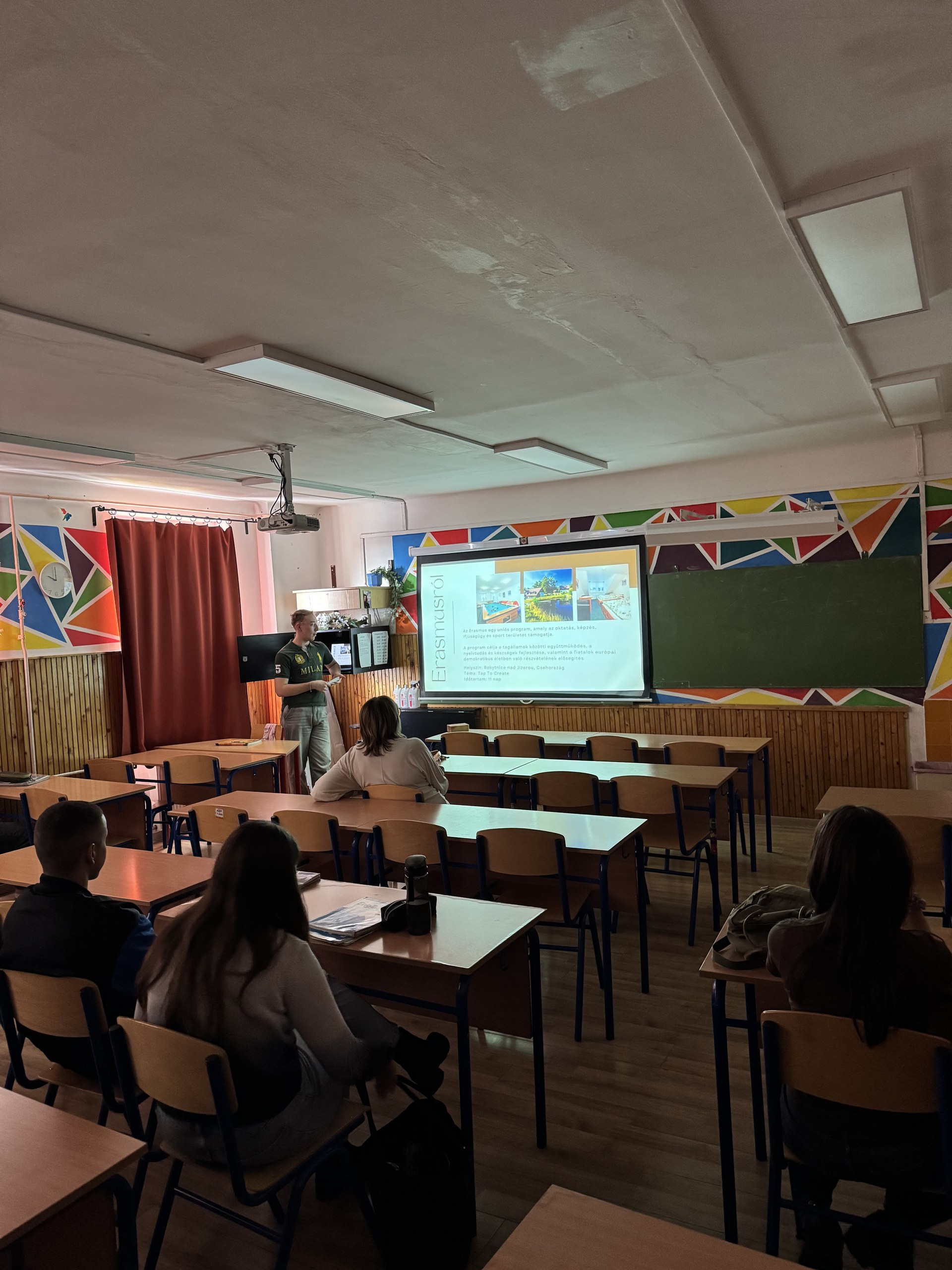
Attila Pinter ran two sessions at BGSZC Pesterzsebeti Technikum, reaching 37 students across his own class and another group.
Bartninkai, Lithuania, November 2025
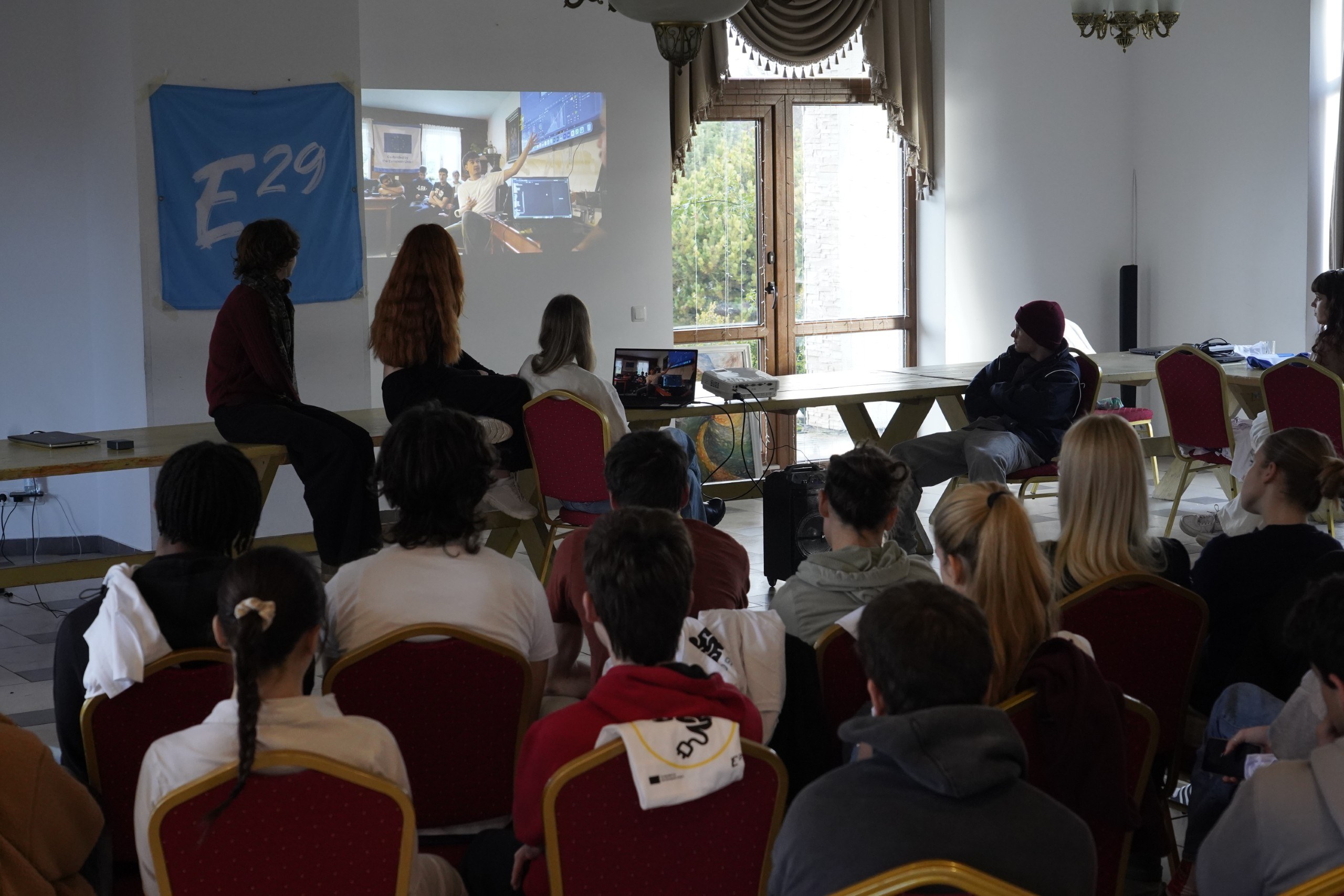
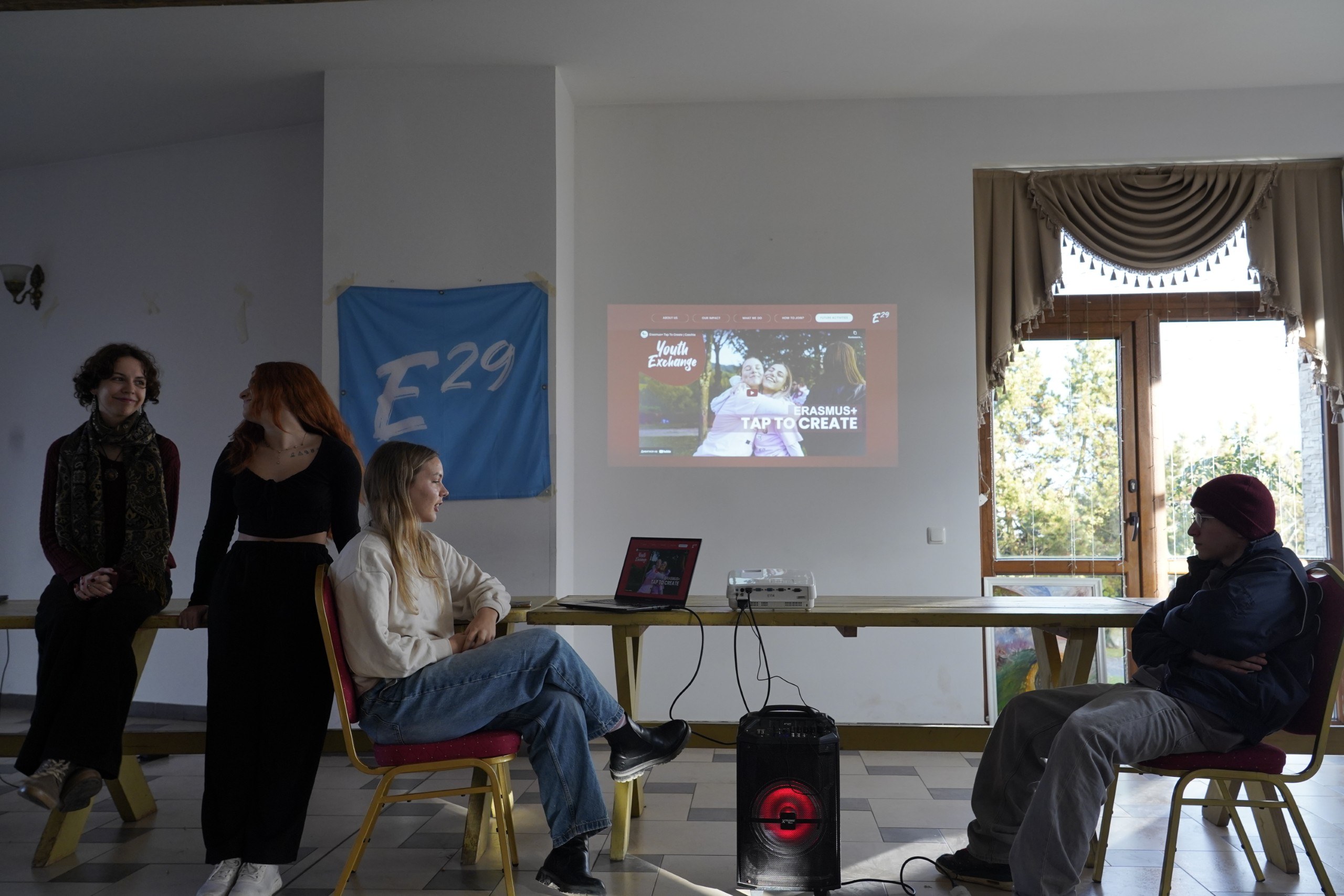
Romana Vanova and other Tap to Create participants presented the project to 45 people at another E29 activity in Lithuania, sharing the topic, the people they met, the skills they gained, and the final video.
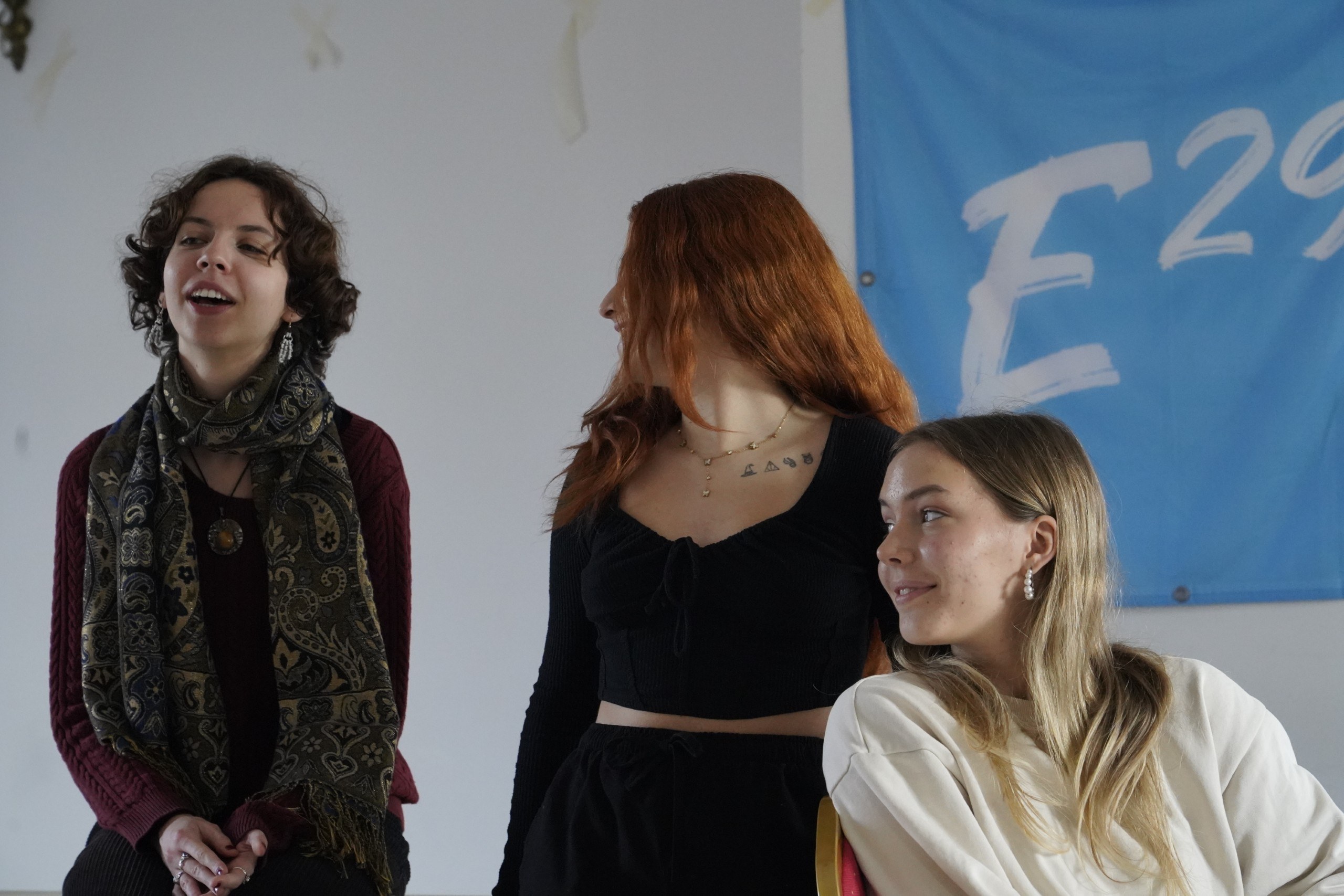
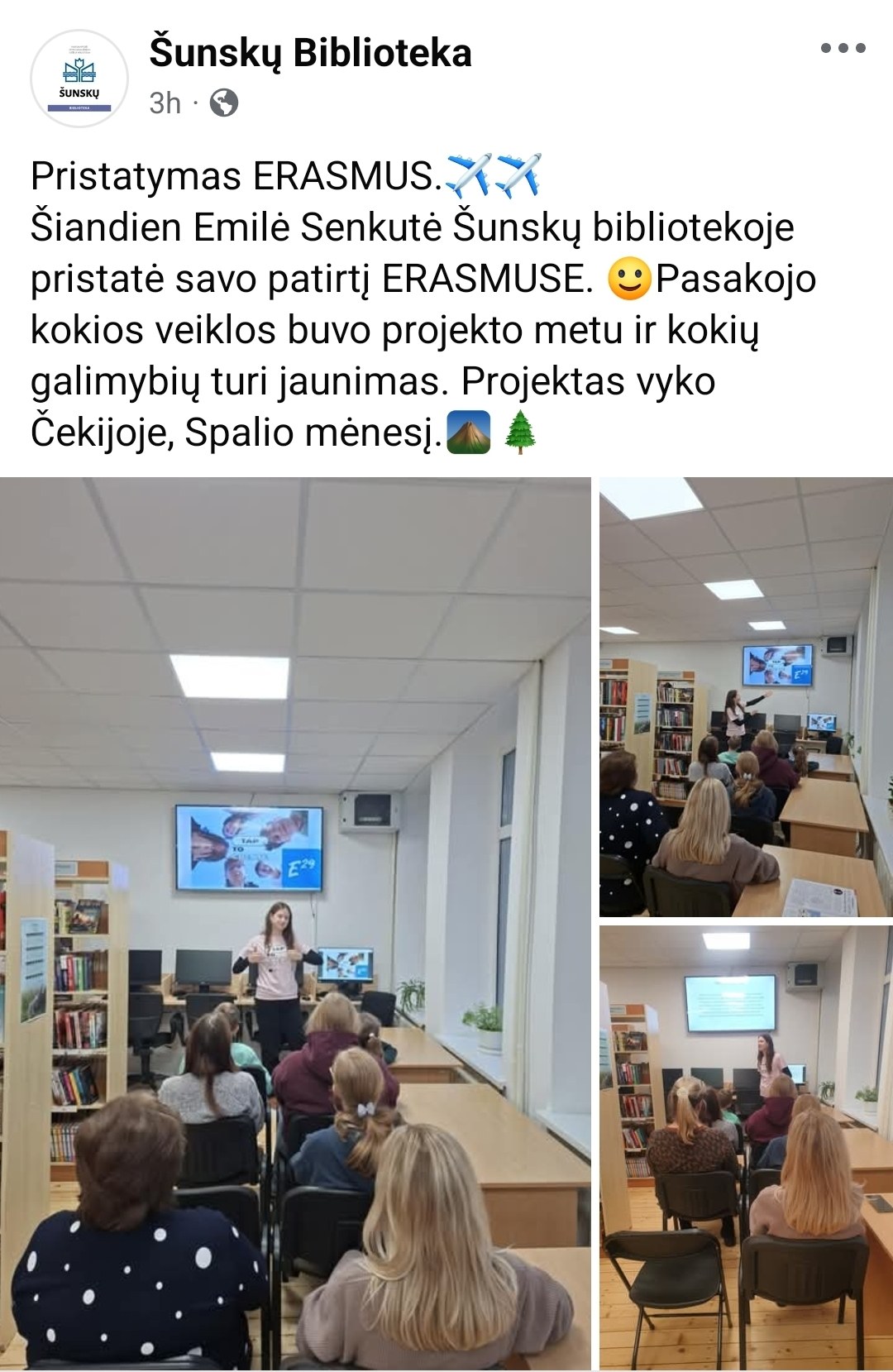
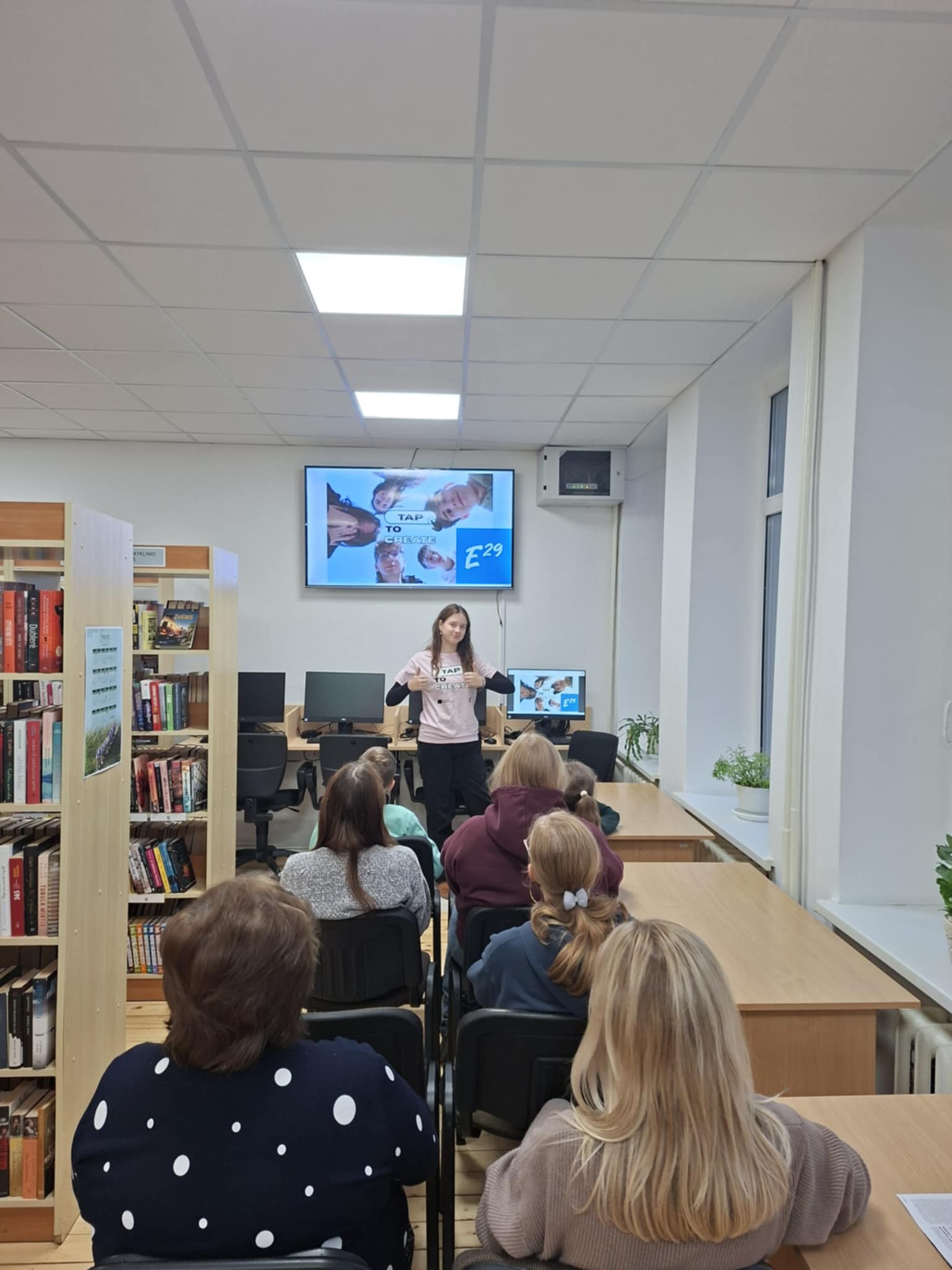
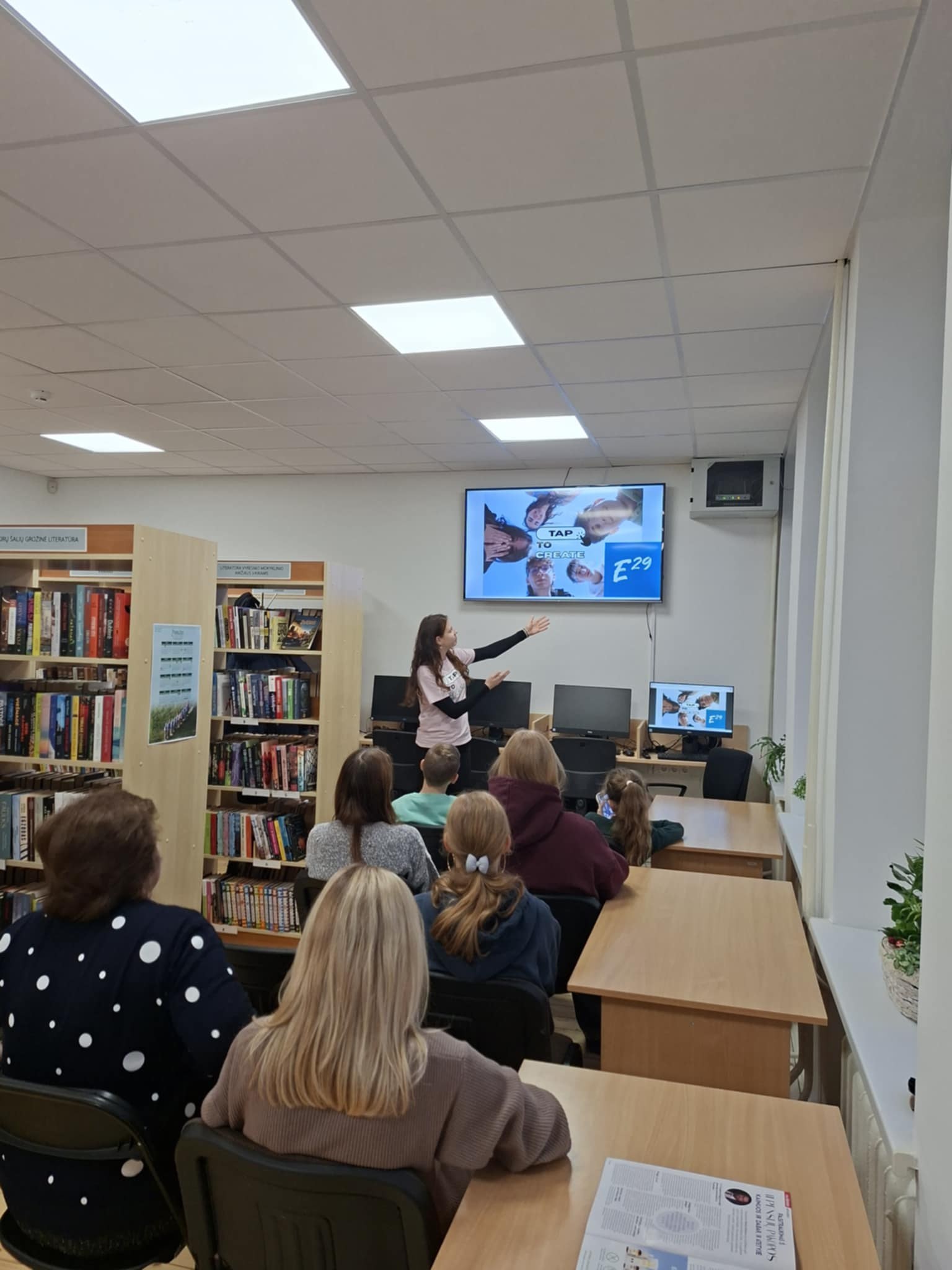
Marijampole, Lithuania, November 2025
Emile Senkute invited village children and a few parents to her local library, around 10 people, to hear about Erasmus+, see photos from the project, and watch the final video.
Kosice, Slovakia, November 2025
Daniela Homulkova showed her family a film made during the project and shared photos and the activities with friends, explaining the theme and the participating countries.
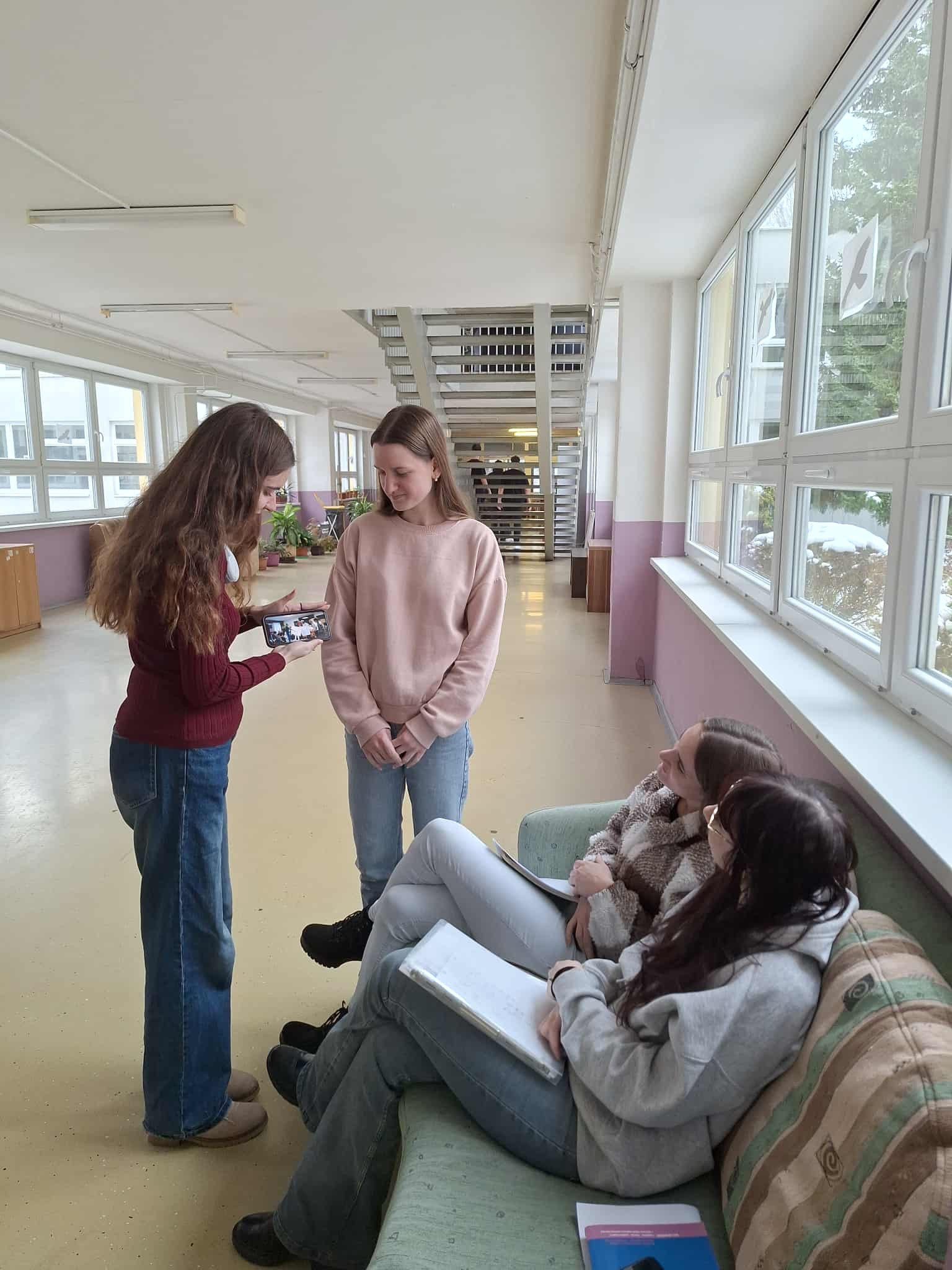
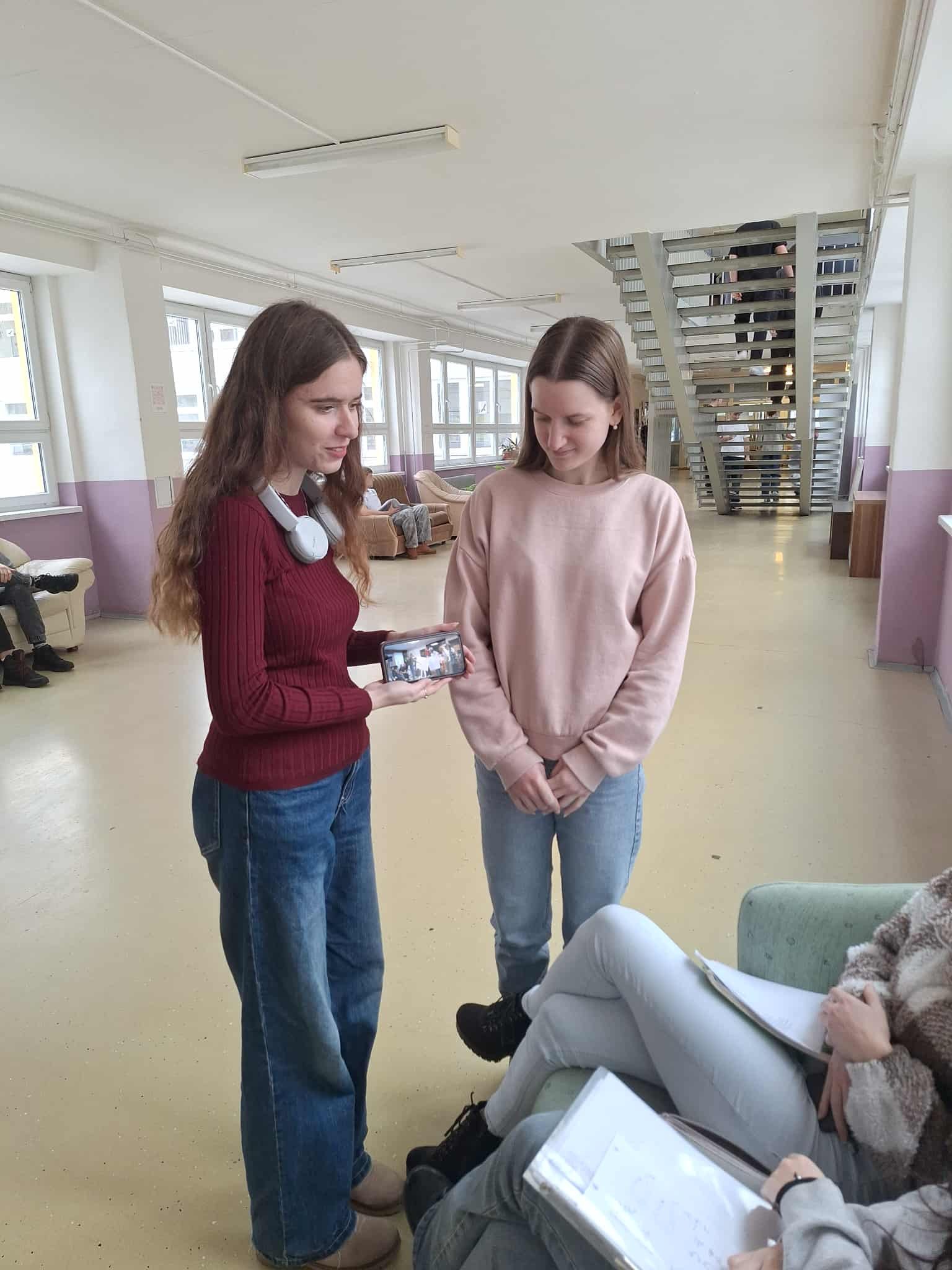
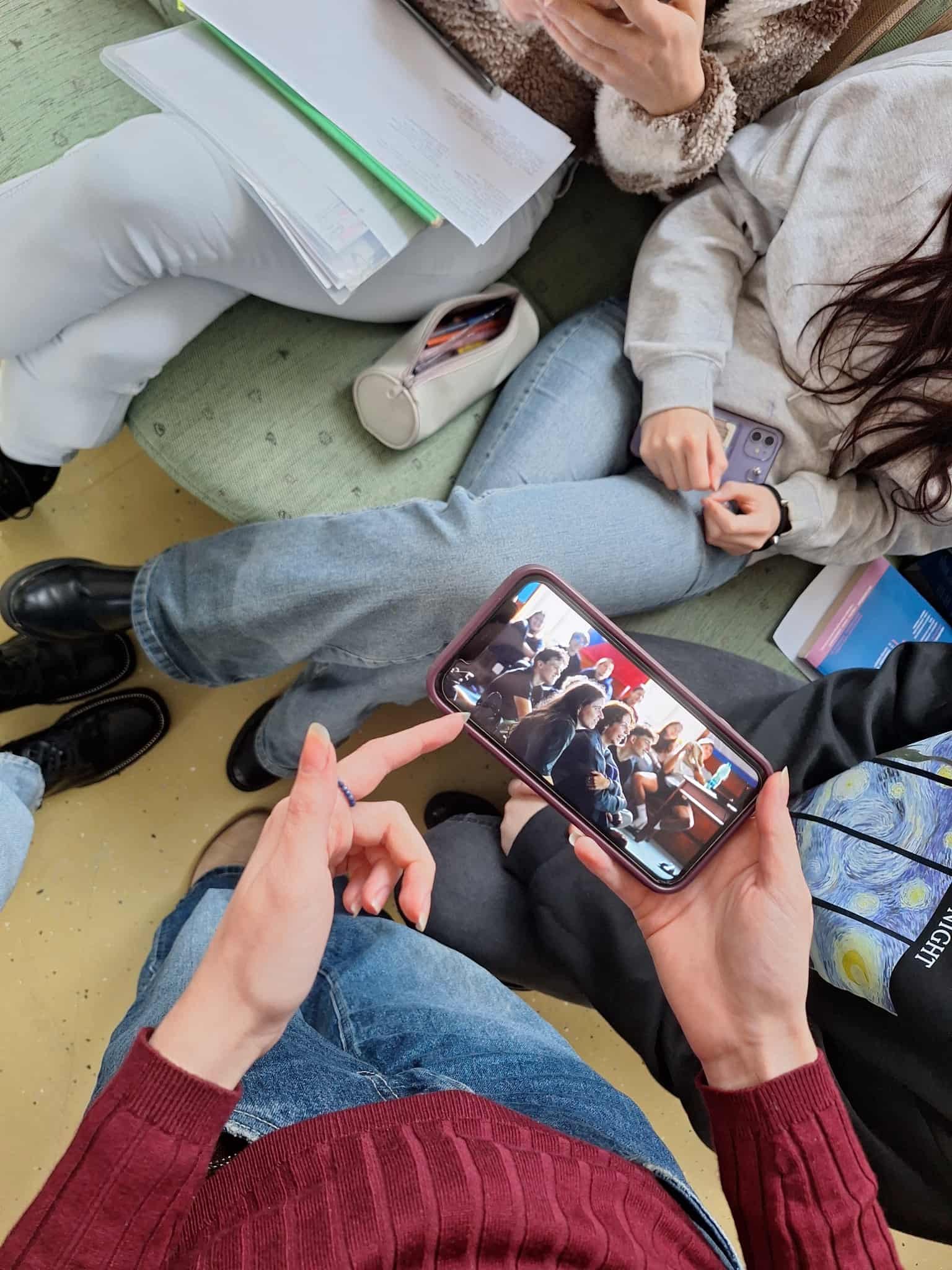
Opava, Czechia, November 2025
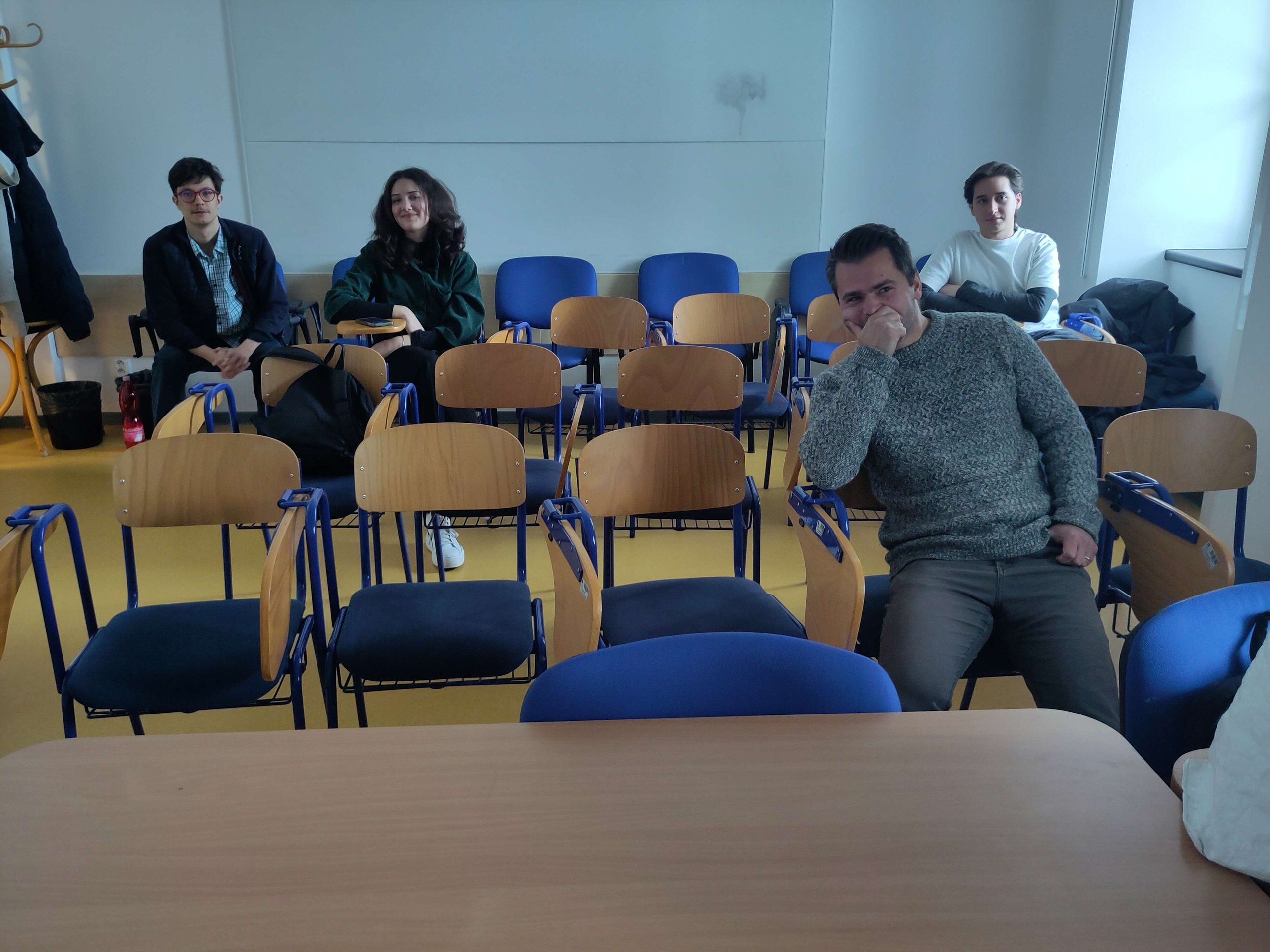
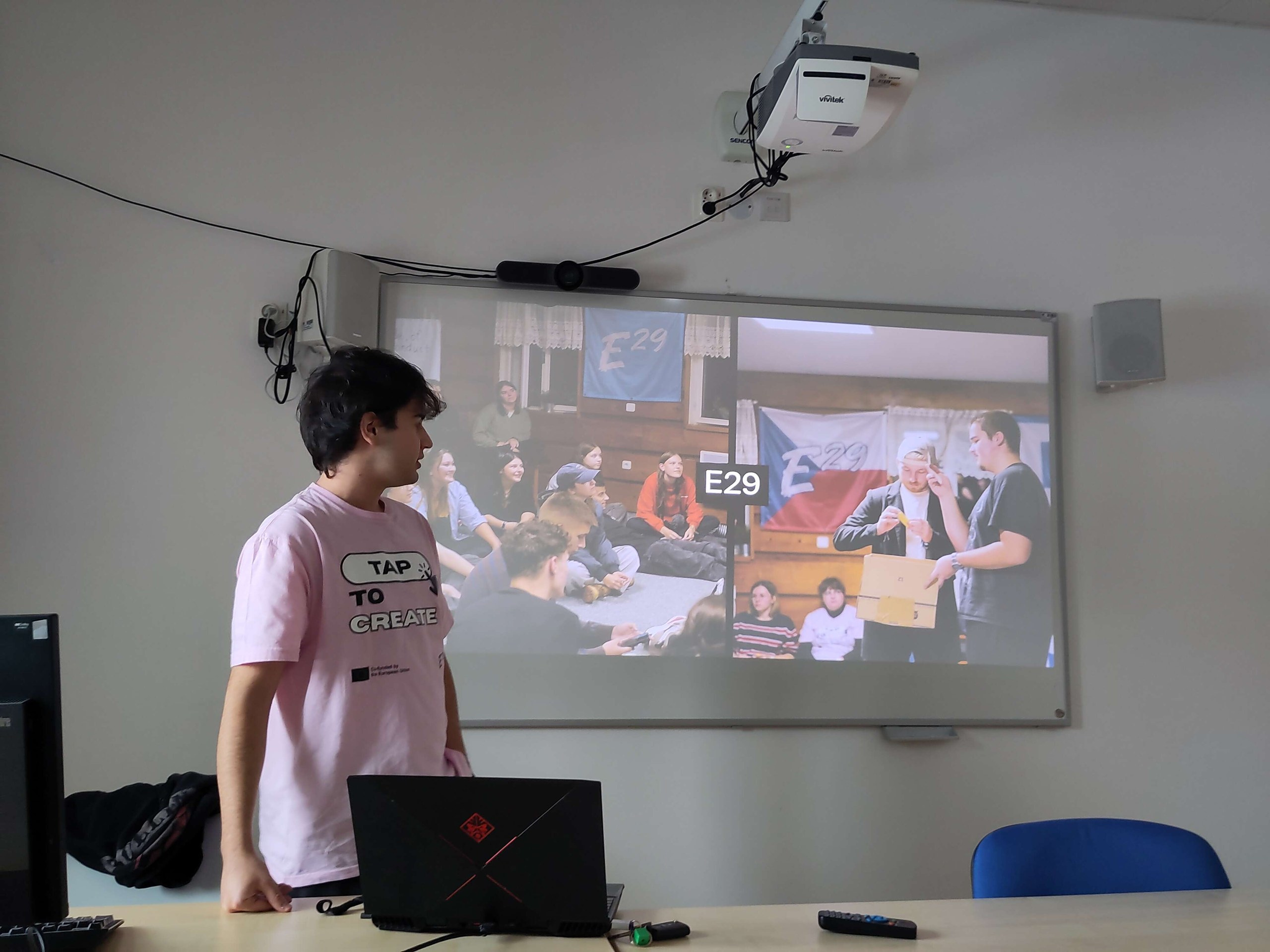
Sebastian Mensik presented the mobility to 4 classmates at the Silesian University in Opava, Faculty of Film, TV and Audiovisual Arts, explaining the activities and outputs and screening the final summary video.
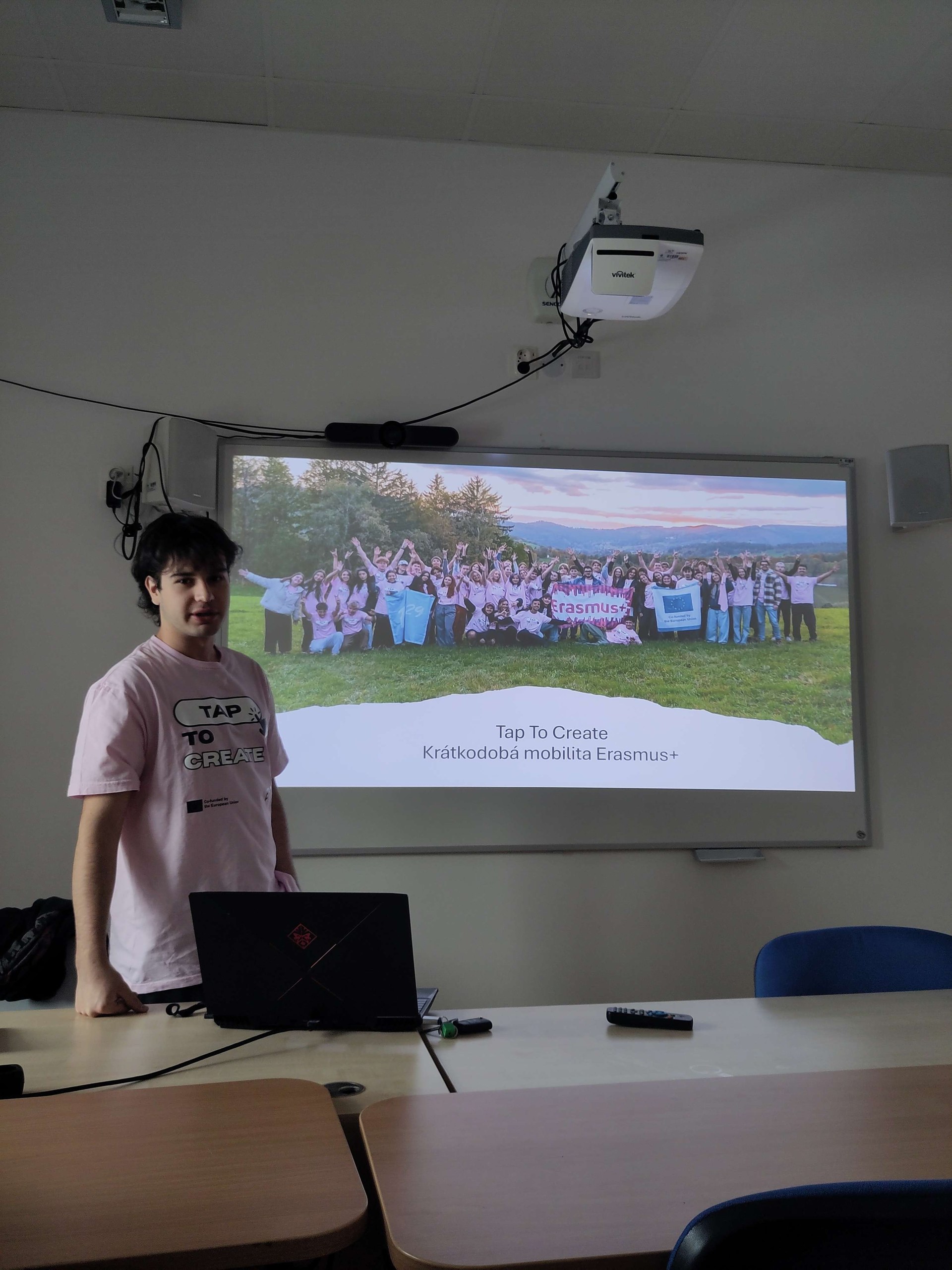
Sokolov, Czechia, November 2025
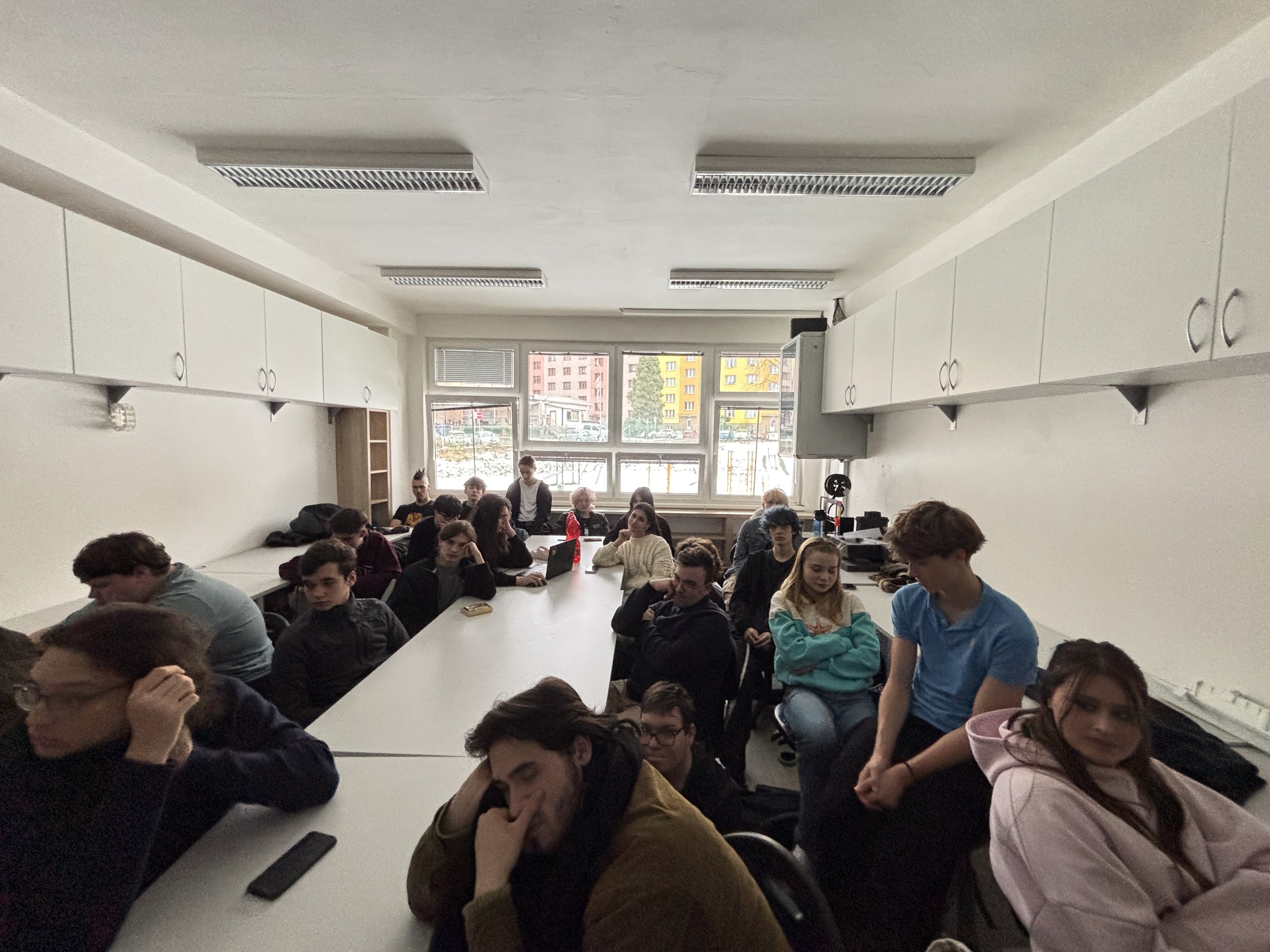
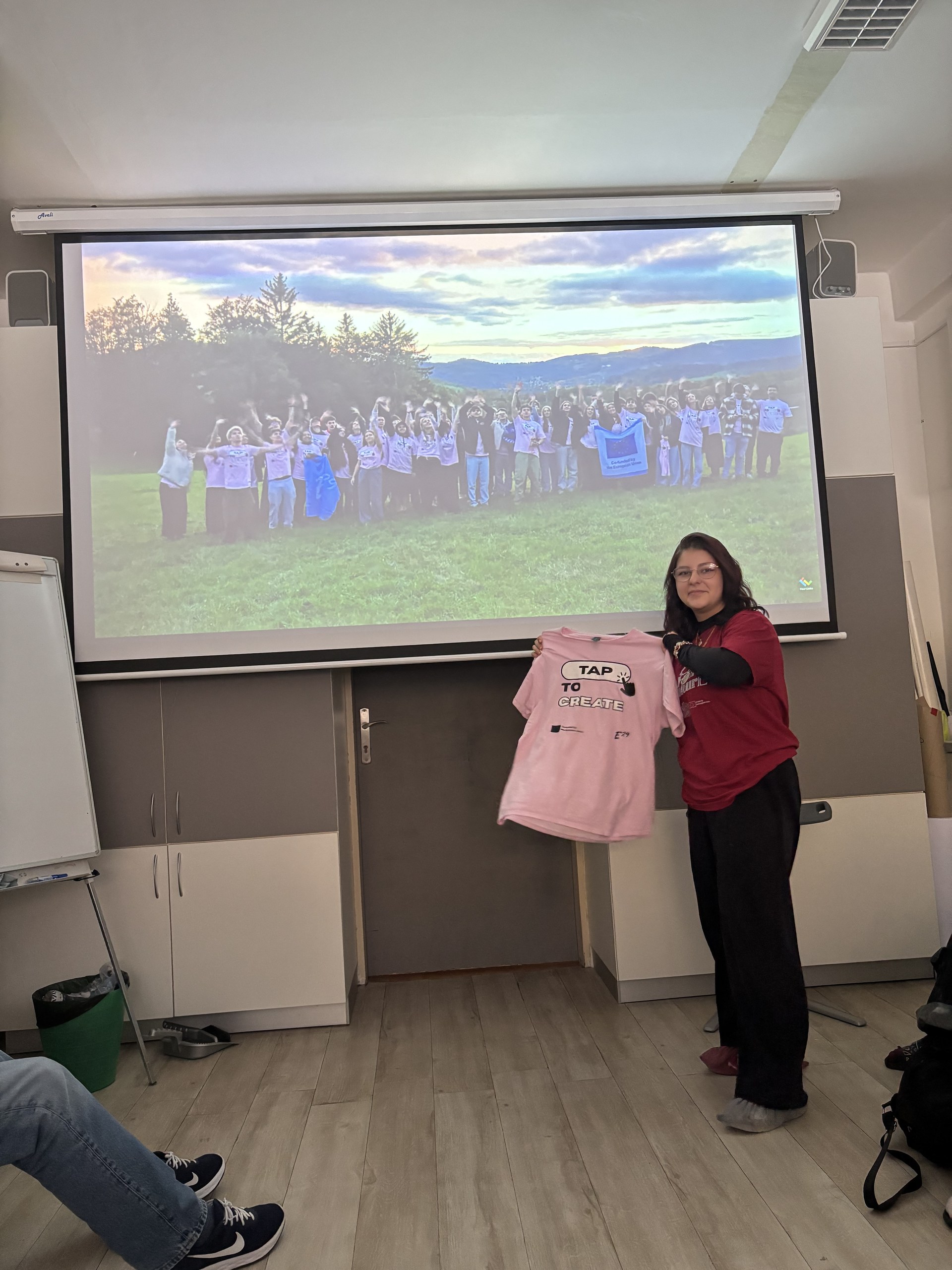
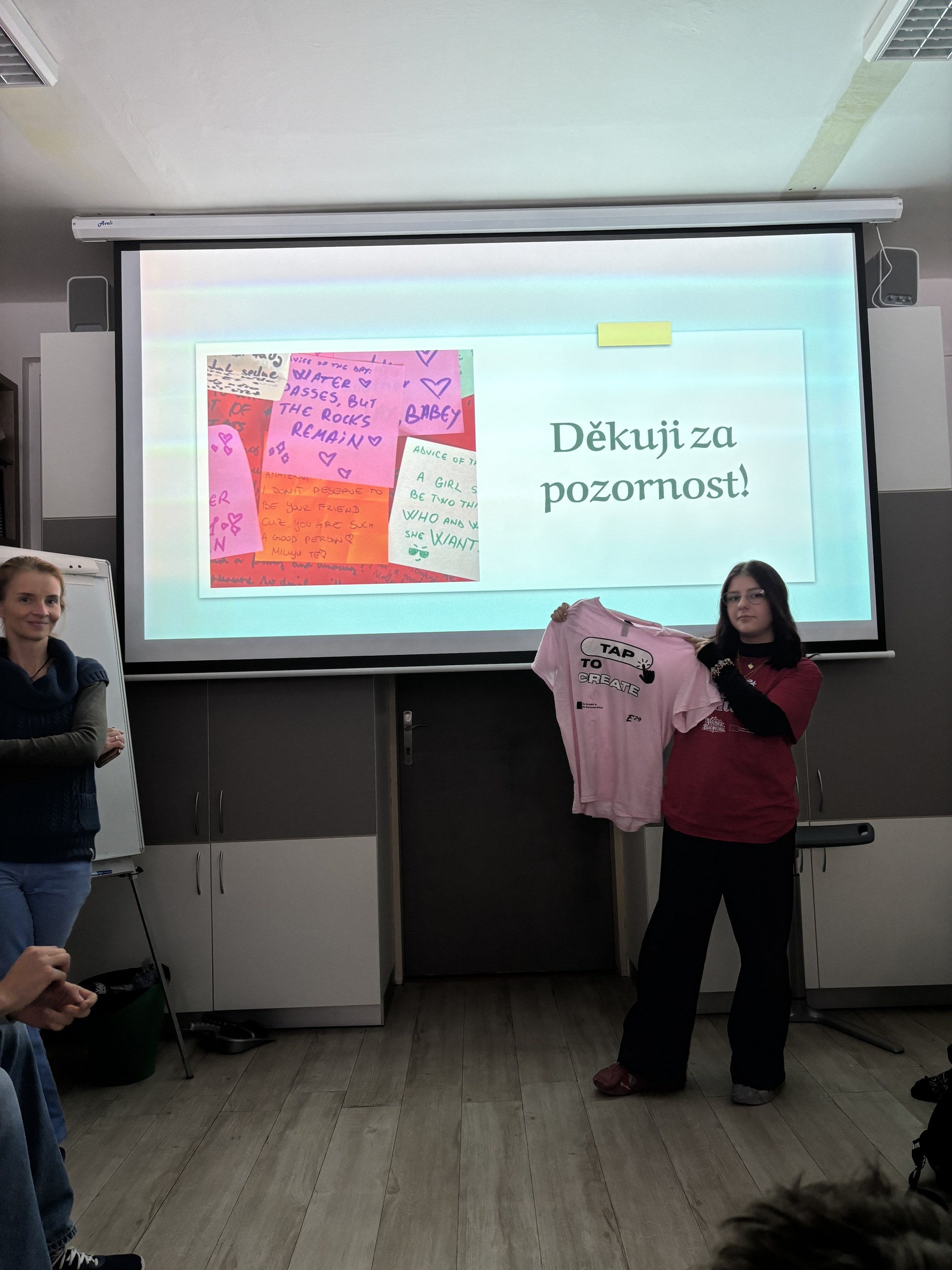
Anastasiya Tishkevich gave a presentation at High School Manesova for 45 students, sharing her story, project T-shirts, films from the activity, and practical guidance on applying.
Kosice, Slovakia, November 2025
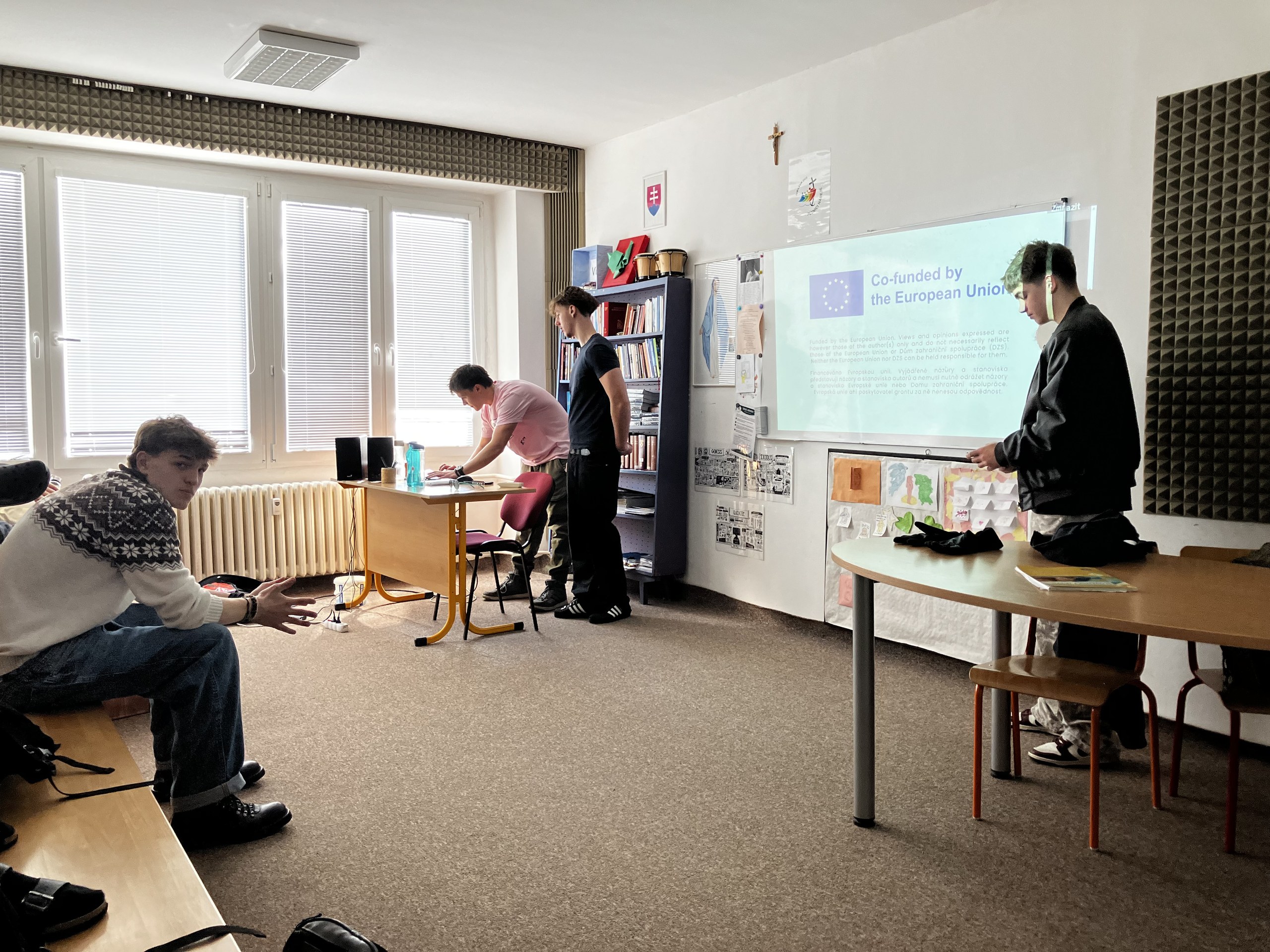
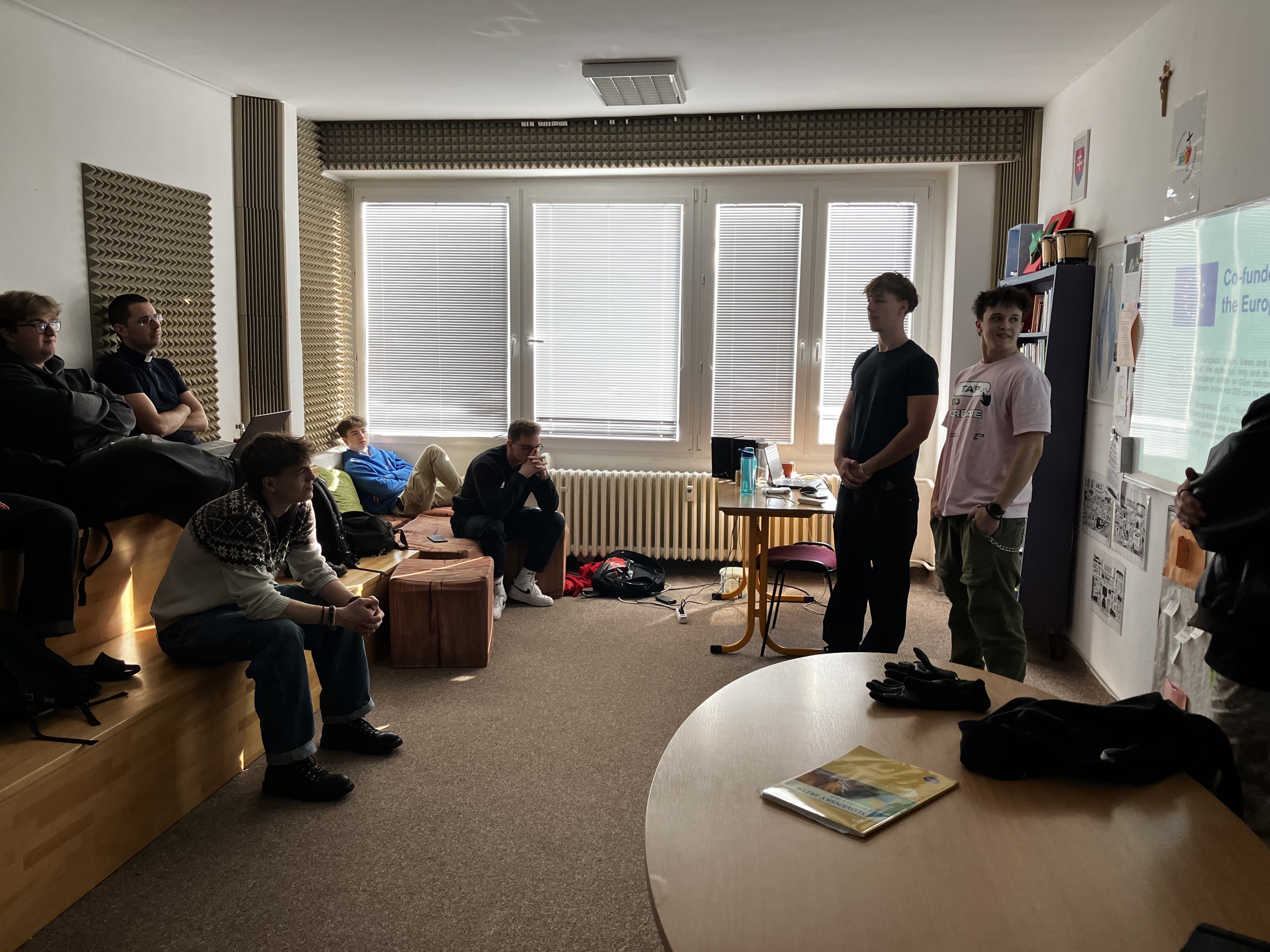
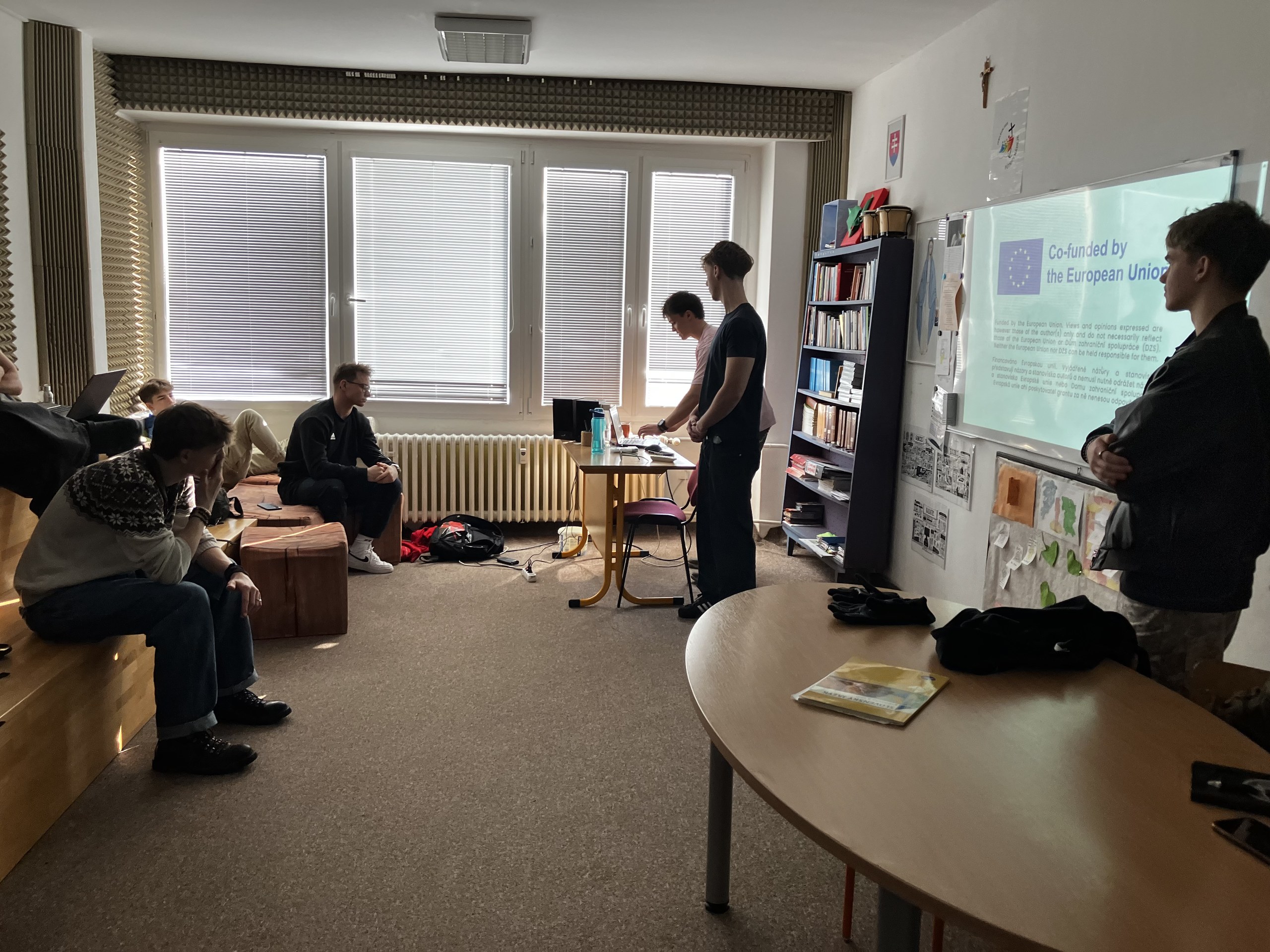
Simon Mizerak introduced 10 classmates at Gymnasium Charkovska 1 to the project, showing the films and photos and describing the daily schedule.
Kosice, Slovakia, November 2025
Christian Brossmann shared the experience with 15 people at Gymes, talking about the national teams, the new friendships, and the digital-content skills the group developed.
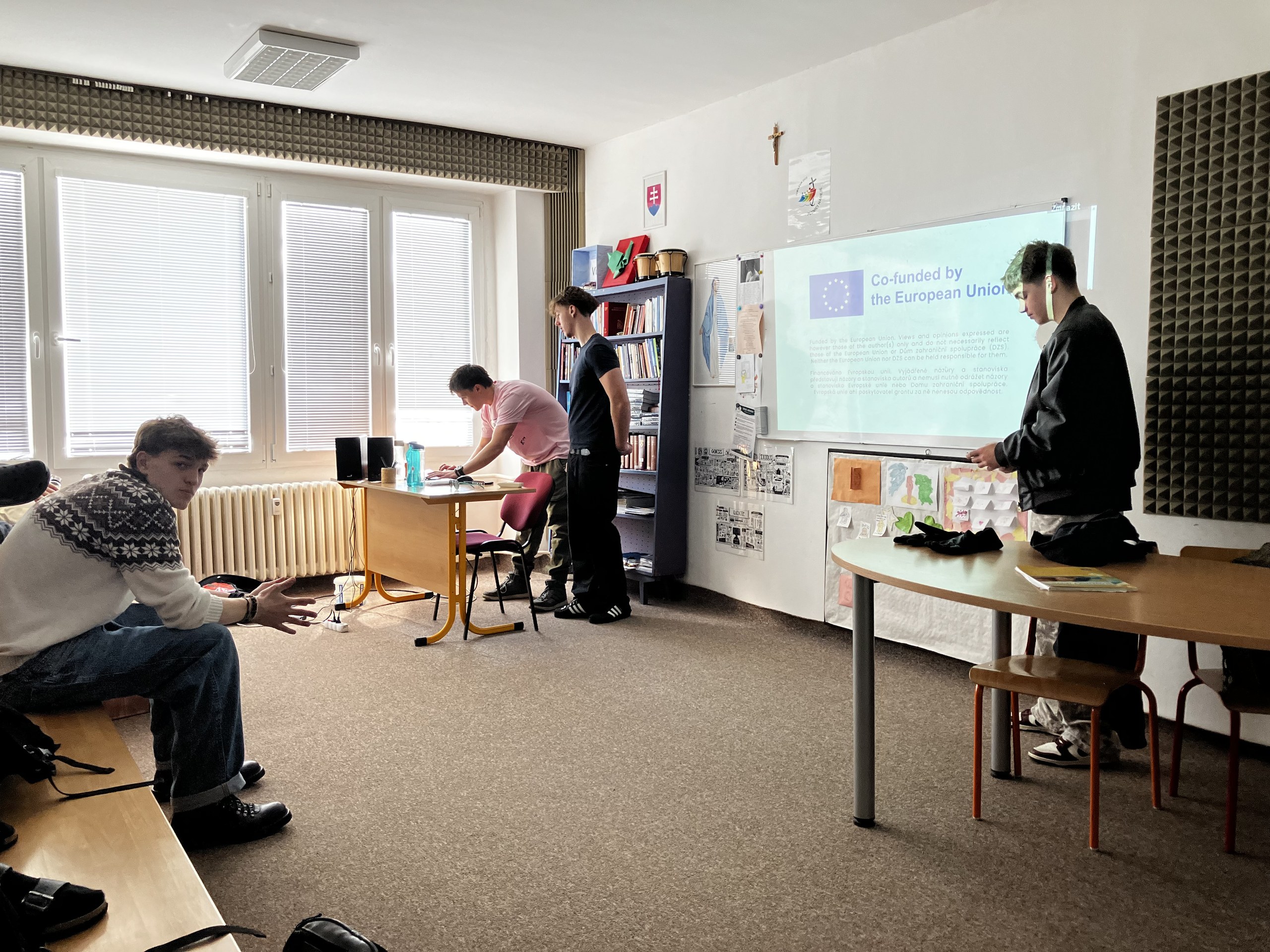
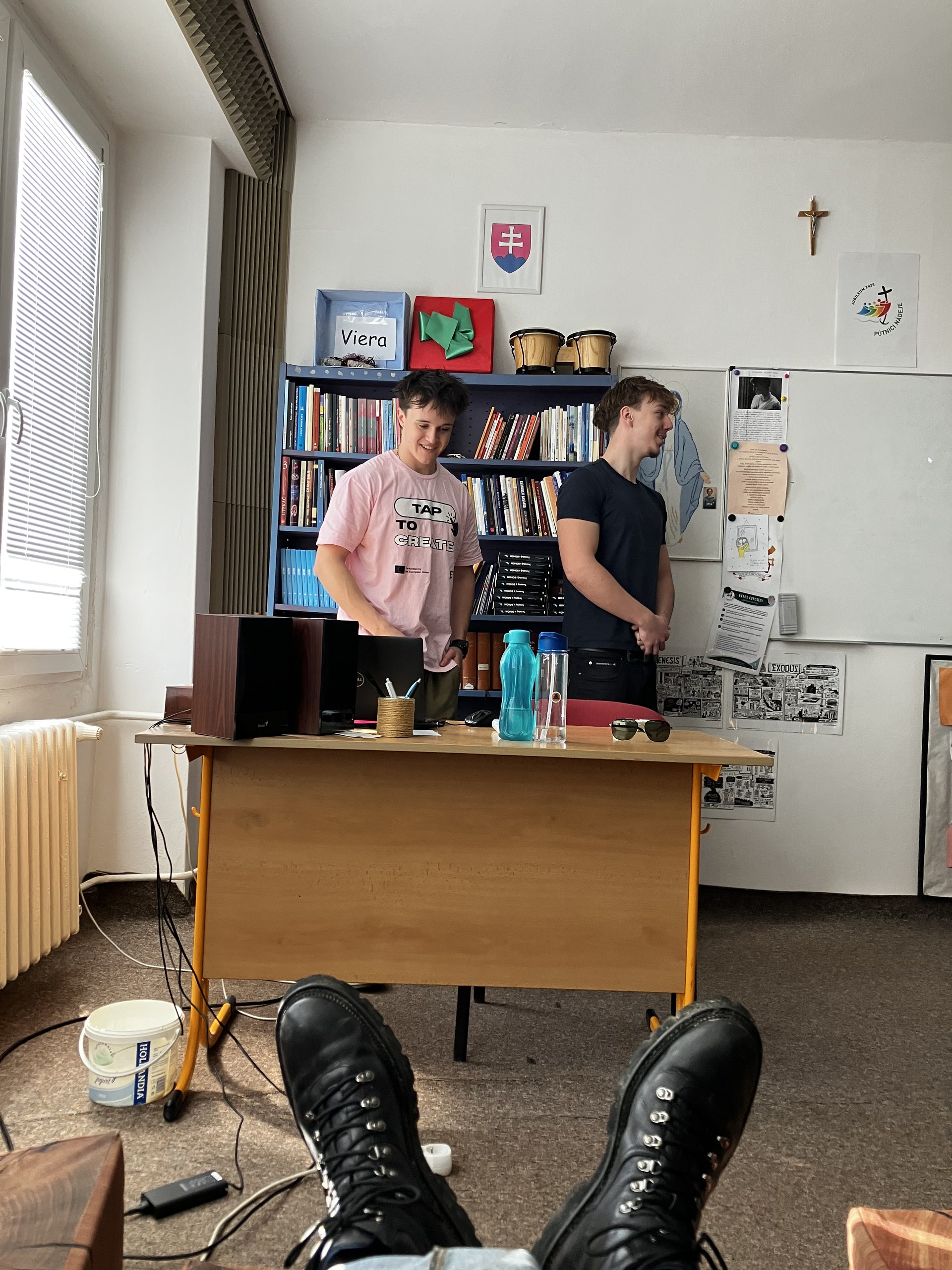
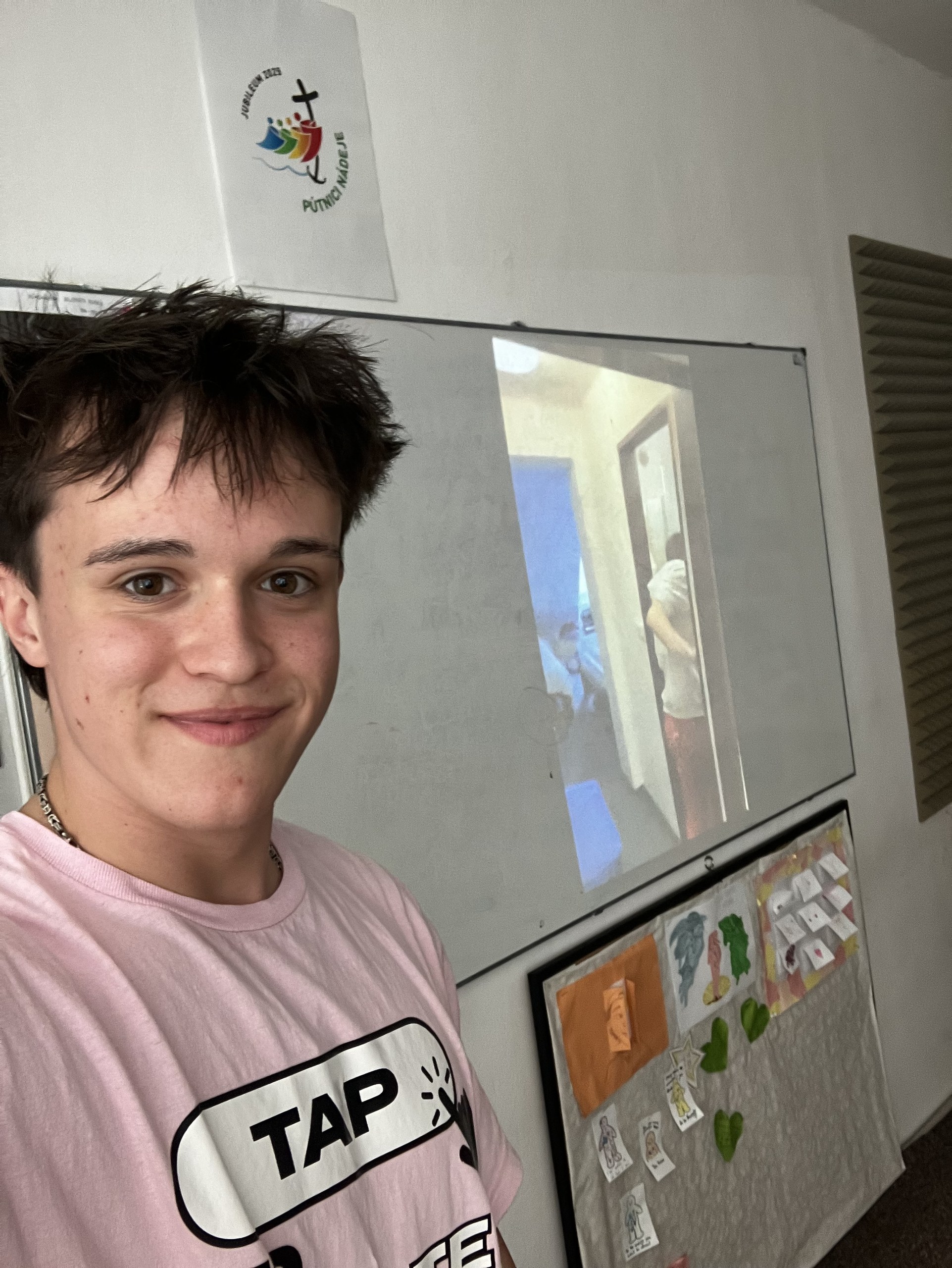
Peniche, Portugal, December 2025
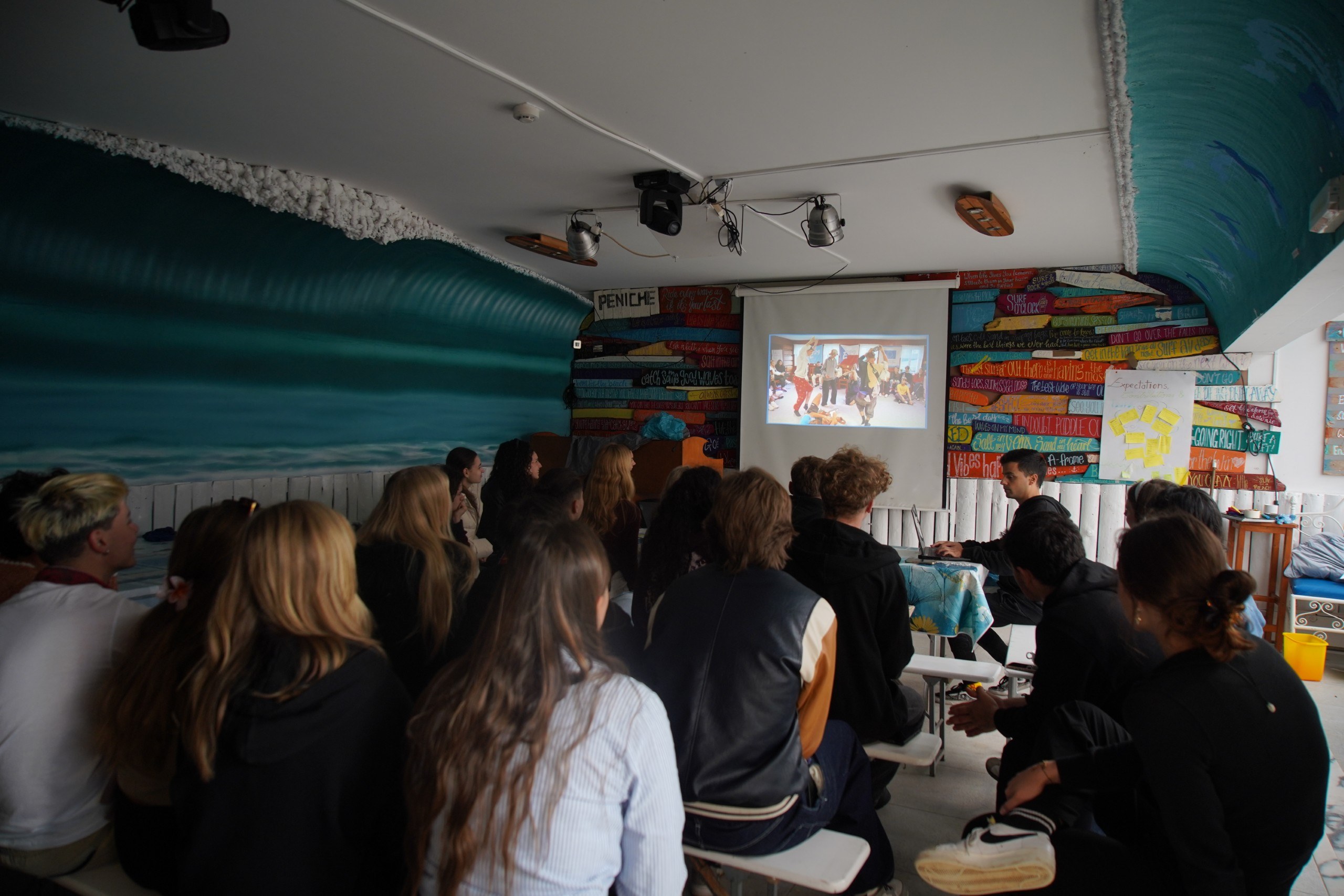
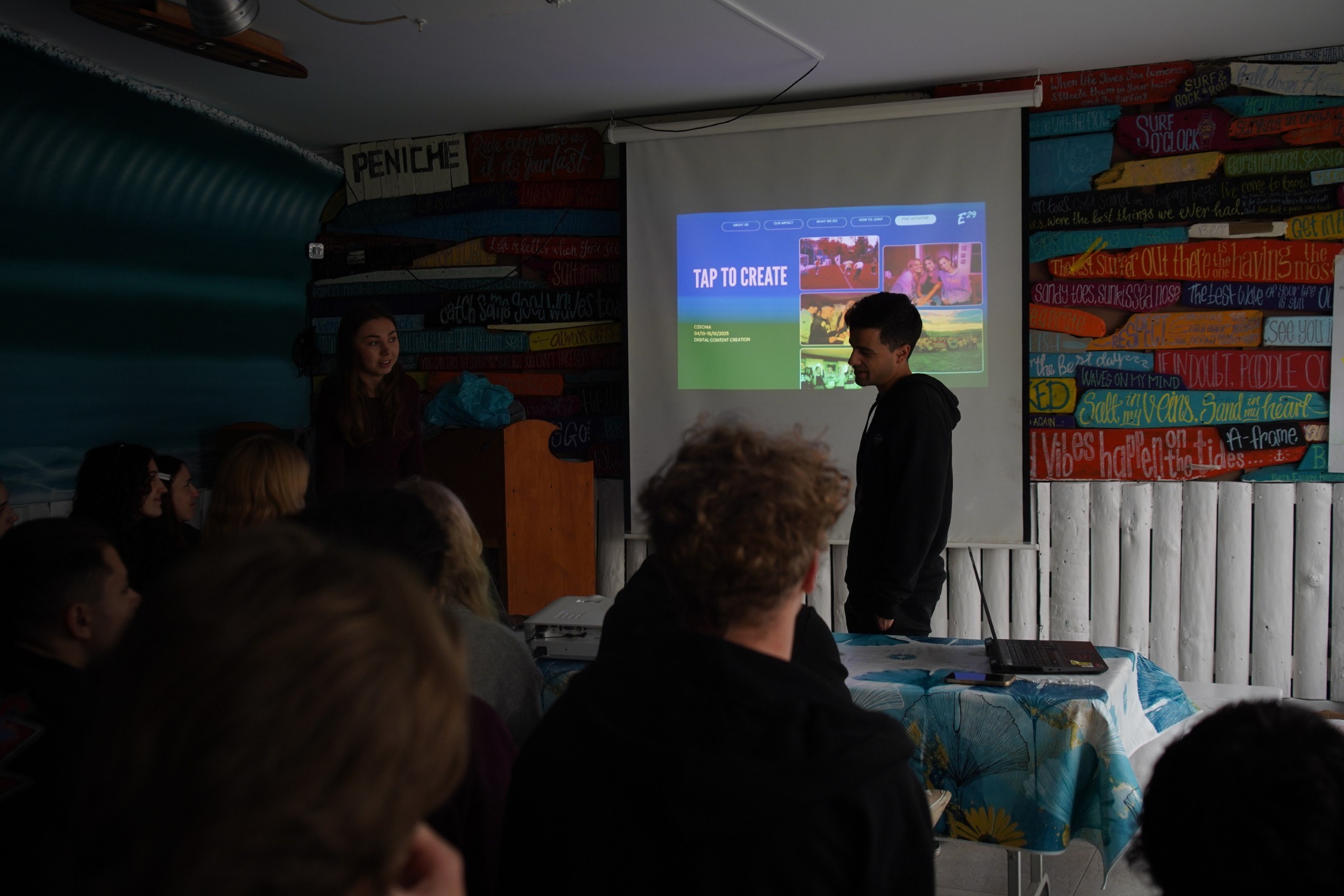
Pedro Ramalho presented Tap to Create to 39 people at Peniche Surf Camp while taking part in another E29 activity, showing what the group created during the exchange.