
Most of us can spend an hour on a phone without making a single thing. We tap, we scroll, we react, and the feed keeps moving. The gap between consuming content and actually building it is wider than it looks, and closing it takes more than a good camera: it takes knowing why a clip holds your attention, what an image is asking of you, and where a tool stops being honest. That gap is exactly what our team set out to cross when we arrived on the Portuguese coast in the spring, swapping the screens we usually stare at for the ones we would learn to fill ourselves.
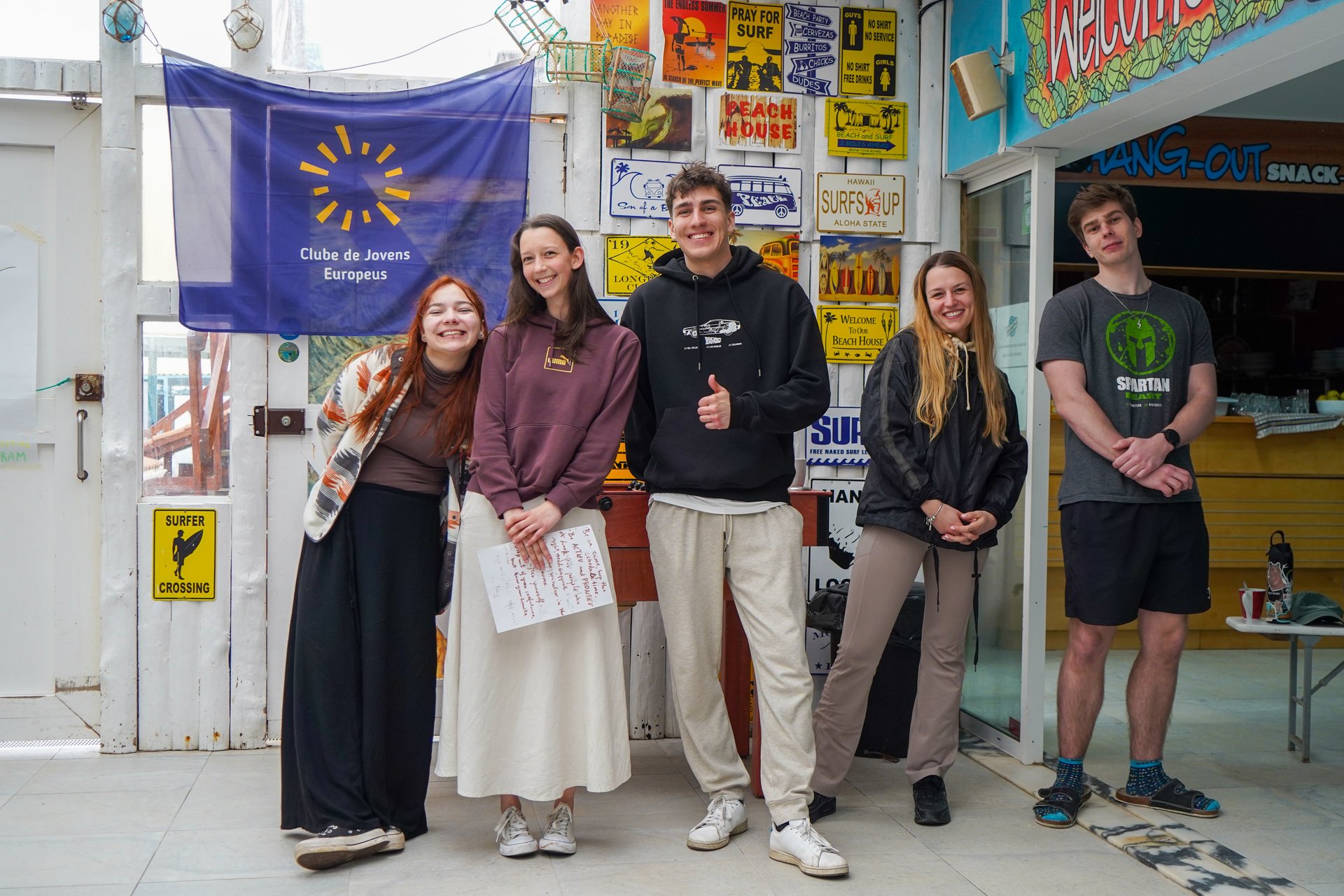
The week was Swipe Forward, a Youth Exchange on digital media and content creation held in Ferrel, on the Atlantic edge of Portugal. It was coordinated and hosted by CJE as part of their Erasmus+ Accreditation, and Four Links joined as a partner NGO bringing participants from across Czechia. Erasmus+ is the European Union programme that funds young people to learn together across borders, and for our group it meant a room full of five nationalities and a shared question: how do you stop being a passive consumer of digital content and start being someone who makes it well?
From consuming to building
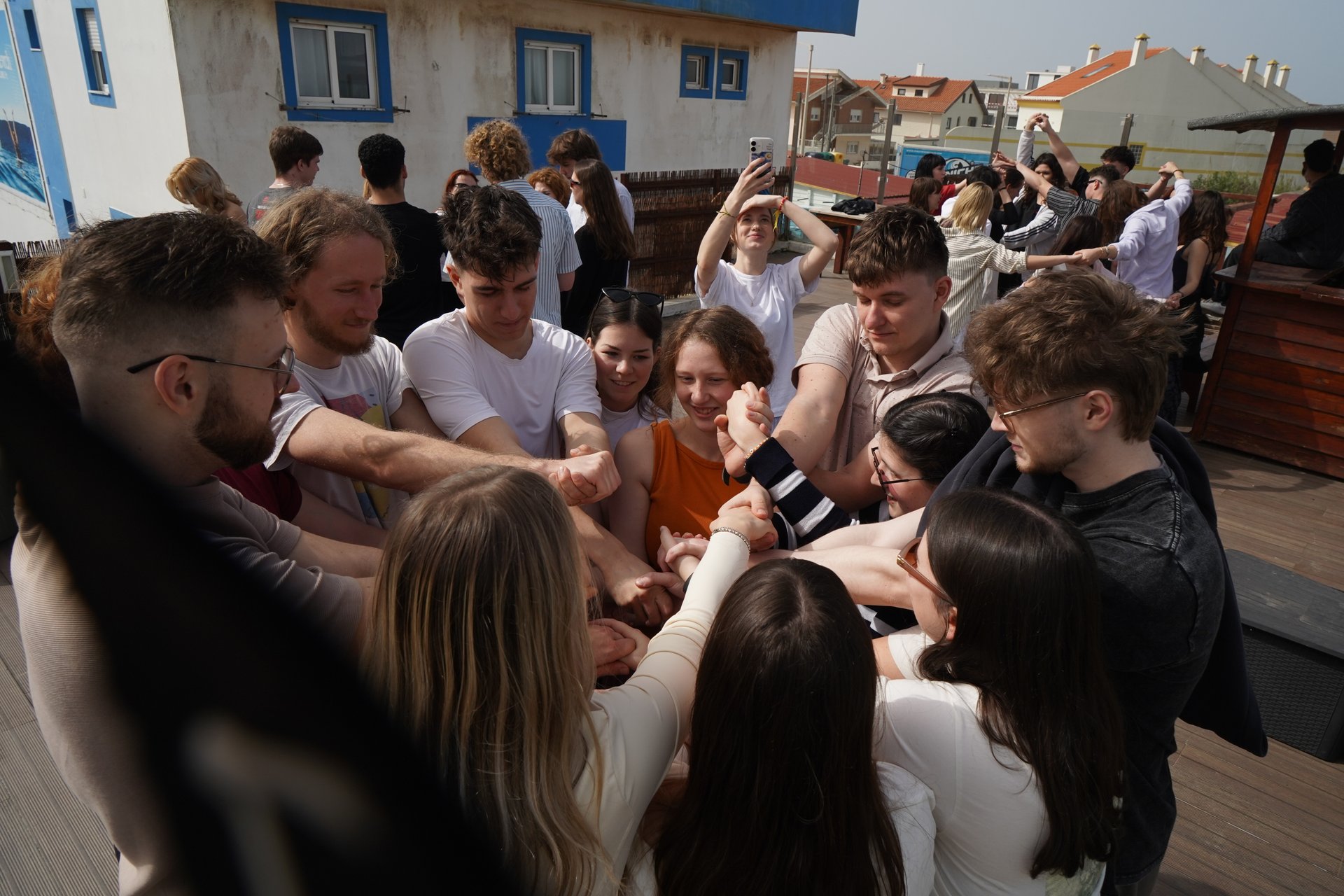
The first day was about turning a set of strangers into a group that could actually create together. The exercise that did the most was Silent Line-Up and Human Knot: no talking allowed, just a tangle of held hands to work back into a clean circle, the kind of wordless cooperation that says more about a team than any introduction round. From there our participants set the rules of the week themselves. In the Safety and Code of Conduct session they agreed together, by consensus and line by line, on how they wanted to live and work for the week, so the standards everyone lived by belonged to the group rather than being handed down.
A turning point came with From Scrollers to Creators. Everyone pulled up “Your Last 10 Scrolls” and looked, honestly, at what they had been feeding themselves. Then the group pulled each post apart along three lines: Attention, Emotion, Intention. What grabbed you, what it made you feel, and what it actually wanted from you. Most of us scroll for hours without ever stopping to ask those questions, and naming the machinery out loud was the first real step from consuming to building.
Getting hands on the tools
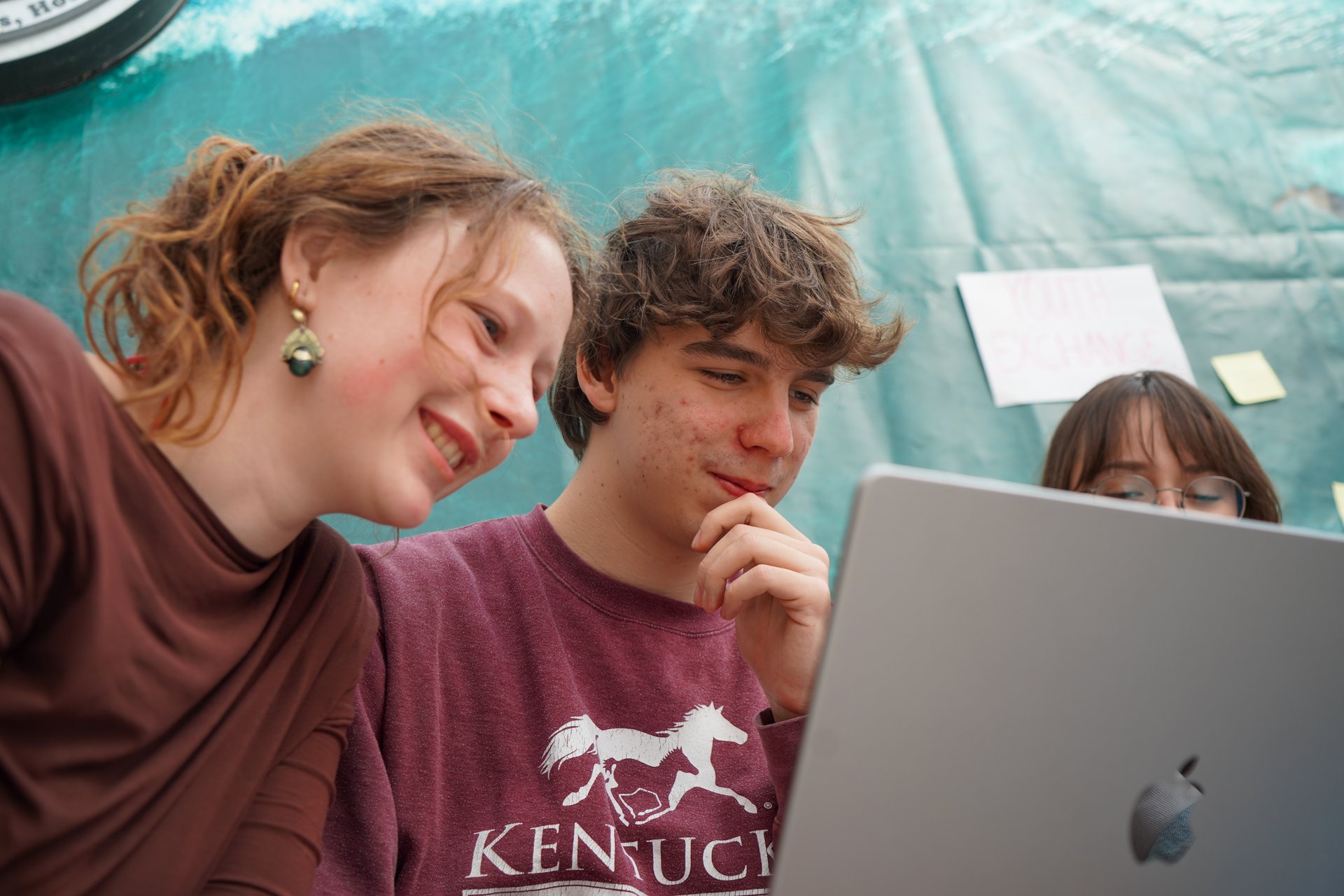
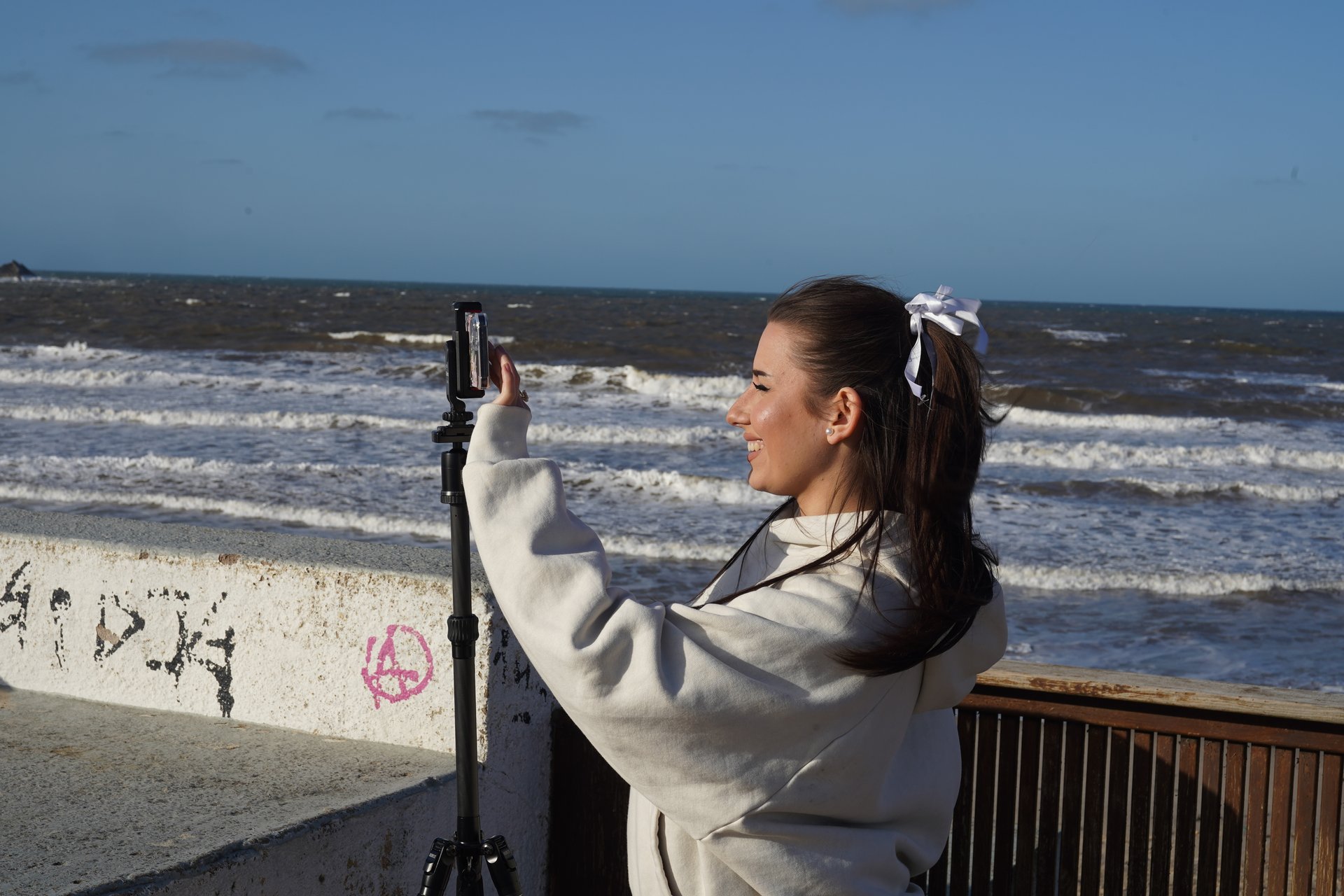
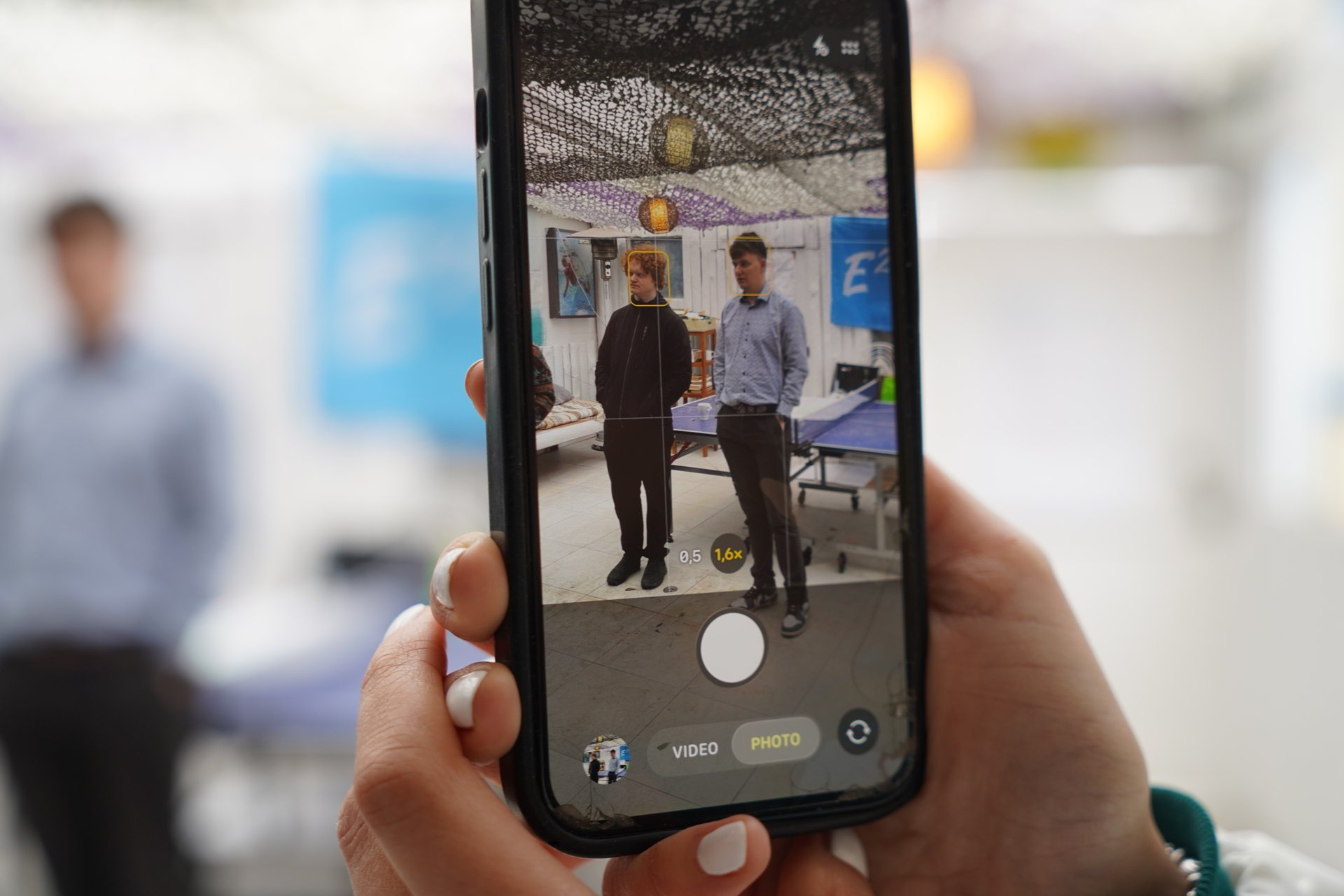
With the group settled, the week moved to the craft itself. Introduction to Cameras put framing, light and movement into our participants’ hands, and the difference between snapping a photo and composing one started to land fast. A session on graphic design and branding followed, opening up how type, colour and layout carry a message before a single word is read.
Then came the build. In Logo and Brand Design, teams created a full visual identity from scratch, a logo, a palette, a typeface, for a topic they chose themselves, then explained the thinking behind every choice to the room. Rotating support roles meant different participants ran the logistics each day, so leading the group became something everyone tried rather than watched.
Testing what AI can and can’t do
The part our participants kept talking about afterwards was where the tools got slippery. In Creative Process With AI, the same teams rebuilt their hand-made logos using AI, then set the two versions side by side. The comparison did the teaching on its own: the AI work was fast and polished and oddly hollow, and the room spent a long time on quality, originality, bias and the ethics of generating instead of making.
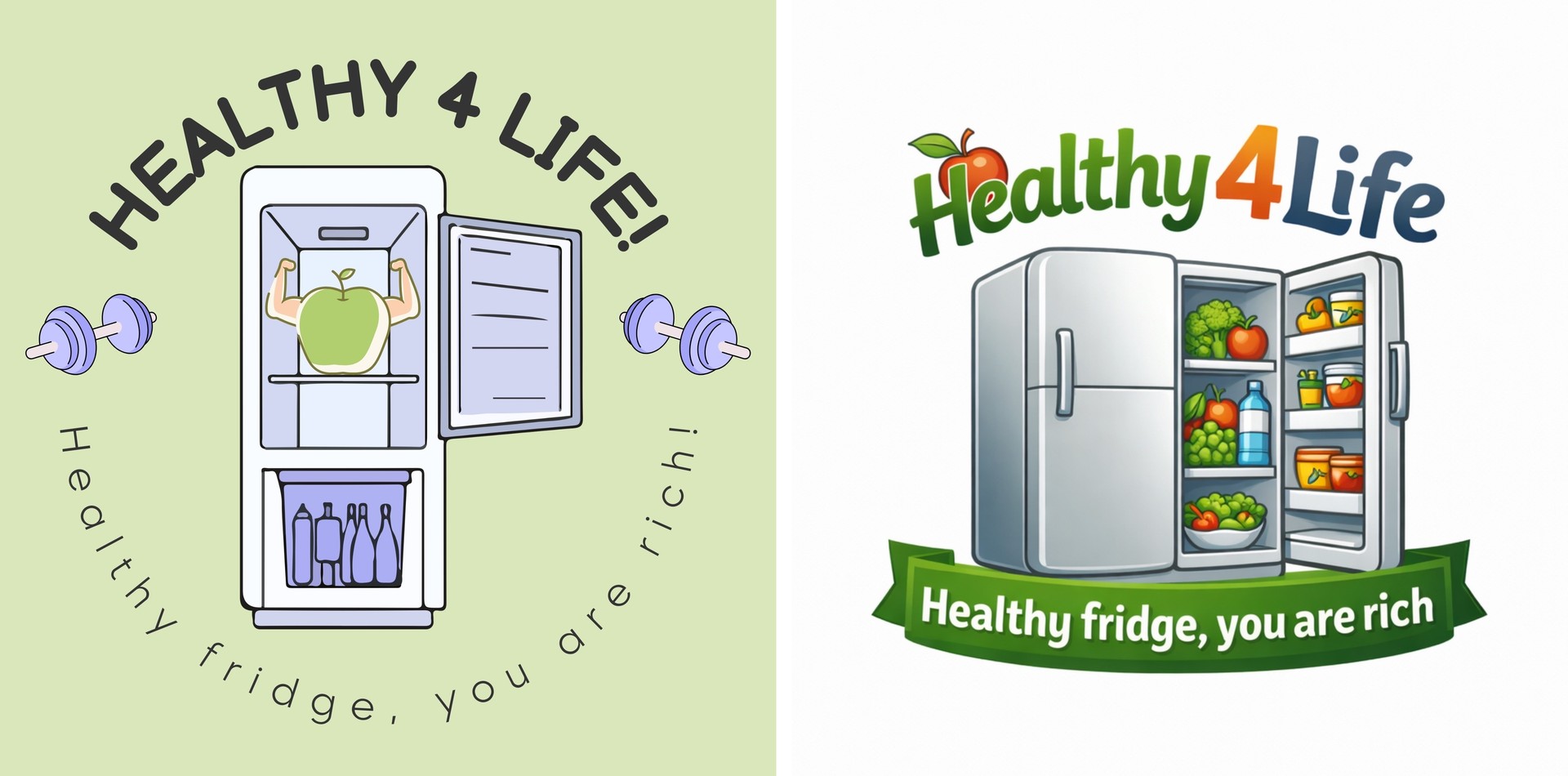
Healthy4Life: the hand-made logo, left, against the AI version of the same brief.
Rebrand It raised the stakes with a clock. Each team got a random social issue or everyday object and sixty minutes to turn it into a fresh logo, a slogan and a visual concept, then pitch it to the room. The constraint was the whole point: with no time to overthink, a team had to commit to one clear idea and make the case for it. A tired, everyday subject would walk back in an hour later as a brand with a name and a look of its own, and the speed of it surprised the people who made it.
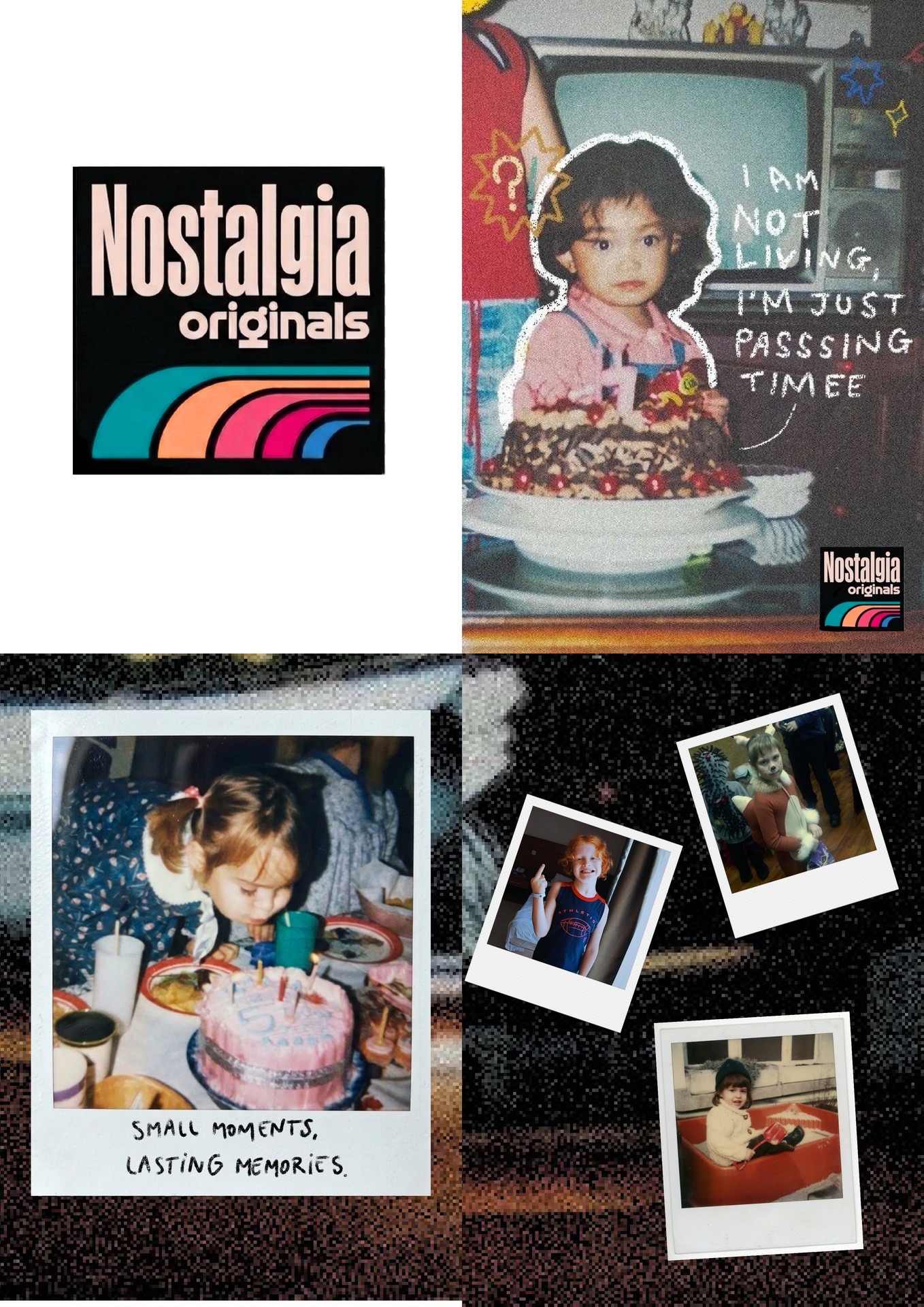
Nostalgia Originals: one team’s sixty-minute rebrand, logo and poster together.
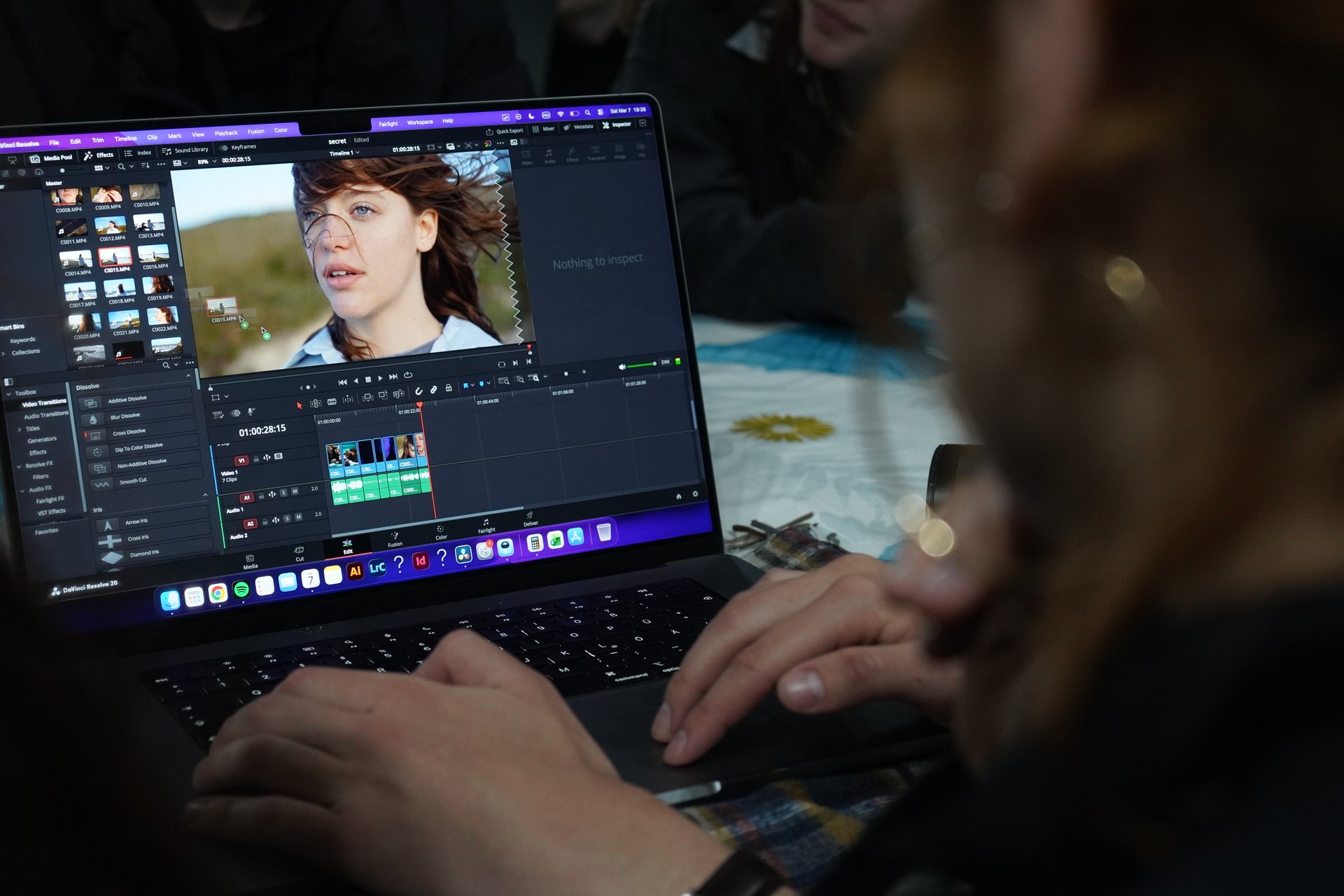
Silent 60 pushed in the opposite direction. Teams had to write, shoot and edit a sixty-second film about digital life that worked without a single spoken word, carried entirely by image, gesture and timing. Stripping out language forced every choice to be deliberate: what to show, how long to hold it, what to cut. It is a hard thing to fake, and the films that landed did so because the idea underneath them was clear before the camera ever rolled.
Be Critical: a wordless reminder not to take everything the feed shows you at face value.
Turning ideas into campaigns
The back half of the week was one long build. Each team picked a format and a message they wanted to land, then carried it the whole distance: roughing out a concept, scripting and storyboarding, shooting, editing, watching it back and arguing about what was not working yet, then cutting again. The point was no longer to talk about digital media but to ship something real, and at the end each team stood in front of the room to show the result and defend the choices behind it.

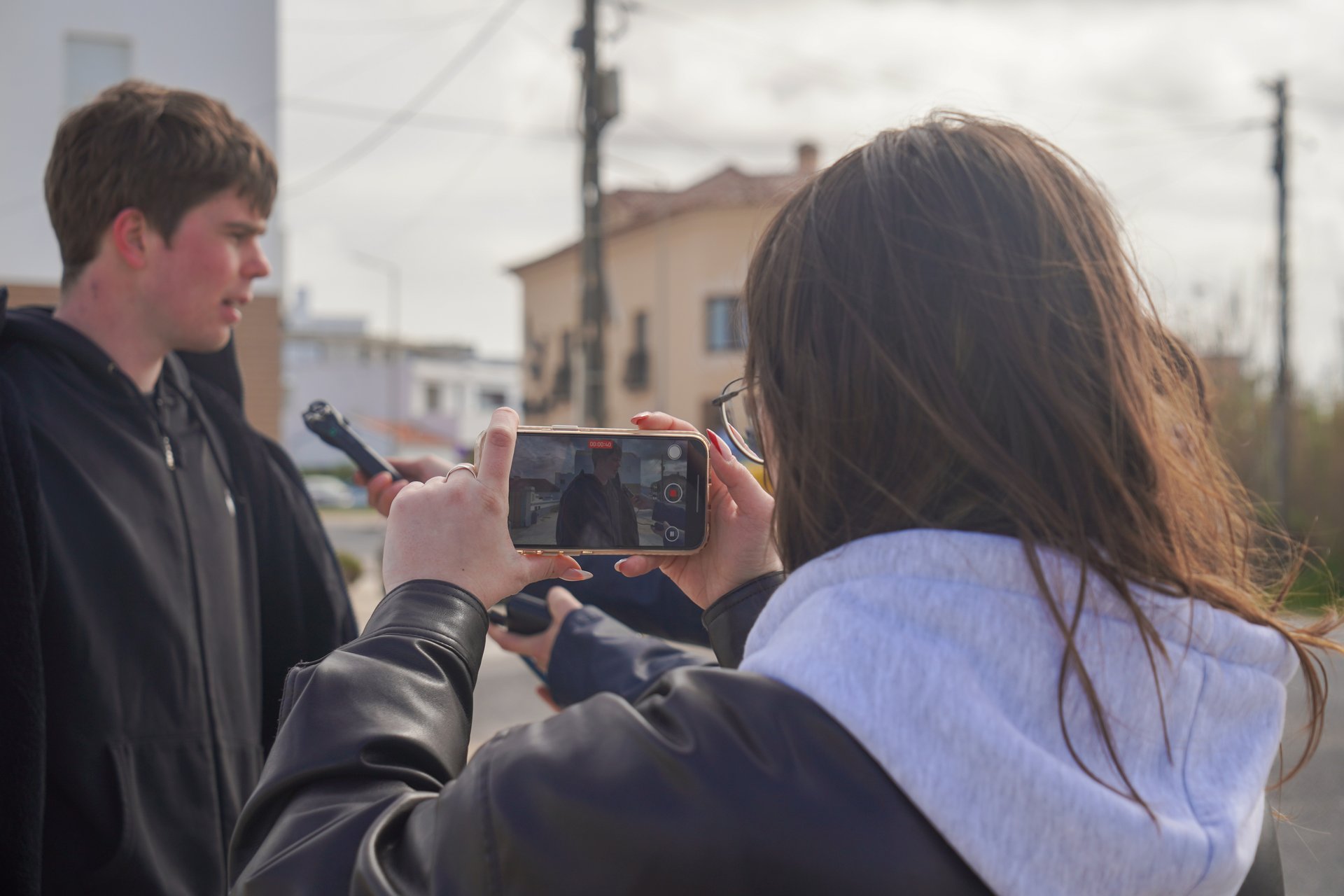
One team built a whole piece around a band, Mad Cat; another shot a three-part mockumentary on influencer culture; a third turned its message into a series of still photographs. What our participants made was deliberately honest rather than slick for its own sake, which is the whole distance the week was trying to cover. Across the screenings you could feel the shift: people who had started the week scrolling were now arguing about edits, pacing and whether a message actually landed.
Mad Cat: an interview-style piece built around a band, with a few lessons folded in.
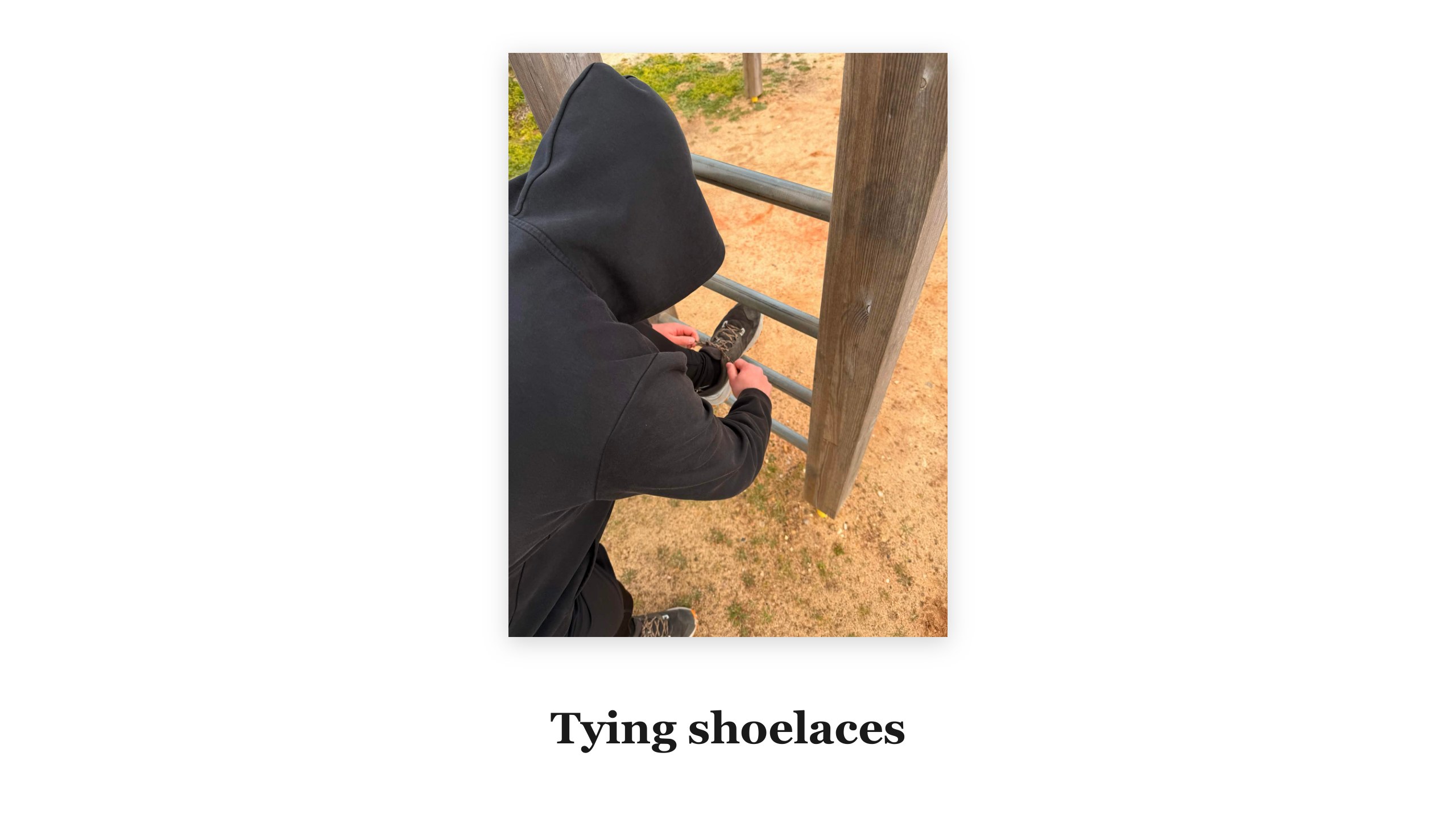
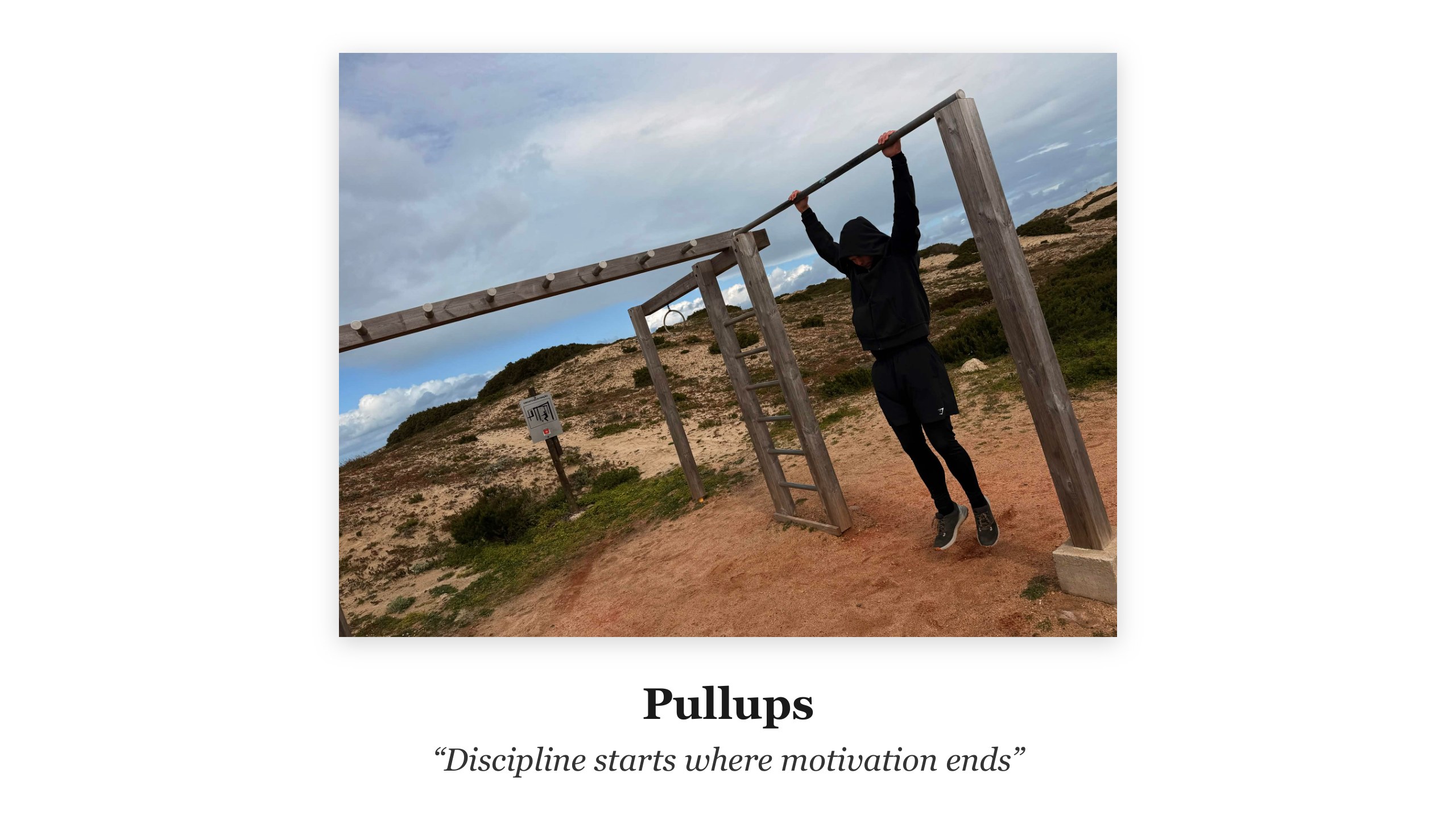
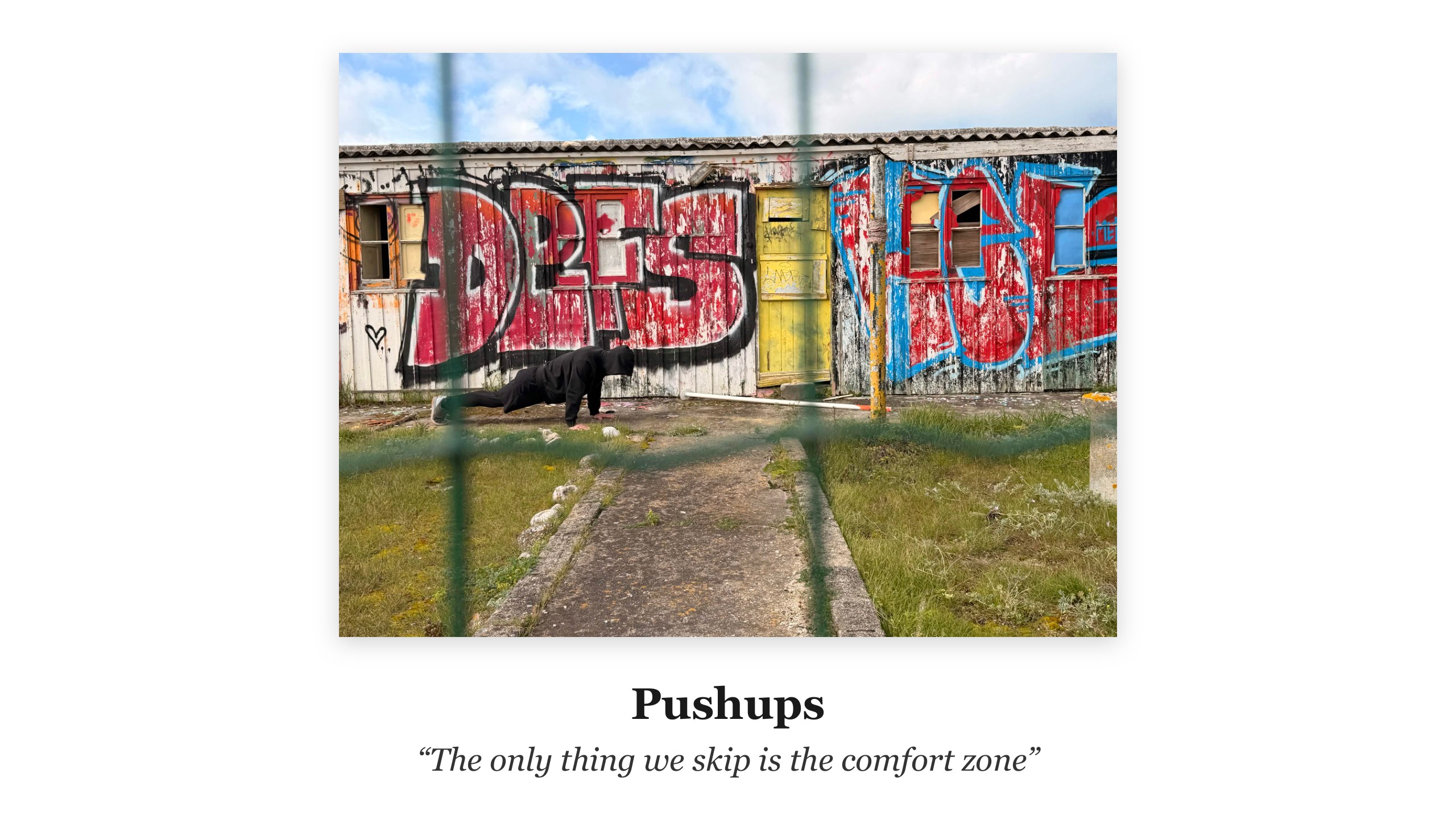
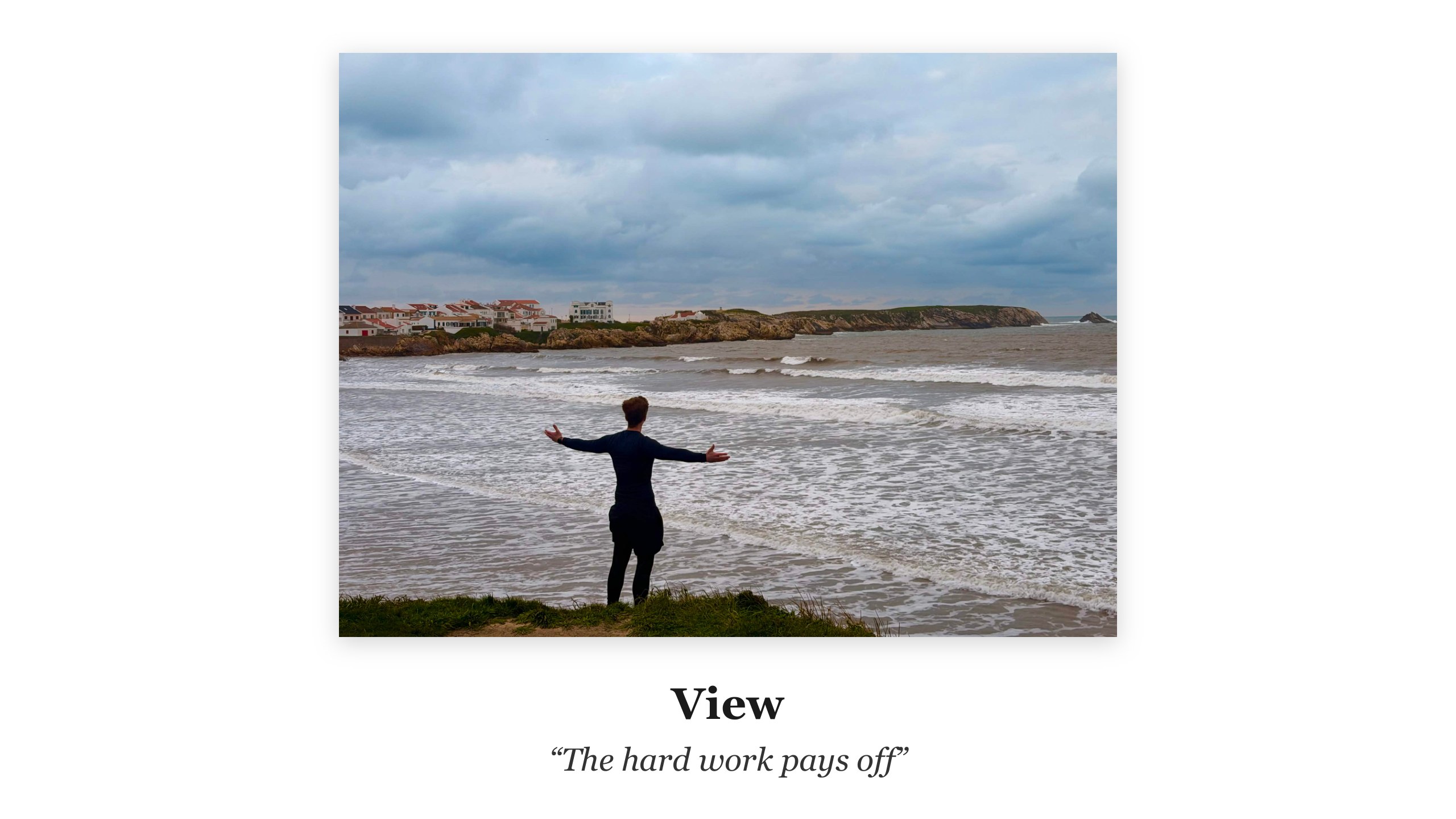
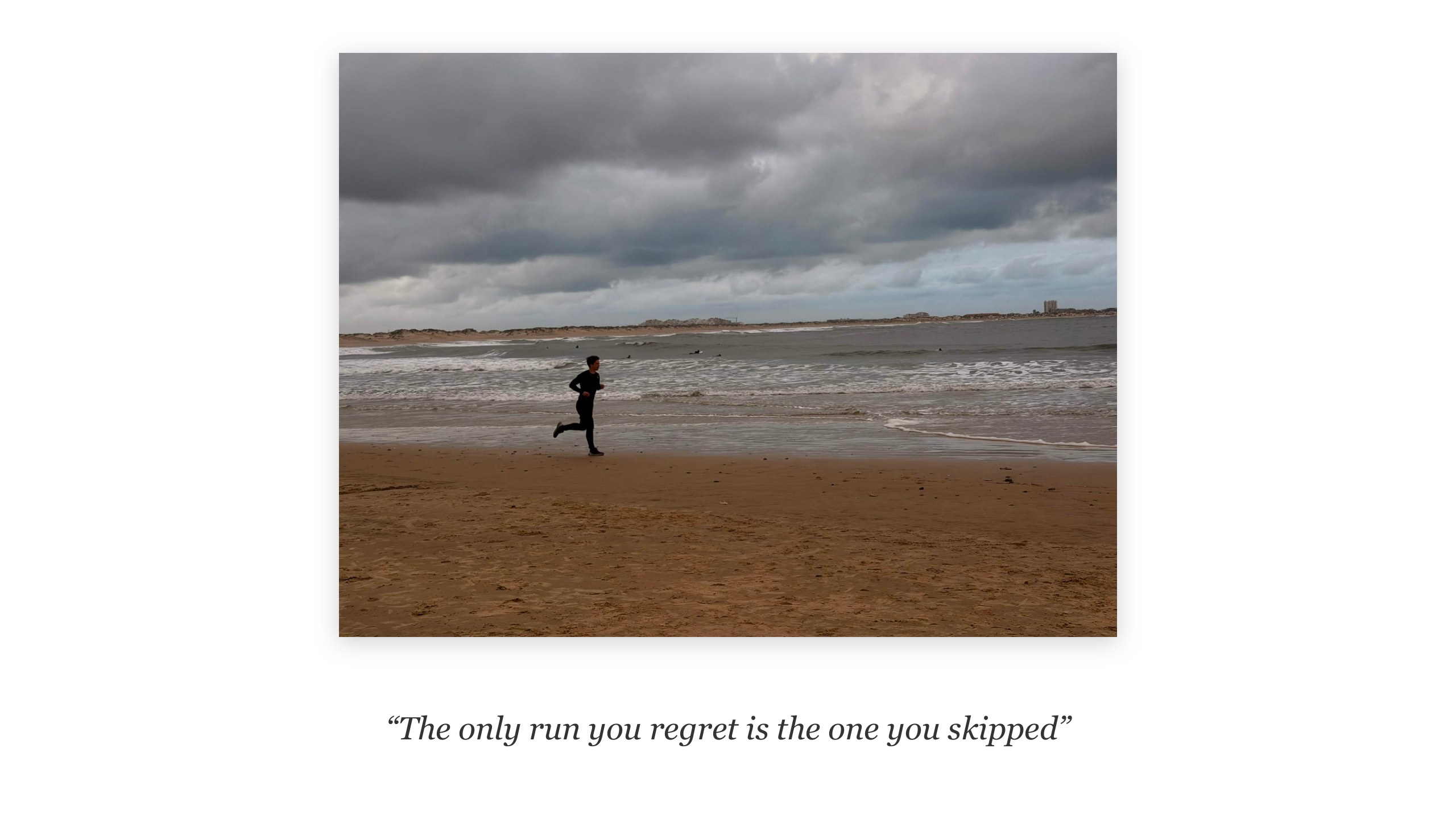
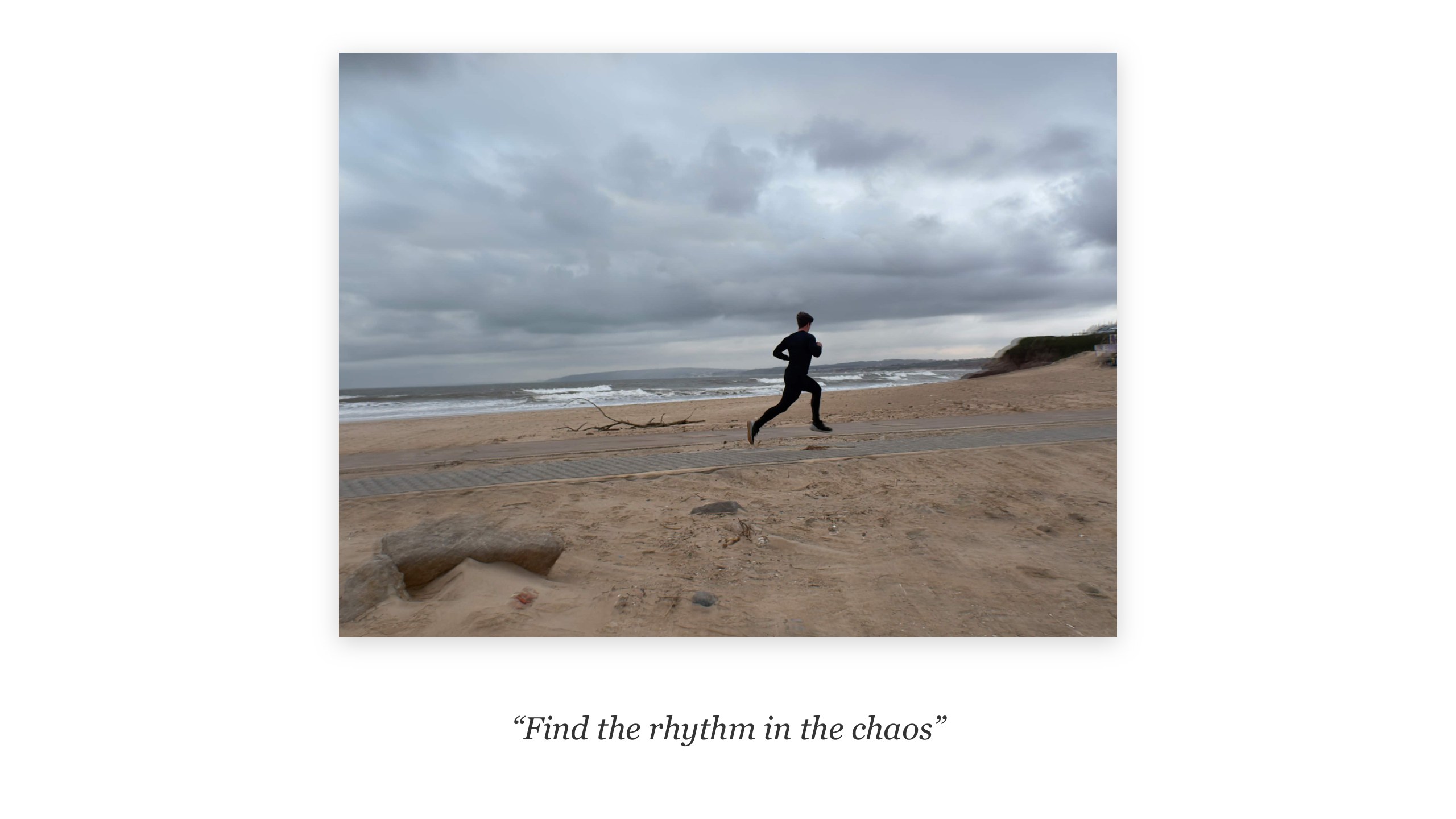
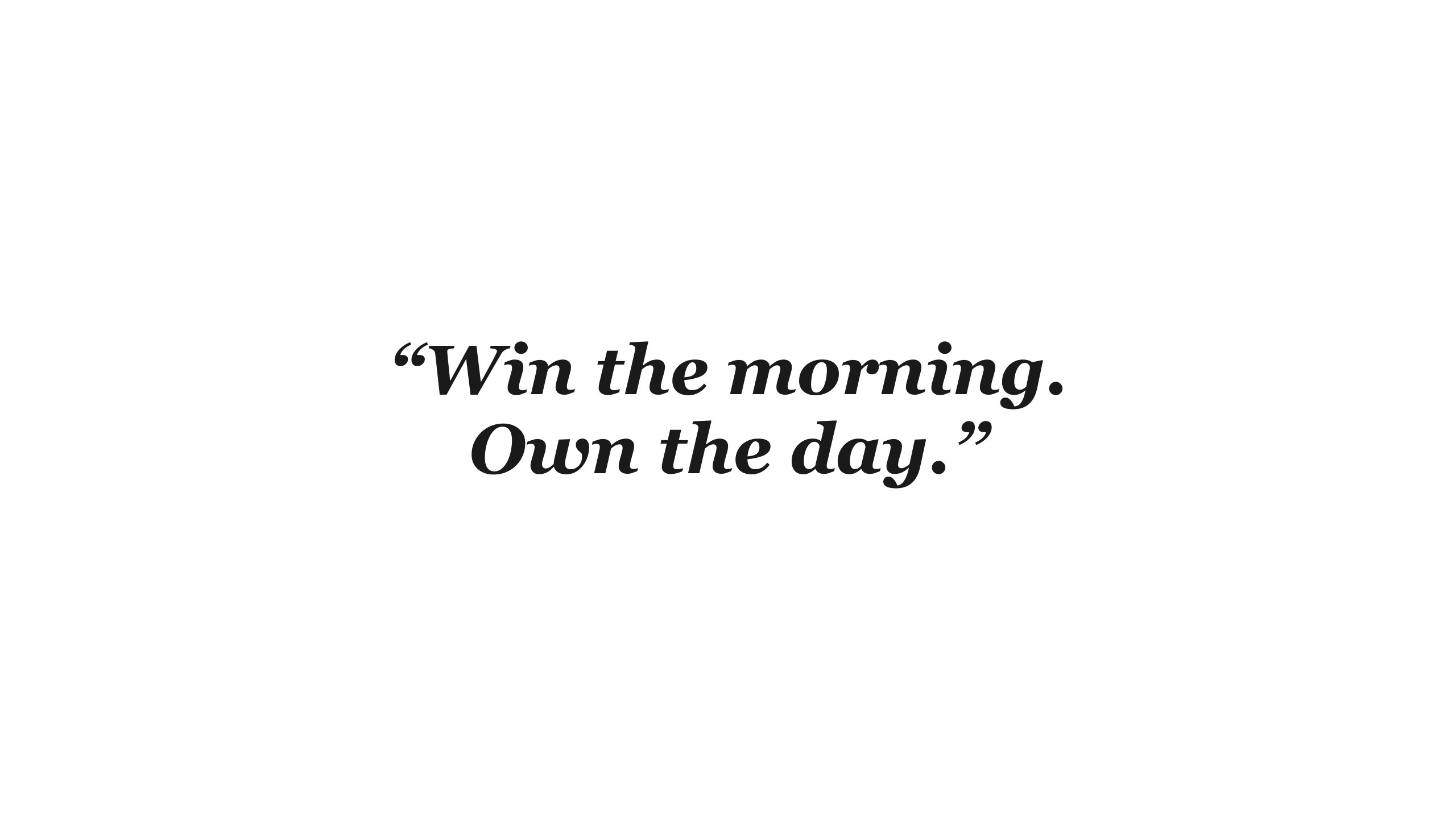
The still-image campaign: one team built its whole message out of captioned photographs.
What our participants took back to Czechia
The most Four Links moment of the week happened off the programme, at the Czech, Hungarian and Slovak cultural night. Our team laid out a table from home, the snacks, the drinks, the music and the in-jokes that do not translate but somehow land anyway, and shared it with the room. Sharing where you come from turns out to be its own kind of content creation, and it built the trust the workshops ran on. A separate Lithuanian and Portuguese night did the same from the other end of the map.
The week ended on its warmest note, with the Youthpass certificates. Before each page changed hands, the participant receiving it named one thing they could now do that they could not the week before. Said out loud, one after another, those small claims added up to the real record of the week: not a list of software, but a set of skills people could point to and own. The Secret Friend game, running quietly since the opening day, was revealed alongside it, and a farewell party closed things out.
What our team carried back to Czechia is concrete. Our participants can now shoot and edit a short film, build a brand and a logo, use an AI tool and say clearly where it helps and where it lies, and read a feed for what it is doing to them rather than just letting it scroll. They came consuming and left able to build, and that is the kind of thing that travels well once it is home.
Photo Gallery
A few more moments from this activity :)
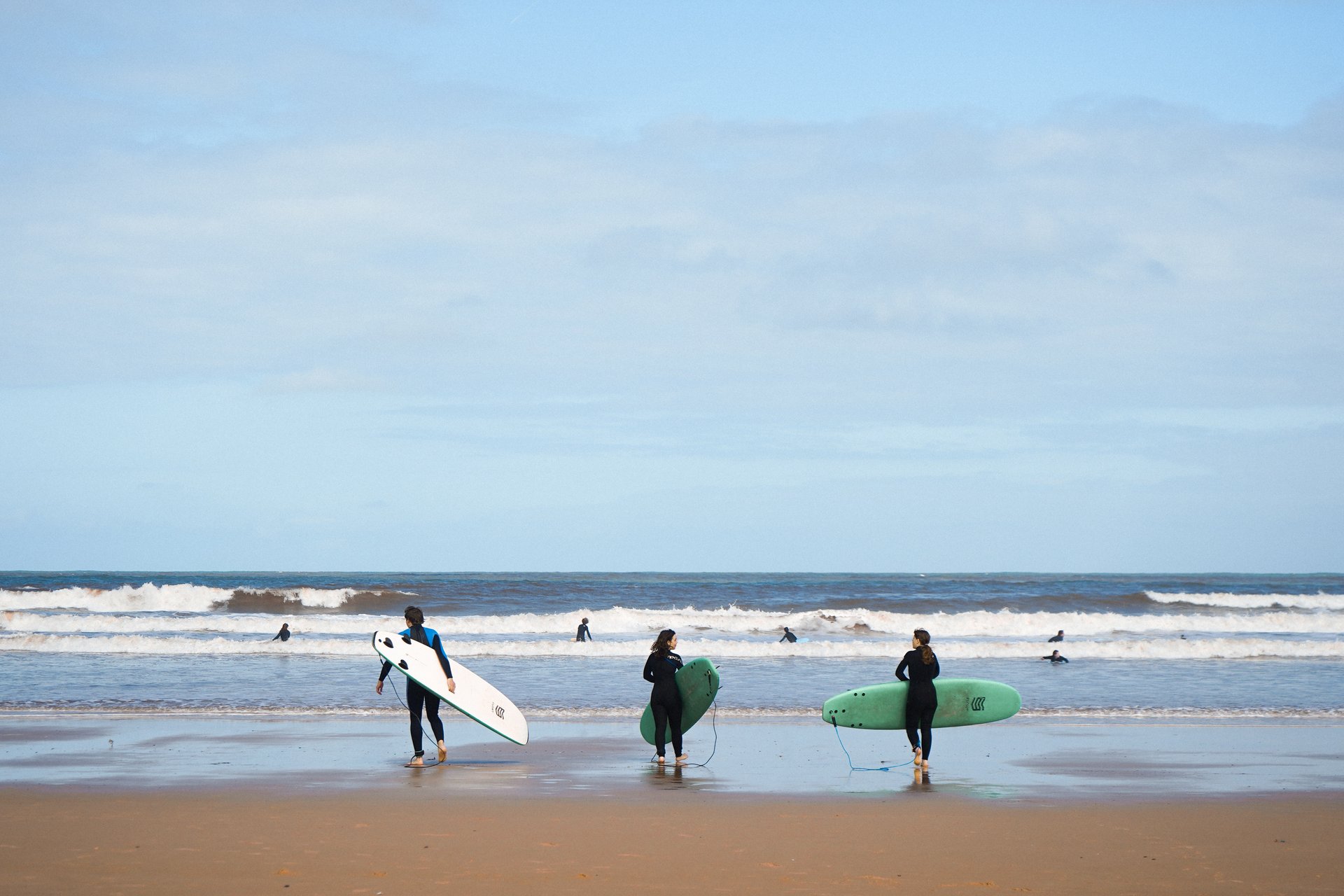

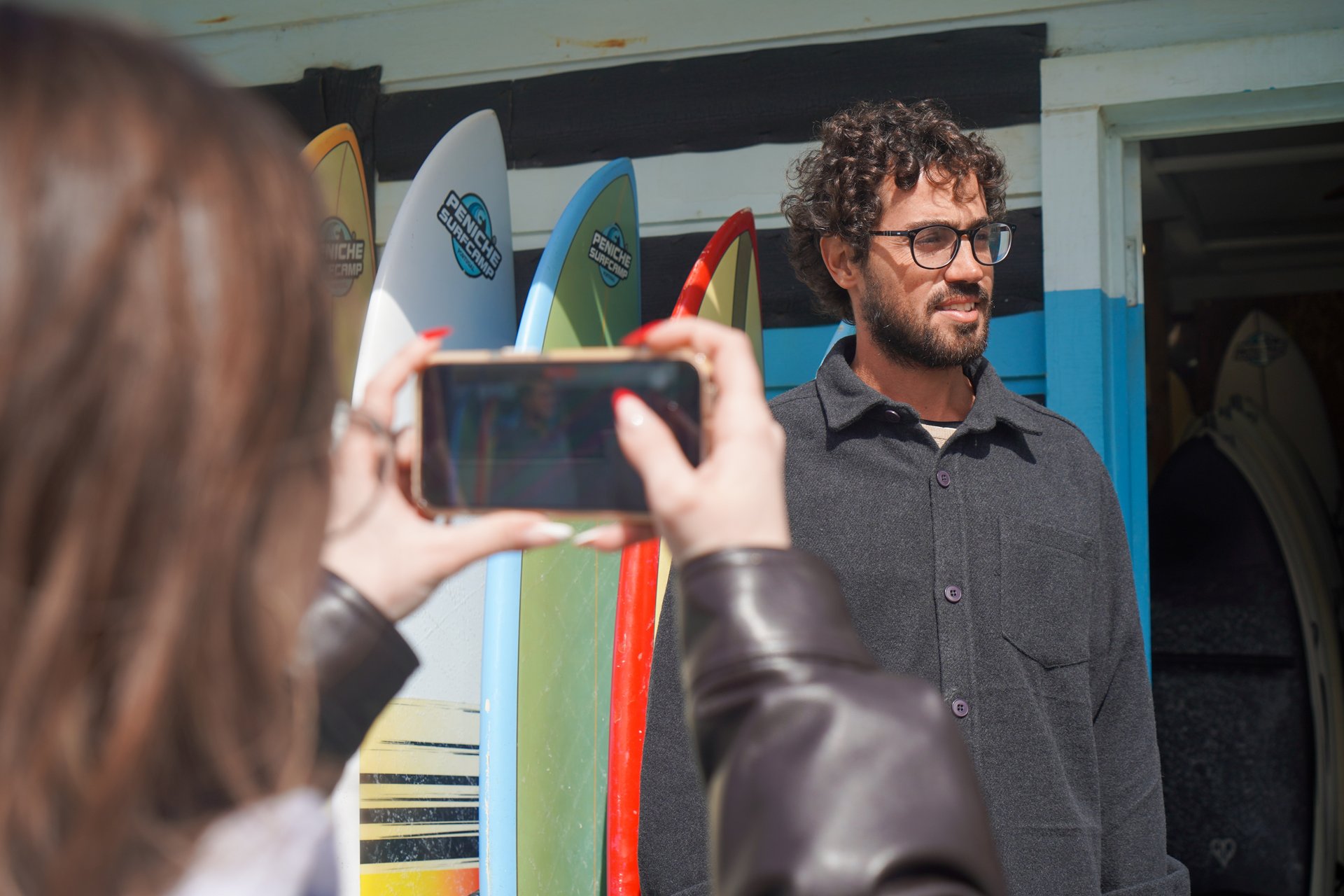
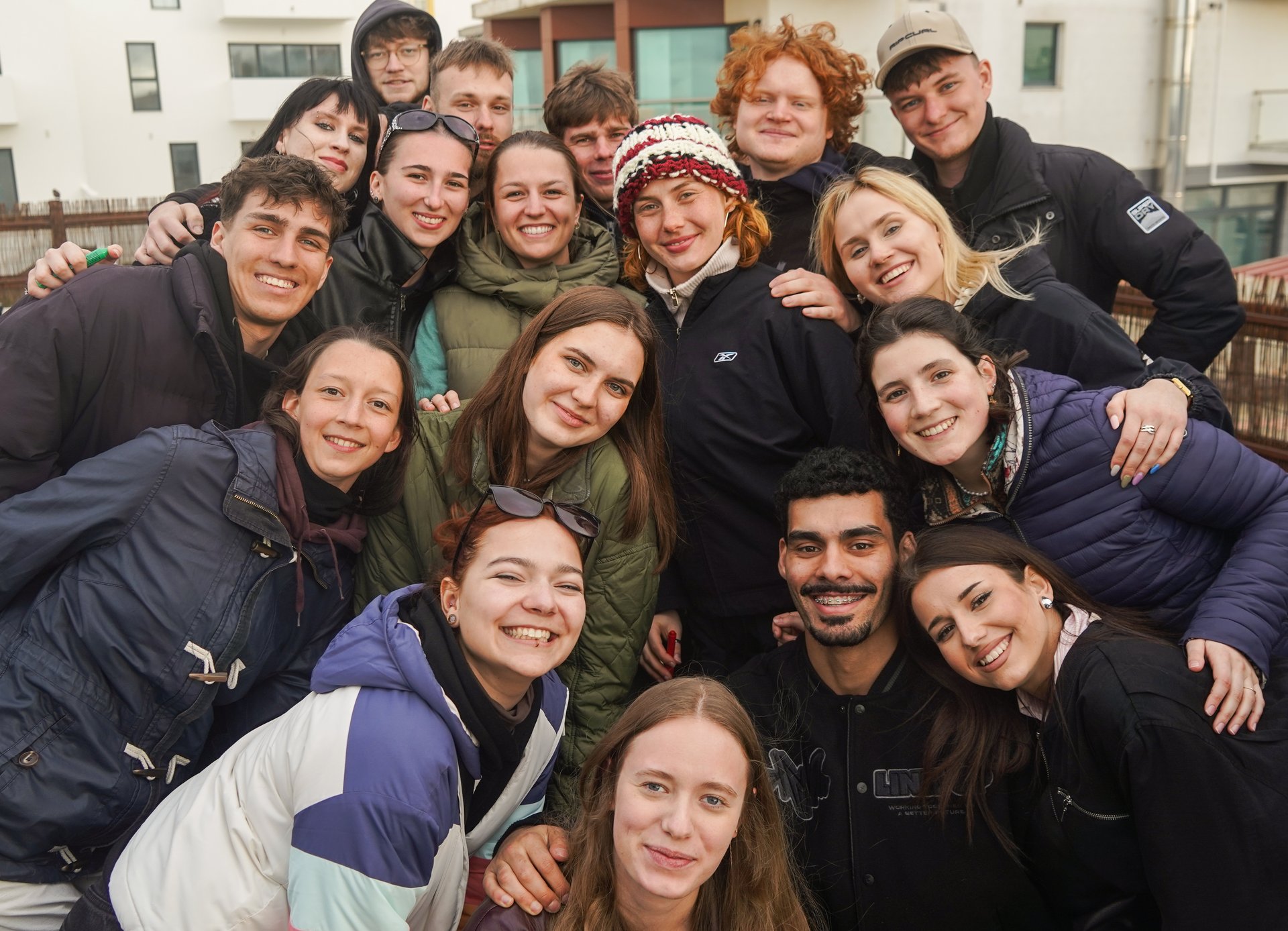
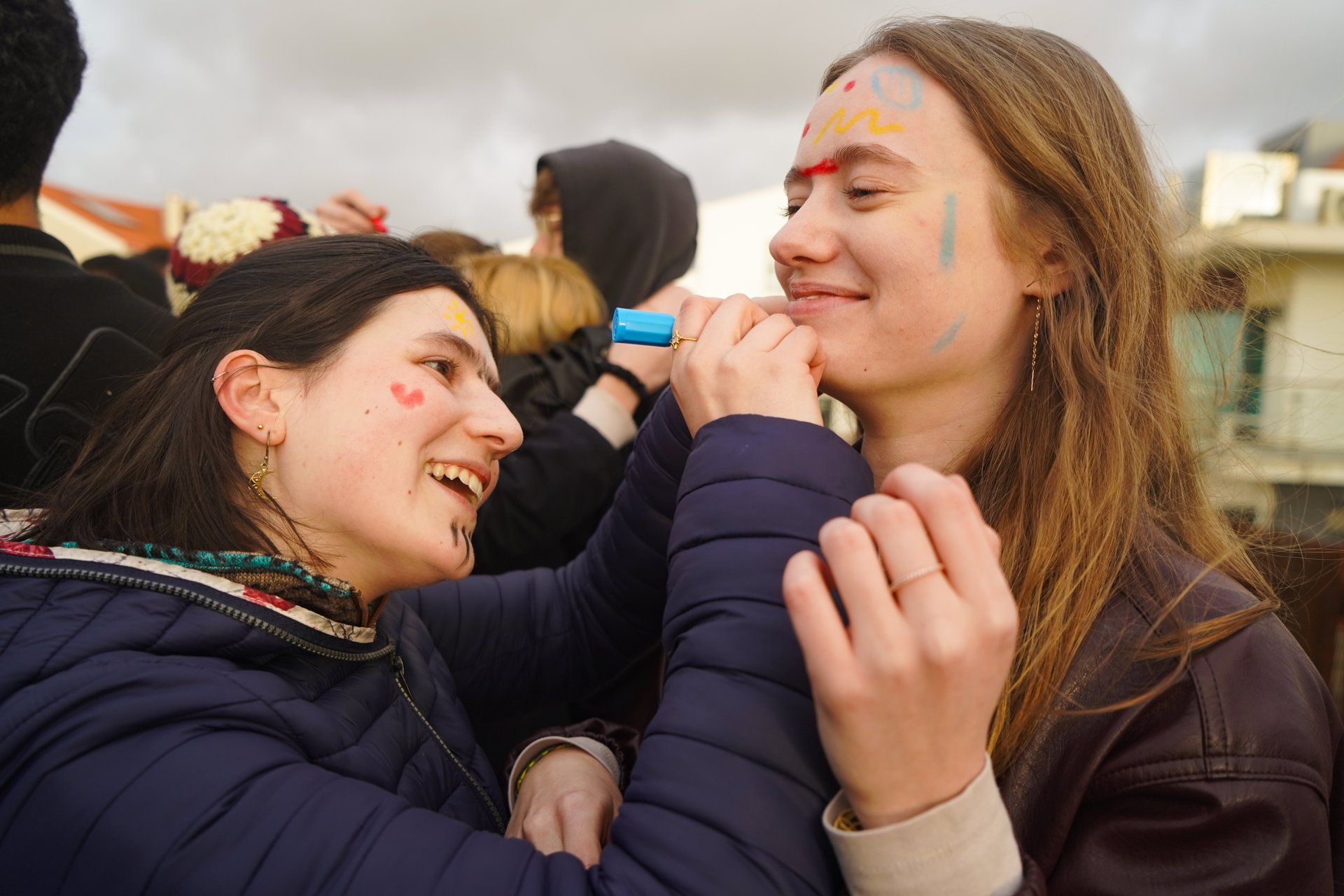
Check these and more photos in the activity’s photo album.