
Inviting a stranger to an event is harder than it looks. You have a few seconds, a poster, and a face that has to read as friendly rather than pushy. For our Czech participants, the proof came on a street in Peniche, where the week’s quieter lesson stopped being theory: getting people to show up is a craft, and most of that craft is communication.
Shock Waves was a youth exchange in Peniche, Portugal, bringing together young people from Czechia, Slovakia, Hungary, Romania, and Portugal. The week asked them to make their communities more inclusive through events of their own. A large part of getting there was learning how to talk about an idea so that other people wanted in.
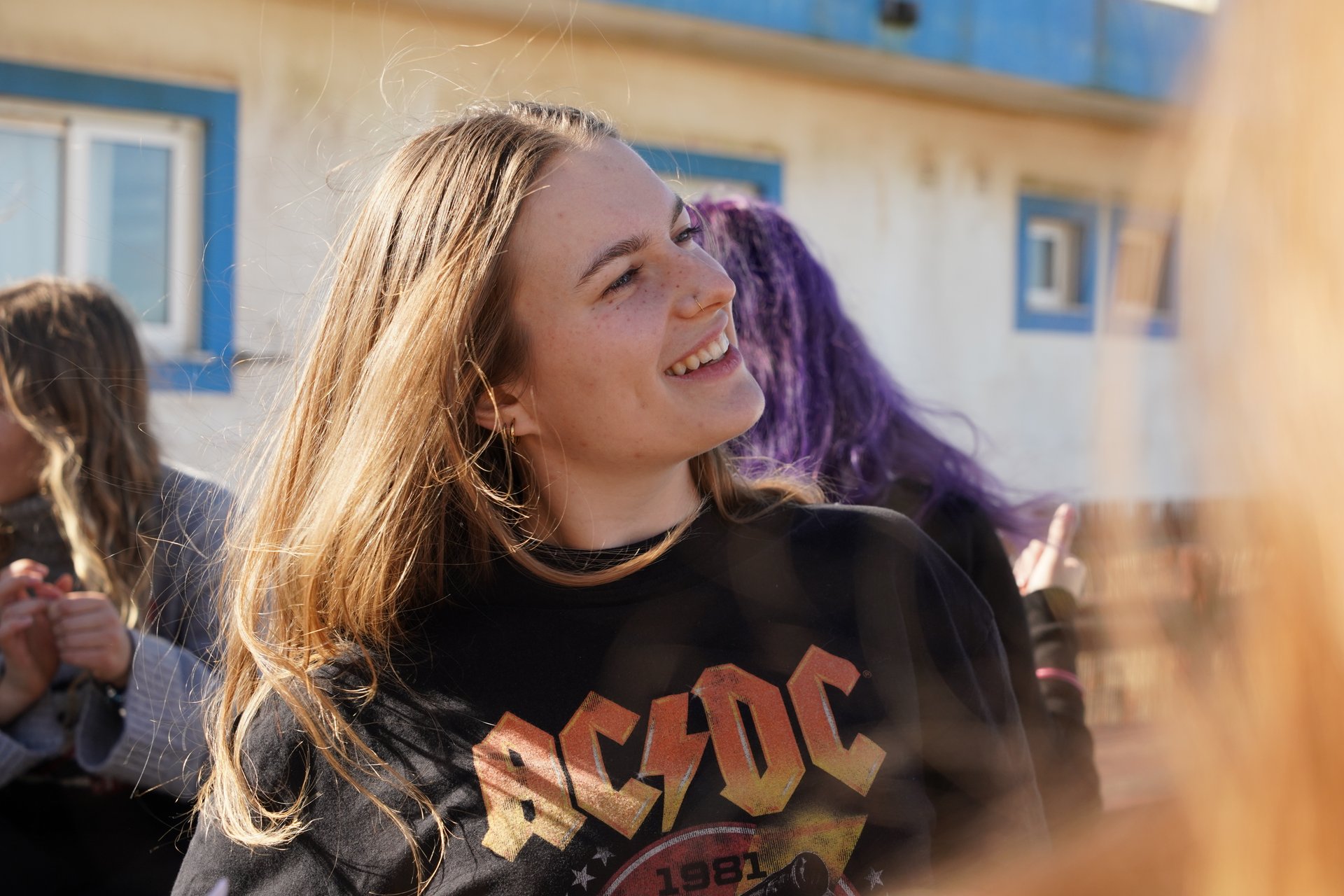
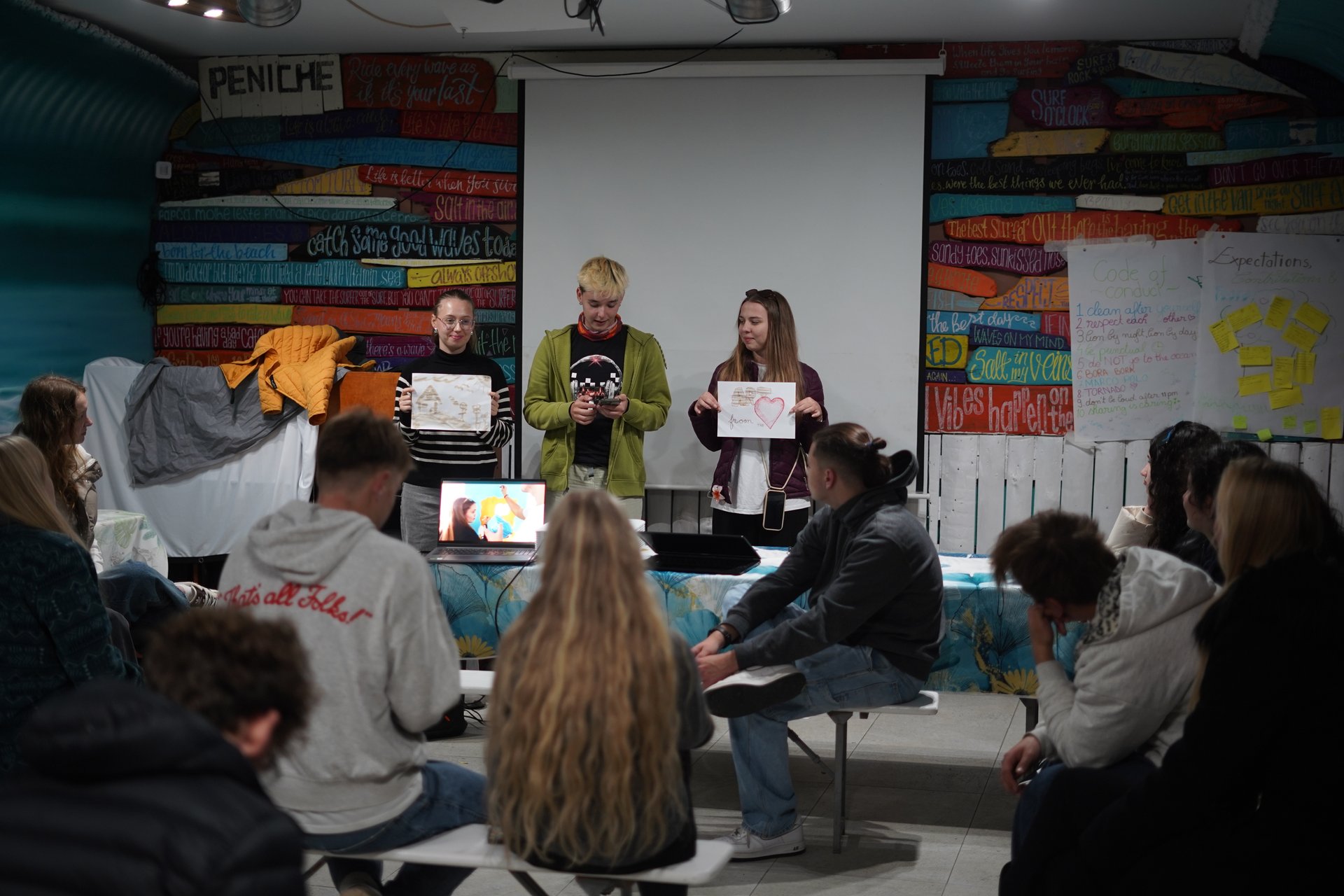
Learning the town with a camera
The group started by pointing the lens outward. As Community Detectives, participants watched short documentaries about life in Ferrel and Peniche, then went into town in small international groups to interview residents and film them. Editing those clips taught a first practical truth about communication: what you leave out shapes the story as much as what you keep.
That fieldwork gave every later idea something to answer to. The events would not be invented in a vacuum; they would respond to what the town actually said it needed.
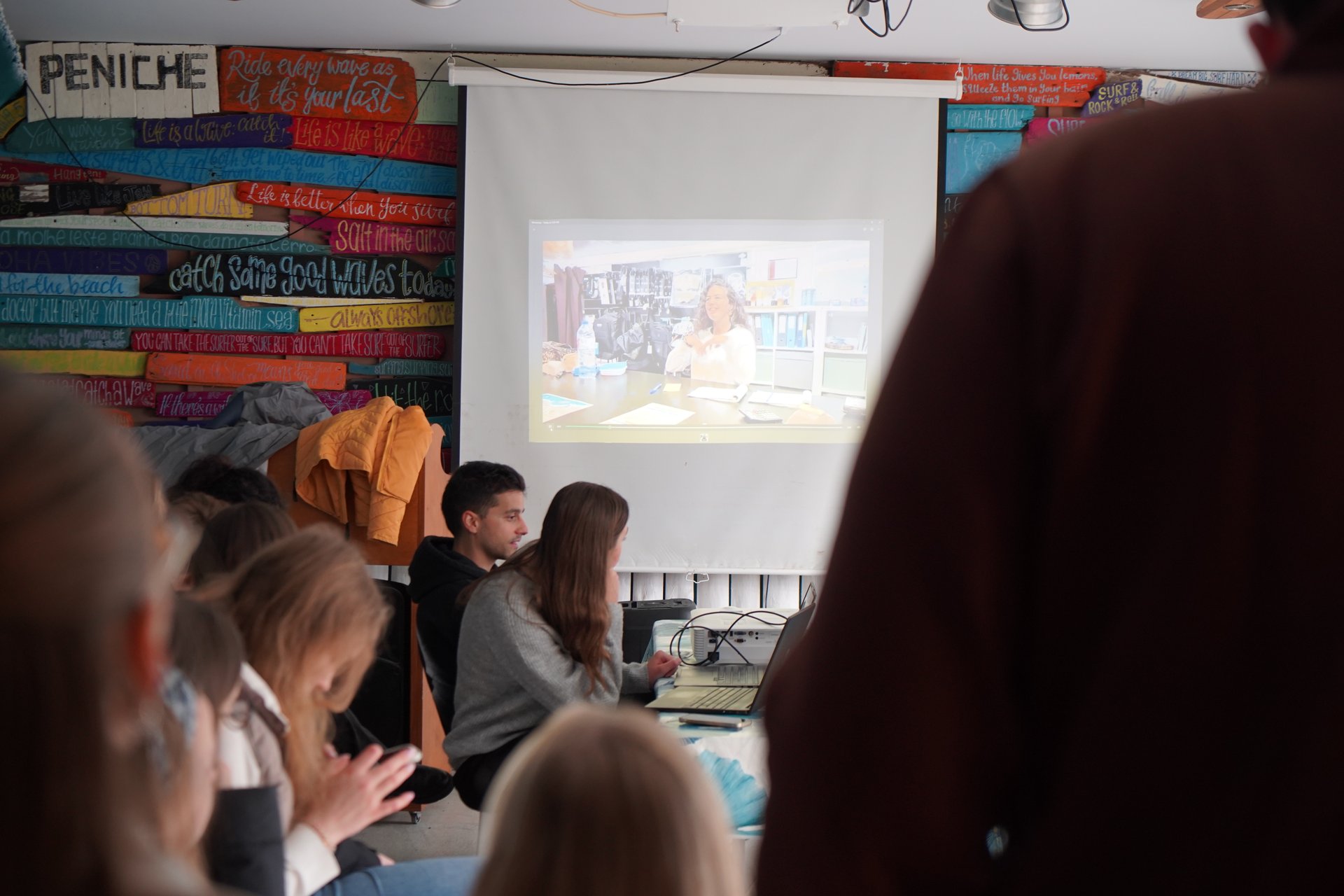
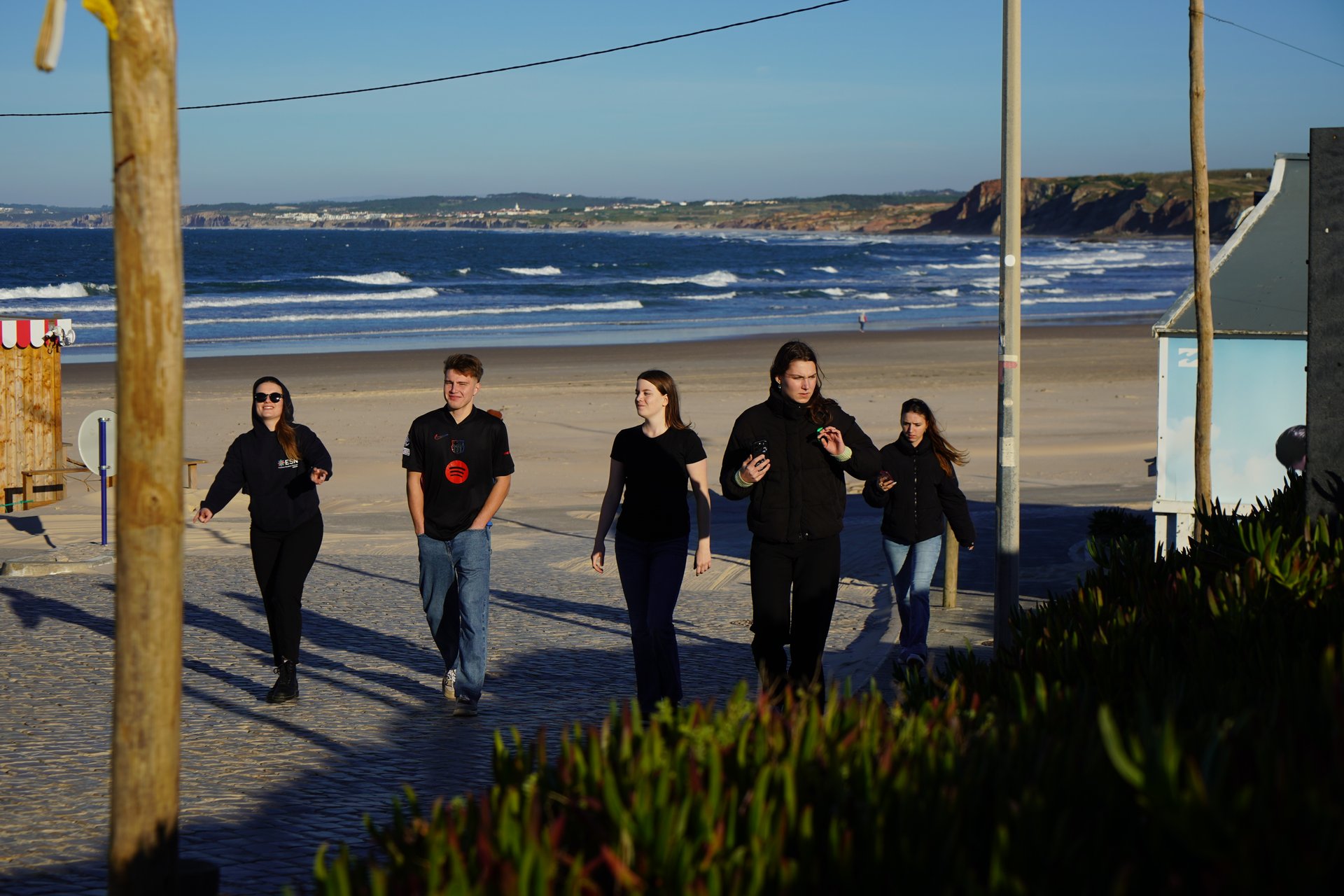
Footage the group filmed during the week, out where Peniche meets the Atlantic.
Posters that had to mean something
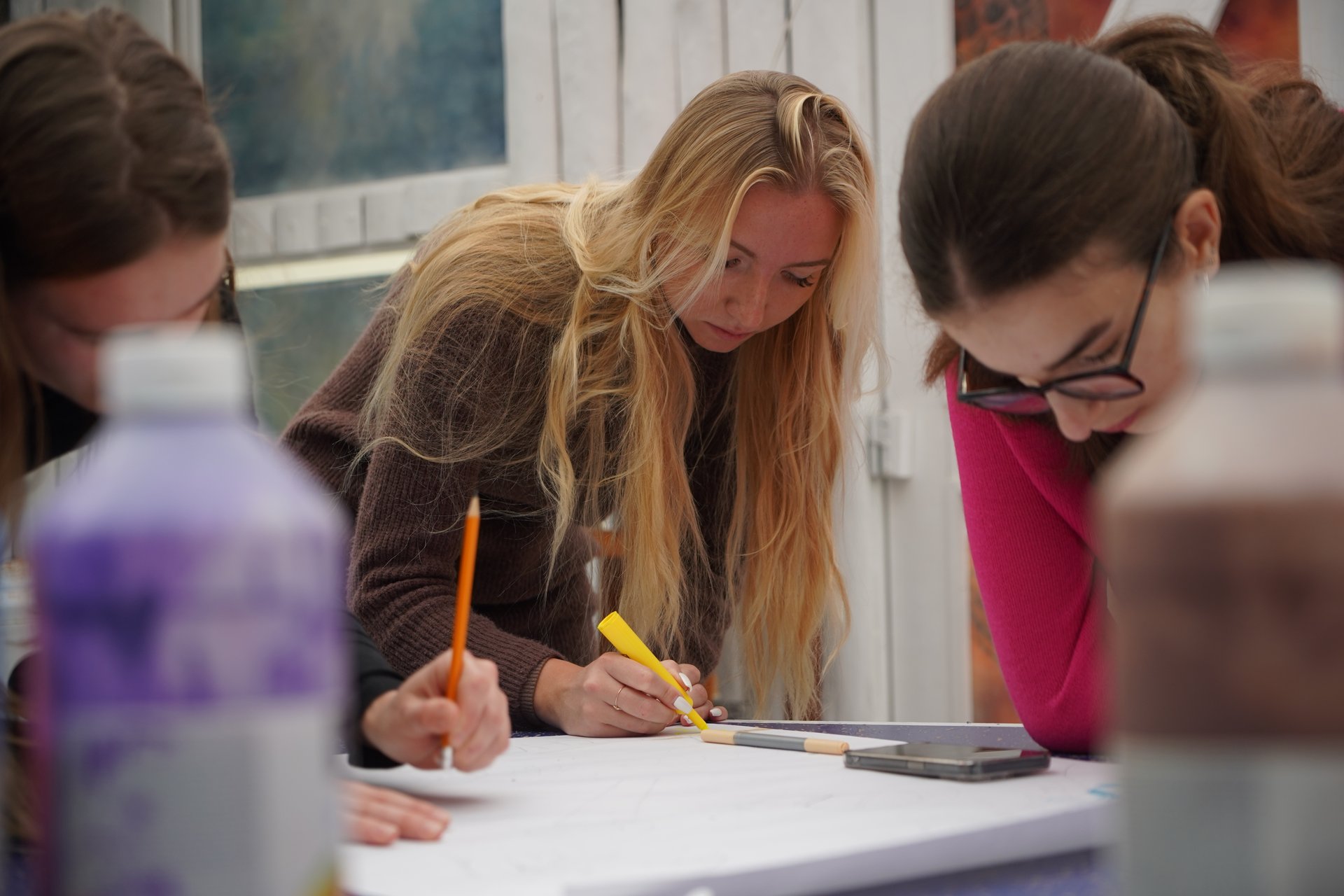
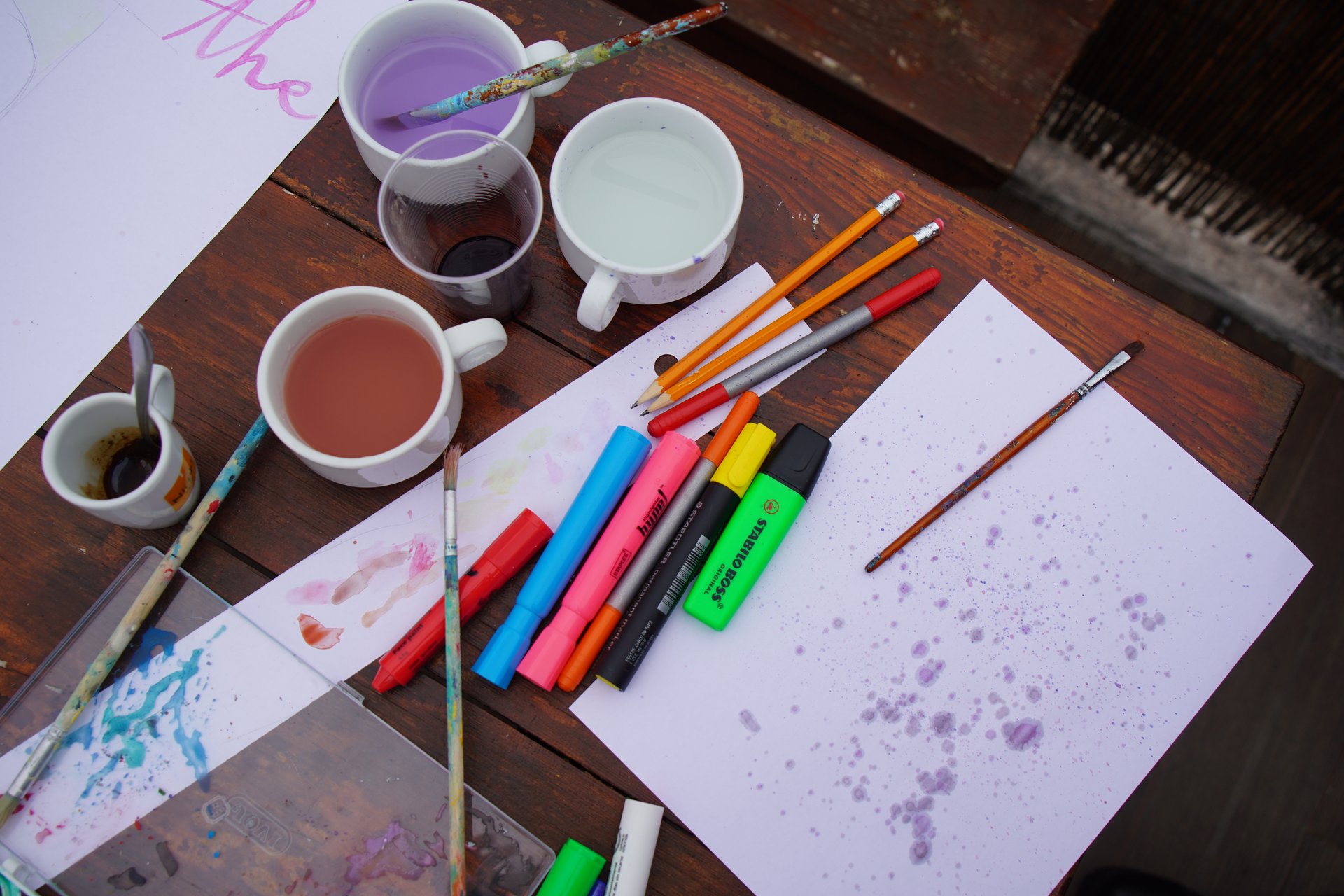
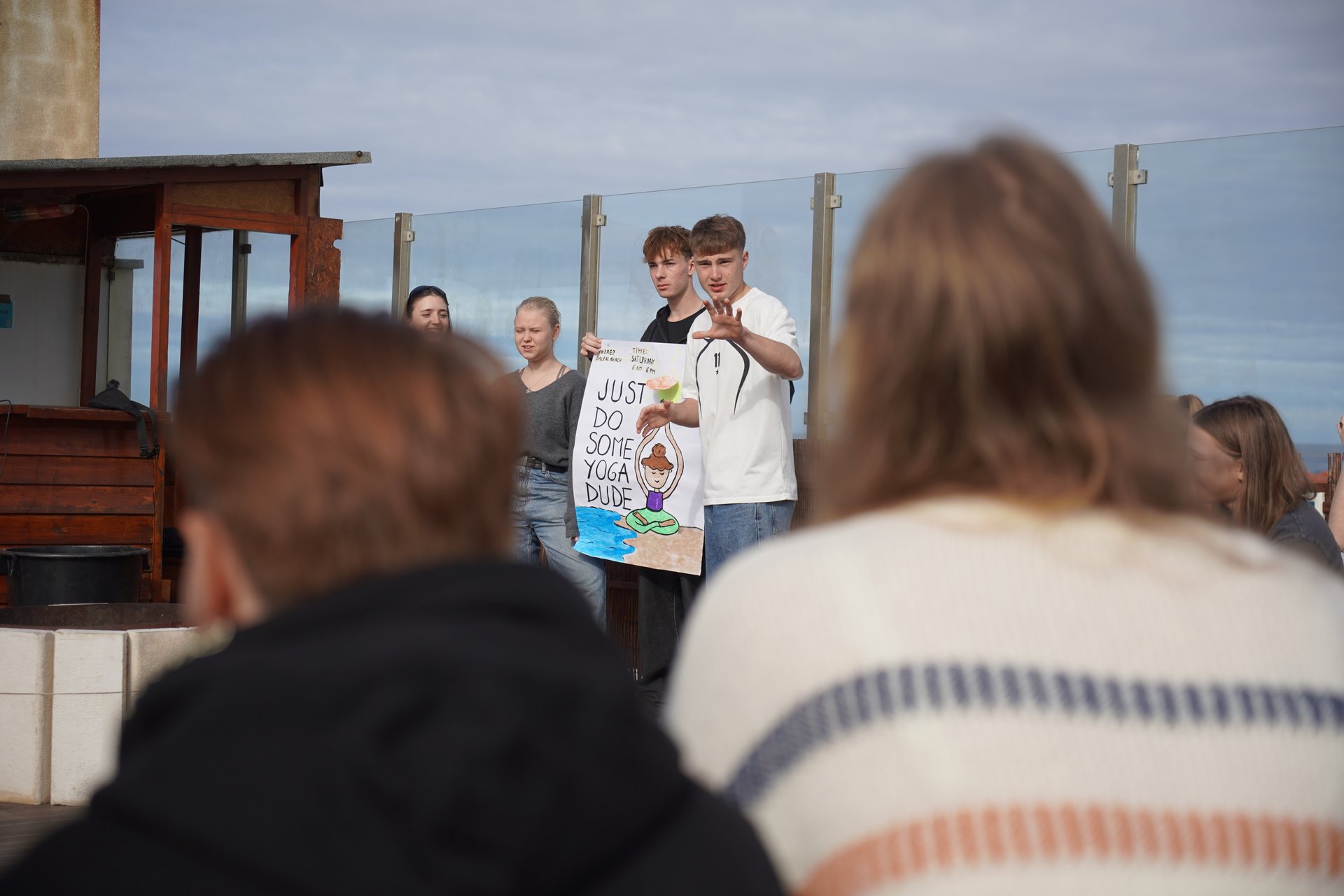
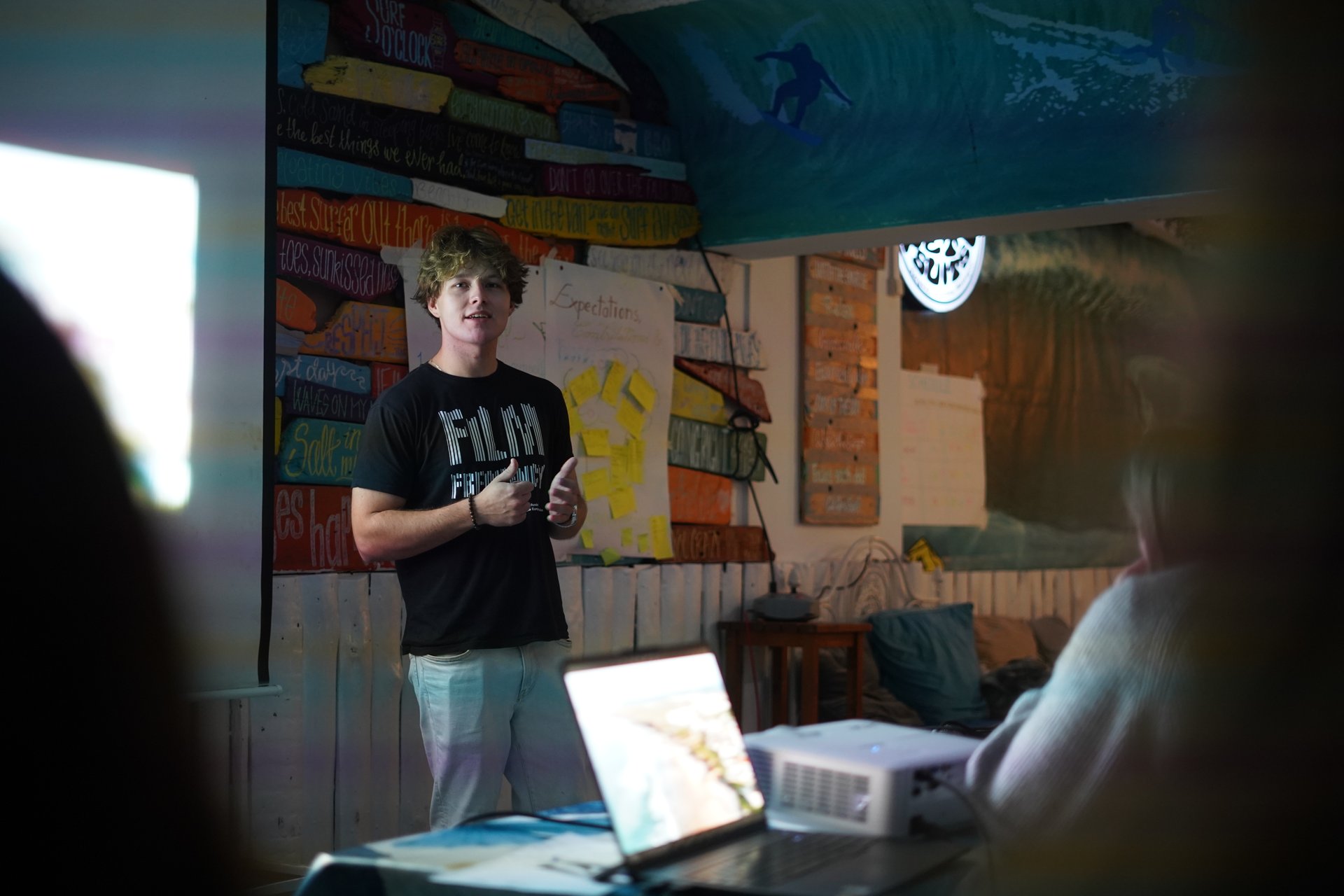
In Designing for Inclusion, teams moved from screens to paper. Using whatever art media they liked, collage, drawing, recycled materials, they built event posters on flipcharts, then defended their design choices to the room: why this colour, why this layout, why a person glancing at it for one second would understand what was on offer and feel welcome to come.
The constraint that made it interesting was accessibility. A poster that only some people can read is a poster that quietly excludes. The teams had to design for the widest possible audience, which is a harder brief than it sounds.
Filming the invitation itself
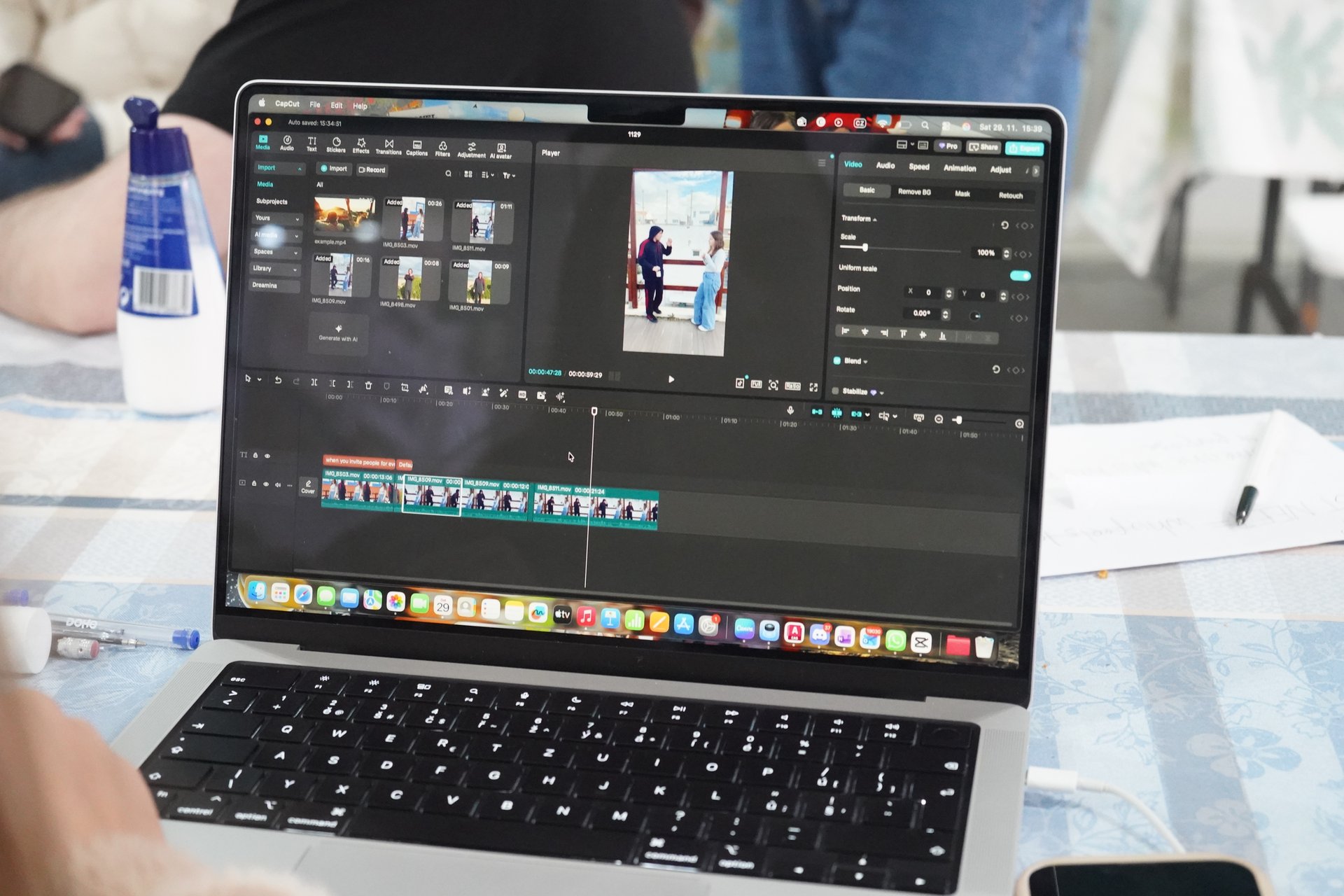
The sharpest session turned the camera on the act of inviting. In Inclusive Frames of Engagement, teams scripted, filmed, and edited short social clips imagining three reactions to a street invitation: an enthusiastic yes, a polite maybe, a flat no. They built captions in so viewers with hearing difficulties were not left out, then screened the results and talked through the real thing: how to pitch an event to a passing stranger, how to take rejection without losing the room, how to stay respectful when the answer is no.
One of the short promotional clips the teams produced during the week.
From plan to street
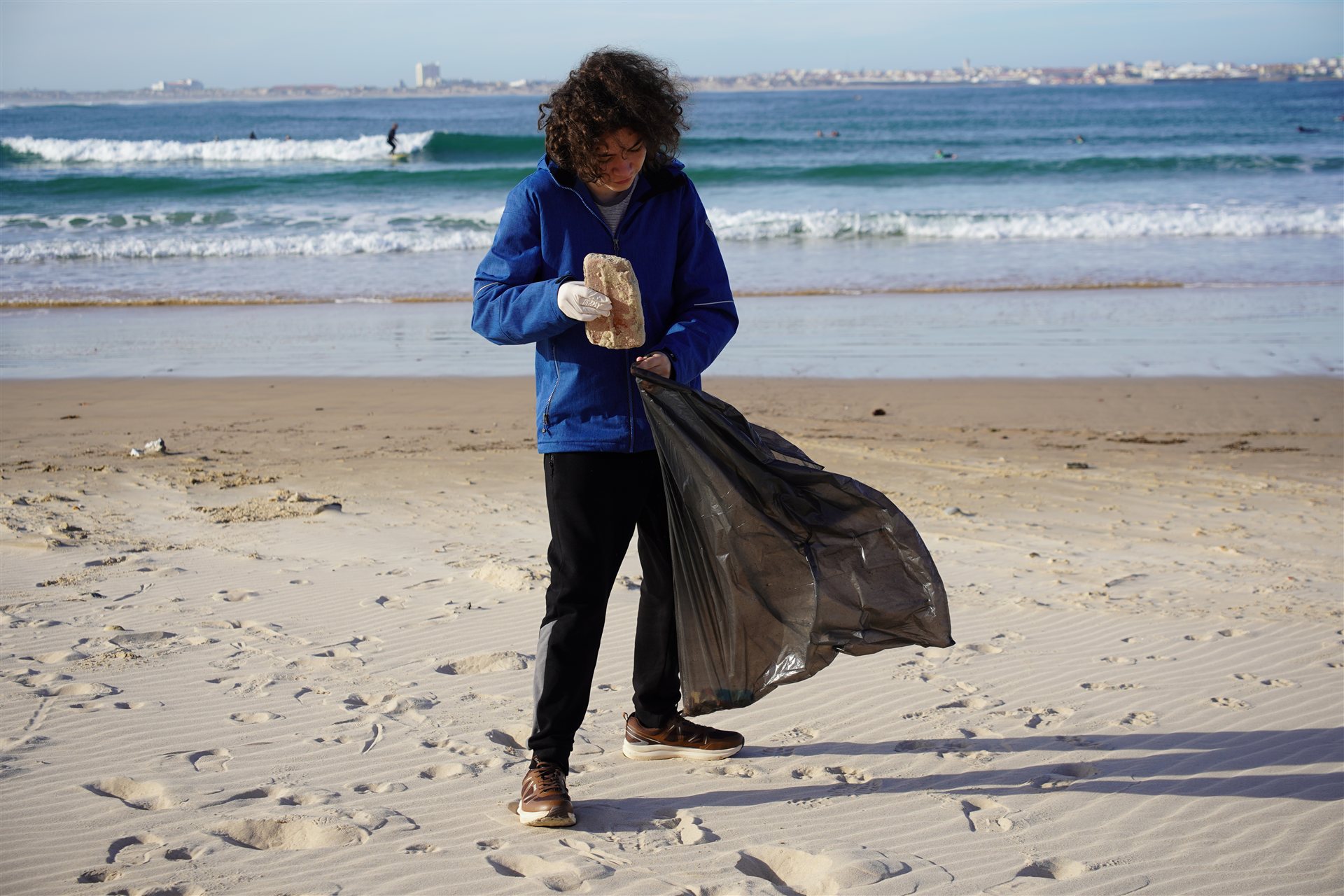
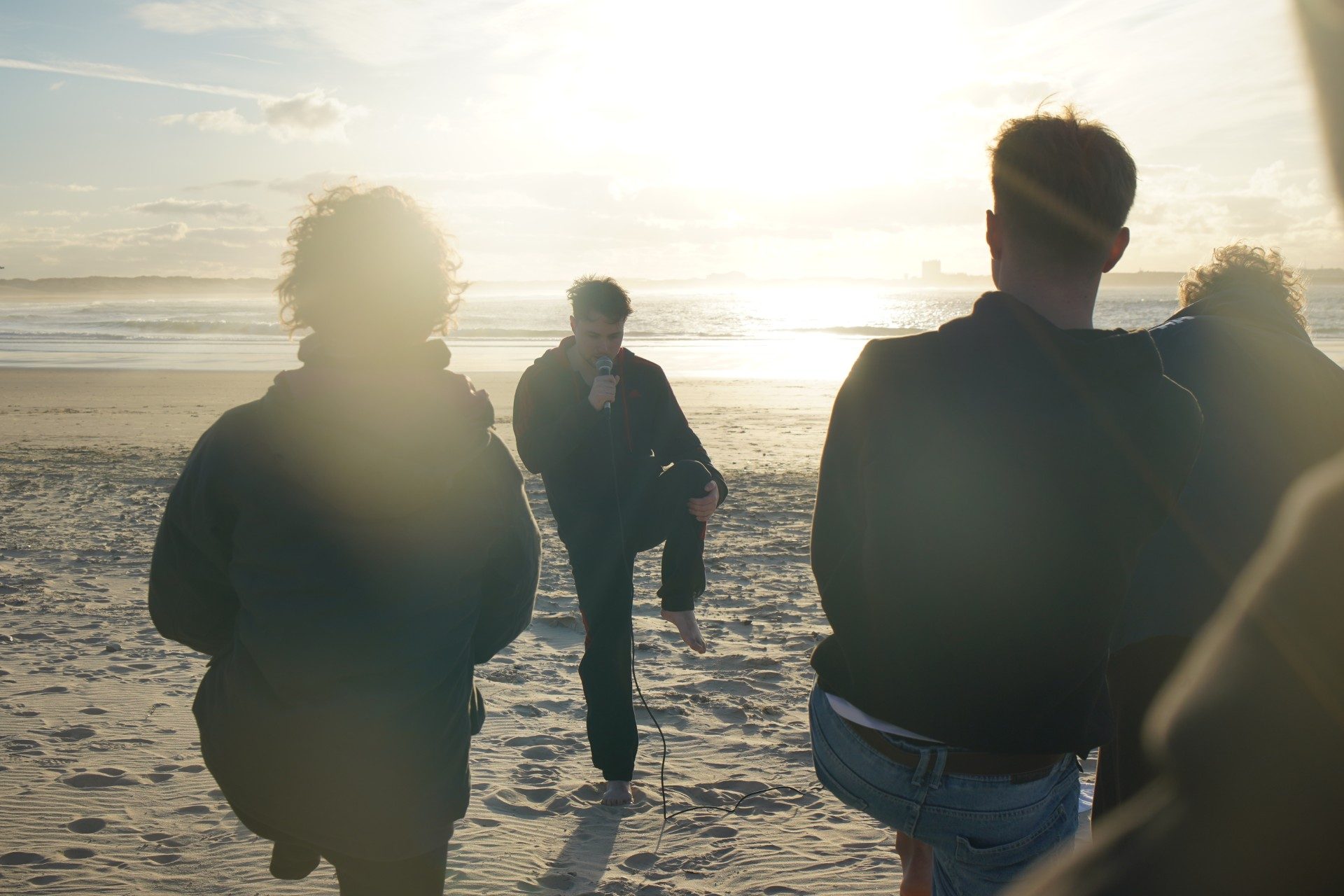
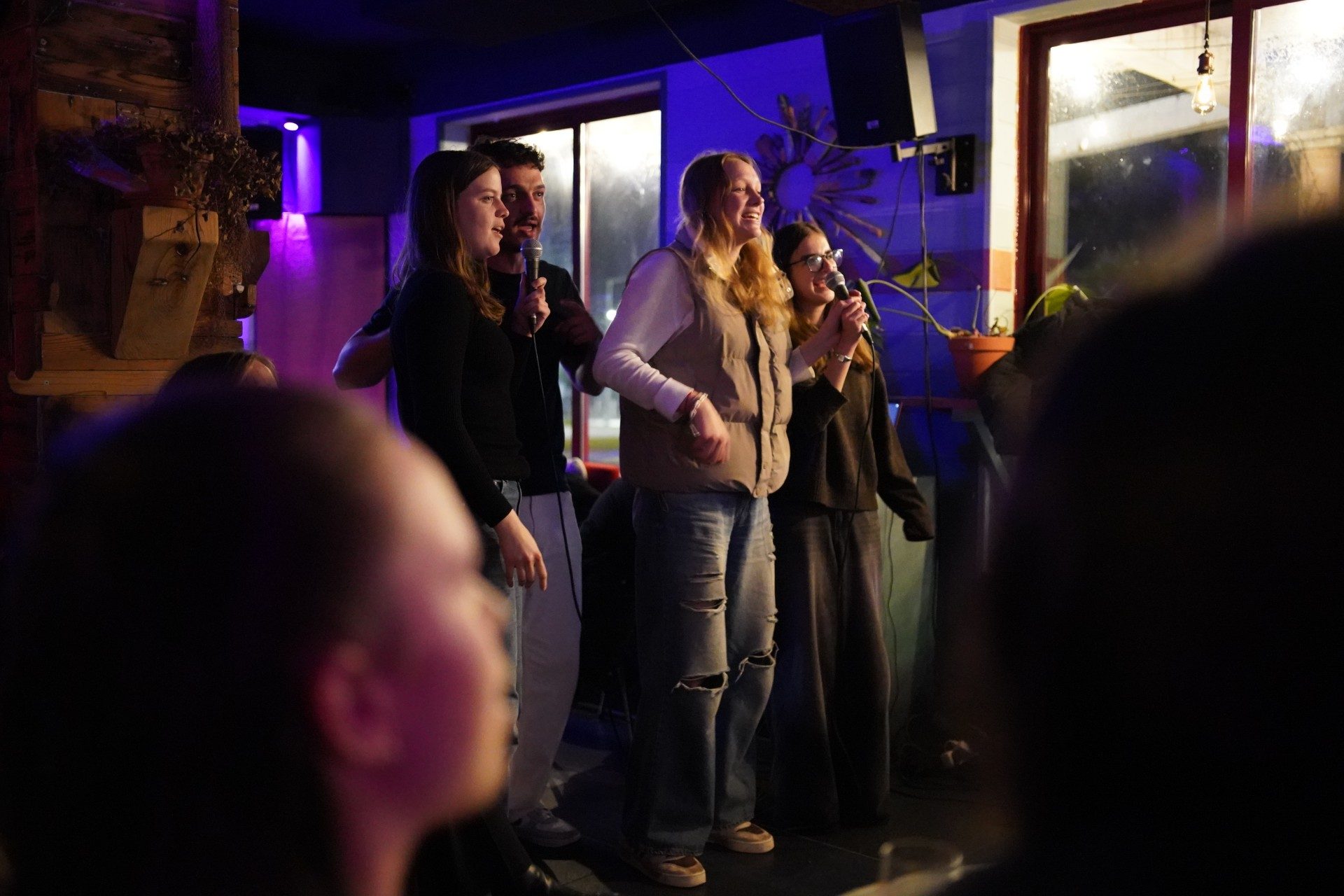
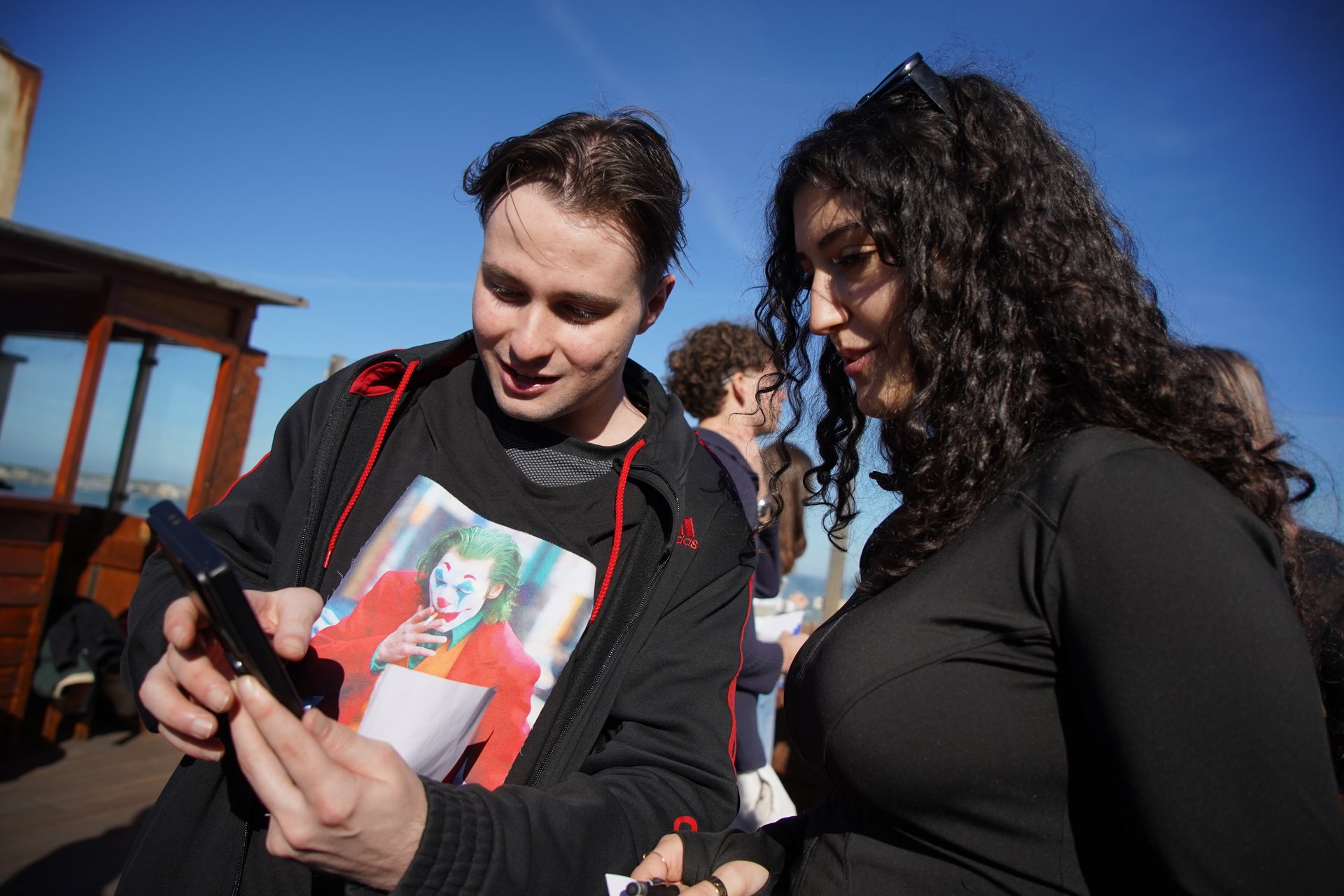
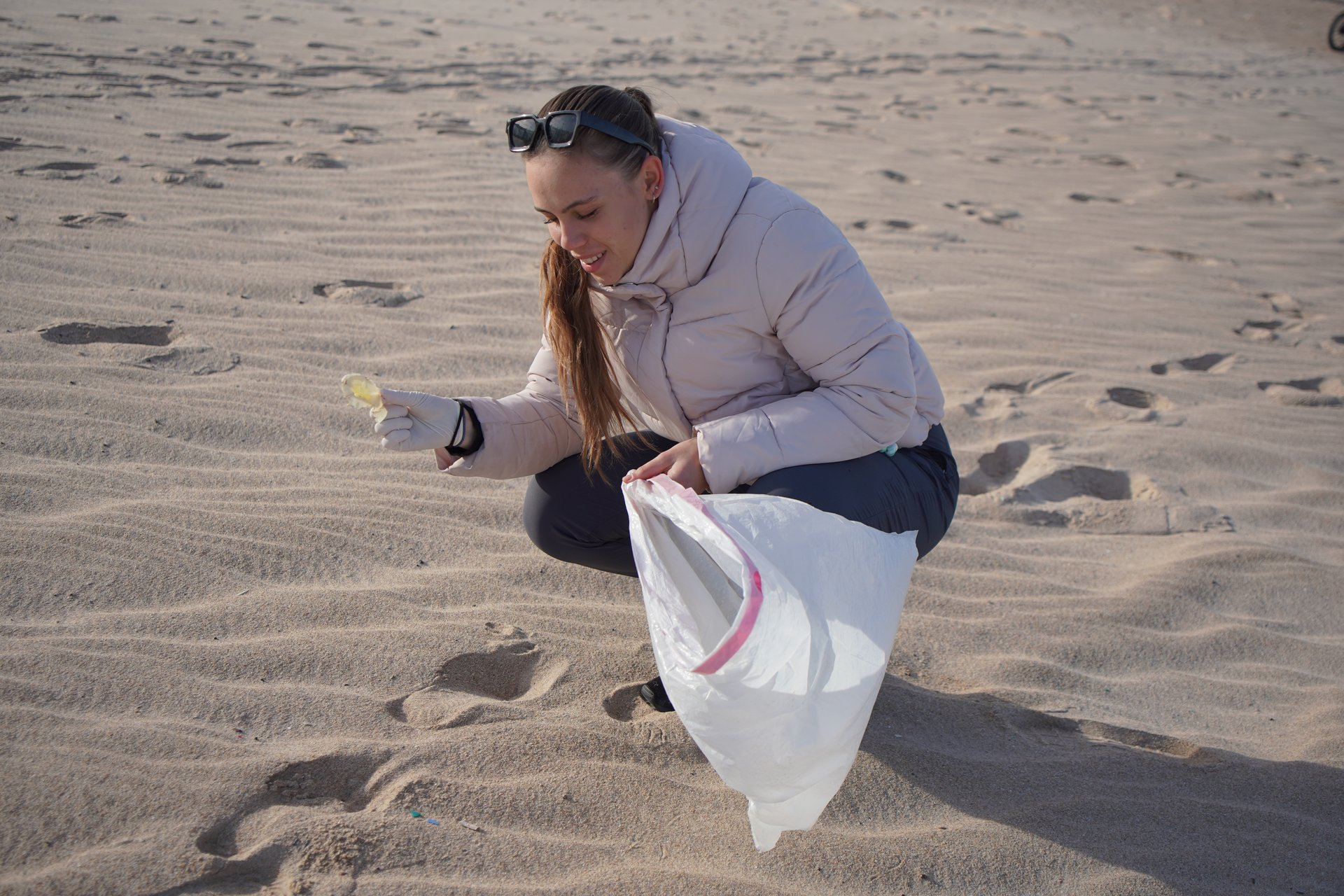
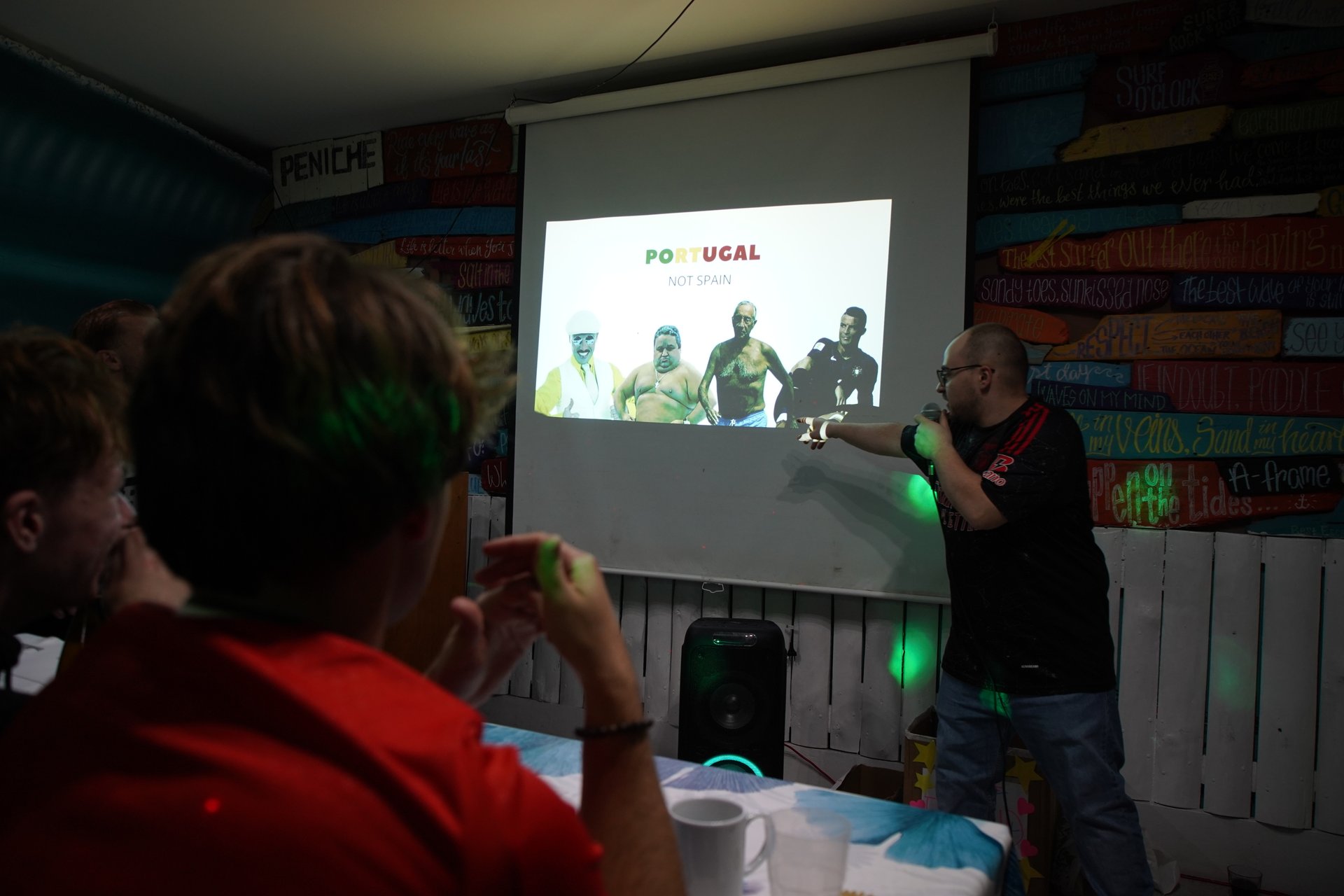
Then the talking became doing. Teams ran a SWOT analysis on each proposed event, sorted the real tasks behind it, and went out with posters and QR codes to invite Peniche residents in person. The three events that resulted, a beach clean-up, a seaside yoga session, and a karaoke night, each drew locals who had been reached, in part, by a young person who had practised exactly this.
A Czech night in Peniche
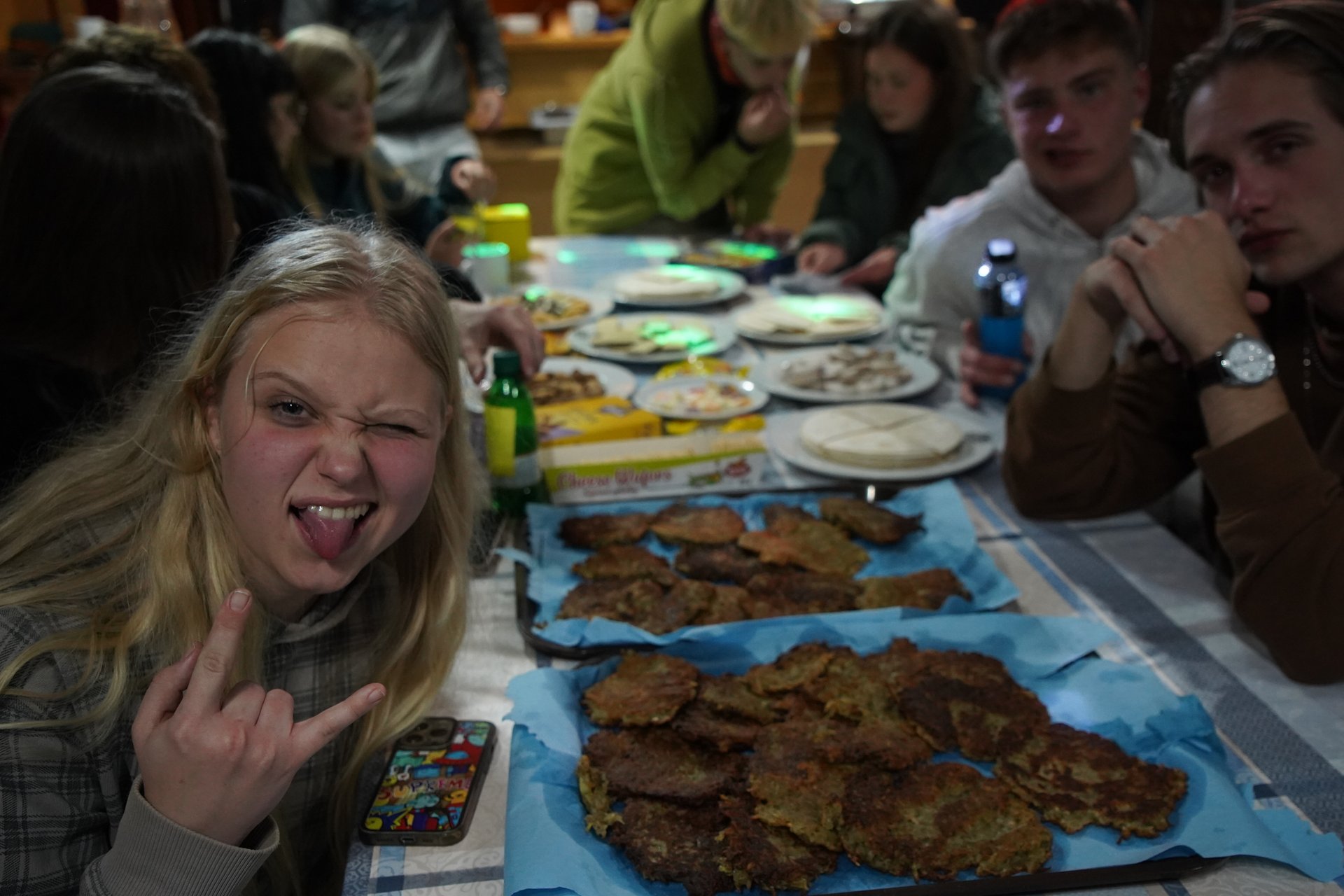
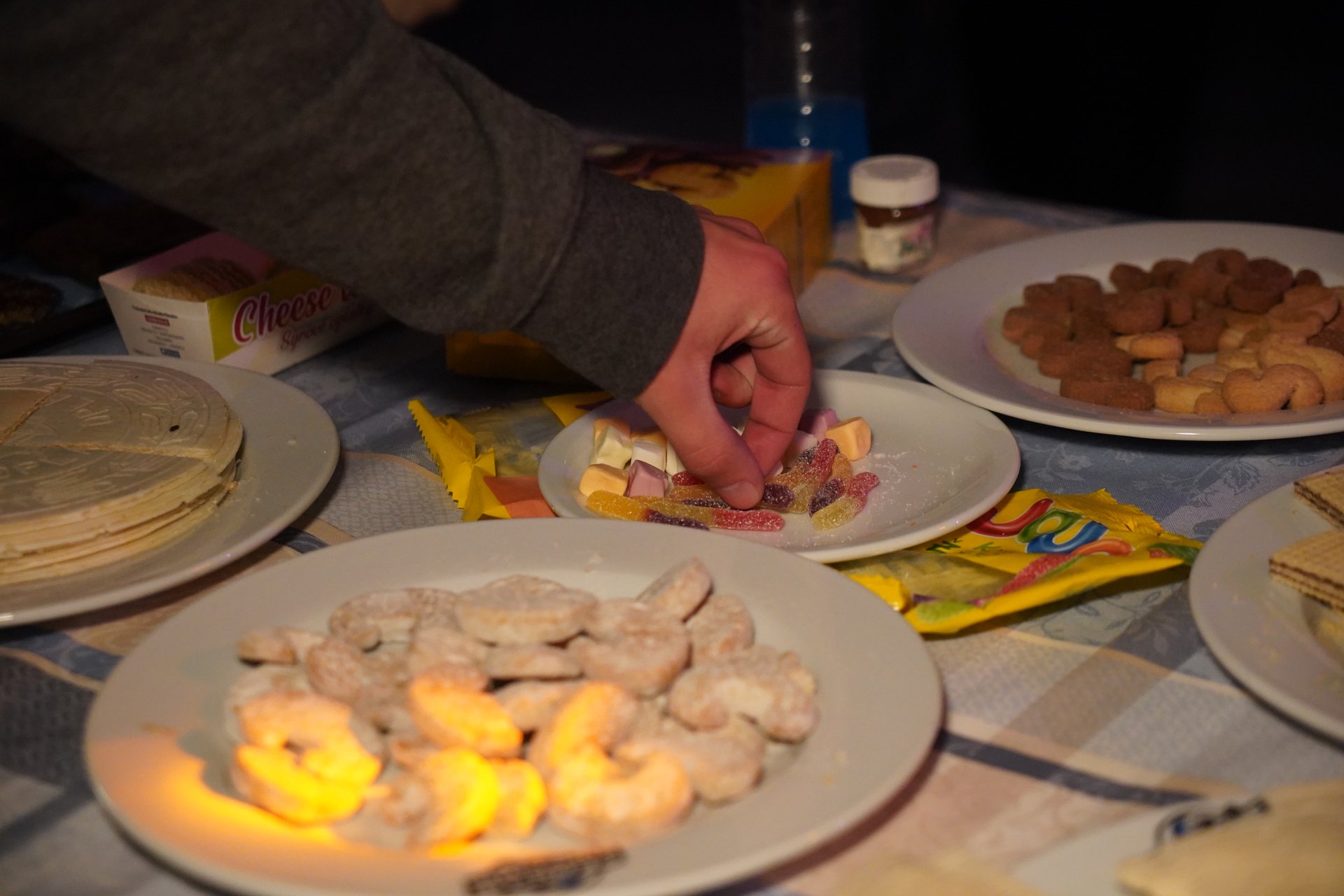
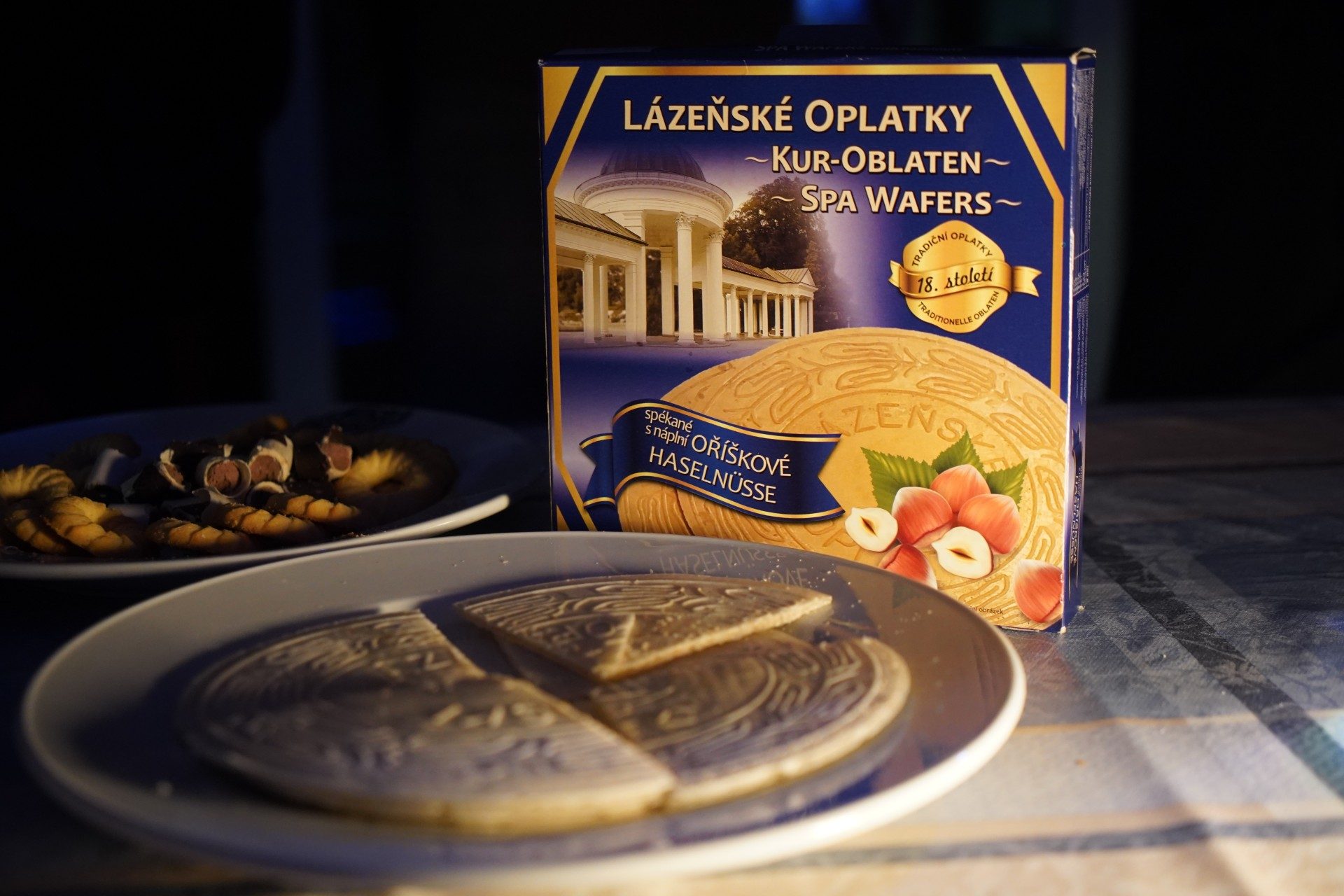
When the Czech group took their turn at the cultural evenings, they laid out a table that needed no translation. Lázeňské Oplatky, the thin round spa wafers from the Czech spa towns, sat next to plates of open sandwiches and small home-style snacks, and the group walked everyone else through what each thing was and where it came from. Between the food and a fair amount of laughter, it was a low-key way to hand four other countries a piece of Czechia, and it did as much for the group’s confidence as any session on the schedule.
What the group can do now
Shock Waves ran as part of CJE’s Accreditation. Our Czech participants came home from Peniche able to do something specific and portable: take an idea, design it so people understand it, film it so people feel it, and pitch it so people turn up, all while keeping the people most likely to be left out firmly in frame.
Those are the exact skills that turn a good intention into an event with a room full of people in it. They travel well, and they have already started showing up in how the group talks about what they made.
Photo Gallery
A few more moments from this activity :)
Check these and more photos in the activity’s photo album.