
Typing a question into an AI tool is easy. Understanding why it answers the way it does is the part most people skip. For our participants, that gap was the point of the trip: days in Bartninkai, a village in southern Lithuania, spent with young people from six countries pulling artificial intelligence apart to see what was actually inside.
The activity is co-funded by the European Union through Erasmus+.
Arriving in Lithuania
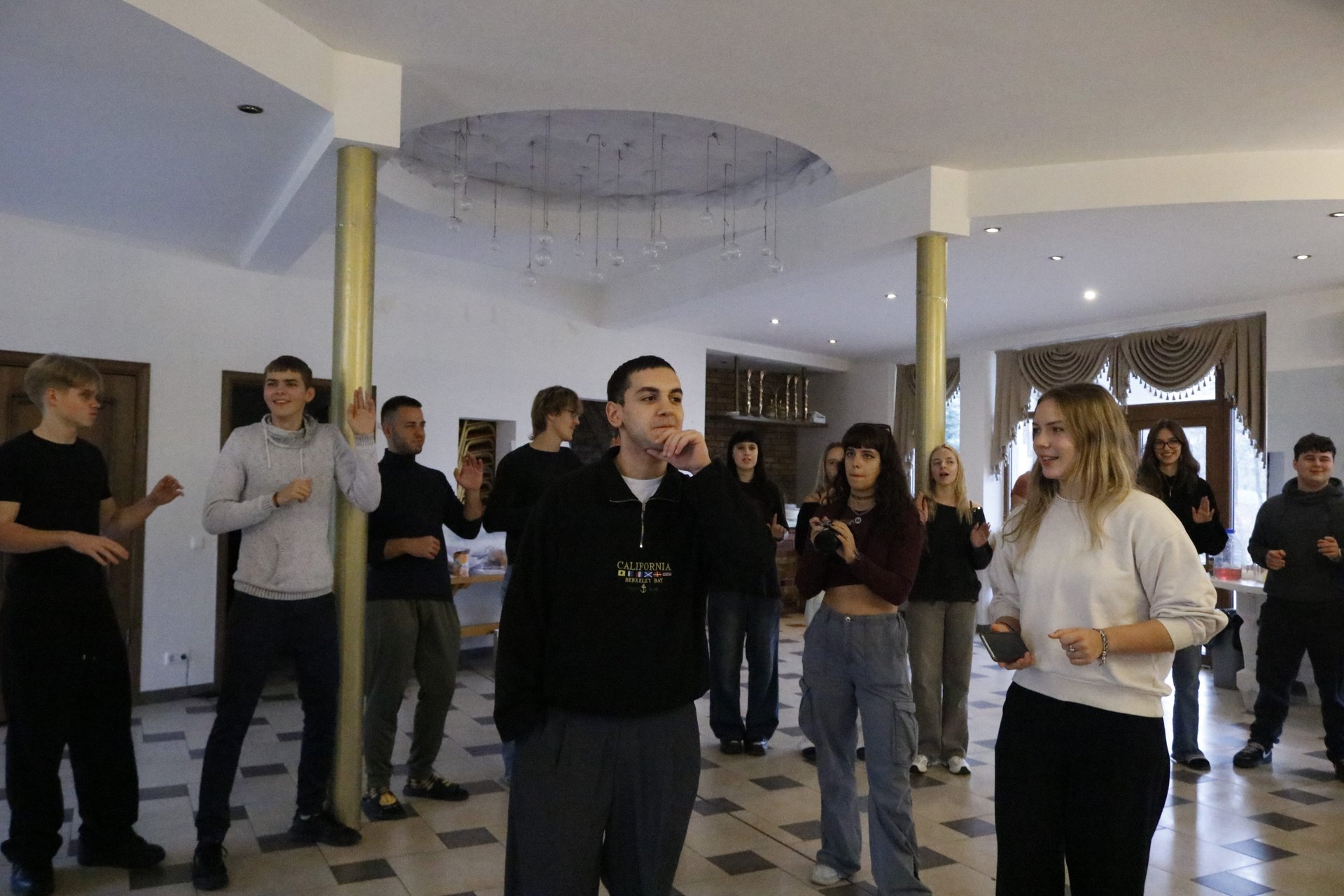
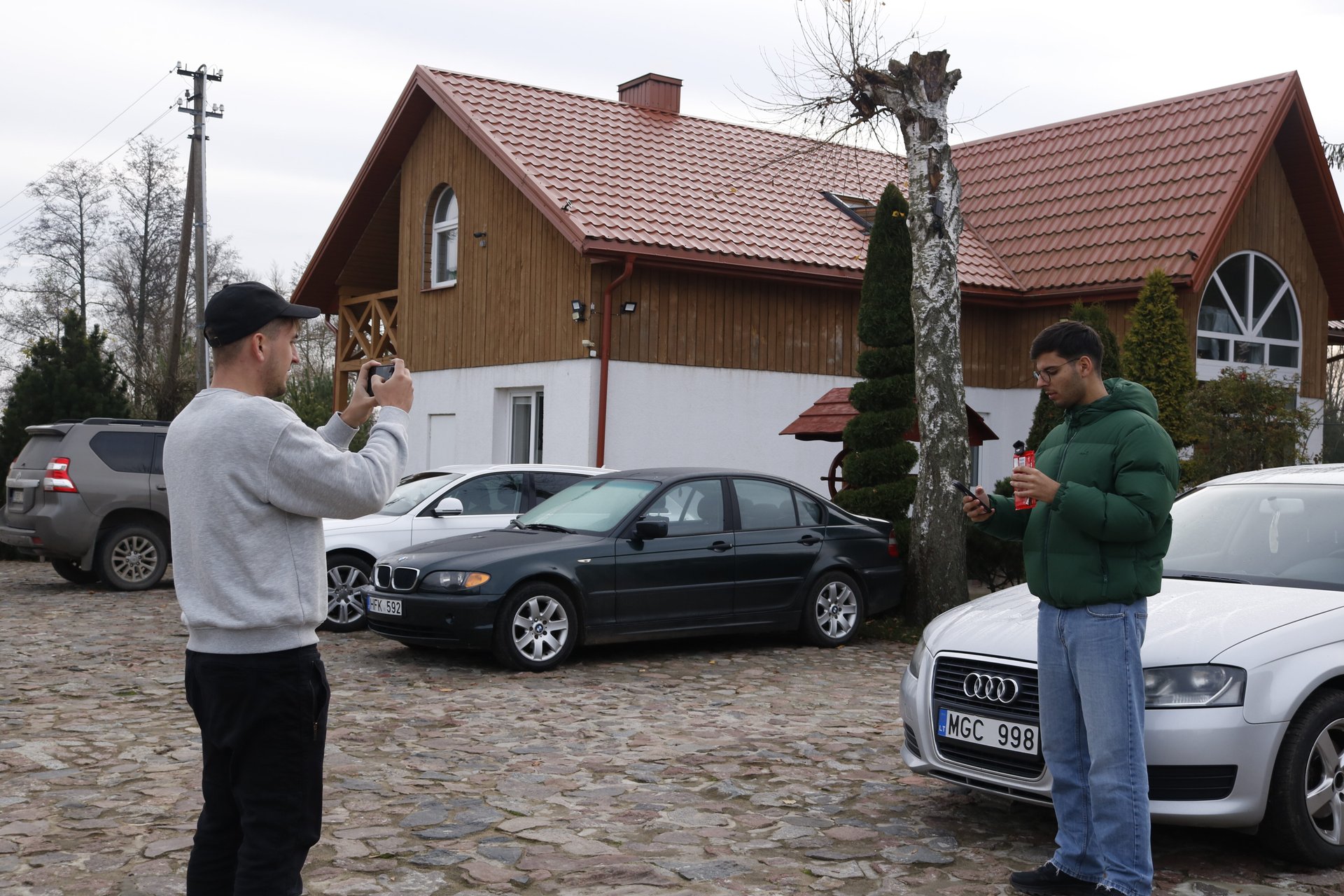
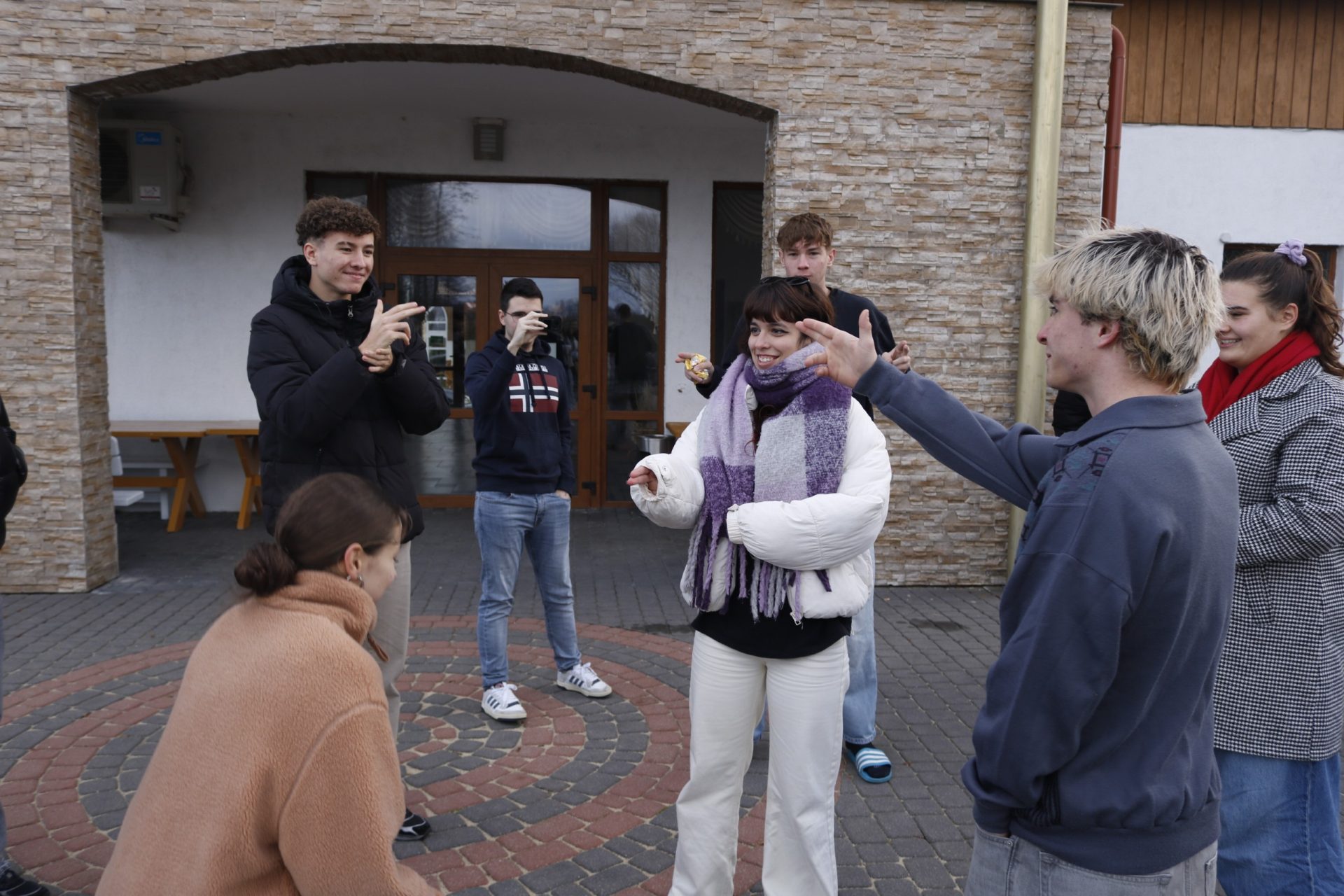
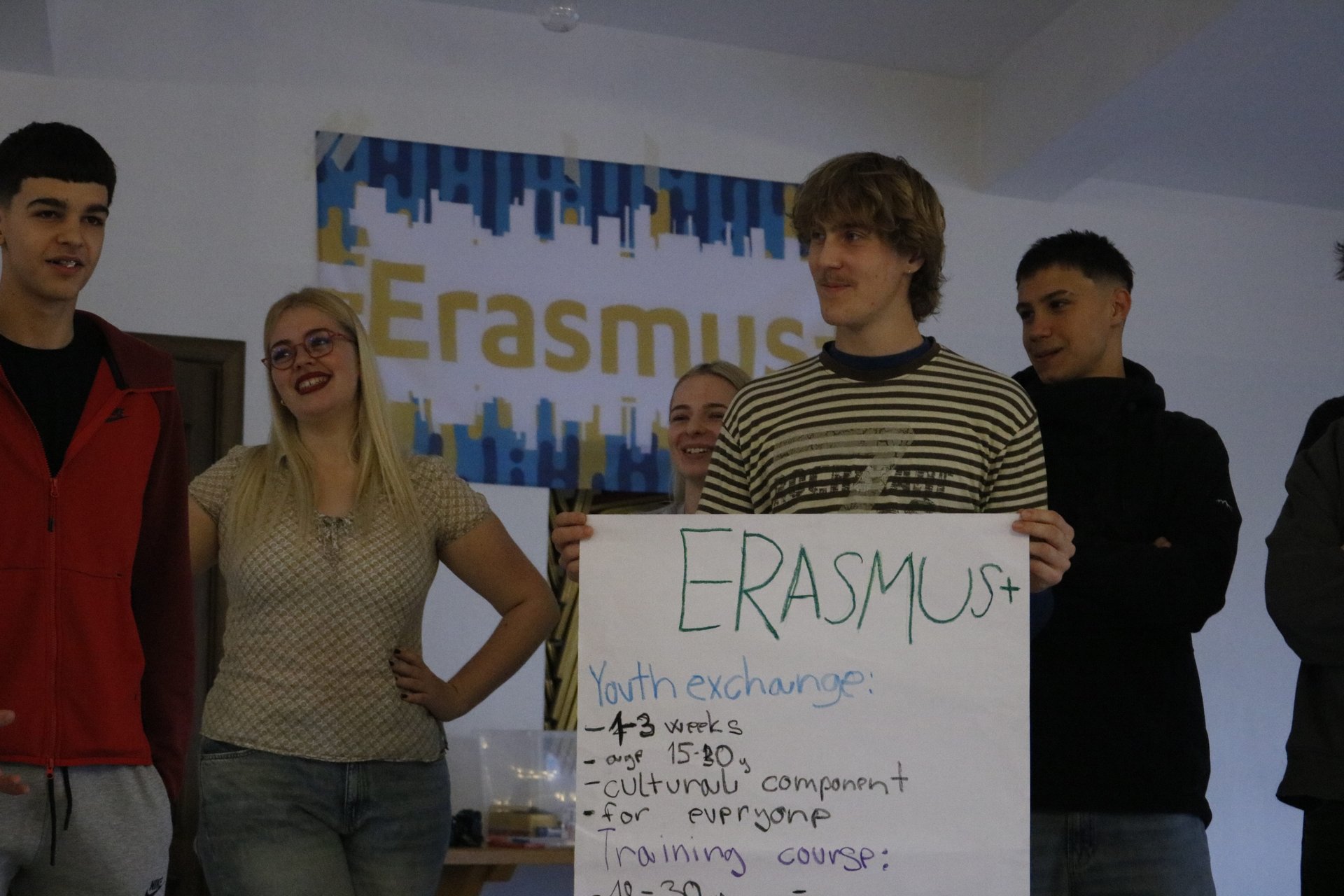
Our team, travelling up from Czechia, arrived to a group that did not yet know each other, and the first day went to fixing that. Name games and rounds of speed conversation did the obvious work, while a session called Me and the EU set out what Erasmus+ offers before the week leaned on it. A Social Contract written by the participants themselves, rather than handed to them, fixed how the group would work for the days ahead.
The opening also pinned down expectations. In Setting the Stage, everyone put their hopes and worries for the week on the wall, and a session on the eight key competences for lifelong learning turned a dry framework into a built thing, an “AI Competence Village” the teams assembled together. With that groundwork done, the real subject could start.
Inside the AI Brain
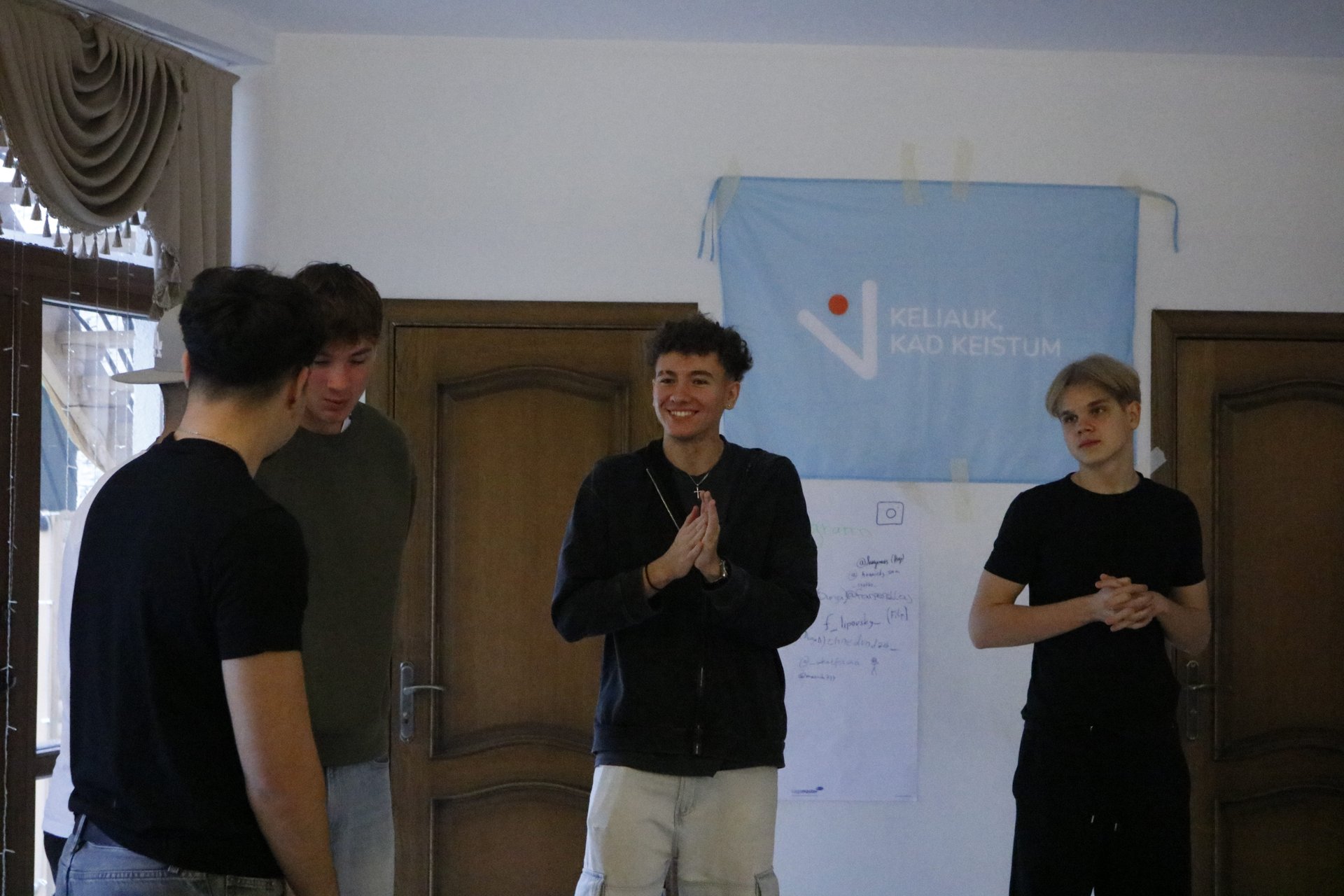
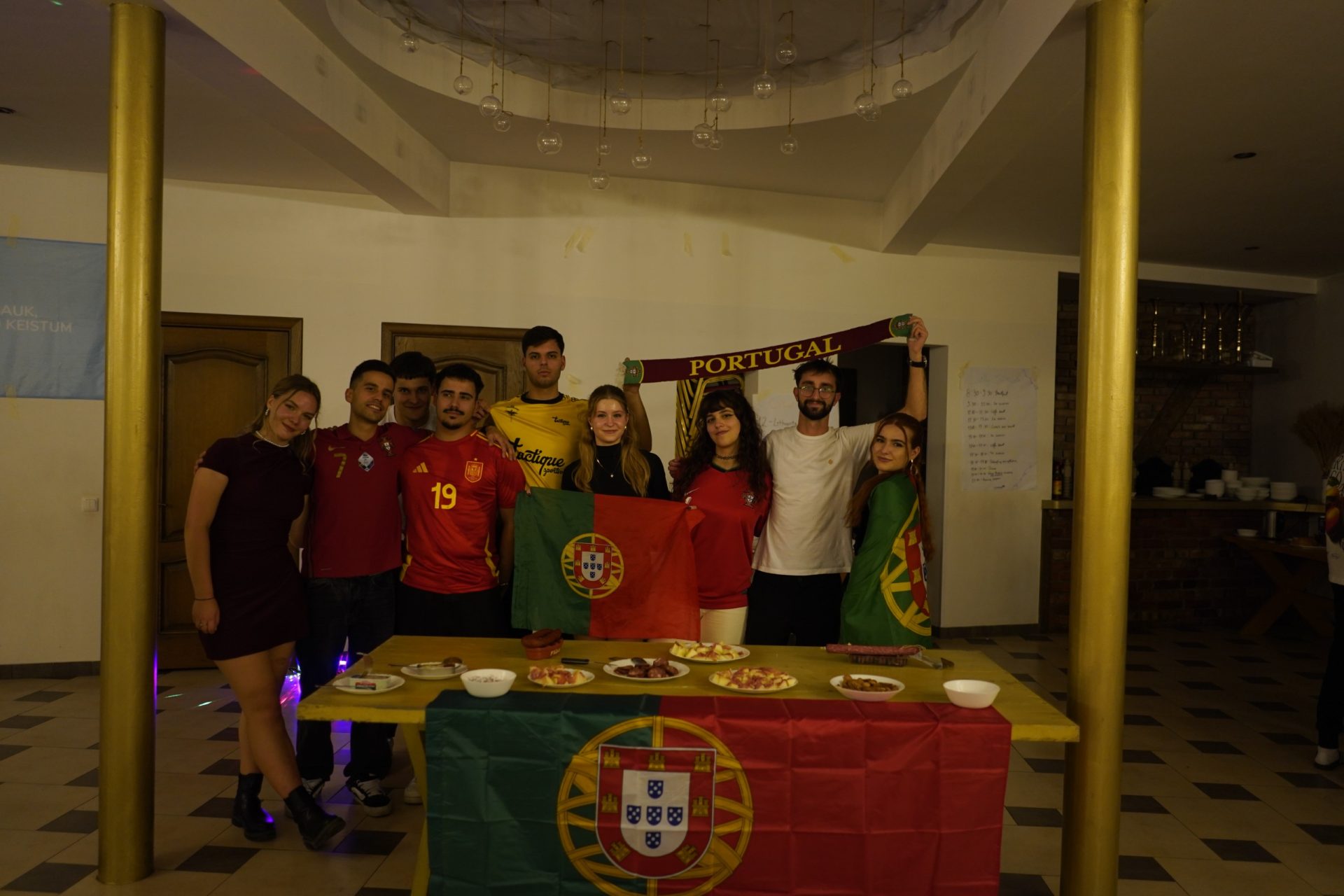
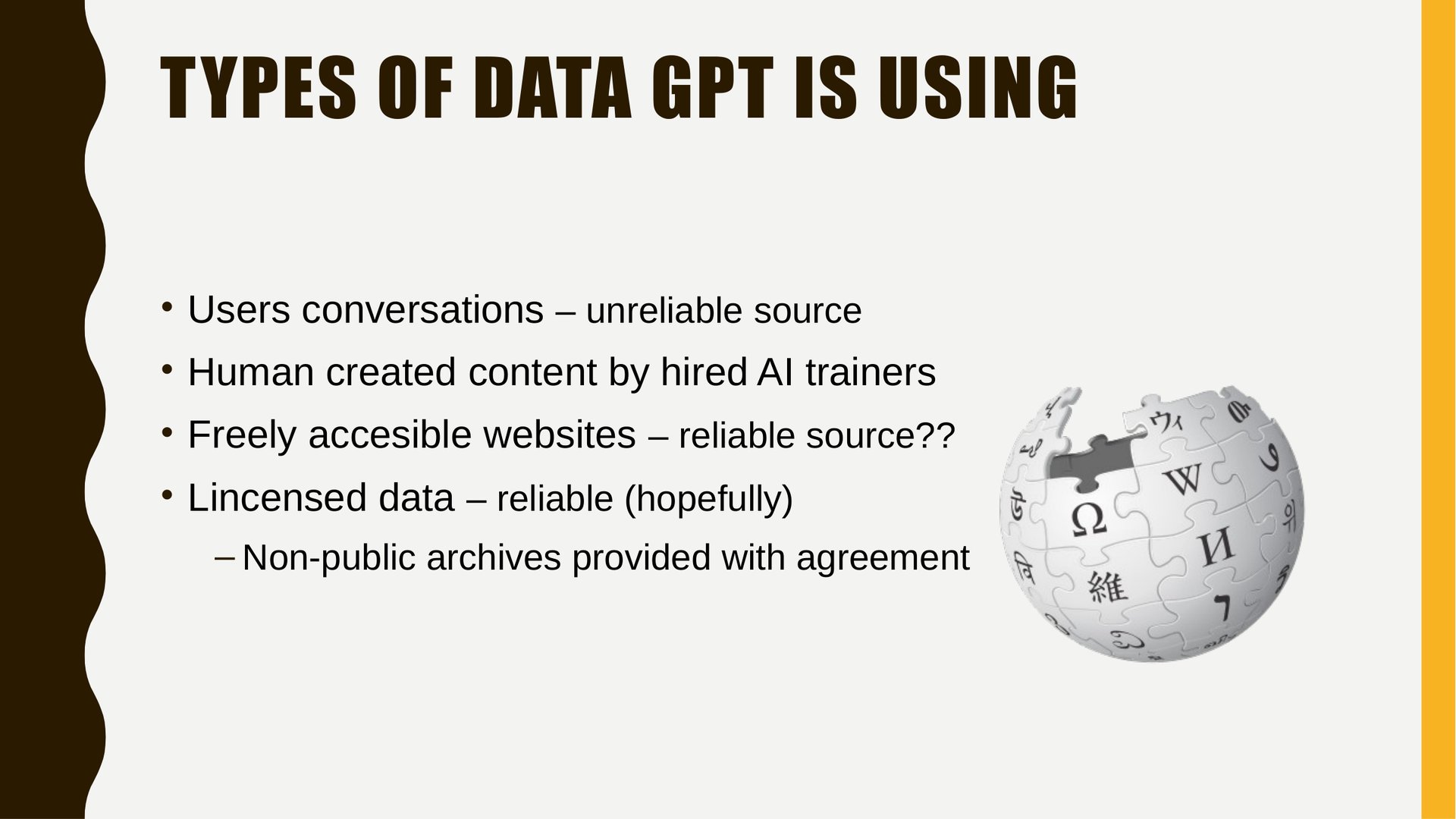
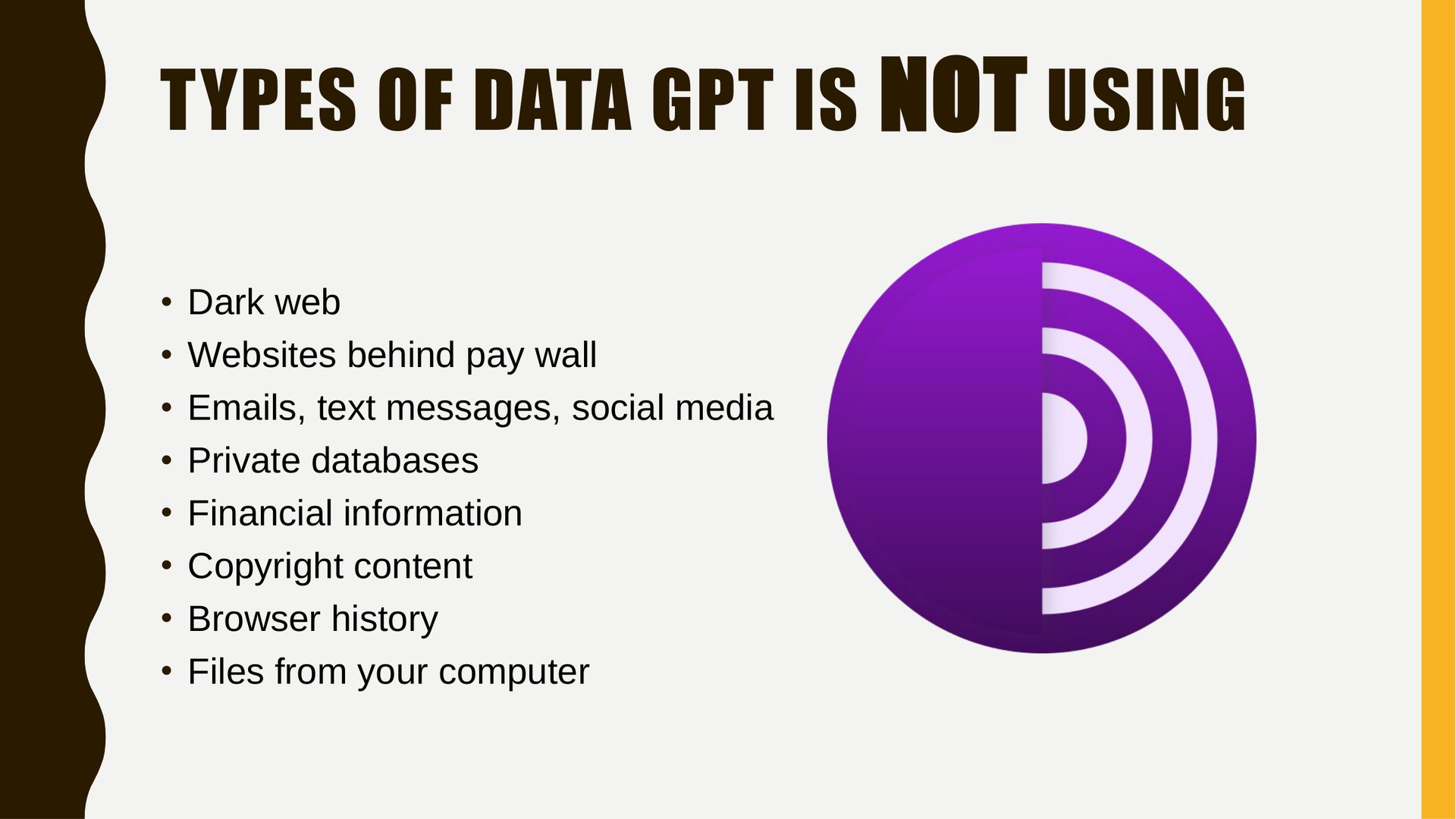
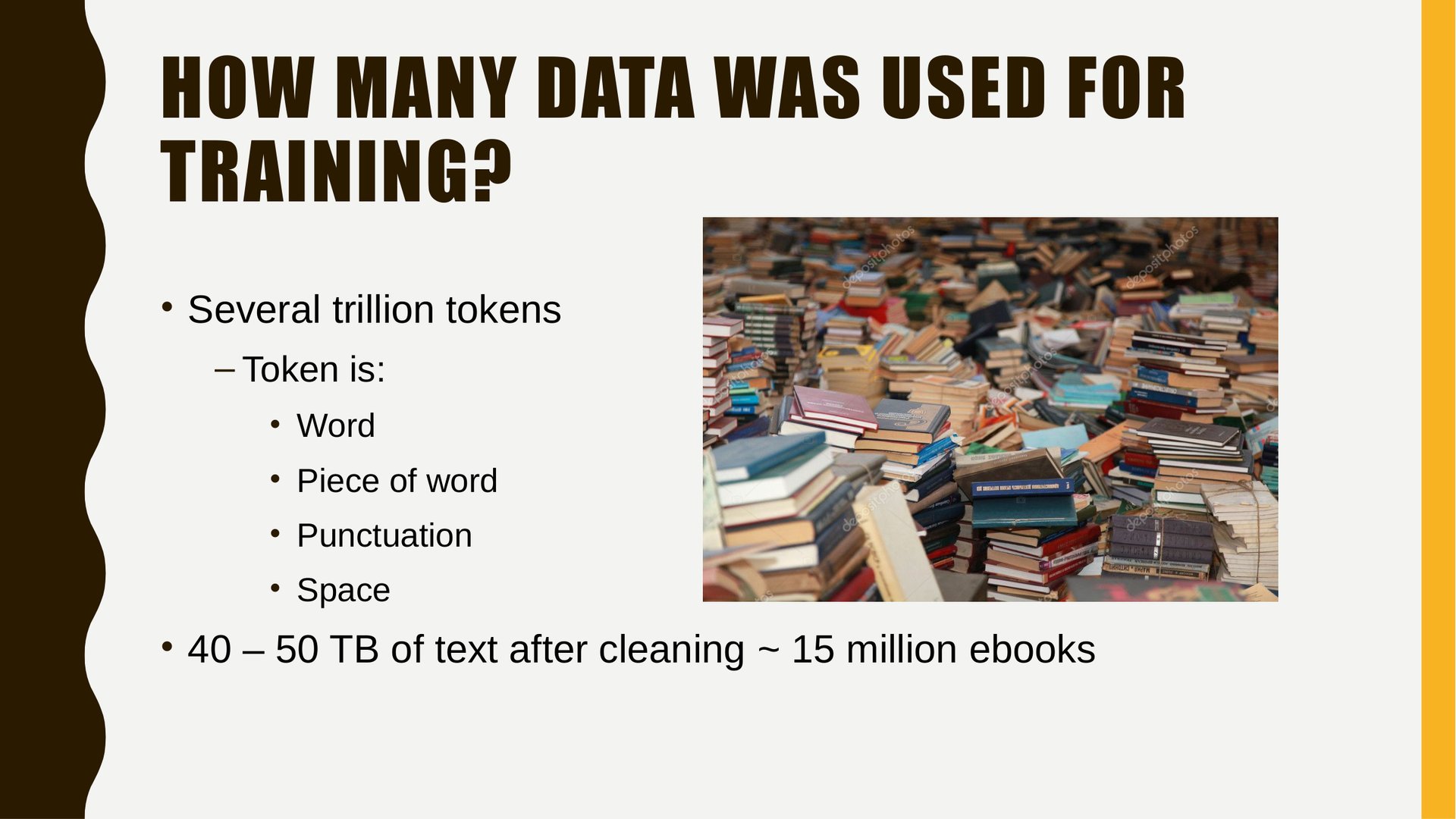
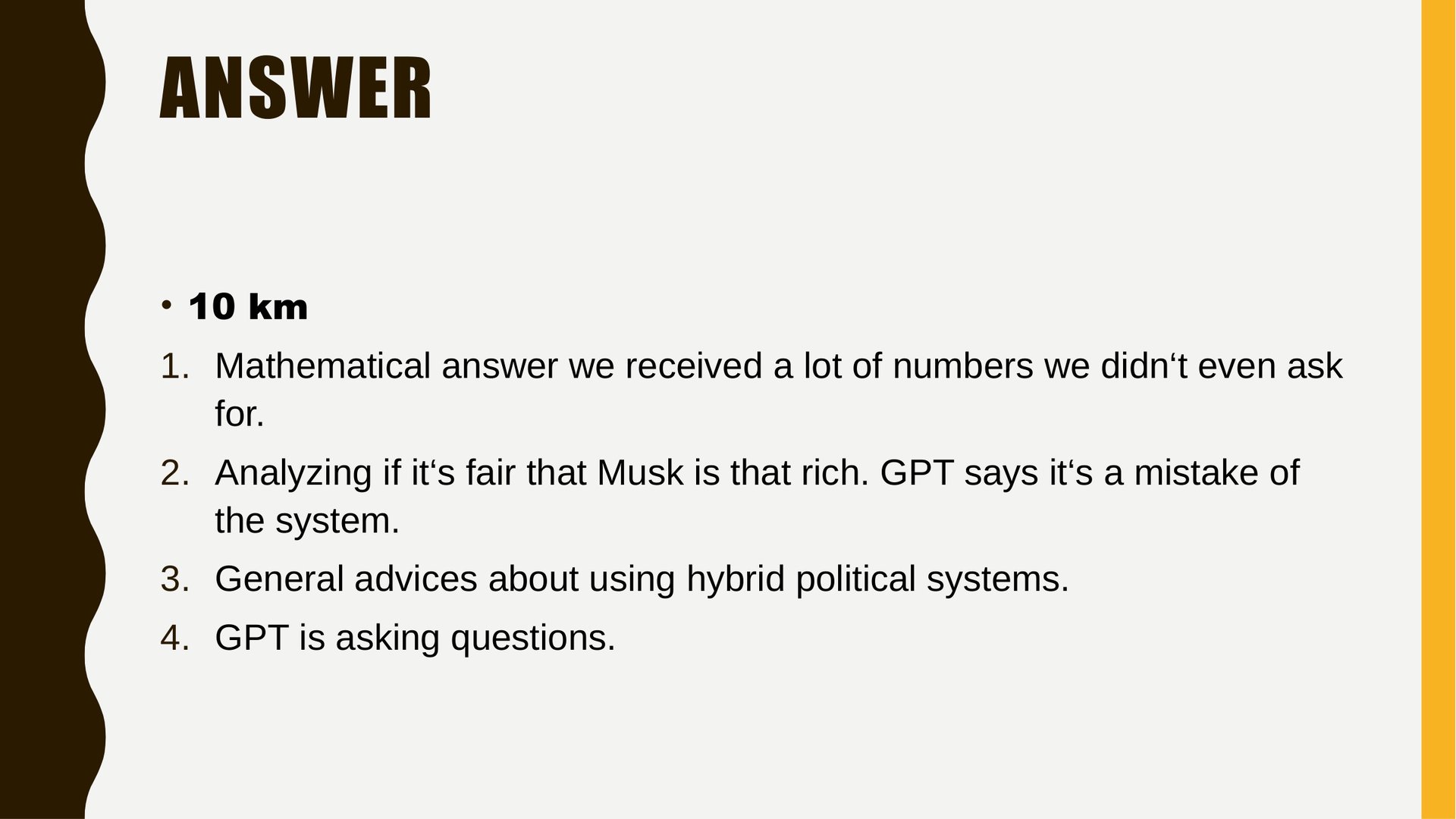
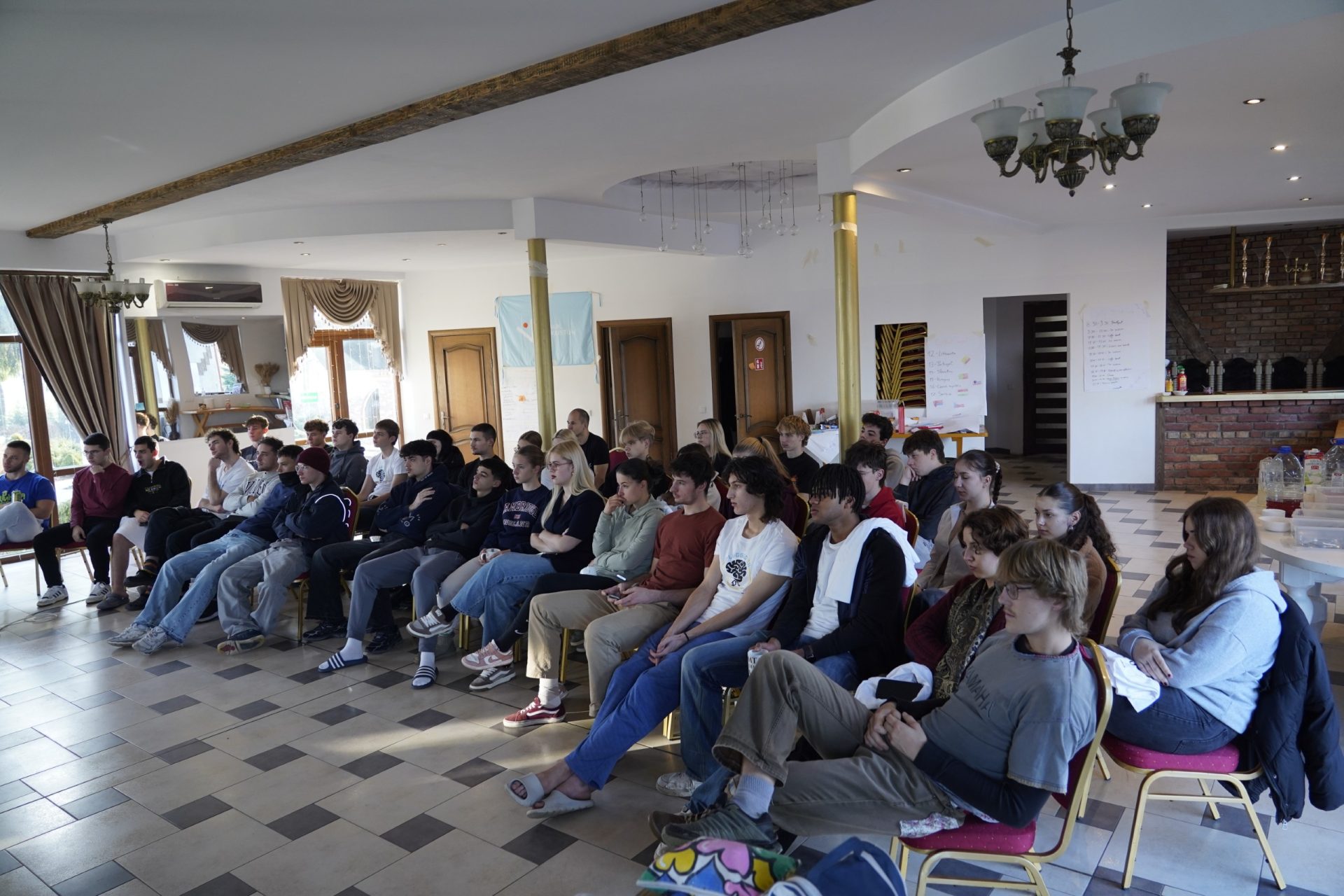
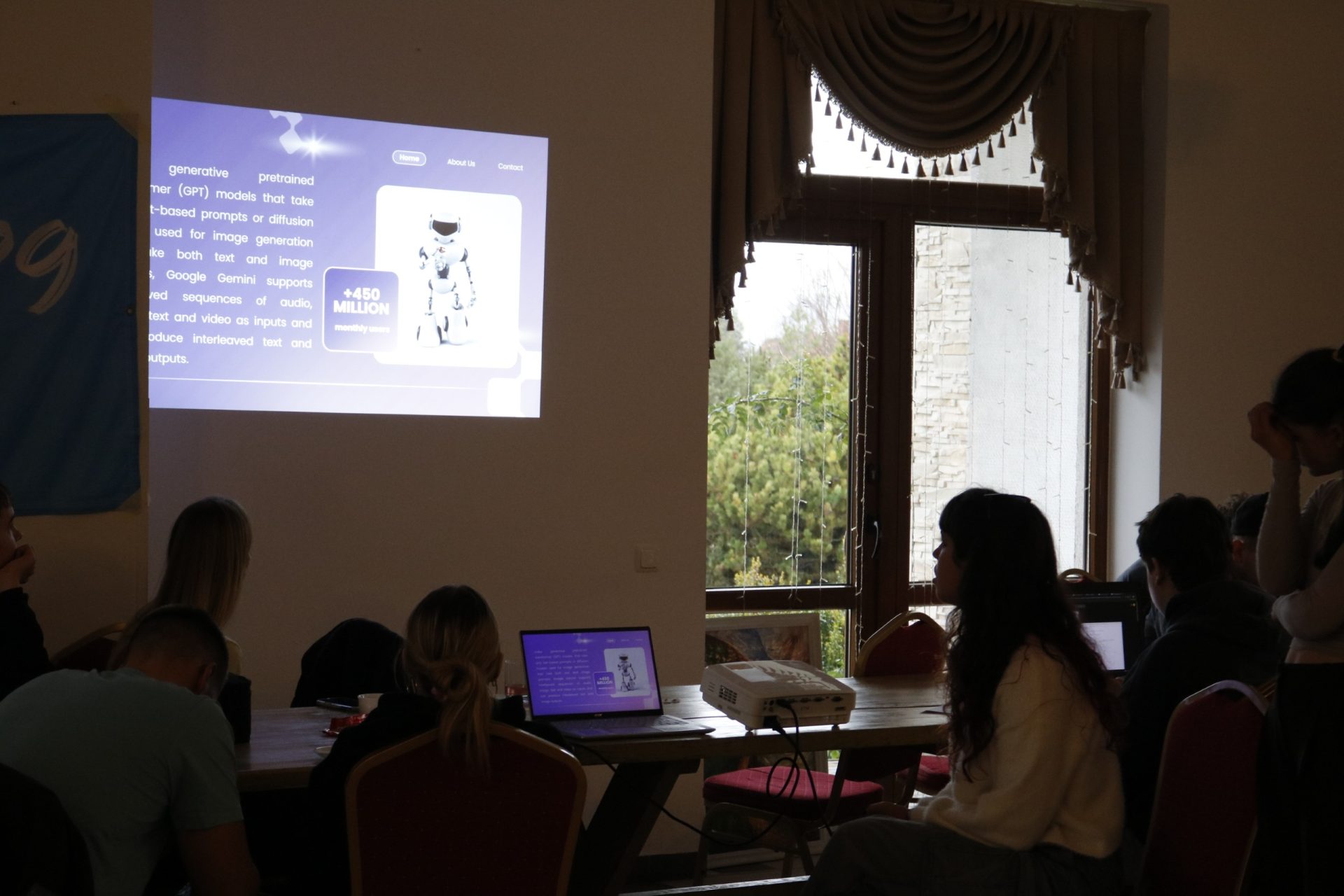
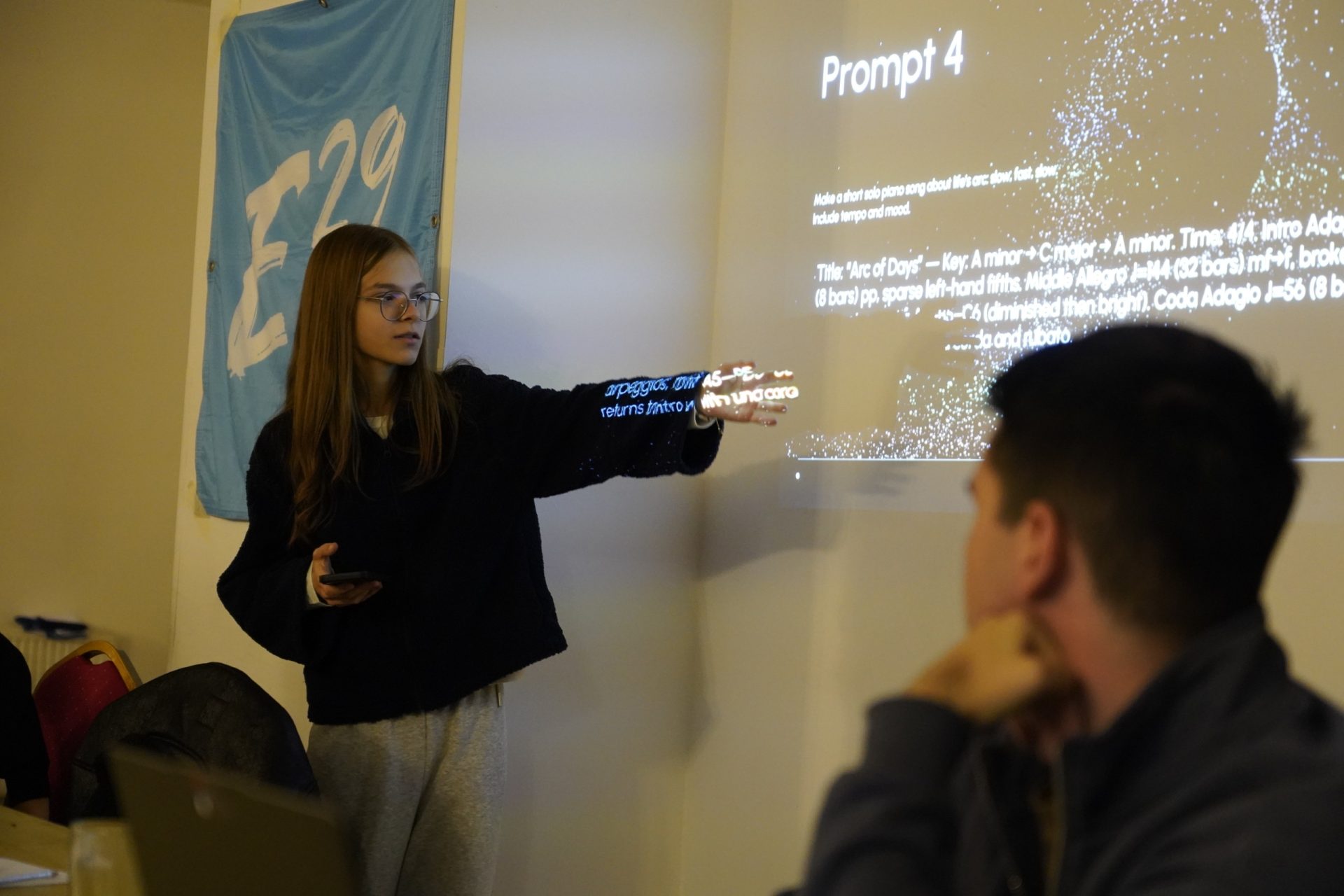
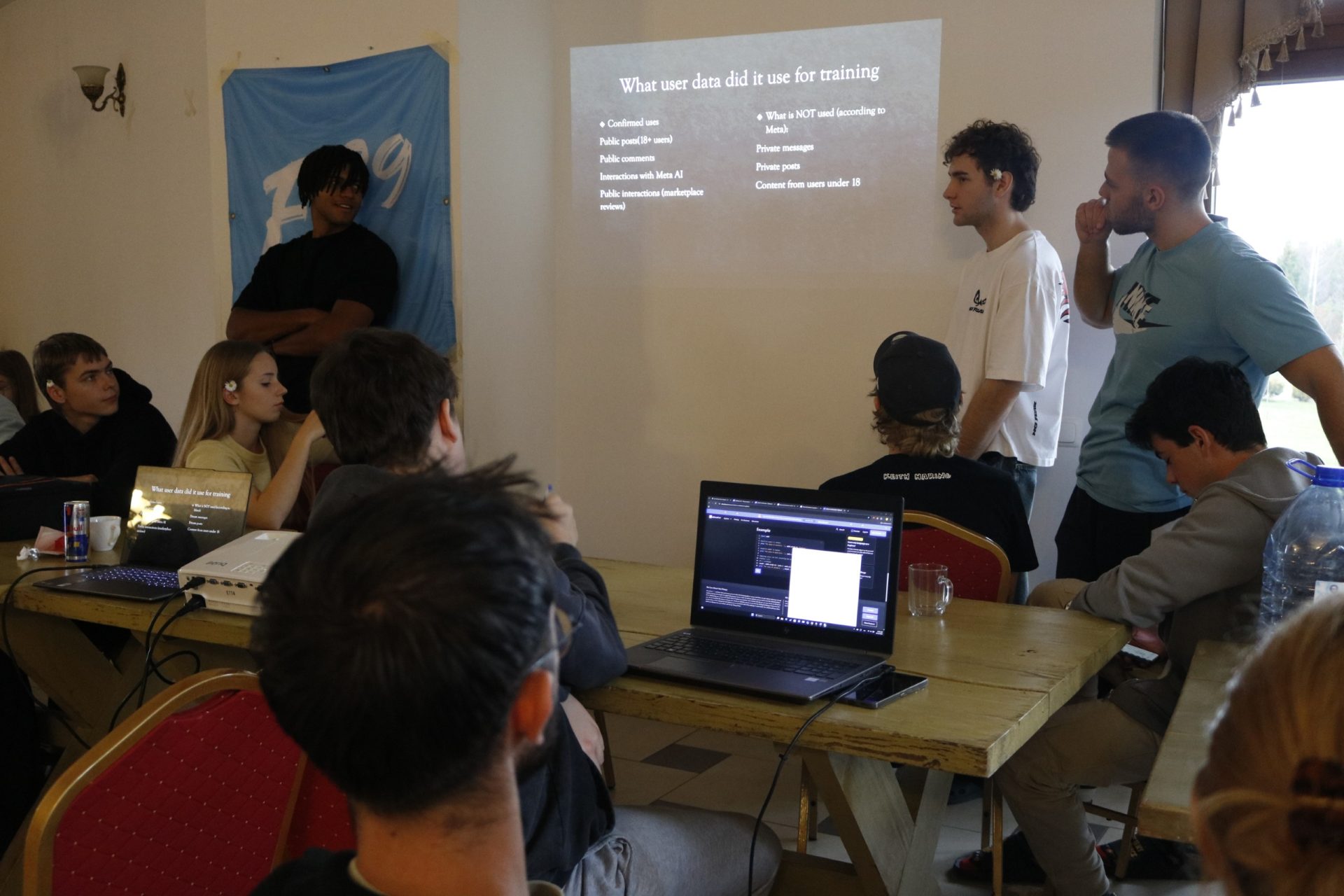
The strongest sessions treated AI as something to investigate rather than admire. In The AI Brain, teams took the best-known tools, ChatGPT, Gemini, DeepSeek, Grok and others, and researched what data trains each one and how that training quietly shapes the answers it returns, then built presentations on what they found. They followed it by feeding the same deliberately odd prompts to every system and comparing how differently each replied. One team’s deck on ChatGPT is below.

Underneath the whole session sat a simple principle: a tool you understand is one you can use responsibly, while a tool you do not is a black box you end up trusting on faith.
Sharpening the Prompt
Knowing how a model works is one skill; getting a useful answer out of it is another. In Prompt Perfect, the participants took a single request and reworked it under a word limit, refining it pass by pass and tracking how each version changed the result. My Prompt Friend made the lesson stick through performance: teams wrote and acted out short plays about an assistant that takes instructions too literally, dramatising the hallucinations and the misreadings that come from a vague ask.
It was the kind of practical, build-it-yourself work the participants took to quickly, less a lecture on AI than a workbench for it, with each iteration making the previous attempt look blunt.
Recognising What’s Real
The later sessions were a stress test for the eye and the ear. In the Impostor Game, one member of each debate team secretly argued a line handed to them by AI while the others tried to catch it, and Spot the Fake turned the same skill into a quiz, asking the group to separate real text, images and audio from synthetic versions across several types of media. The Czech participants found, as most did, that the line is harder to hold than it looks, which is exactly why the practice mattered.
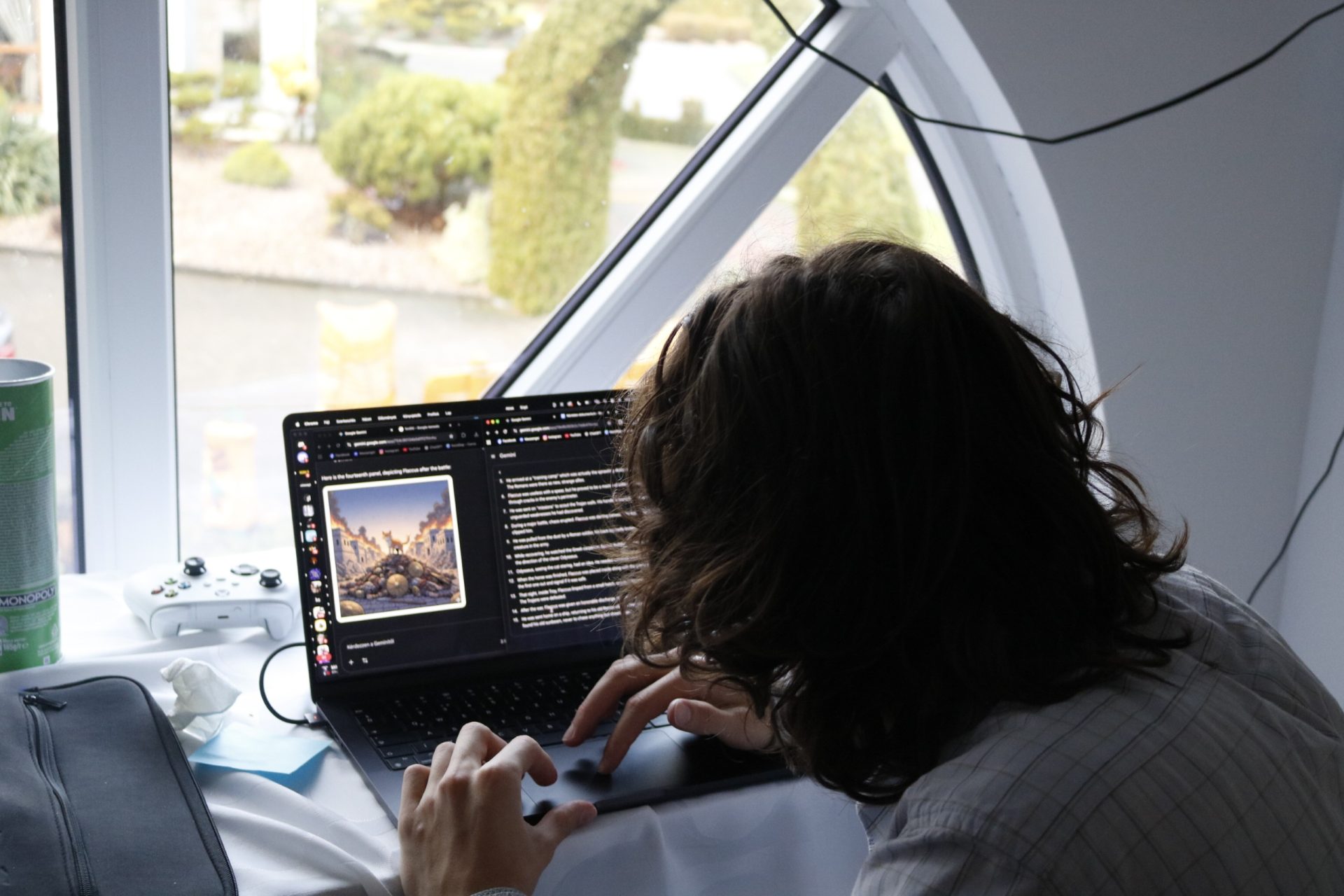
The week closed on the most ambitious task of all. In My AI-based App, teams designed an app or game concept, built a quick AI-coded demo, and pitched it to a panel standing in for investors. Having spent days questioning AI, they spent the last of them commissioning it, on their own terms.
What the Team Brought Back
Our participants came home from Bartninkai able to explain, not just use, the AI tools they reach for daily: how the models are trained, where their answers bend, how to write a prompt that gets real work done, and how to tell a genuine source from a convincing fake. That is a concrete piece of digital literacy, and it travels well into the classrooms, clubs and conversations the group came back to.
Photo Gallery
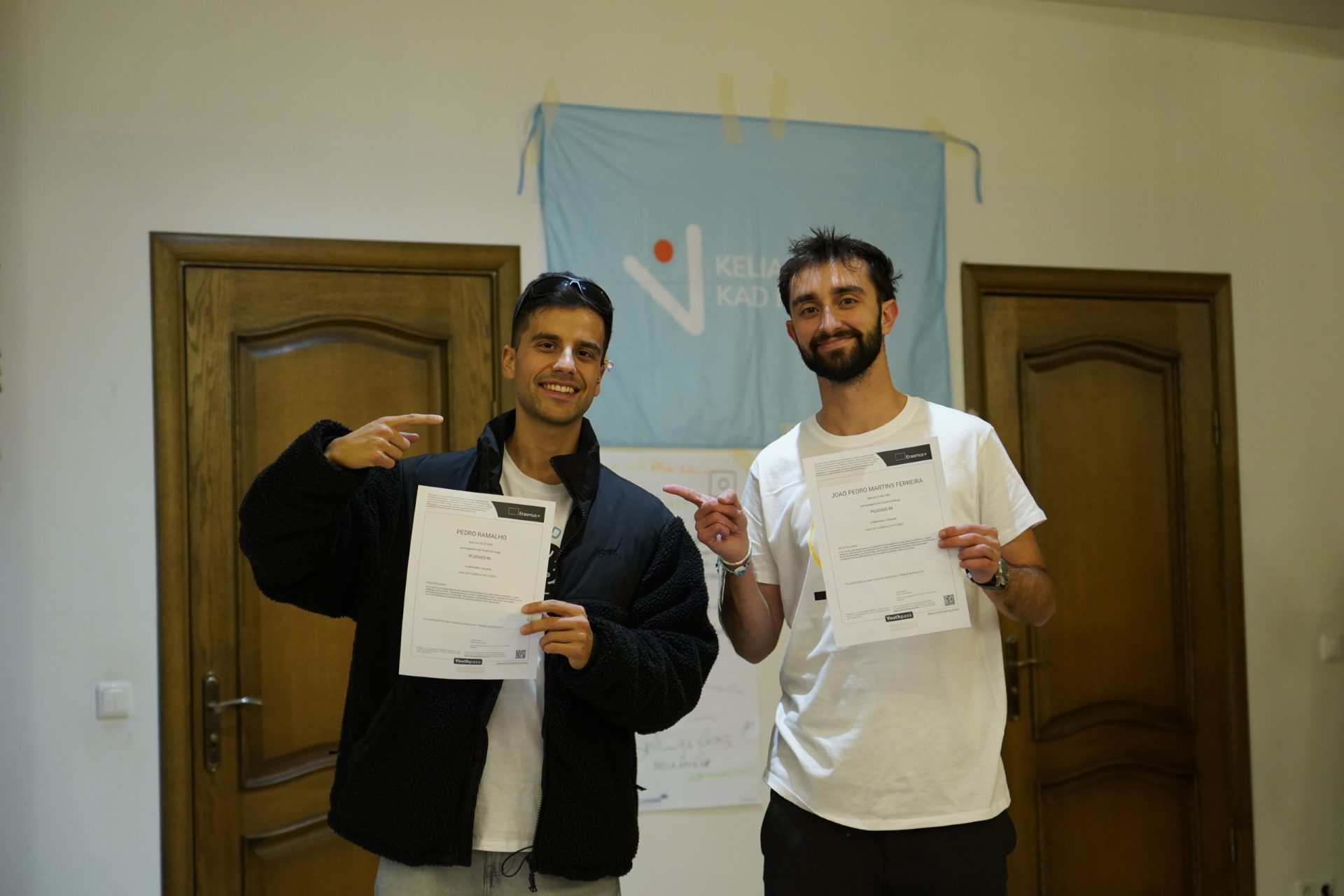
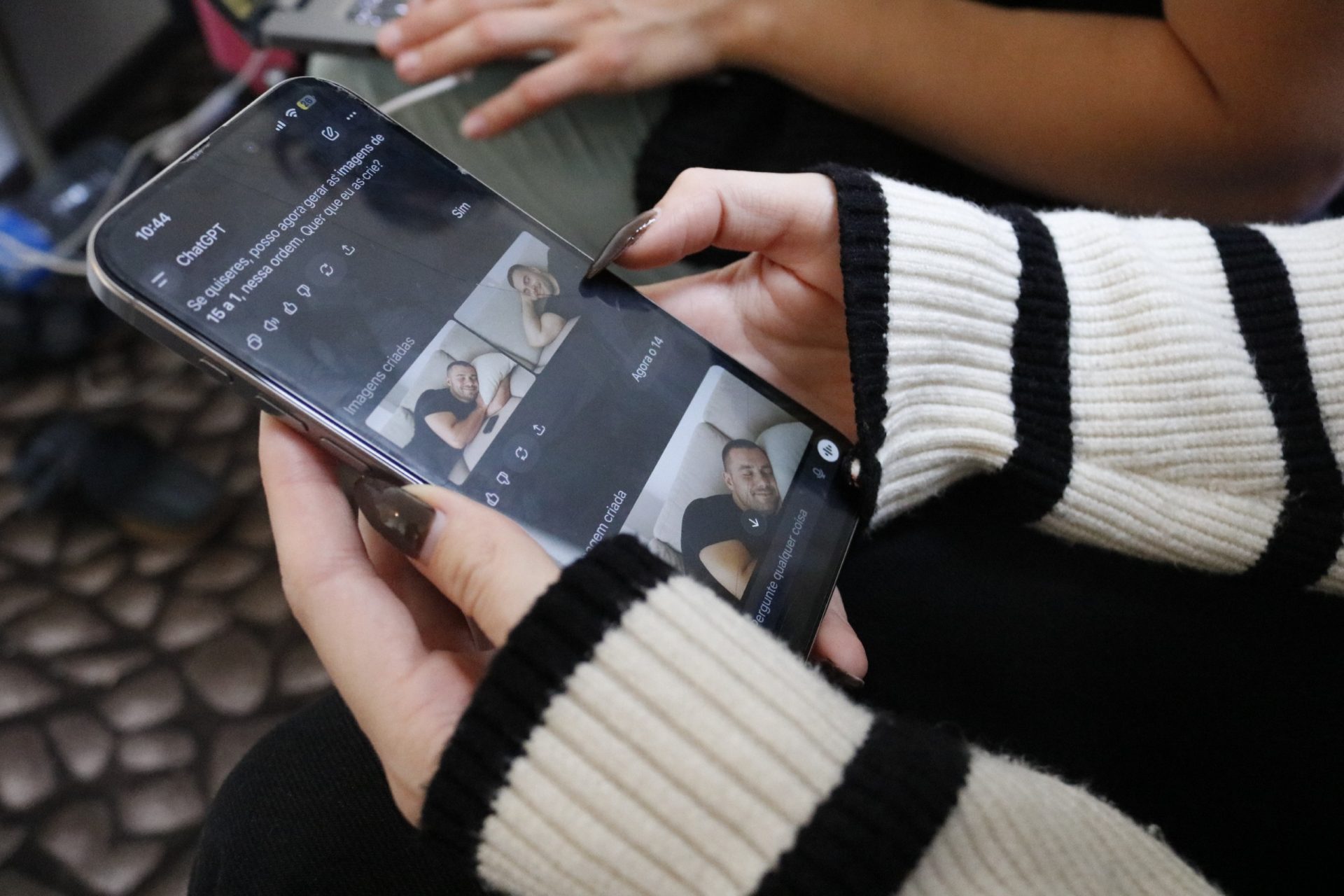
A few more moments from this activity :)
Check these and more photos in the activity’s photo album.