The first snow had already settled on the slopes above Rokytnice nad Jizerou when 54 young people from seven countries arrived at the chalet at Lípy. For ten days, Chata pod Lipami in the Krkonoše foothills became their shared home: Czechia, Hungary, Lithuania, Portugal, Romania, Serbia, and Slovakia, all under one roof, all there to dig into the same theme.
Includify was a youth exchange about inclusion and diversity, built around a question worth carrying home: what makes each of us unique, and how do we build a group where everyone feels they belong and what they bring is genuinely valued? Over the following days, the participants worked through that question not as a slogan, but as a set of practical, hands-on skills.
Making Room from Day One
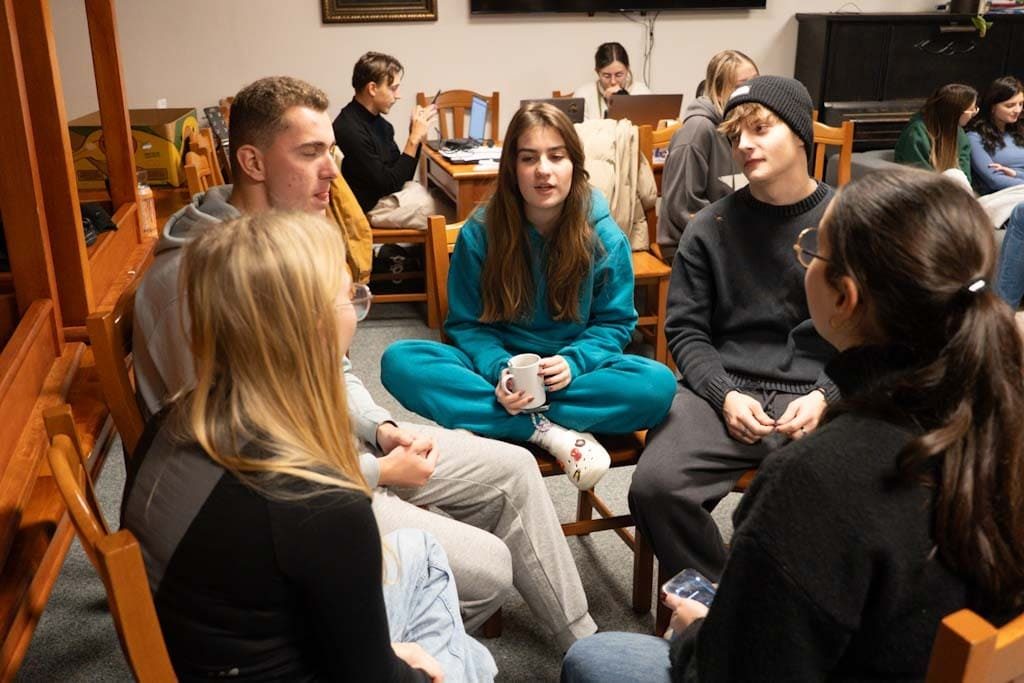
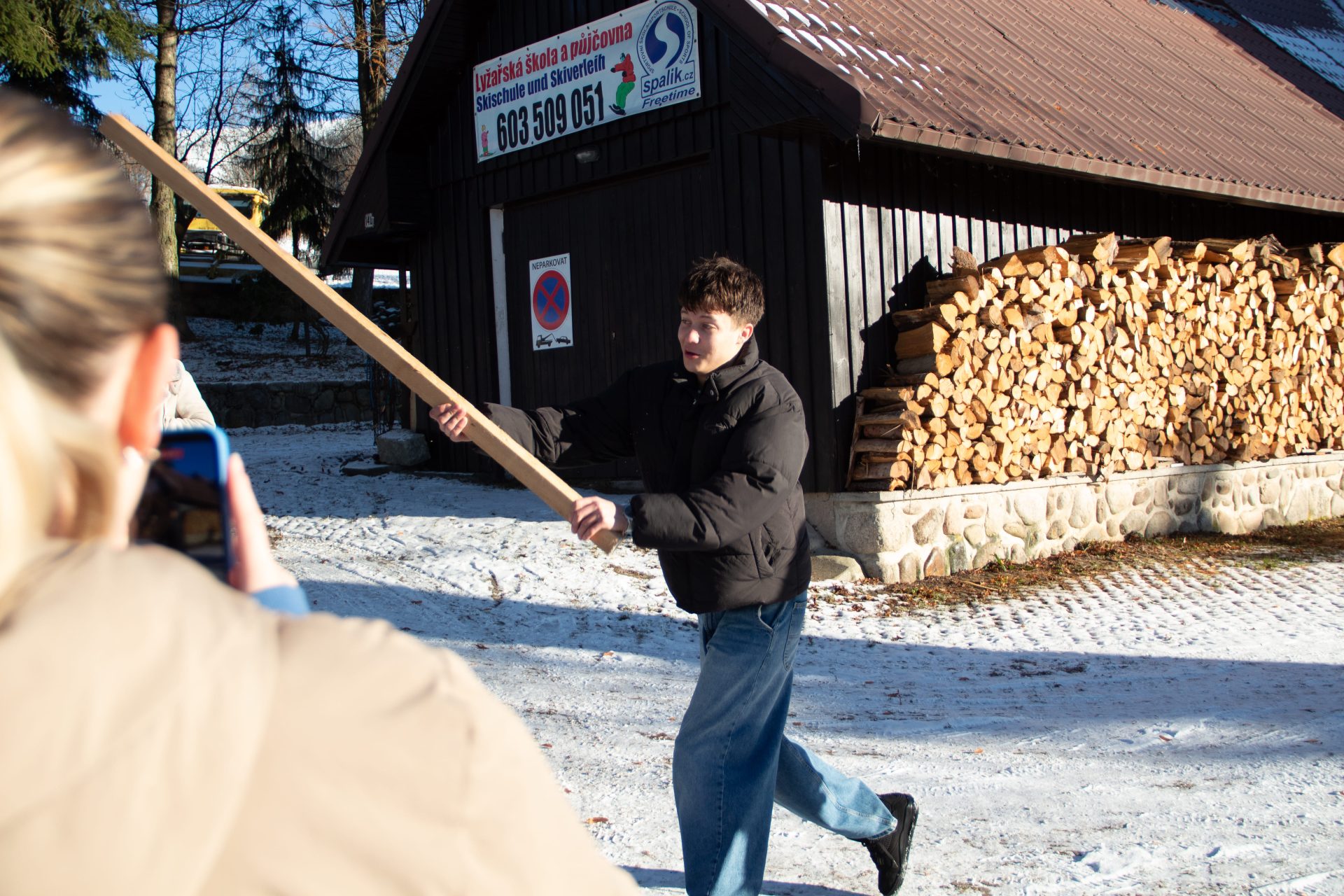
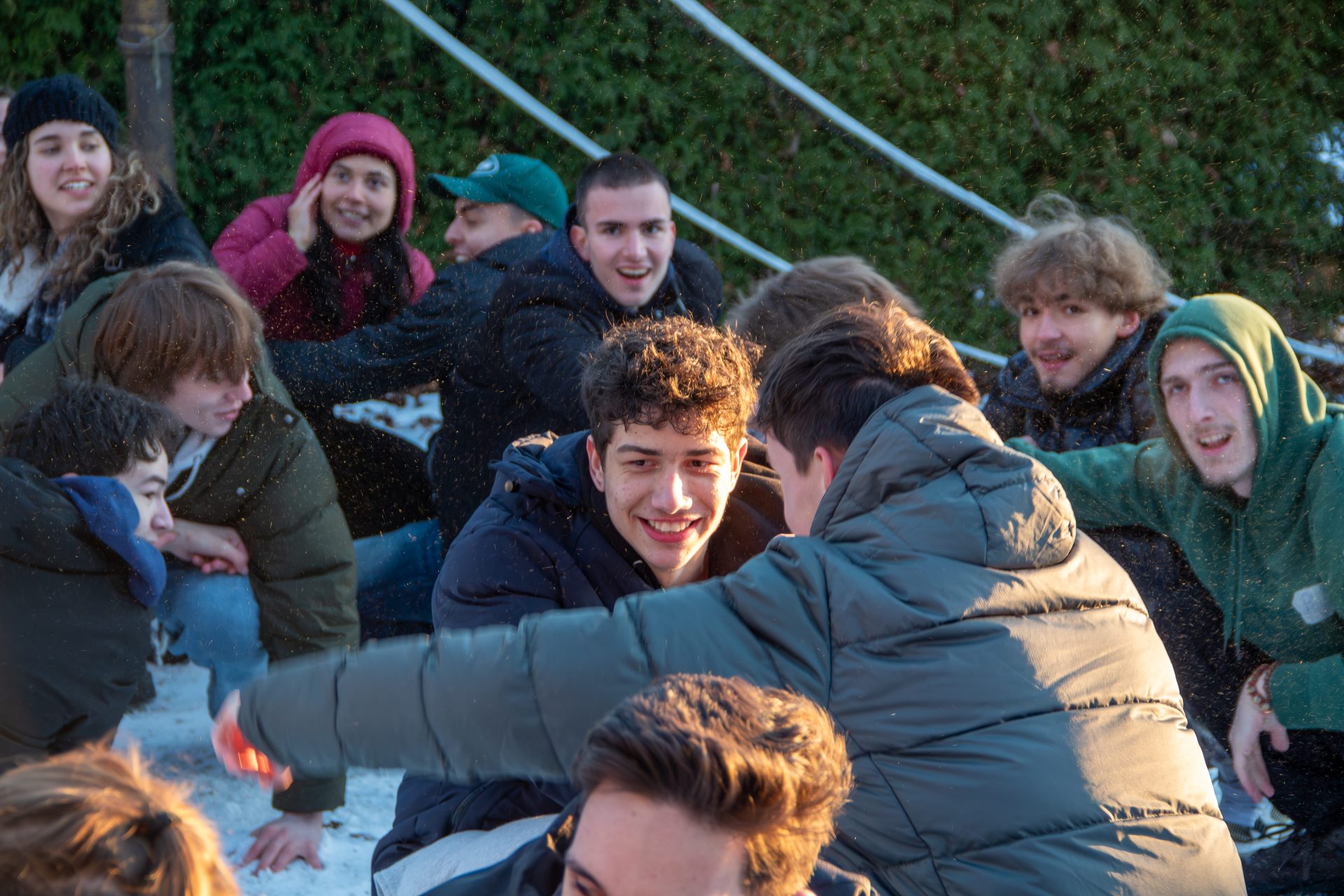
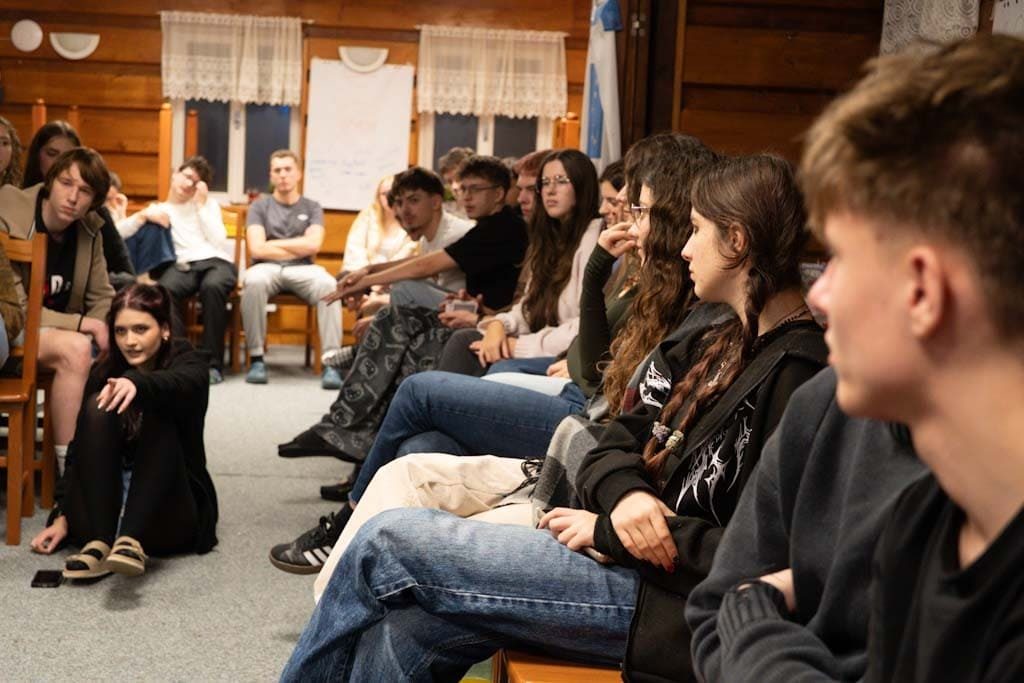
A single chalet, shared rooms, and shared meals: the setting did a lot of the work for us. When young people who do not share a first language eat at the same table and pass each other in the same corridors all day, the everyday practice of including one another becomes real rather than theoretical.
The first days were built for exactly that. Name games, icebreakers, and a session we run early called the invisible backpack, where each participant reflects on what they carry into a group. The connections formed quickly: within a couple of days, participants who had arrived knowing no one were already swapping stories, learning each other’s languages a word at a time, and forming the friendships that would carry the rest of the exchange.
Pieces of the Inclusion Puzzle
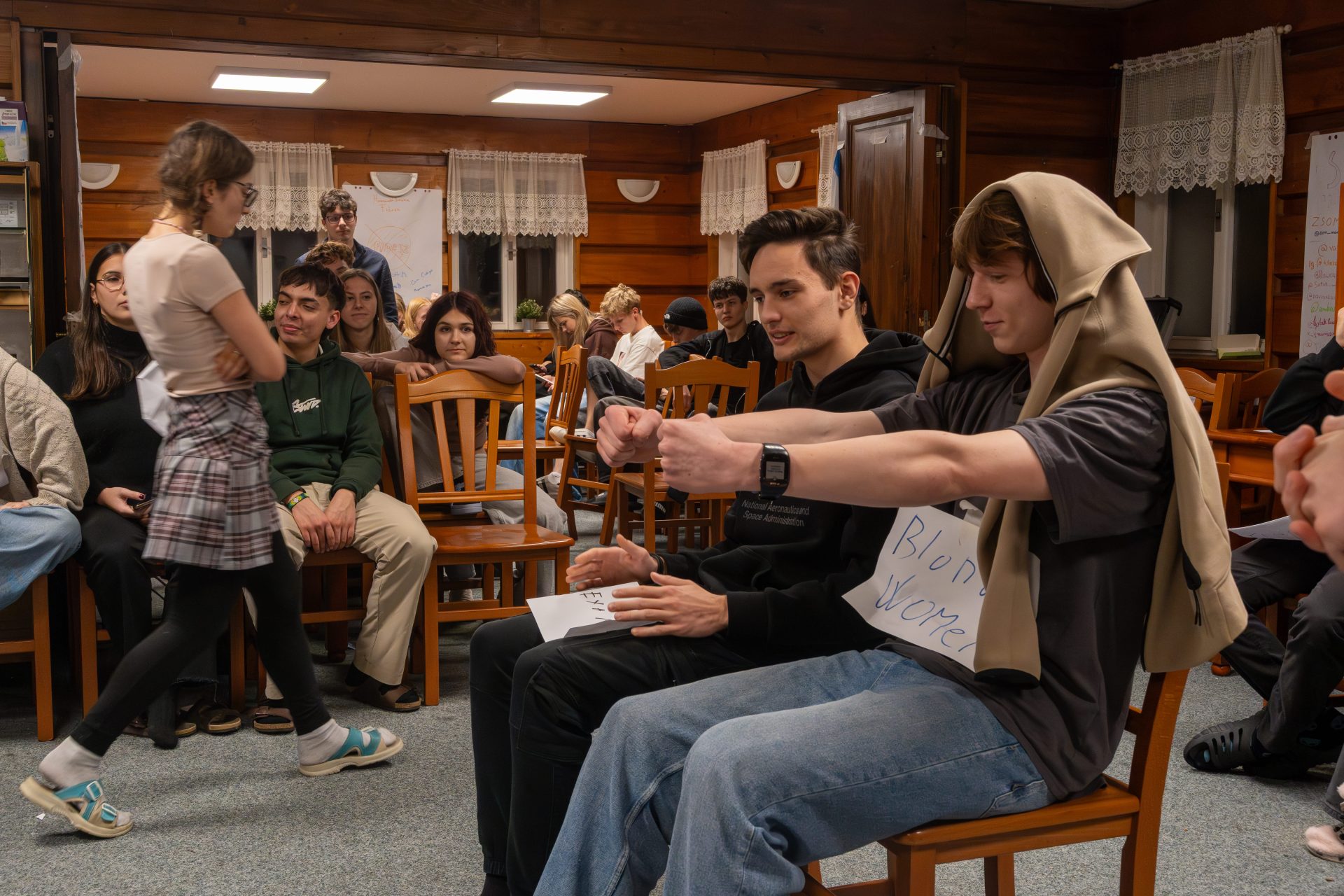
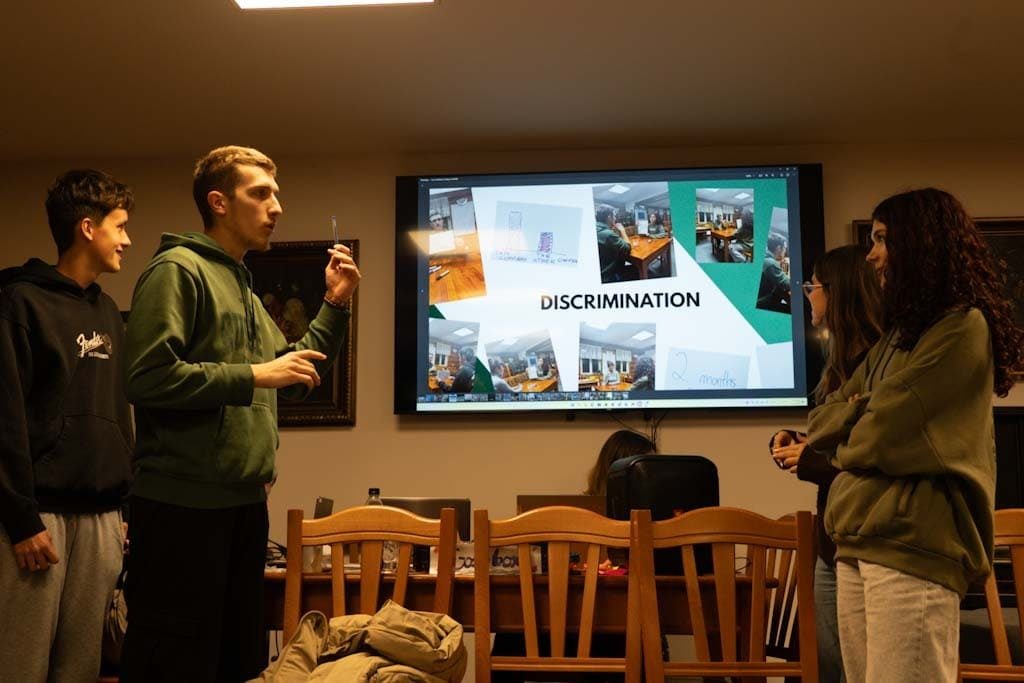
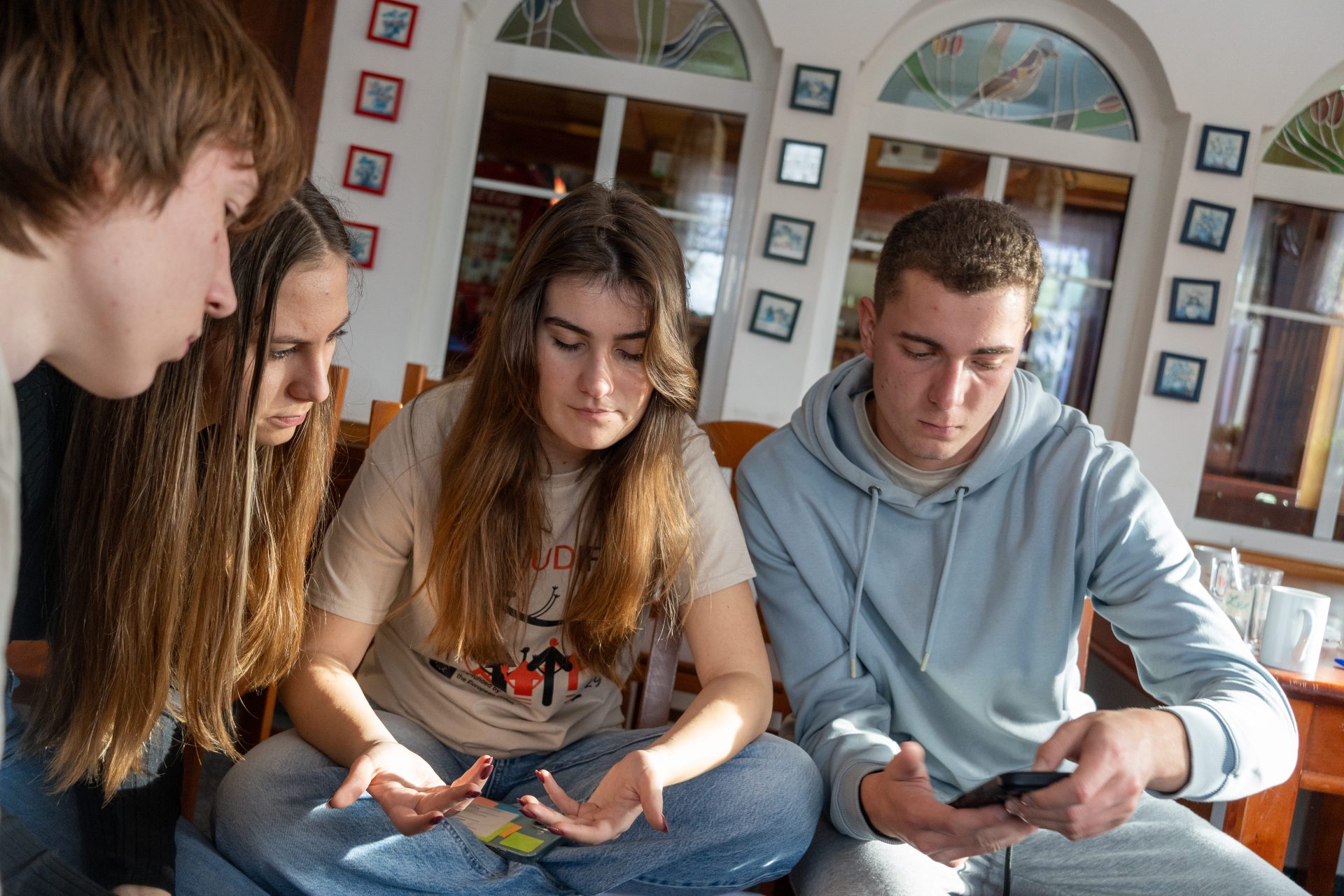
The core of the programme moved from the personal to the structural. In Country-wide Problems, participants mapped the inclusion challenges specific to each of their own countries, then compared them. Language Through the Lens of Inclusion examined how the words we choose quietly include or exclude. A Human Rights Debate gave the group a structured way to disagree well.
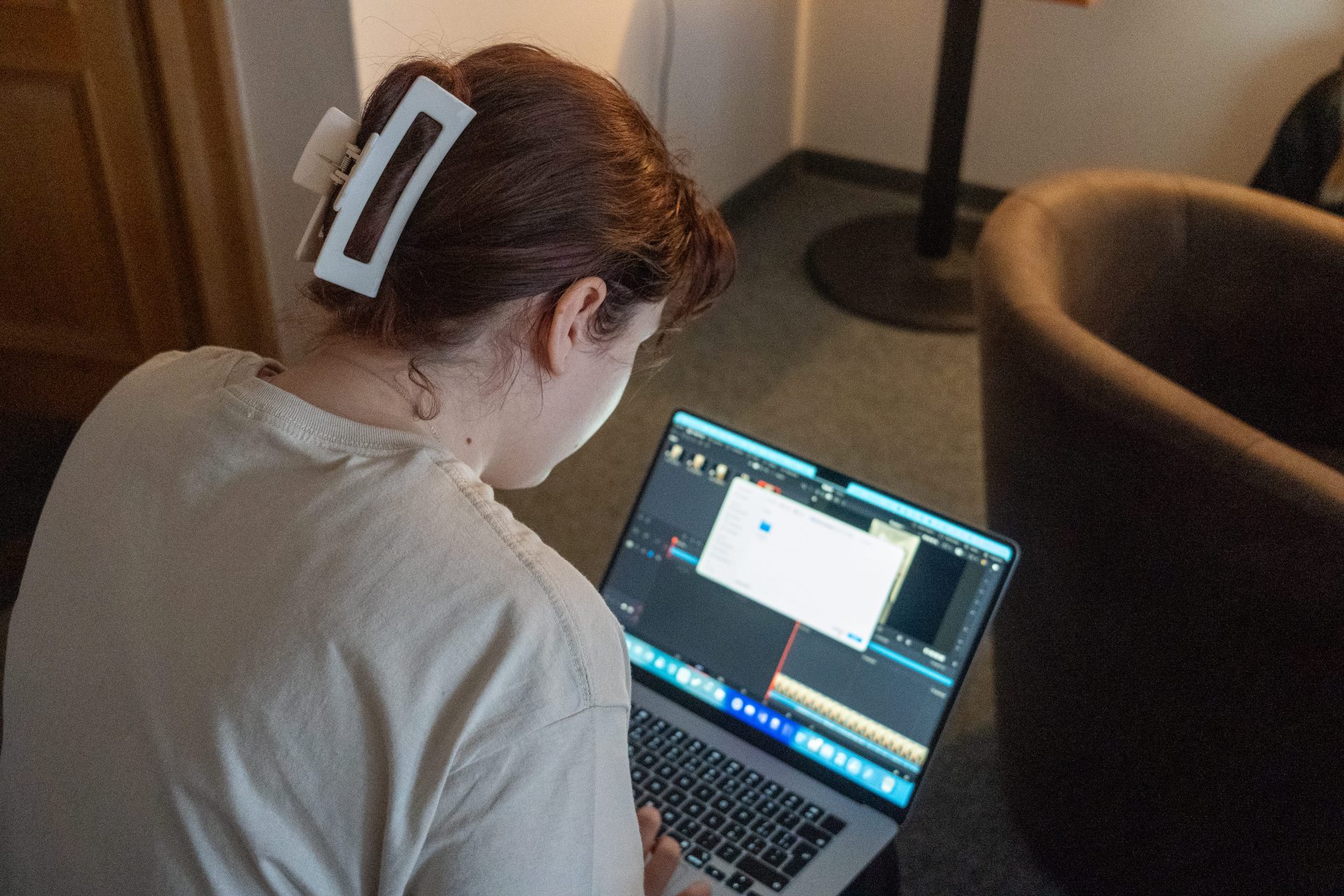
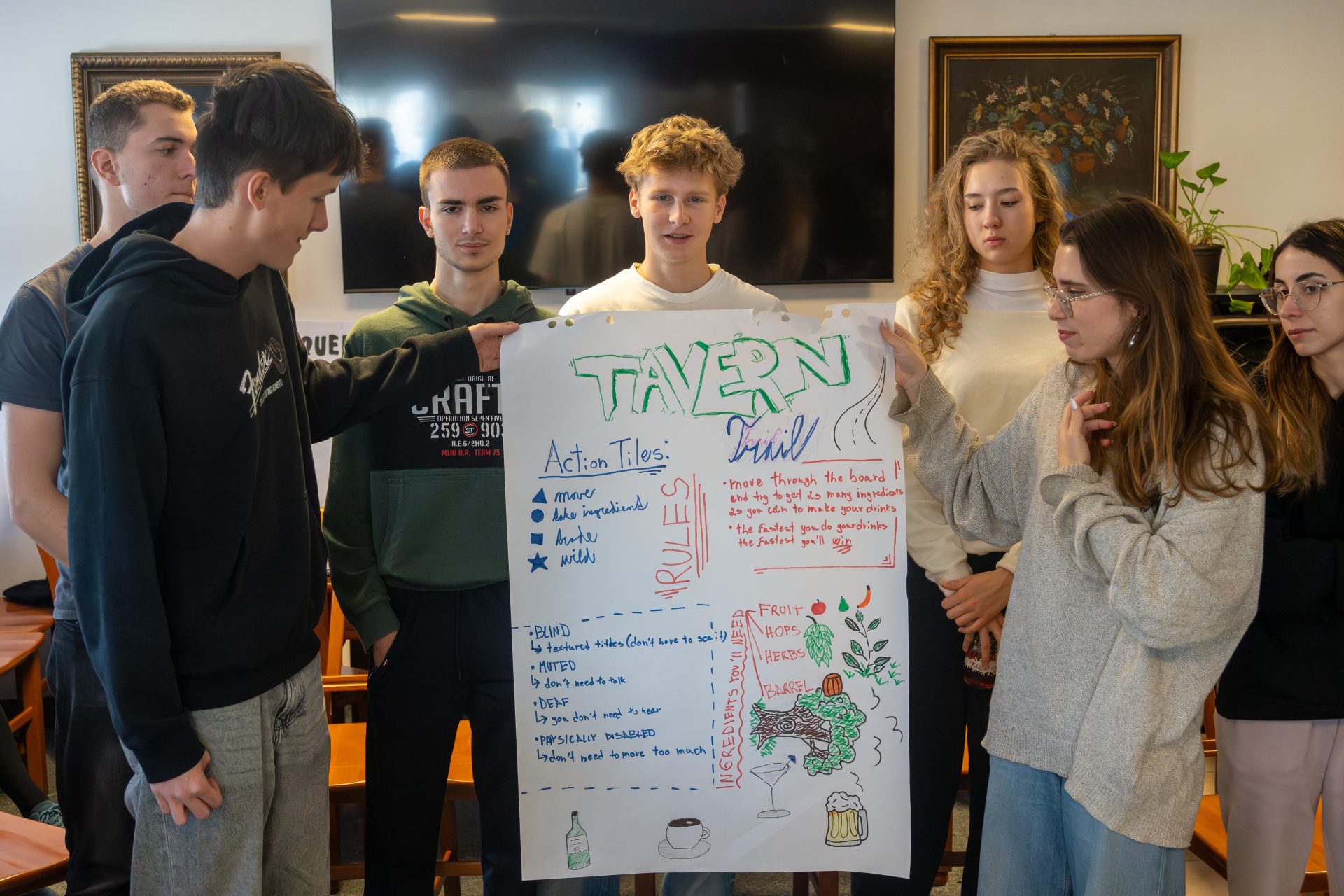
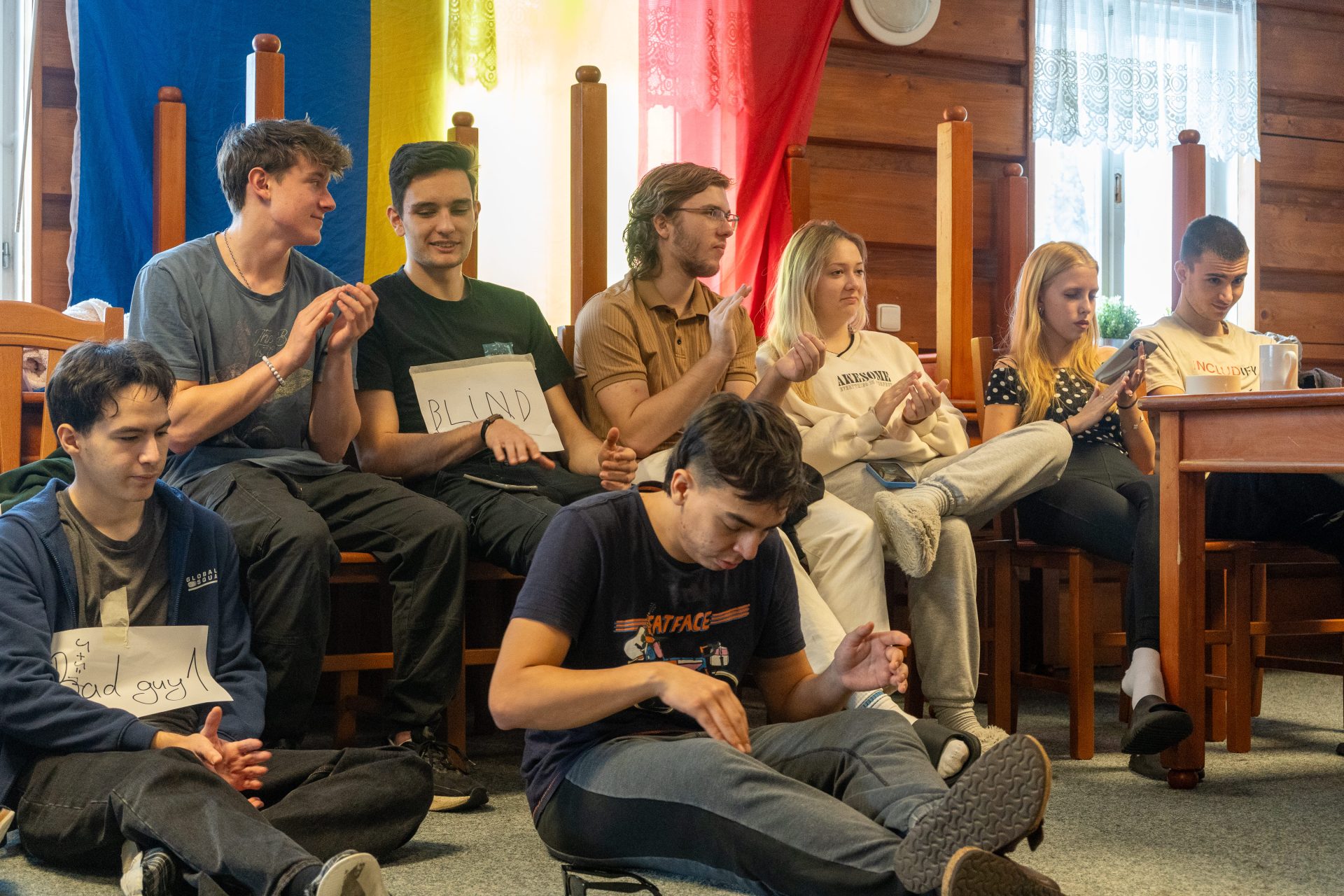
The most concrete work came in the accessibility sessions. In the accessibility challenge, small international groups had to produce a short video showing how to include someone with a disability, deafness and blindness among the scenarios they tackled. It is one thing to agree that accessibility matters. It is another to be handed a camera and an hour and asked to actually solve for it. As one participant put it afterwards, inclusion stopped being a nice word on a poster.
Seven Cultures Under One Roof
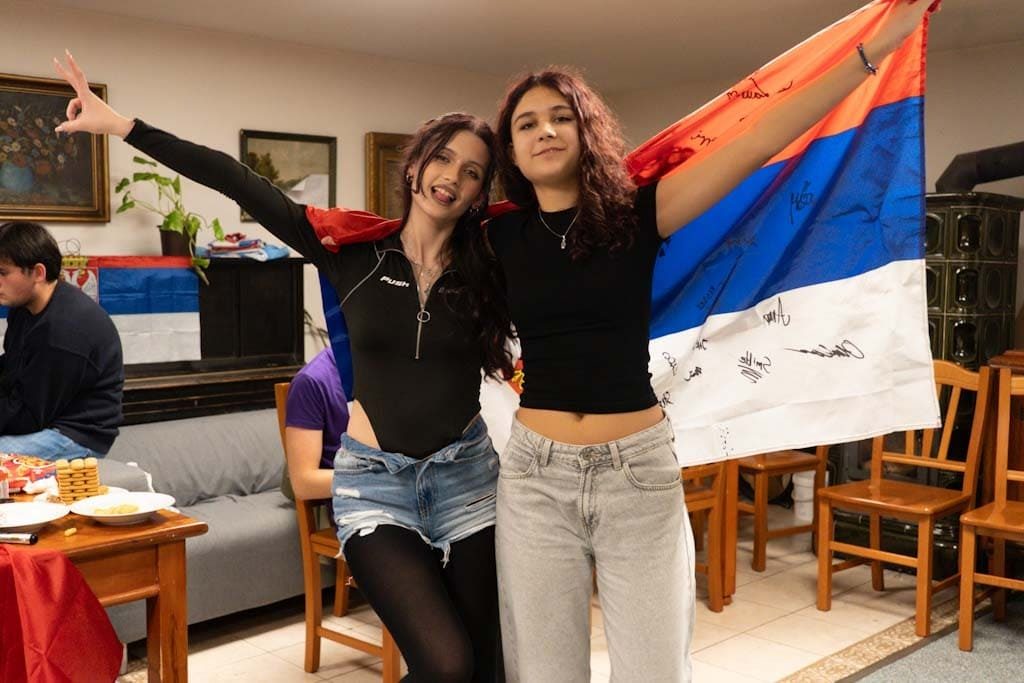
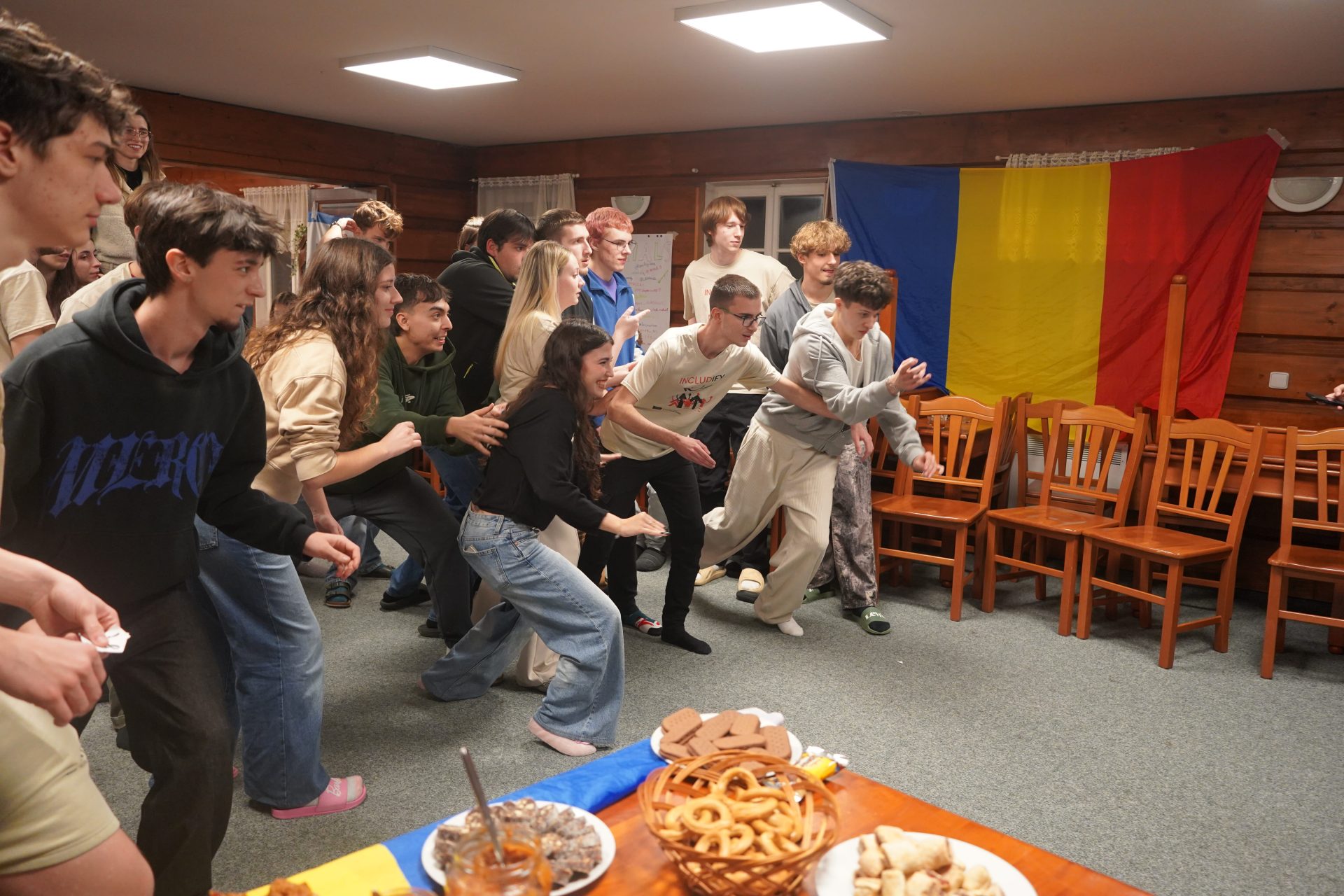
Every evening belonged to a different country. Serbia, Romania, Portugal, Lithuania, Hungary, Slovakia, and on the ninth night, Czechia. The cultural nights were where the day’s serious work loosened into something warmer: history lessons told through memes, traditional dances attempted badly and cheerfully across borders, and food that, in one participant’s words, disappeared faster than anyone’s good intentions about dieting.
On the final evening, the Czech night closed the run, our own participants getting to share the food, music, and quirks of home with the friends who had travelled to reach them.
For our Czech participants, hosting flipped the usual Erasmus+ experience. One of them wrote that they were not the one travelling abroad: the world came to them, and it changed how they saw their own country. Watching others puzzle over ř, taste Kofola for the first time, and react to Czech bread turned the familiar into something worth looking at again.
From the Chalet to the Schools
Includify was never meant to end at the chalet door. The final days were spent on Society of the Future, a multi-part session where groups built out their vision of more inclusive communities, and on concrete dissemination plans for taking the learning home. That part was not abstract either: in the weeks that followed, participants ran sessions in their own schools across Czechia, Lithuania, Serbia, and Romania, reaching classrooms of fellow students with what they had practised in the mountains.
What Stayed in the Mountains
By the final evening, with the Youthpass certificates handed out and the Secret Friend game finally revealed, the group that had arrived as individuals with seven flags between them had become something harder to label. The educational value is measurable in what they can now do: facilitate a session in front of a room, design for accessibility rather than assume it, and recognise the moment when someone is being quietly left out and step in.
For our team, hosting Includify was a reminder of why we keep bringing young people to these mountains. Inclusion is not a lesson you deliver once. It is a set of habits, practised until they hold, and our participants left Chata pod Lipami with the practice already underway.
Testimonials
In their own words, here is what the participants took away from their time in the mountains:
Diversity isn’t a challenge to overcome, it’s the reason life becomes meaningful. Differences aren’t walls; they’re bridges waiting to be crossed.
I wasn’t the one traveling abroad, the world came to me. And honestly, it changed the way I see my own country.
Nothing bonds a group like performing slightly embarrassing theatre scenes in front of people you met two days ago.
Results
Inclusion was never left at the level of discussion. Almost every session ended with the group making something they could hold, watch, or hand to someone else: a flag, a poster, a collage, a short film. Here is a sample of what the exchange produced.
My Inner Nation
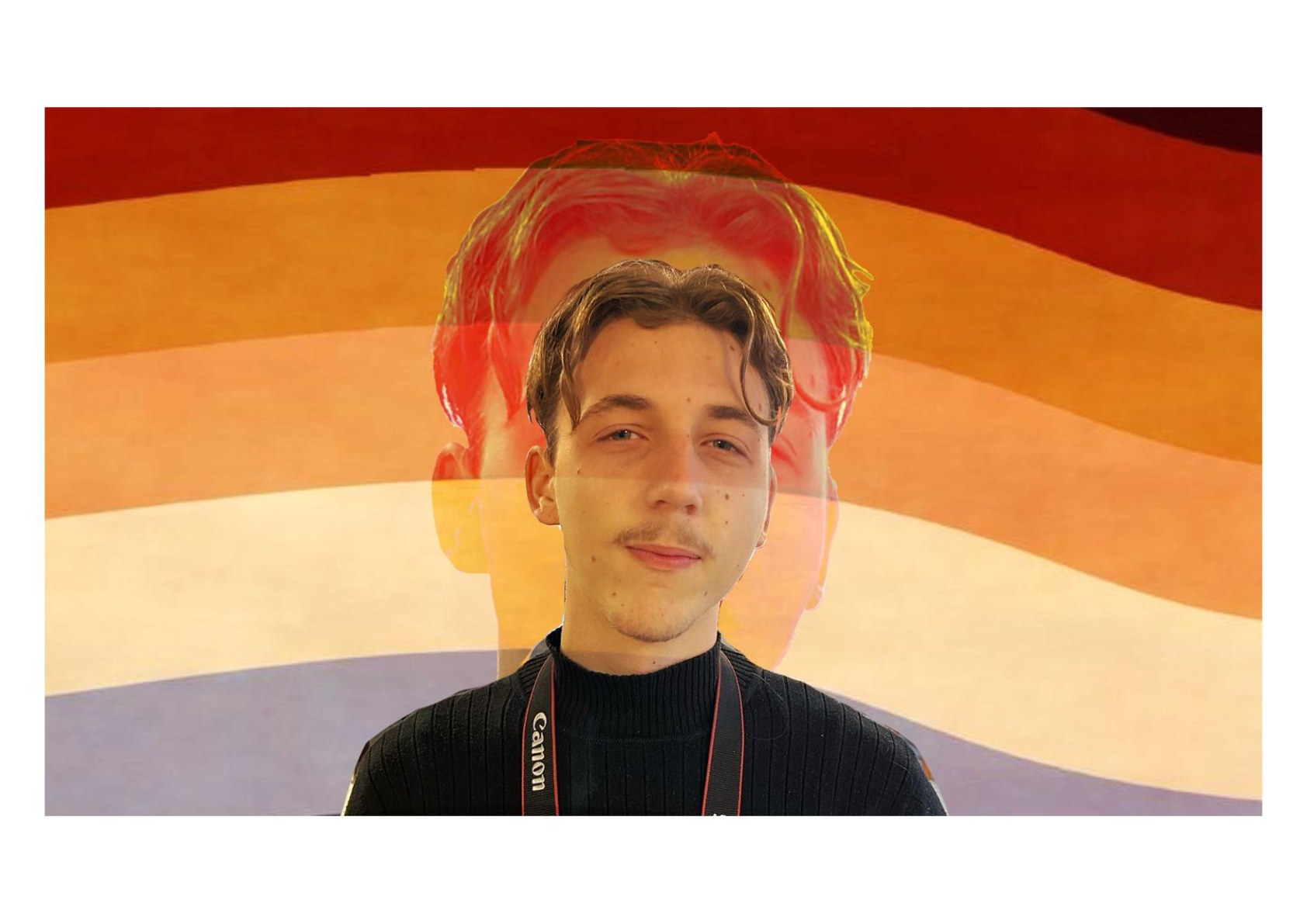
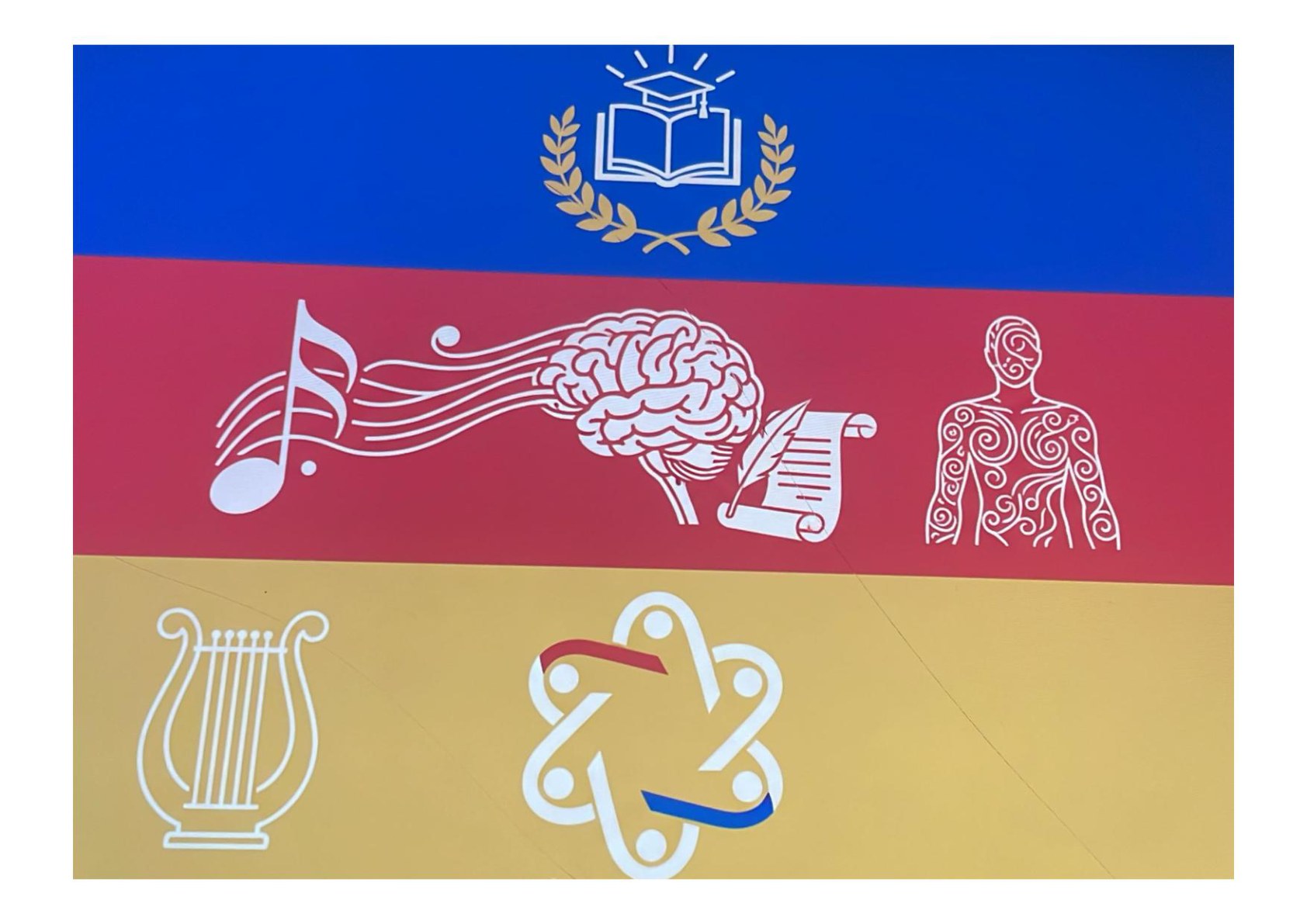
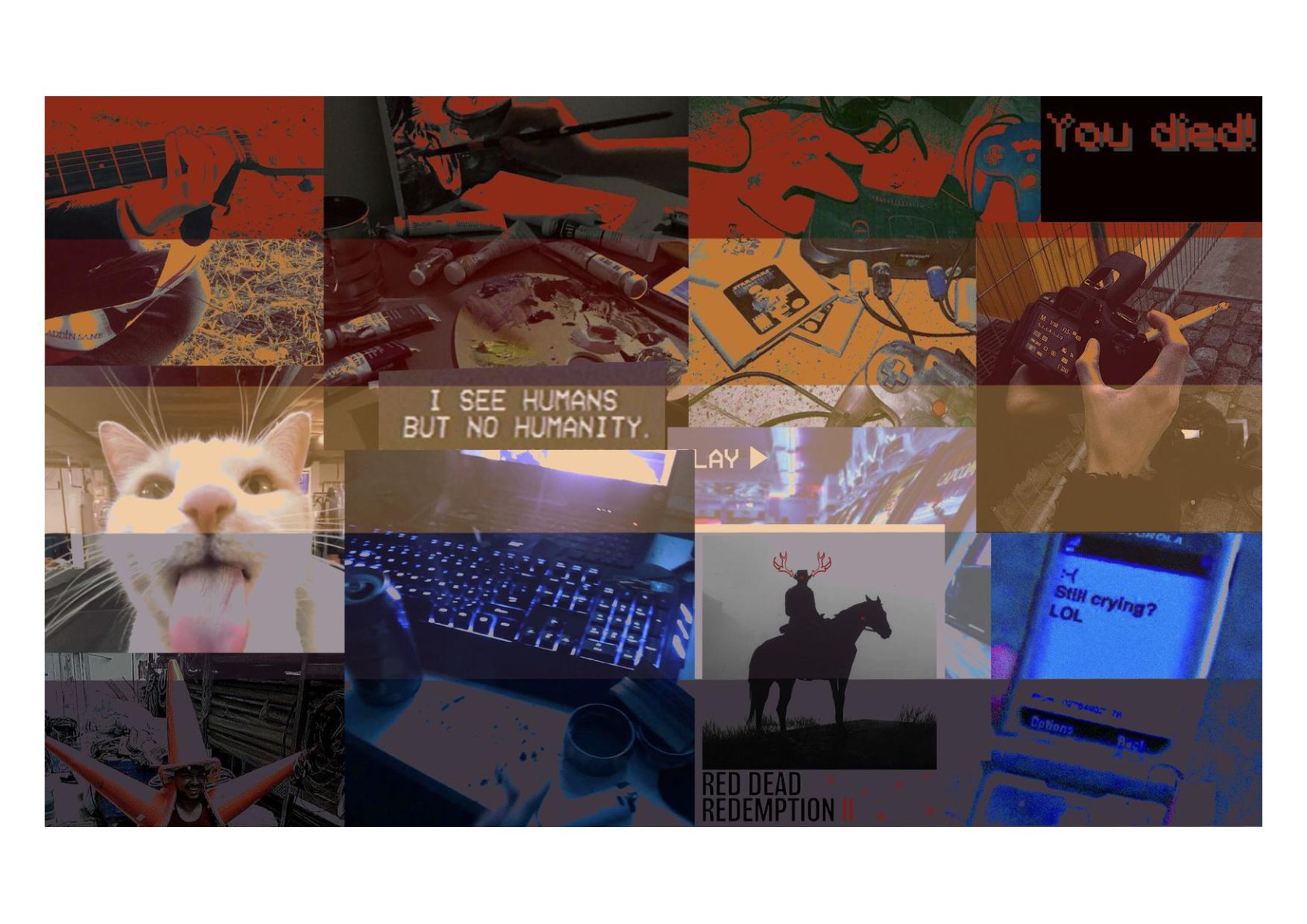
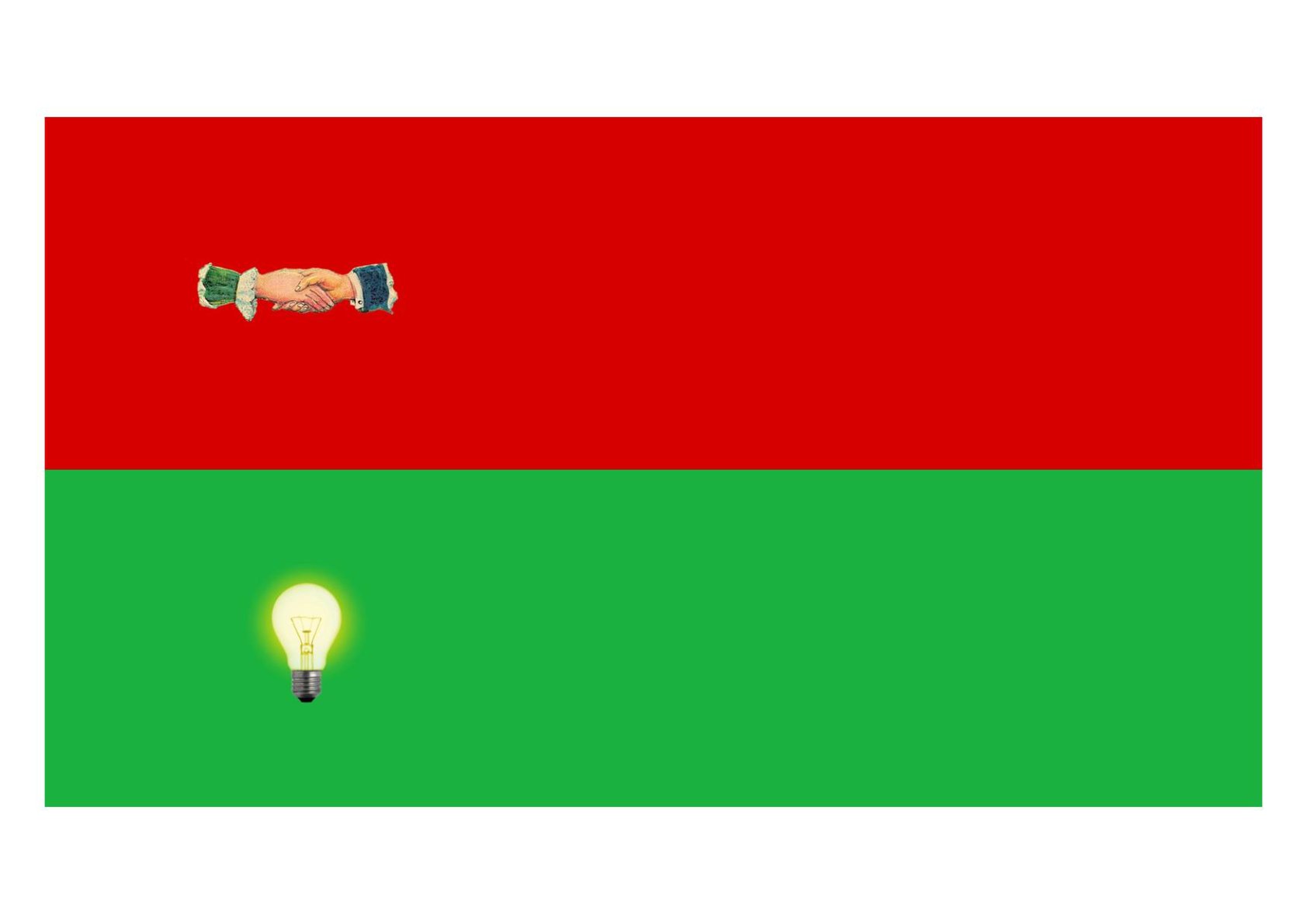
Early on, in a session called My Inner Nation, participants designed flags for themselves. Not the country on their passport, but the colours, symbols, and small stories that make up who they are. A few of them:

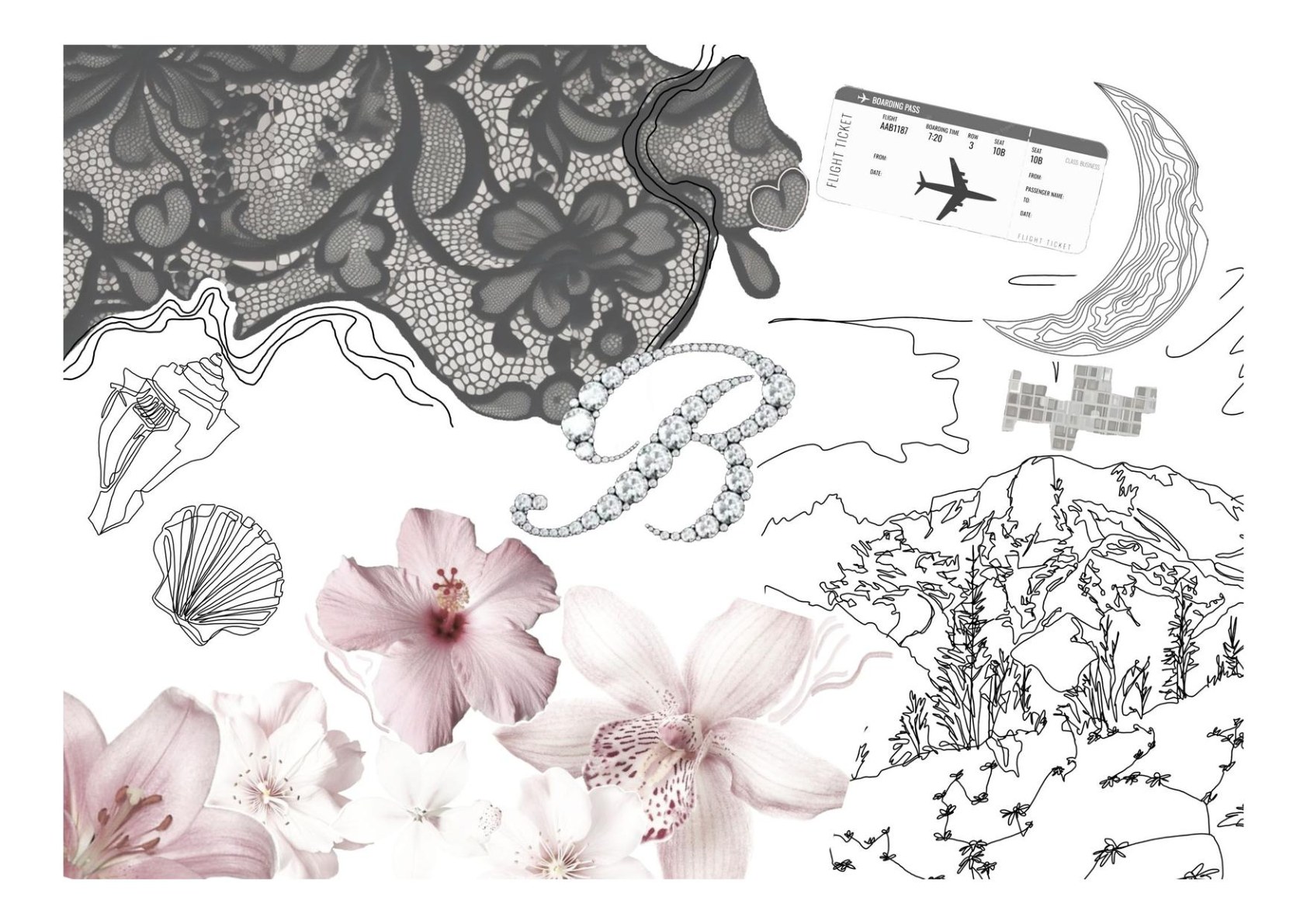
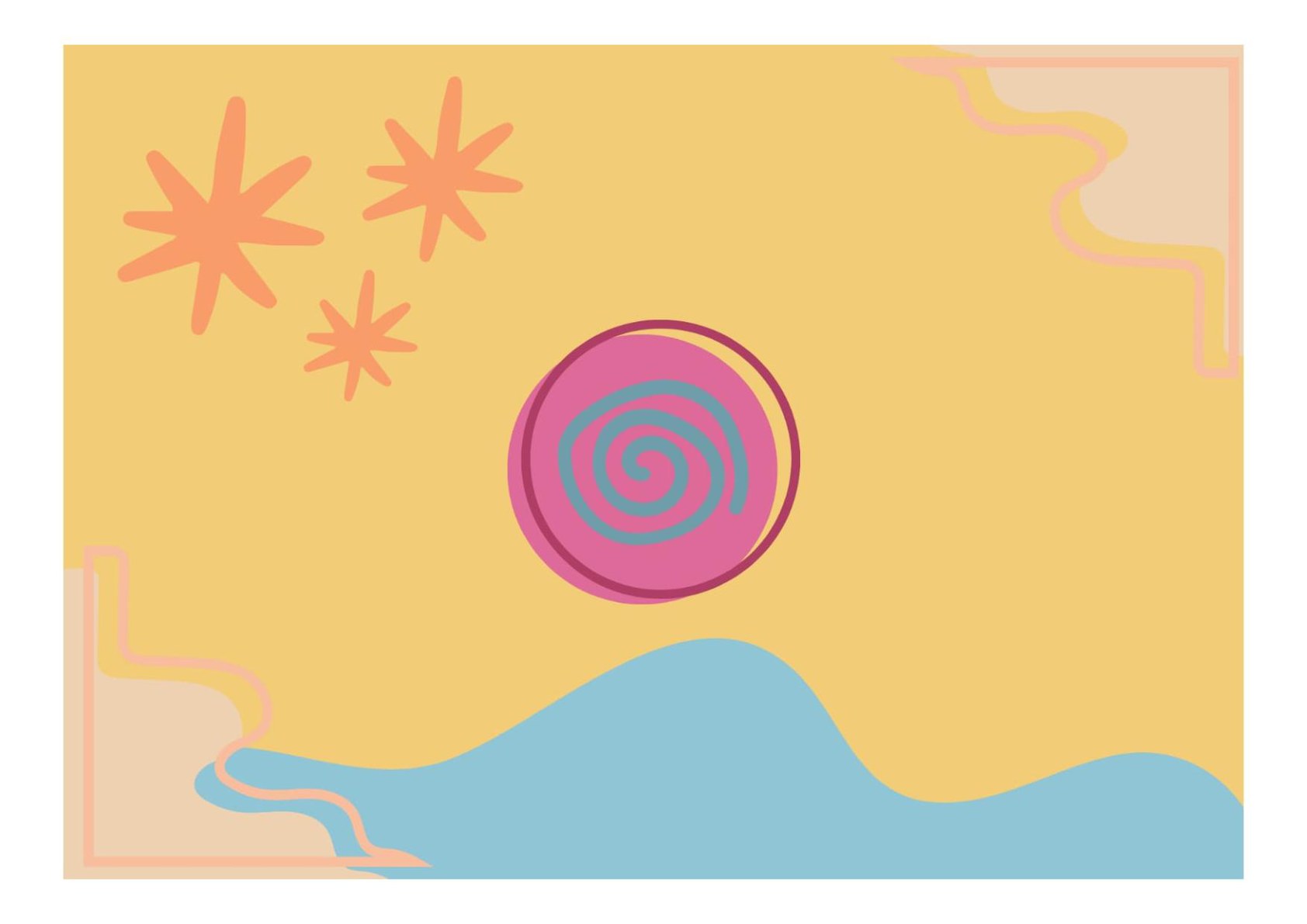
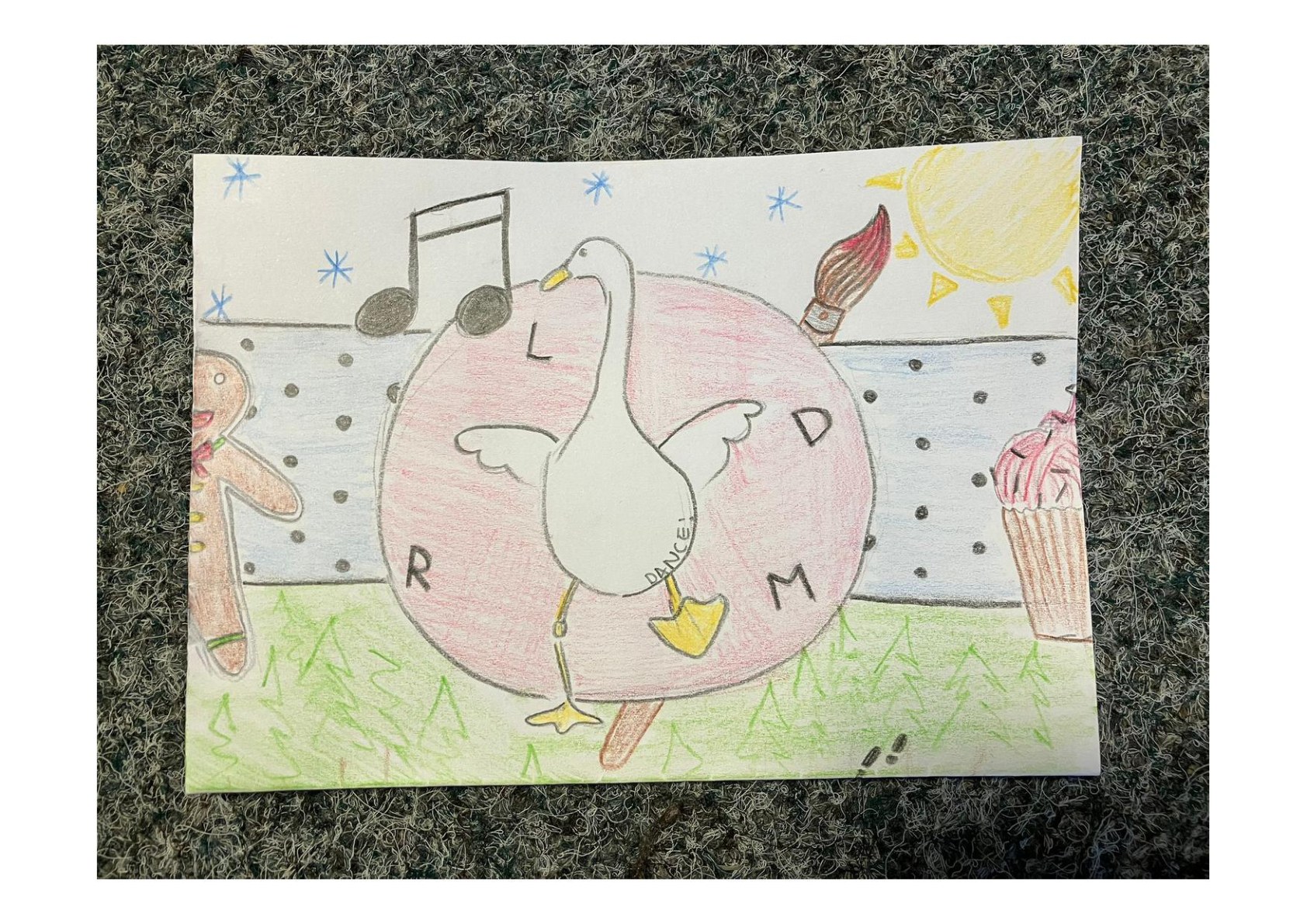
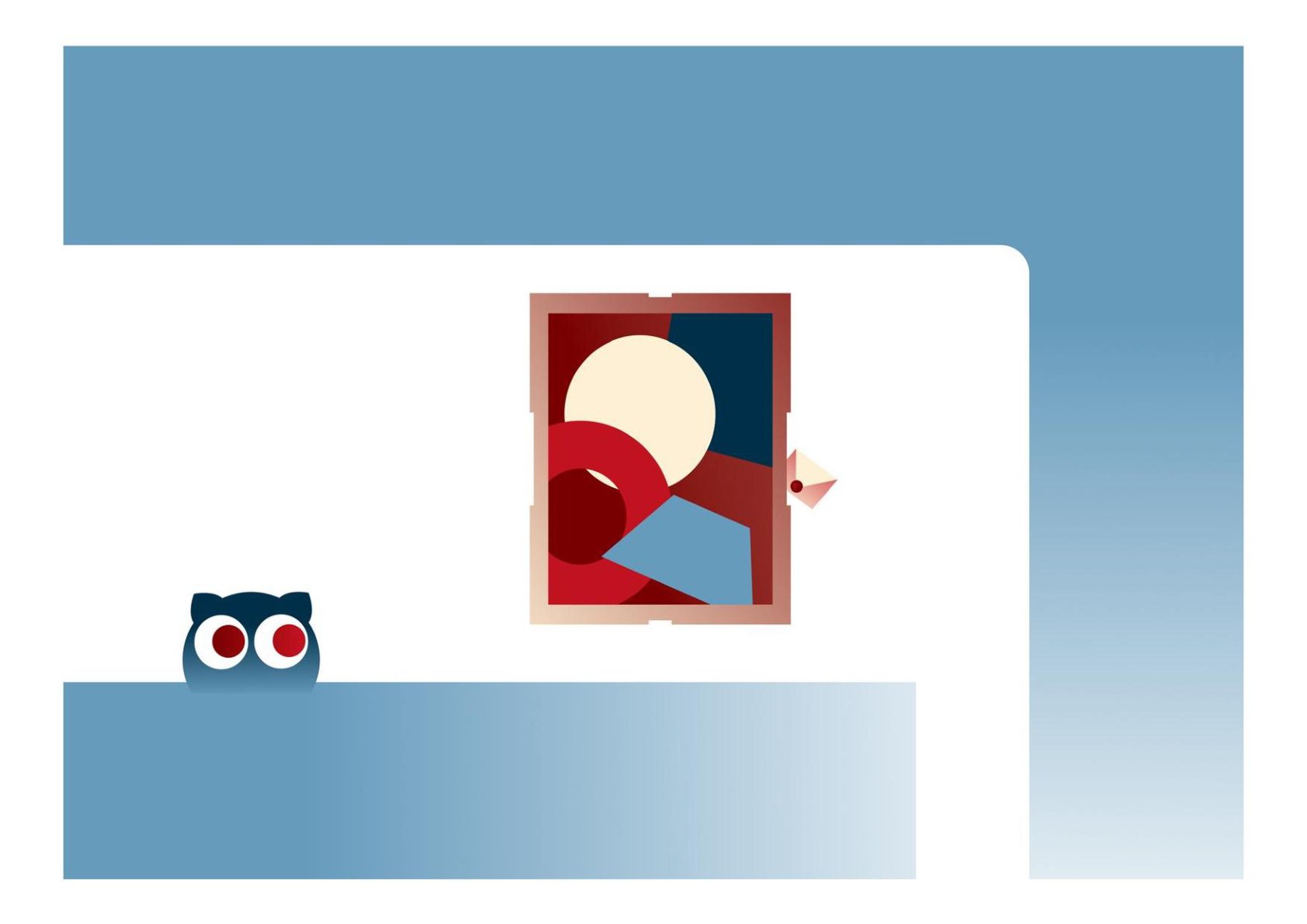
Exploring Socio-Cultural Backgrounds
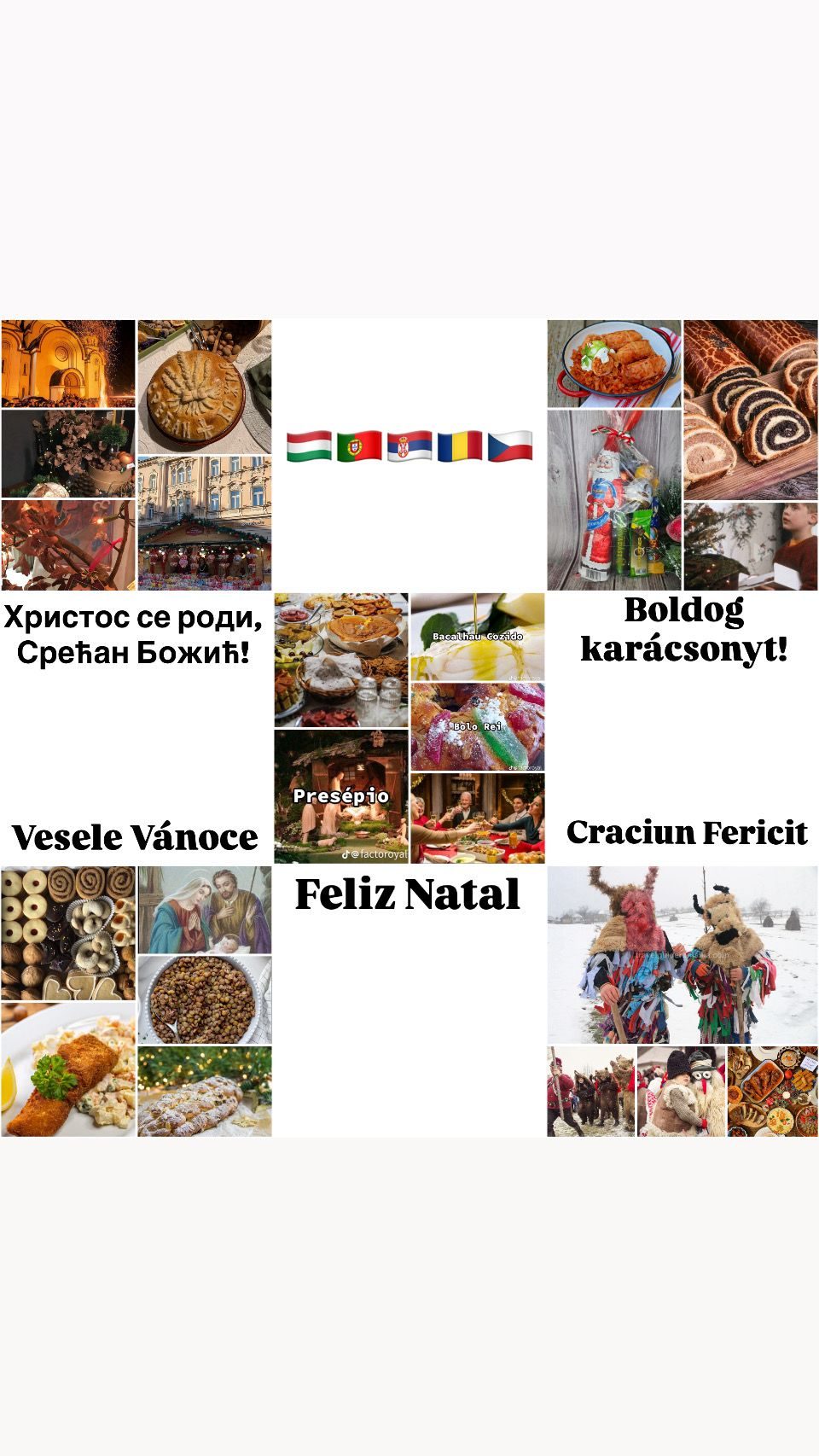
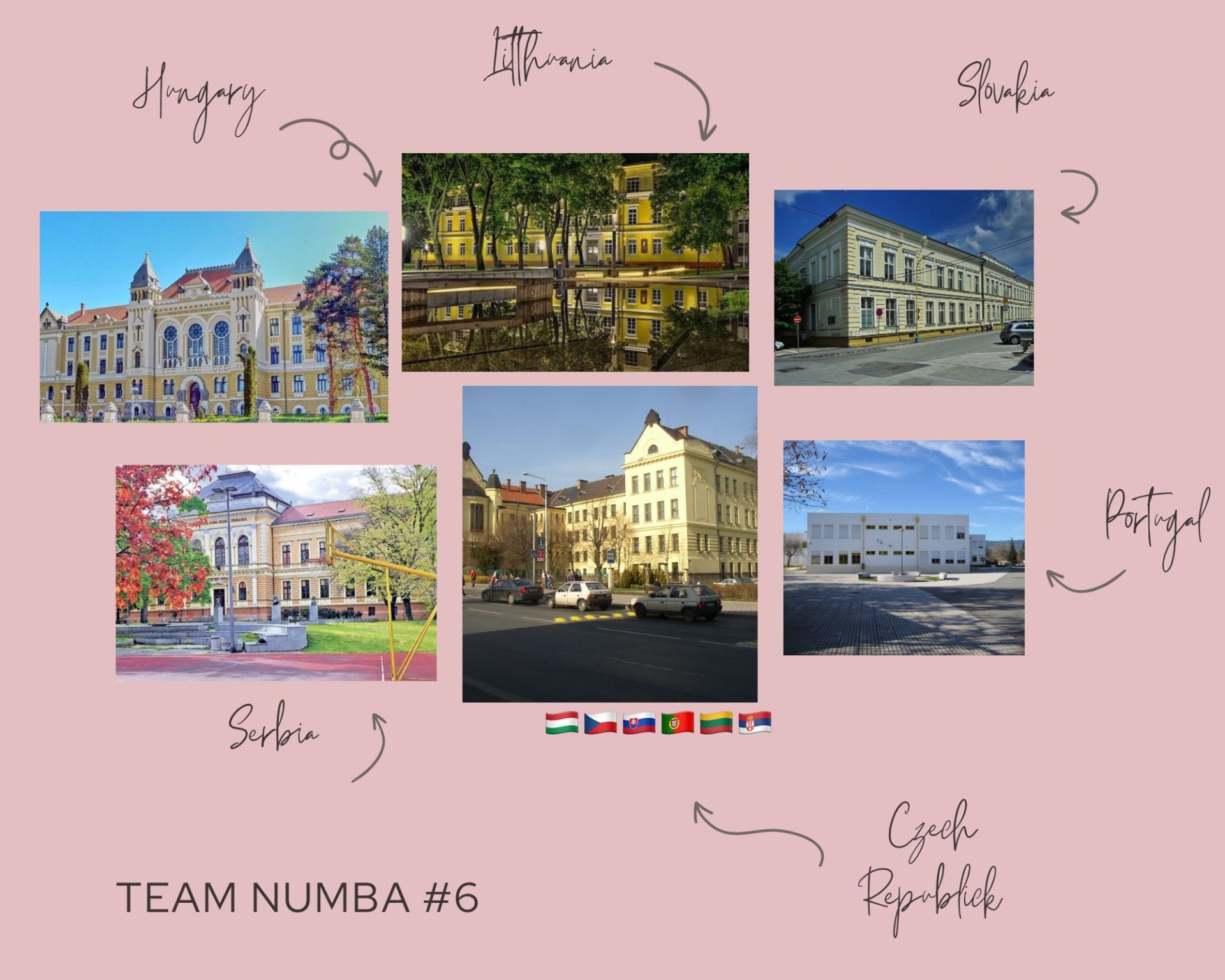
On the day given over to culture, the Exploring Socio-Cultural Backgrounds session sent teams looking for what actually separates and connects the countries in the room. Two of the posters that came out of it: one mapping how to say Merry Christmas across every language at the exchange, the other comparing the architecture of the different countries.
Digital Collage of Inclusion
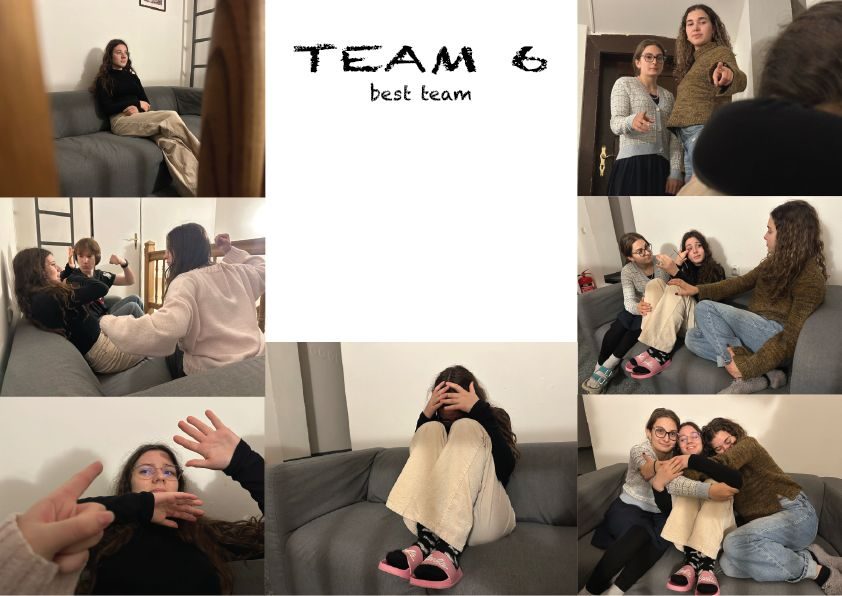
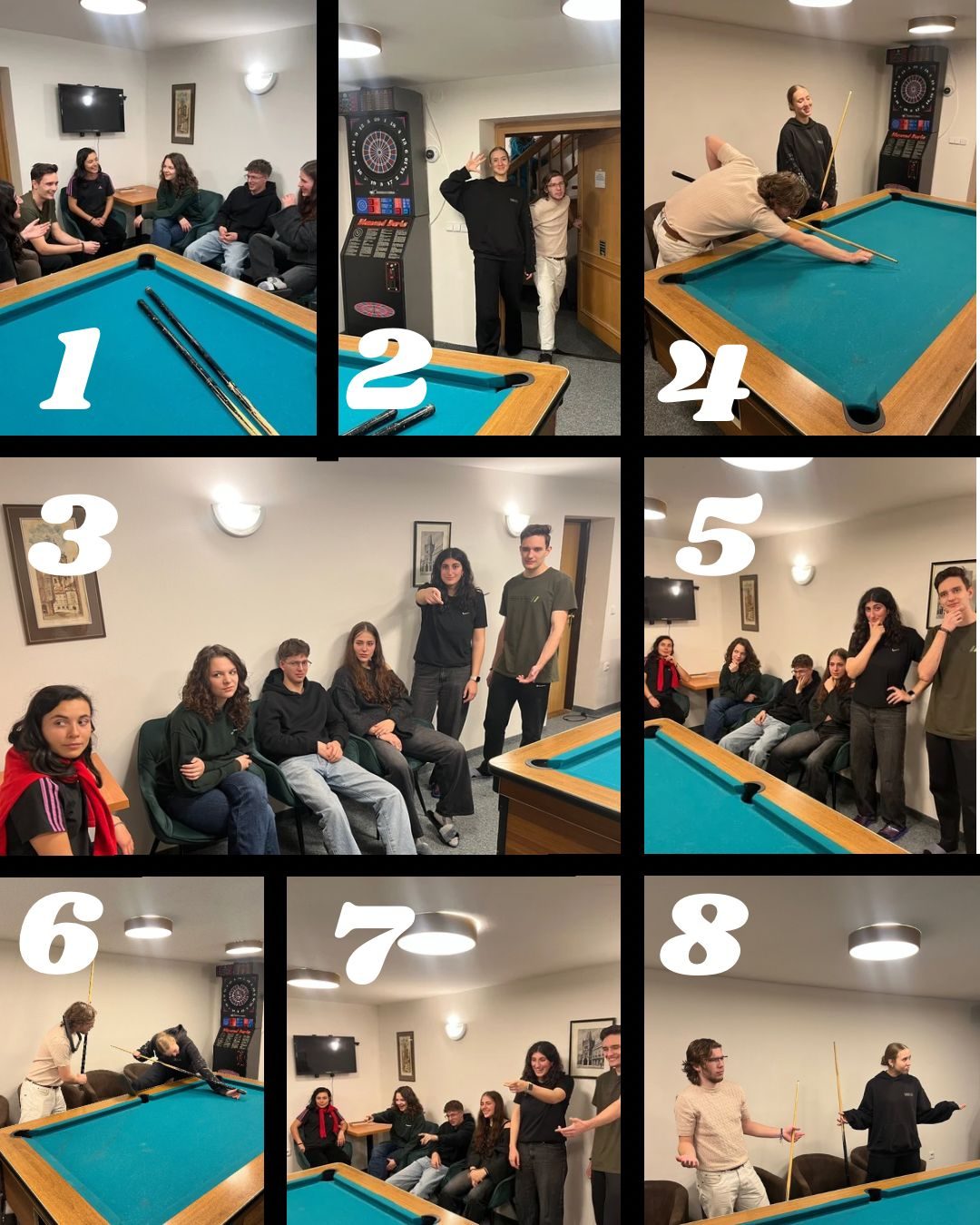
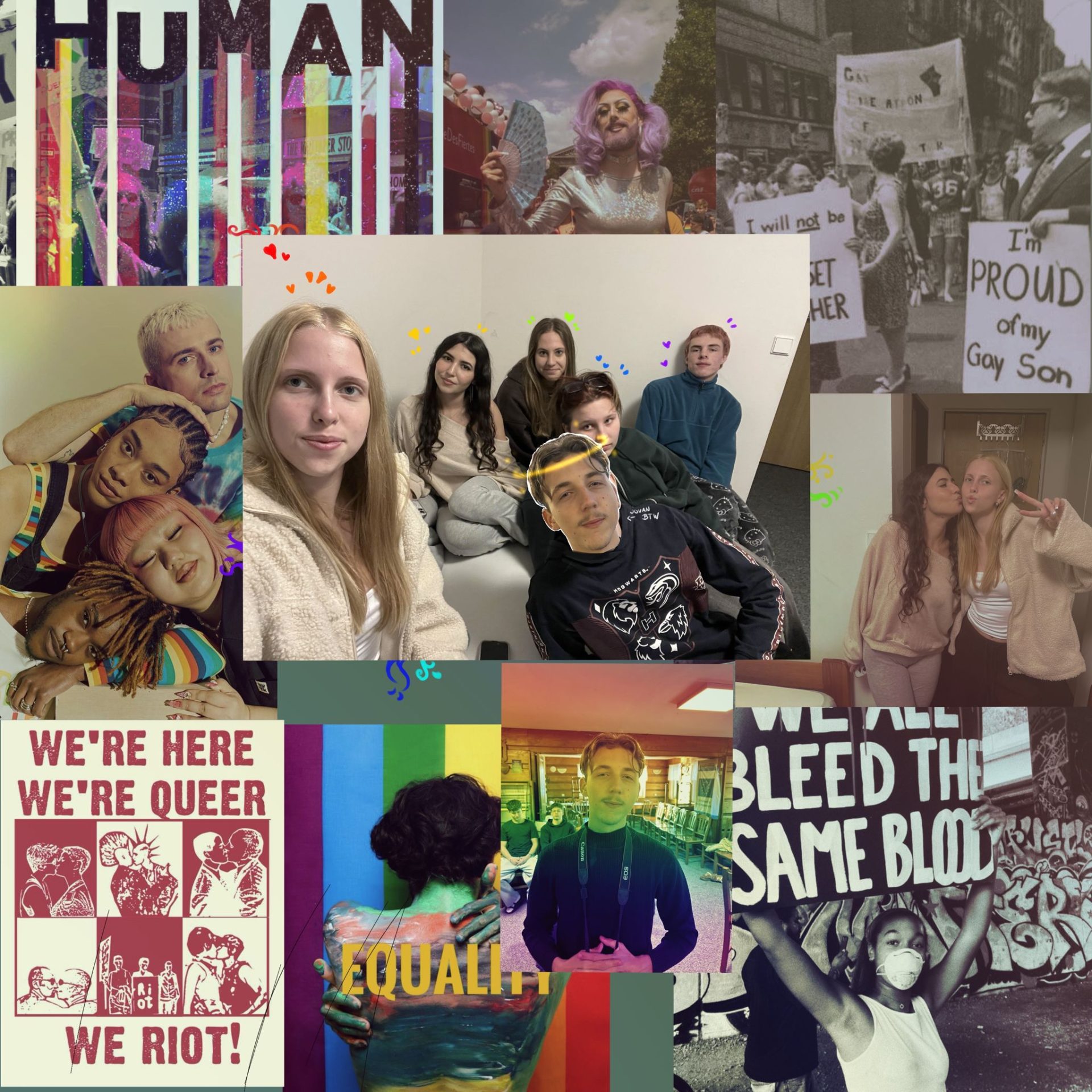
While mapping the inclusion challenges of their own countries, on the day built around equity, teams turned what they had found into Digital Collages of Inclusion: visual takes on the barriers that keep people out and what it would take to remove them. Three of them:
Accessibility 101
The seventh day was built entirely around access. After the Accessibility 101 sessions broke down what accessibility actually means in practice, teams were handed a camera for the accessibility challenge and asked to show the everyday barriers people with disabilities face, and how small changes remove them. Two of the short films:
A day in the life of a blind person: grocery shopping, crossing the street, and getting around with a guide dog.
How not to talk to a deaf student, and how teachers can change the way they communicate so a deaf student is genuinely included.
Photo Gallery
A few more moments from this activity :)
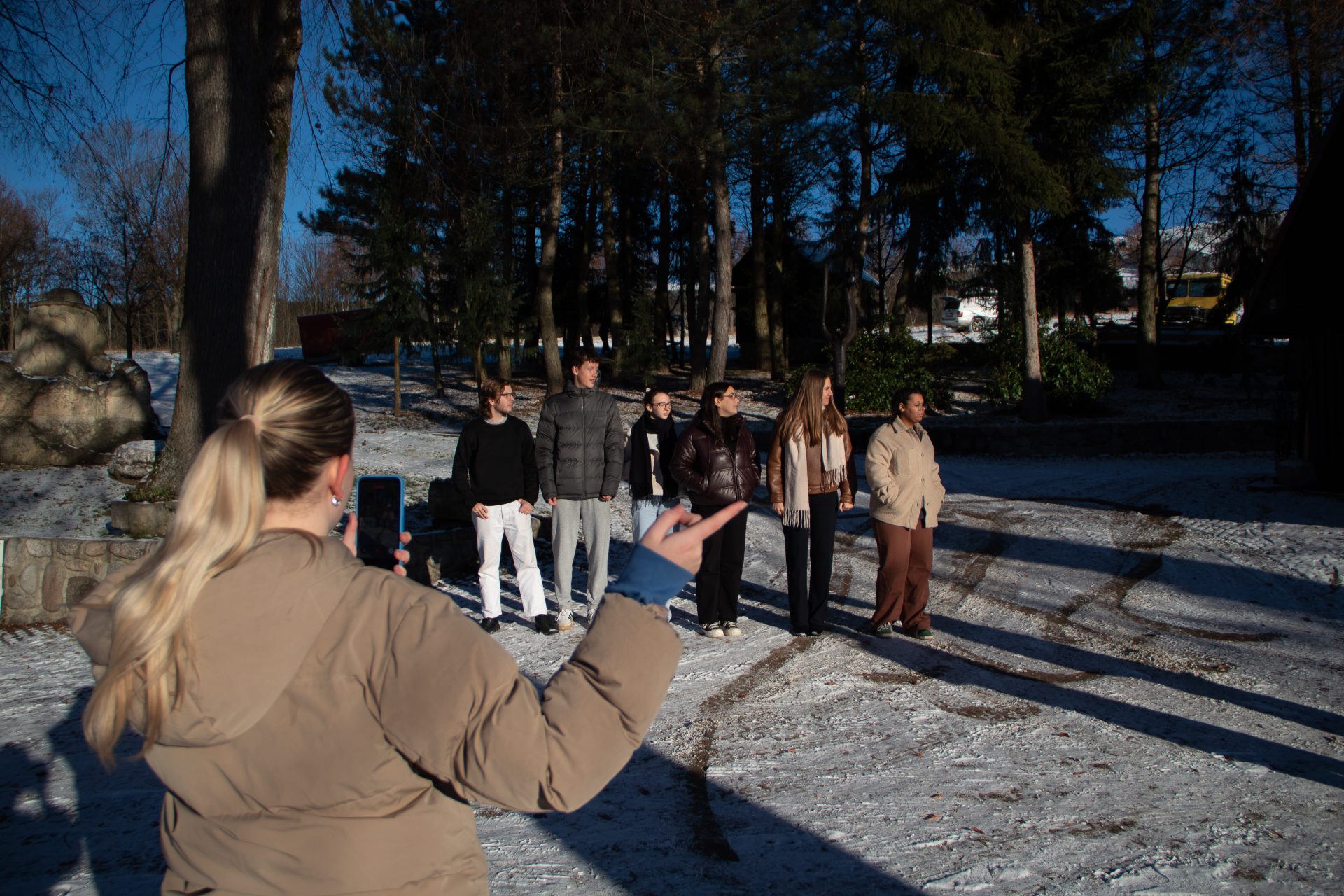
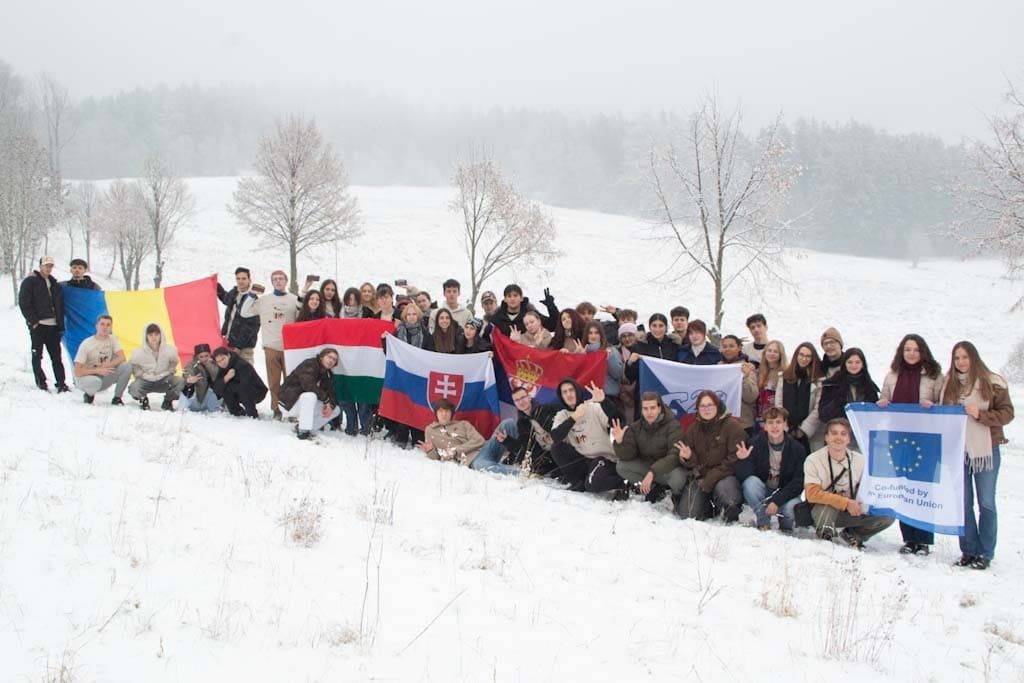
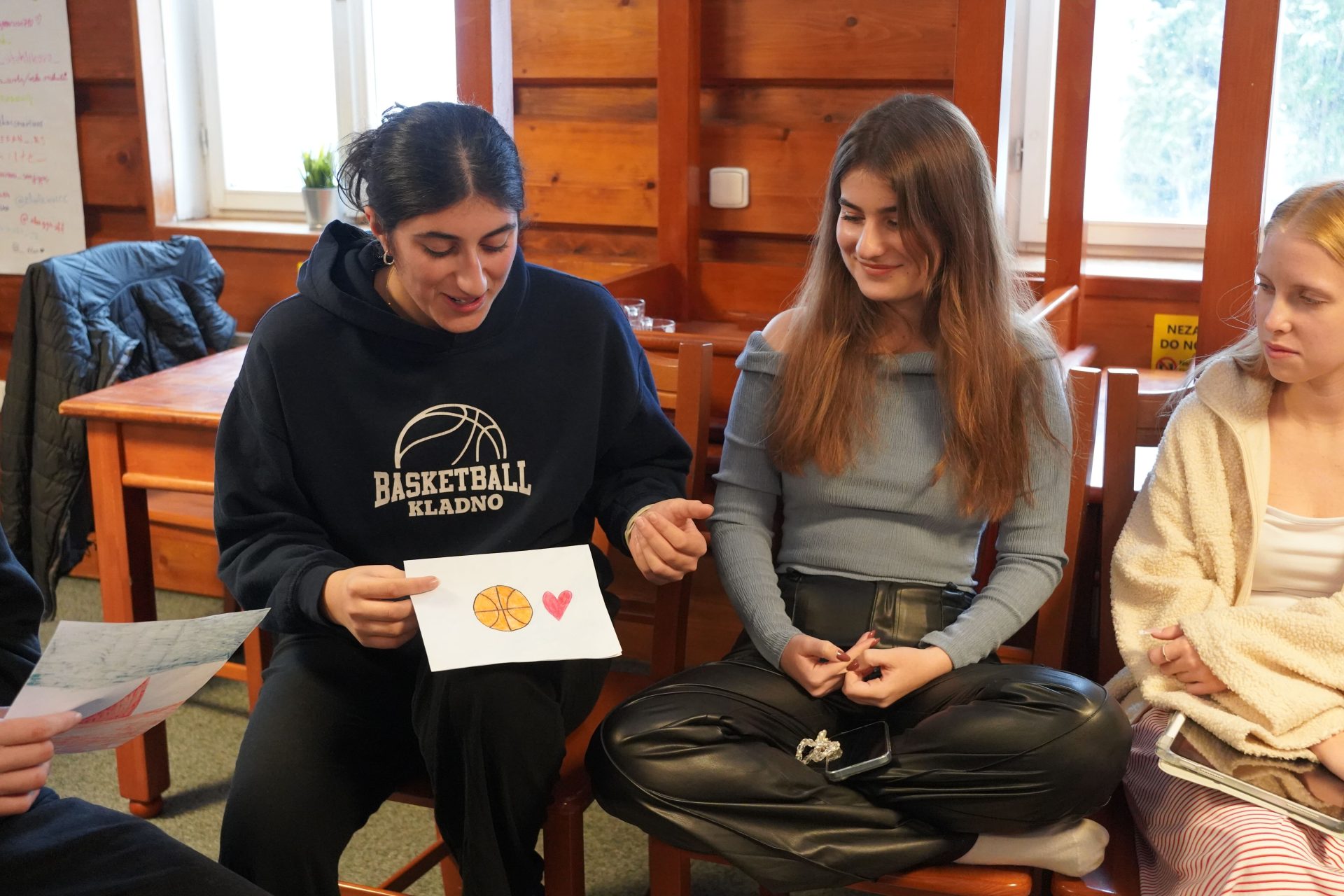
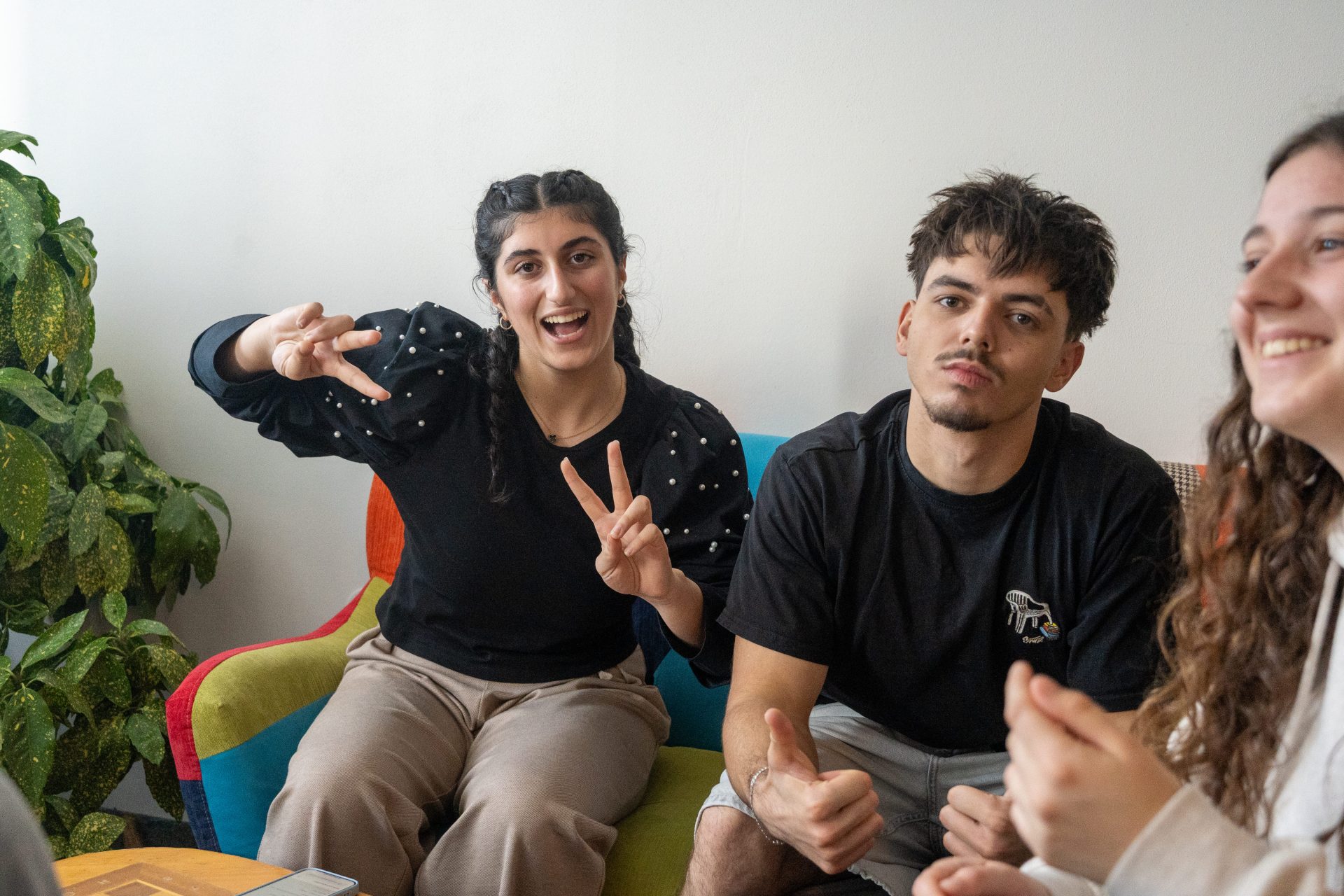
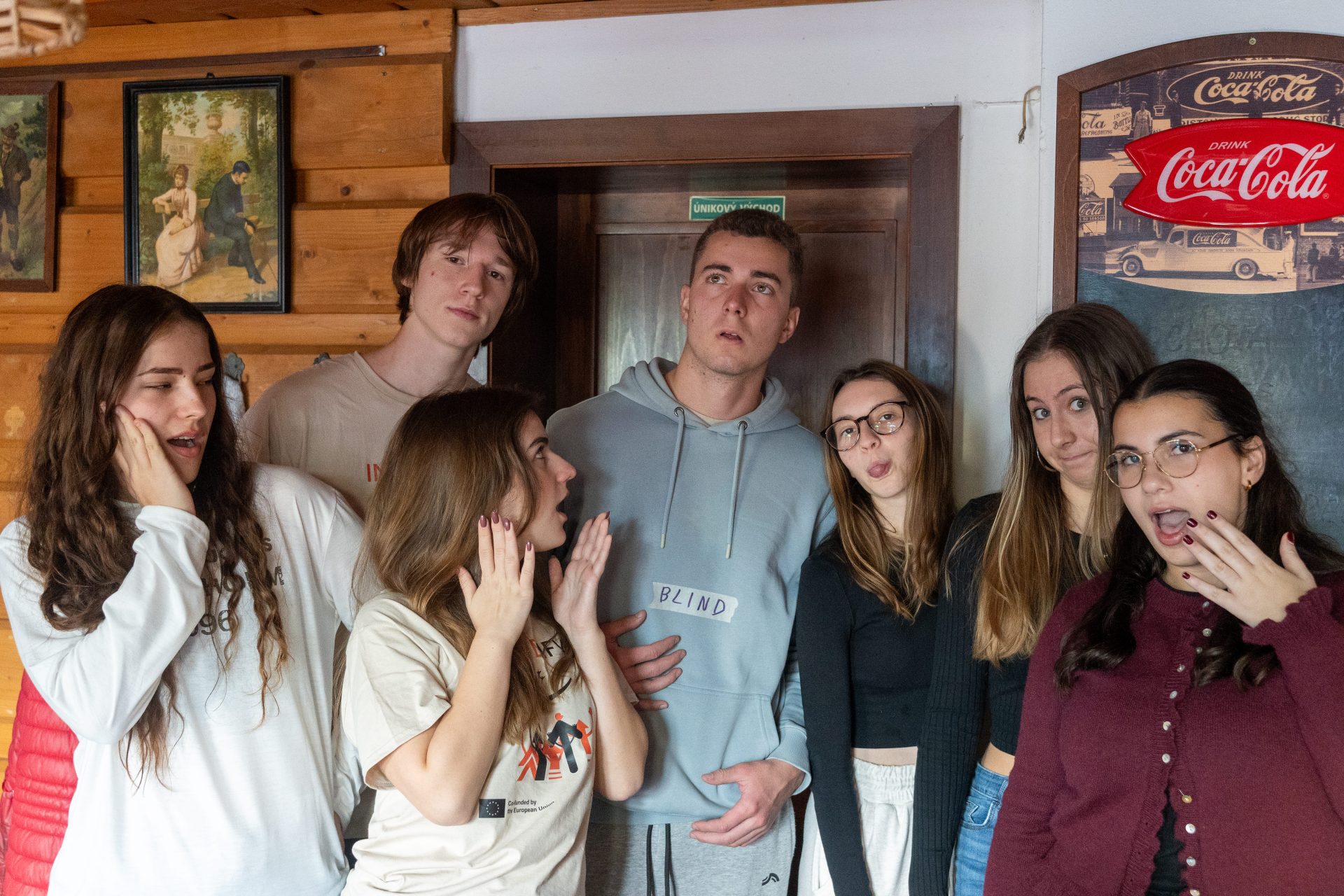
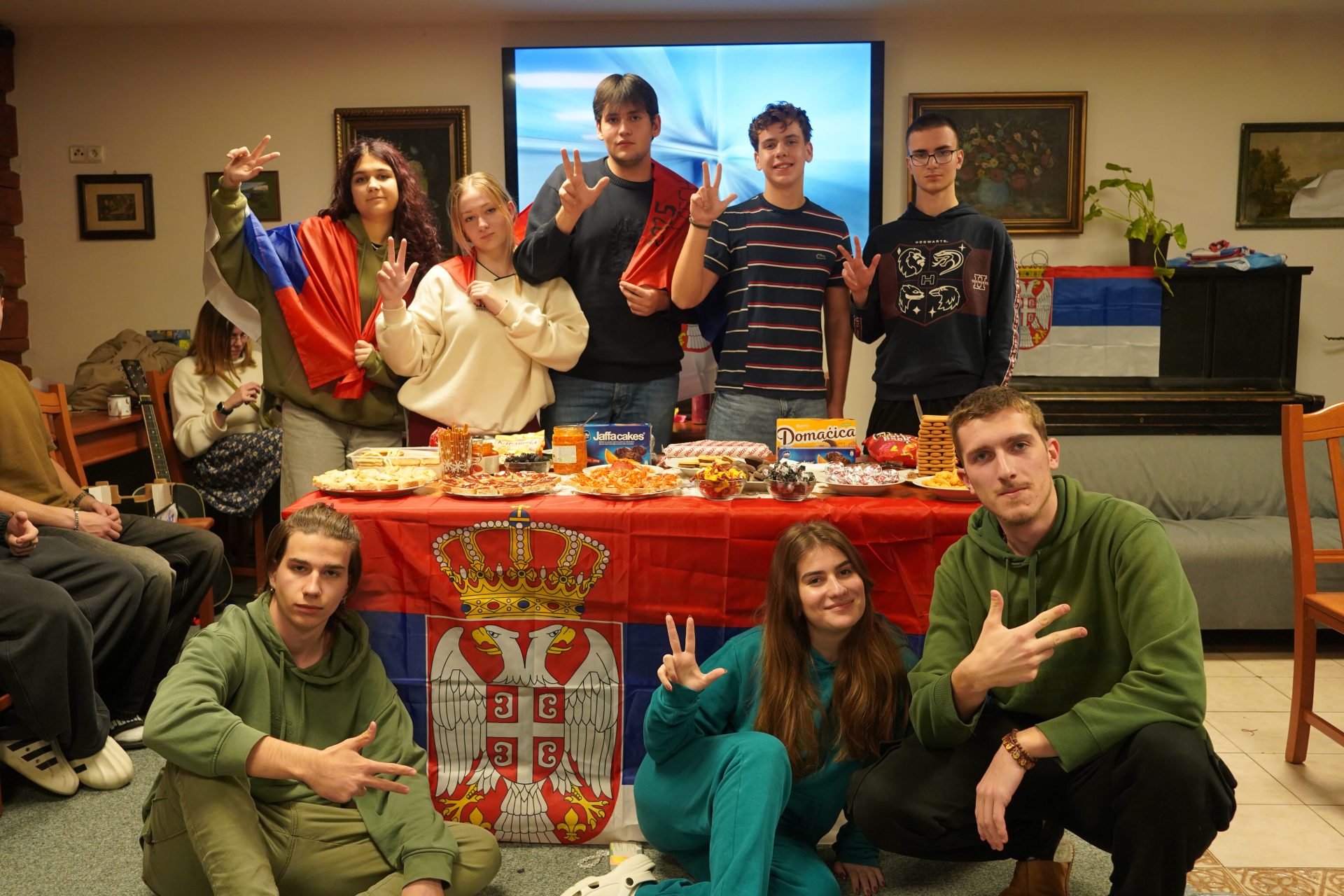
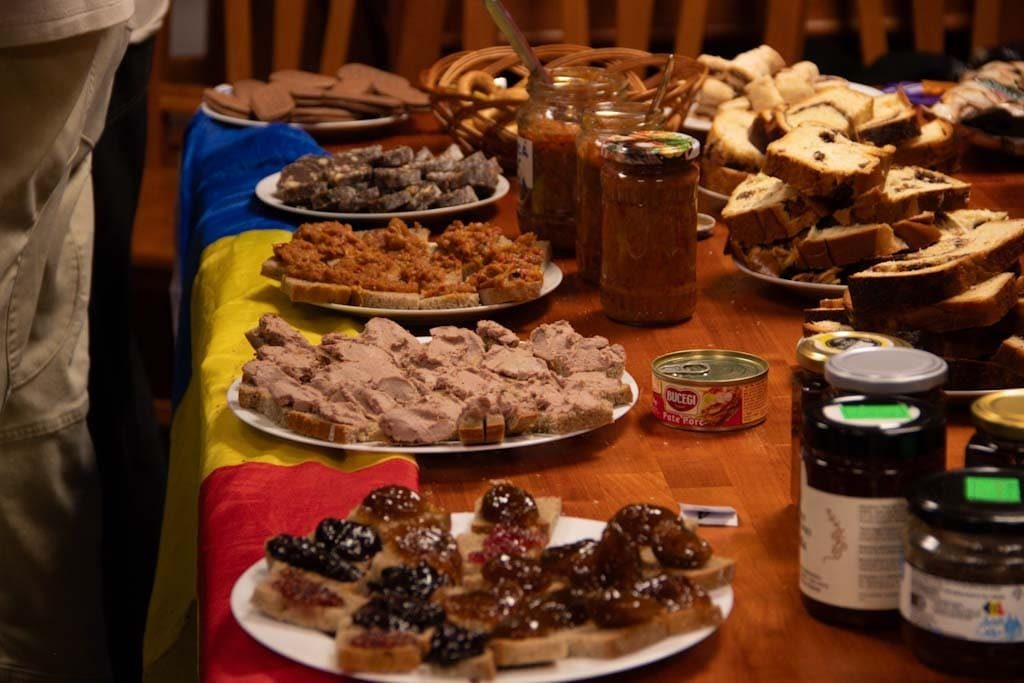
Check these and more photos in the activity’s photo album.
Dissemination Events
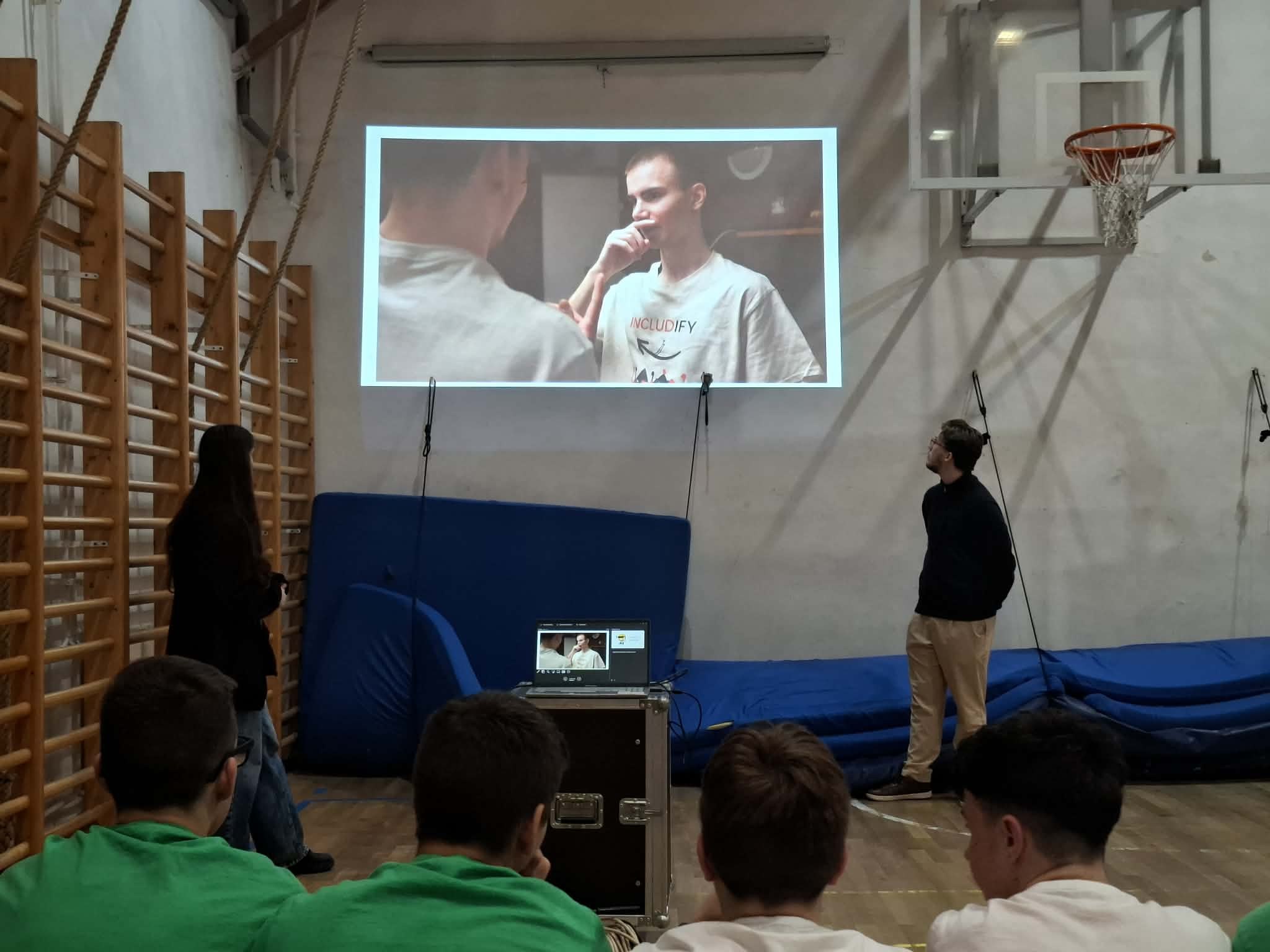
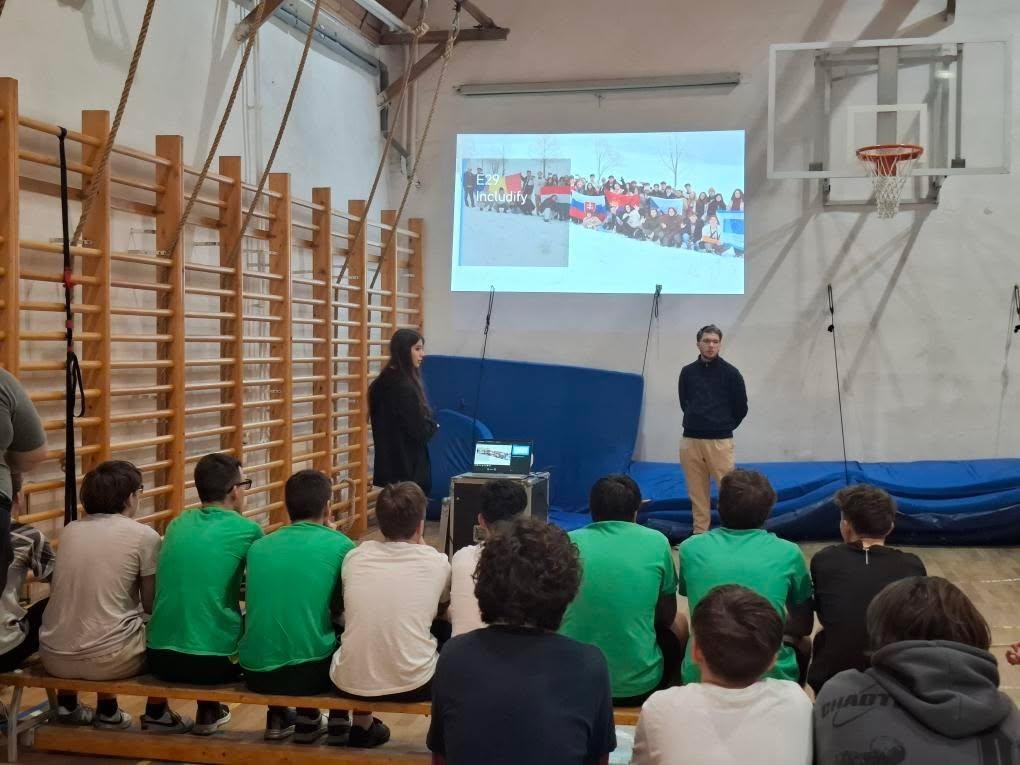
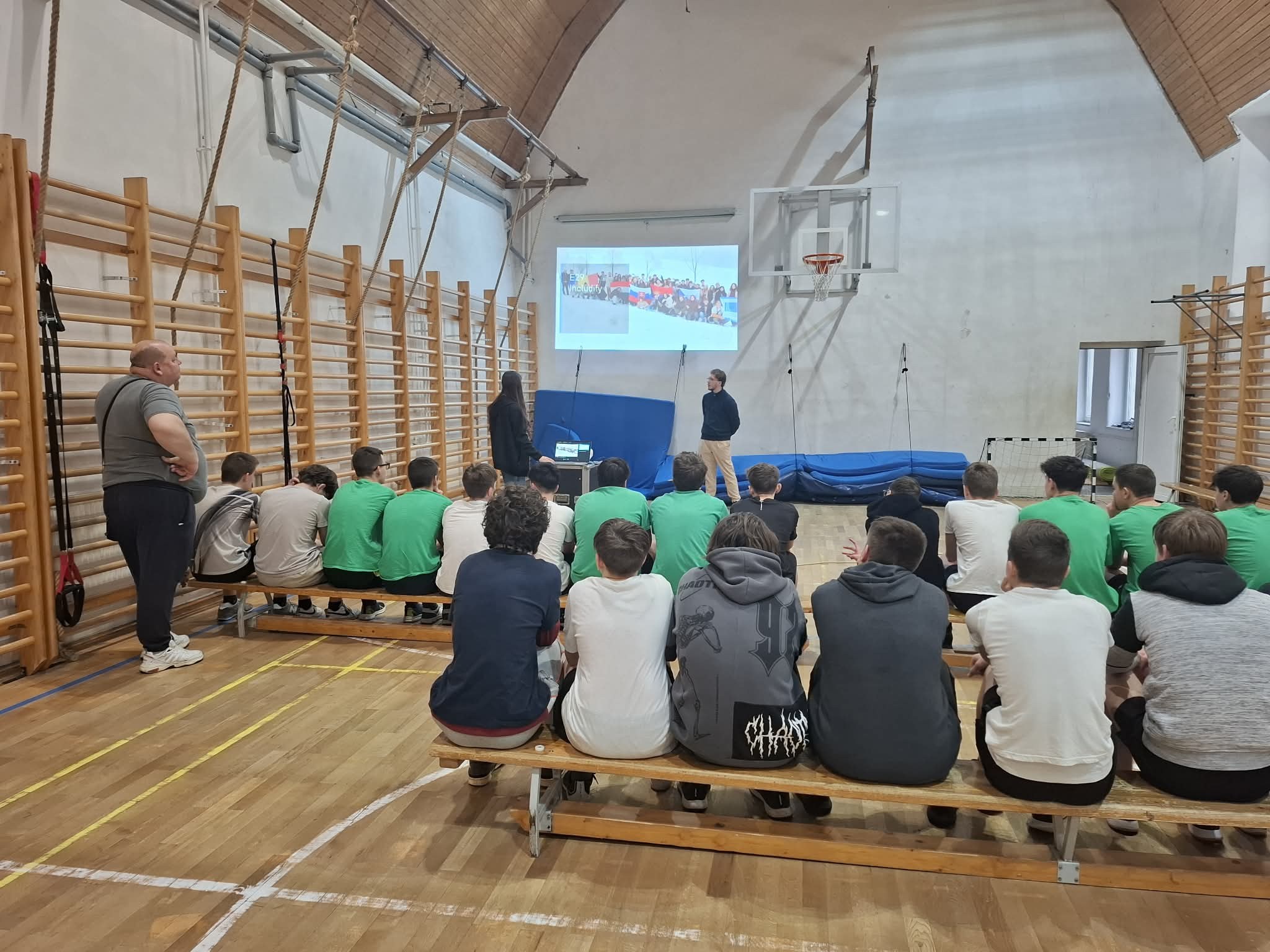
Once home, participants carried Includify into their own schools and communities, sharing what they had learned with classmates, teachers, and friends.
Marijampole, Lithuania, Nov. 2025
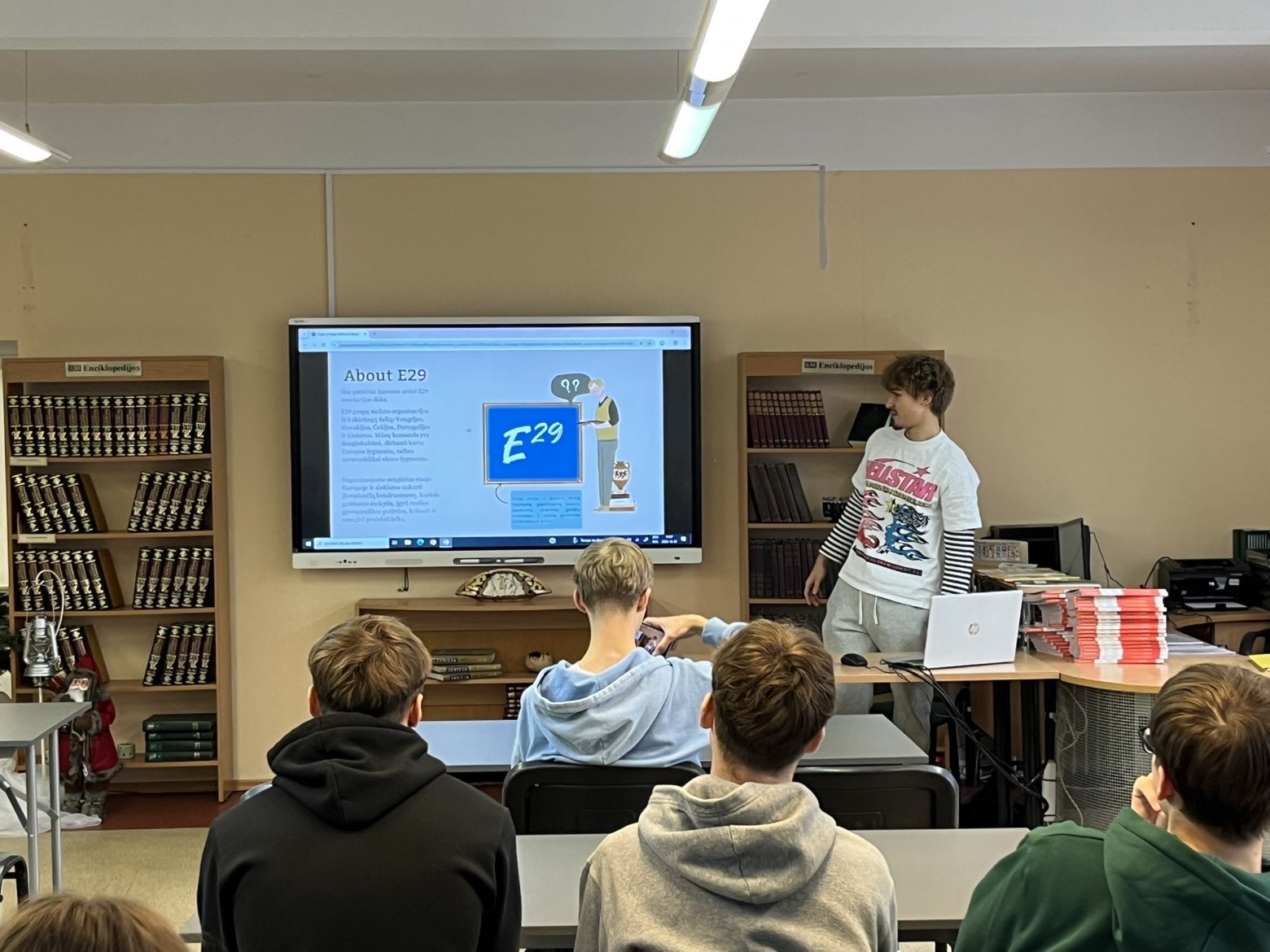
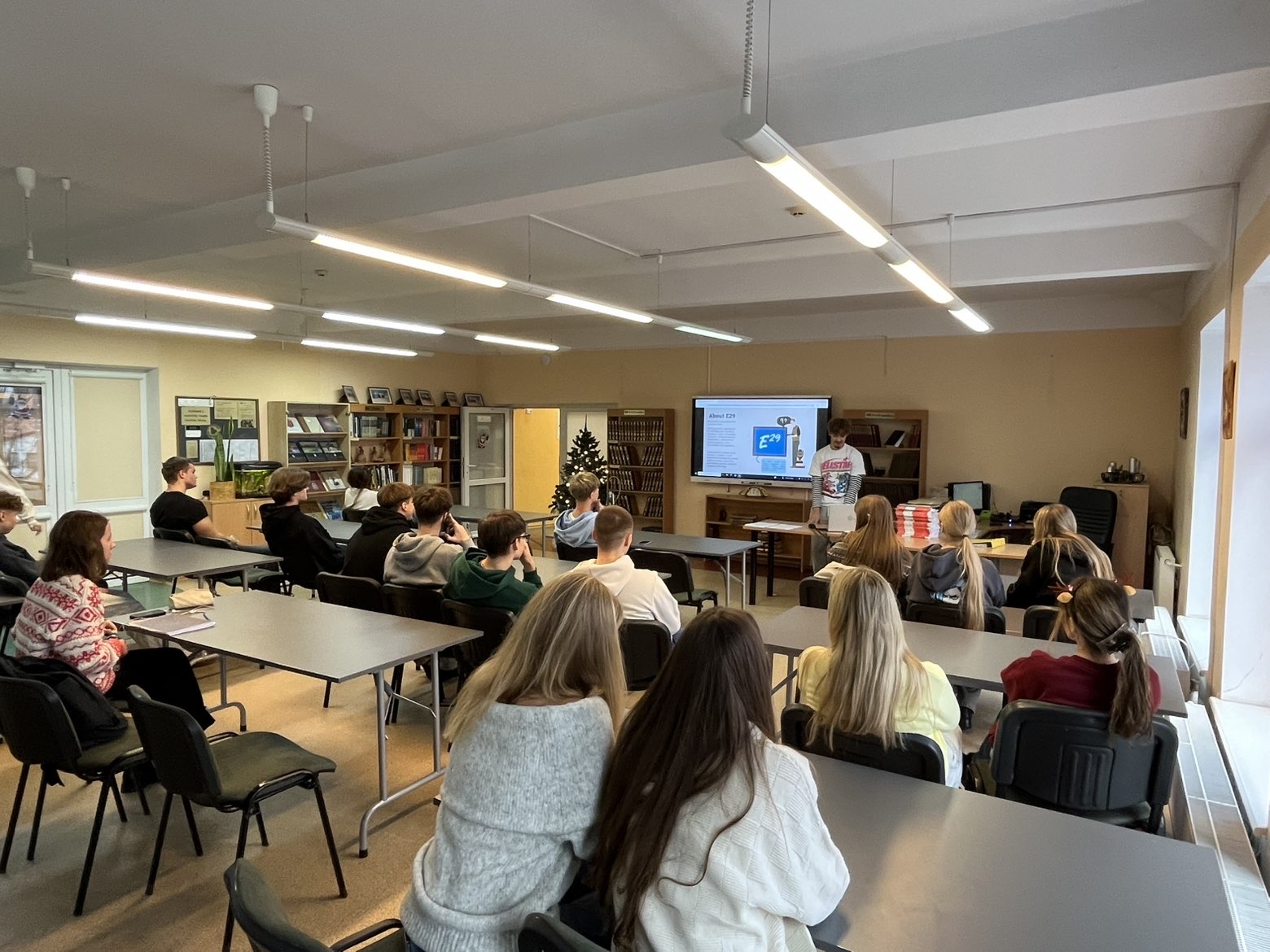
Denisas gave a presentation at Rygiskiu Jono Gimnazija, sharing the fun he had during Includify and walking his audience through how Erasmus+ works and how to sign up for future projects.
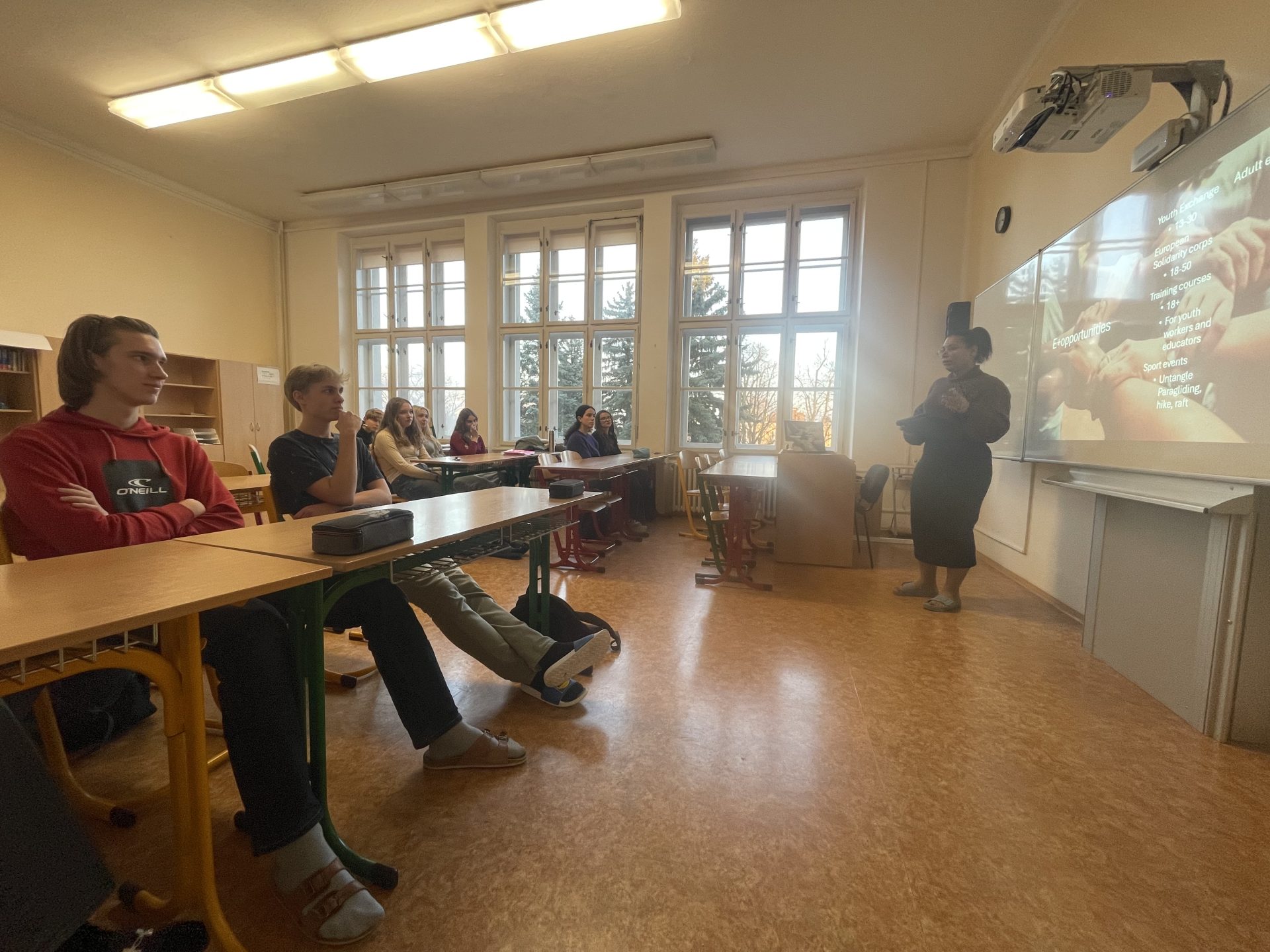
Kladno, Czechia, Dec. 2025
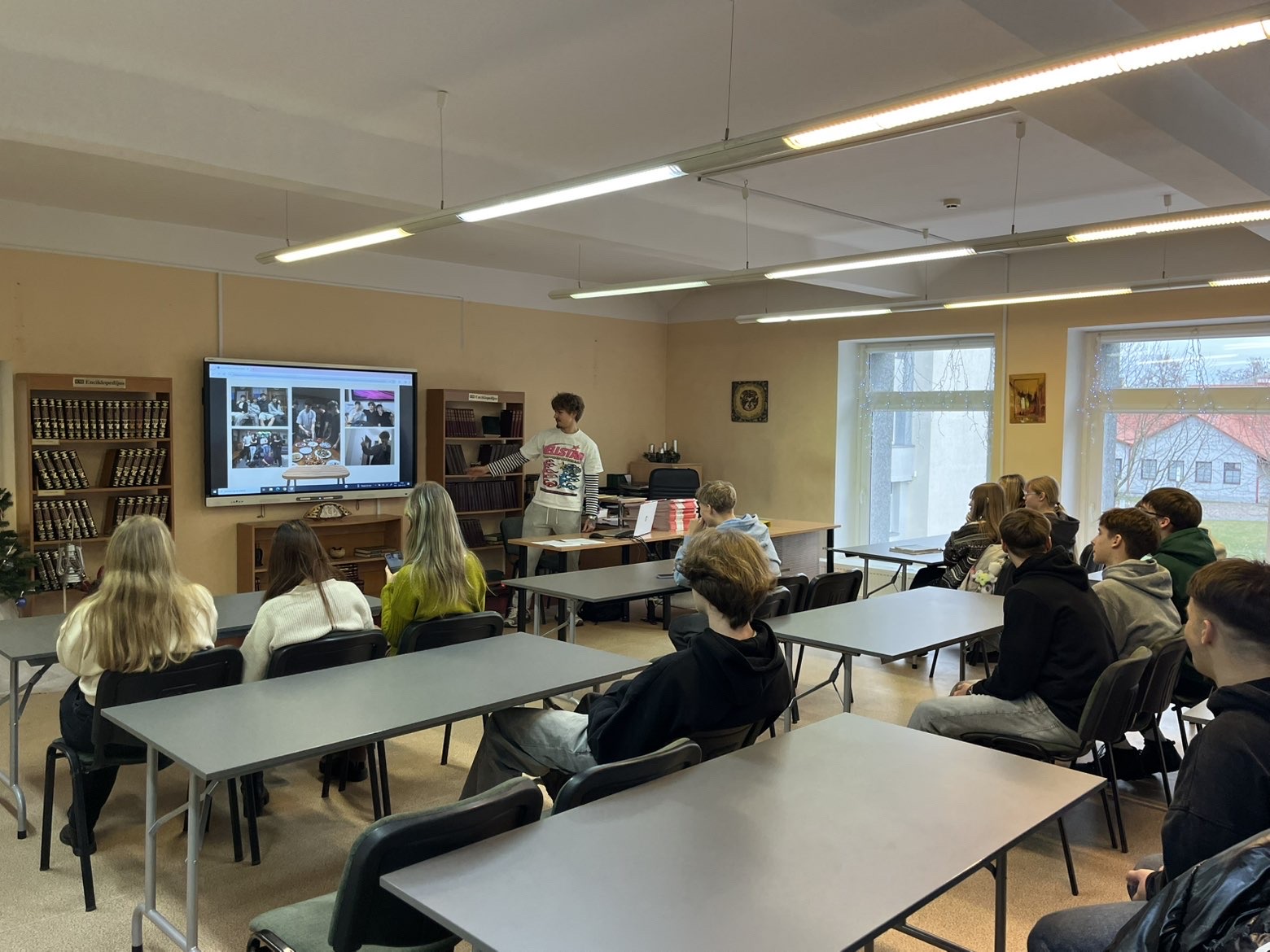
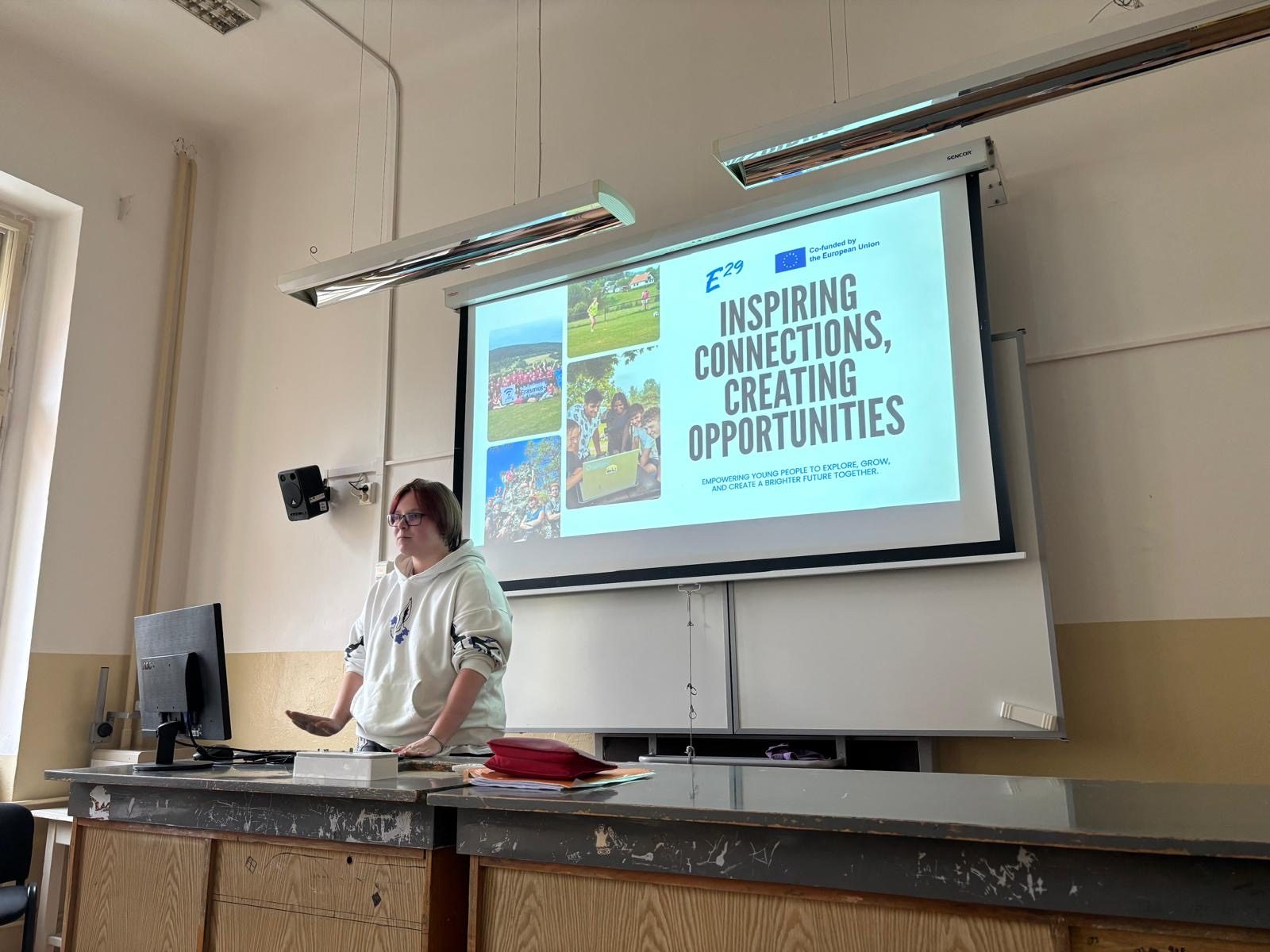
Katerina presented Includify to a class of fellow students, walking them through a typical day on the exchange, the free time and activities like hiking, and how Youthpass recognises what participants learn, then rounded it off with a few funny stories from the trip, for 17 people.
Jaroměř, Czechia, Dec. 2025
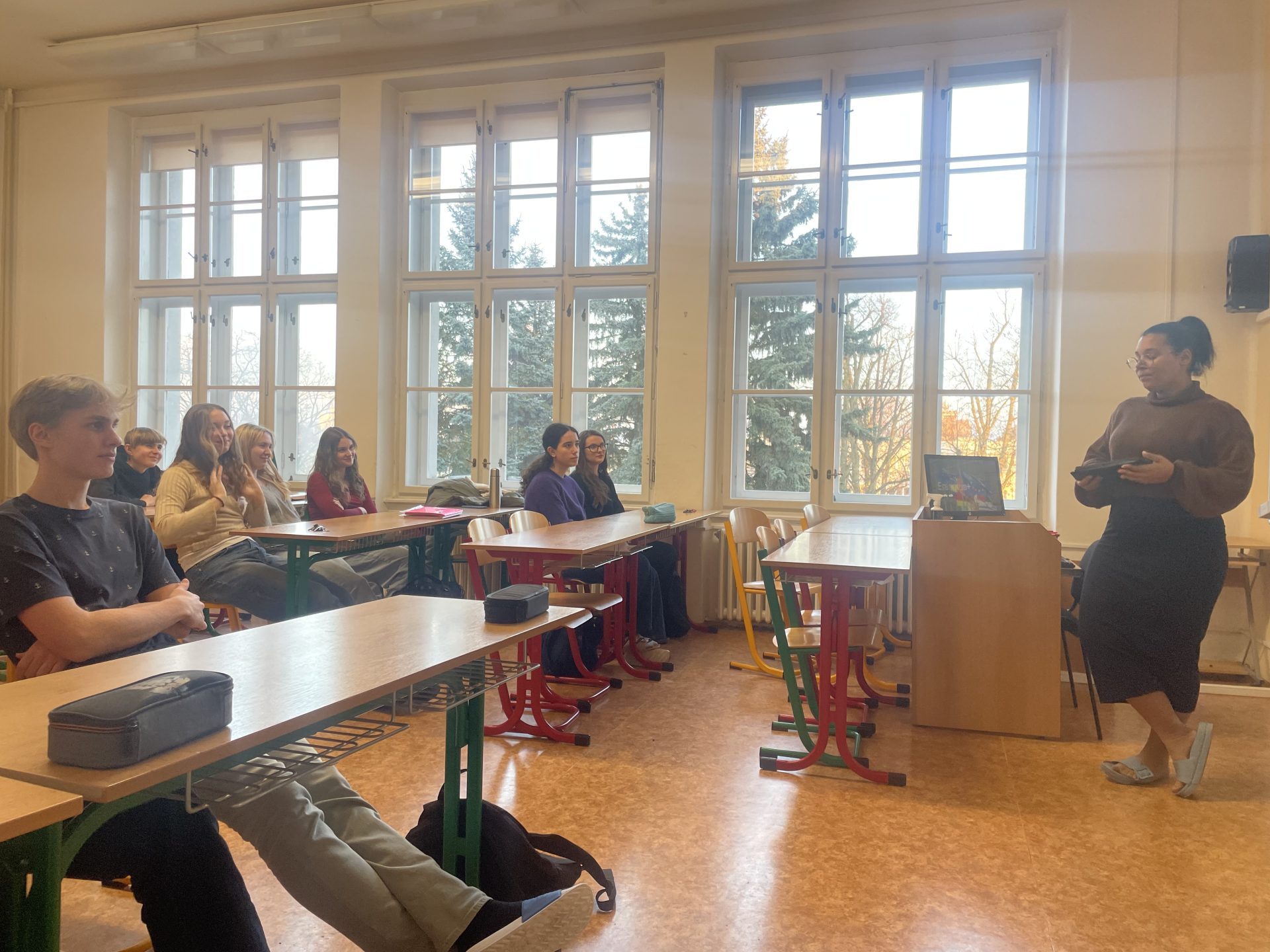
Anna ran a short presentation at Gymnázium Jaroslava Žáka Jaroměř, sharing the main outcomes of Includify, the activities the group ran, and how the exchange helped them understand inclusion and break down stereotypes, for 15 people.
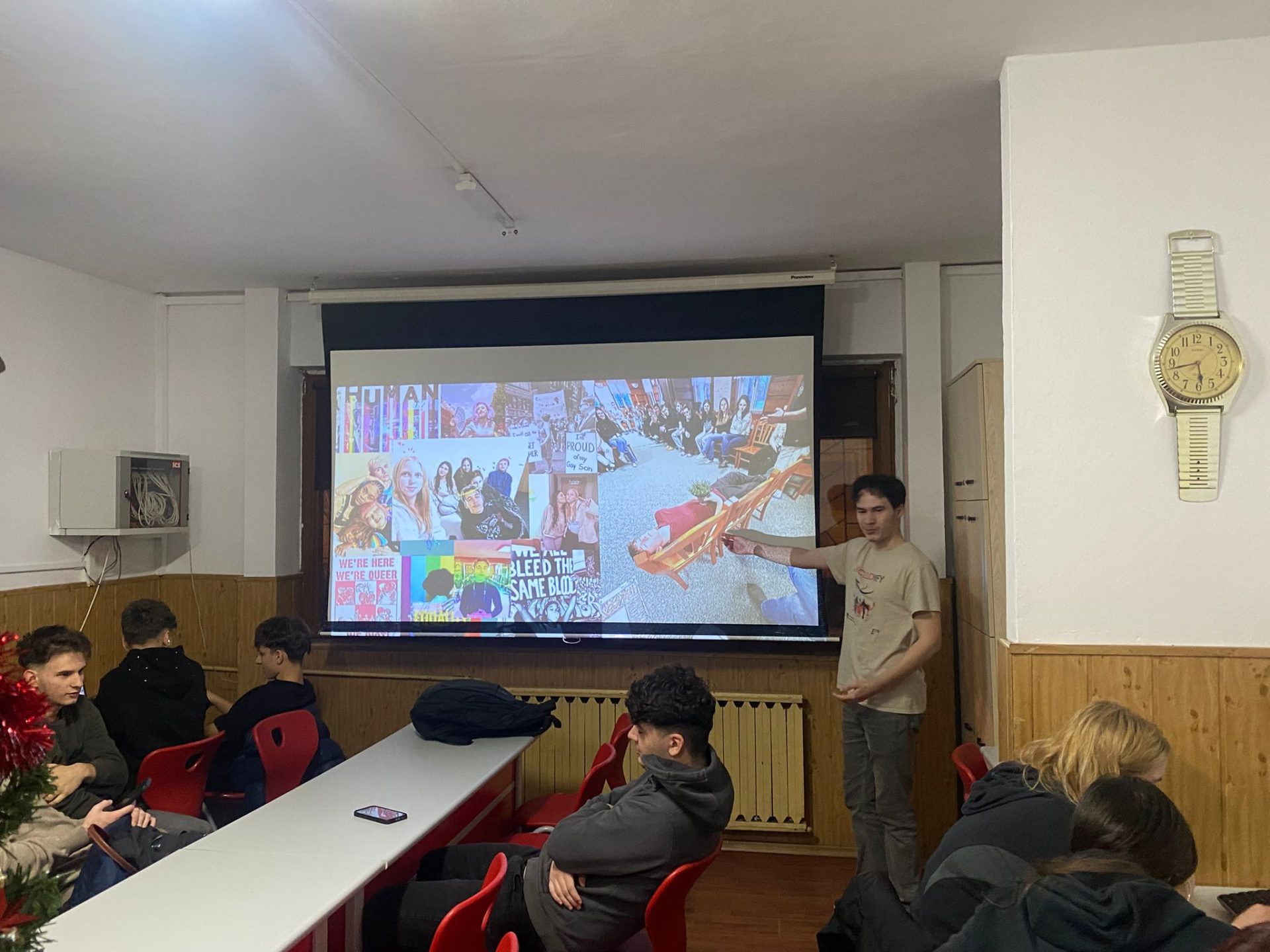
Pitesti, Romania, Dec. 2025
George presented Includify to his class at Liceul Teoretic Ion Barbu, sharing his experience of the exchange and what it taught the group about inclusion and diversity, for 17 people.
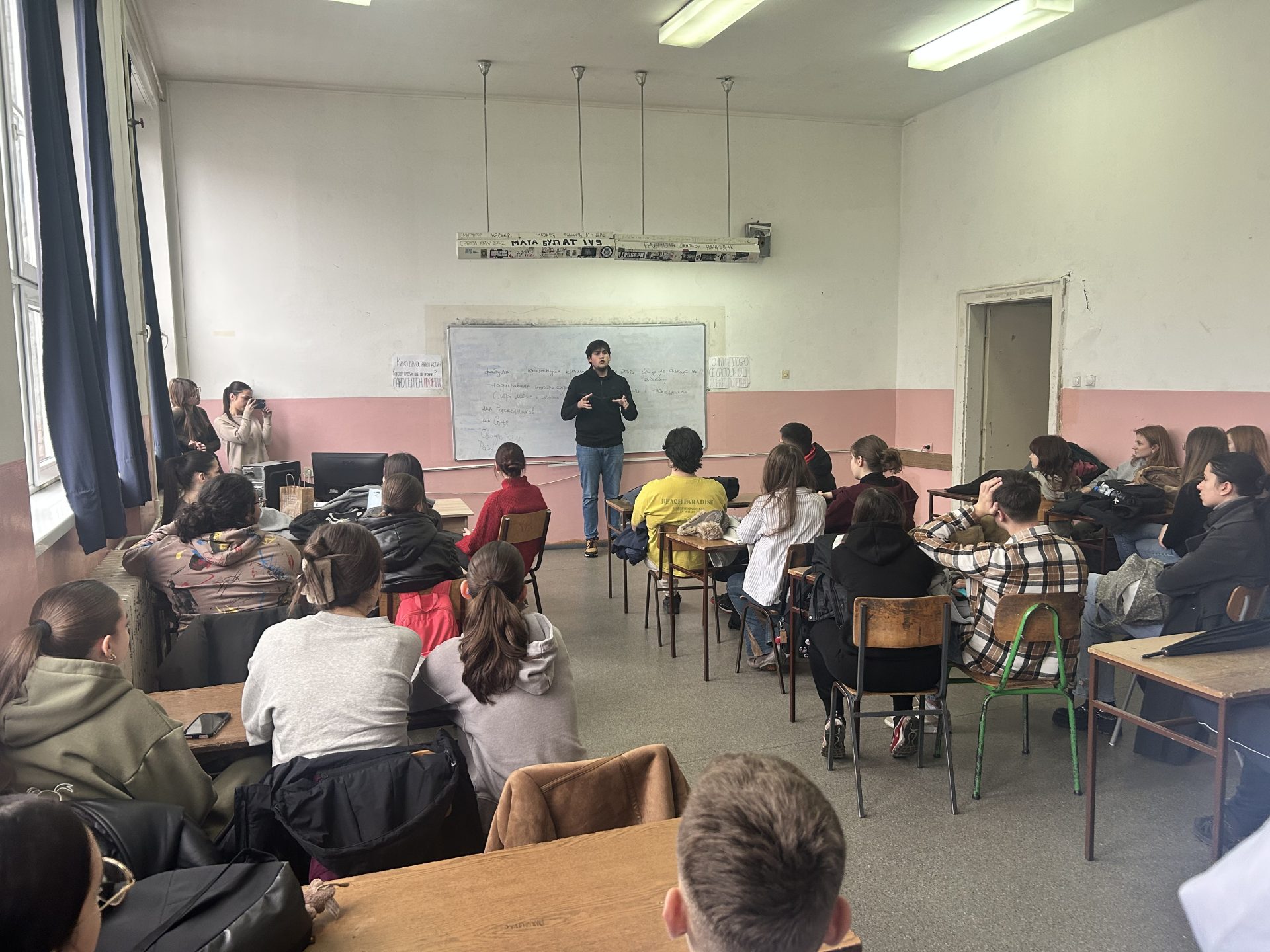
Krusevcu, Serbia, Dec. 2025
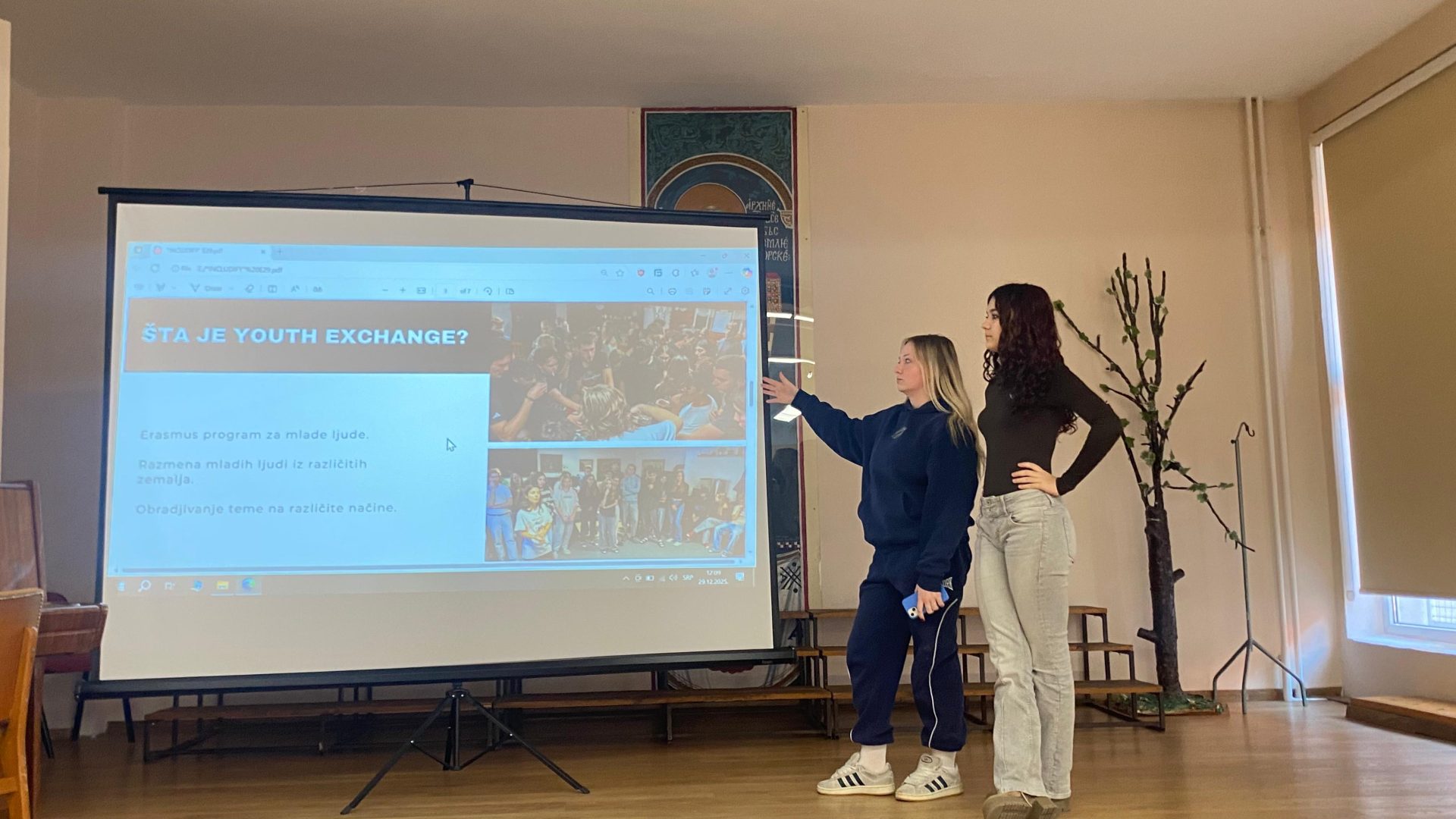
Konstantin took Includify to a meeting of his school’s Student Parliament at Gimnazija u Krusevcu, presenting the project’s aims, activities, and outcomes with a focus on inclusion and diversity. He explained the non-formal methods behind it, the workshops, simulations, debates, and teamwork in multicultural groups, and shared how living and working with young people from across Europe built his empathy, communication, and open-mindedness, for 50 people.
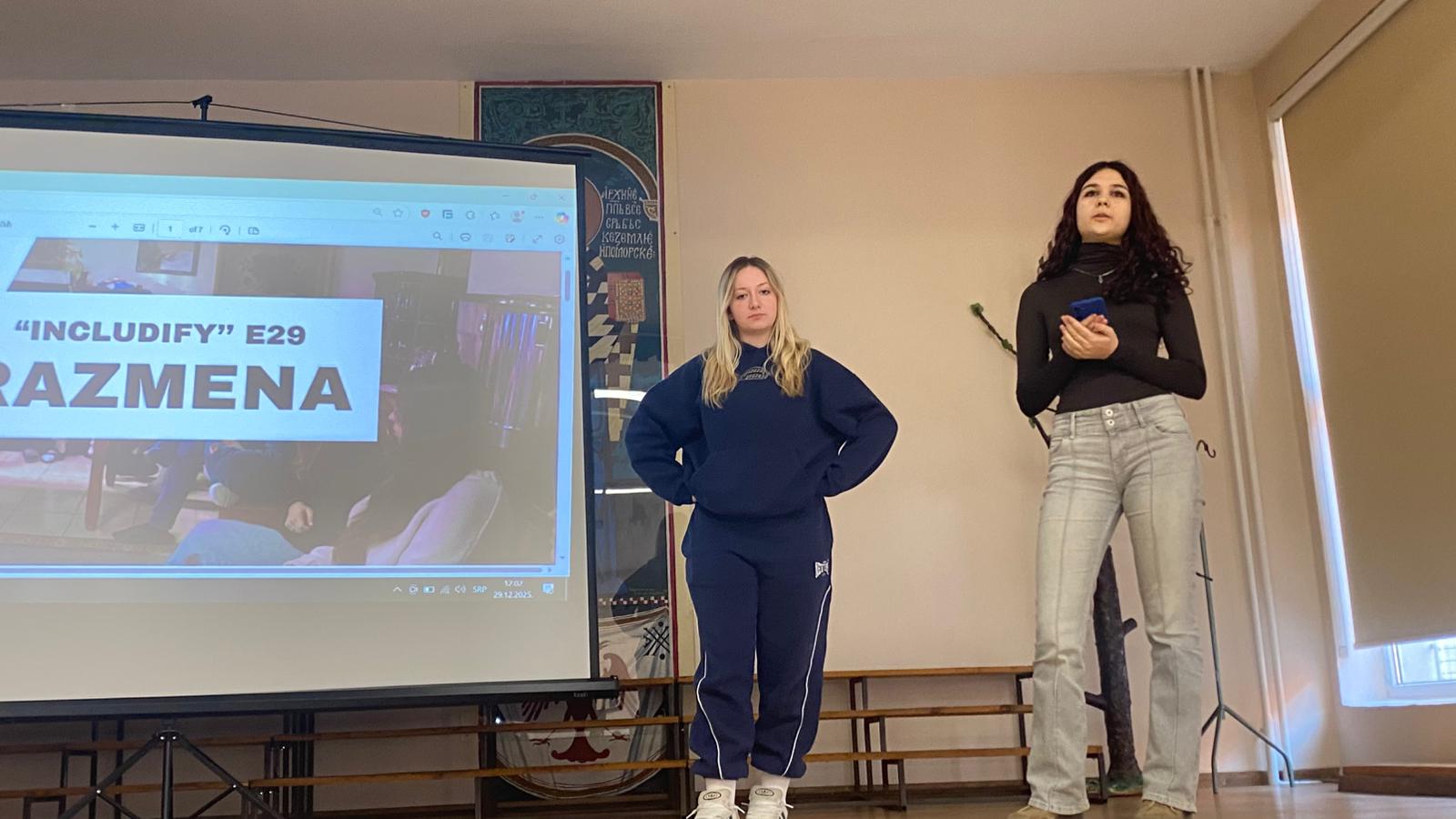
Belgrade, Serbia, Dec. 2025
Ana and Teodora presented Includify at XII Beogradska Gimnazija, sharing the project’s goals, activities, and outcomes. They focused on raising awareness of social inclusion, encouraging active youth participation, and opening a dialogue on inclusive practices in their community, for 35 people.
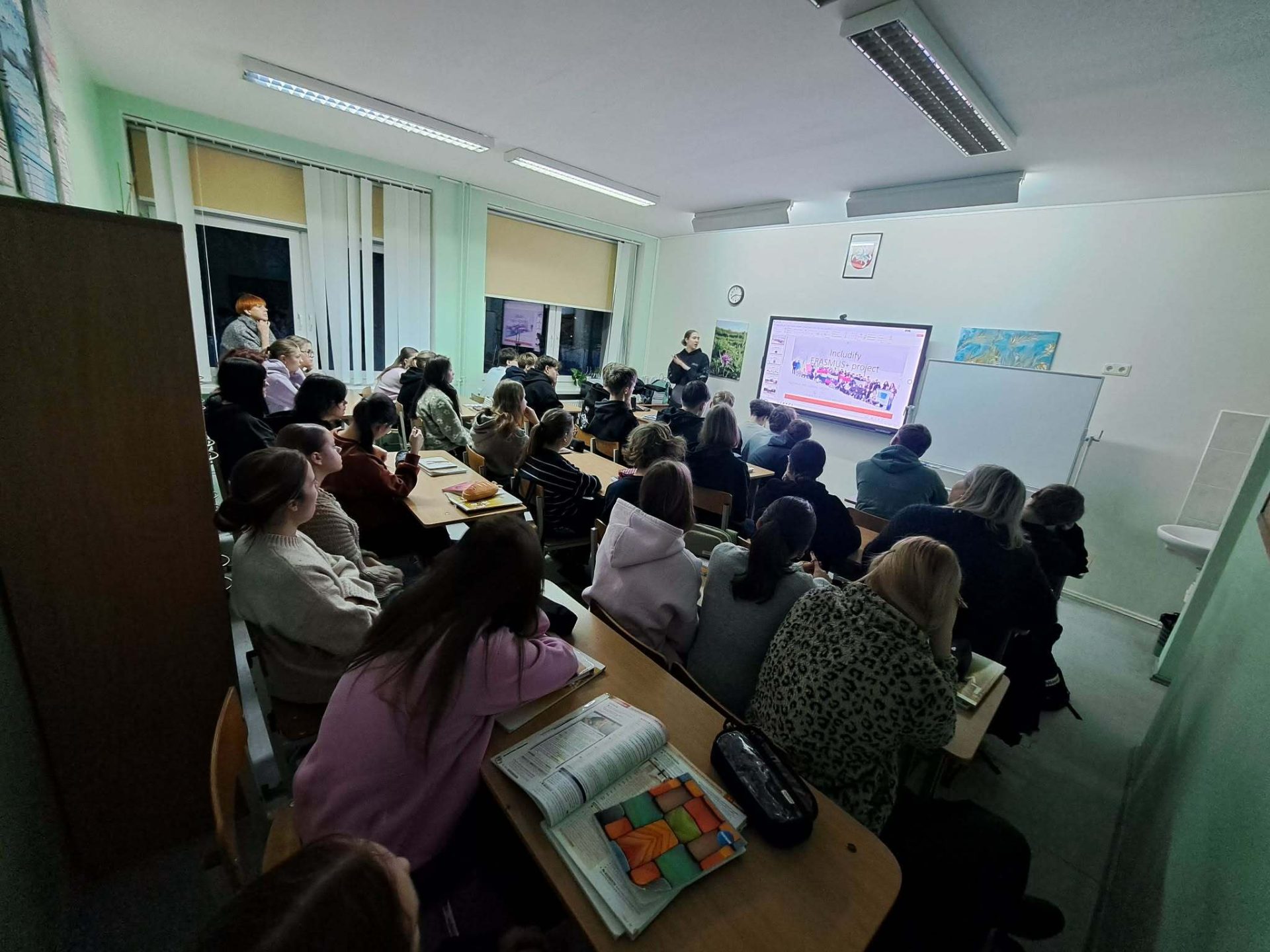
Taurage, Lithuania, Jan. 2026
Rugile presented Includify to her classmates during an English lesson, introducing the countries that took part, the sessions on inclusion and diversity, and the cultural nights and evening activities. She also talked about the skills she gained and why the exchange was worth it, for 34 people.
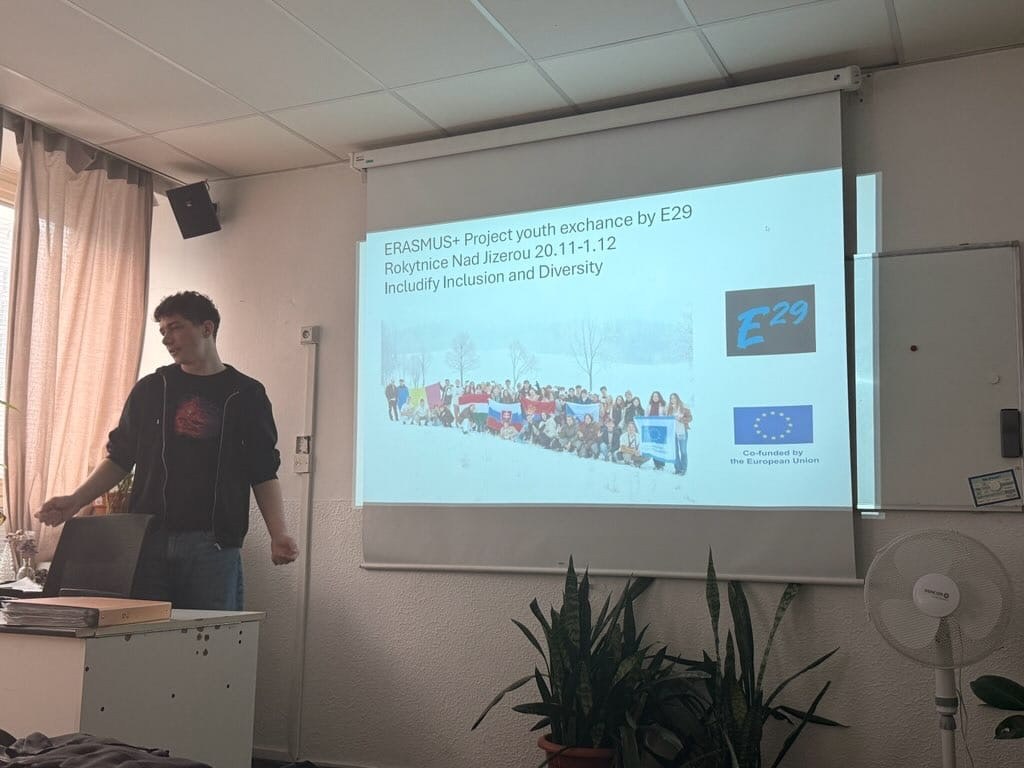
Prague, Czechia, Jan. 2026
Jakub presented Erasmus+ and shared his Includify experience with his classmates at Evangelicka akademie Praha, for 20 people.
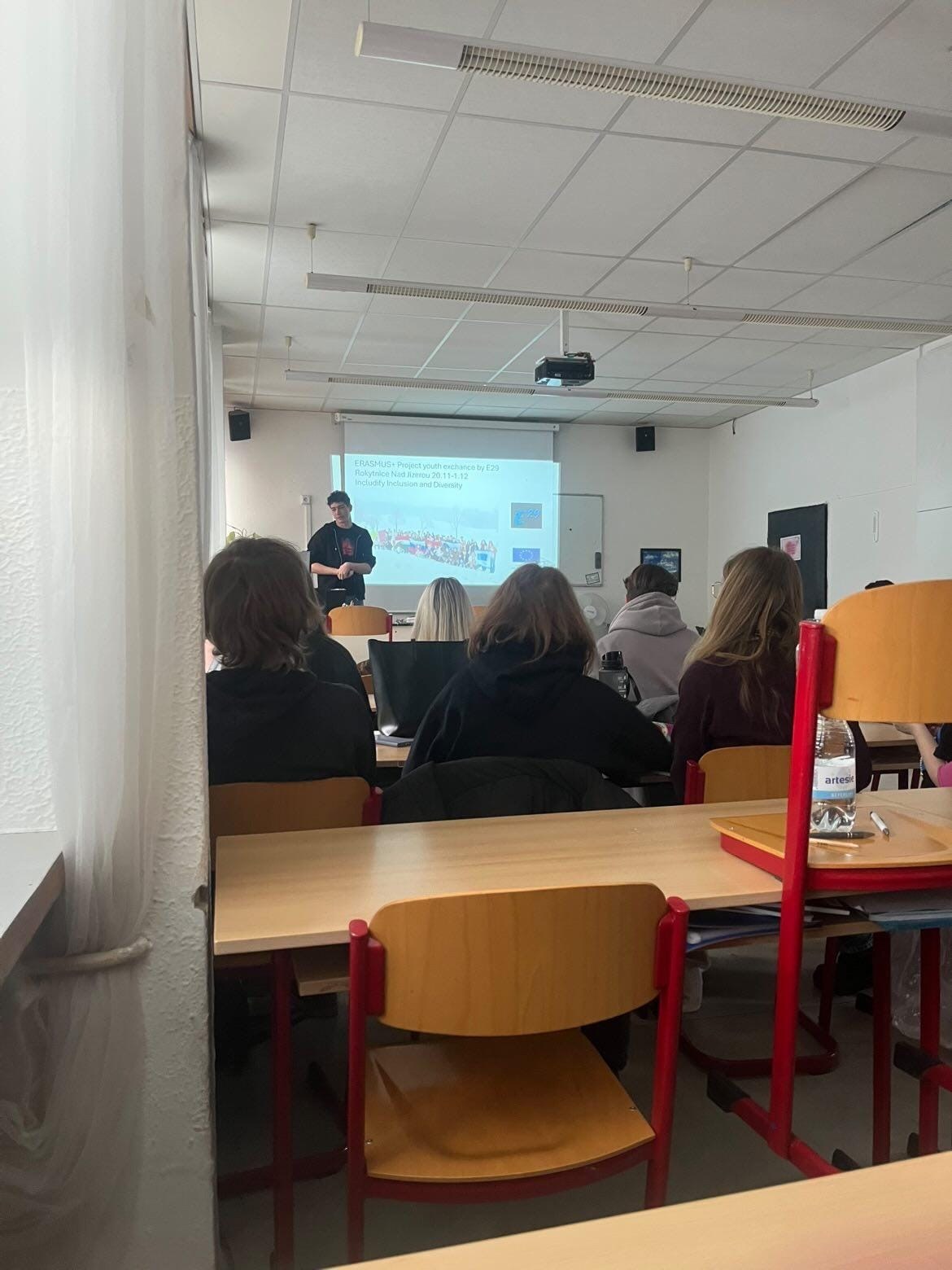
Kladno, Czechia, Jan. 2026
Laura presented Includify to her classmates at Gymnasium Kladno, telling them about the activities and the connections she made, for 15 people.
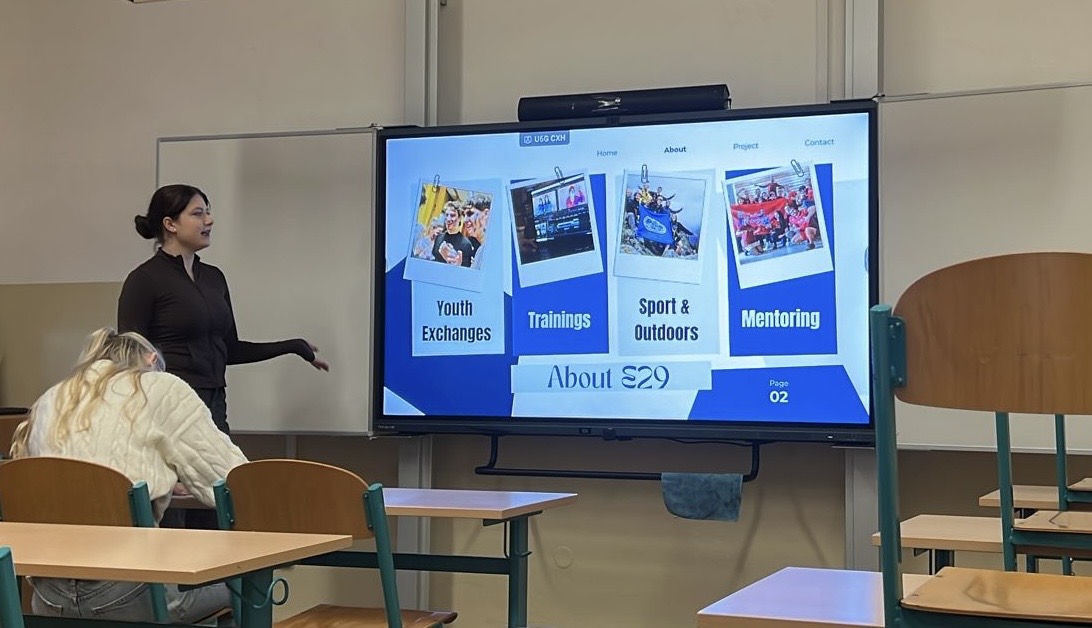
Aveiro, Portugal, Jan. 2026
Joana shared her Includify experience in a LinkedIn post, reaching over 360 people.
Pitesti, Romania, Jan. 2026
Theodor presented the project to his colleagues at Colegiul National Alexandru Odobescu, explaining how our projects work and encouraging them to take part, for 28 people.
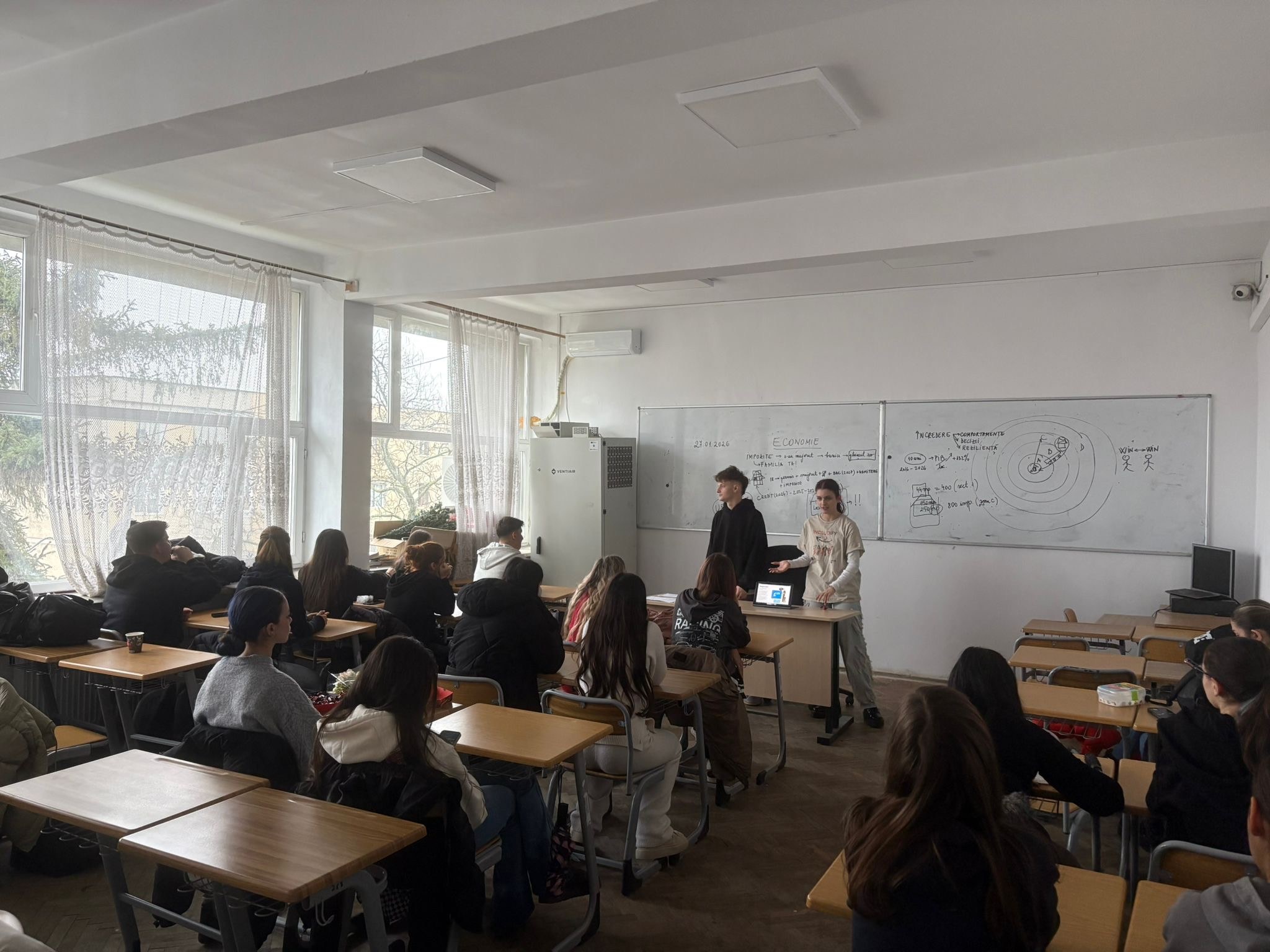
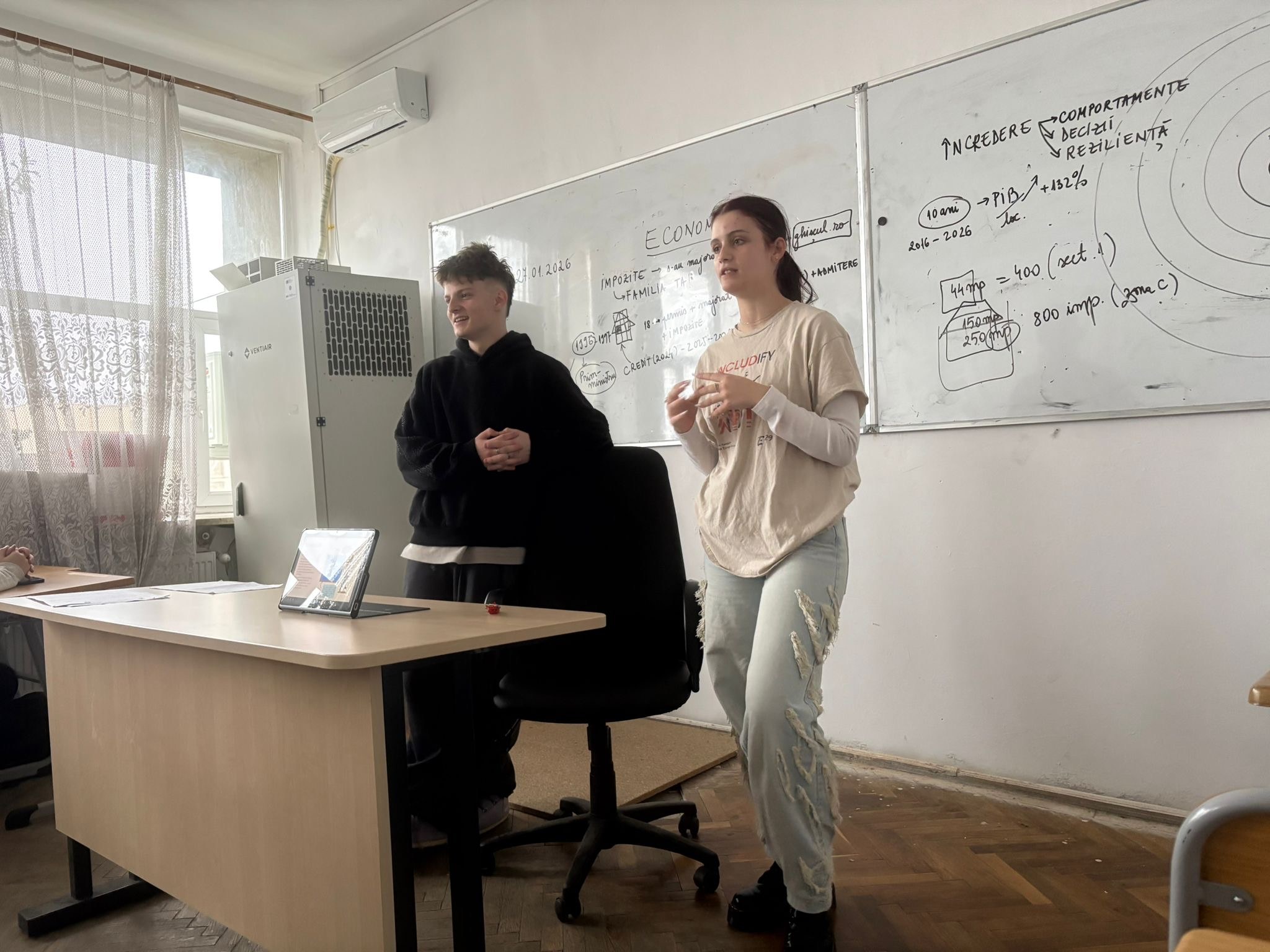
Budapest, Hungary, Feb. 2026
Csenge and Martin ran sessions at their school in Budapest, presenting Includify to newcomers and to a class of fellow students, for around 50 people between them.