Managing your own mind is a skill, and like any skill it needs tools. Building that toolkit was the idea behind Glow Up. Our Czech team joined the youth exchange this April in Bartninkai, a small town in Lithuania. There they met groups from Portugal, Slovakia, Hungary, Romania, and the Lithuanian hosts.
Over the week the six teams worked on balance from both sides, the mental and the physical. The activity ran through Erasmus+, the European Union’s youth-mobility programme. None of it was delivered as theory. Every idea arrived as something to try, practise, and carry away. And the participants designed and ran the programme themselves.
A Shared Language to Start With
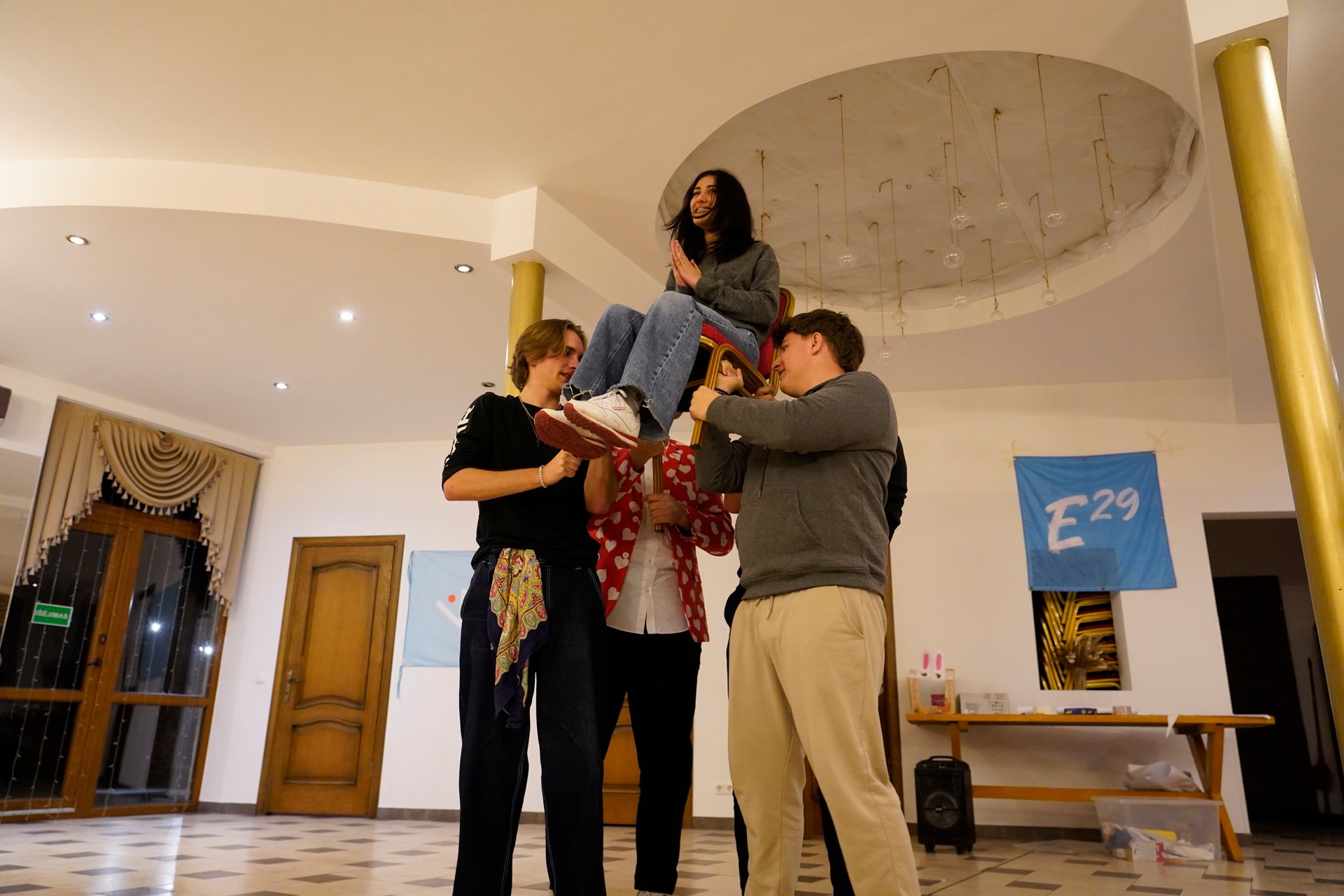
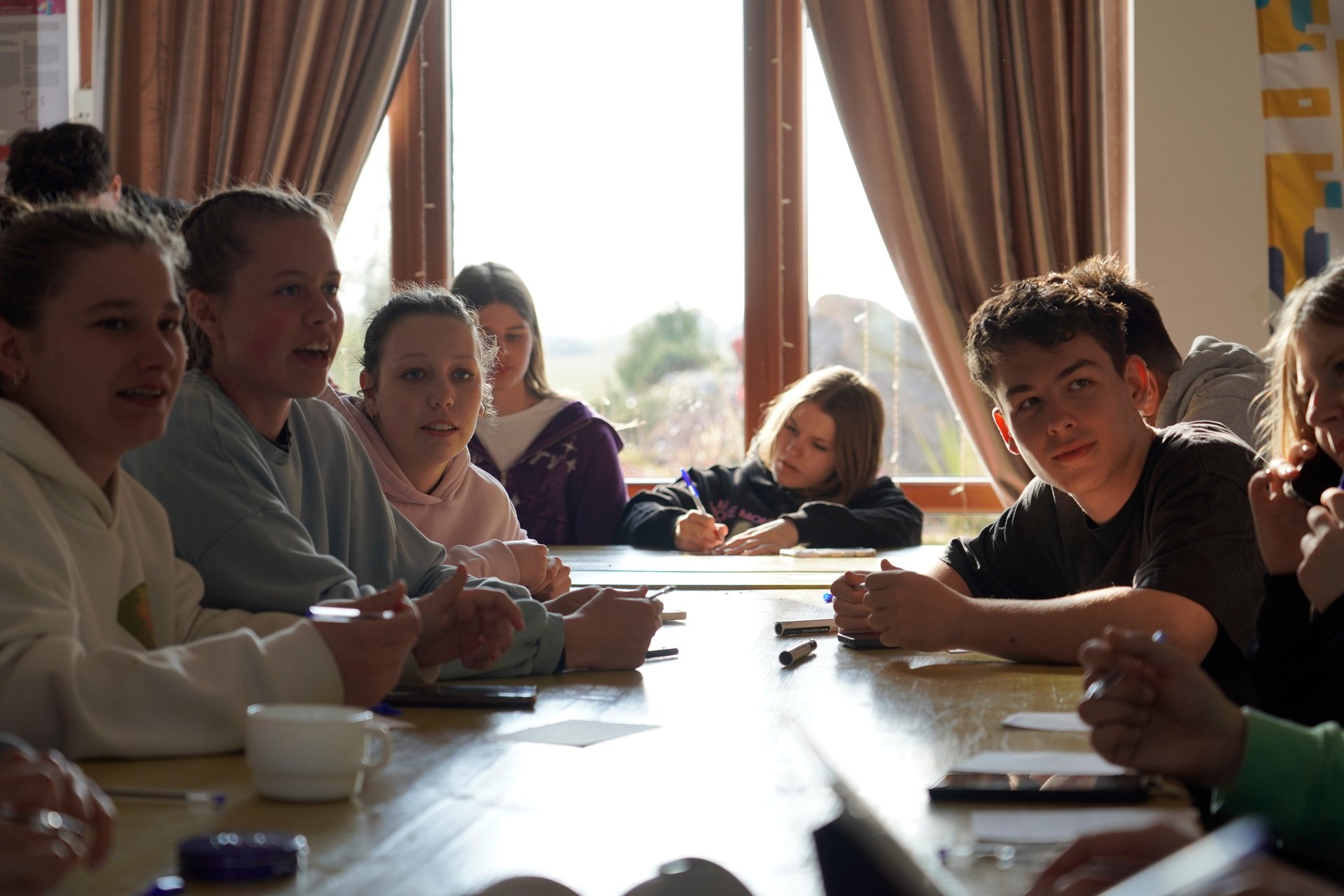
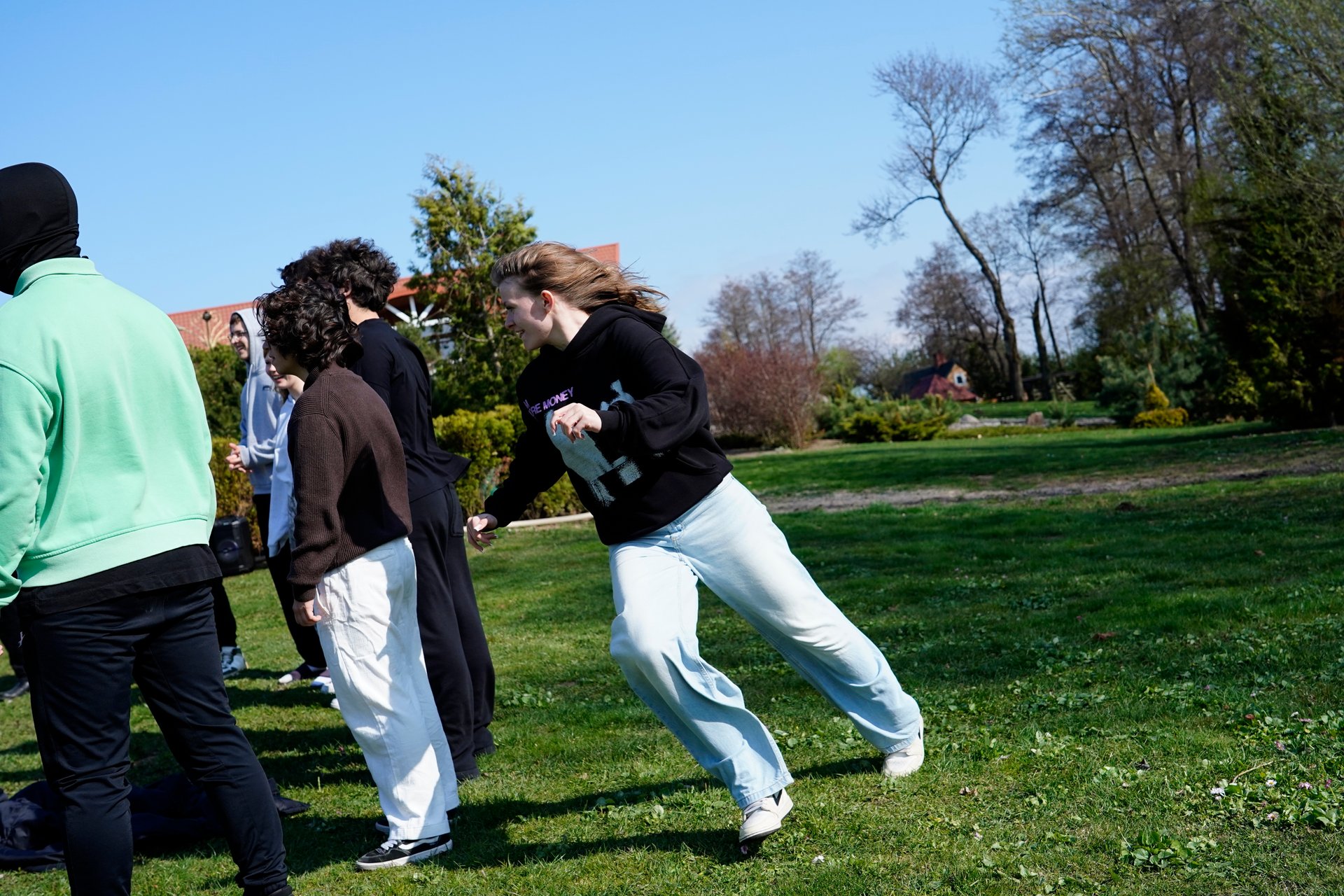
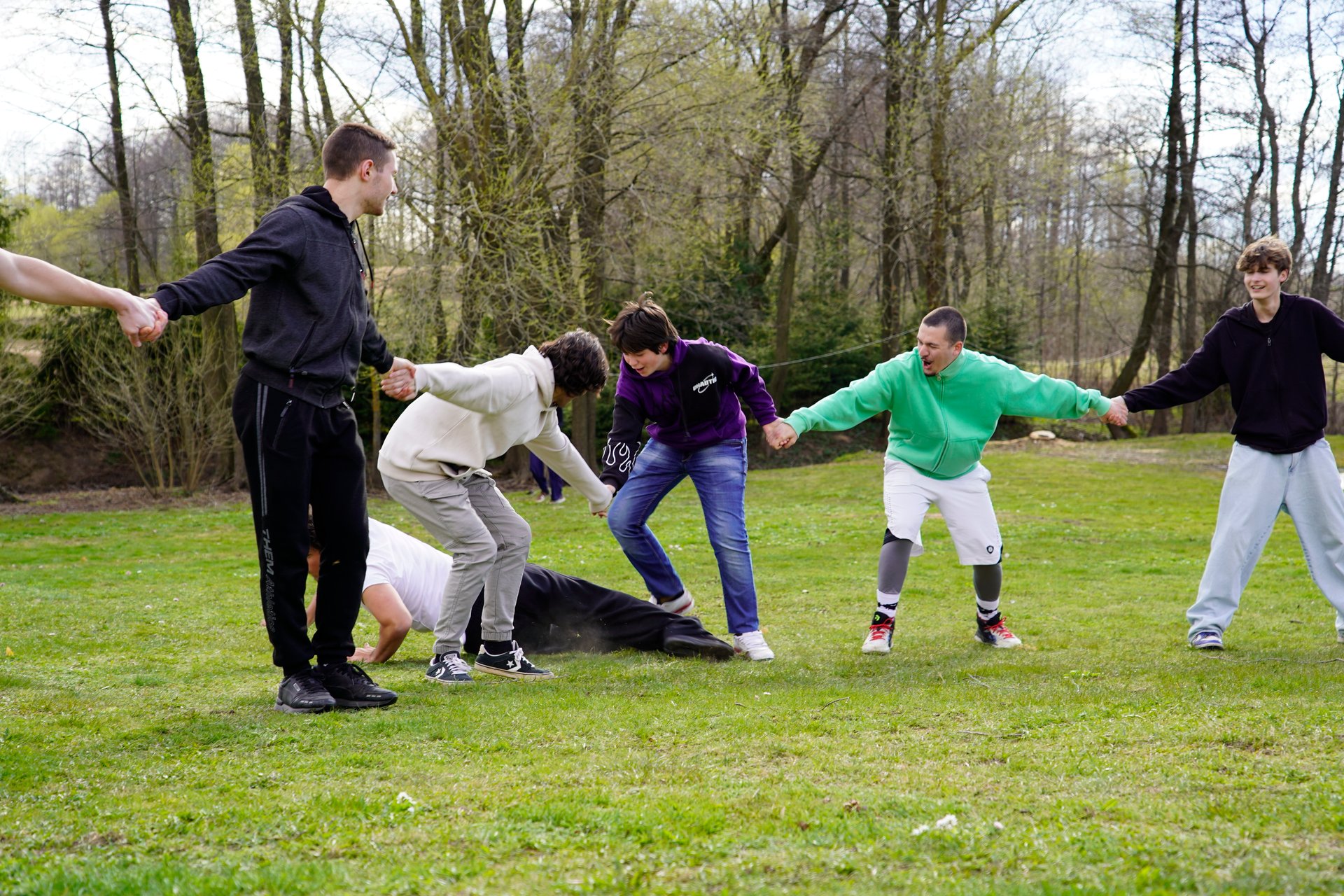
Before anything else, the group needed common ground, both as people and as a working vocabulary. The opening days handled the first part through quick icebreakers and a roaming team challenge called Crazy 29, which turned separate groups into one that could move together.
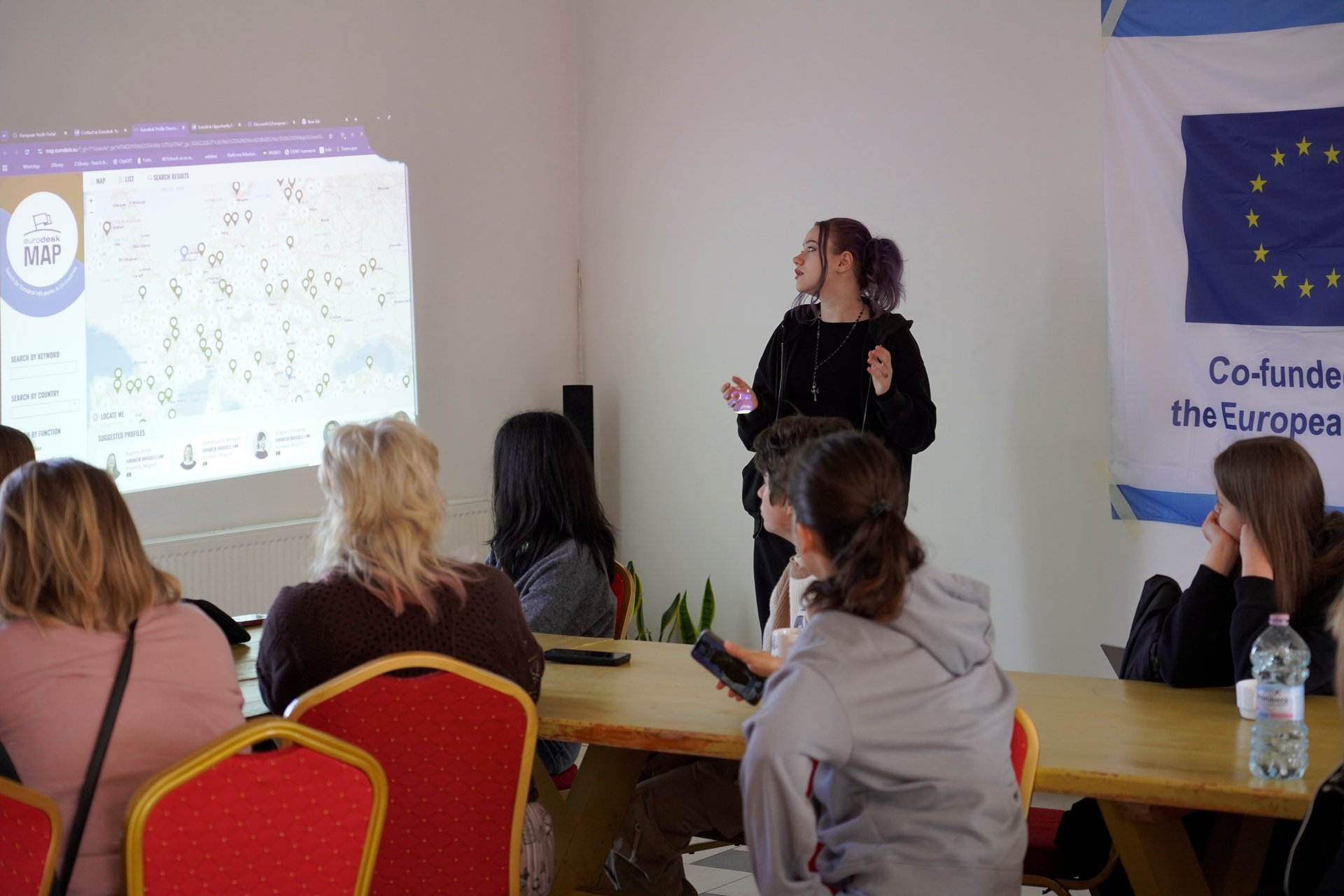
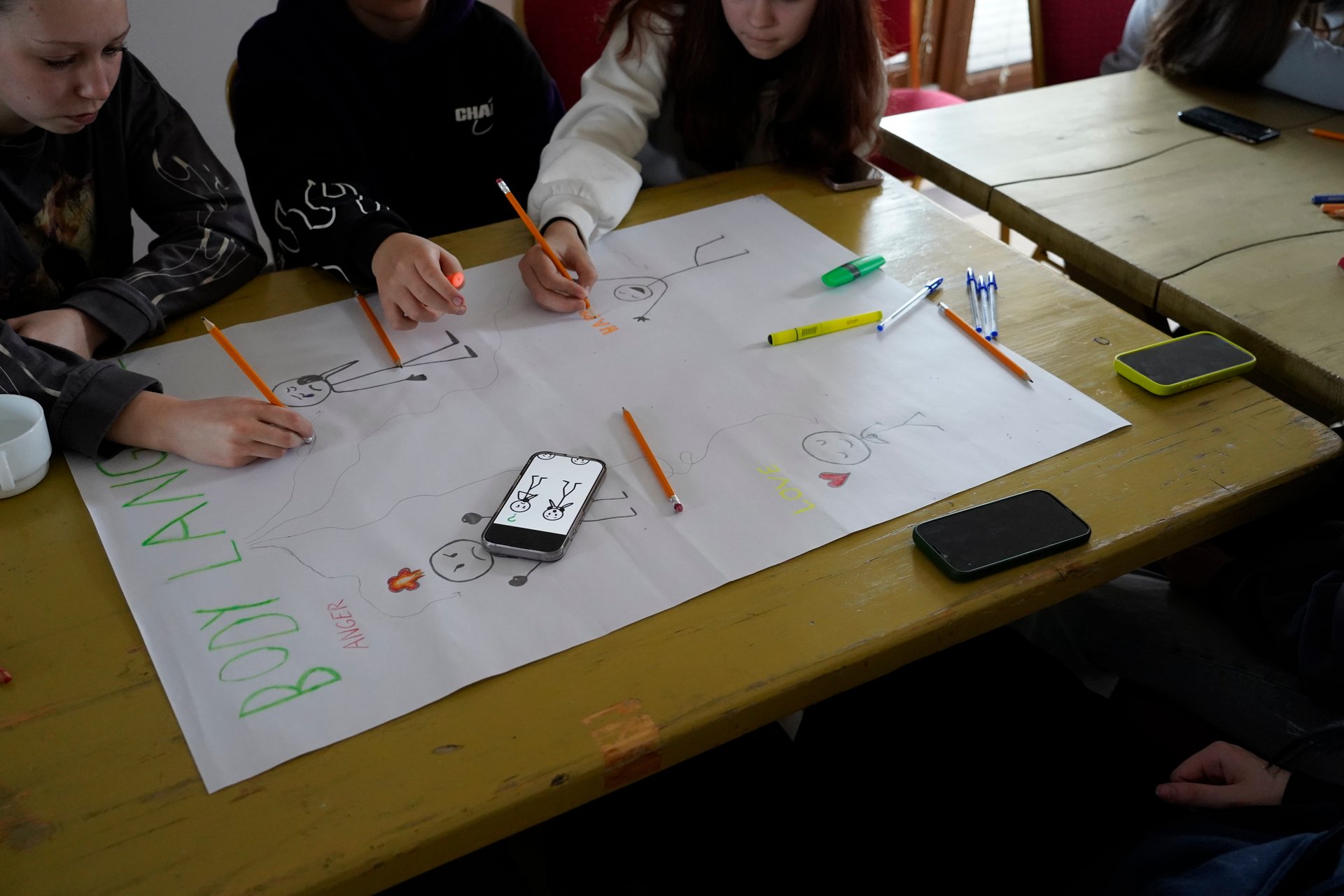
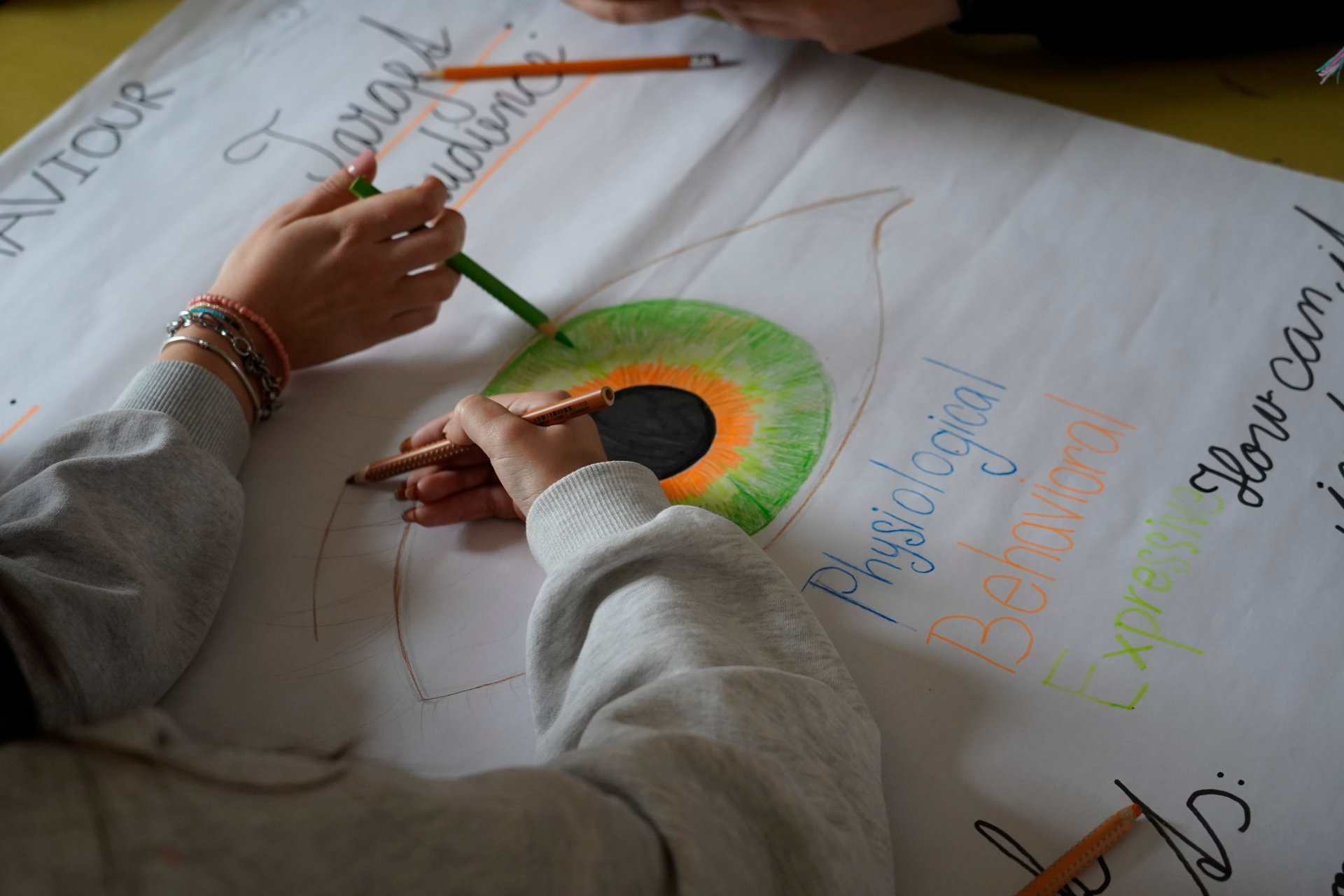
The vocabulary came next. International research teams took mental health apart from different angles, how attitudes to it have shifted over time, how technology pulls at it, how tightly it ties to the body, and turned each piece into a presentation the whole group could build on. From there the group went hands-on with the practical instruments for reading emotion: facial cues, eye behaviour, a mood meter, the small tools that turn a vague “I feel off” into something specific enough to act on.
Tools You Can Actually Use
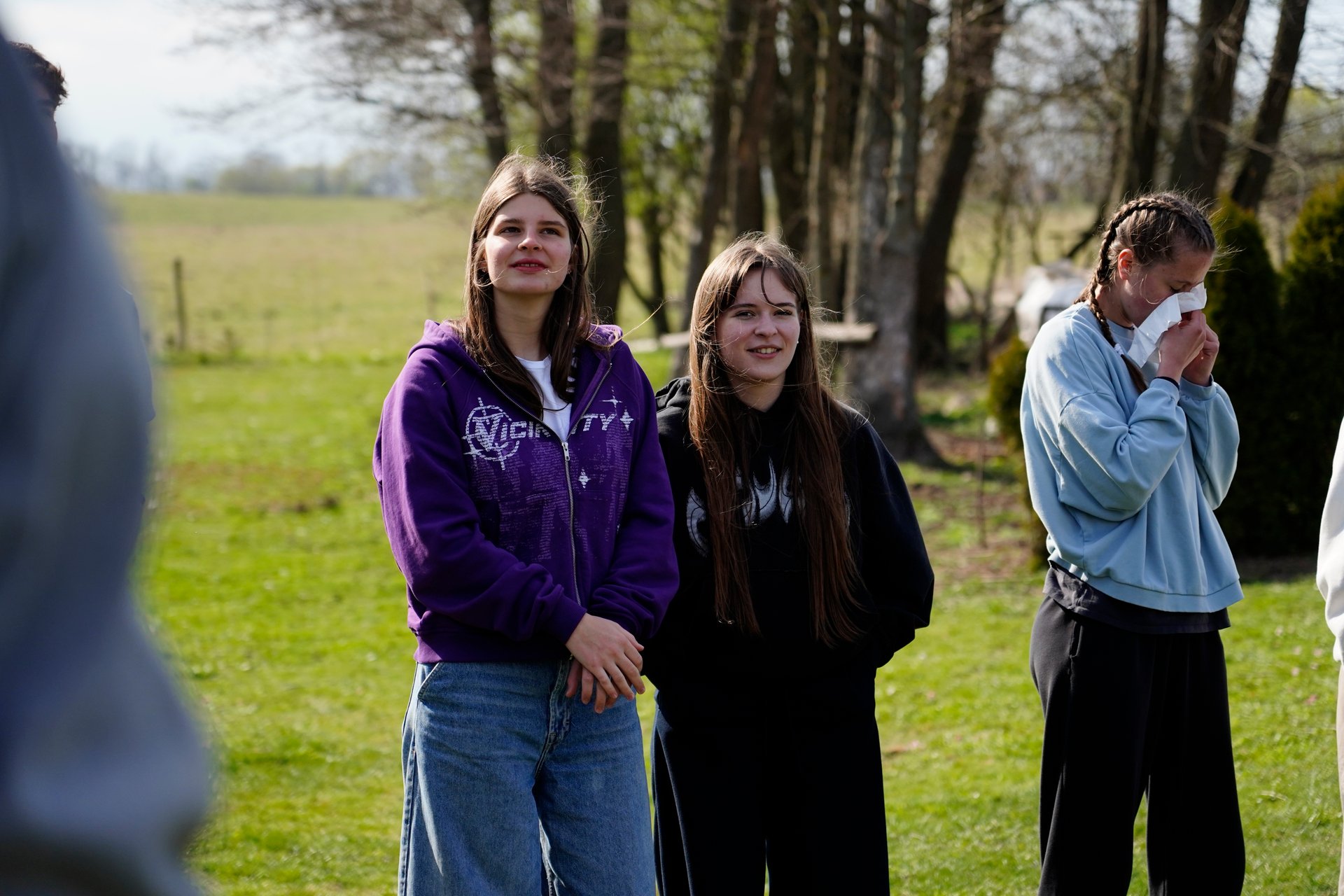
A vocabulary only matters once it survives contact with a real situation, so the week kept putting it to work. In Theatre of the Oppressed our participants tested emotional-regulation techniques inside deliberately exaggerated scenes, stepping in to redirect each one before it boiled over, an exercise in quick thinking and teamwork as much as in feeling.
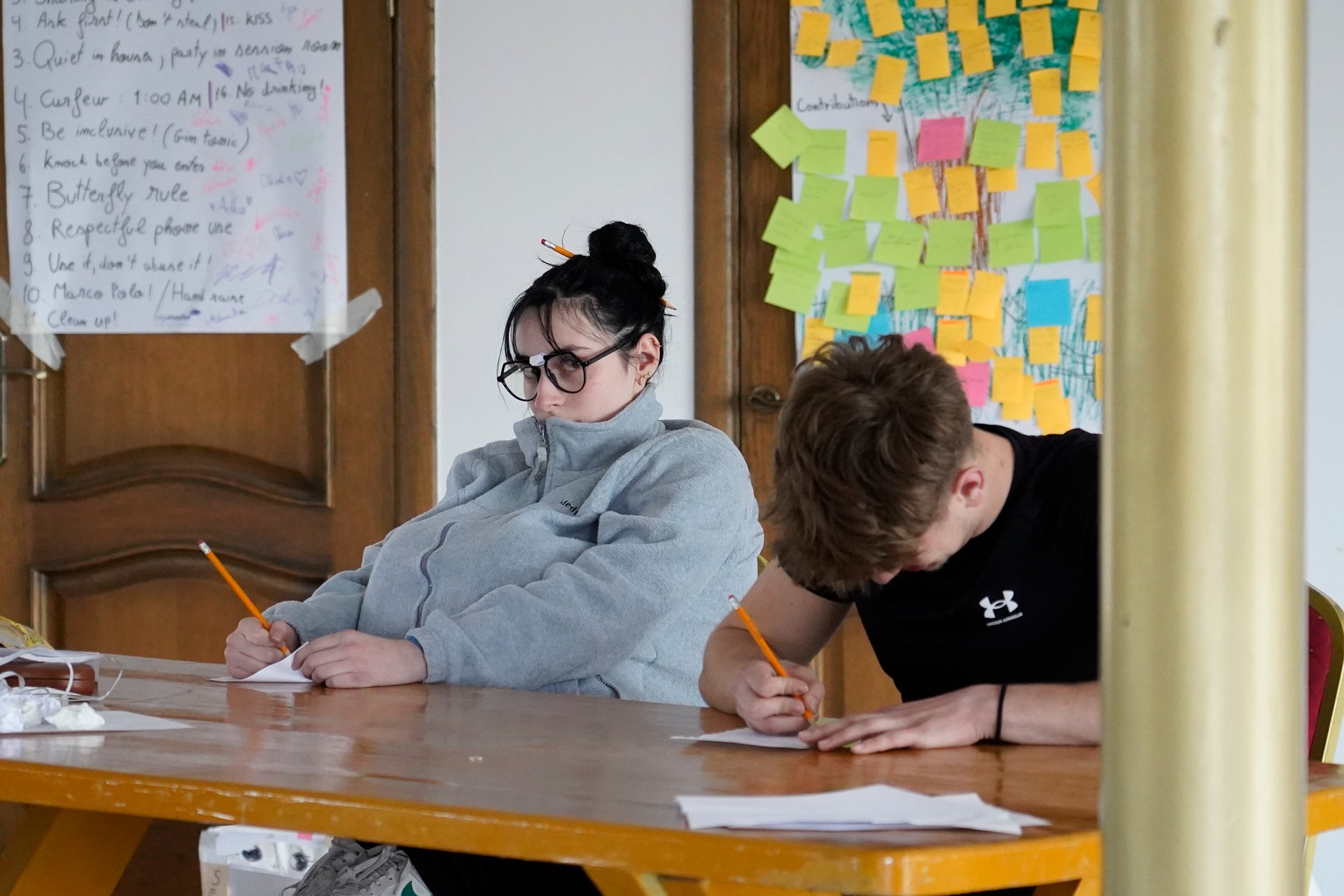
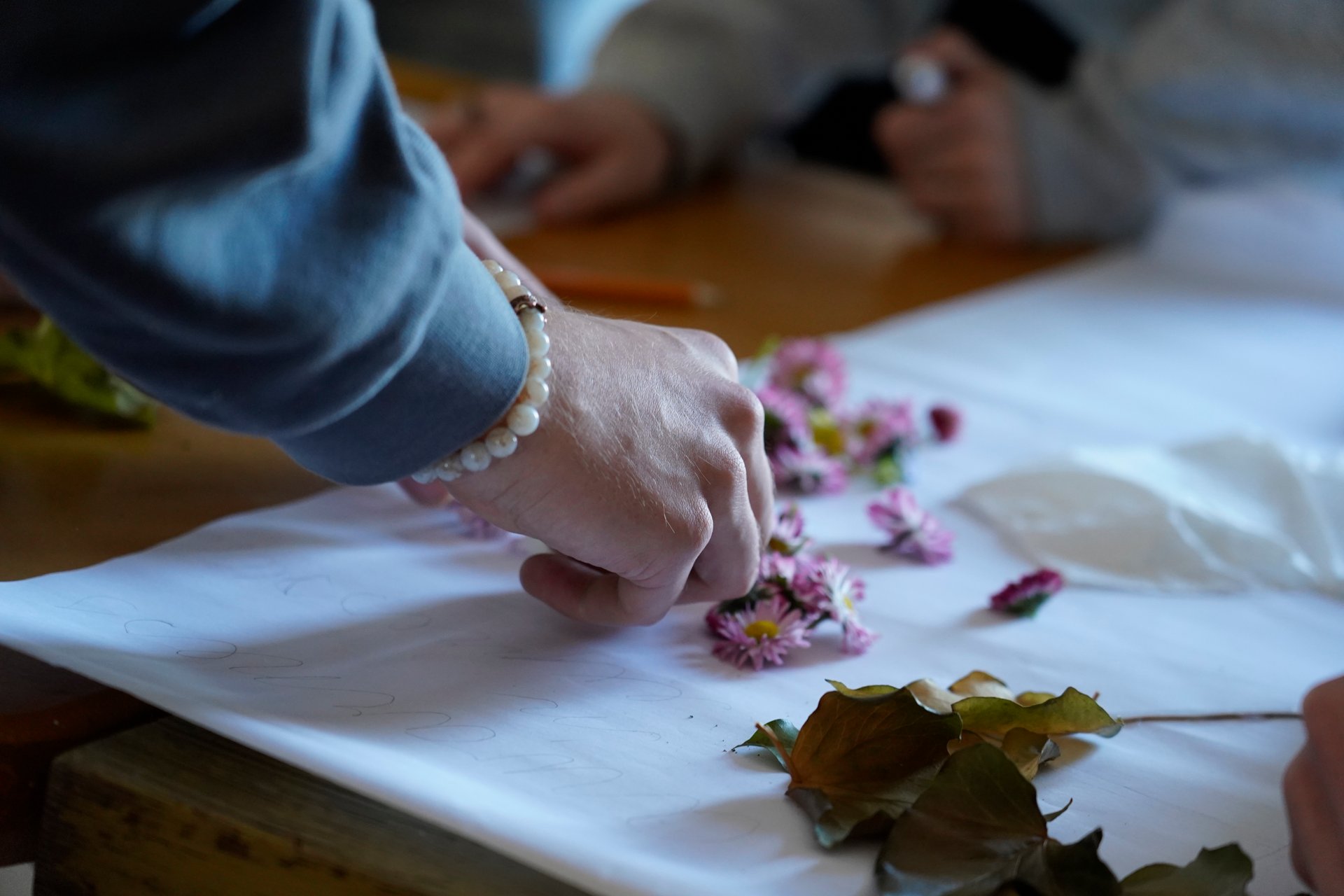
One session, which the group named Beyond Yes, turned reflection into media. An honest conversation about people-pleasing, about the cost of saying yes when the answer is no, became a set of short reel-style films, written, shot, and edited by the teams. Putting the idea into a piece of media forced a kind of clarity that talking alone rarely does, and watching the results back opened a frank discussion about boundaries. Other sessions worked the same muscle from different directions: drawing life maps, setting feeling to music, and examining how a native language shapes what a person can put into words.
Off the Chairs and Onto the Court
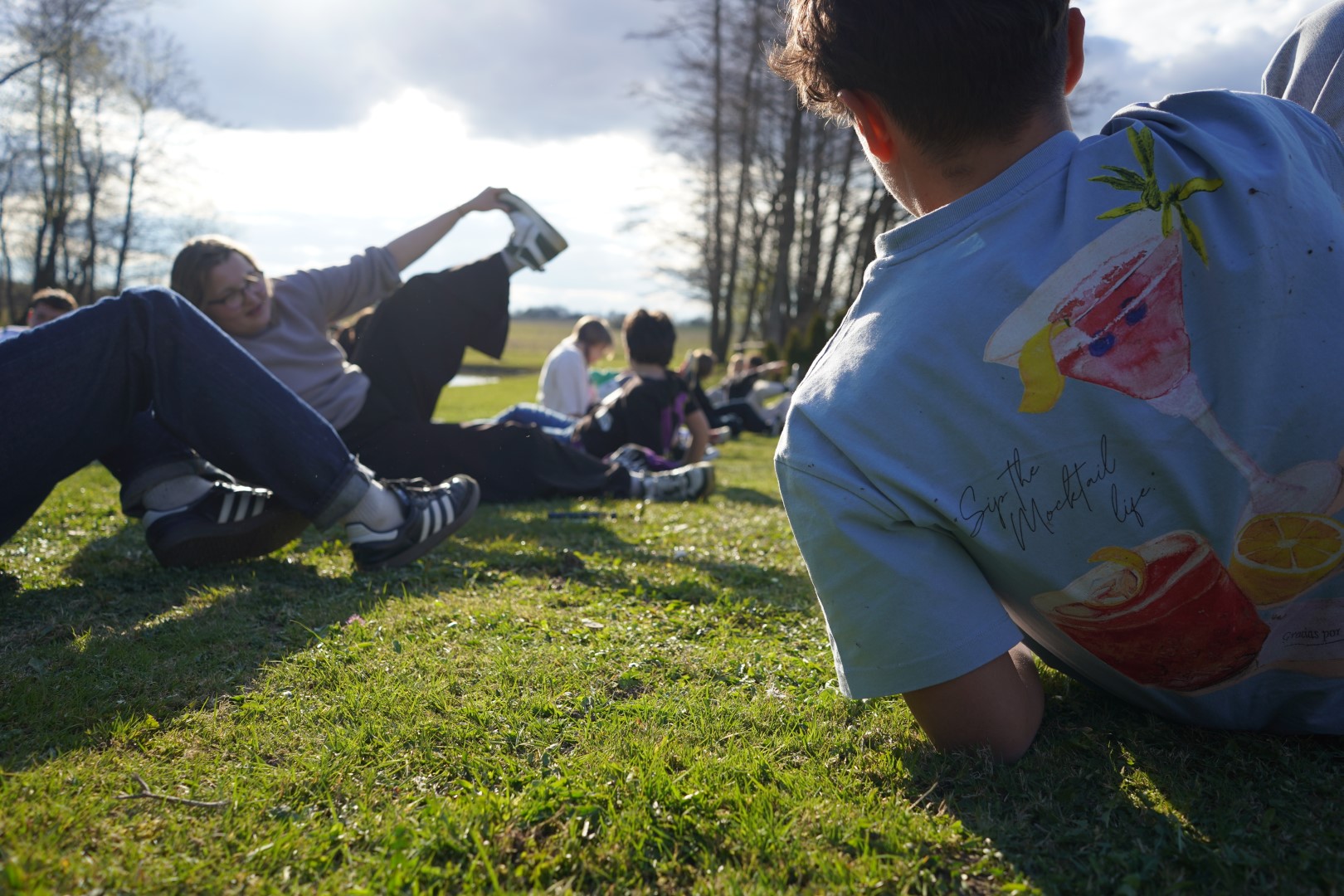
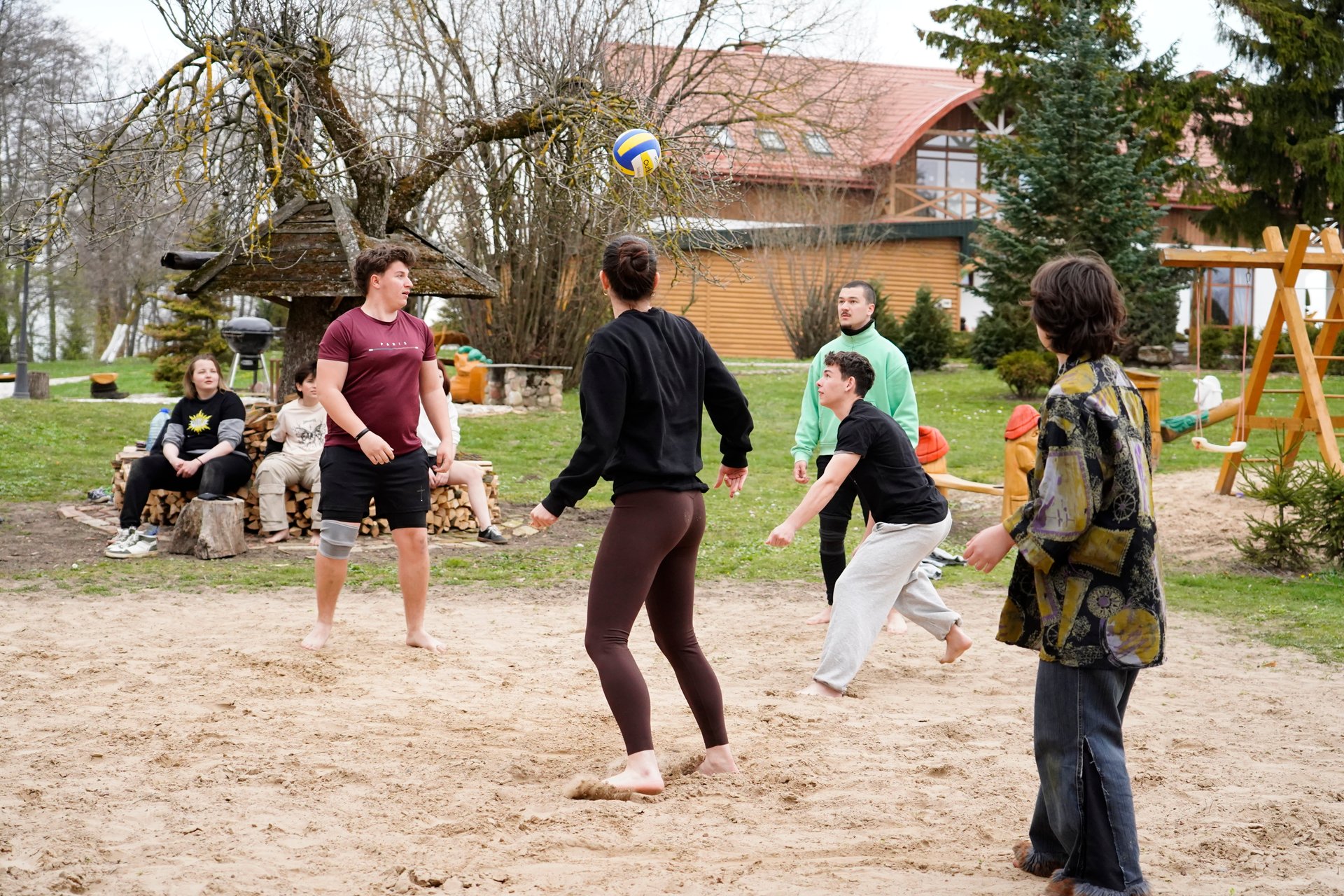
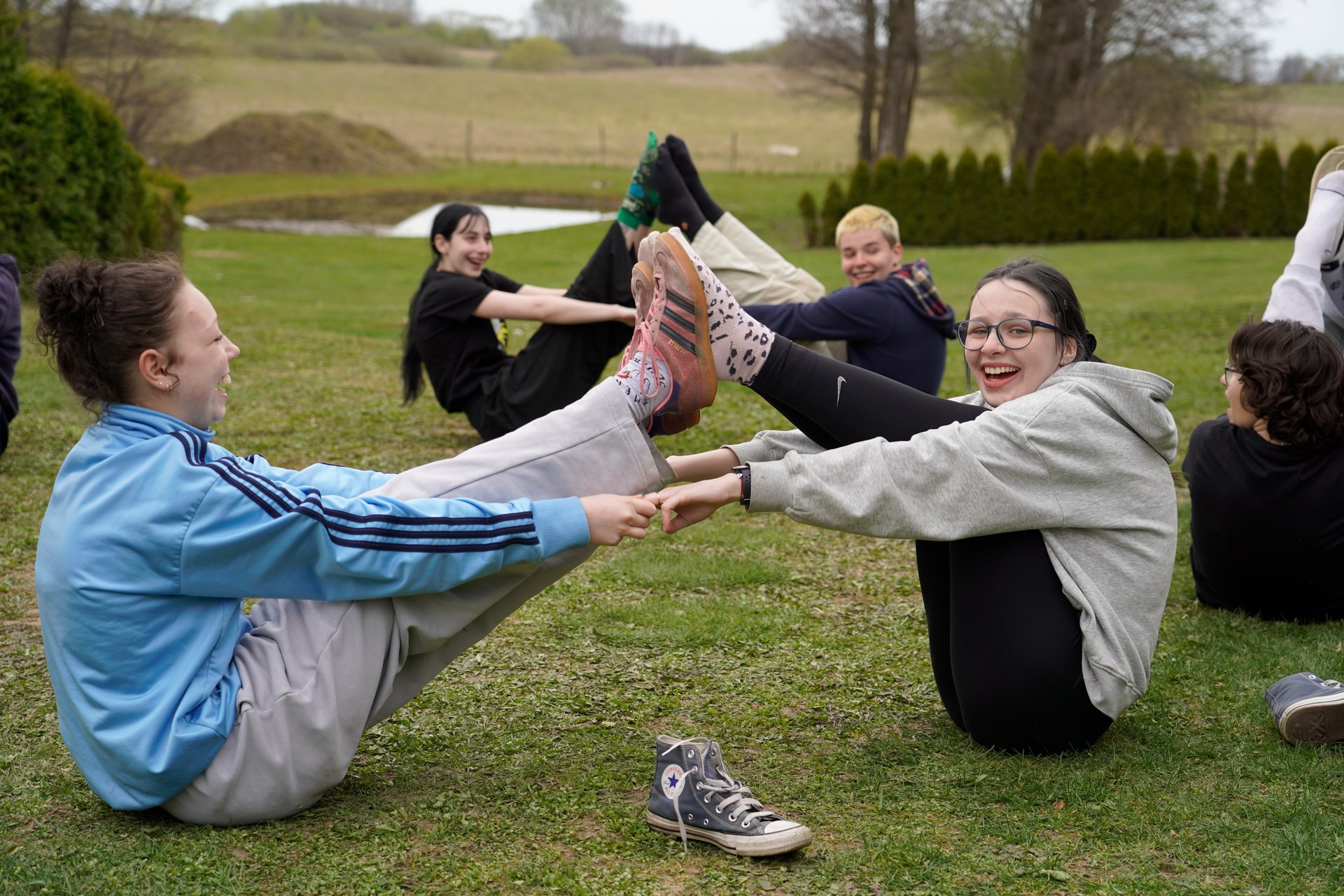
The physical half of balance needed no slides. One day went entirely to movement, volleyball, basketball, pilates, and yoga, with a deliberate check-in on either side: how do you feel now, and how do you feel afterwards? The before-and-after told its own story, and a forest walk with a slow nature meditation earlier in the week had made the same case from the quiet end of the spectrum. Movement lifts the mind, and stillness steadies it; both belong in the same week.
Sessions We Built, Evenings We Shared
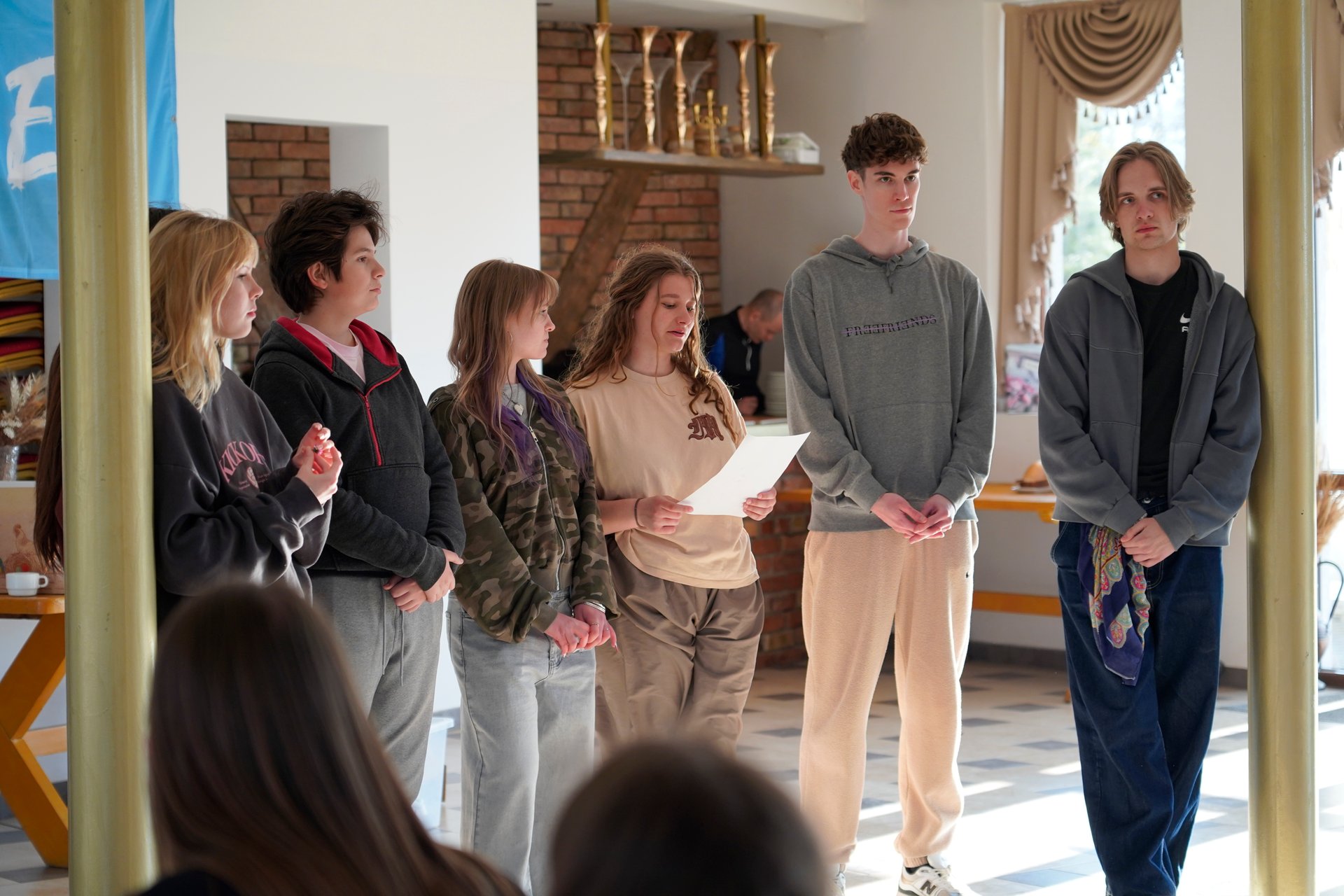
If one session showed how the whole exchange worked, it was My Struggles, My Resolutions. There the participants named the well-being topics that mattered most to them and then designed and ran the sessions around them. The programme was theirs from start to finish, which is exactly how a peer-led exchange is meant to run.
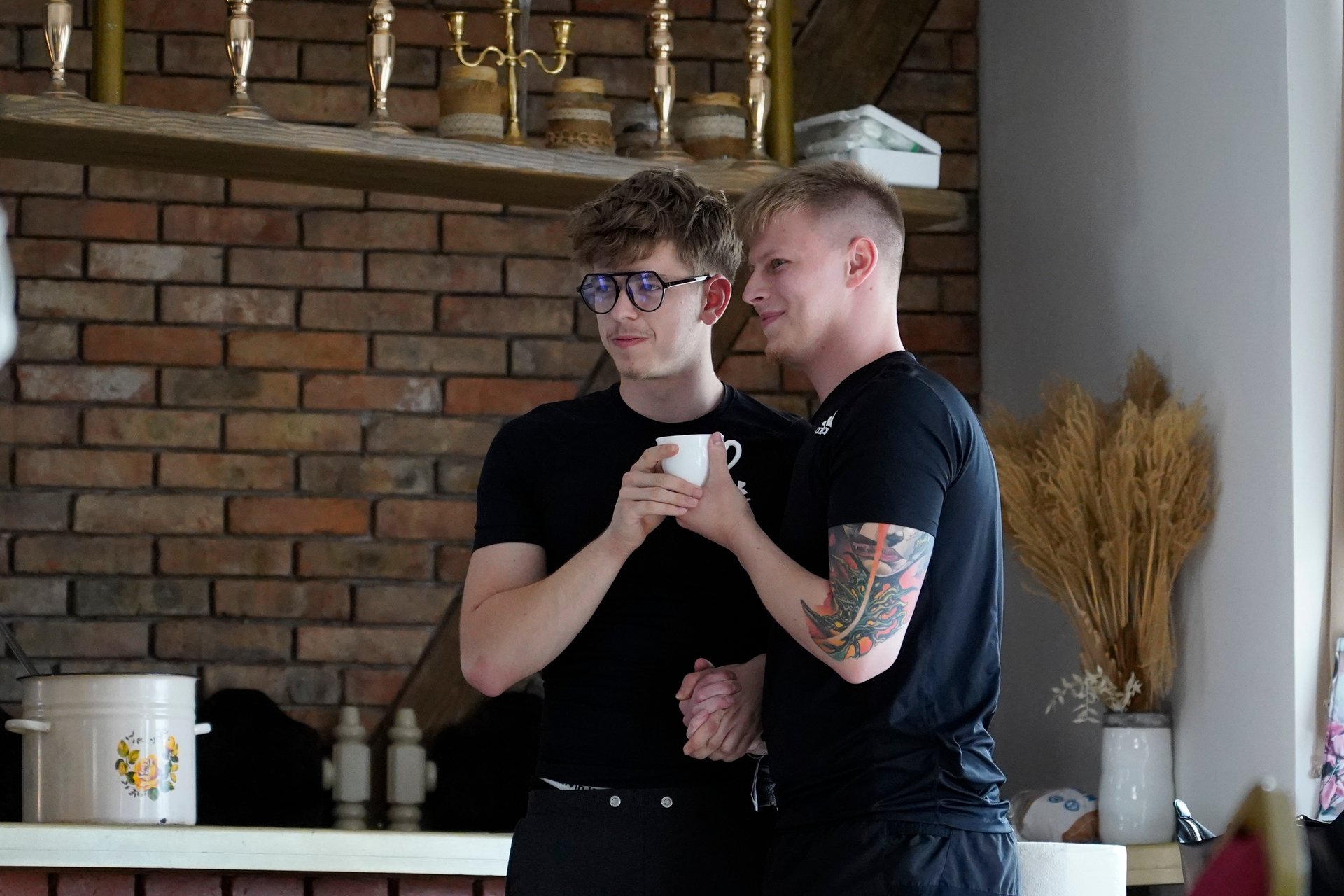
The same spirit carried into the social side. Across three intercultural evenings, each shared by two countries, our Czech team took its turn alongside Slovakia, laying out food brought from home and trading the kind of fun facts that only land between close neighbours.
What the Toolkit Is For
Our participants returned with a usable set of tools rather than a set of good intentions. They can name and read emotions with real methods. They have run sessions of their own design from start to finish. And they have turned a personal habit into short films worth discussing out loud. Those are skills that keep working long after a week in Lithuania, the kind a person reaches for again and again once they have them.
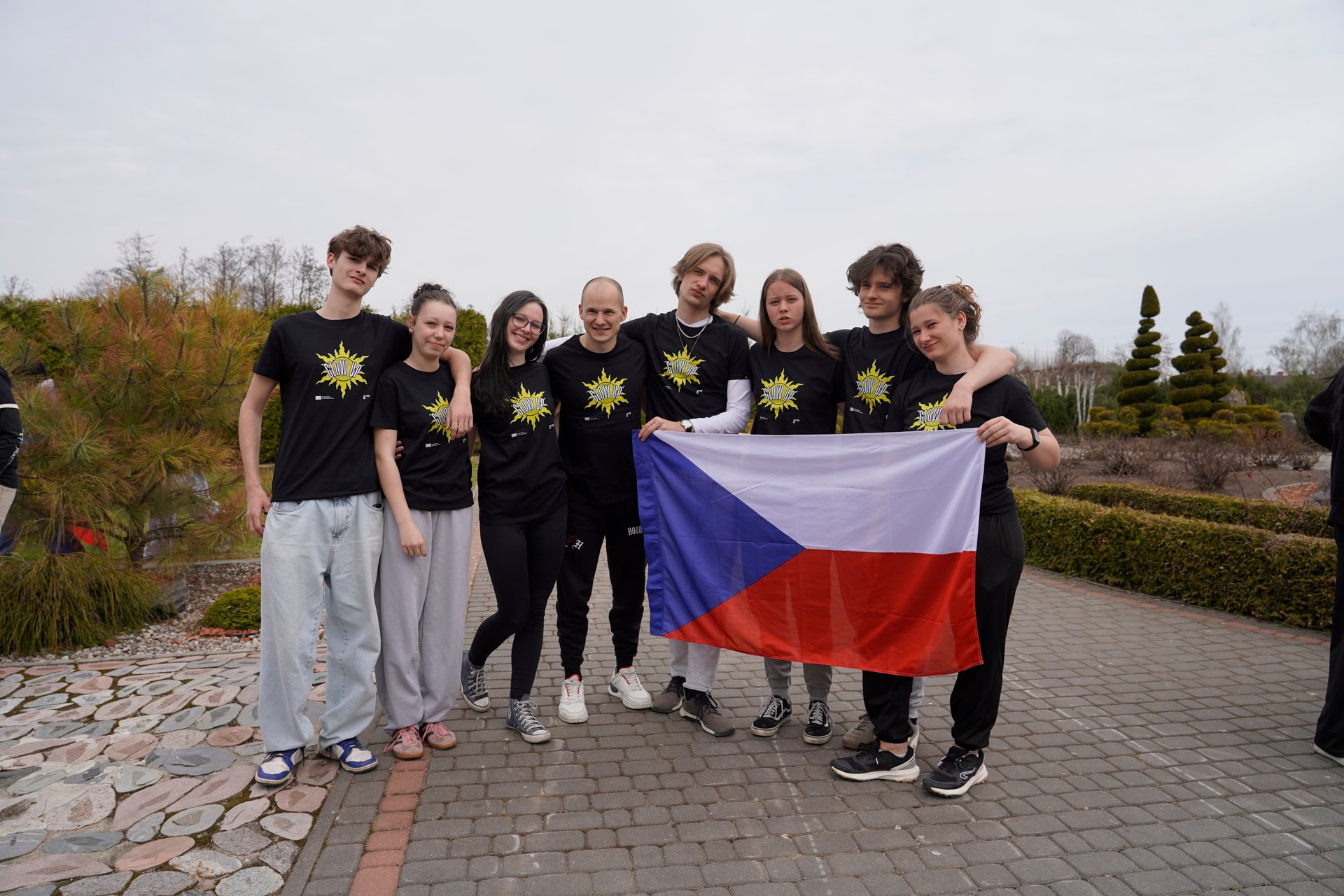
Photo Gallery
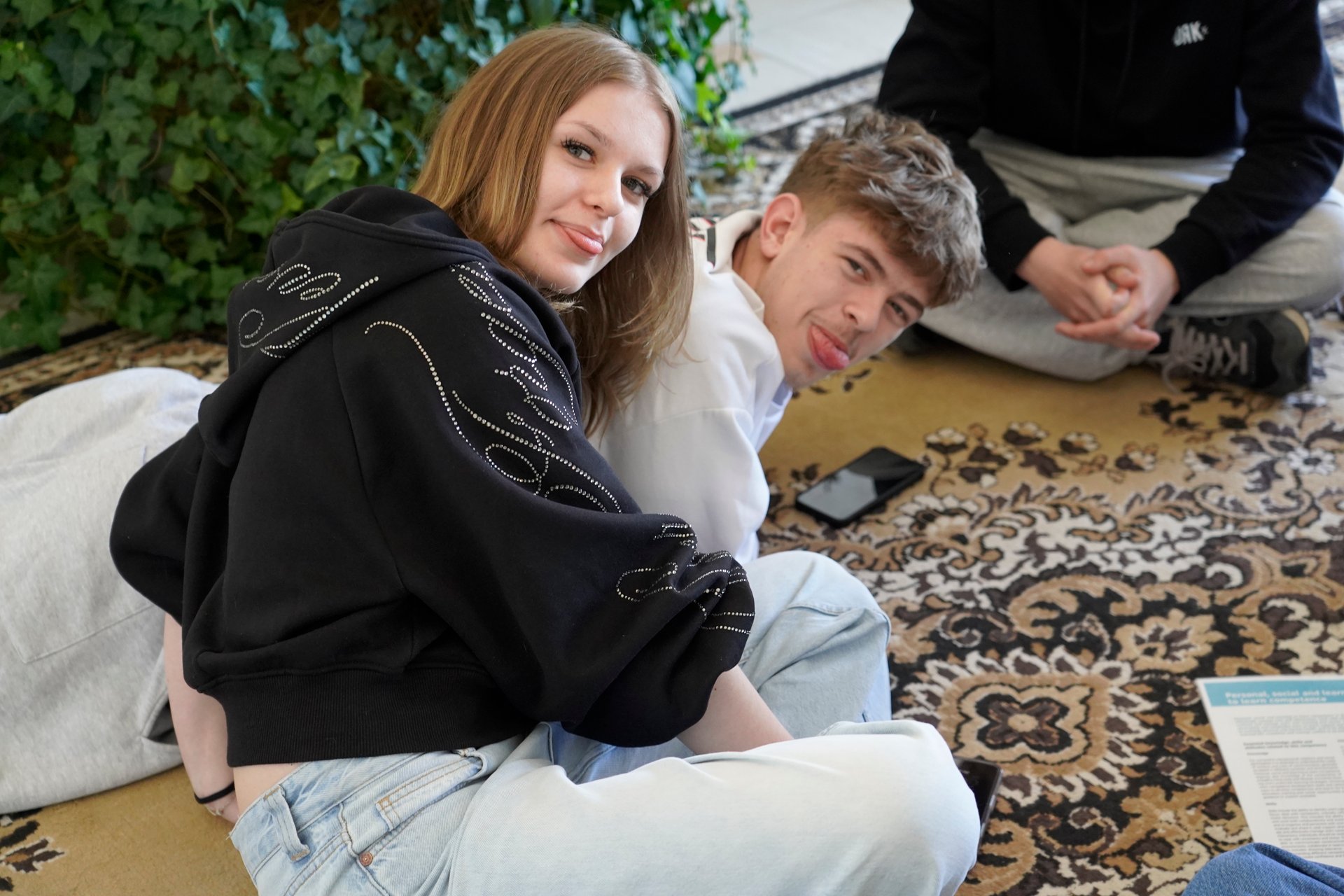
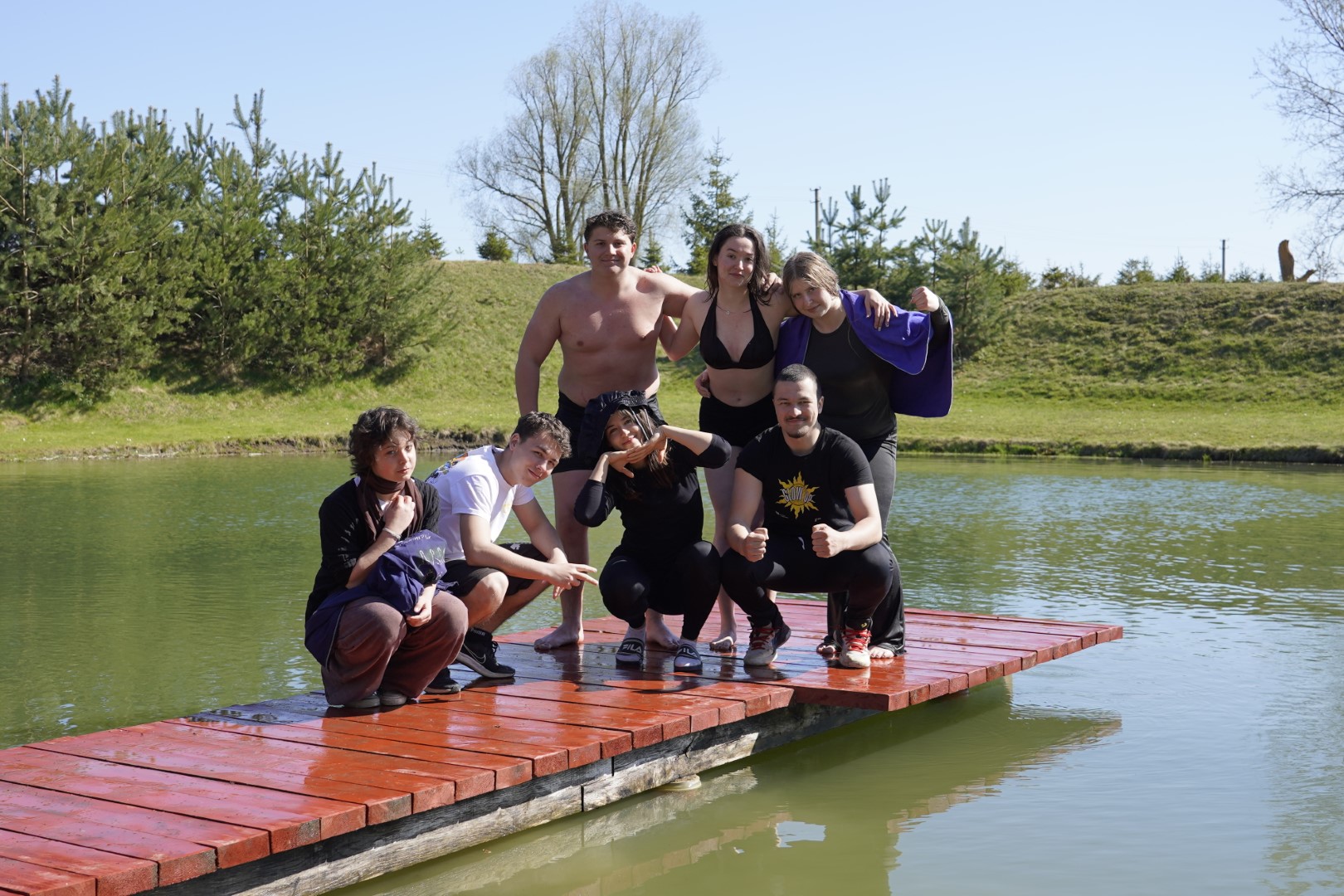
A few more moments from this activity :)
Check these and more photos in the activity’s photo album.