In a world where smart devices are becoming part of everyday life, understanding how technology works, and how to use it responsibly, has never been more important. That was exactly the mission behind the youth exchange eXploreTech: empowering young people to confidently explore the world of the Internet of Things (IoT), and digital responsibility through hands-on non-formal learning methods.
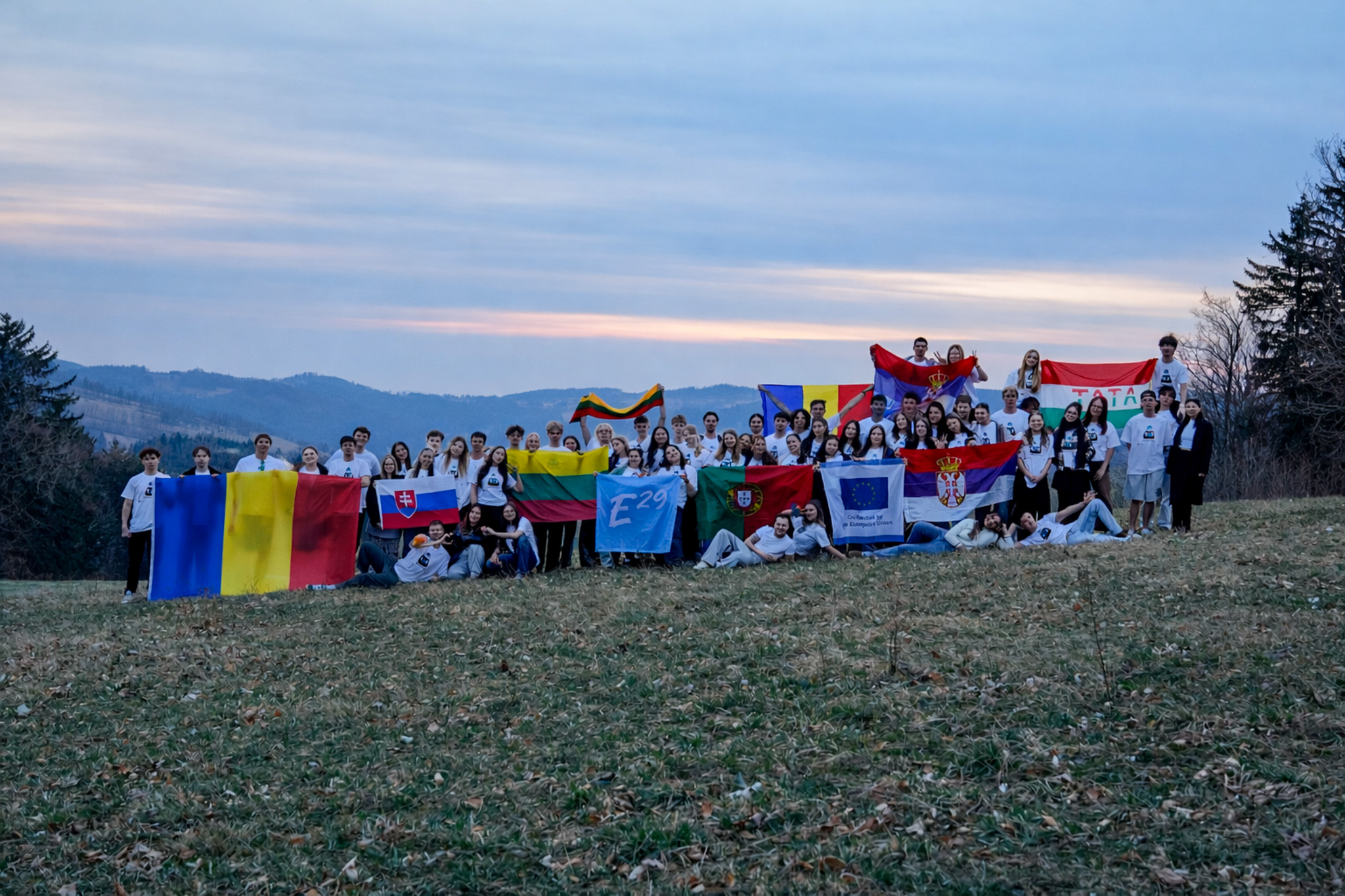
Hosted in the beautiful surroundings near Rokytnice nad Jizerou in Czechia, the project brought together participants from across Europe for ten unforgettable days filled with workshops, teamwork, cultural exchange, and new friendships.
Discovering the World of IoT
From smartphones and smartwatches to sensors and connected systems, IoT technologies already shape much of our daily lives. But while many young people use these tools every day, few truly understand how data is collected, shared, and protected behind the scenes.
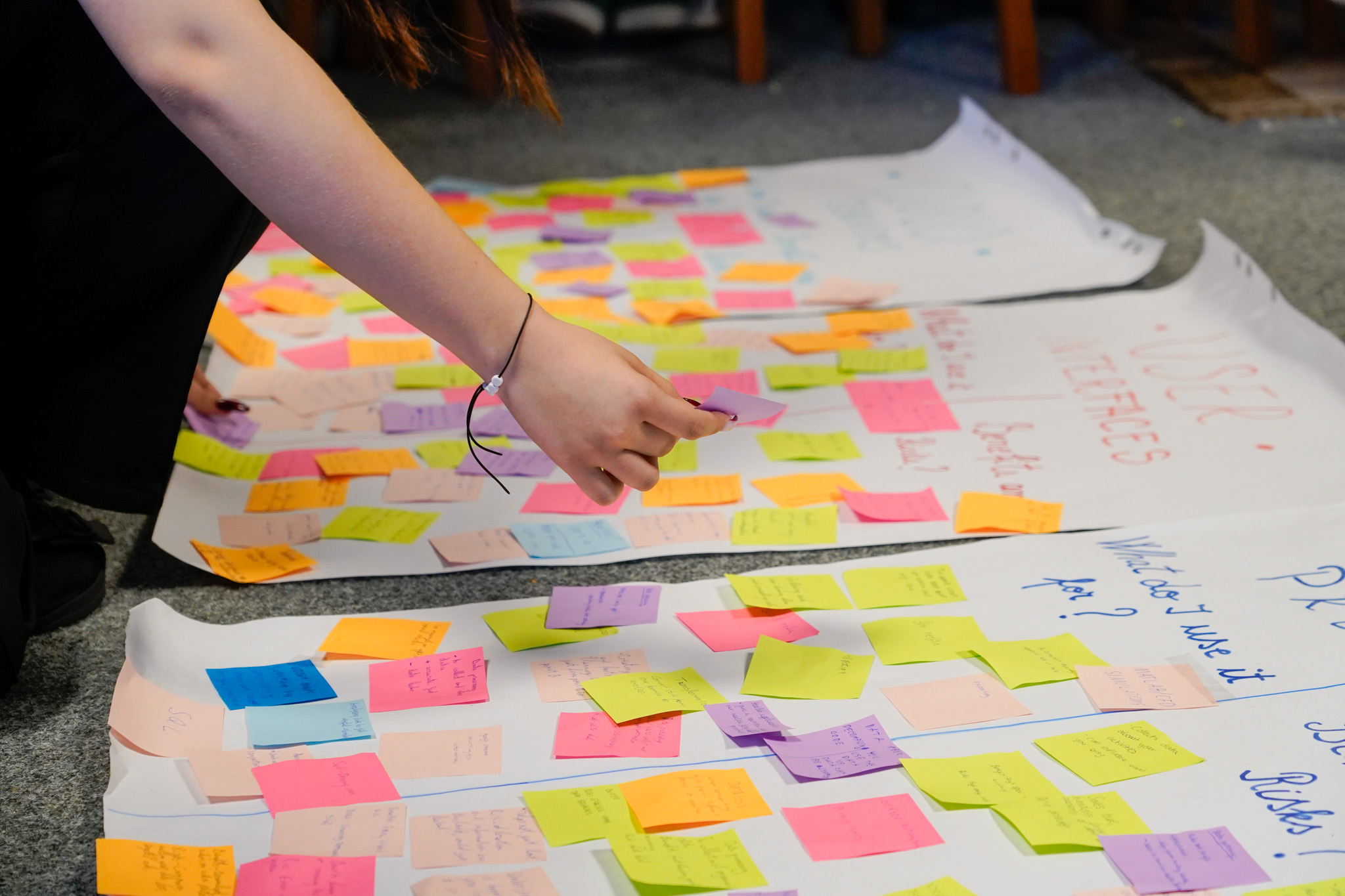
The group started from the ground up. After a first session discovering what IoT actually is, participants took on IoT in Daily Life Mapping: six flipcharts on the wall, one for each part of a connected system, and a stack of sticky notes to record every smart device they meet in a normal day, then weigh whether it brings more benefits or more risks. From there, sessions like How IoT Makes Decisions traced how a system turns raw data into action, using everyday examples such as smart lighting.
Data got its own stretch of the programme. In Data Journey, teams role-played a full IoT system, each person becoming a sensor, a network, or a server to feel how information travels. In Data Policymakers for a Day they switched sides and wrote their own rules for how data in connected systems should be handled. They then turned all of it into short, social-media-style videos in the Data & IoT Through Short-Form Media session, explaining one idea each, from sensors to weak passwords, in their own voice.
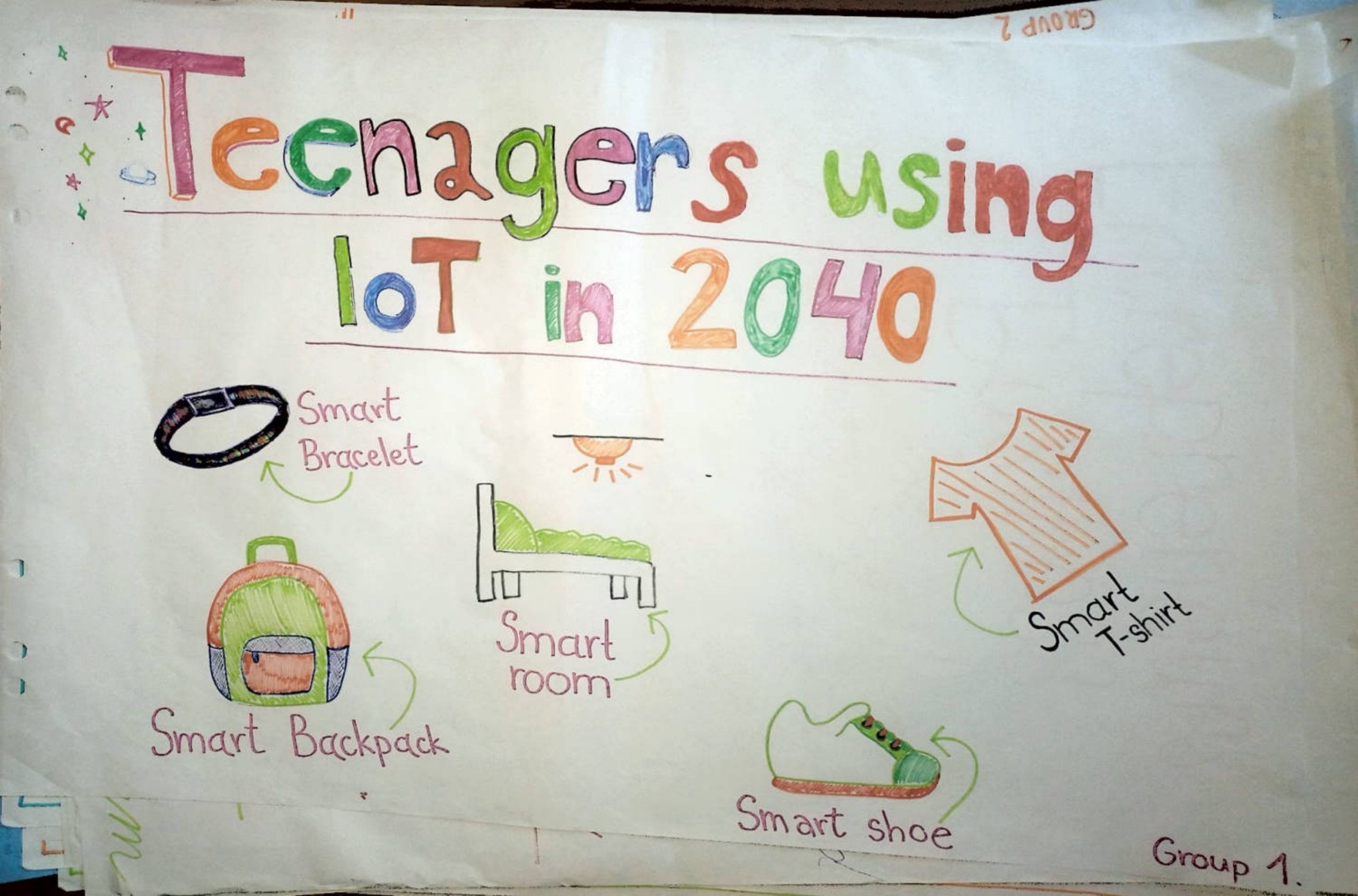
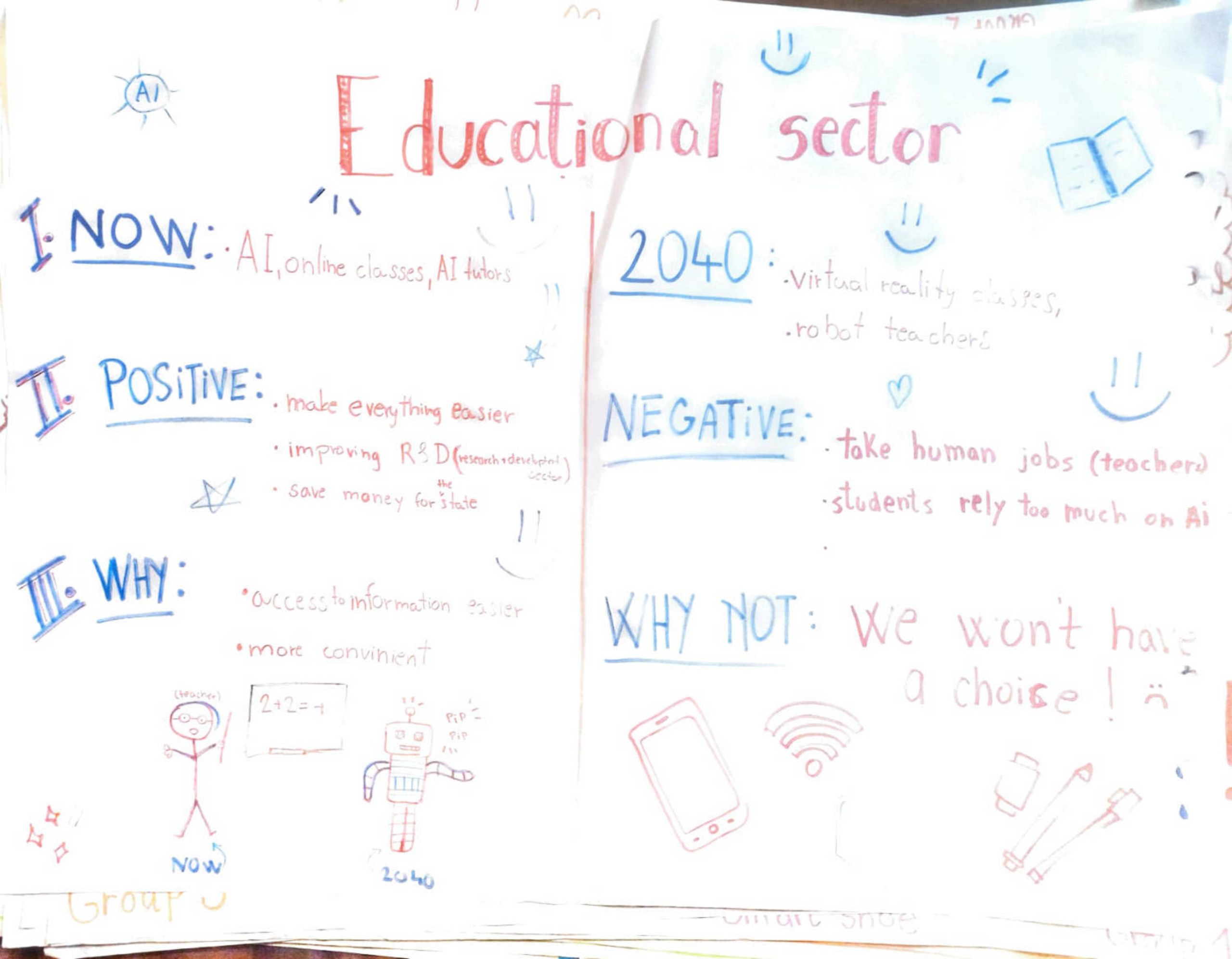
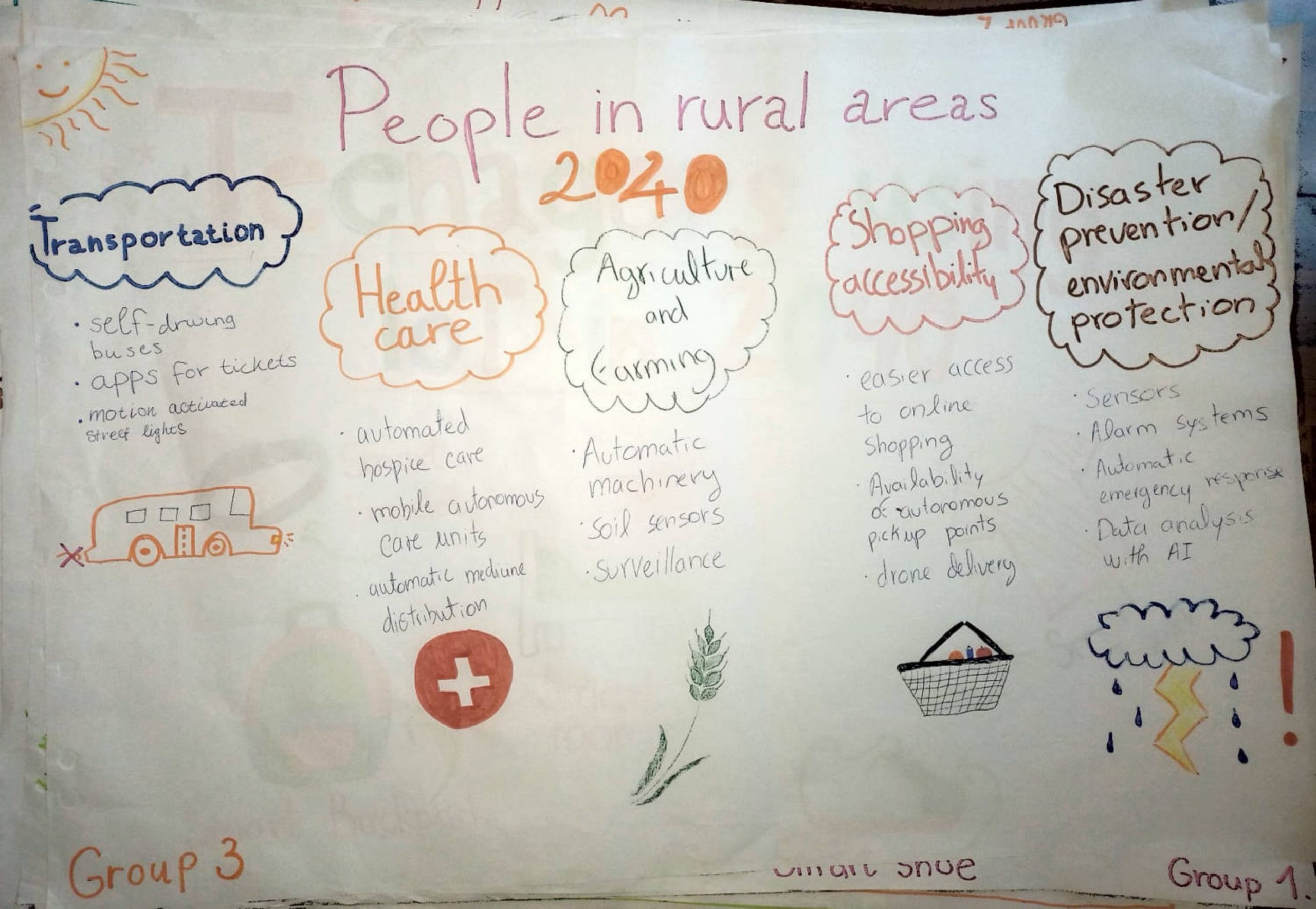
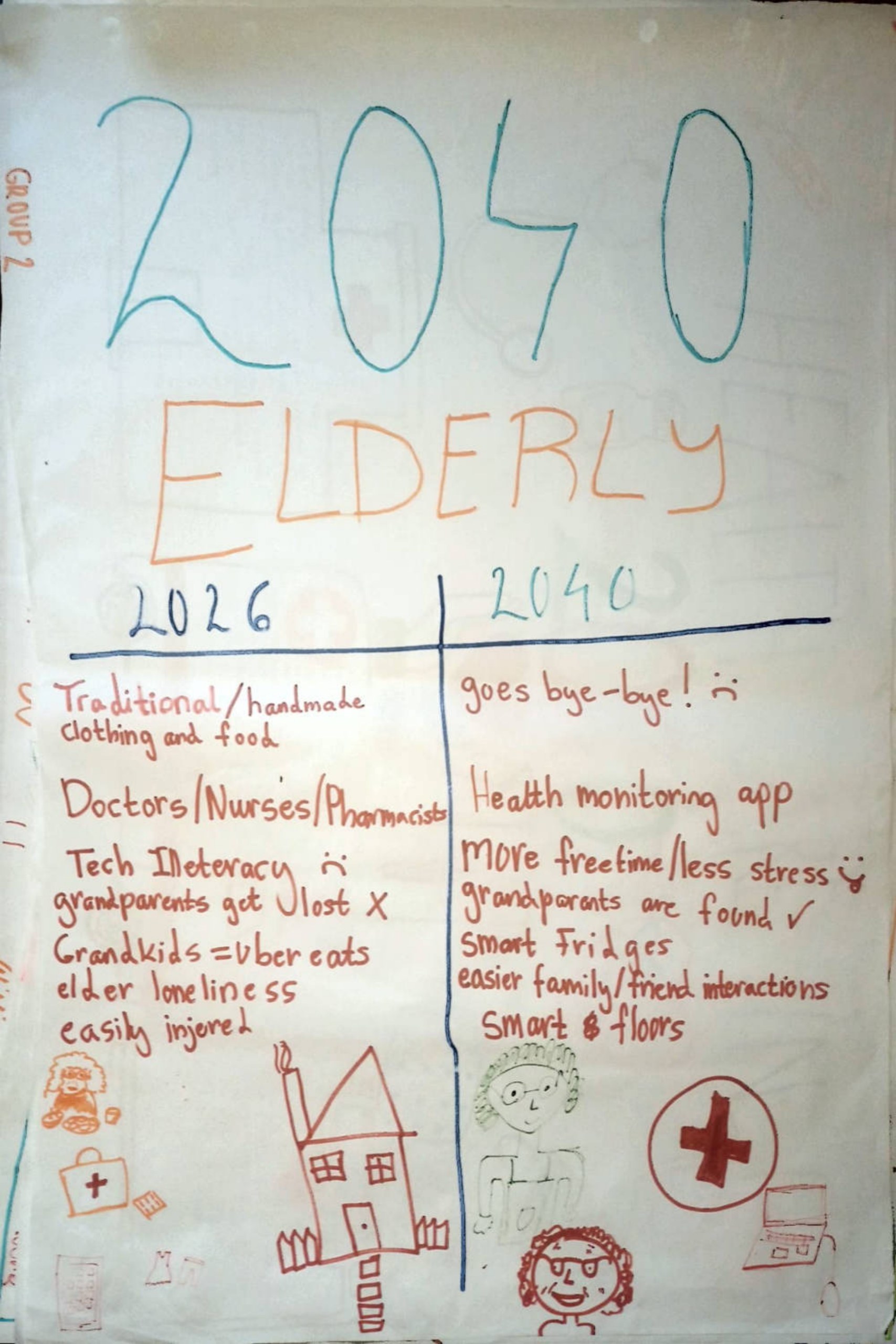
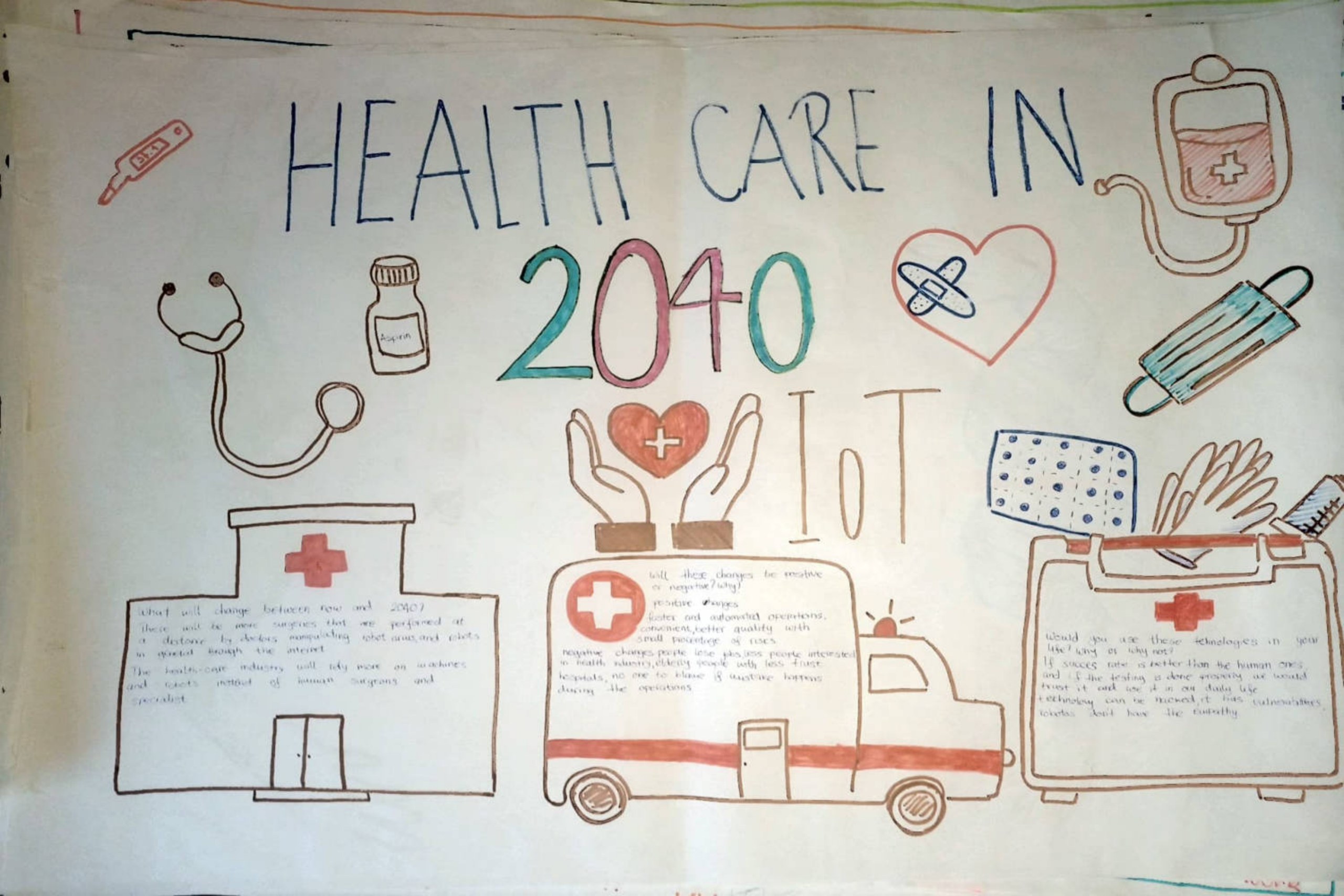
The exchange followed a strong “learn-by-doing” philosophy. Instead of passive lectures, participants learned through role plays, teamwork, presentations, creative challenges, video making, and reflection sessions. One of the most imaginative moments was the Future IoT Museum, where groups used critical and creative thinking to picture how connected technology might serve health care, rural life, or people with disabilities in 2040. Each team turned their ideas into a “museum exhibit” flipchart, like the health care vision below.
From Ideas to Working Prototypes
The second half of the exchange leaned into making. On the smart-device days, participants asked What Makes a Device “Smart”?, rotated through hands-on Smart Home Stations, and argued the trade-offs of voice assistants, cameras, and health trackers in a Smart Home Ethics Debate. They also filmed longer short movies imagining how connected technology shapes daily life, from a classroom that quietly sells student data to an automated house that gets hacked.
Automated House Hacked, a short film made during the exchange
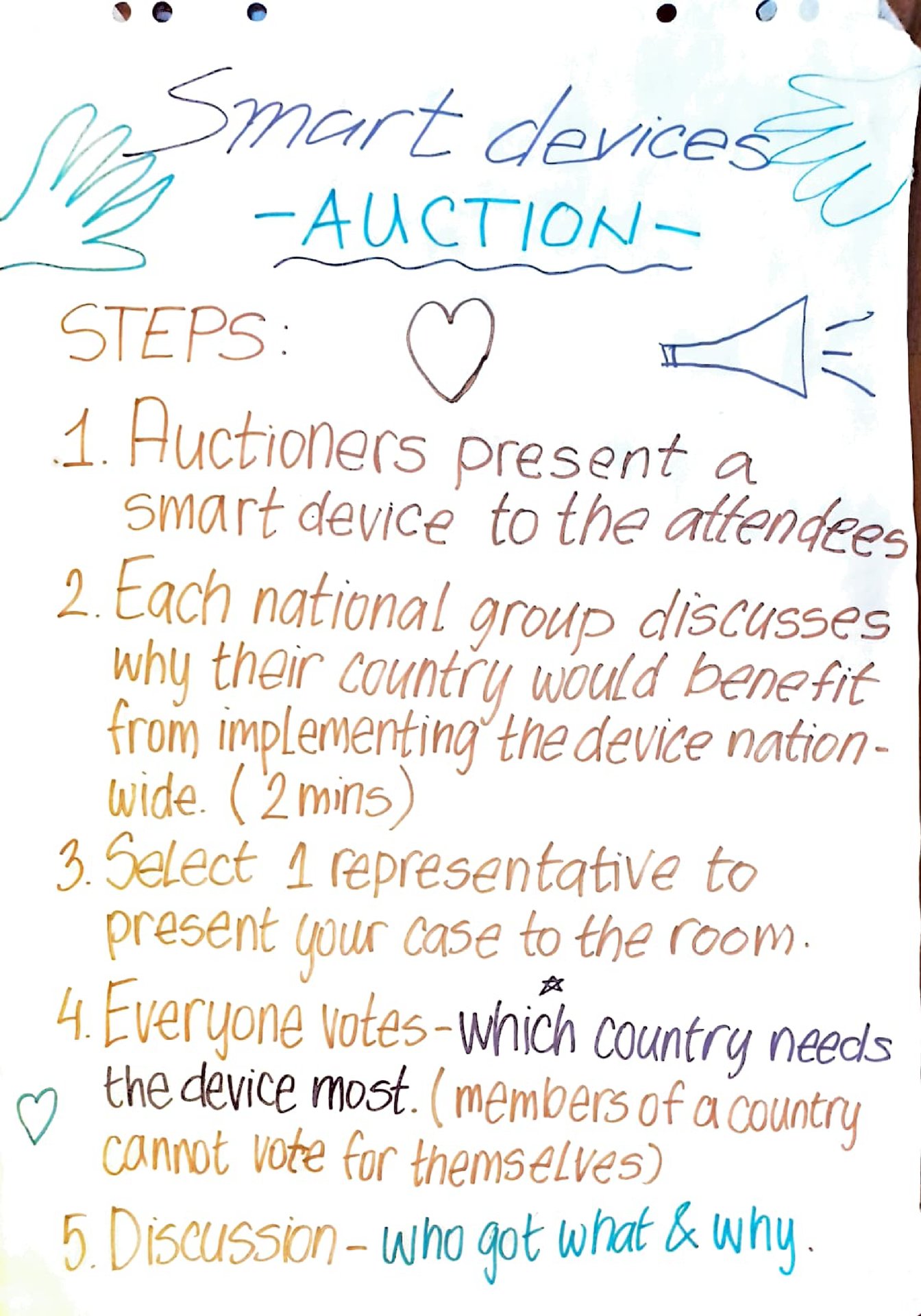
Games kept the energy high while sharpening the thinking. In the Smart Devices Auction, national groups pitched a device and argued why their country needed it most before everyone voted. An IoT Treasure Hunt and a Crisis Management Theatre Play pushed teams to apply what they had learned under a bit of pressure.
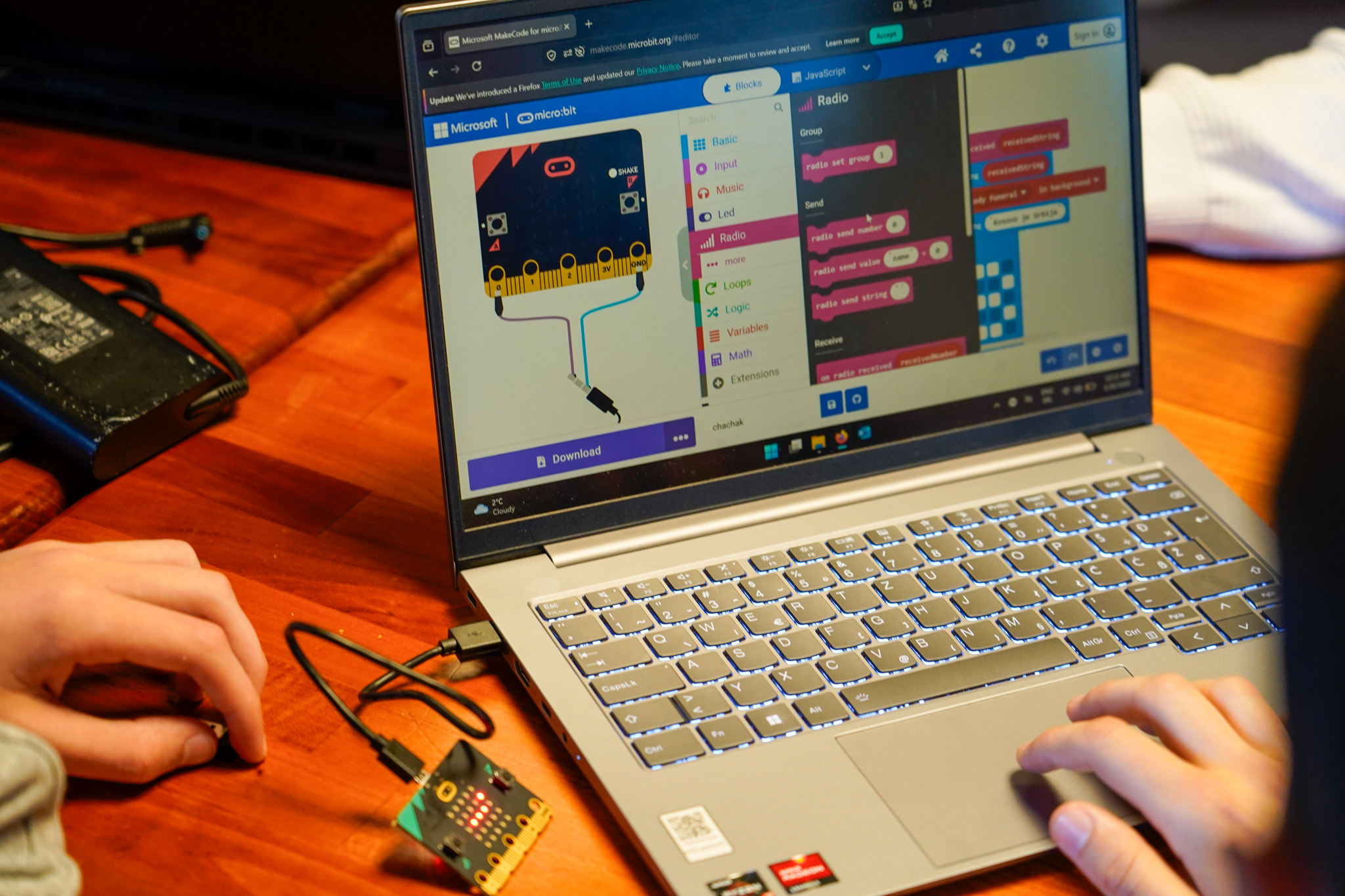
The exchange built towards two bigger challenges. In the IoT Startup sessions, teams invented a fictional connected product and pitched it across three rounds in a Shark Tank style format, while the Smart City Hackathon asked them to design their ideal digital city. By the final days, the group moved from concepts to circuits: sessions on IoT hardware, how IoT systems are programmed, and a guided walkthrough led into Building a Simple IoT System, where participants connected sensors to a controller and triggered real outputs.
More Than Technology
Although eXploreTech was based around digital competences, this youth exchange became much more than a project about technology.
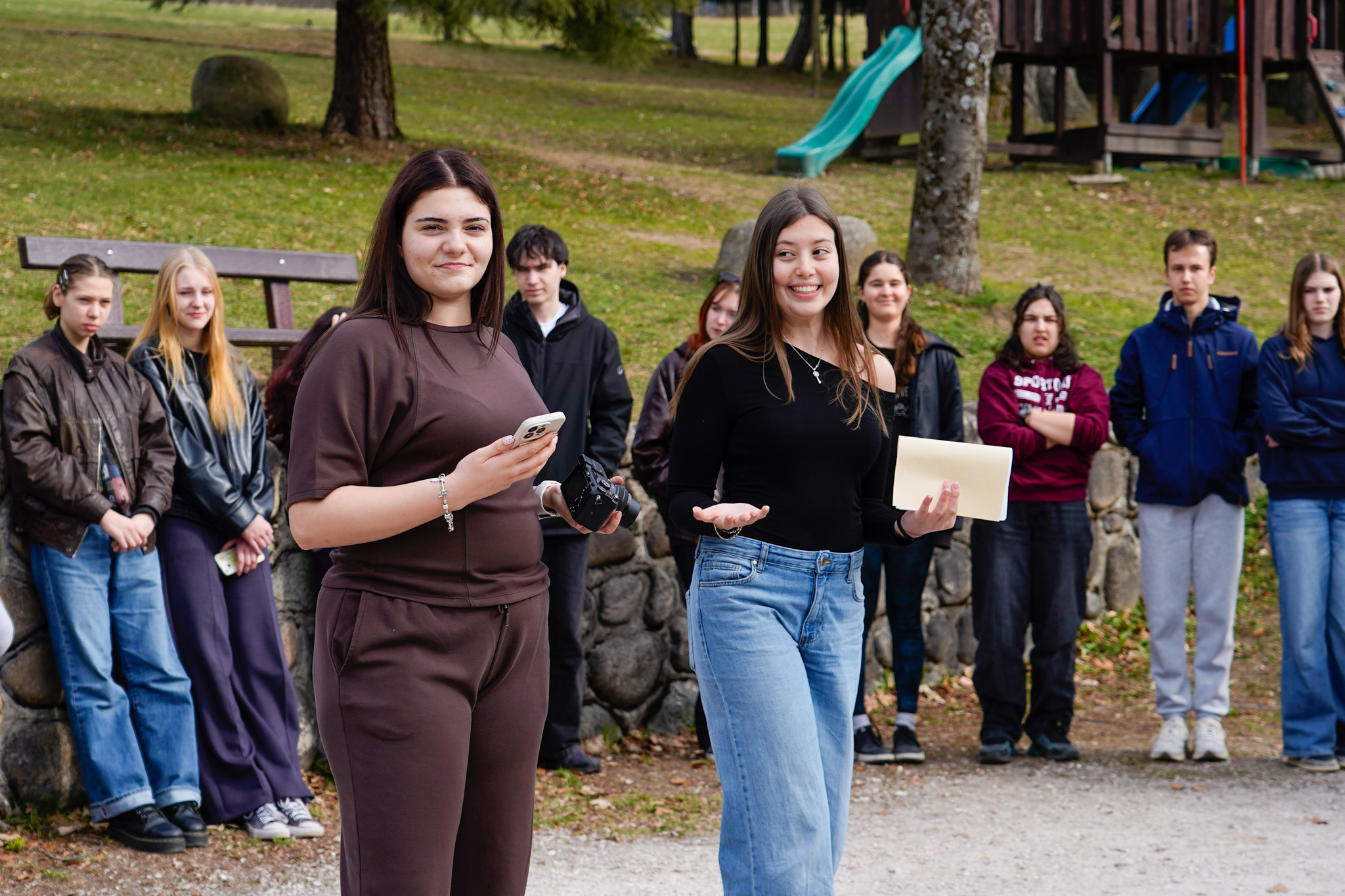
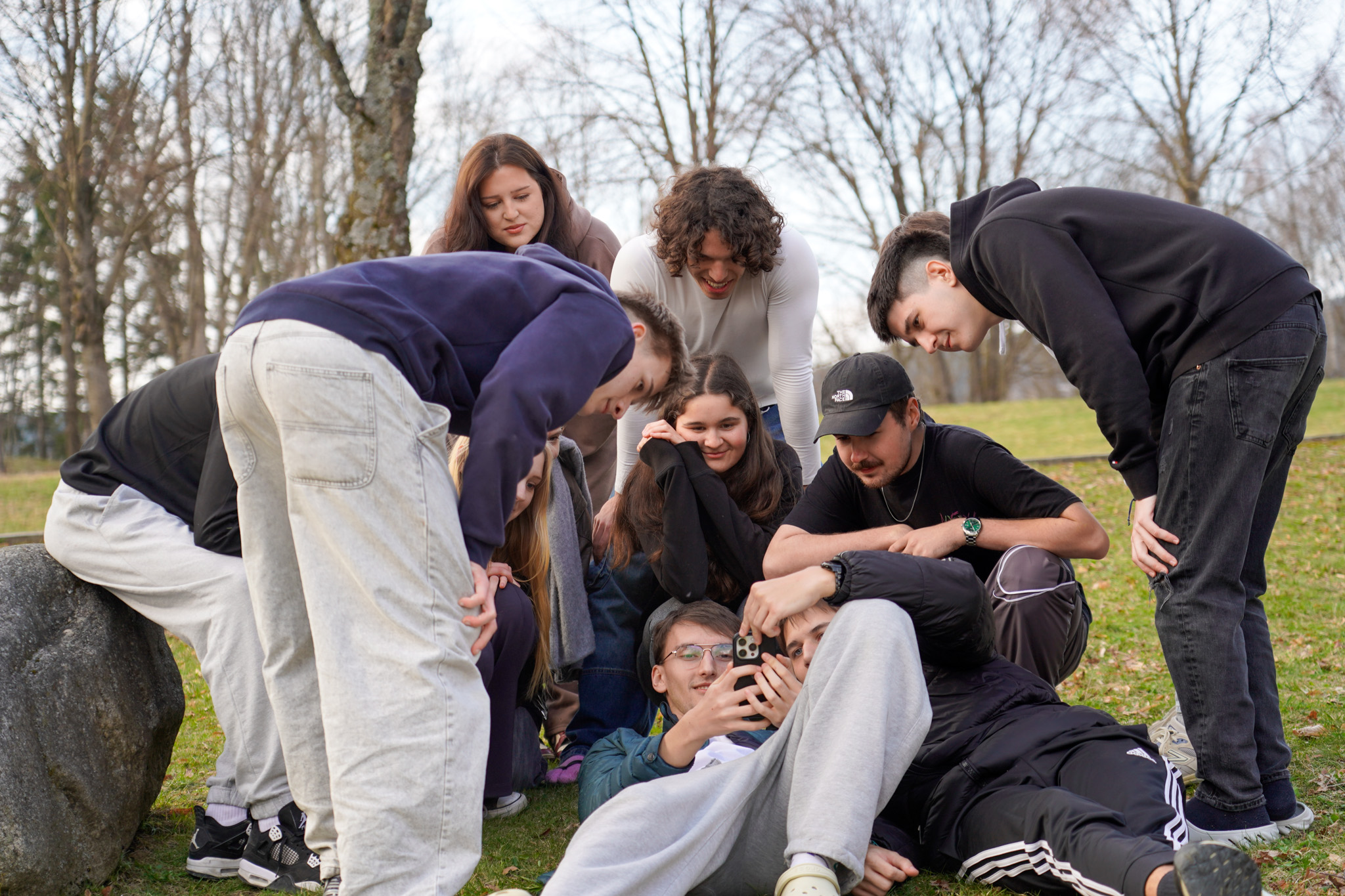
A strong sense of community was created in this international atmosphere during the mobility. Small touches helped it grow: a Secret Friend game that ran quietly through the whole exchange, a compliment box, and a day-five hike into the mountains around Rokytnice nad Jizerou that traded screens for fresh air and conversation. Participants described how the project helped them improve their English communication skills and gain confidence in speaking in an international environment and at the same time learn the importance of teamwork, adaptability, and learning to cooperate with people from different backgrounds and perspectives.
In their own words:
“An experience that helped me grow and made me see Europe as a friendlier place.”
“Building a secure digital future is our shared responsibility.”
eXploring Cultures
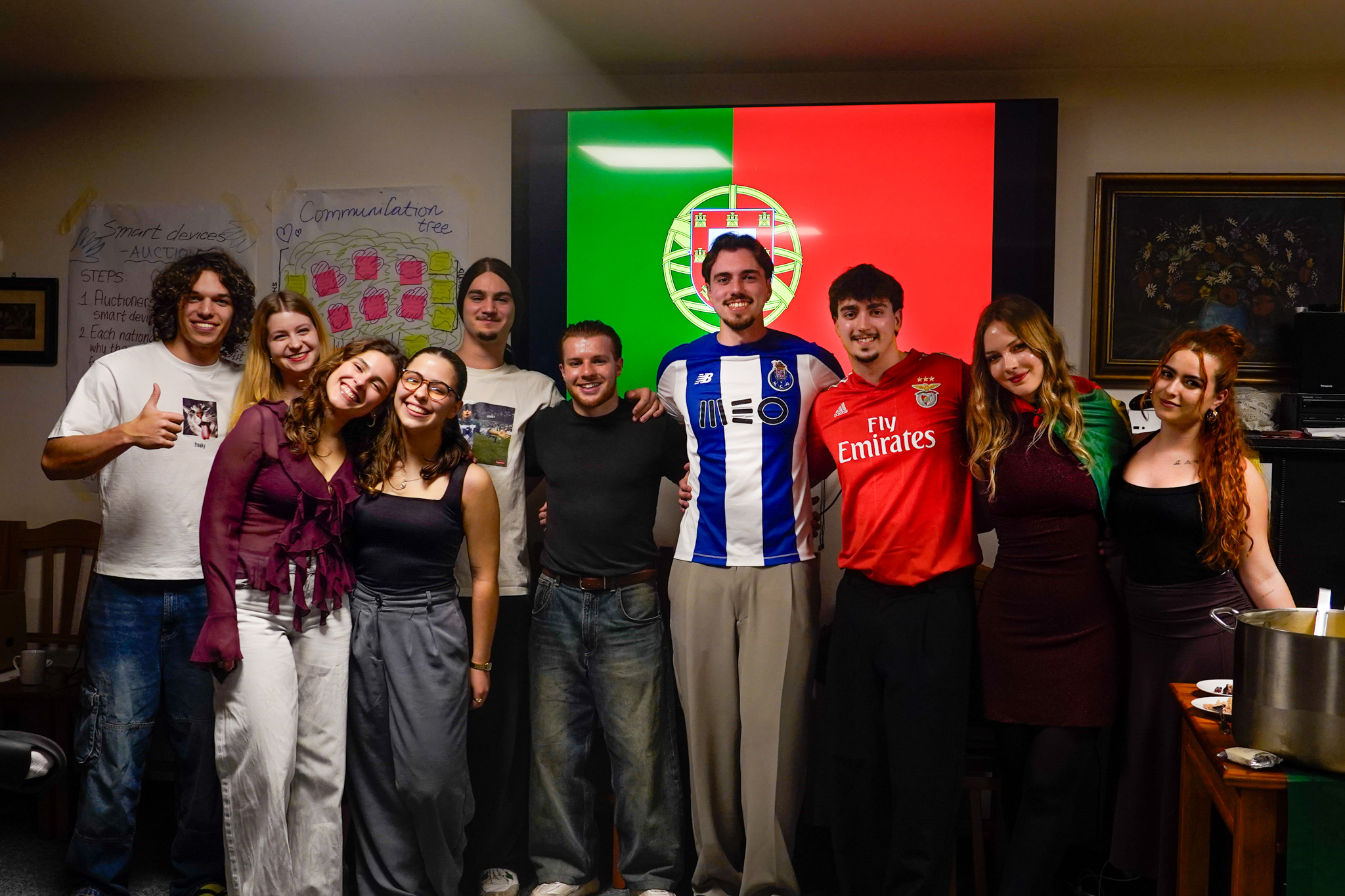
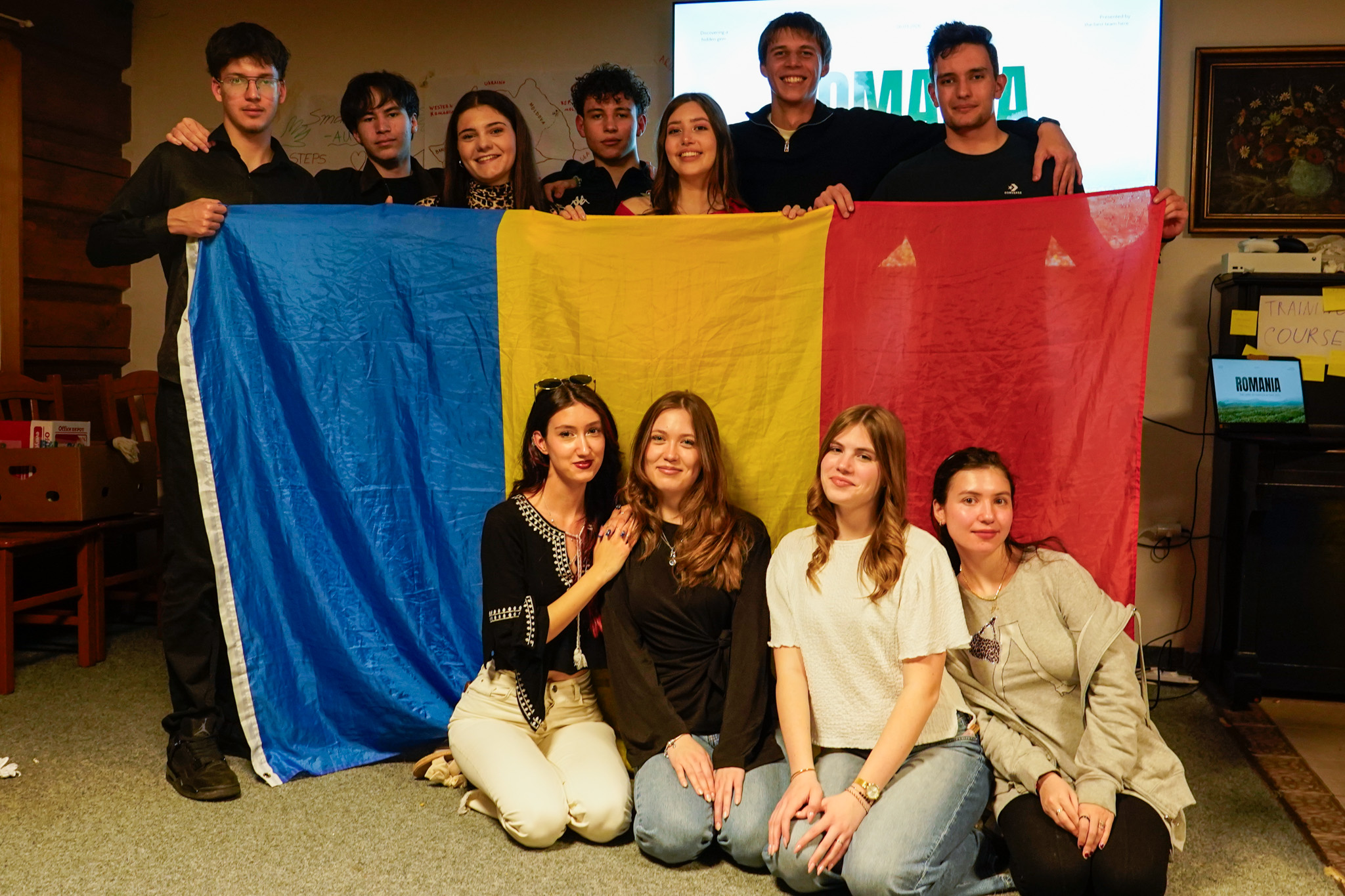
An important part of the project were the cultural evenings, where each country introduced its traditions, food, music, games, and customs. These evenings gave participants the opportunity to learn directly from one another, discover different perspectives, and better understand the diversity within Europe. Through shared experiences and informal conversations, participants built friendships, improved their intercultural communication skills, and created memories that will stay with them long after the project ended.

A Lasting Impact
What participants are taking home from eXploreTech goes far beyond technical knowledge.
They leave with stronger digital awareness, improved communication skills, greater confidence, international friendships, and a deeper understanding of how technology influences society. Most importantly, they leave with the mindset that technology should not only be smart, it should also be secure, ethical, and human-centered.
As connected technologies continue to shape the future, initiatives like eXploreTech show how international youth exchanges can help young people become informed, critical, and responsible digital citizens ready to actively contribute to a safer and smarter world.
Results
Across the exchange, participants did not just learn about the Internet of Things, they built things with it. Working in small mixed teams, they mapped connected devices, debated data and privacy, filmed their ideas, designed fictional products, and imagined the future. Here are some of the flipcharts, presentations, and videos that came out of those sessions.
Future IoT Museum
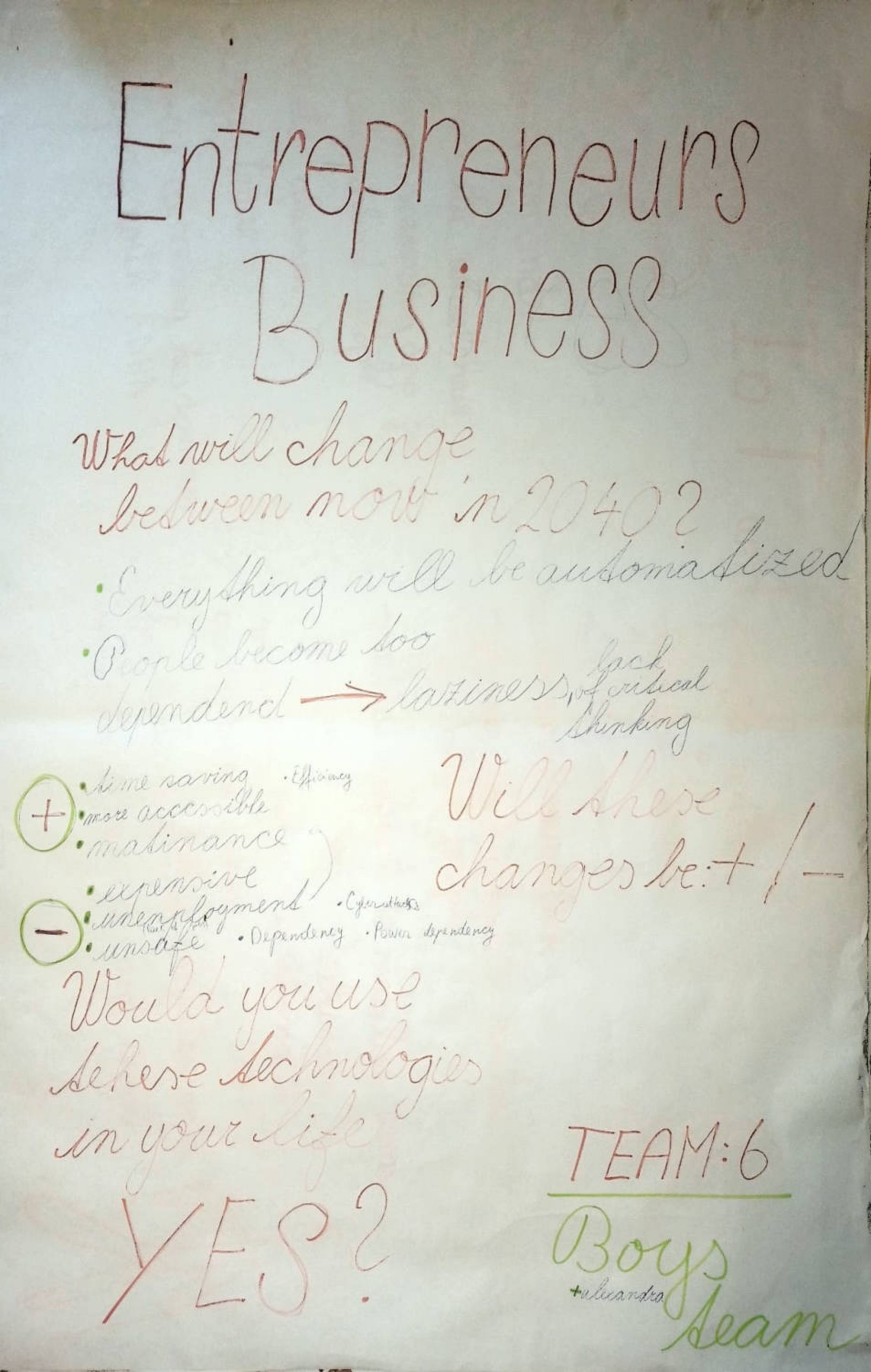
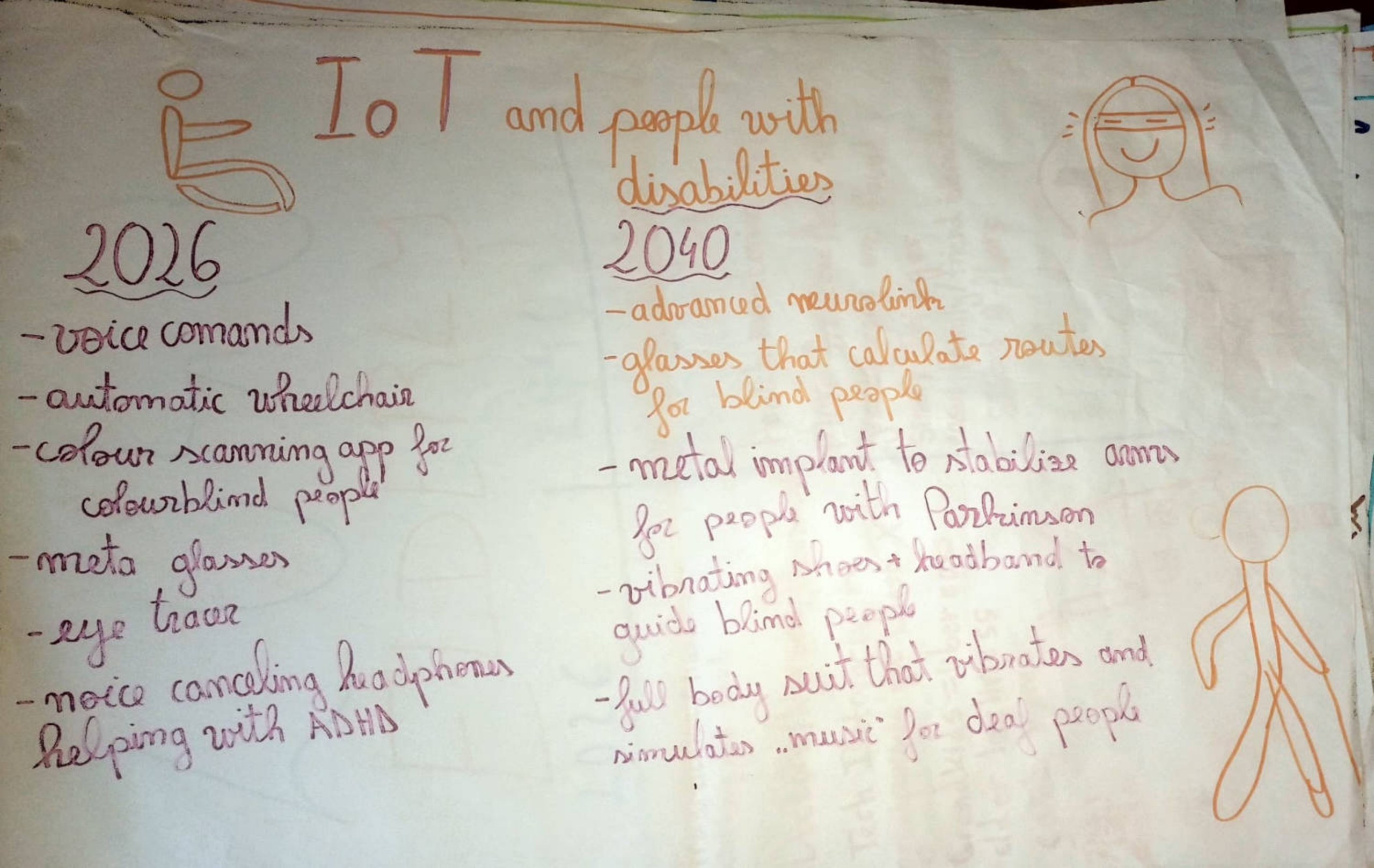
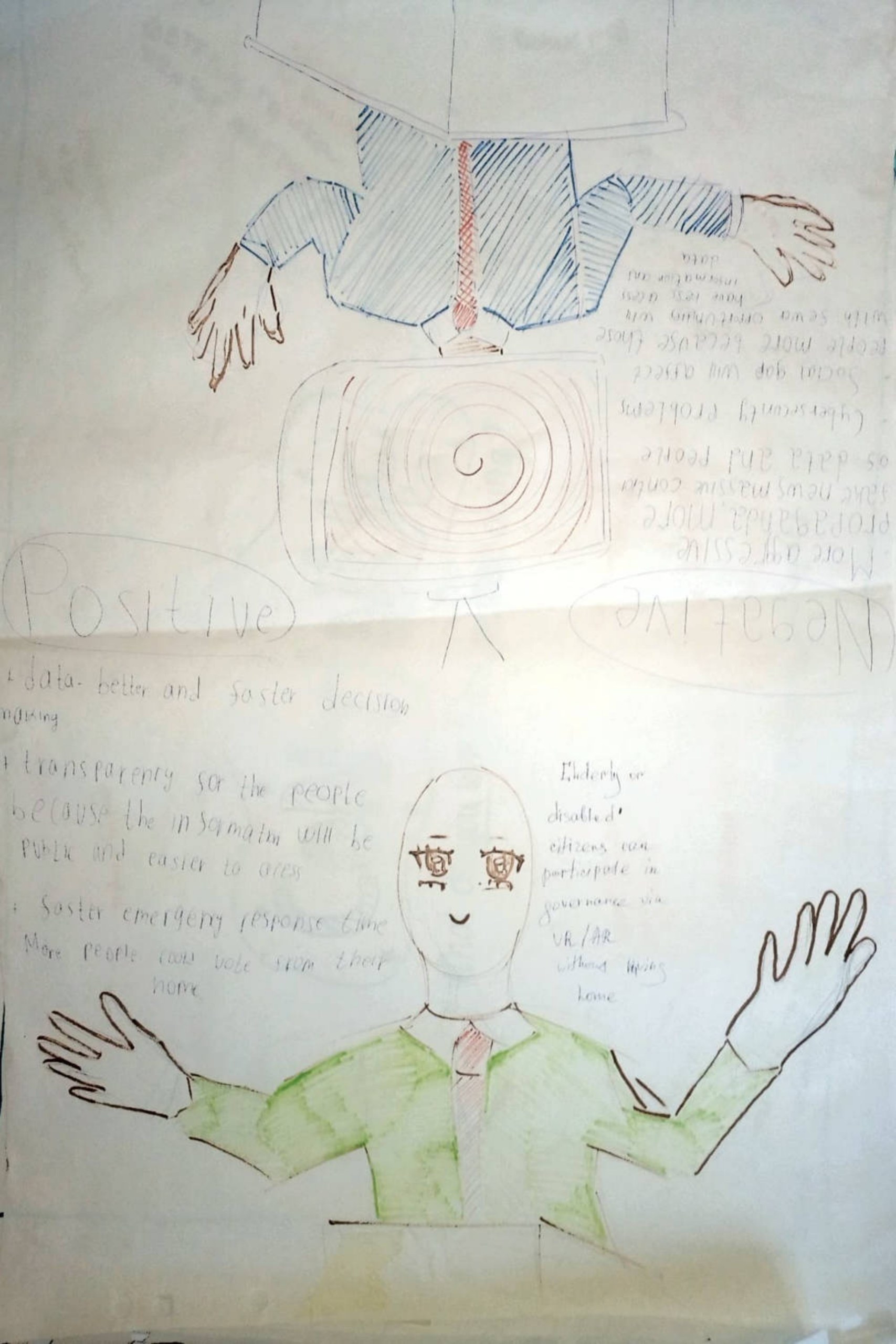
You saw one of the Future IoT Museum flipcharts earlier. Here are more of them: each team picked a part of society, from health care to rural living to people with disabilities, and turned it into a “museum exhibit” of the future, mixing optimism with a healthy dose of caution.
Data and IoT in short-form media
To unpack how data moves through connected systems, each group took a single data or IoT idea, from sensors and data transmission to privacy and weak passwords, and explained it in a short, social-media-style video. The brief was simple: make it clear, make it yours. The clips range from quick explainers to comedy sketches.
How Data Analysis Works
Sensors: The Nervous System of IoT
Who Owns Your Data?
When Your Password Is 1234
POV: You're Bluetooth
PC Crash Drama
The Backwards Door
The Invisible Highway
Data Overflow
Taking Turns
Your House Knows You
Where Does Your Data Go?
Smart device short films
Beyond the automated house above, the smart-device days produced more short movies imagining how connected technology shapes daily life, for better and for worse. The stories run from smart schools to runaway robots.
Smart Schools
The Last Race
When the House Doesn't Listen
False Alarm
IoT Startup
We shared one IoT Startup pitch earlier. Here are more of the fictional connected products teams designed and pitched Shark Tank style across three stages, from accessibility tools to dream-recording gadgets.
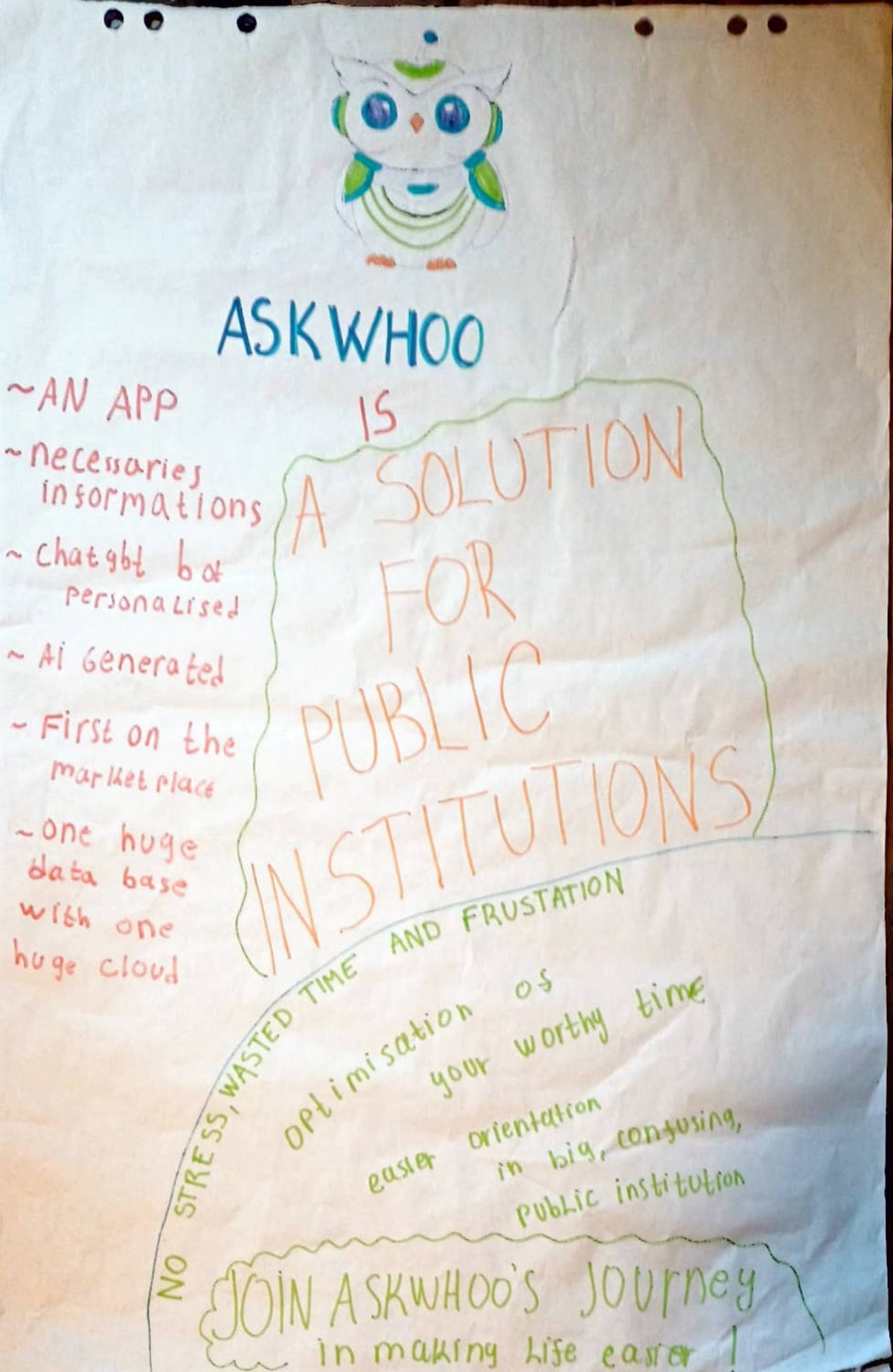
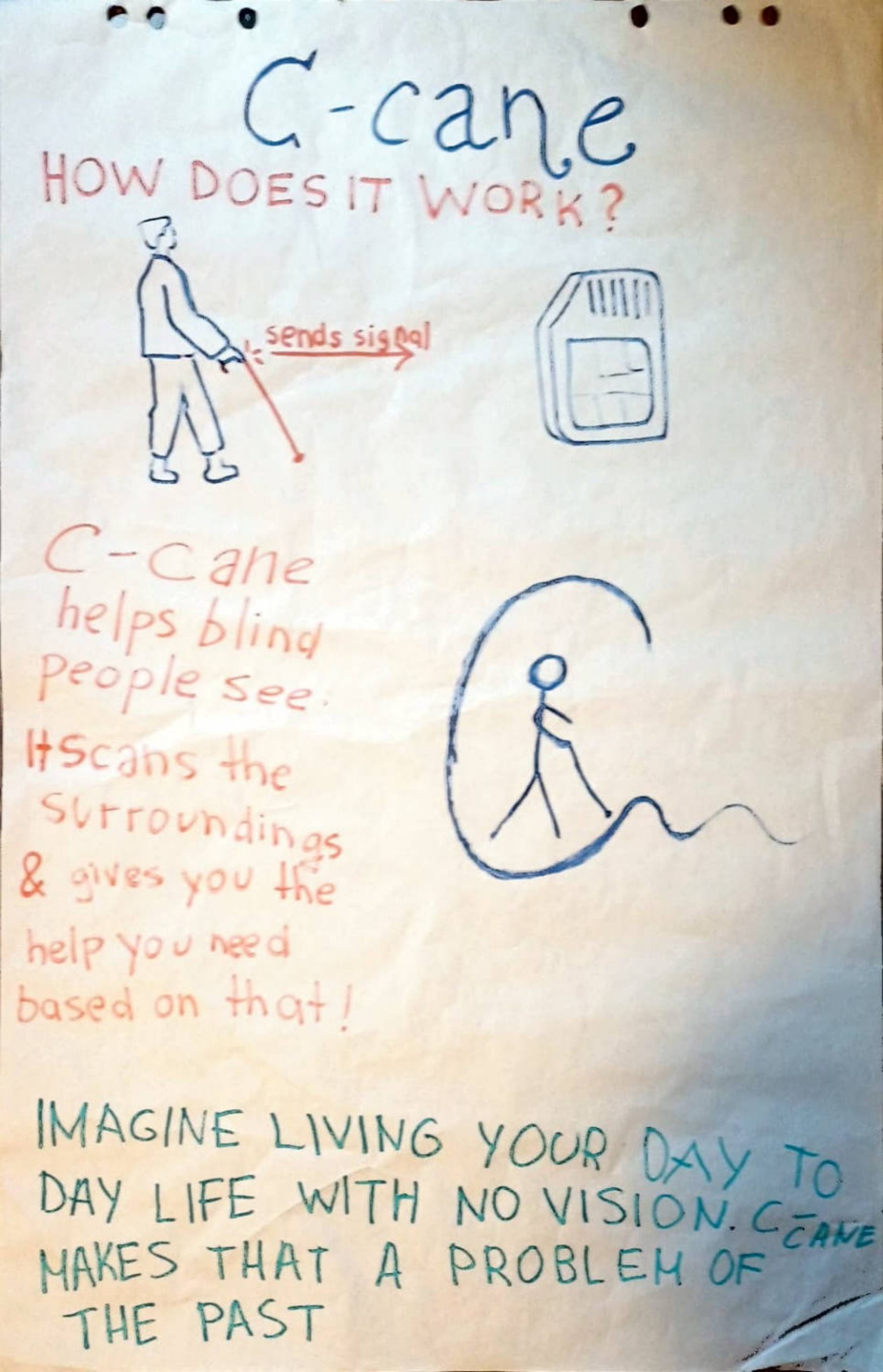
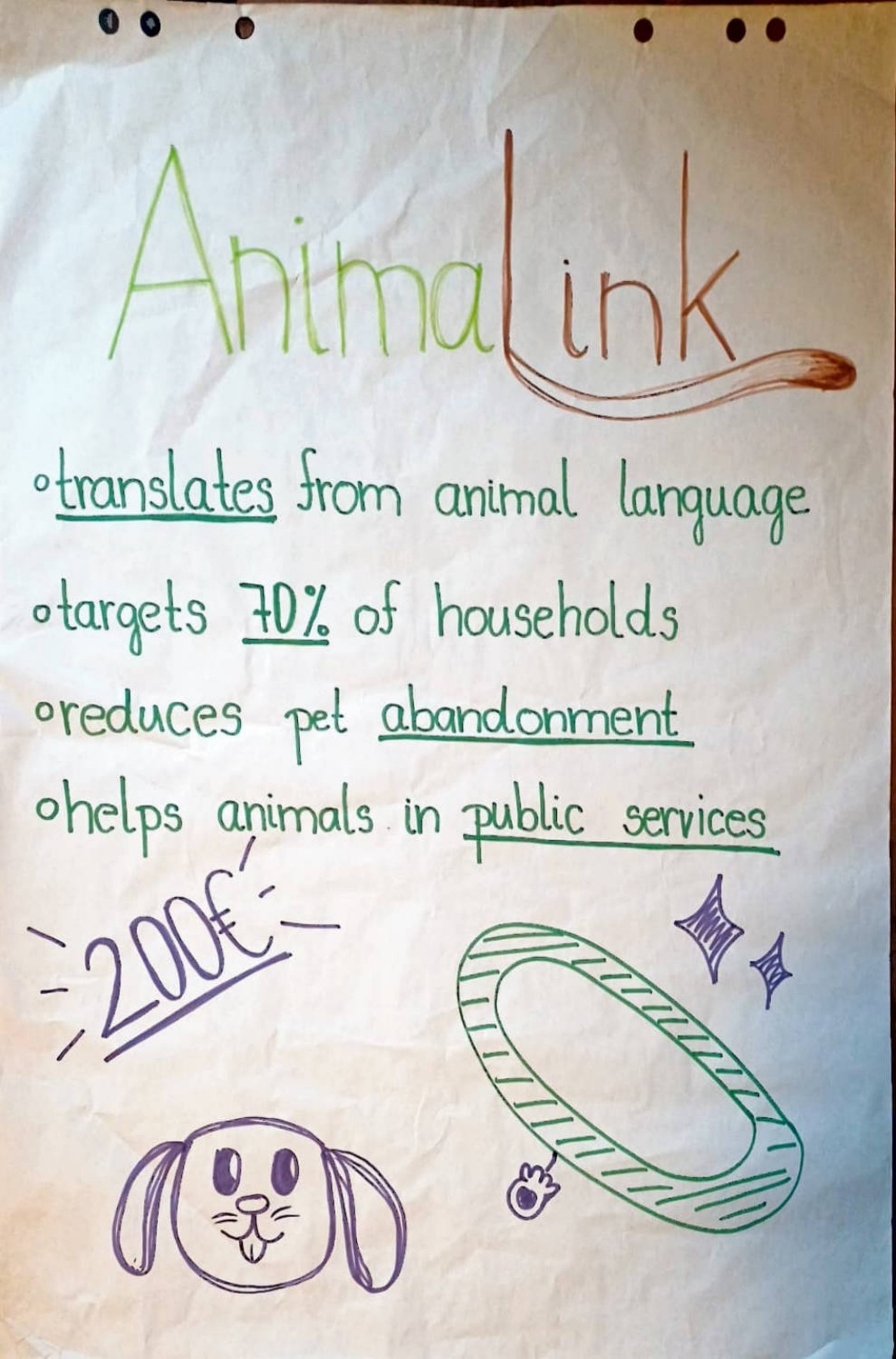
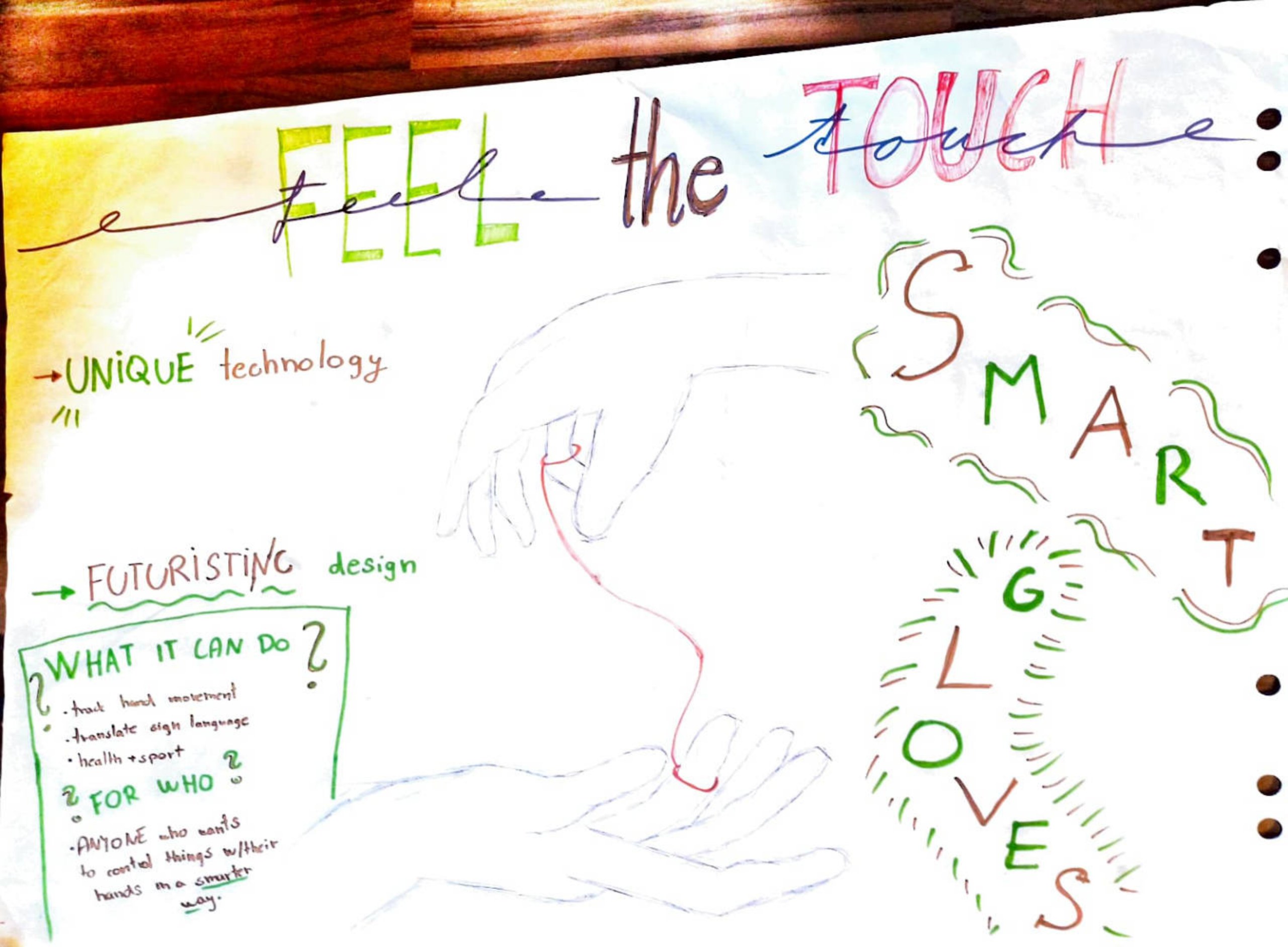
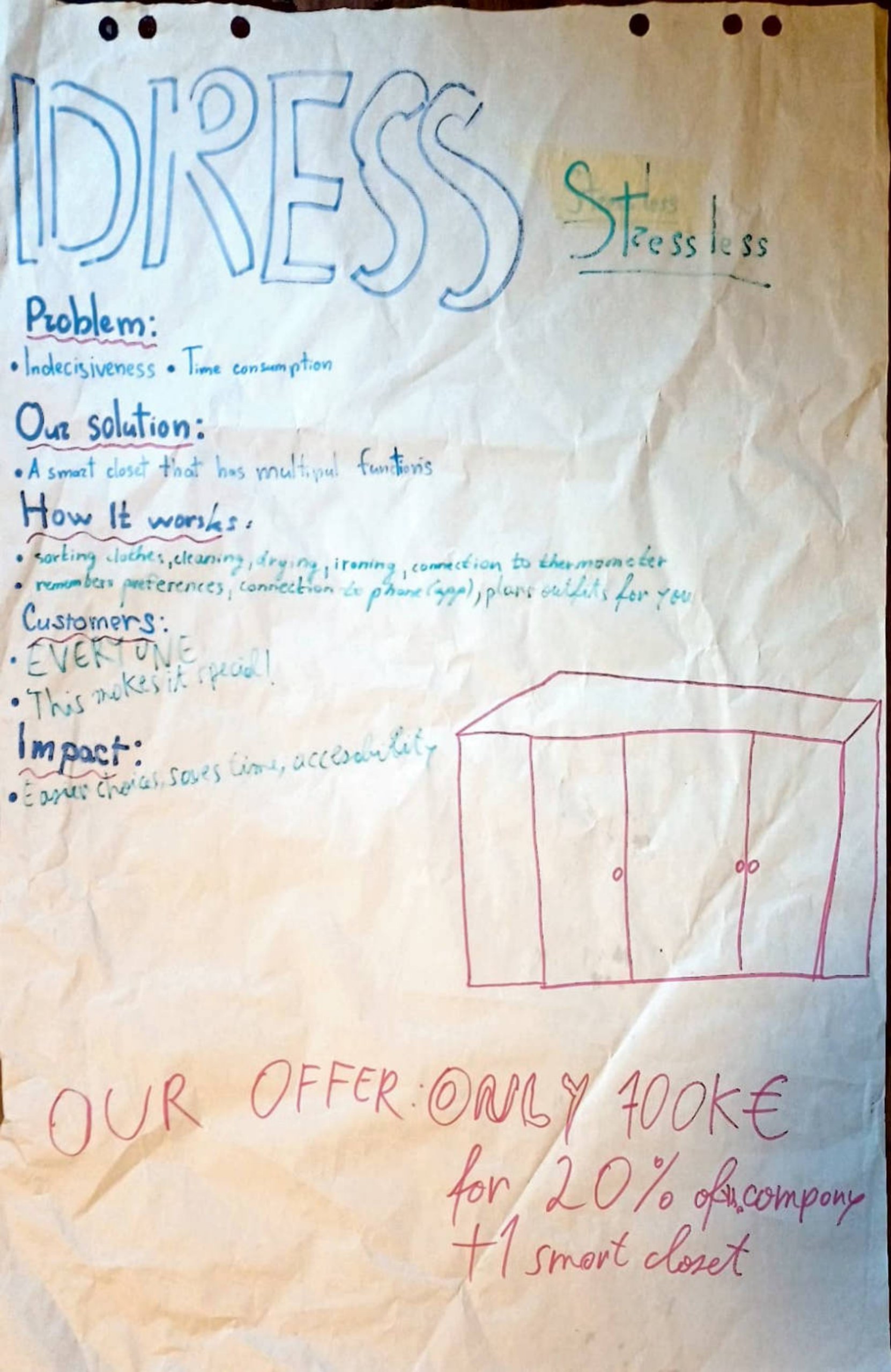
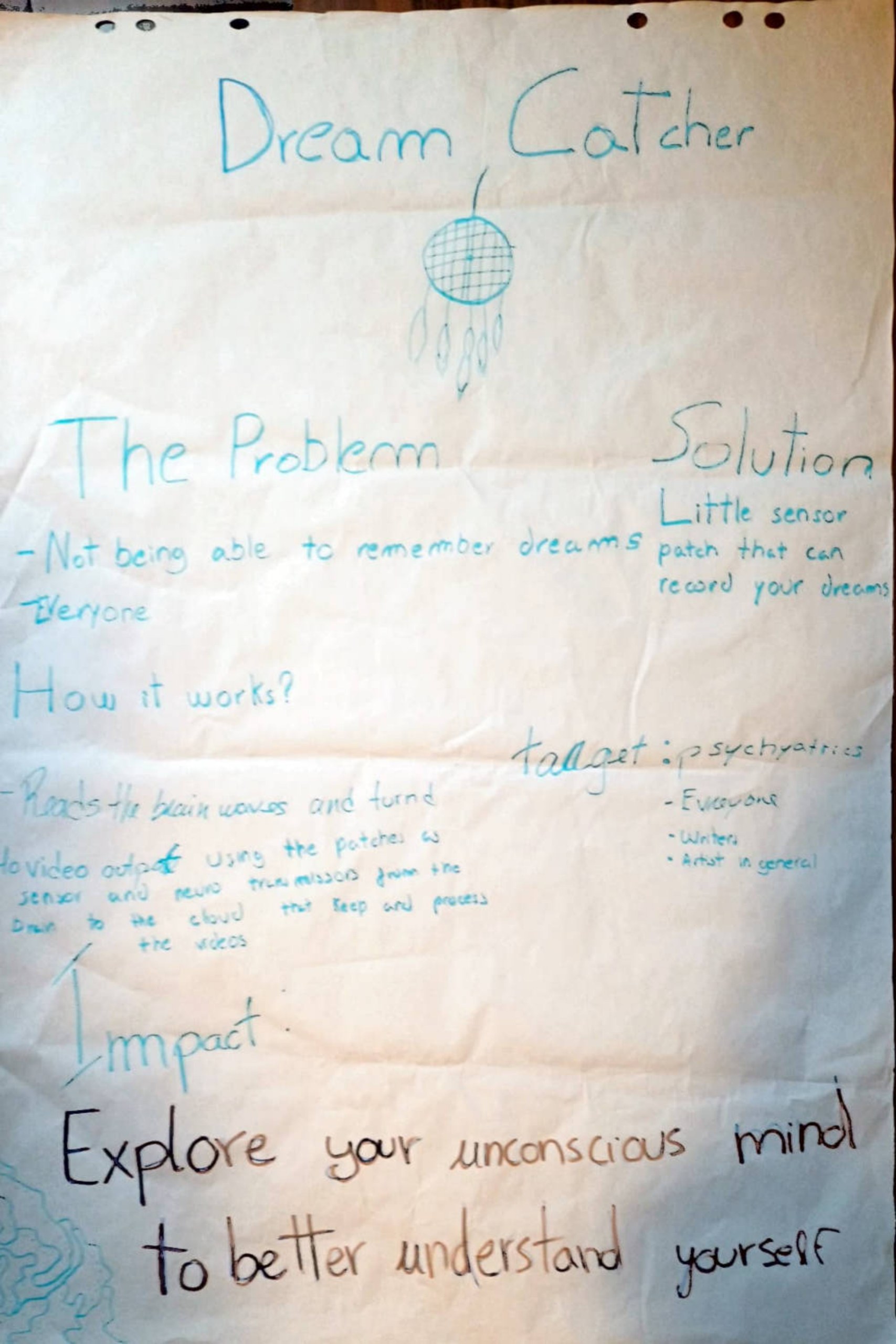
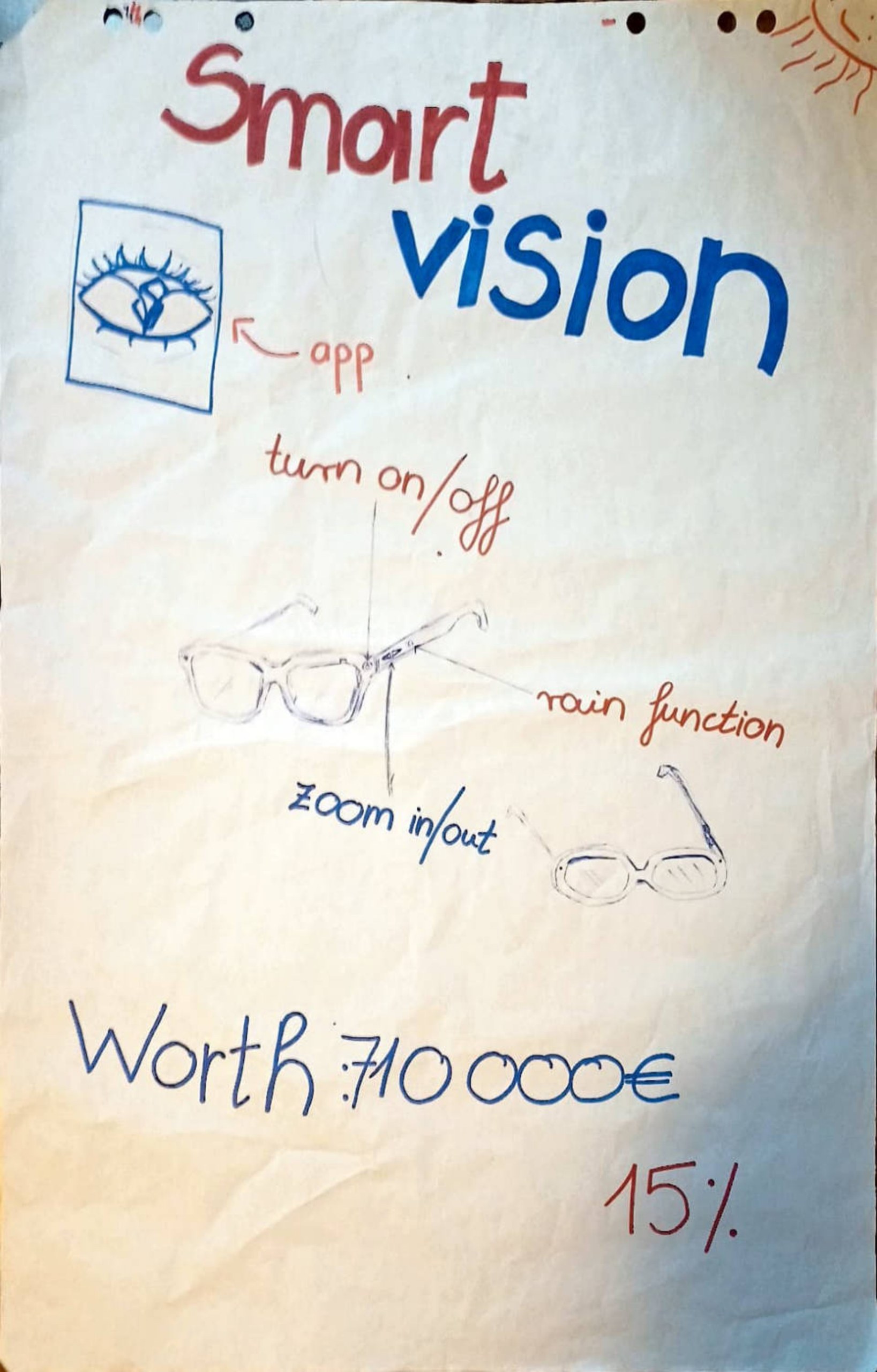
Photo Gallery
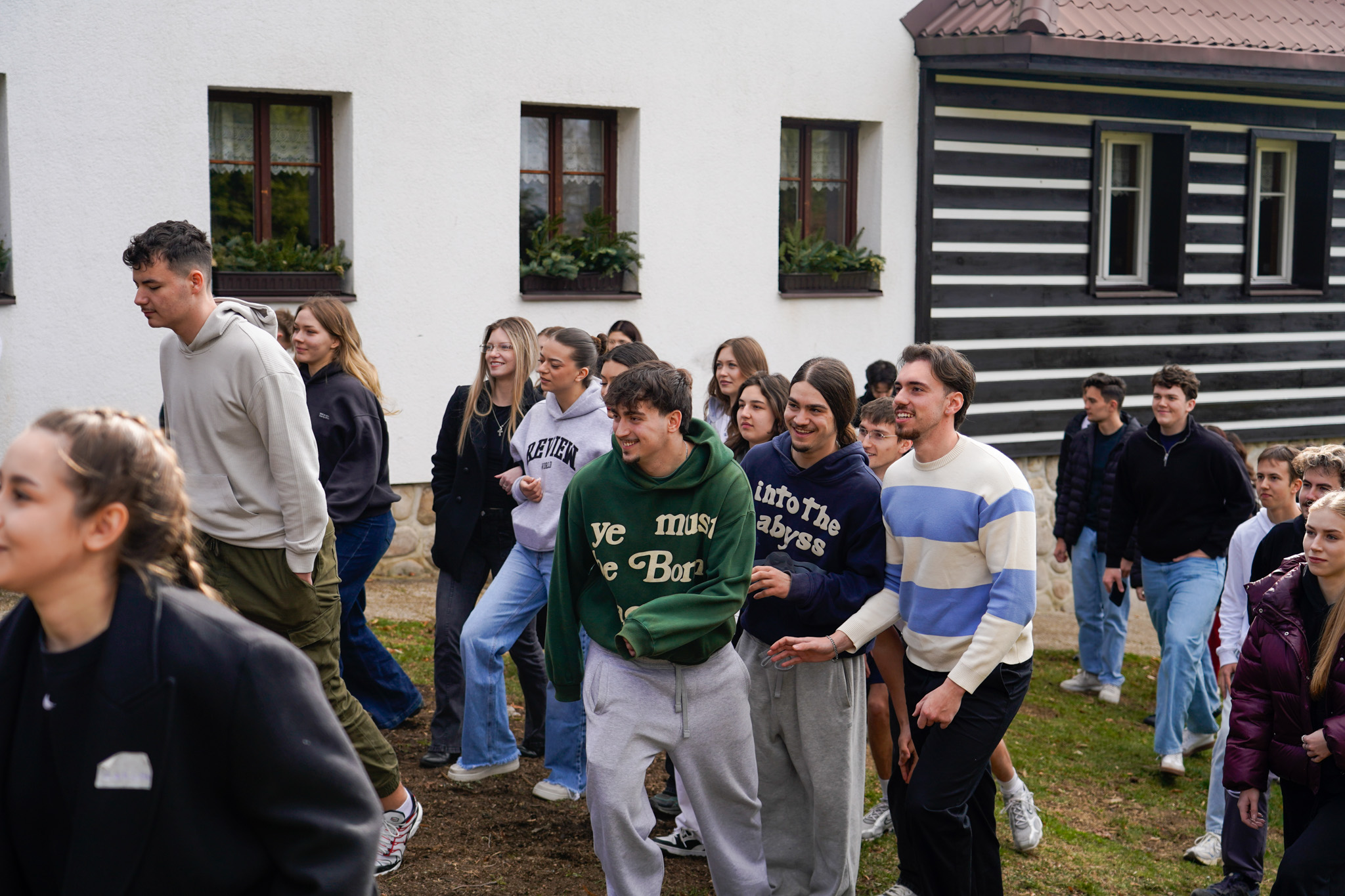
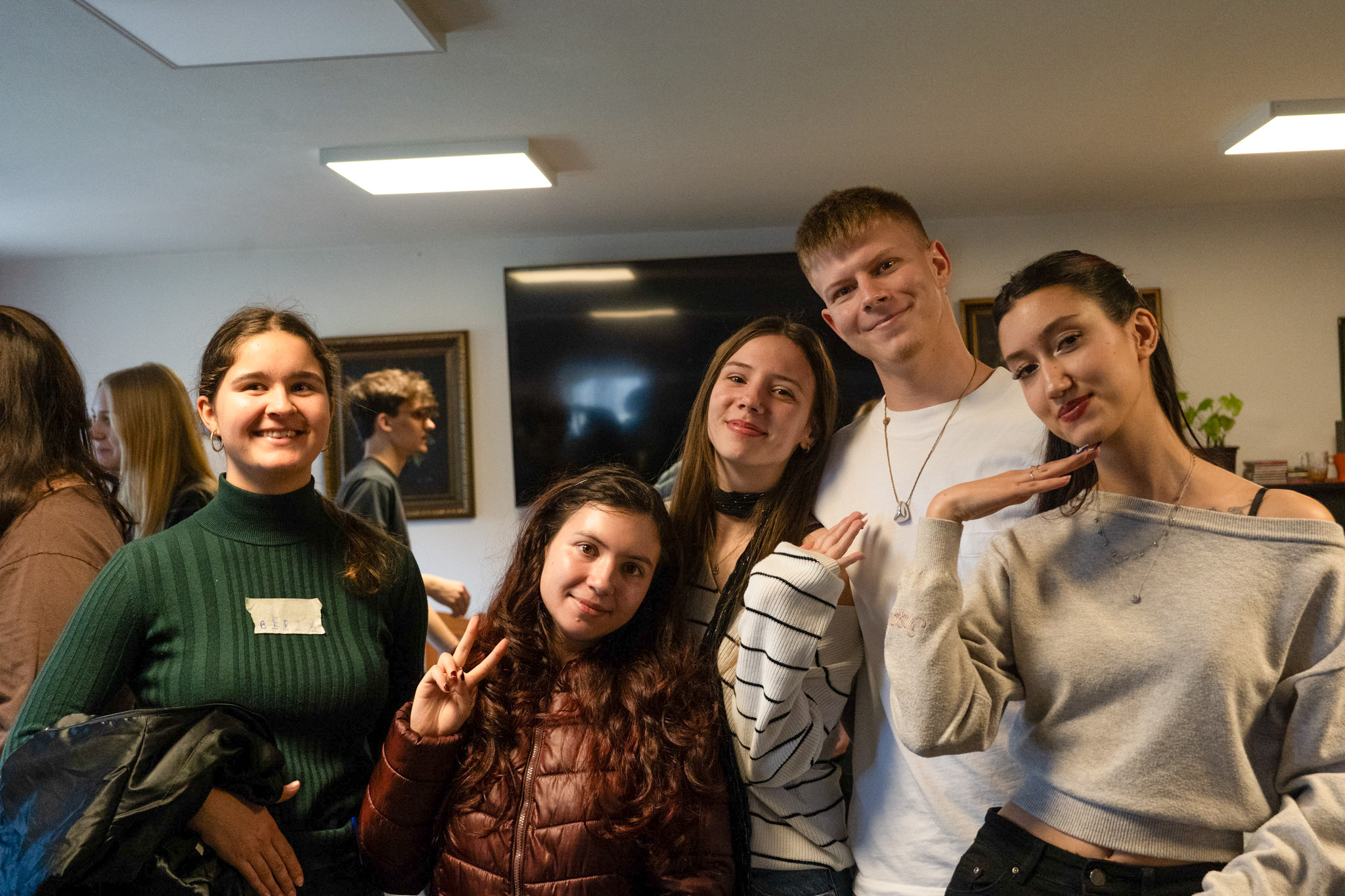
To get a better idea about the vibe of the exchange :)
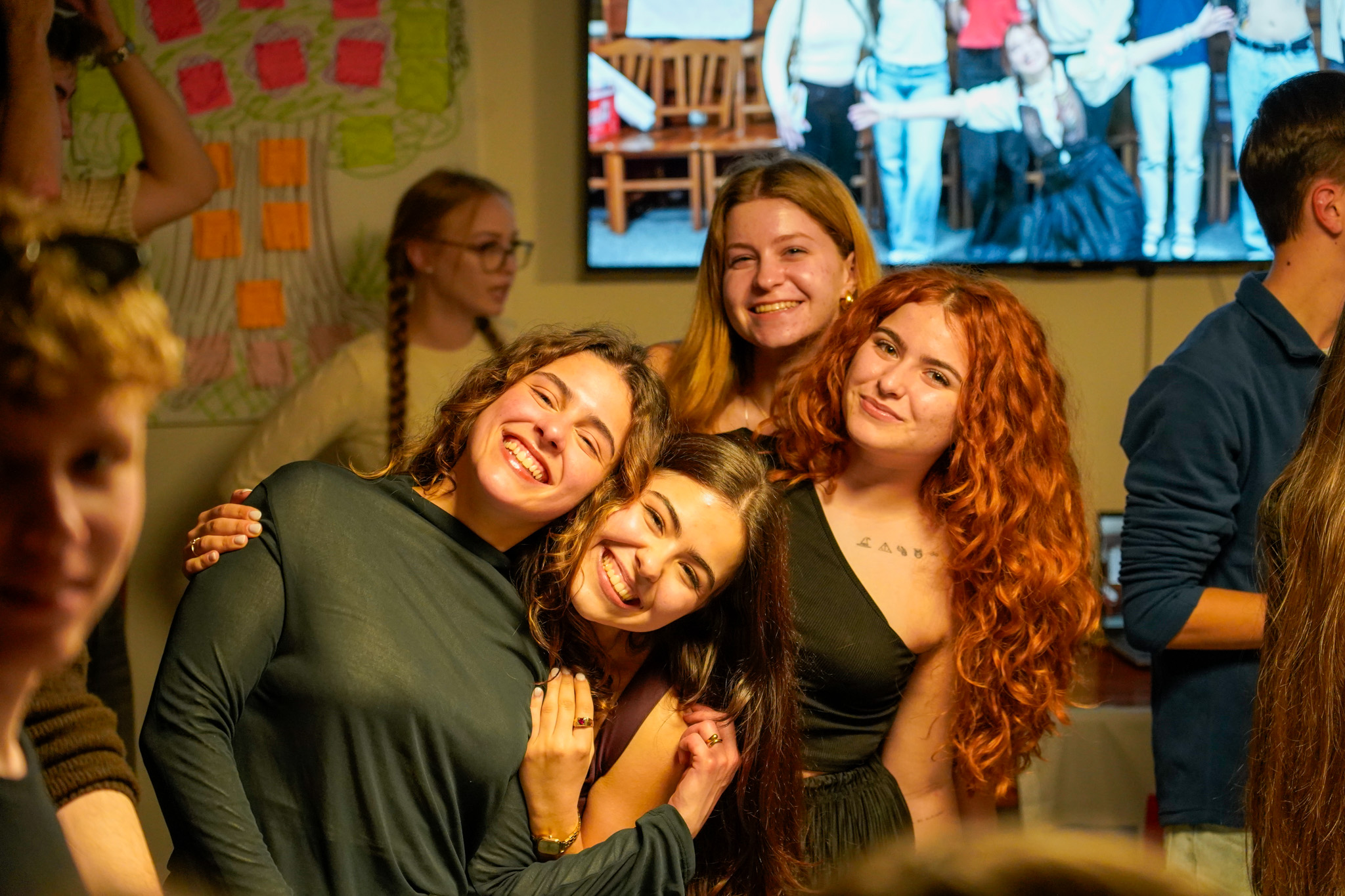

Check these and more photos in the activity’s photo album.
Dissemination Events
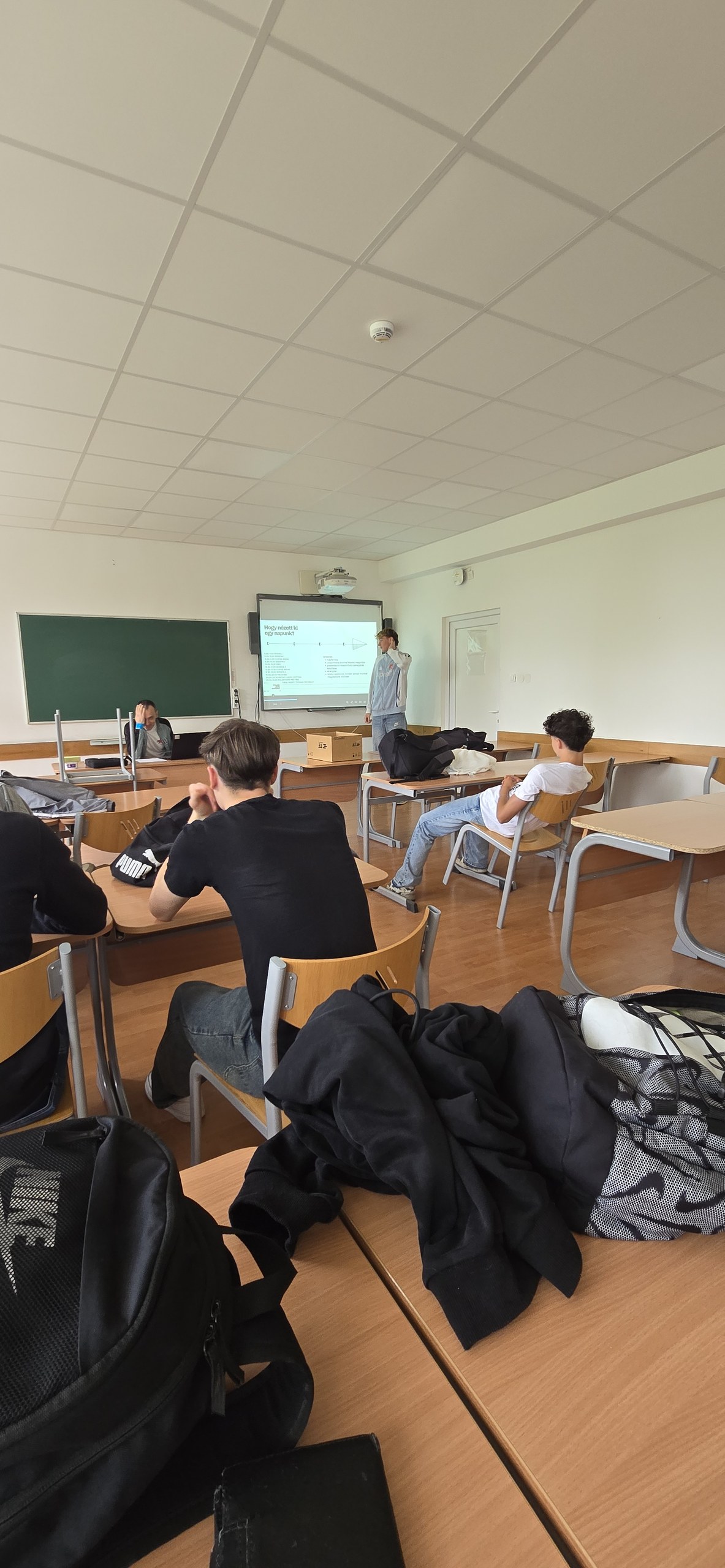
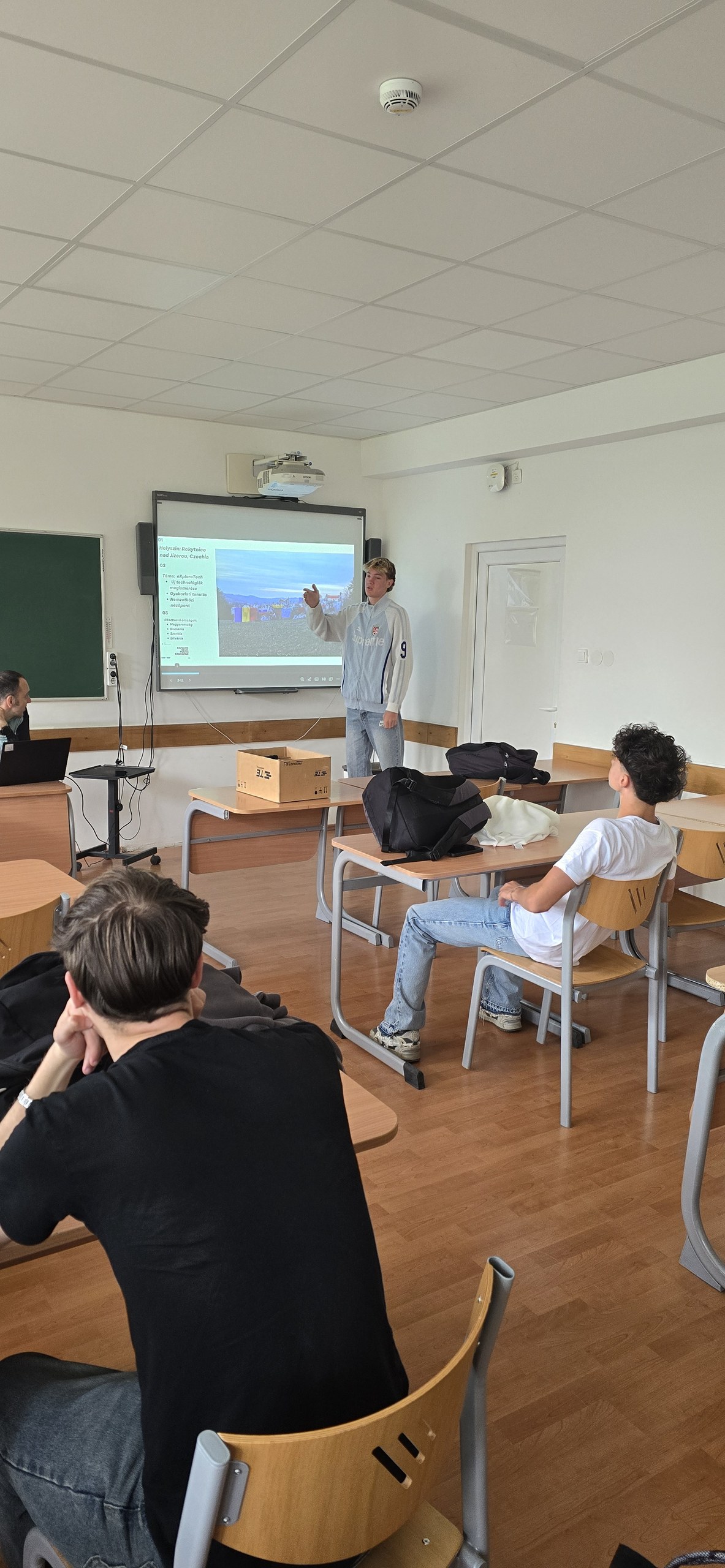
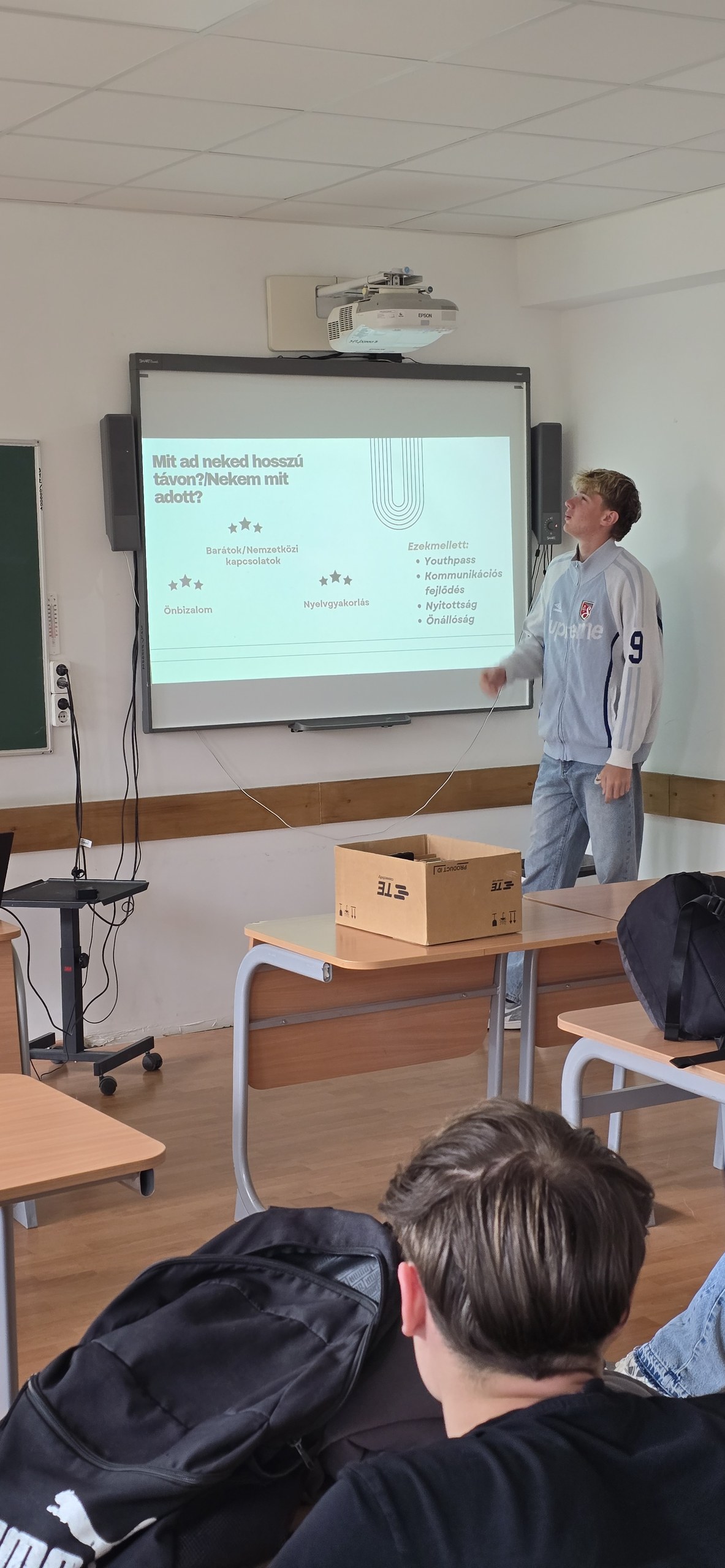
An important part of our youth exchanges is dissemination, where participants share what they learned with friends, classmates, and their local communities after returning home. Through presentations and informal conversations, they introduced others to topics like IoT, cybersecurity, and the responsible use of technology, spreading the impact of the project beyond the exchange itself and encouraging other young people to take part in similar Erasmus+ activities.
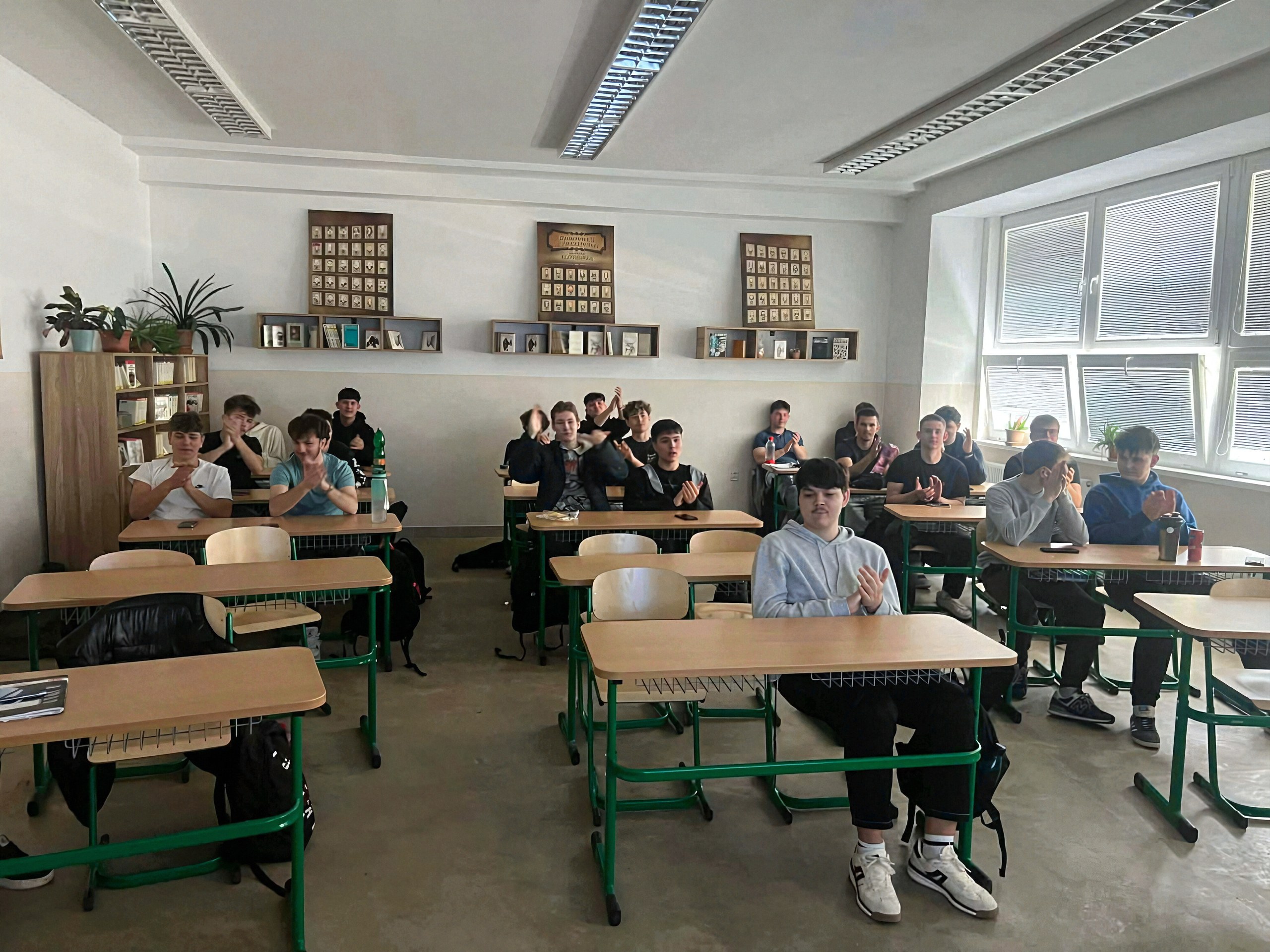
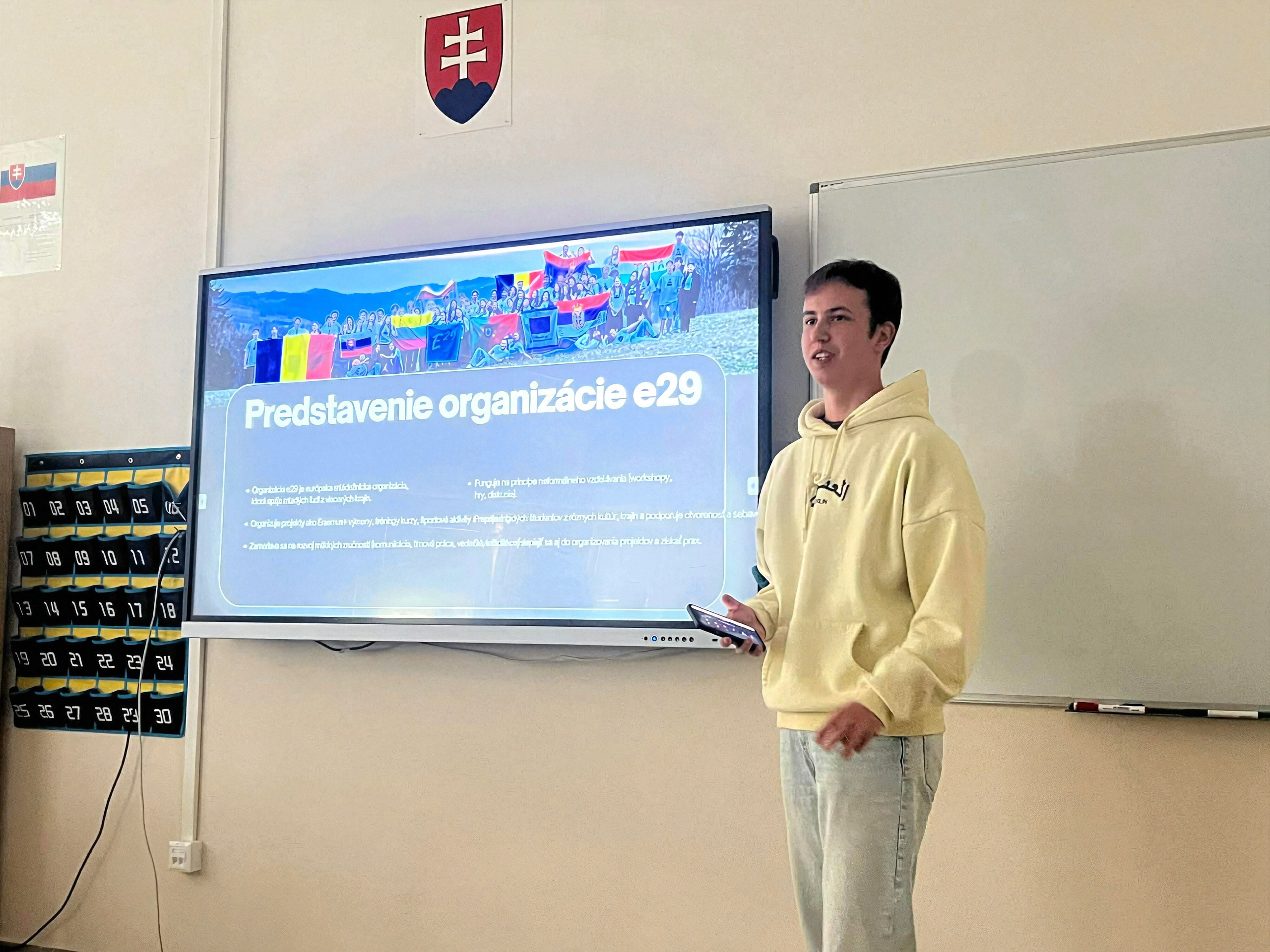
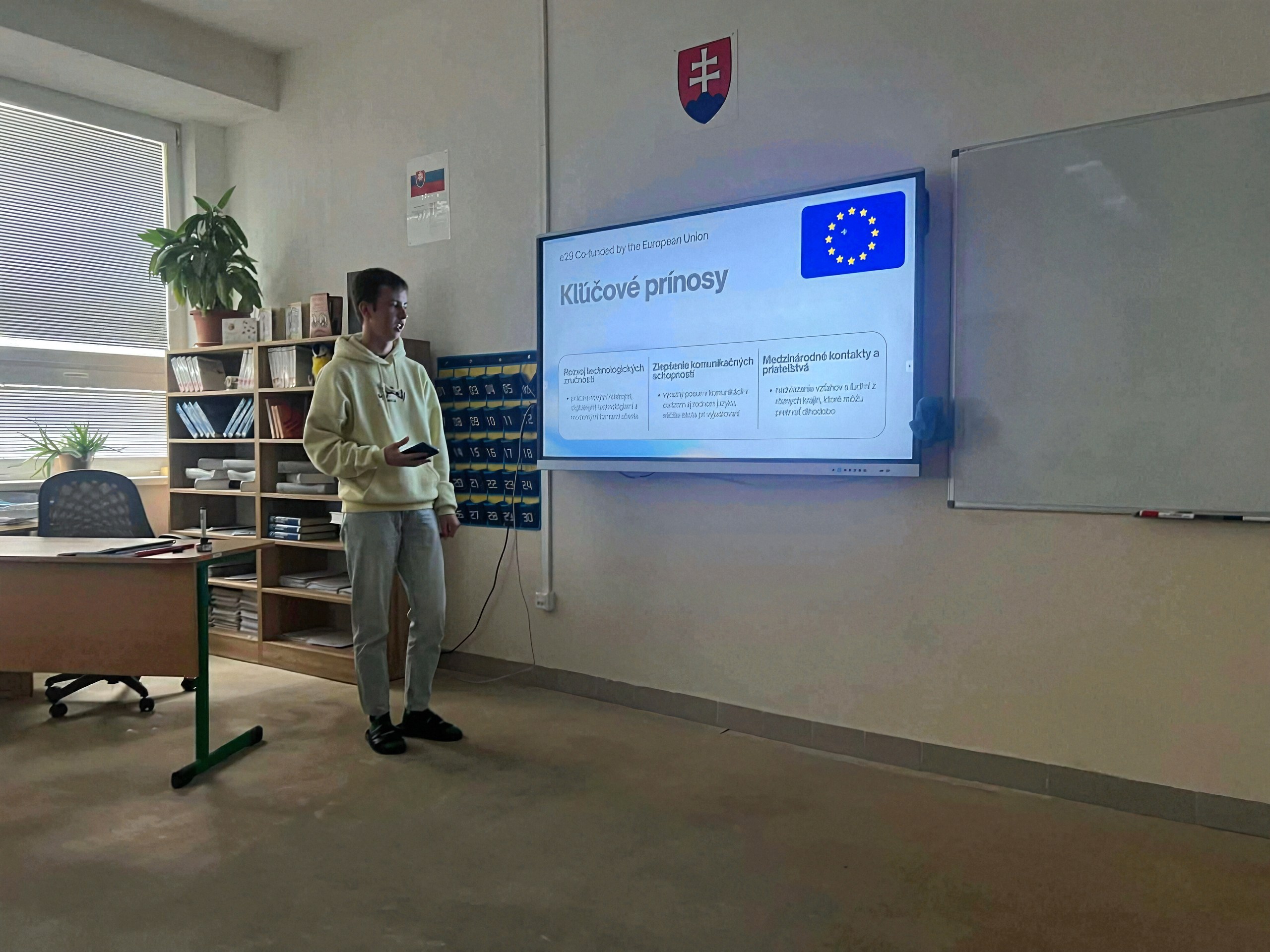
Nitra, Slovakia, March 2026
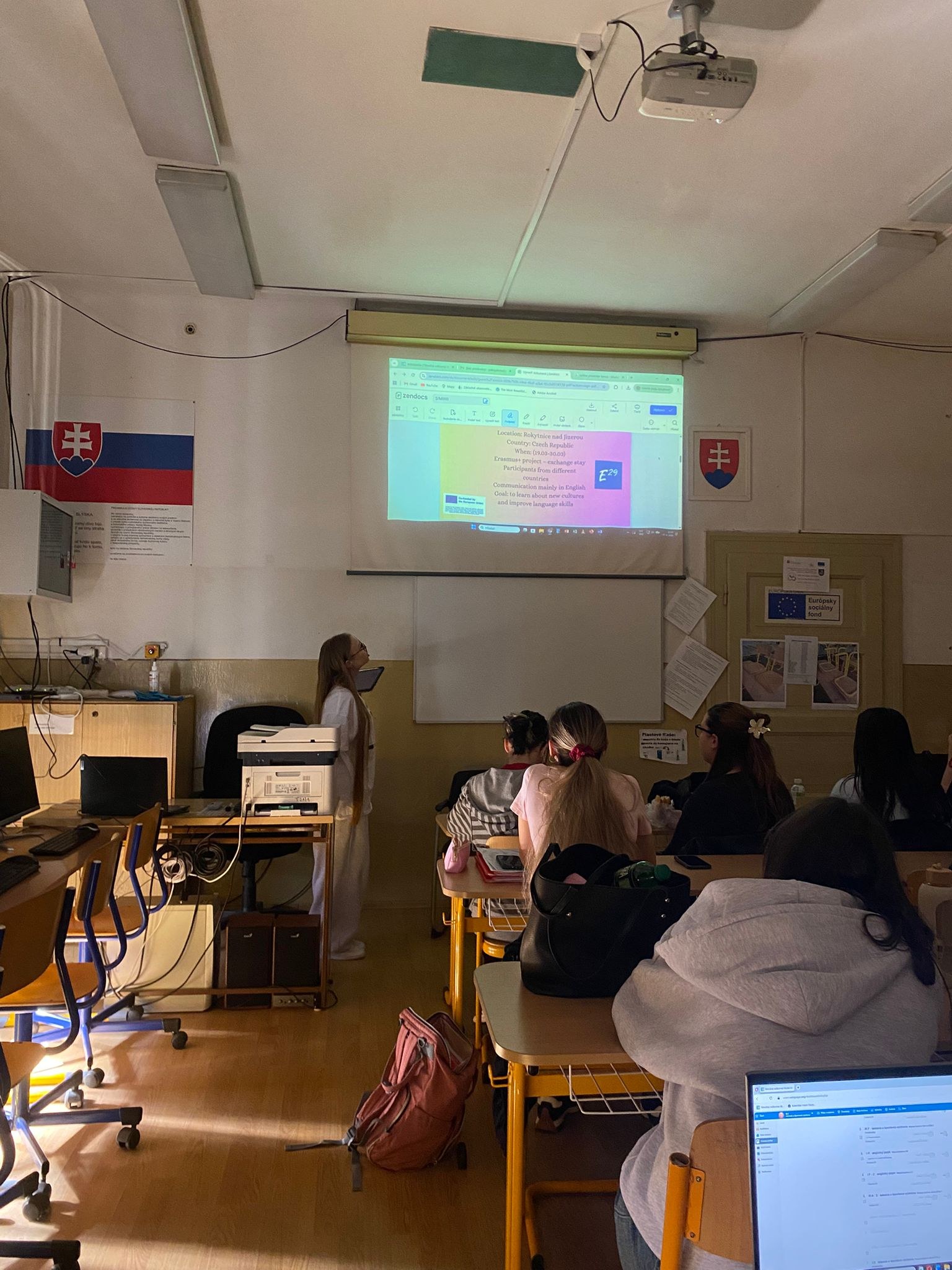
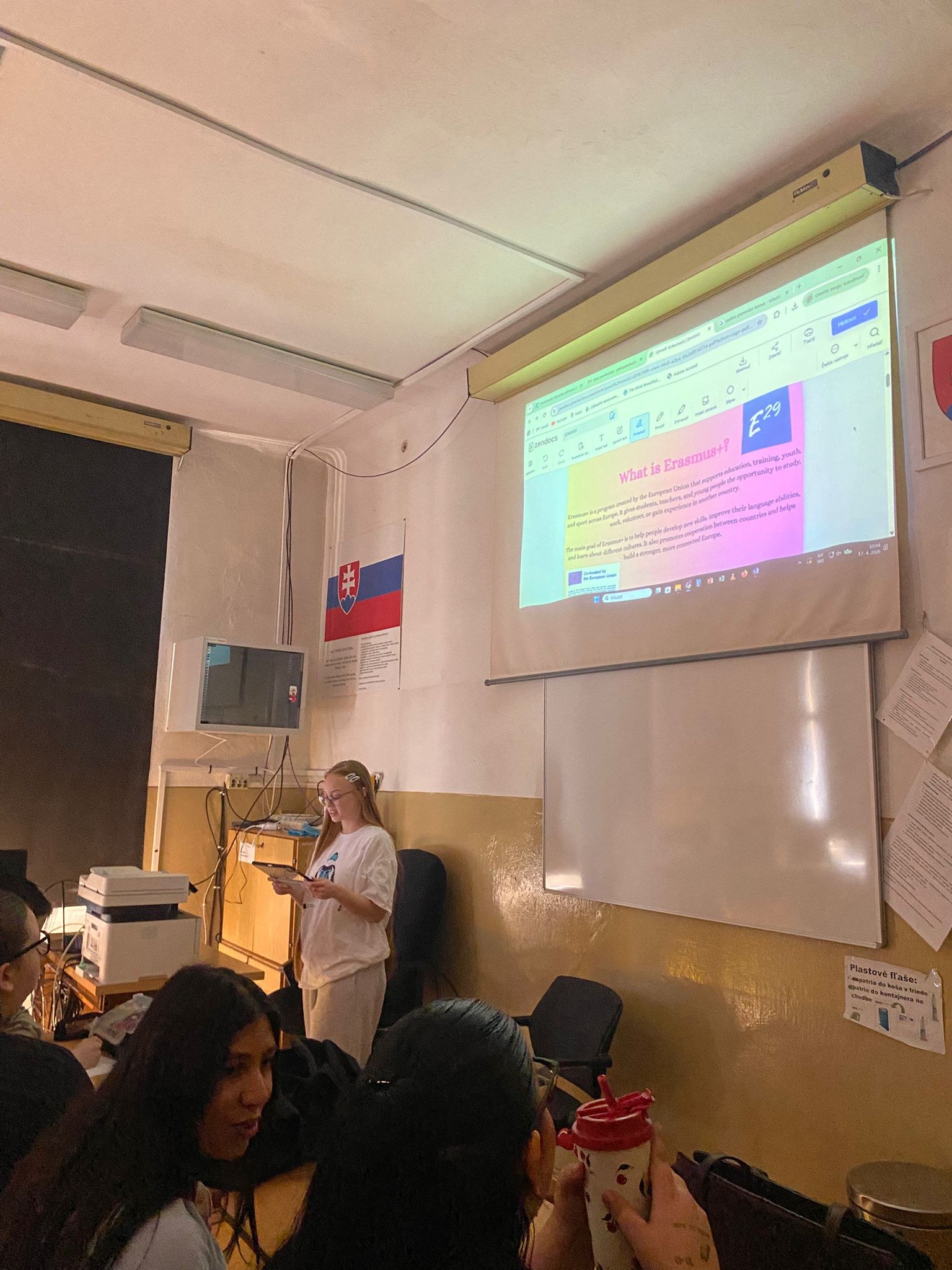
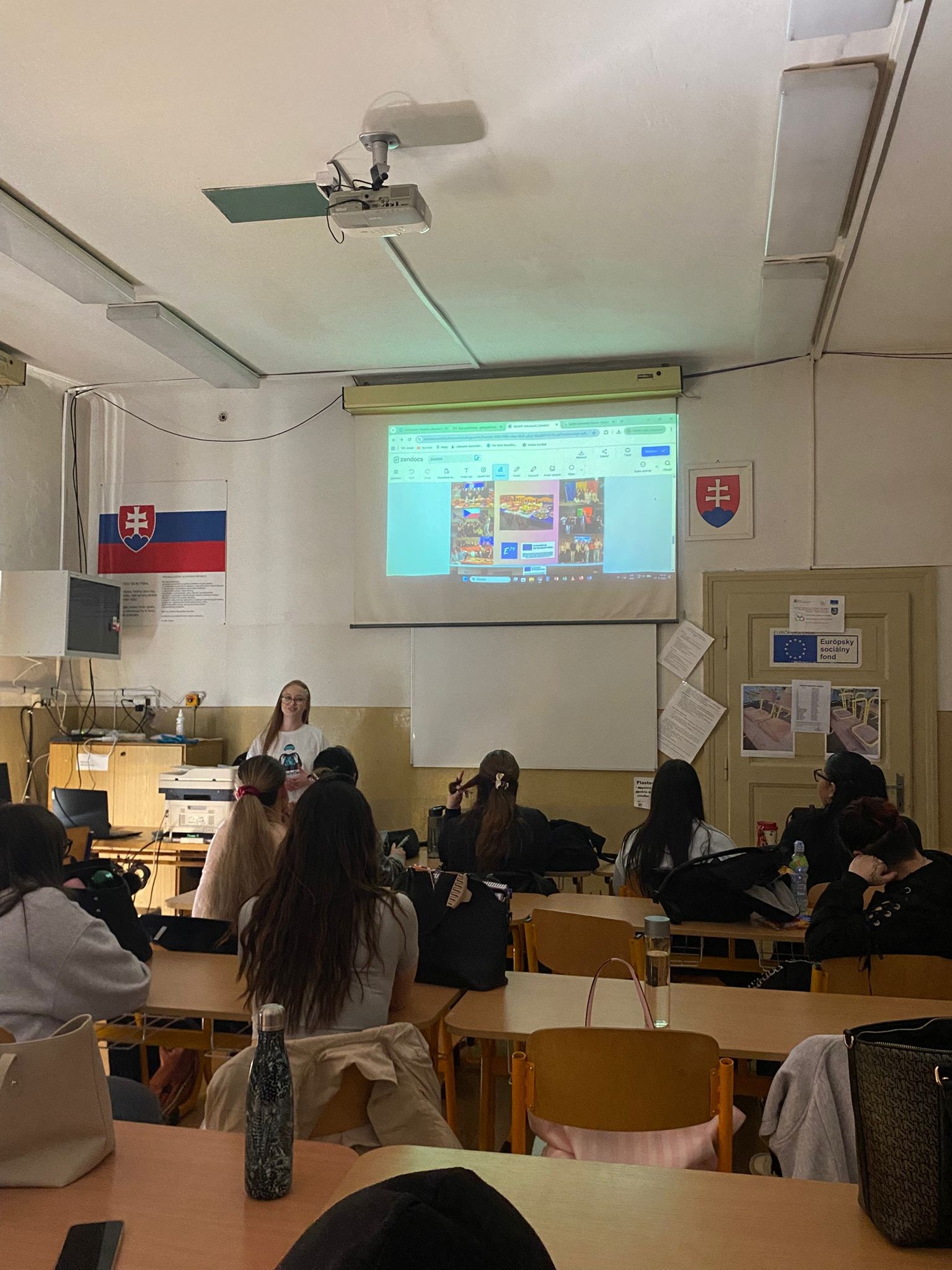
Matúš Mišovič presented his Erasmus project to 22 classmates at the Stredná Odborná Škola Stavebná in Nitra. He introduced E29, highlighted the skills he gained such as teamwork and communicating in a foreign language, and shared his own story to ease the fears his classmates had about travelling abroad alone, with many showing interest in applying.
Sombor, Serbia, April 2026
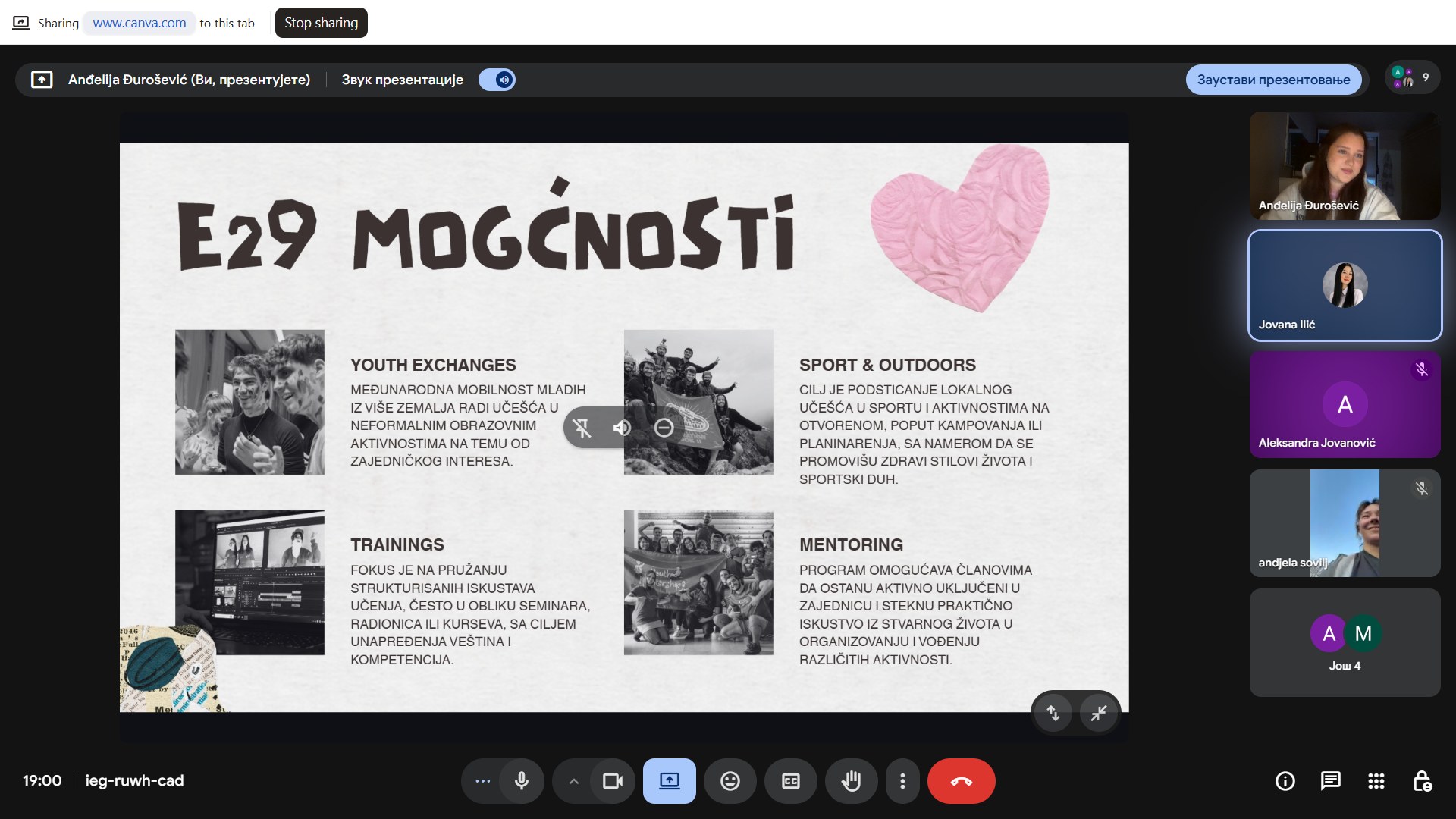
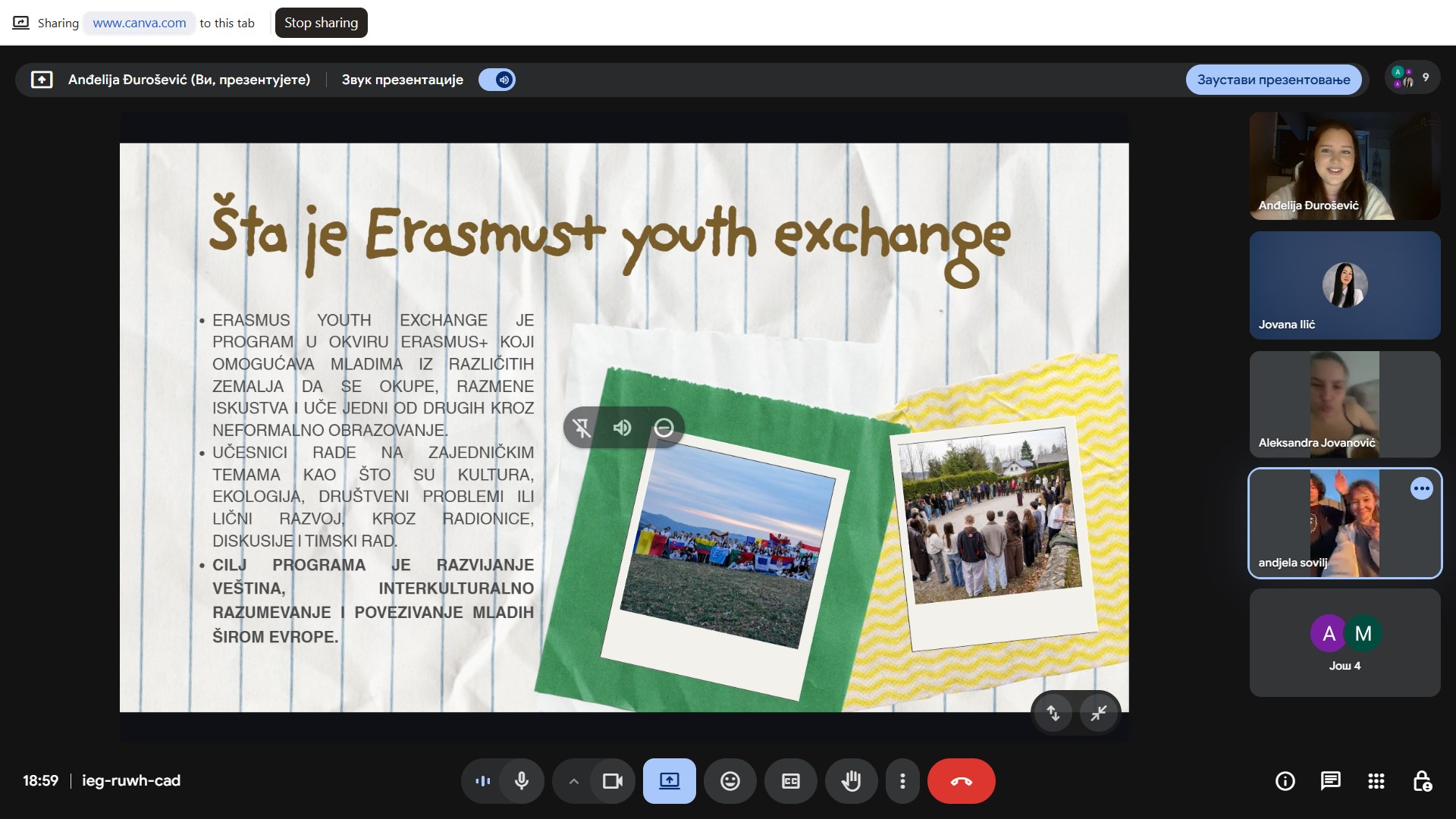
Anđelija Đurošević held an online session on Google Meet for 9 people, presenting the goals of the programme, the activities, and the value of non-formal learning. She explained the IoT workshops and the Cultural Nights, and several in the audience were motivated enough to apply for youth exchanges of their own.
Kladno, Czechia, April 2026
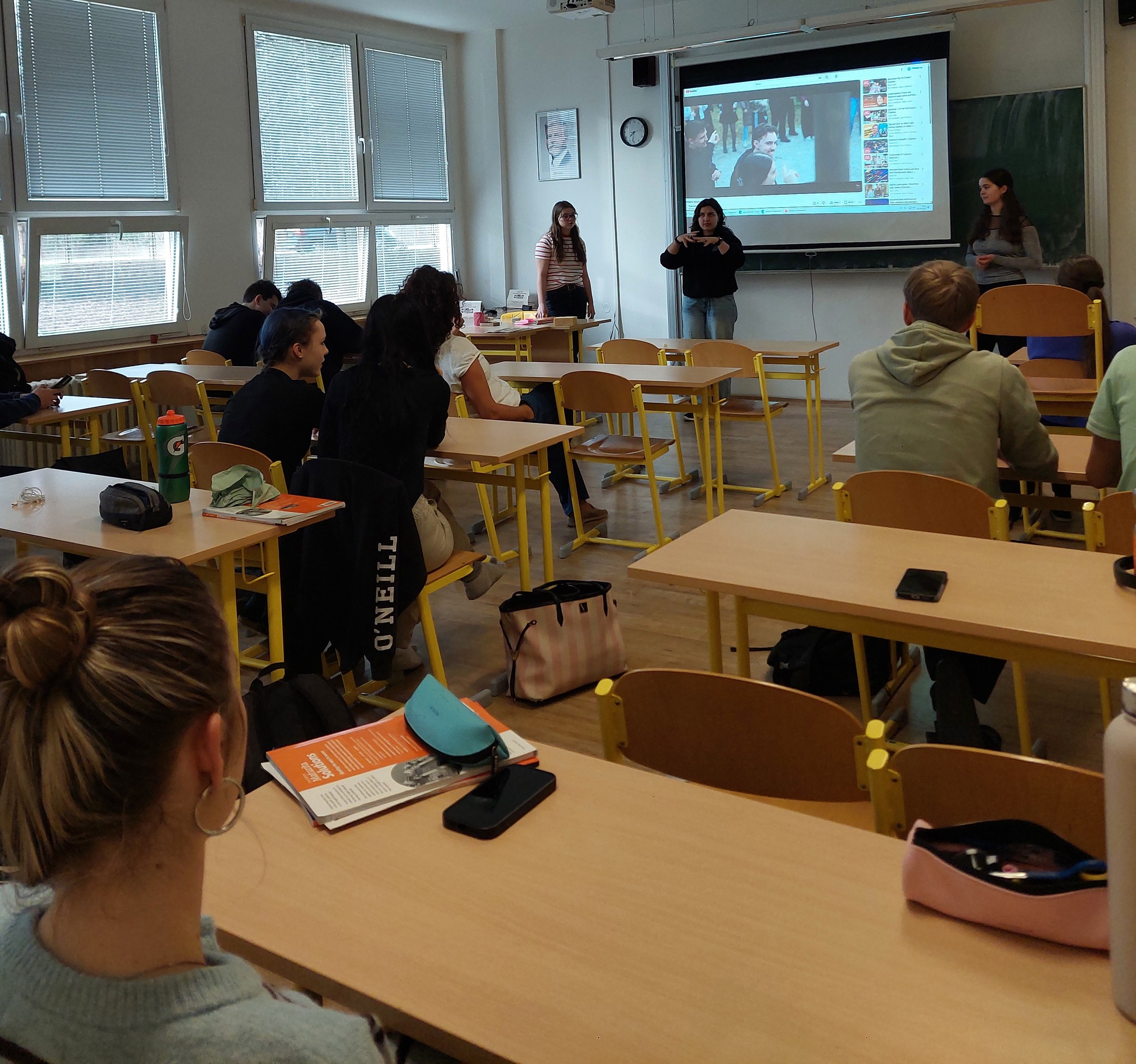
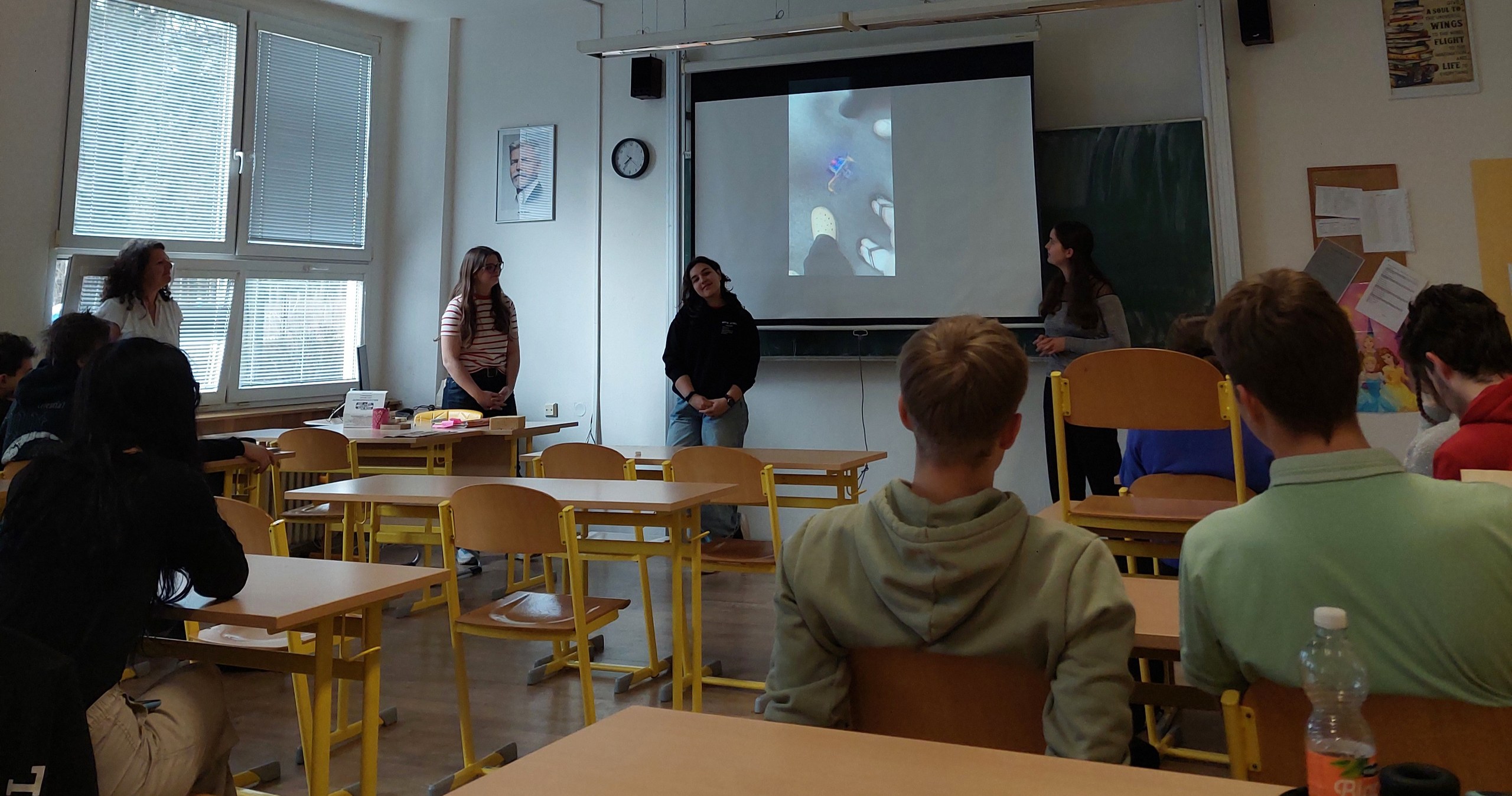
Berta Fikešová, Julie Kolářová, and Miloslava Kovářová presented the eXploreTech youth exchange to around 20 students at the Sportovní Gymnázium Kladno.
Košice, Slovakia, April 2026
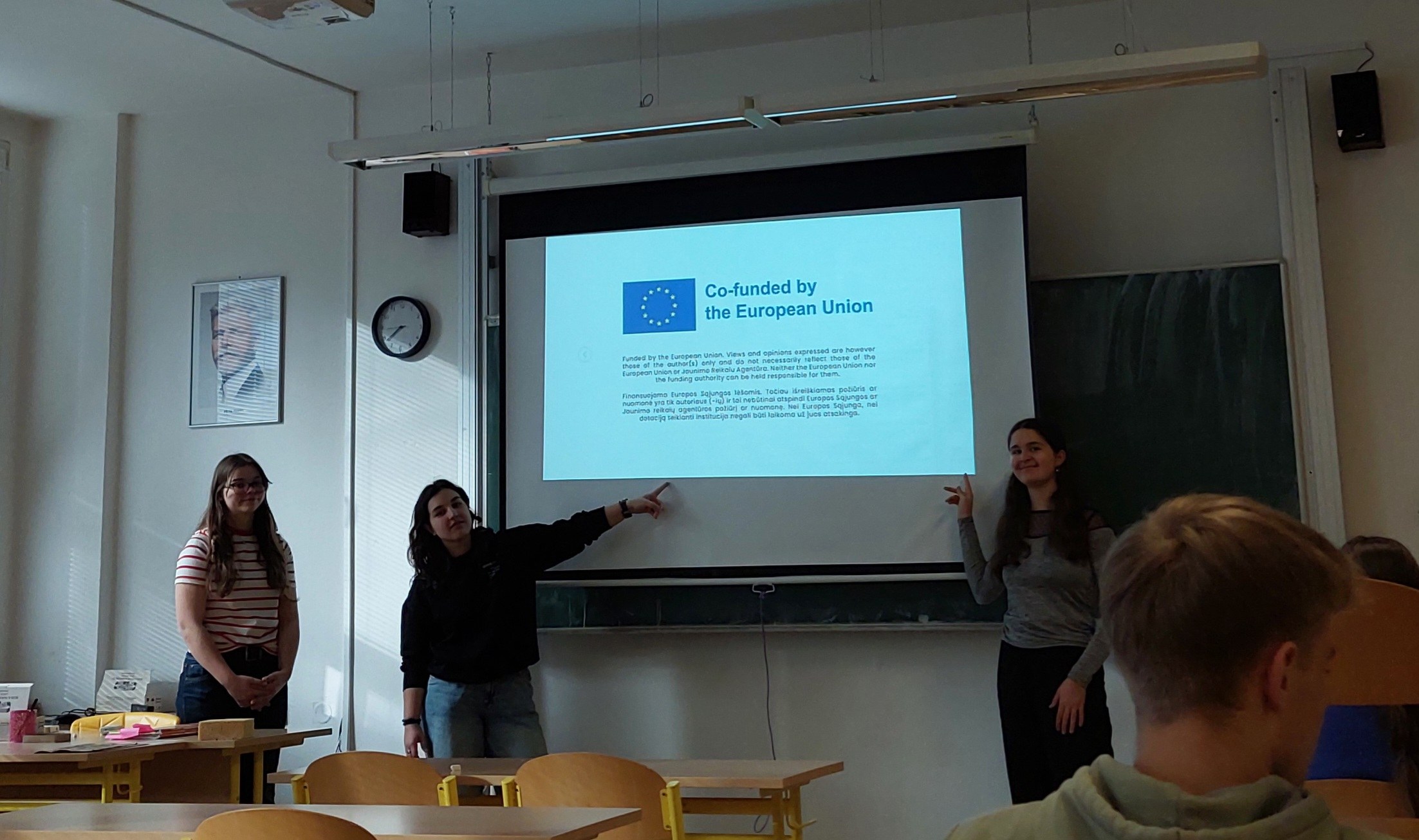
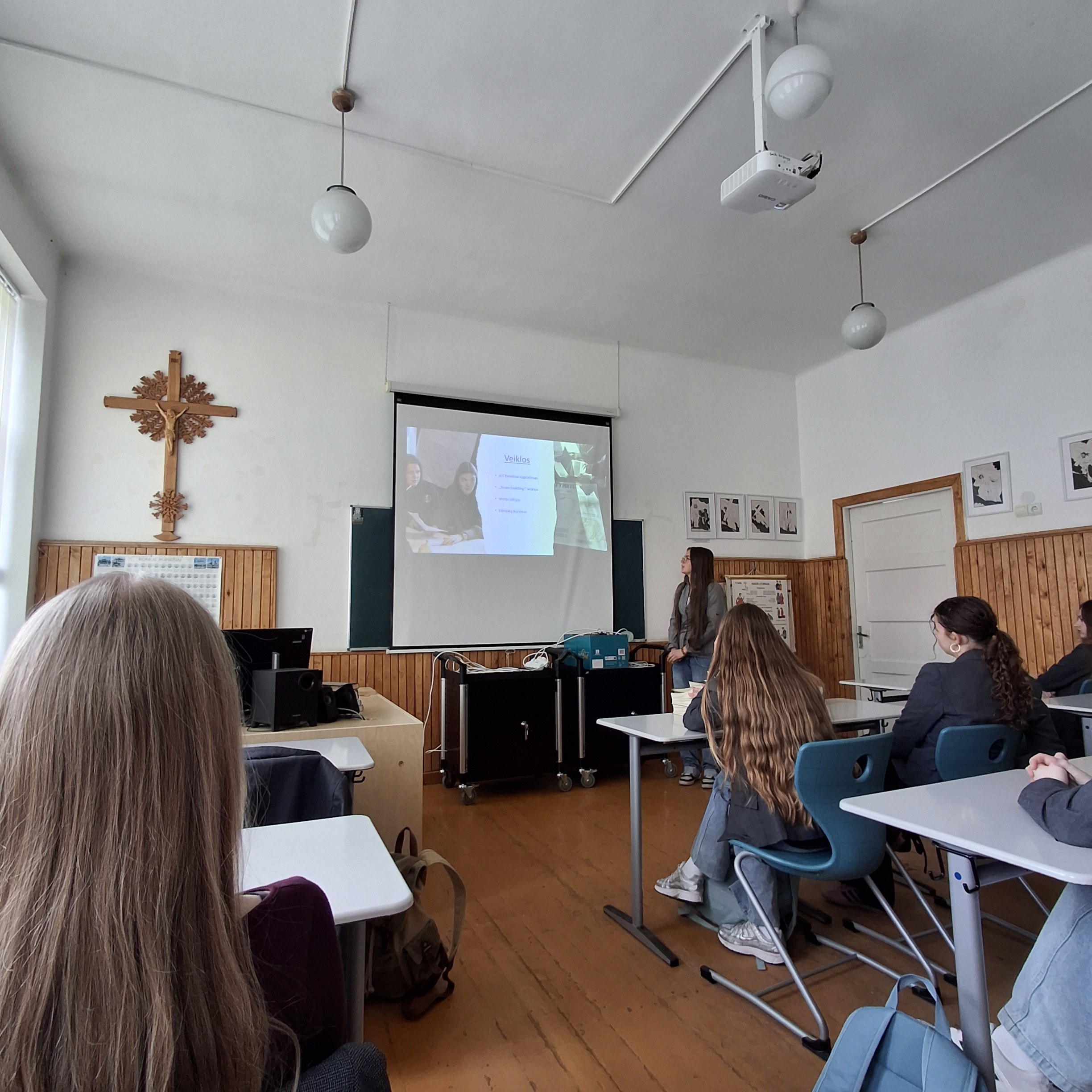
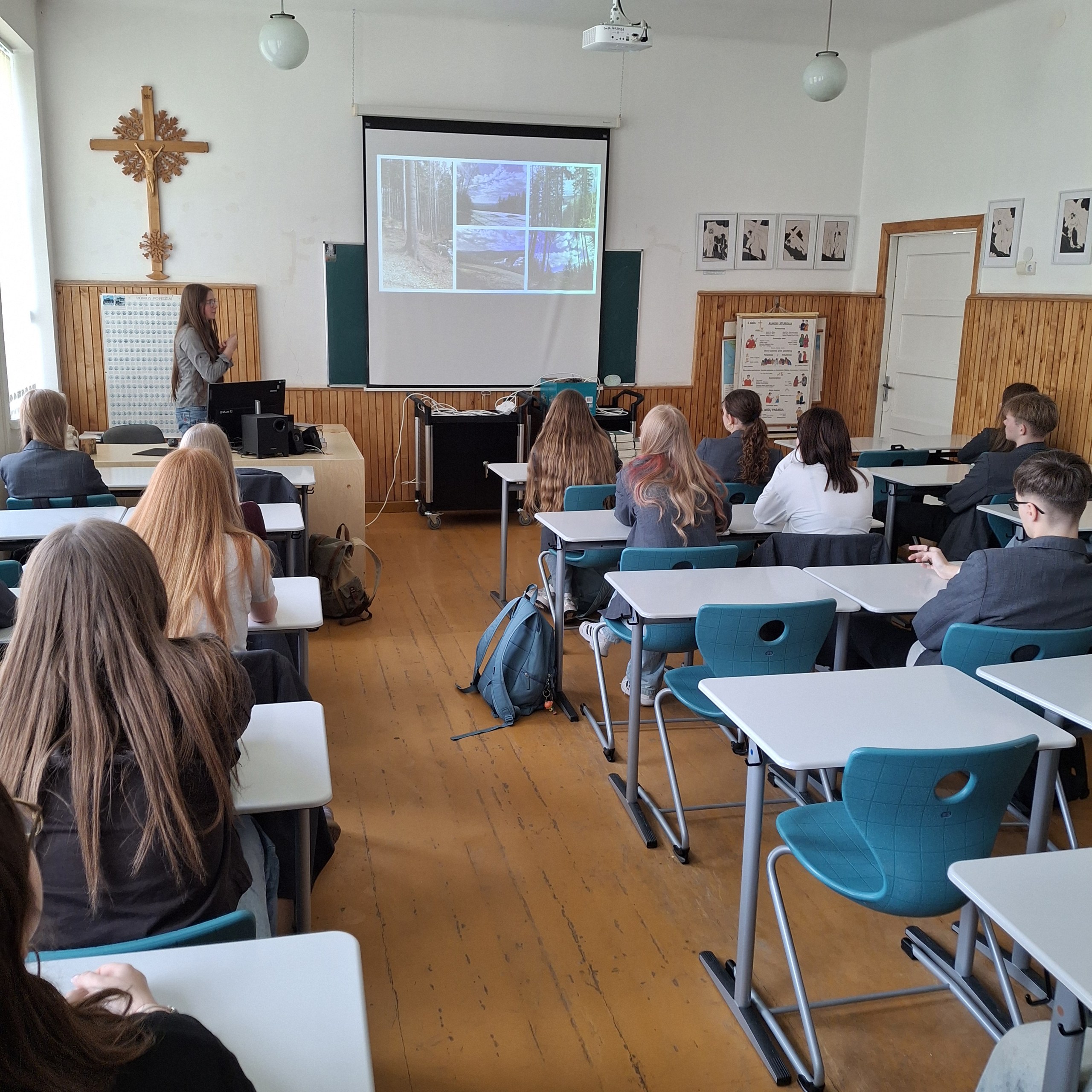
Mia Kampe presented to her class and her teacher at the Lutheran Grammar School of Jacomenius in Košice. She explained what a youth exchange is, its purpose and benefits, and how to apply through different organisations, then walked the group of 15 through her own eXploreTech experience in detail, showing a video about the project and photos from her time there to encourage her classmates to take part in the future.
Budapest, Hungary, April 2026
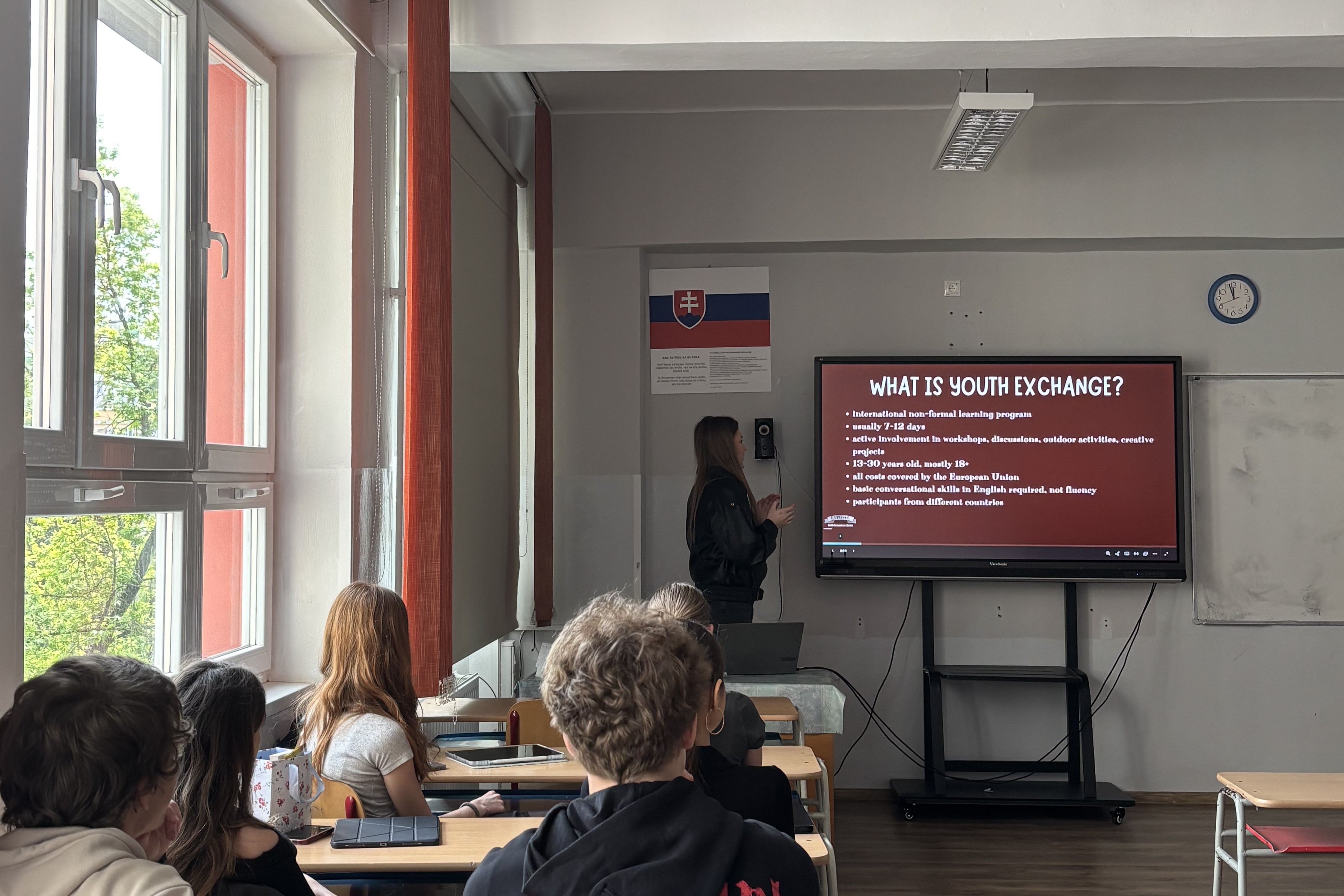
At the Premier Művészeti Szakgimnázium in Budapest, Irisz Persa-Kövér and Mátyás Szendrei presented the eXploreTech youth exchange to their fellow students, introducing the non-formal learning methods and the activities they took part in, walking through the project timetable, and showing how to apply for projects like it.
Bartninkai, Lithuania, April 2026
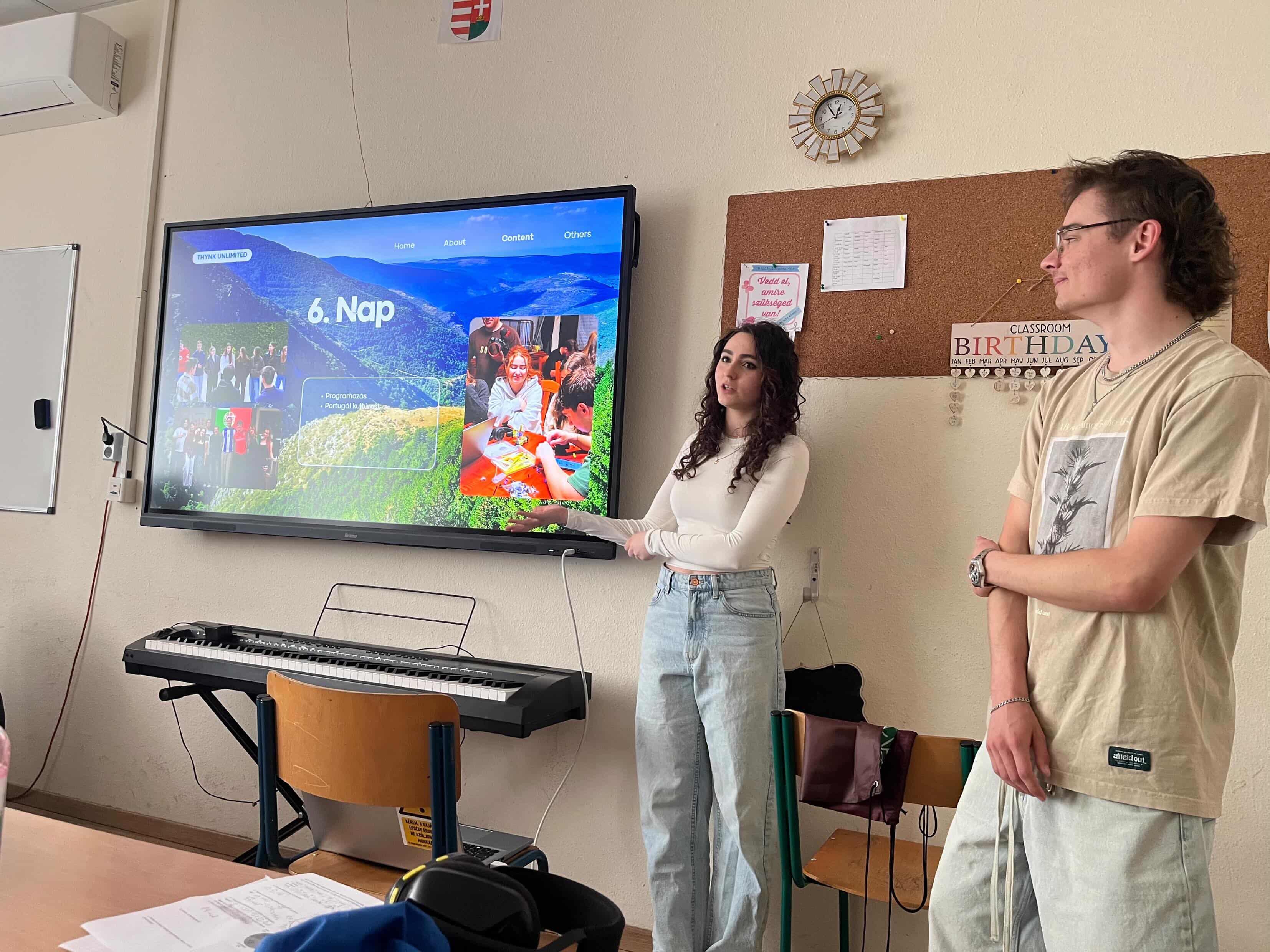
Adam Benca carried eXploreTech further afield, presenting it to around 50 participants at another E29 project, Glow Up, in Bartninkai, Lithuania. His presentation shared pictures and a video from the exchange.
Nitra, Slovakia, April 2026
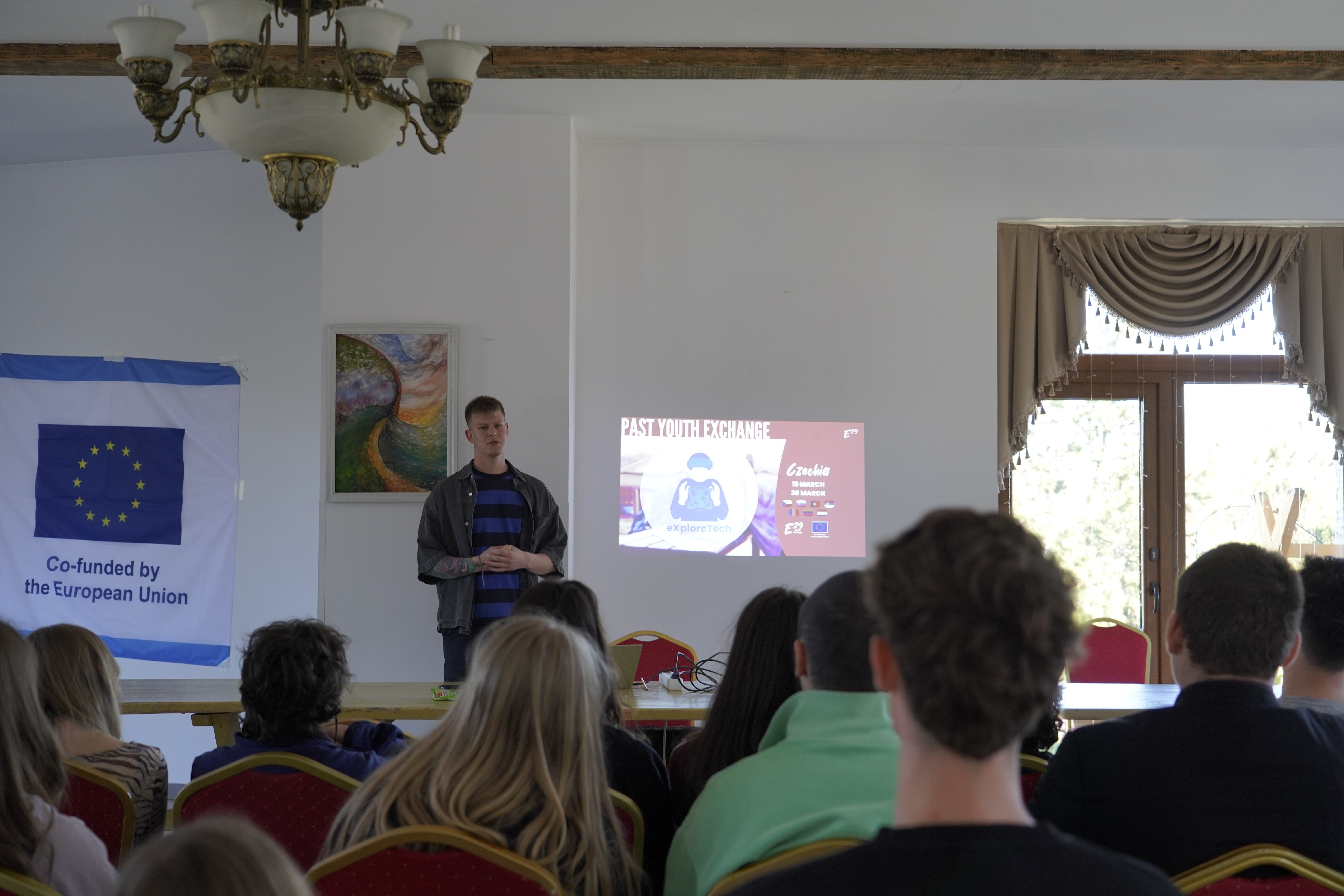
Simona Simončíková presented to 10 classmates at the Stredná Odborná Škola Techniky a Služieb in Nitra, sharing what the group did each day, the activities, and what she learned on the exchange.
Online, Romania, April 2026
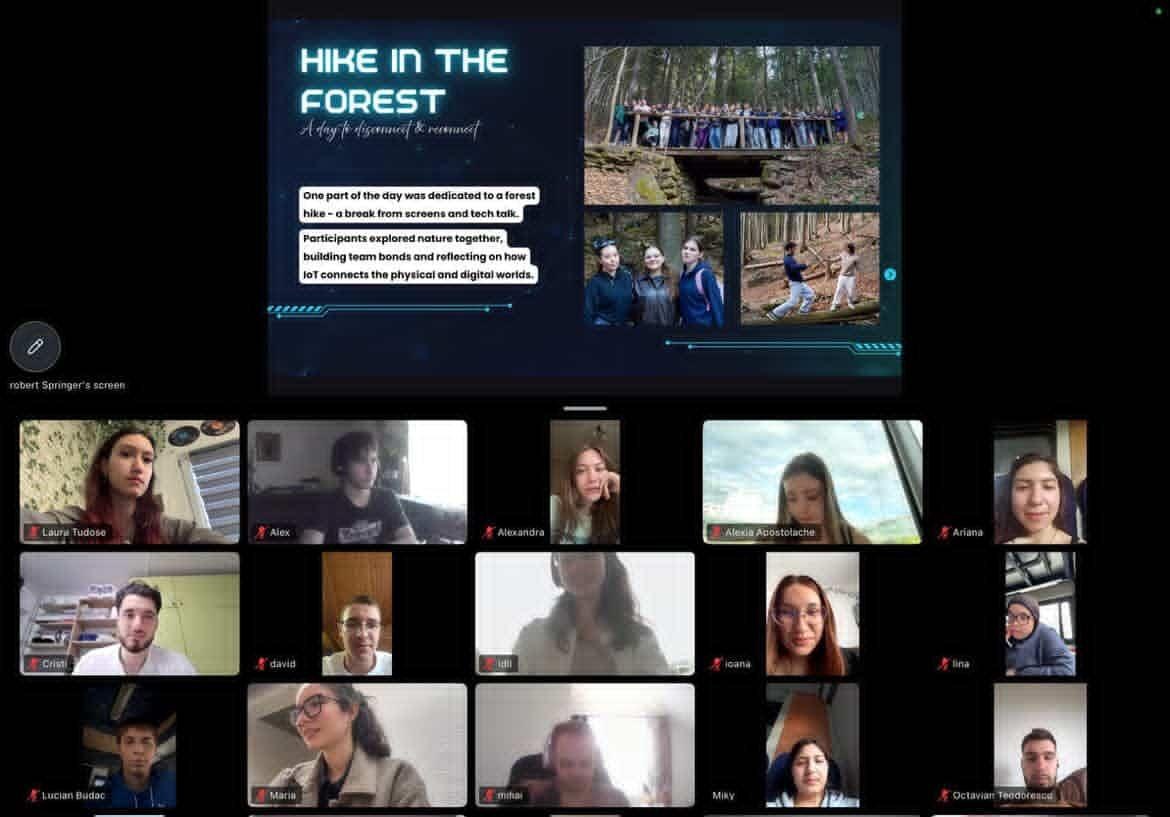
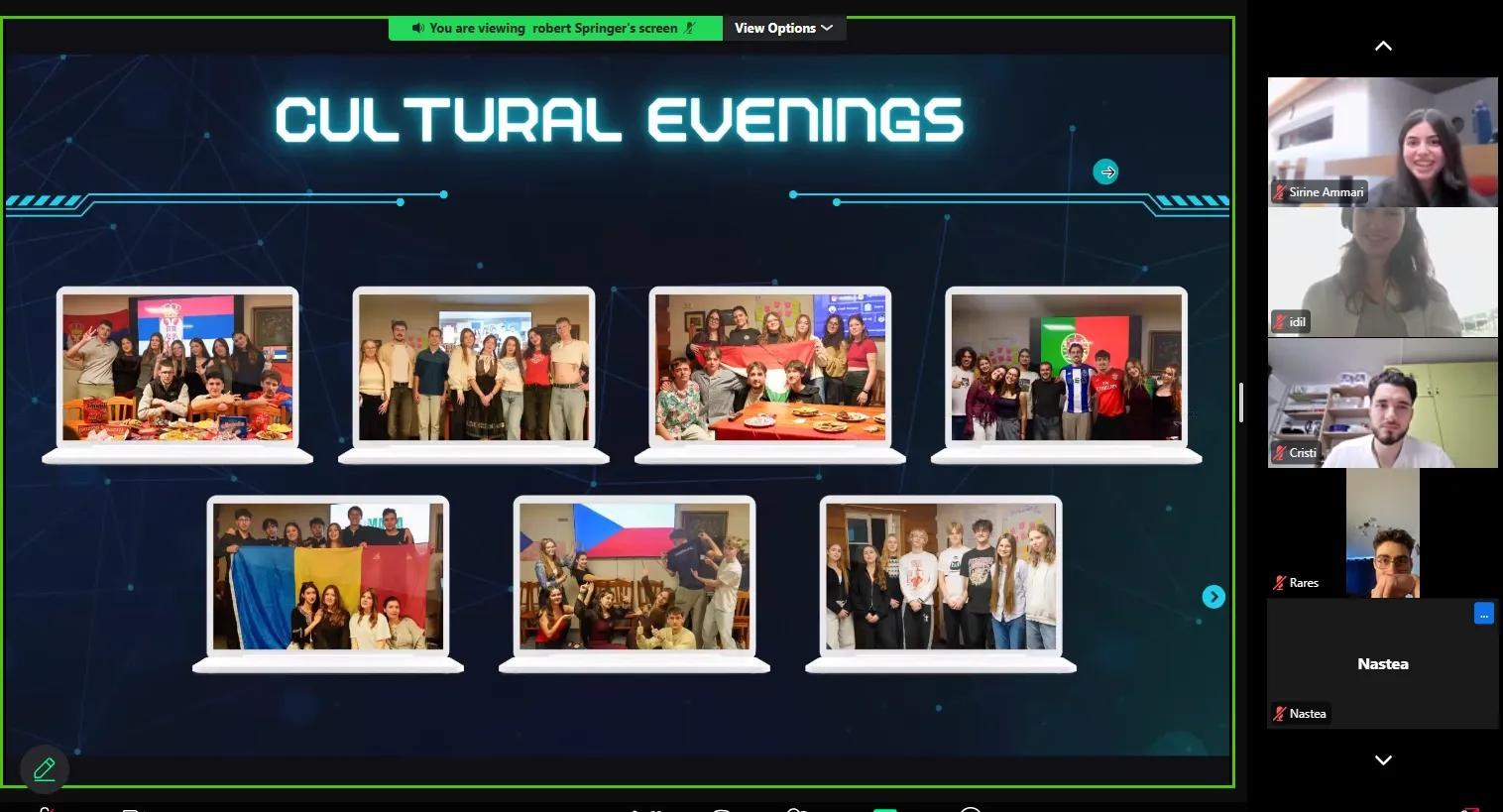
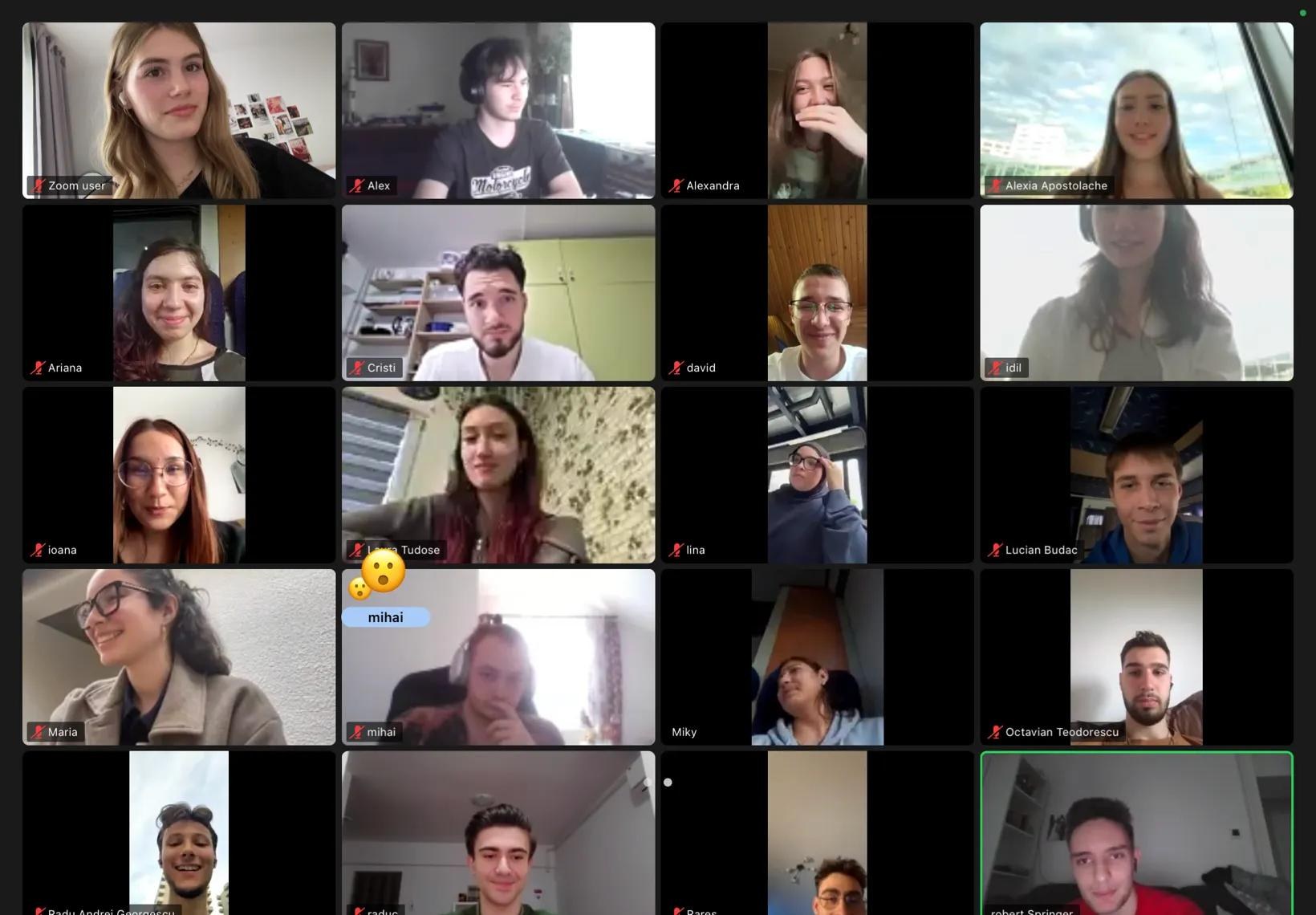
The Romanian team held a joint dissemination on Zoom, since the members live in different cities, reaching around 30 friends, relatives, and classmates. They introduced E29 and its mission, shared their experiences and what they learned through a presentation built from photos of the activities, and encouraged everyone to take part in future projects.
Alytus, Lithuania, April 2026
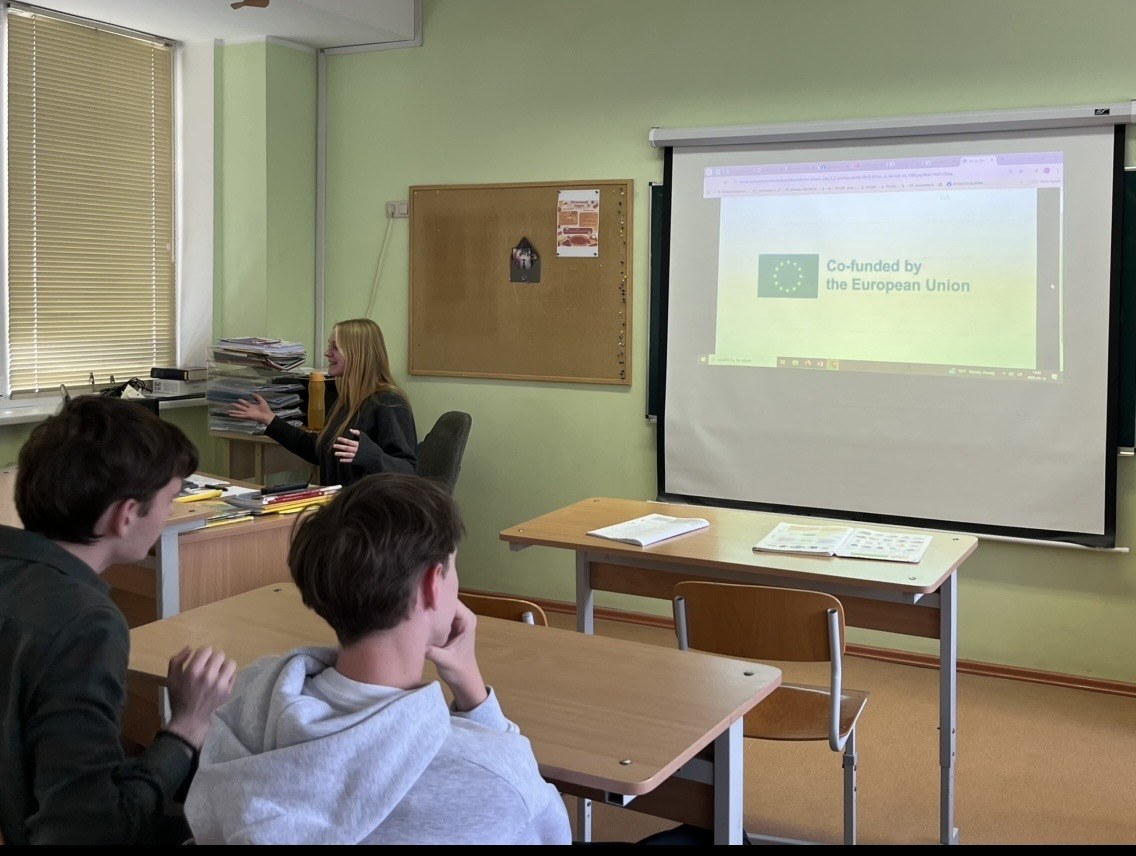
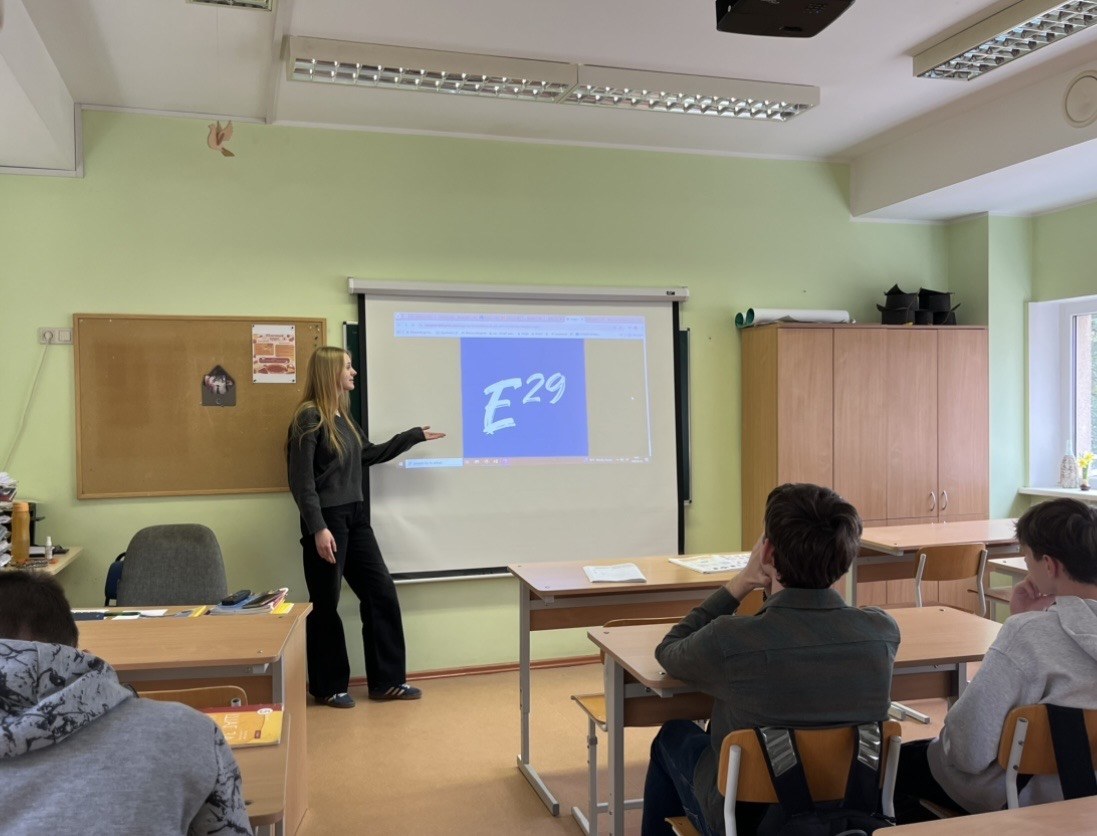
Justė Grigaravičiūtė shared her Erasmus+ experience with a class of around 20 students at the Alytaus Jotvingių gimnazija, talking about what she did and learned during the mobility, showing photos, and answering questions before encouraging others to try Erasmus+.
Púchov, Slovakia, April 2026
During a homeroom class at Gymnázium Púchov, Sofia Lukacikova introduced the E29 project to 20 first-year high school students, covering its goals and benefits and walking them step by step through the application process. She shared her own experiences and recommendations, and left time at the end for questions and discussion.
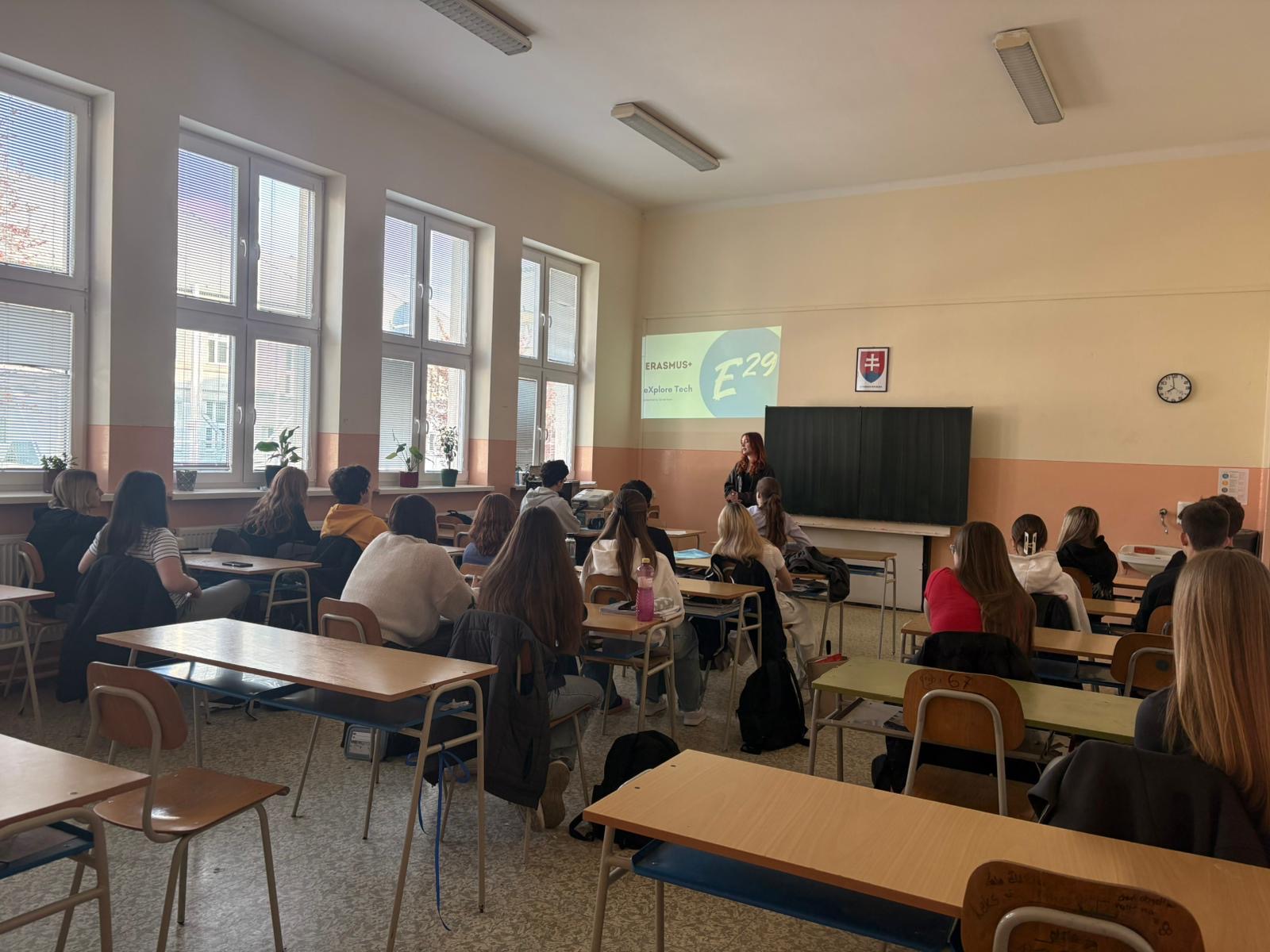
Dubnica nad Váhom, Slovakia, April 2026
Dominika Havlíková and Laura Palieskova presented eXploreTech to around 20 students at the Gymnázium Dubnica nad Váhom, covering what they did during the project, the skills they gained, and the benefits of applying, then hosted a short discussion where students asked about their experiences.
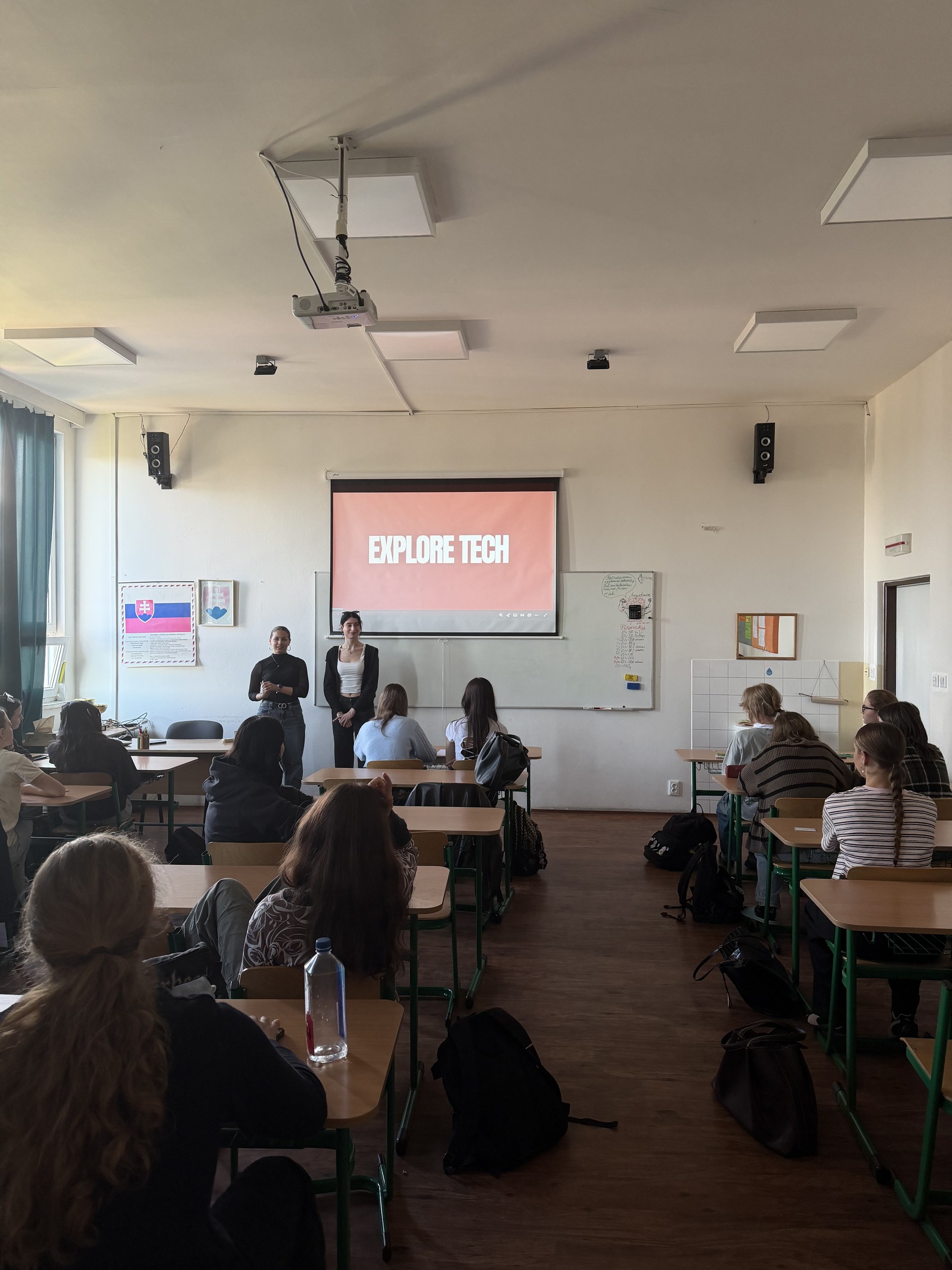
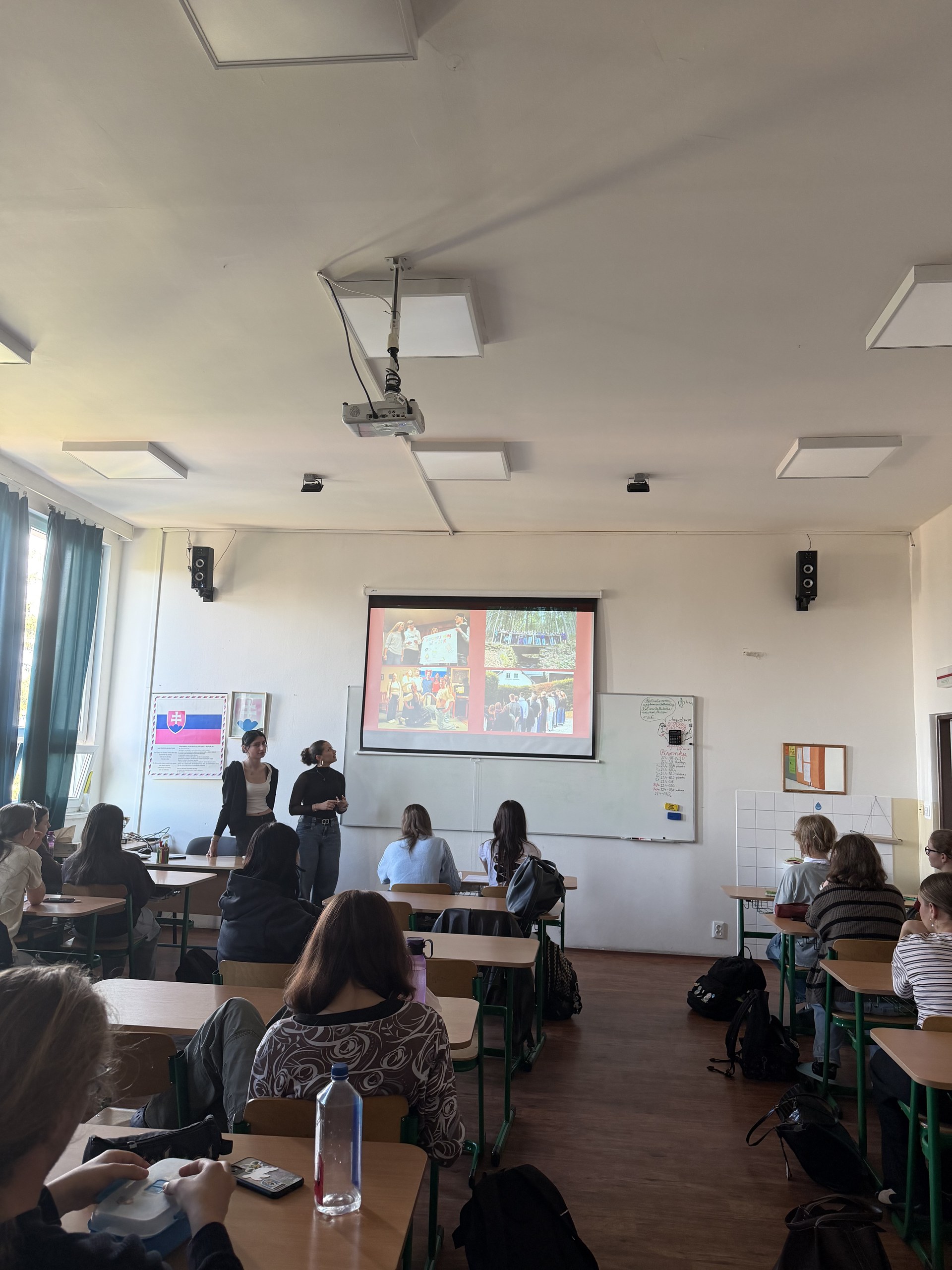
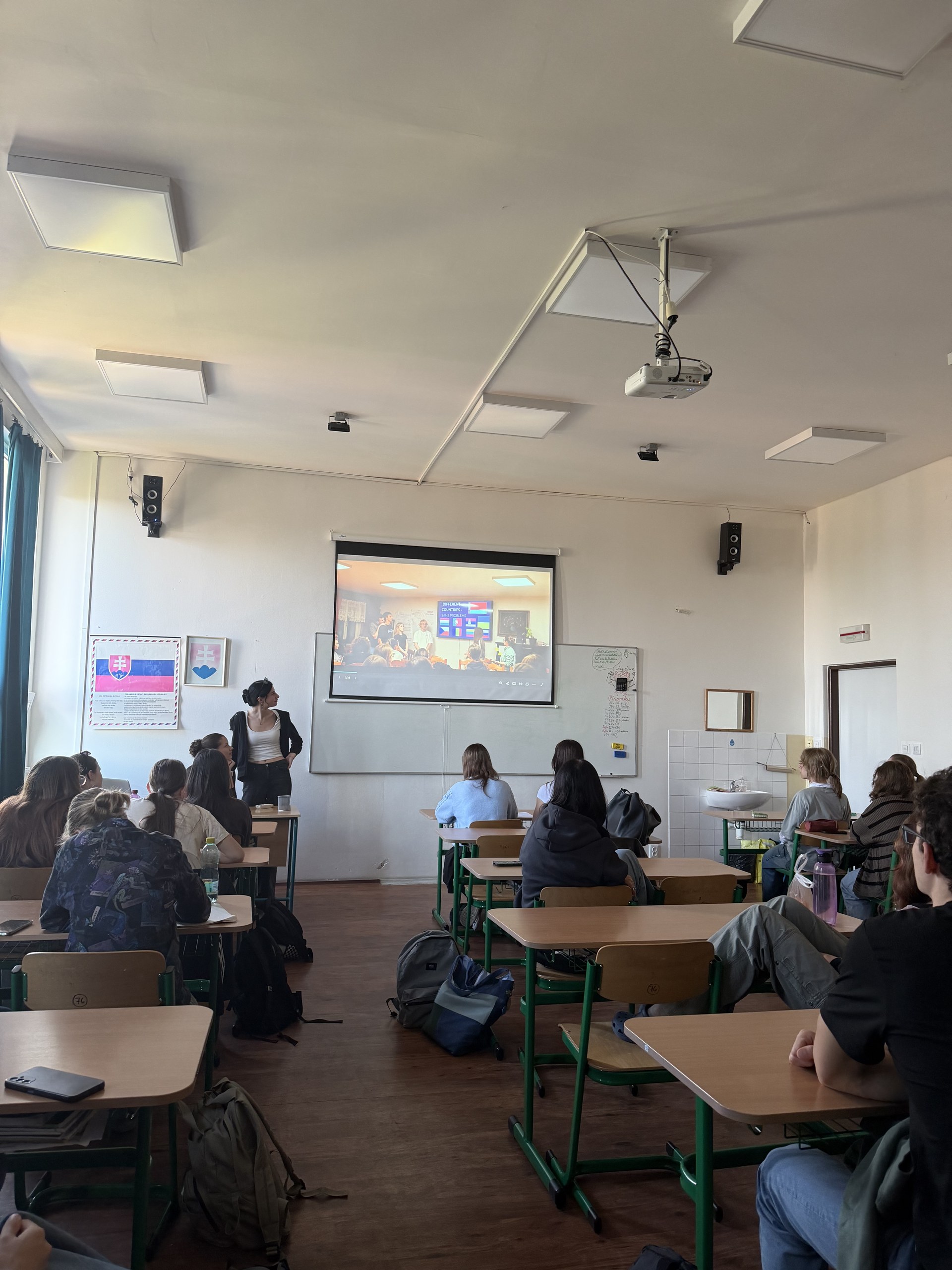
Dunakeszi, Hungary, April 2026
Bettina Egyedi gave a photo-led presentation to 35 students at the Dunakeszi Radnóti Miklós Gimnázium, conveying what the exchange felt like, from the daily programme and the sessions to the secret friend game and the cultural nights, and encouraging everyone to apply.
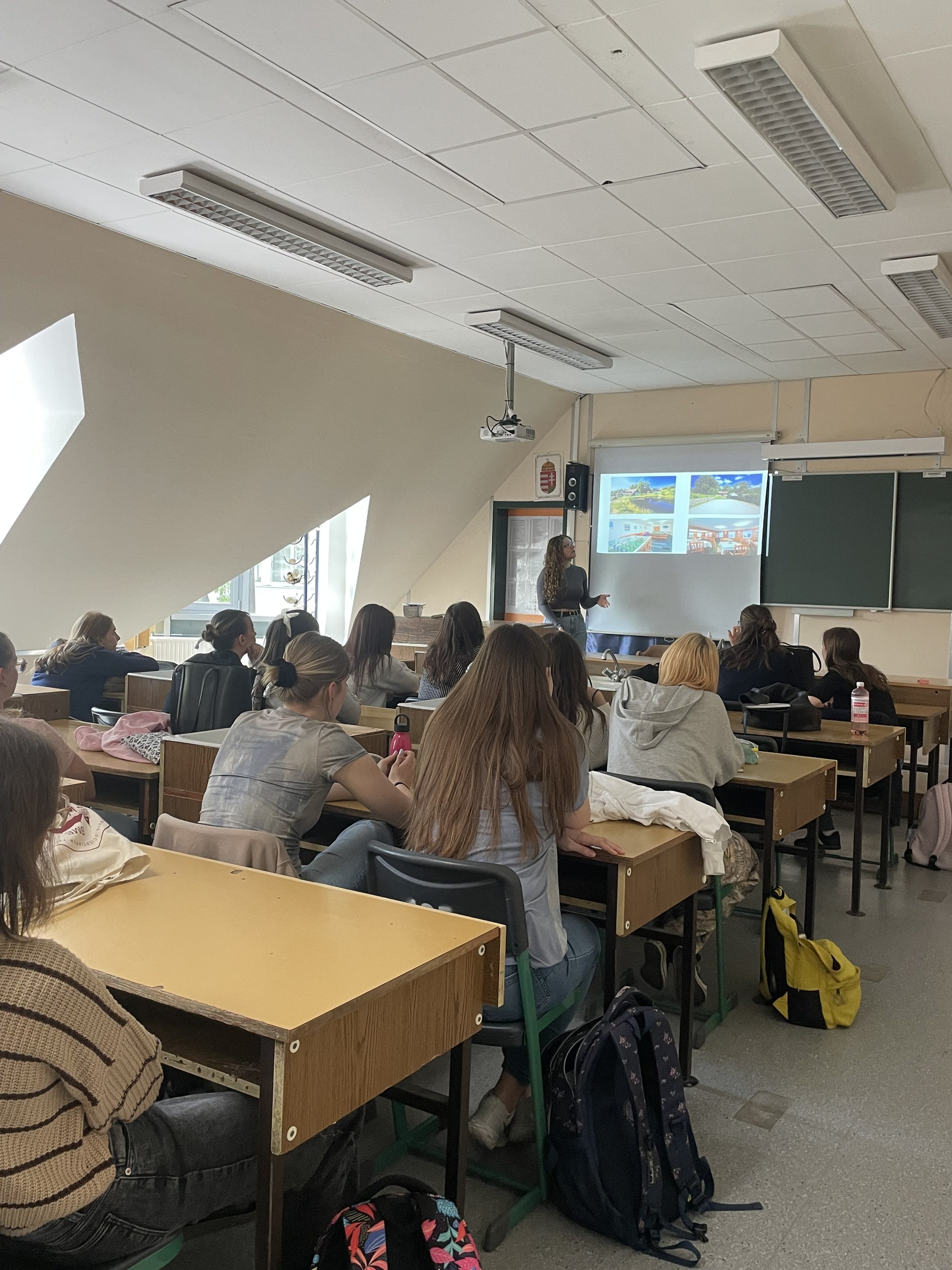
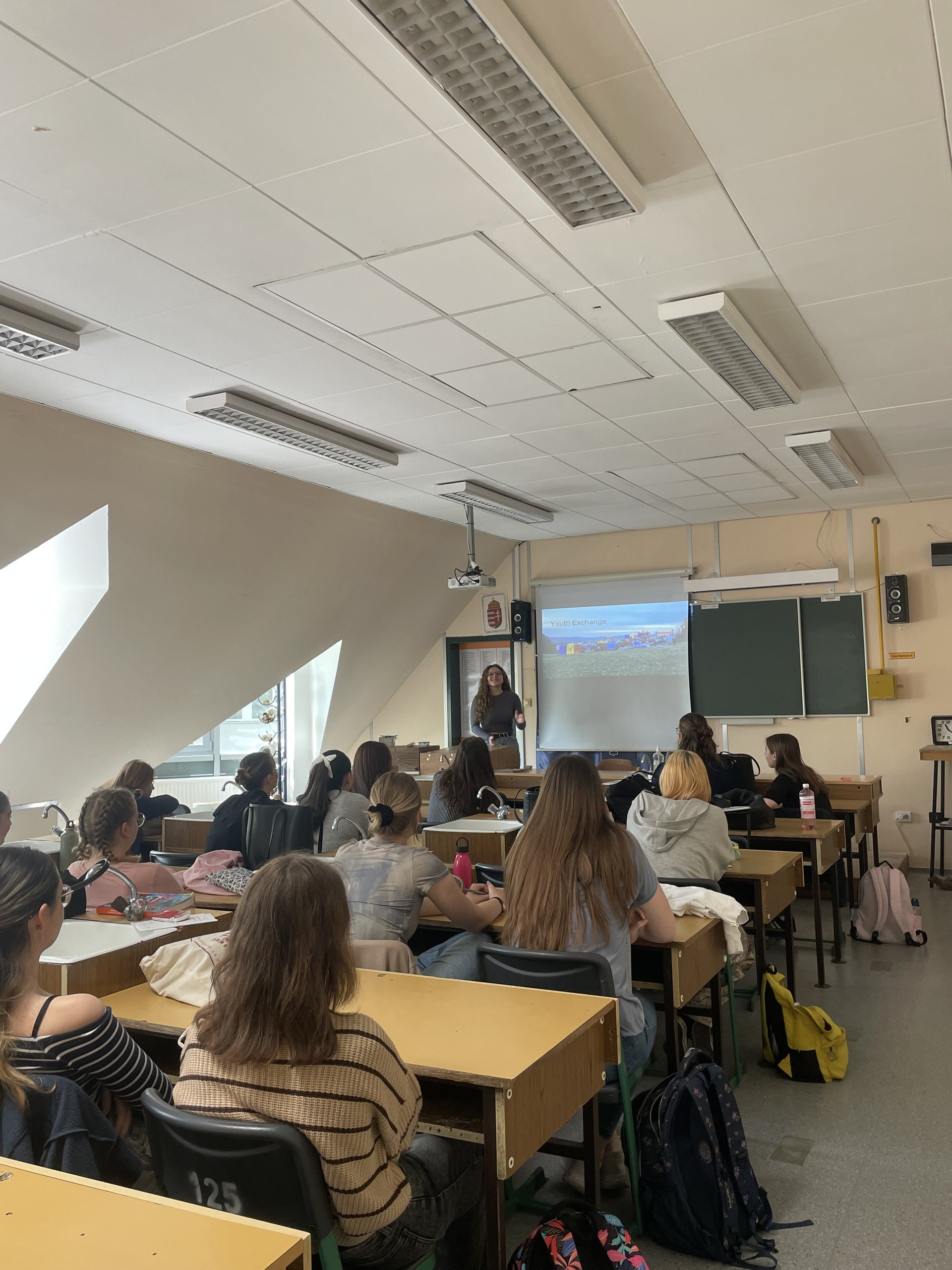
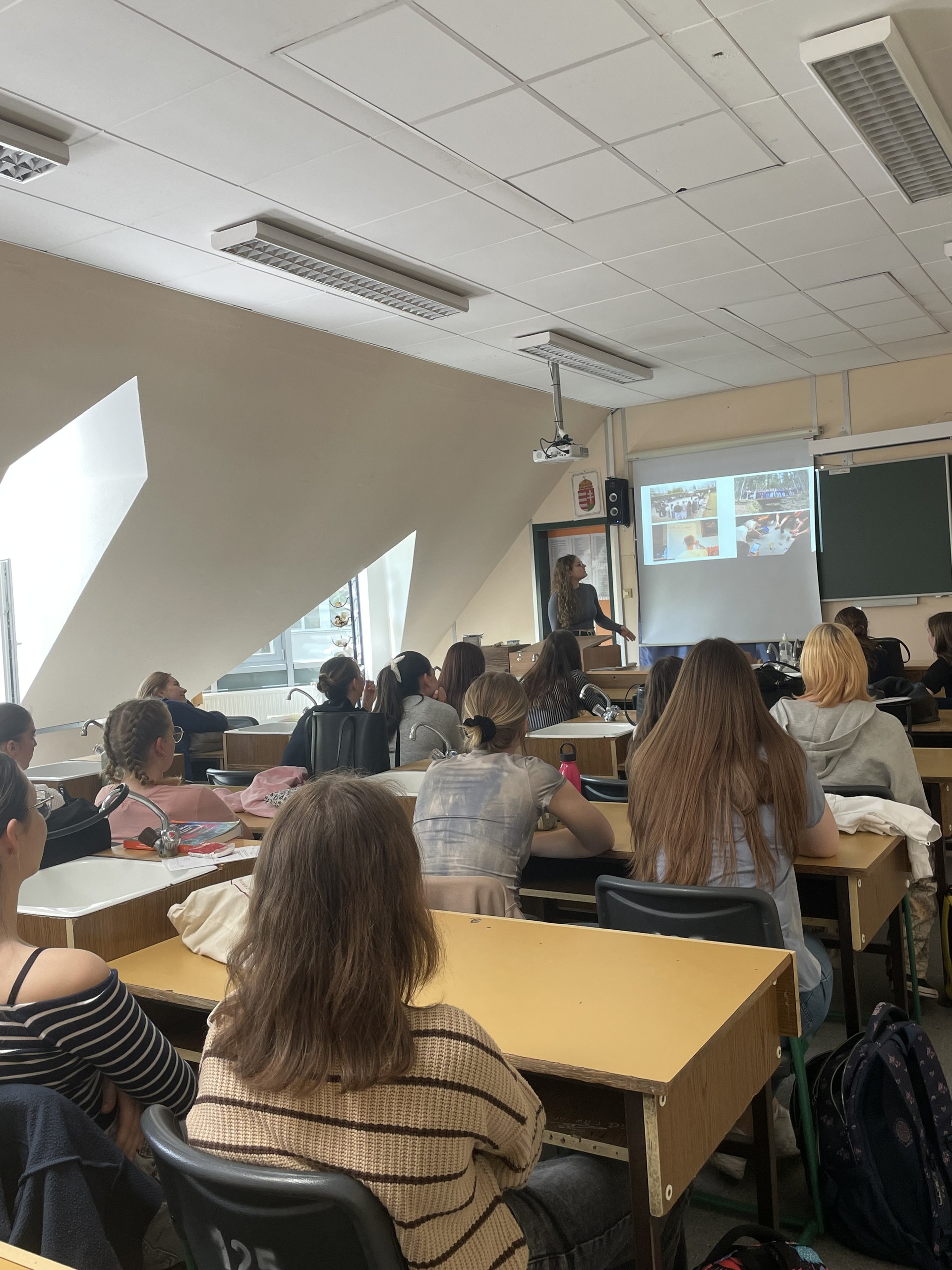
Pápa, Hungary, April 2026
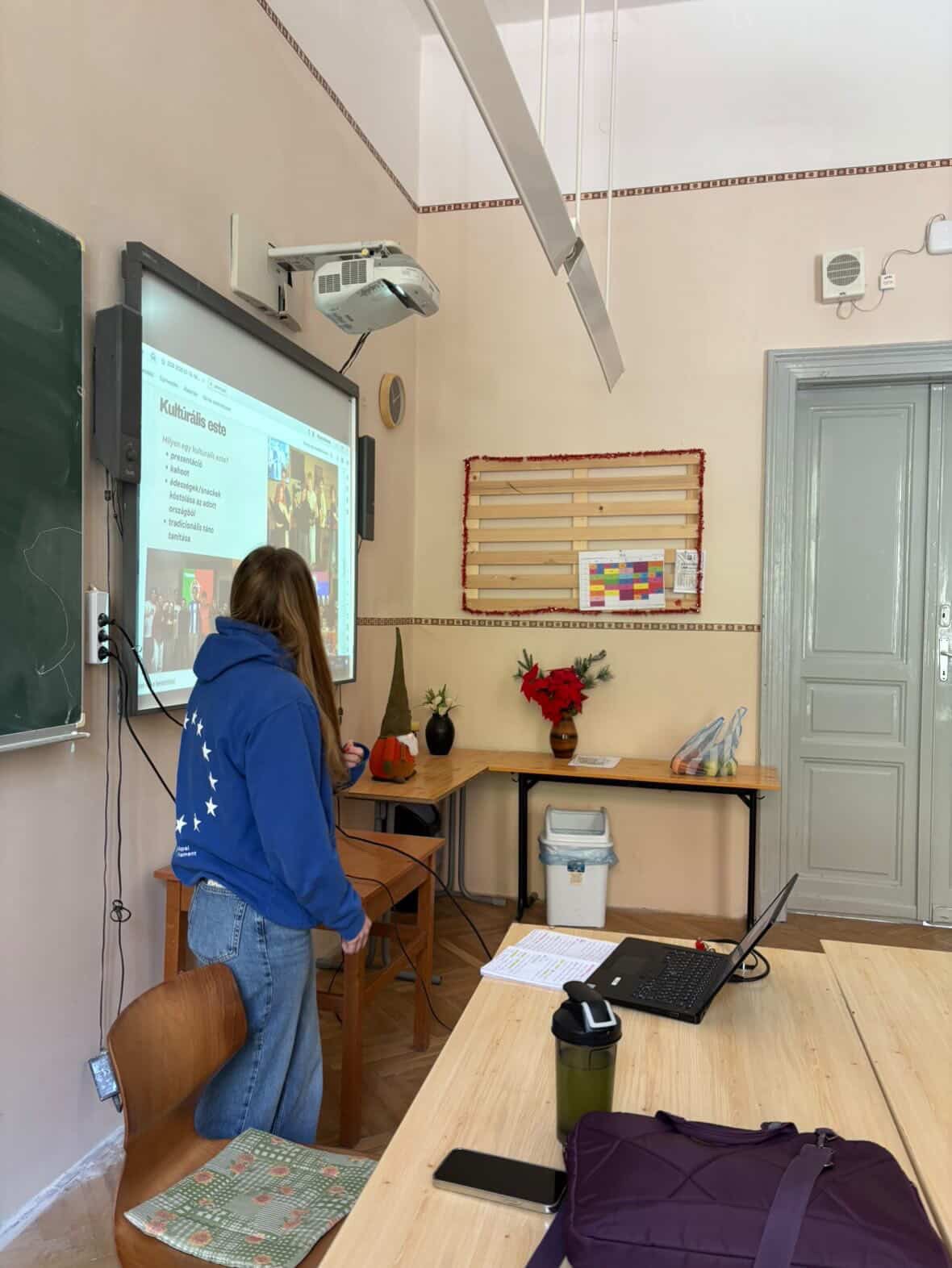
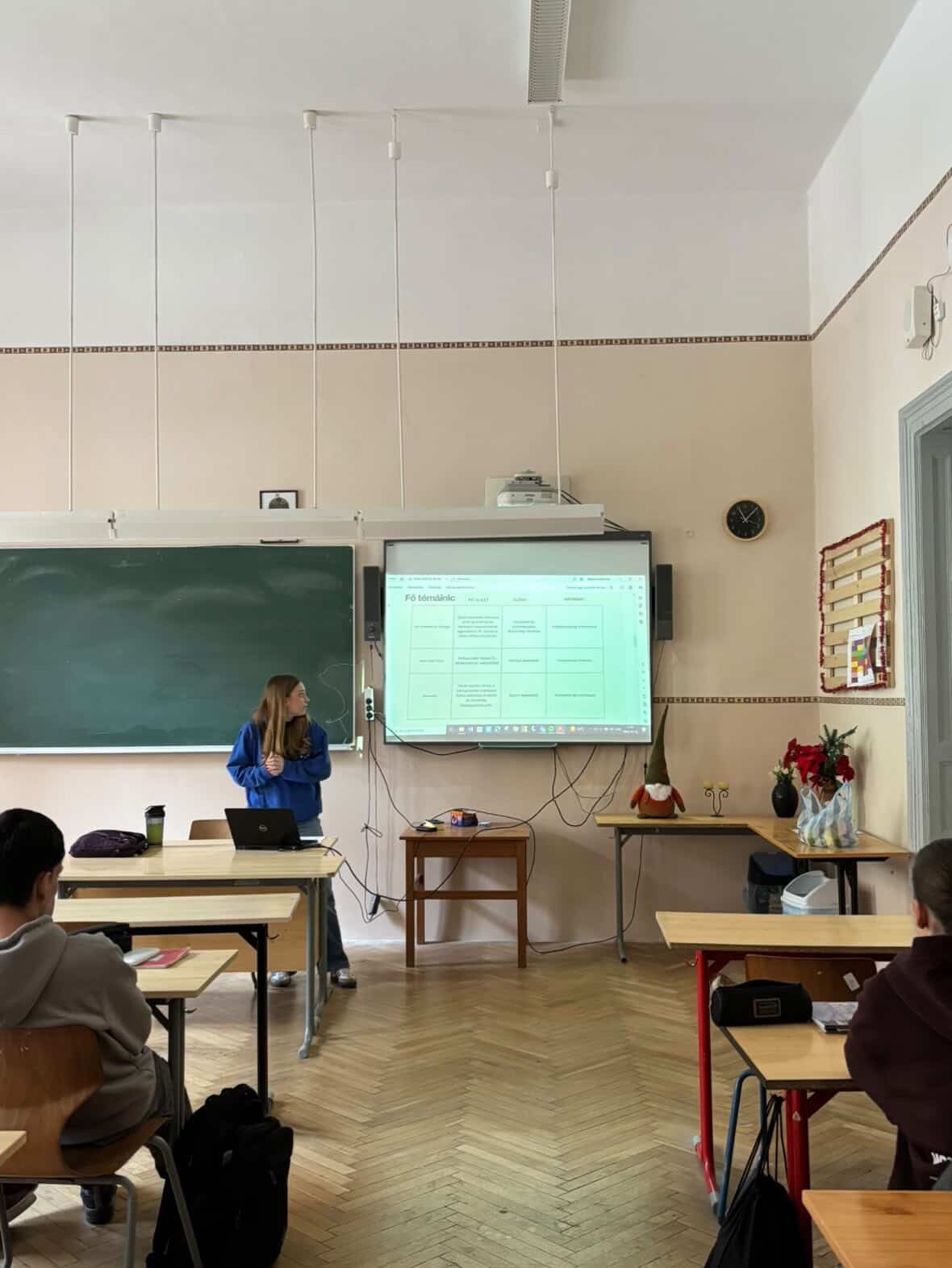
Lilla Vadas presented to around 20 students at the Türr István Gimnázium in Pápa, covering the participating countries, IoT topics like user interfaces, sensors, and cloud services, what a Youthpass is, and what a day in Rokytnice nad Jizerou looked like.
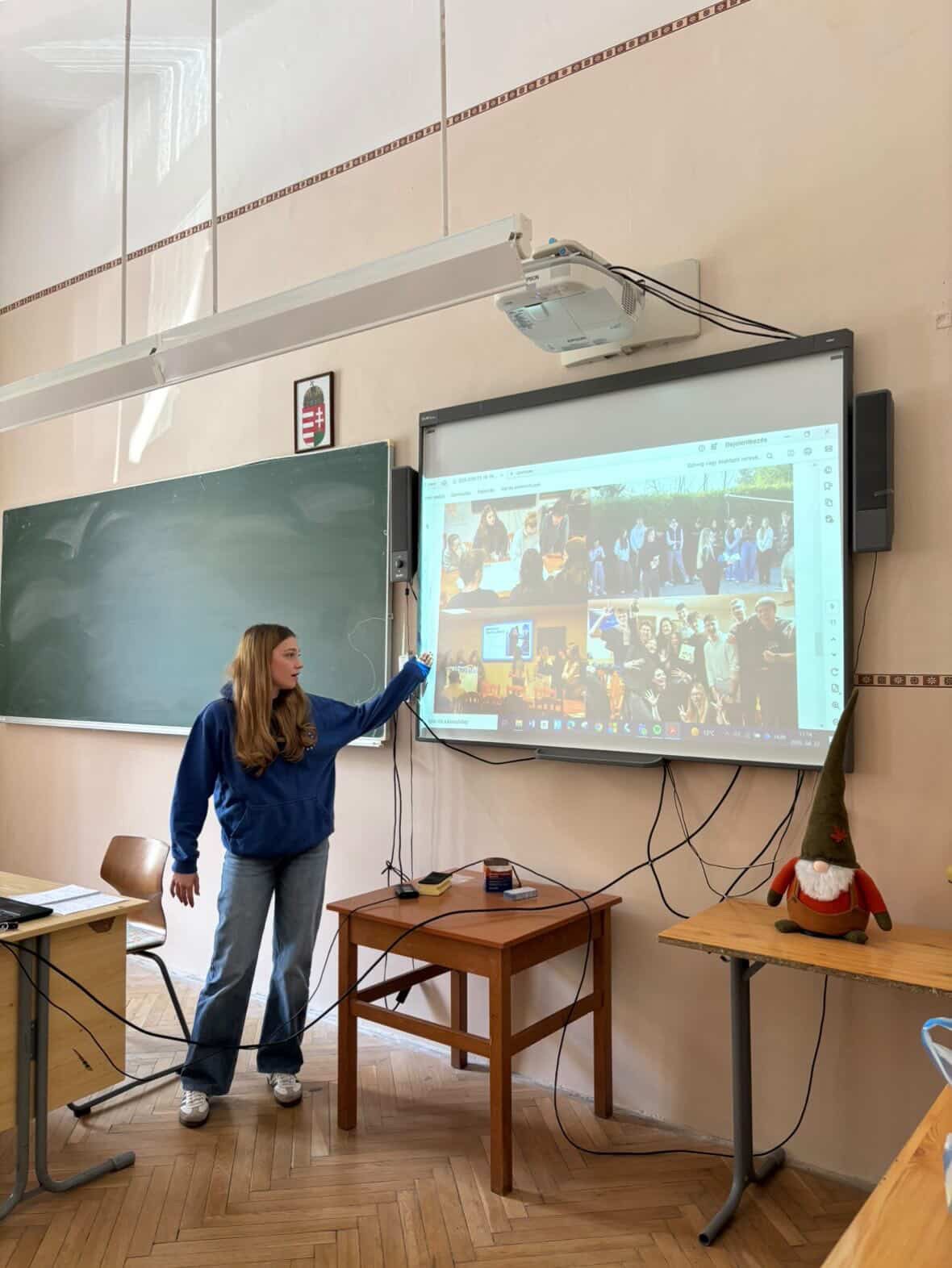
Vilnius, Lithuania, April 2026
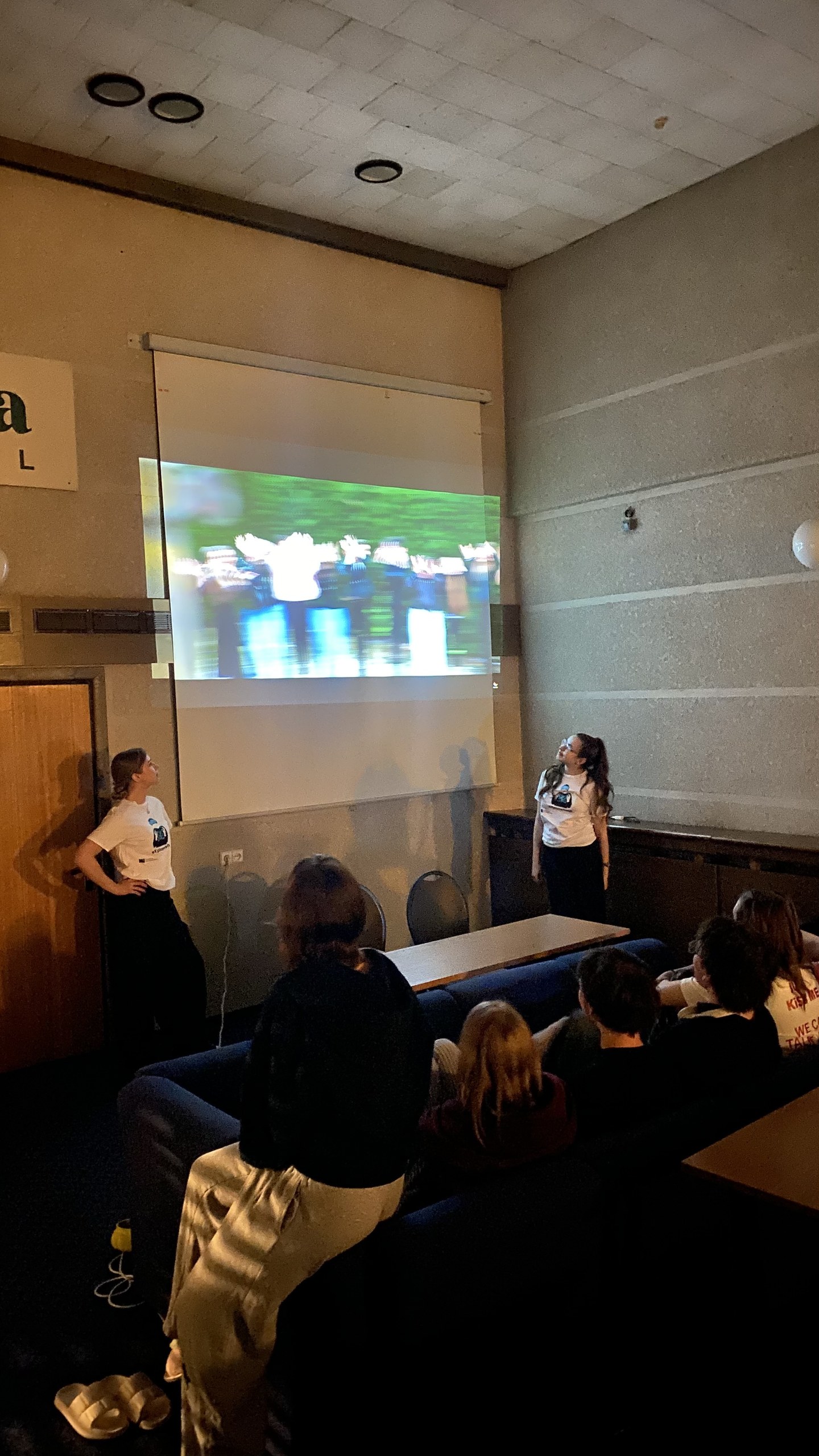
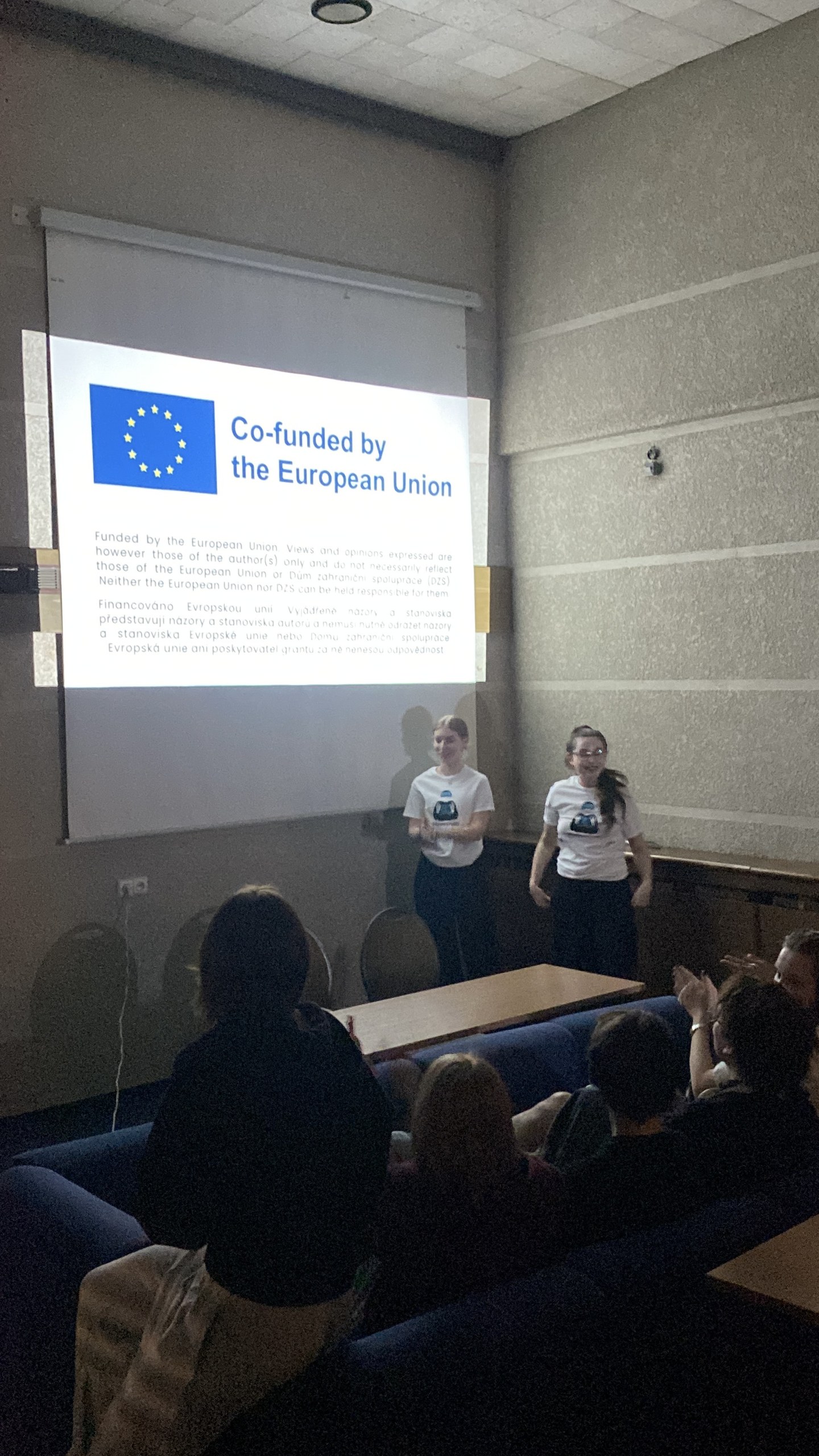
Darya Kachan and Palina Shurpach ran their dissemination in a conference room at the European Humanities University in Vilnius for 8 people, showing a video and walking through each day of the project, the activities, and what they learned, with time for questions at the end.
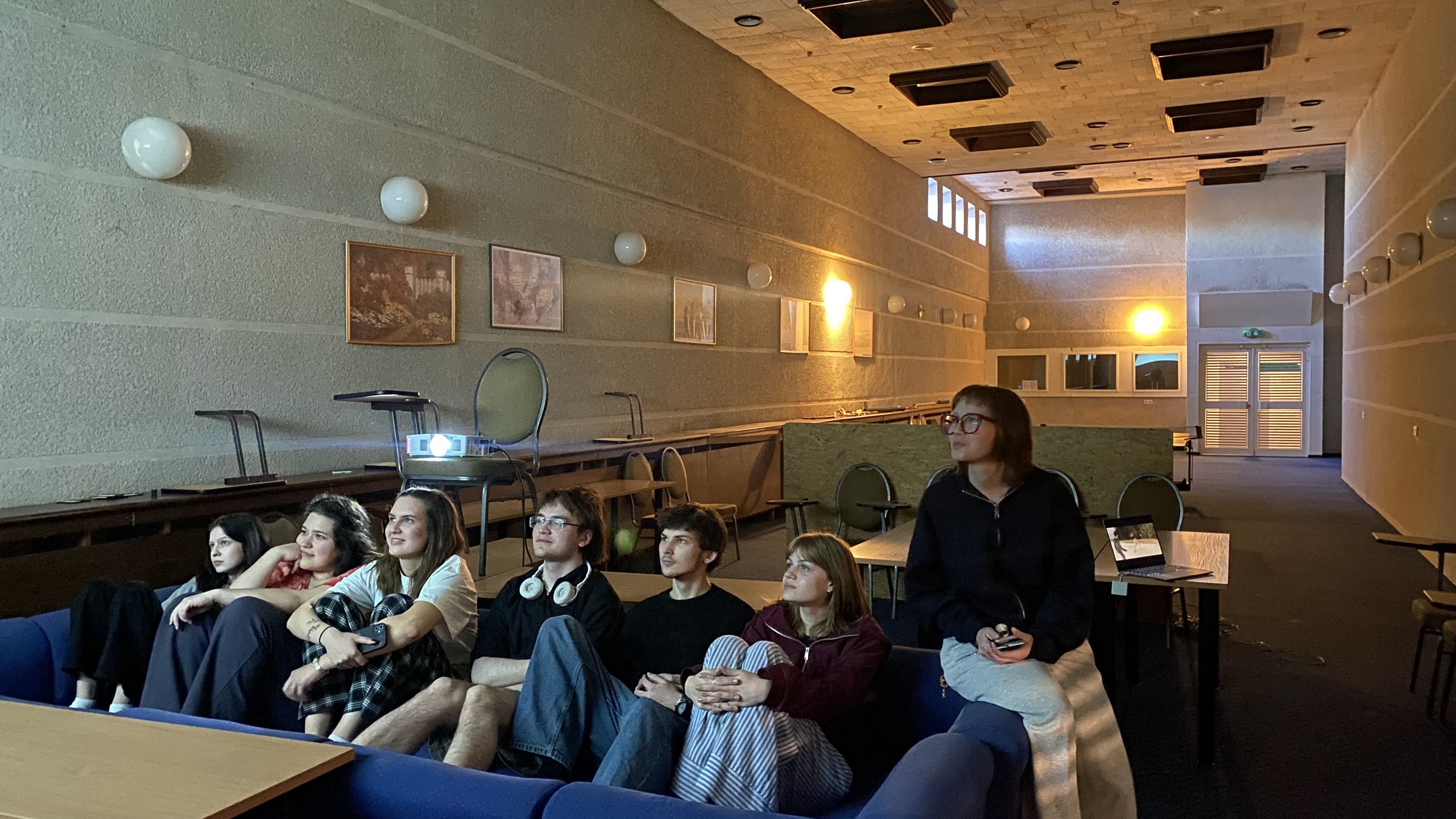
Tata, Hungary, April 2026
Roland Felix Kádas presented to around 30 classmates and his head teacher at the Eötvös József Gimnázium in Tata, using a Canva presentation with photos from the exchange to share his experiences and show how others can apply.
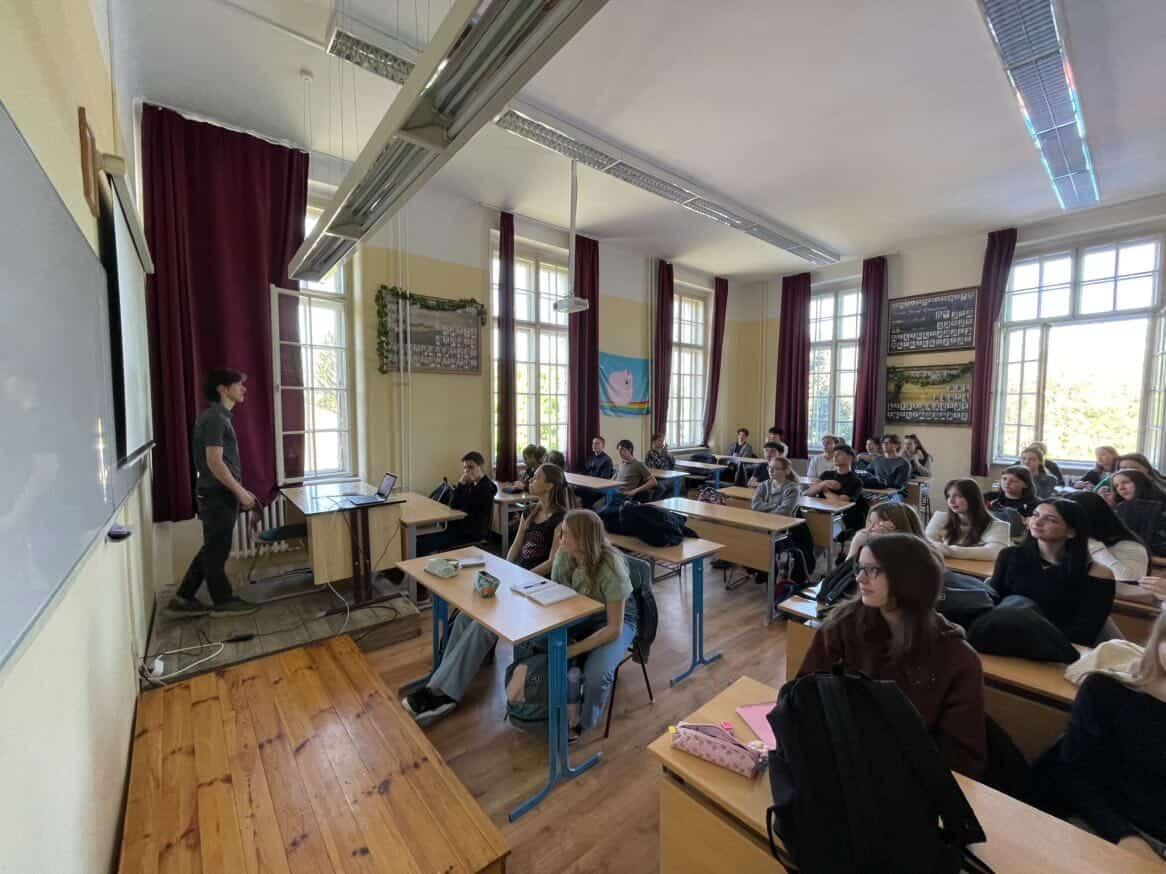
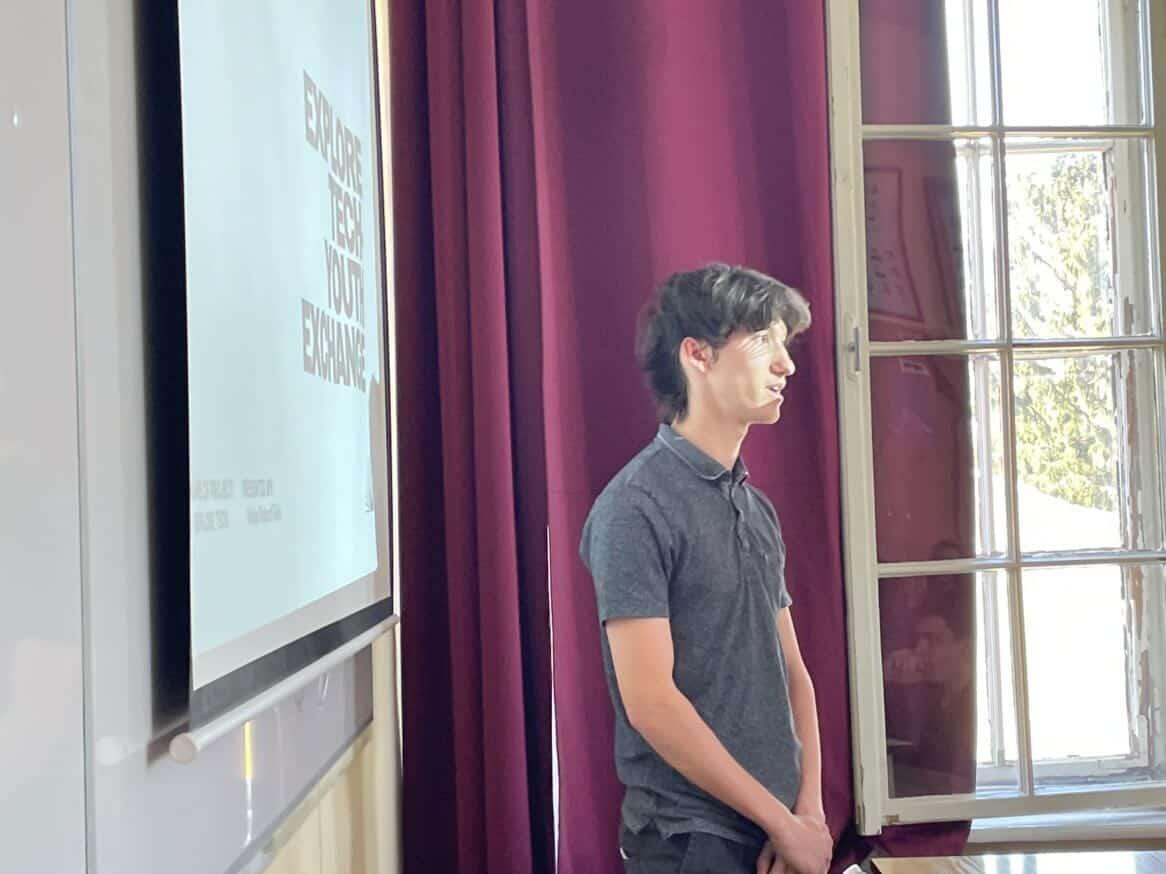
Pasvalys, Lithuania, April 2026
Domilė Stankevičiūtė presented to her class at the Pasvalio Petro Vileišio gimnazija during a class hour, using slides to explain the activities, the free time and cultural evening, and how to apply to Erasmus+ projects through organisations.
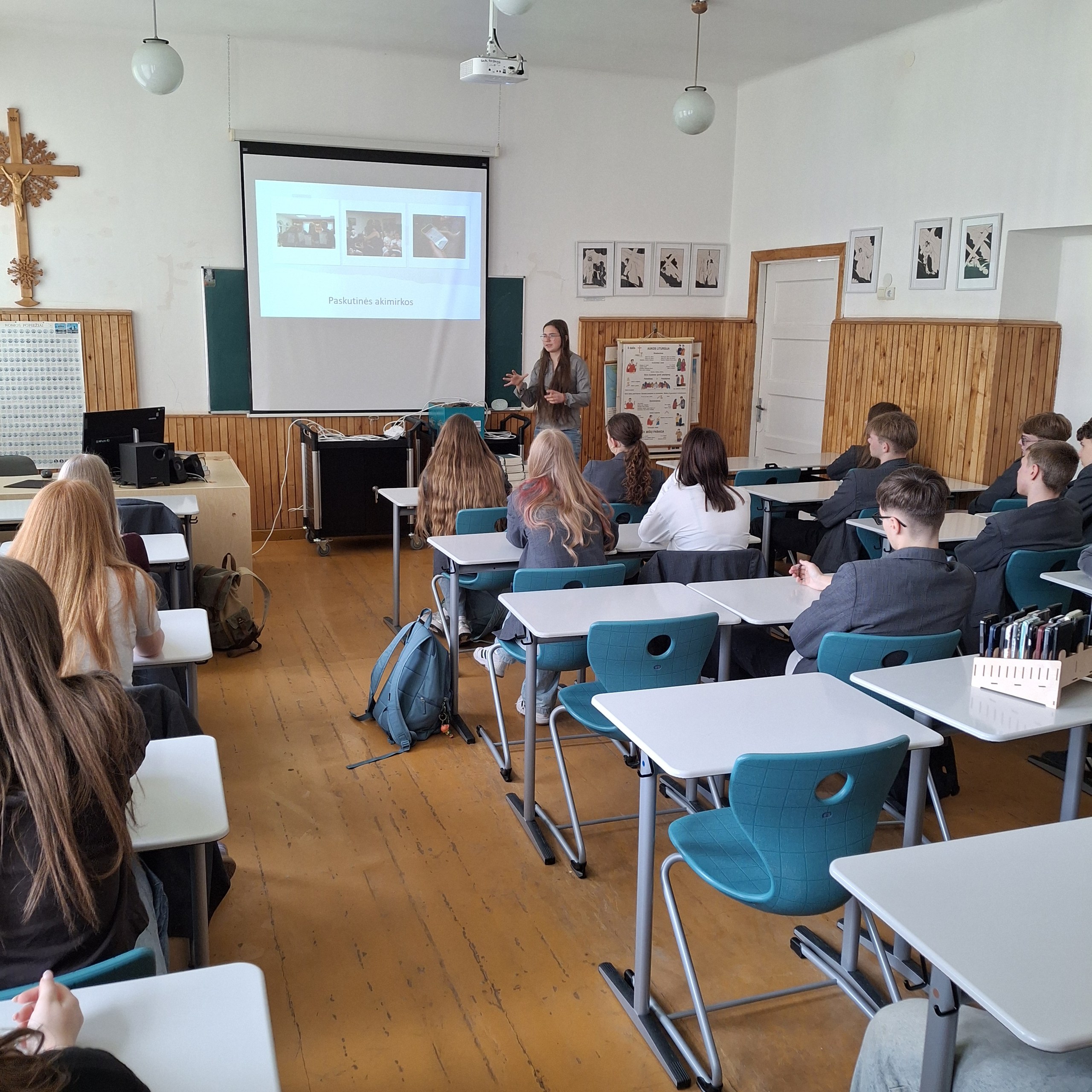
Lisbon, Portugal, April 2026
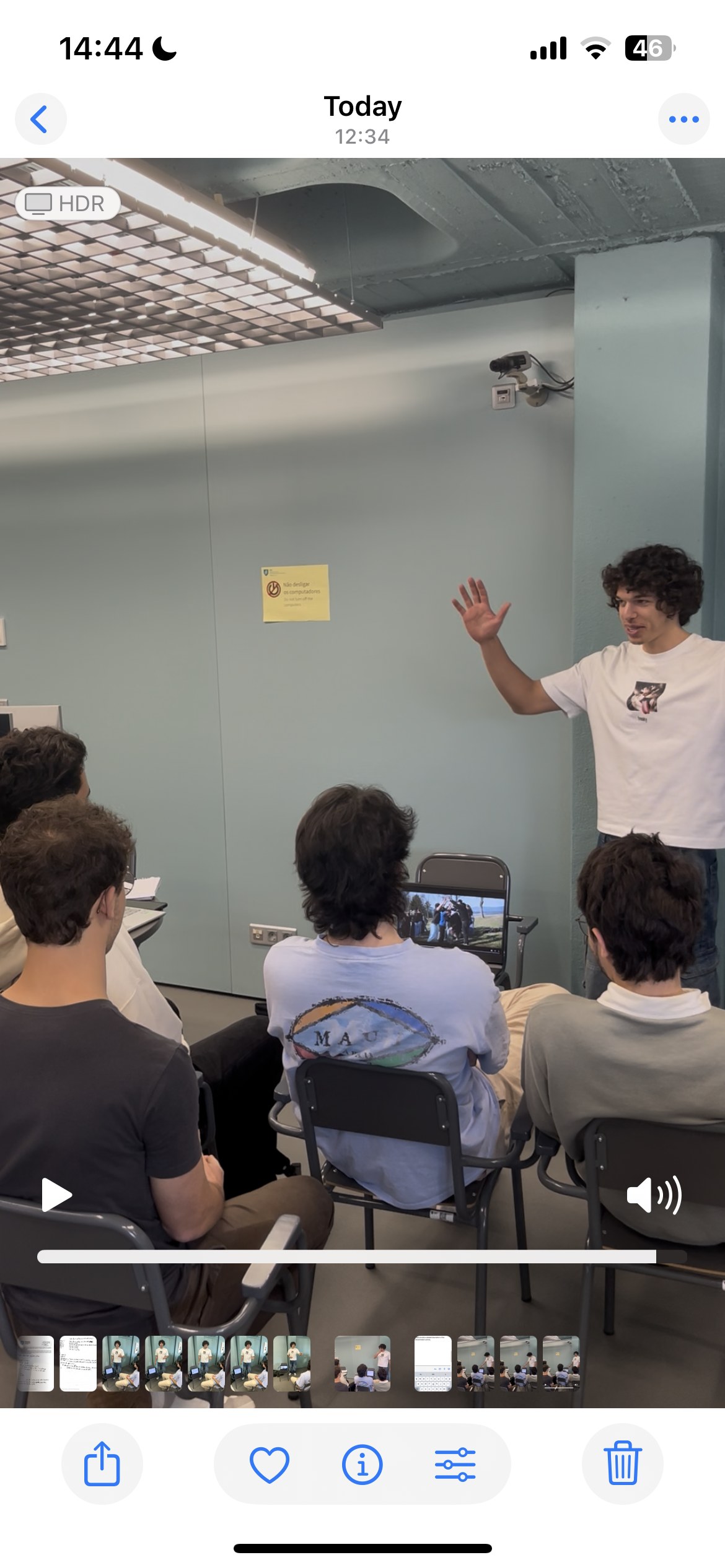
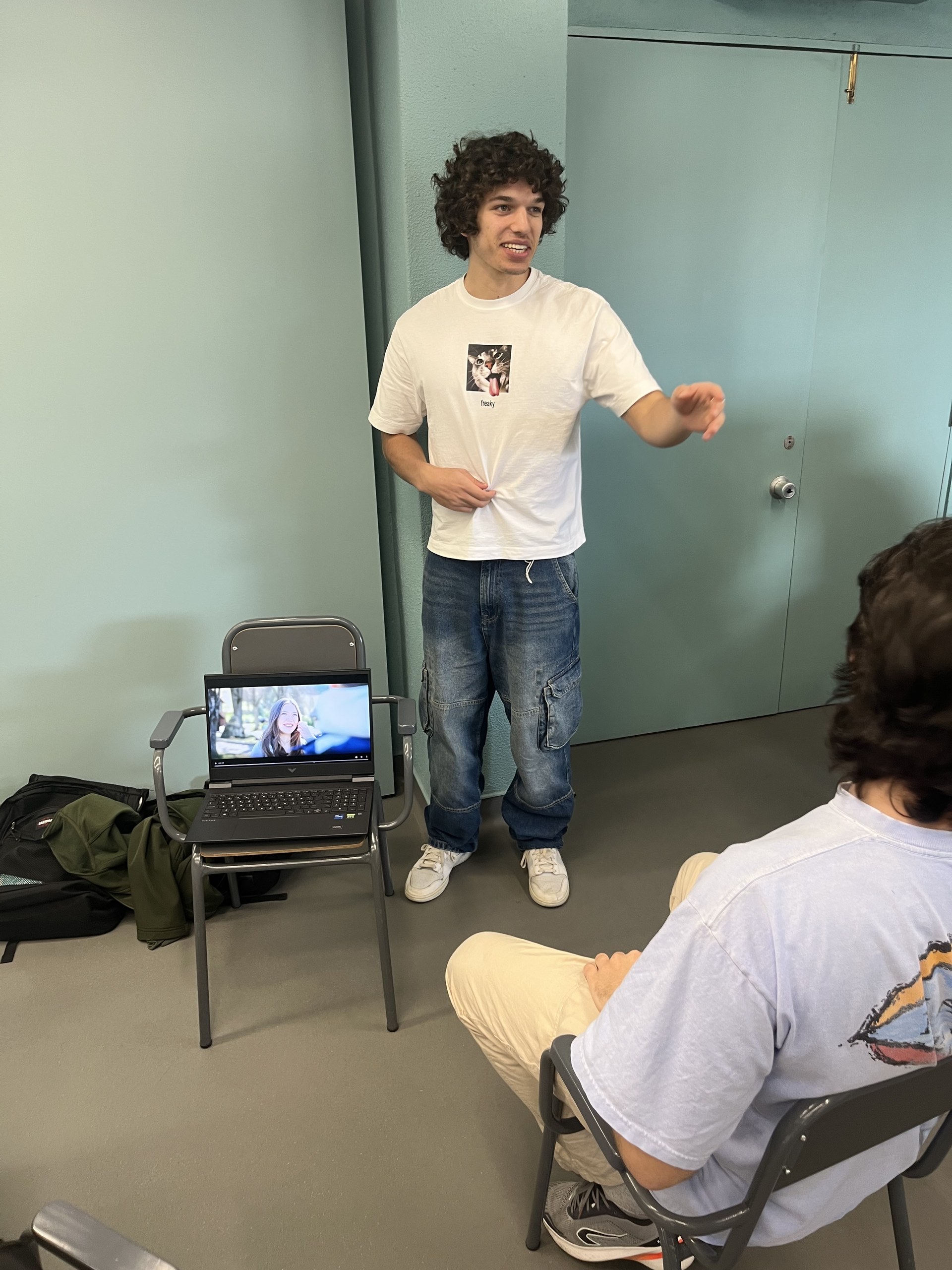
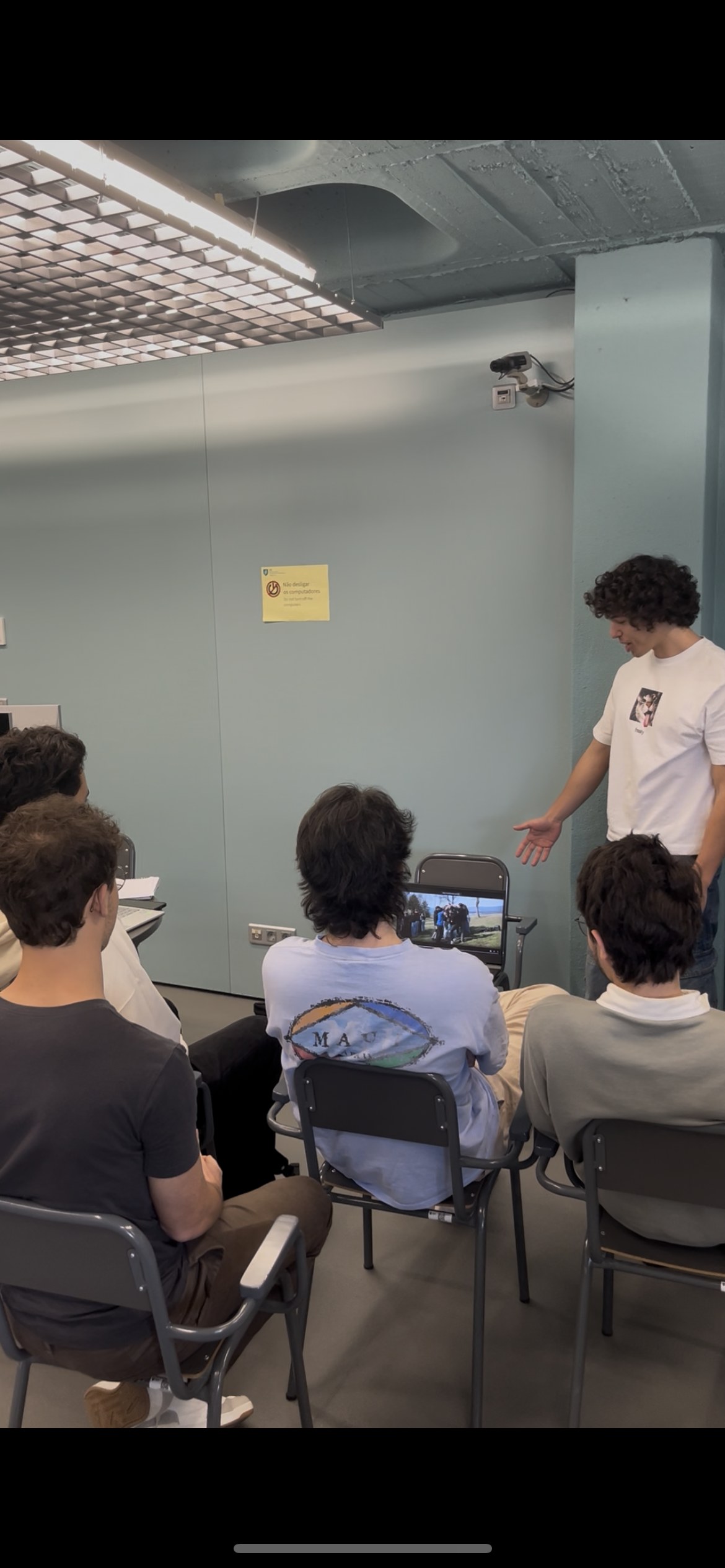
Dinis Silva presented to 12 colleagues at the Universidade de Lisboa, explaining the project’s focus on IoT and connected devices, his own role teaching robotics and helping with programming, and how an Erasmus+ project builds technical, teamwork, communication, and intercultural skills.
Szeged, Hungary, April 2026
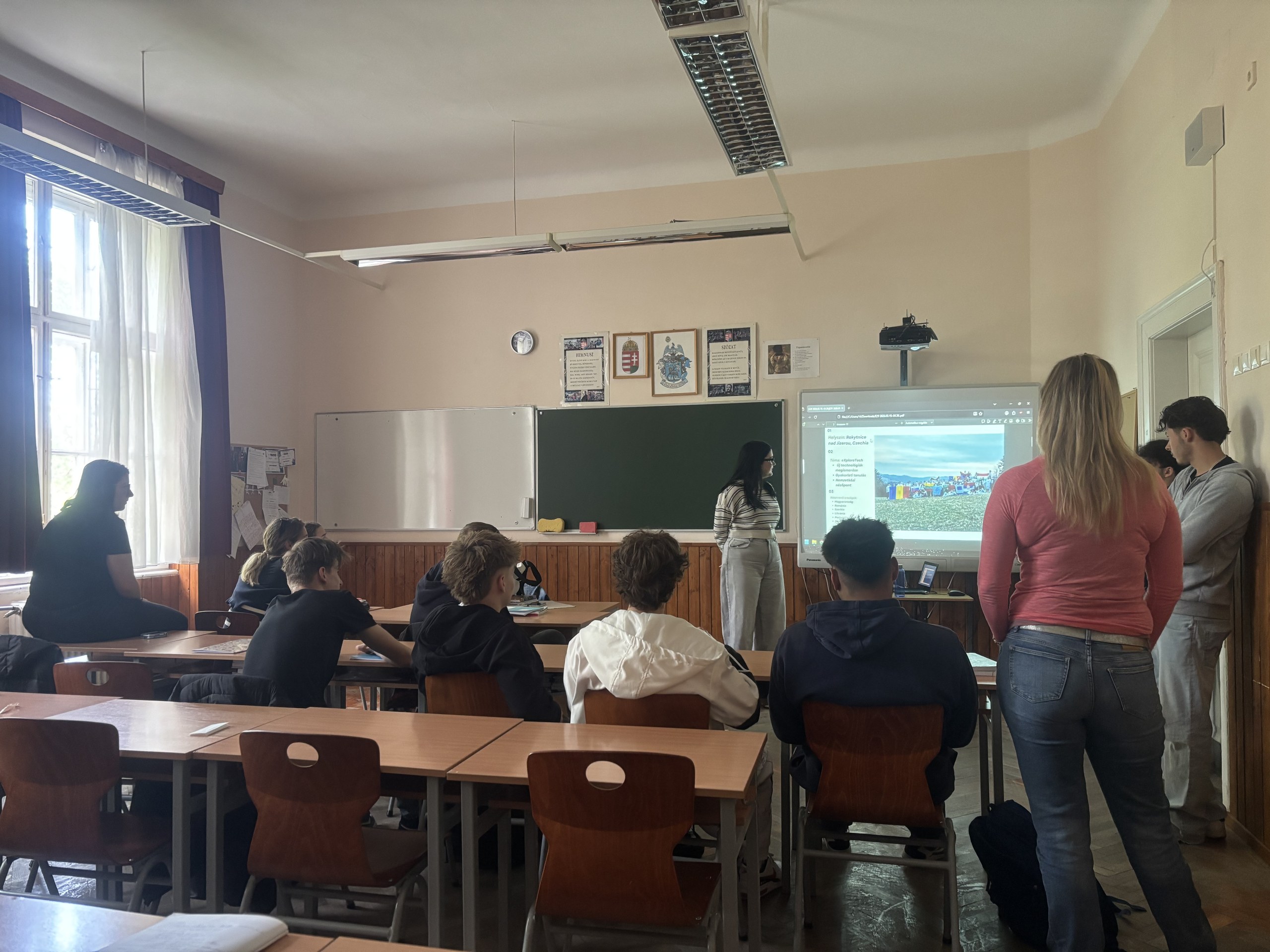
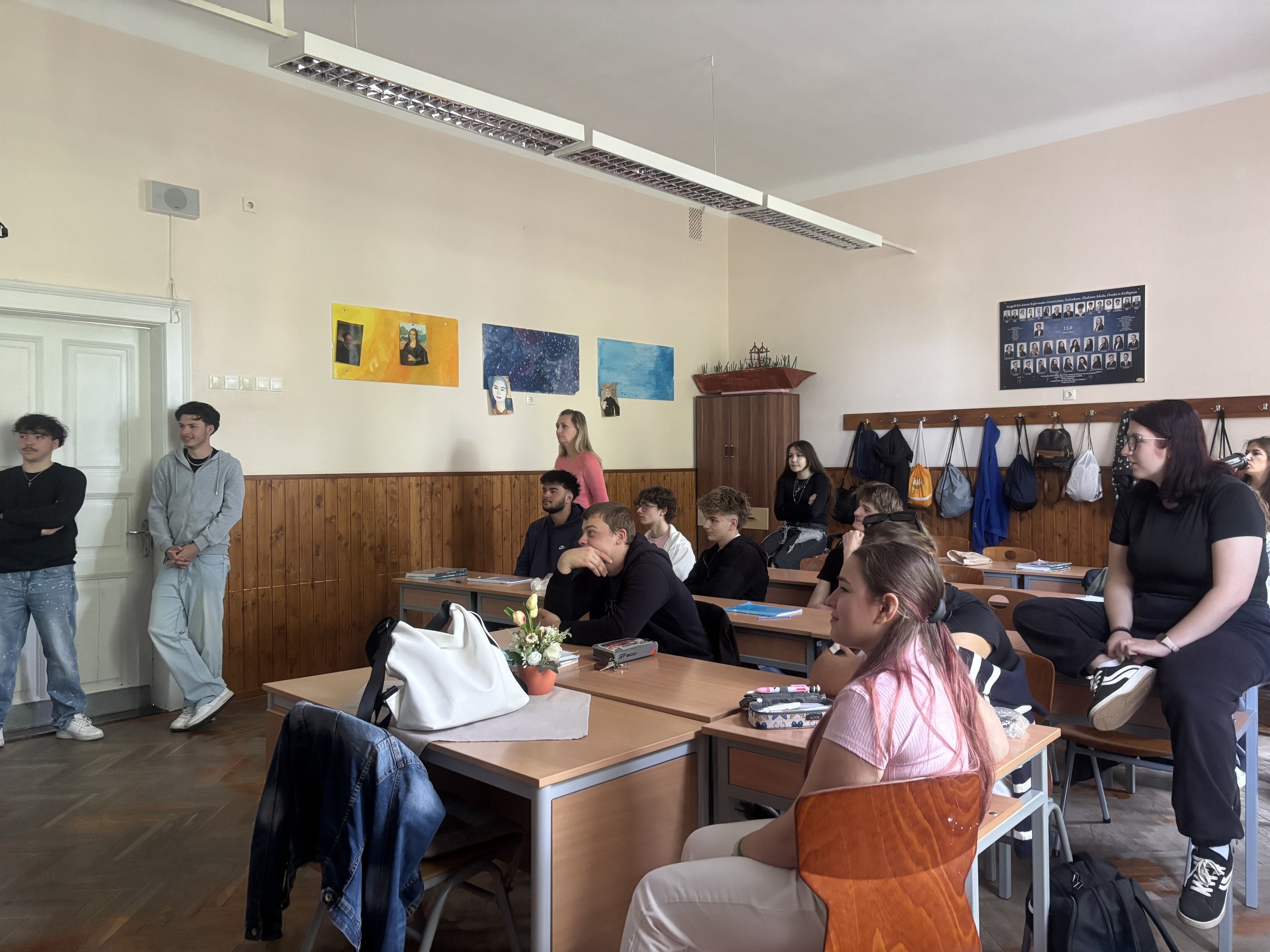
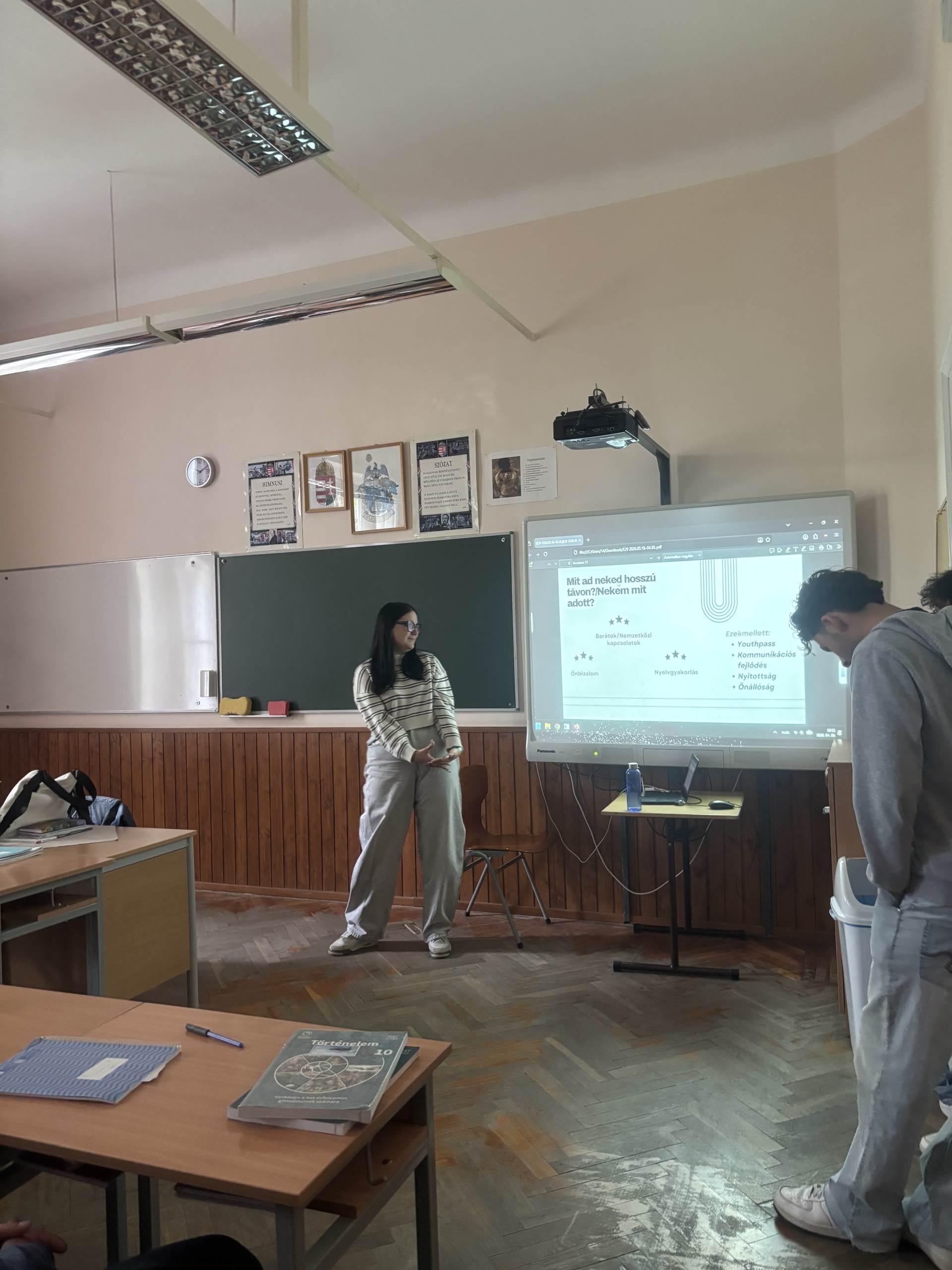
Kata Ilyés gave a presentation about the project to a class of 14 at the Szegedi Kis István Református Gimnázium.
Esztergom, Hungary, April 2026
Gergő Köves gave a one-hour lecture on the project to 5 students at the Szent Antal Esztergomi Ferences Gimnázium.
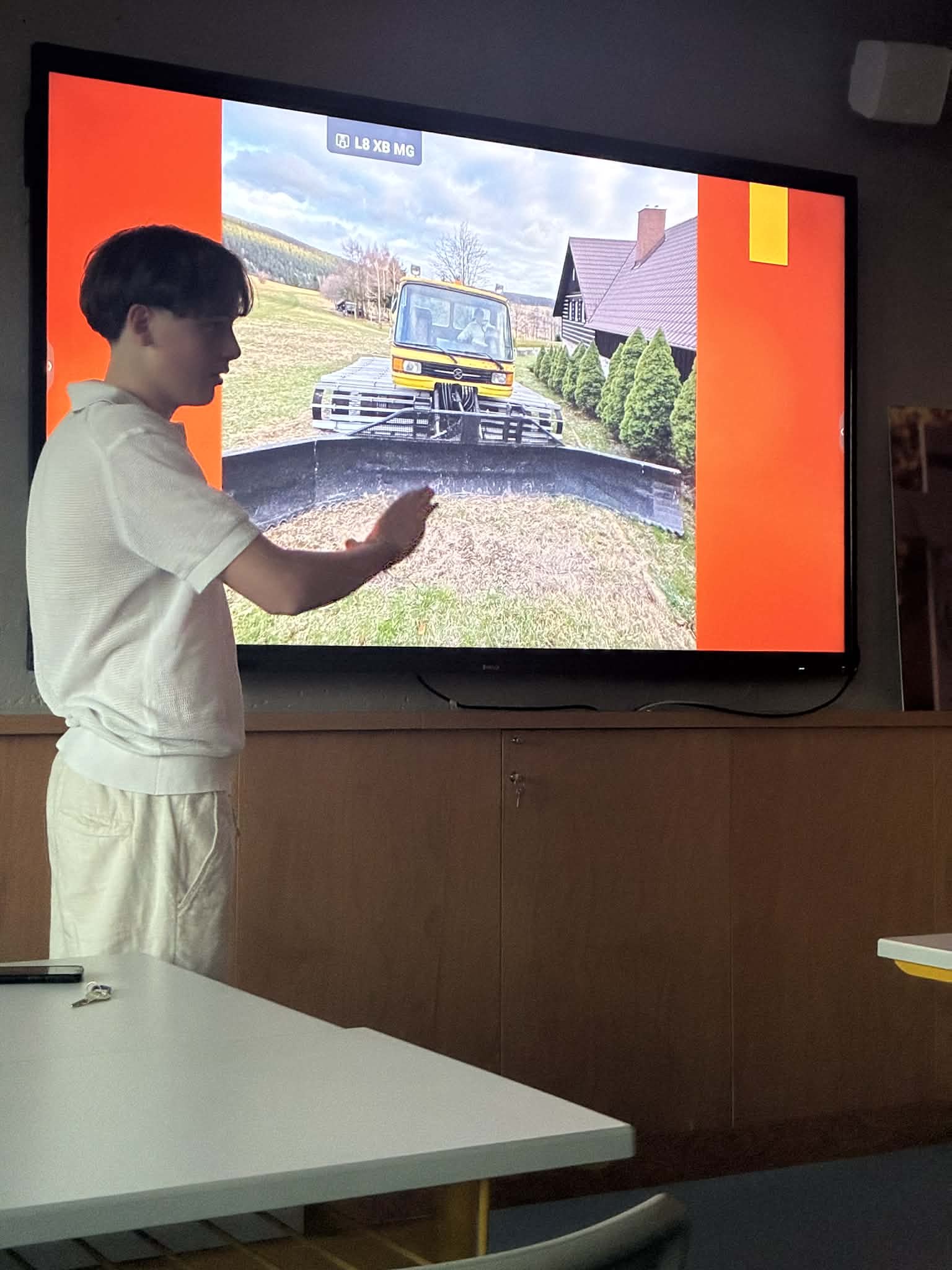
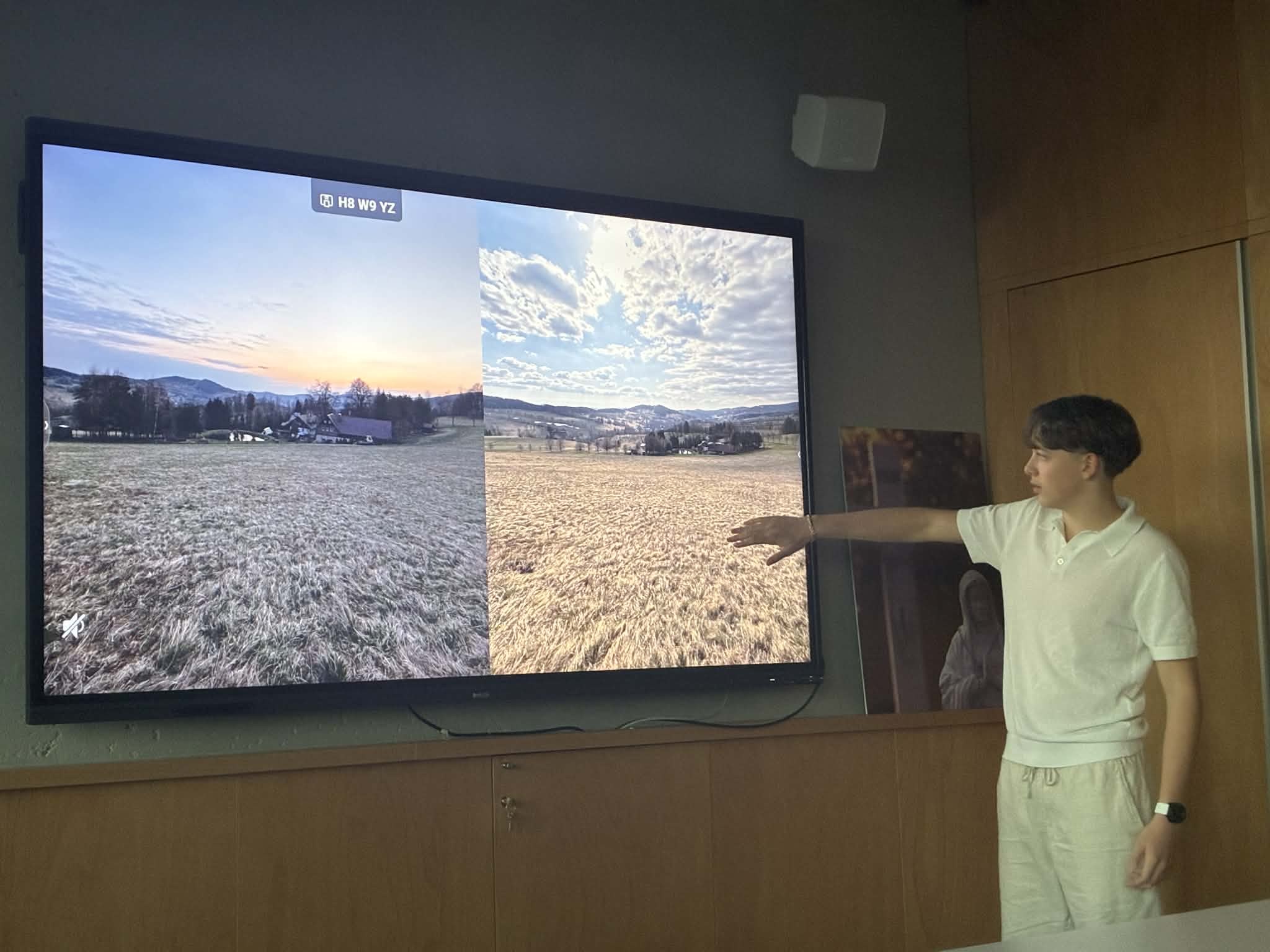
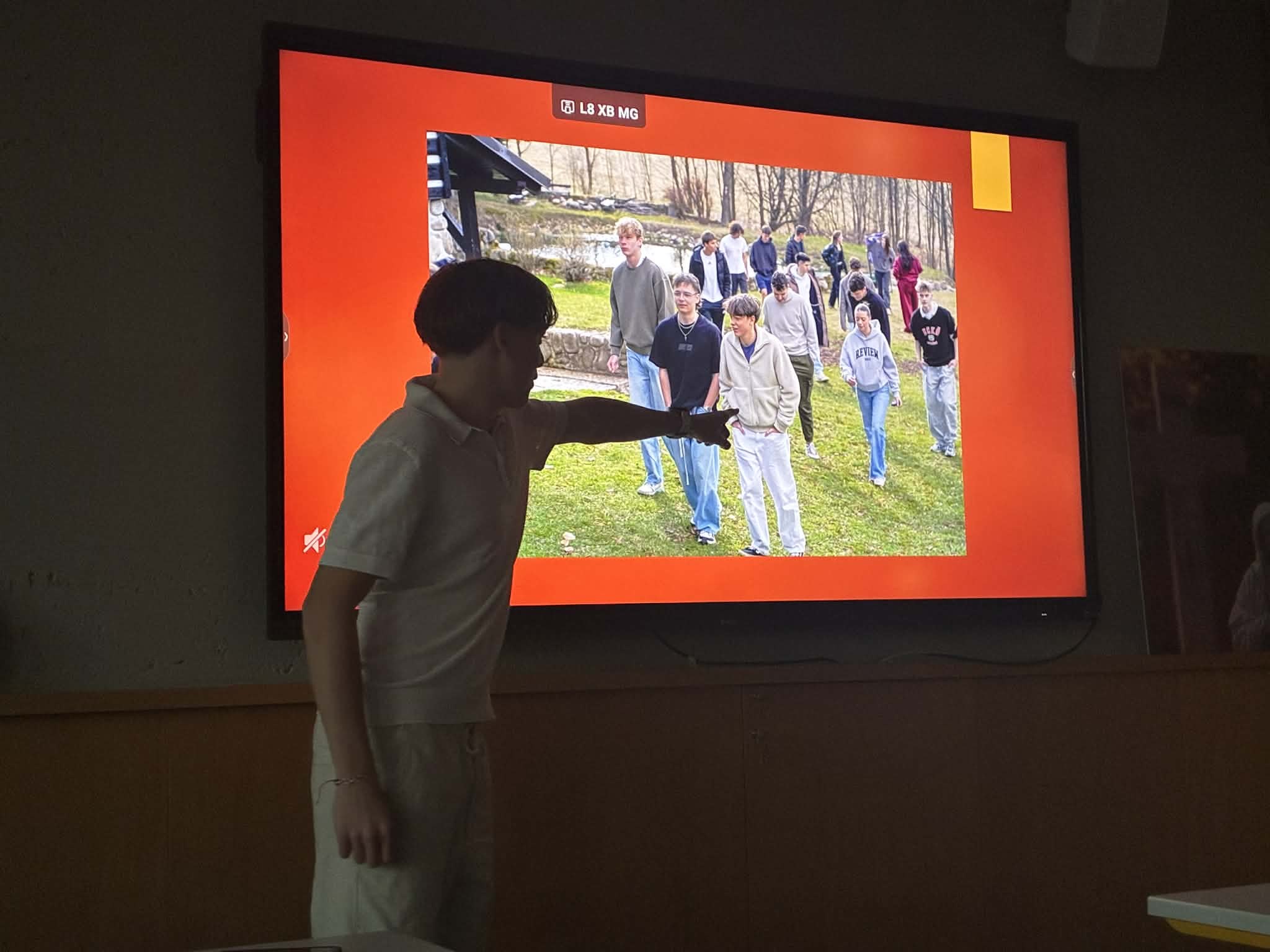
Rokytnice nad Jizerou, Czechia, April 2026
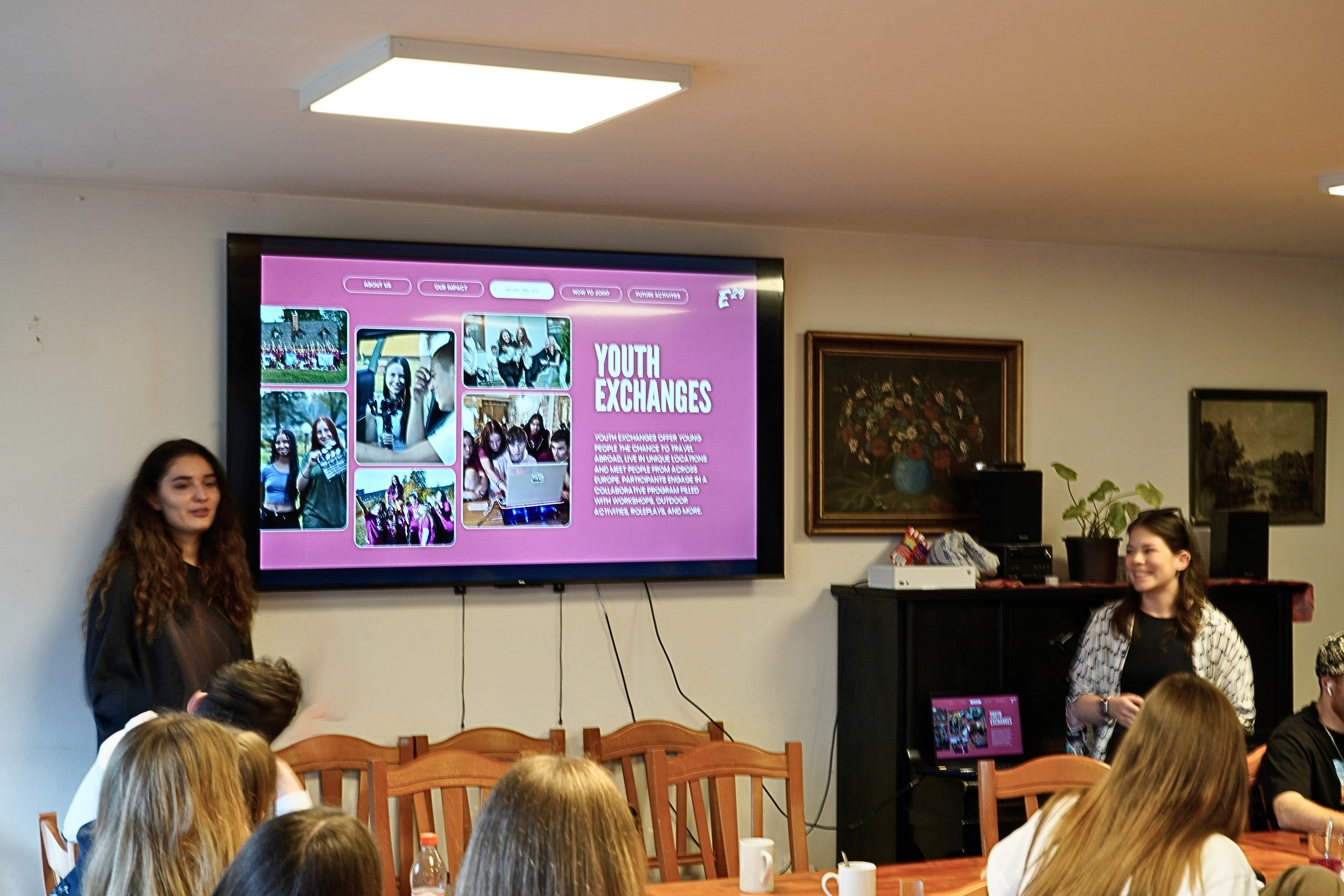
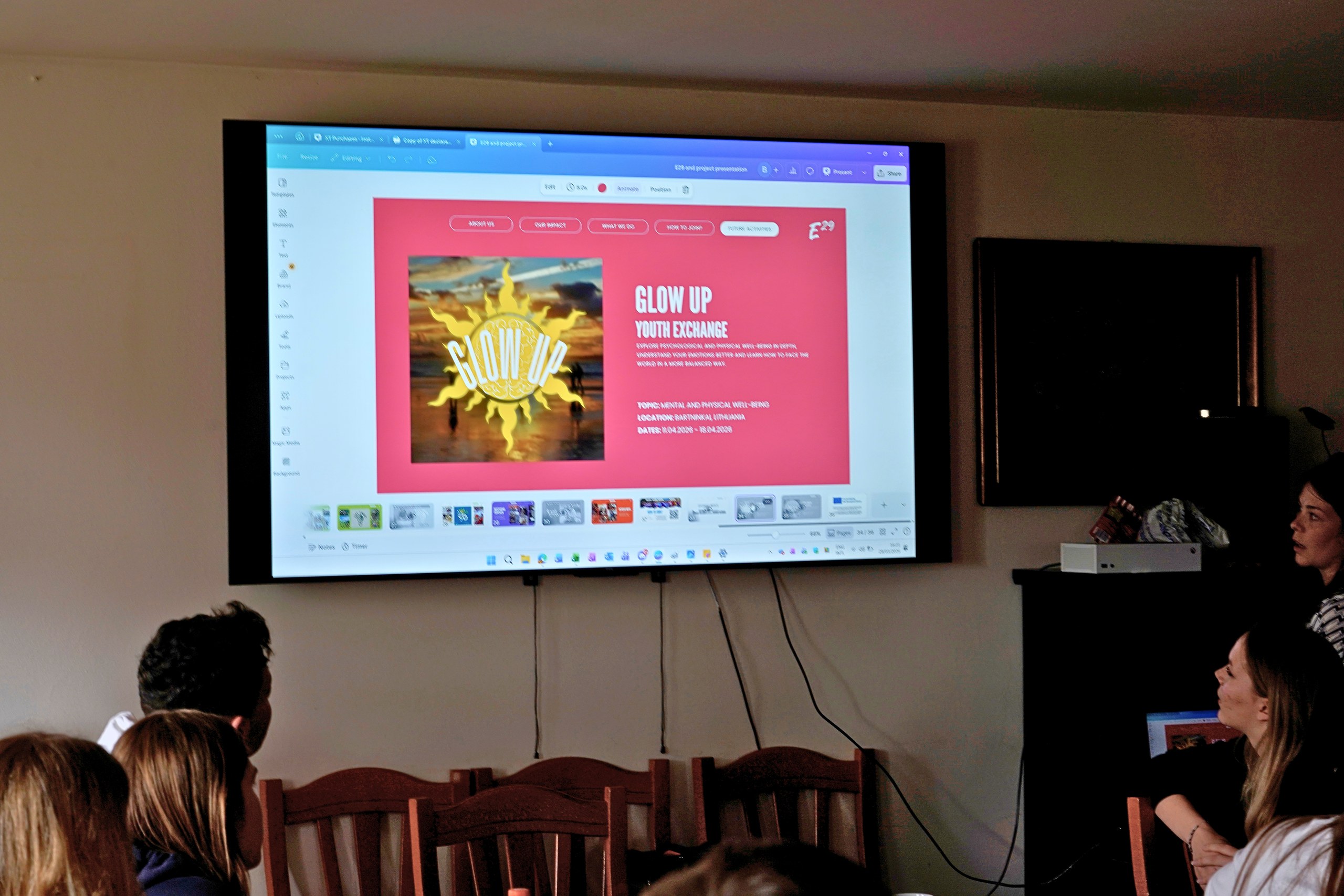
Minja Nikolić and Blanka Kuti presented E29 during eXploreTech to around 65 people in Rokytnice nad Jizerou, covering past and upcoming projects and other opportunities such as the mentorship programme and internships.
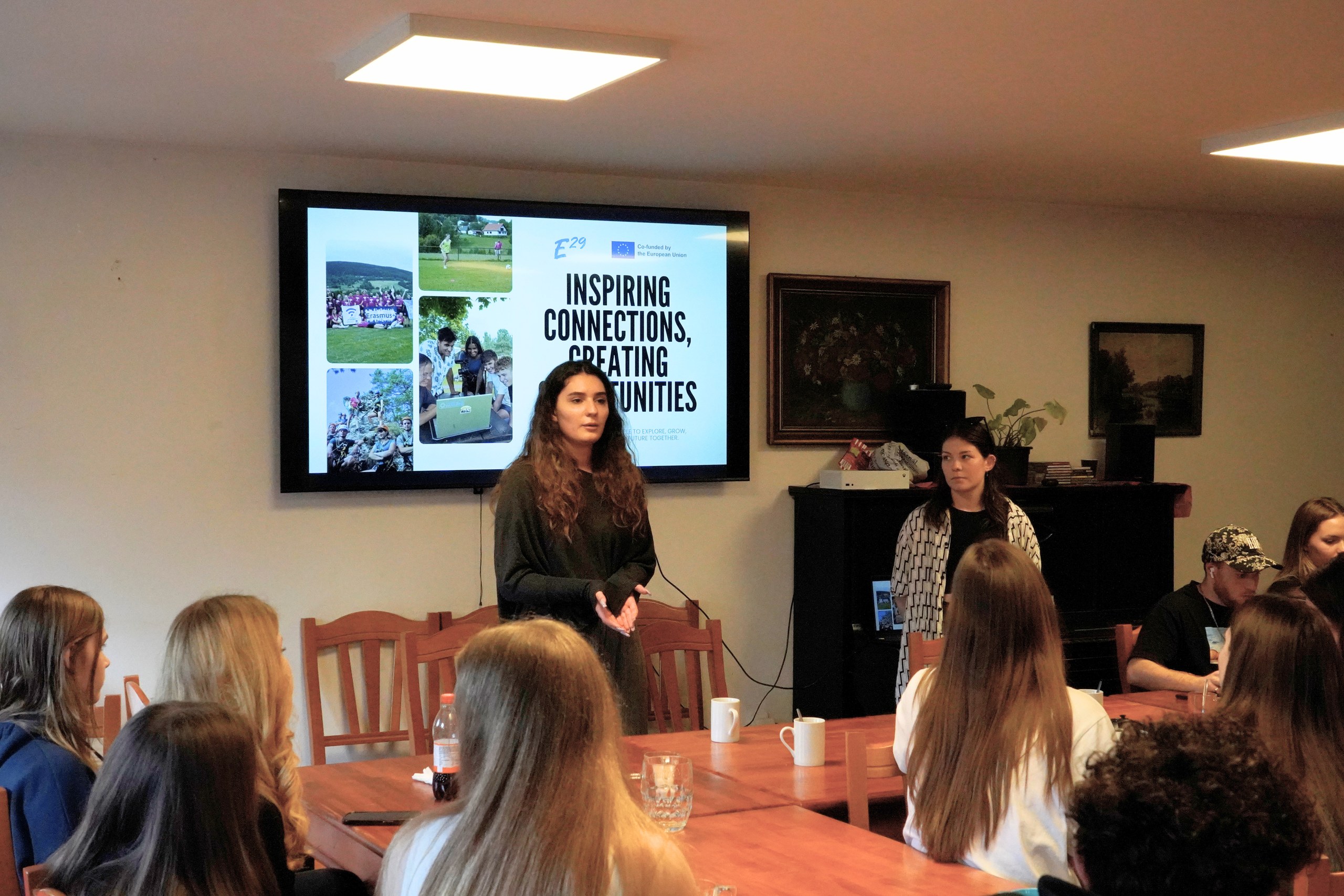
Brno, Czechia, April 2026
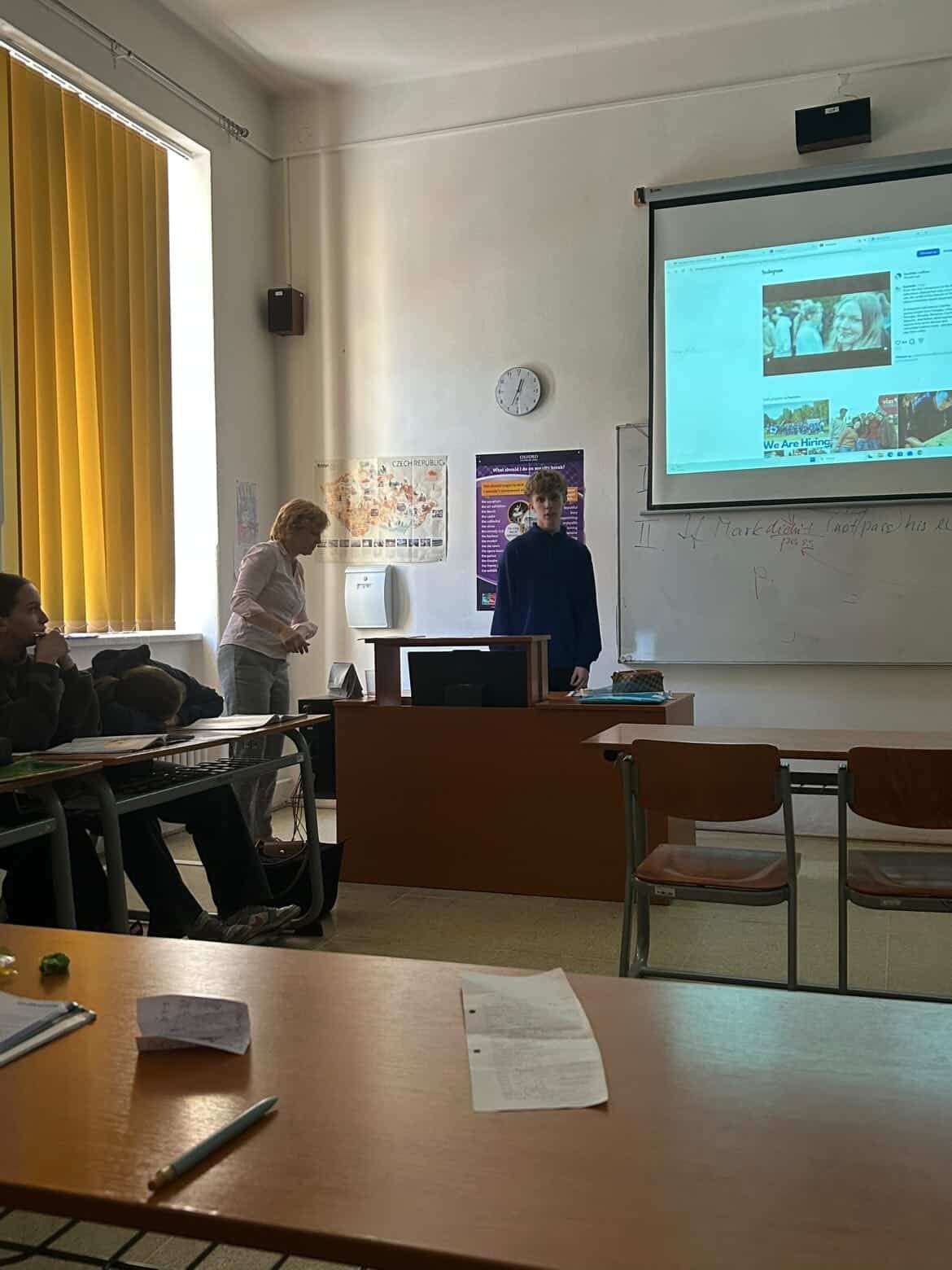
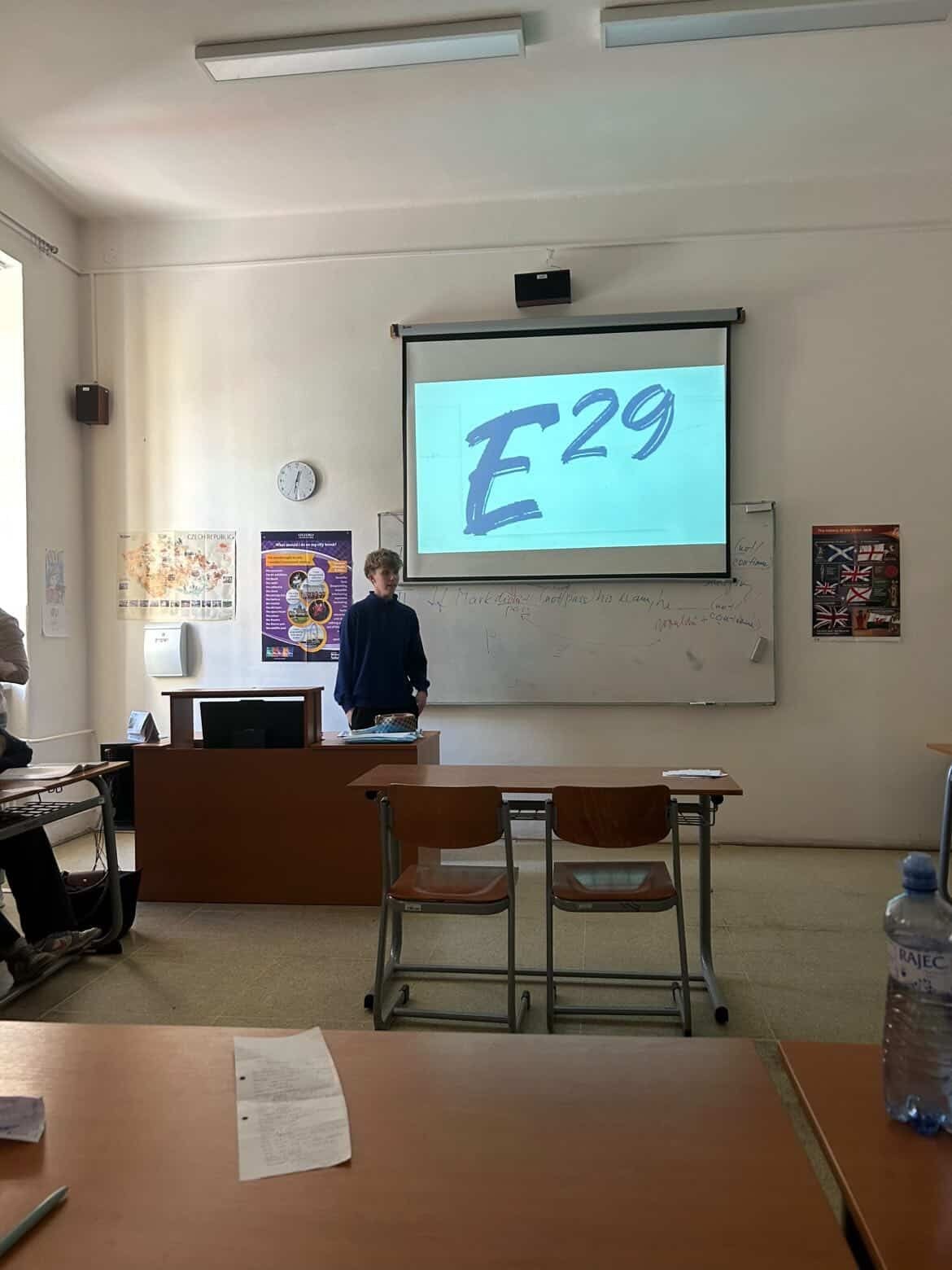
Jan Bartoš gave a presentation to 15 students at the Střední Průmyslová Škola Stavební in Brno about how Erasmus+ works, sharing his own experiences.
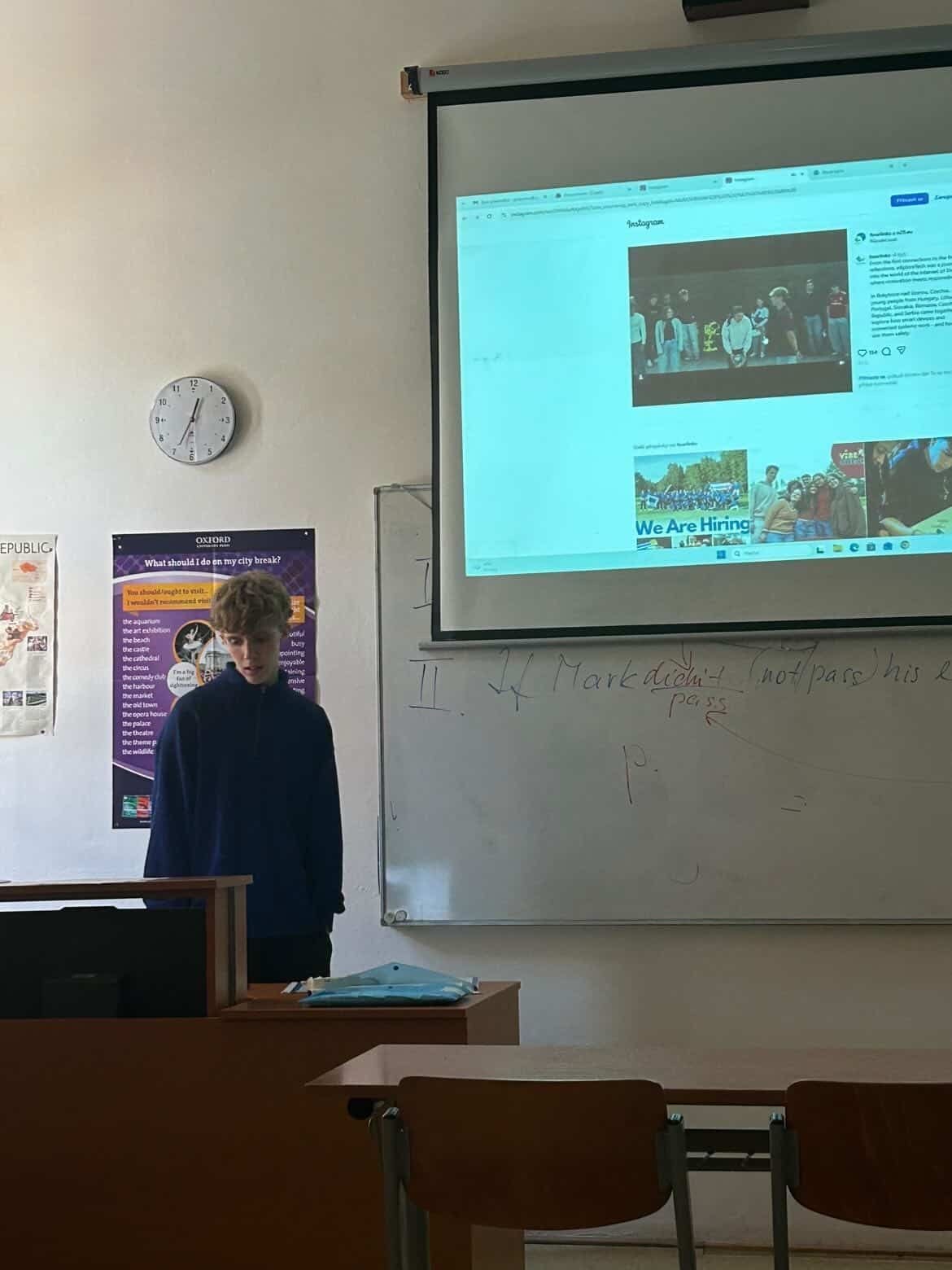
Trnava, Slovakia, April 2026
Jakub Dudík used part of a lecture at the University of Ss Cyril and Methodius in Trnava to present to his master’s classmates, showing the aftermovie and the gallery and talking about the opportunities Erasmus+ offers, from youth exchanges to training courses and the European Solidarity Corps.
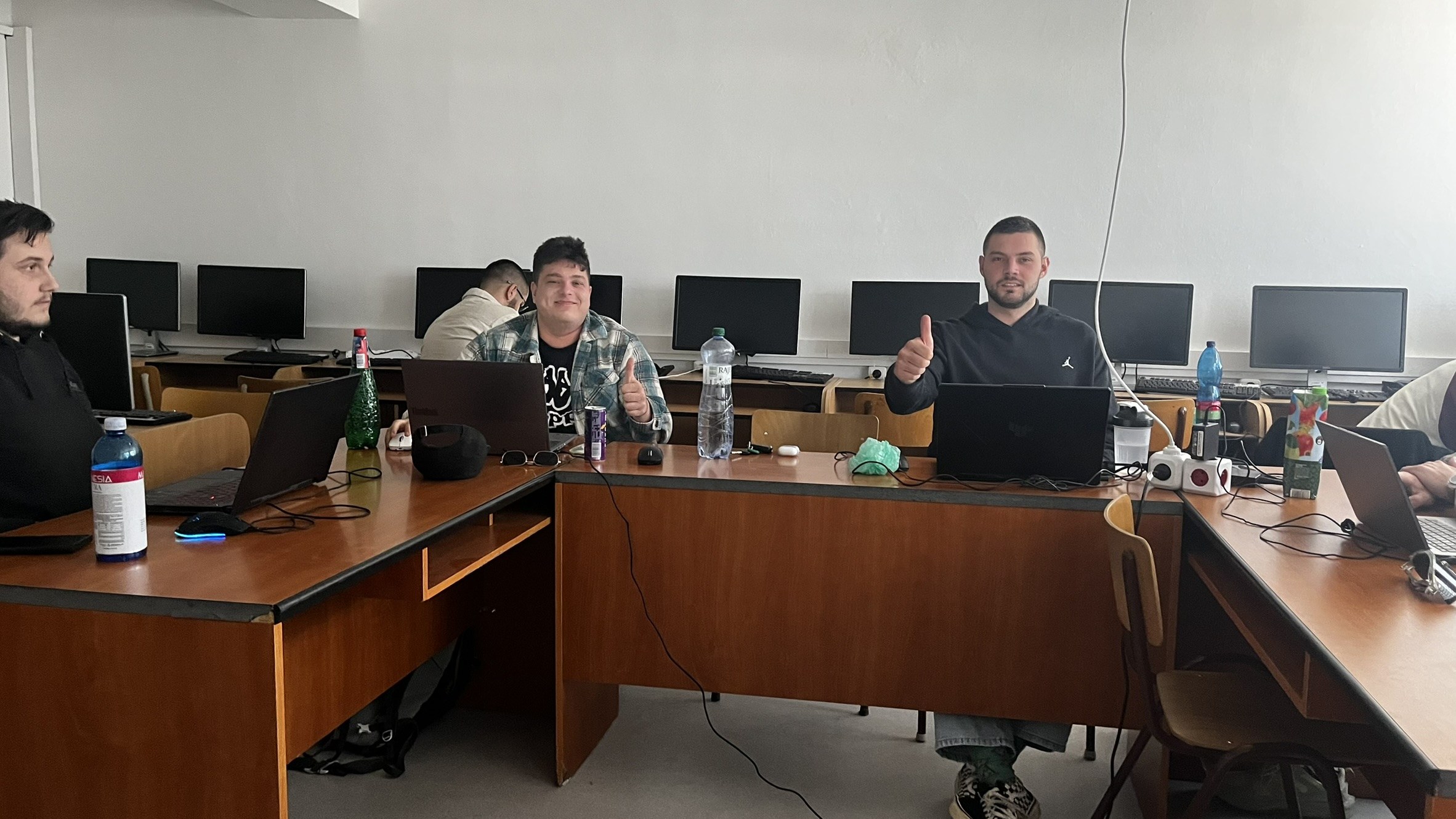
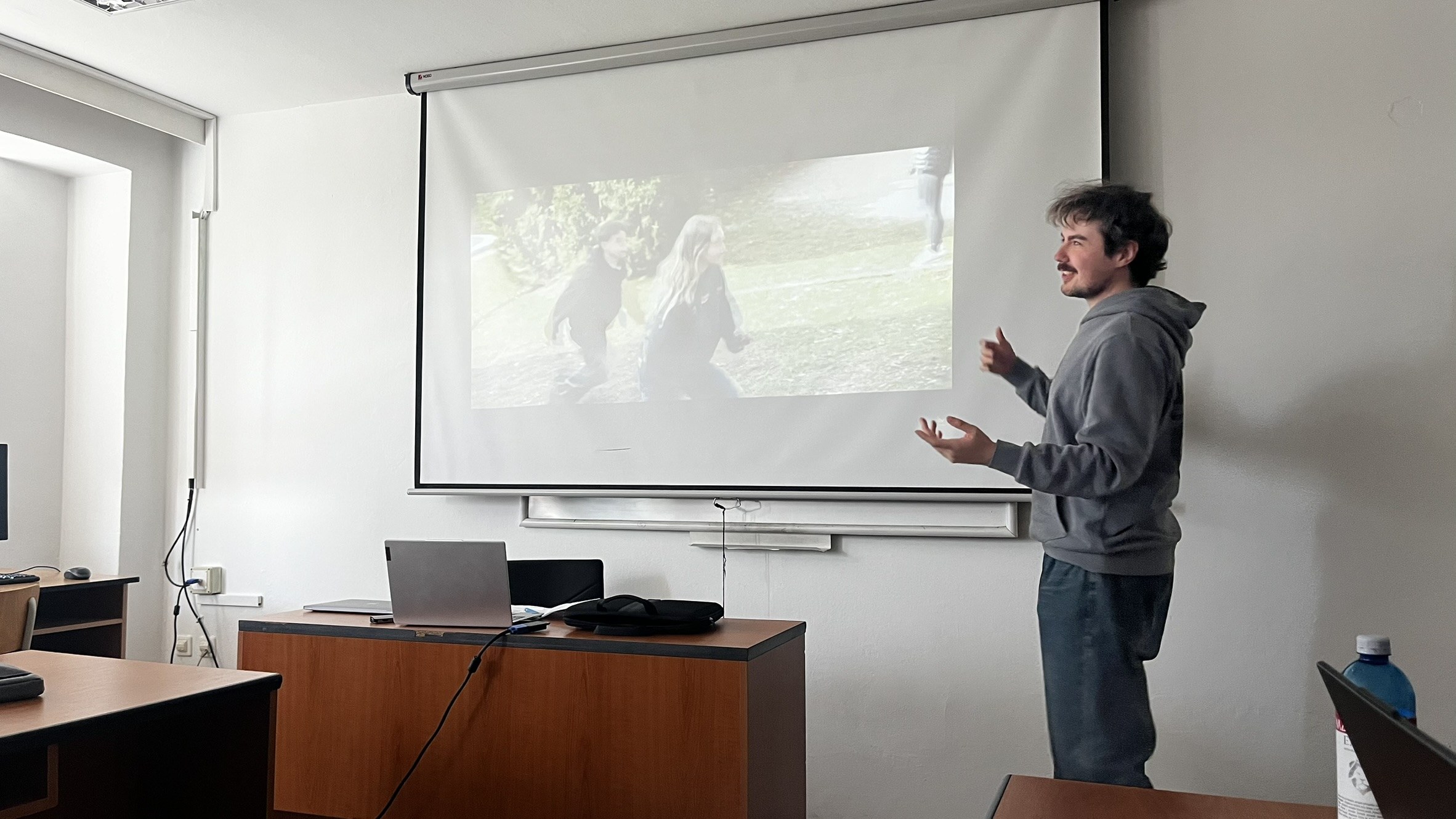
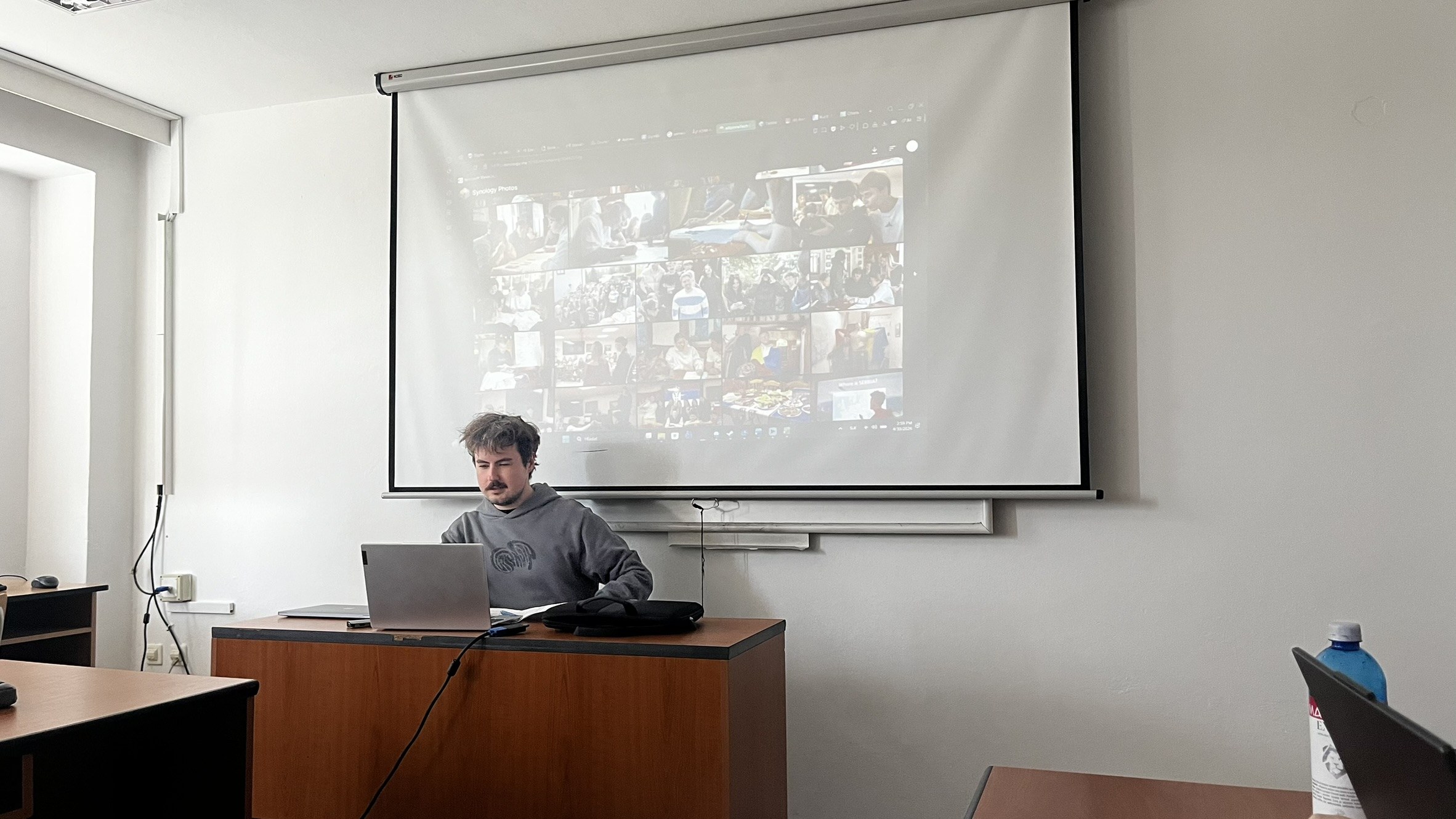
Belgrade, Serbia, May 2026
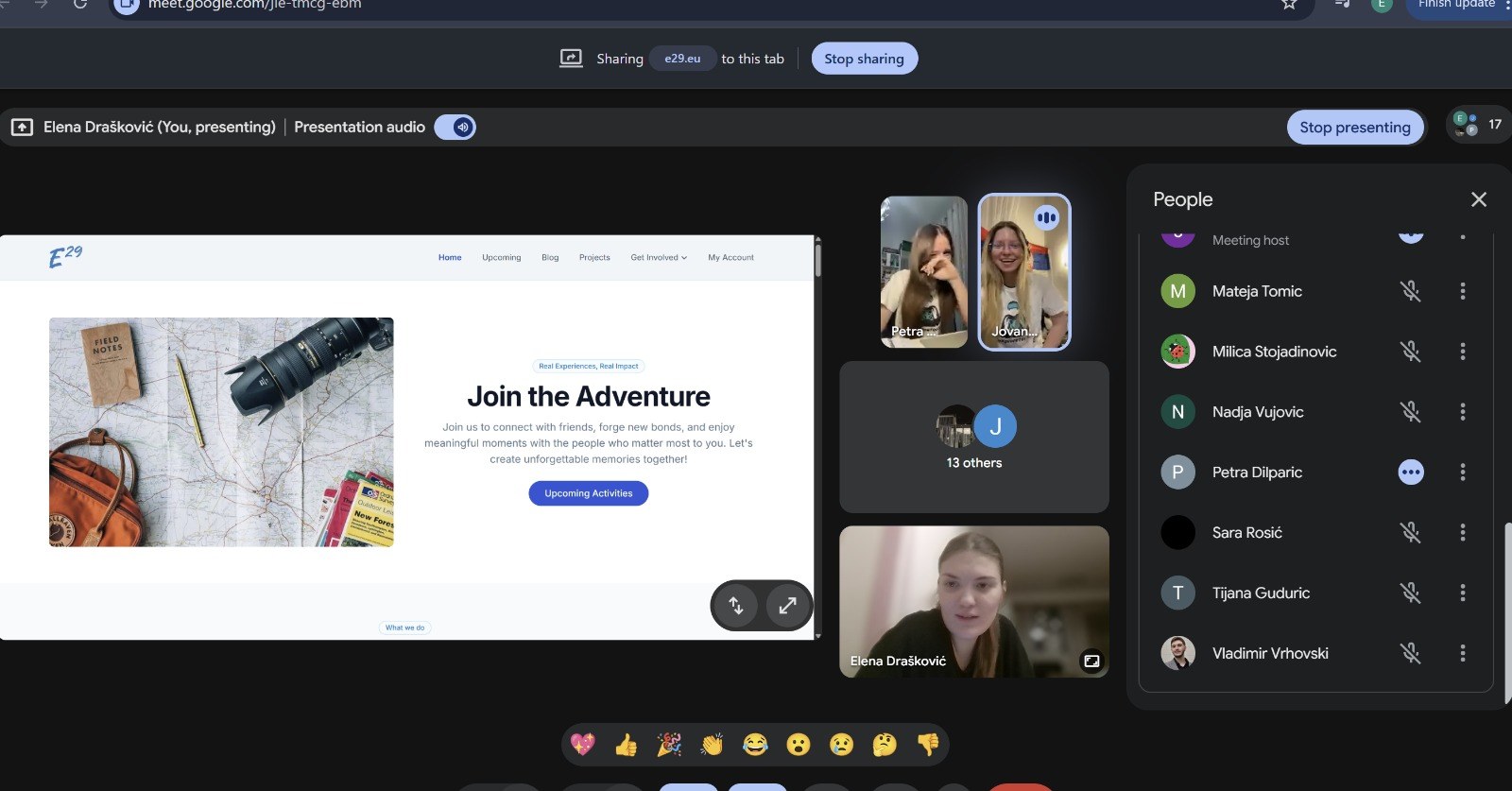
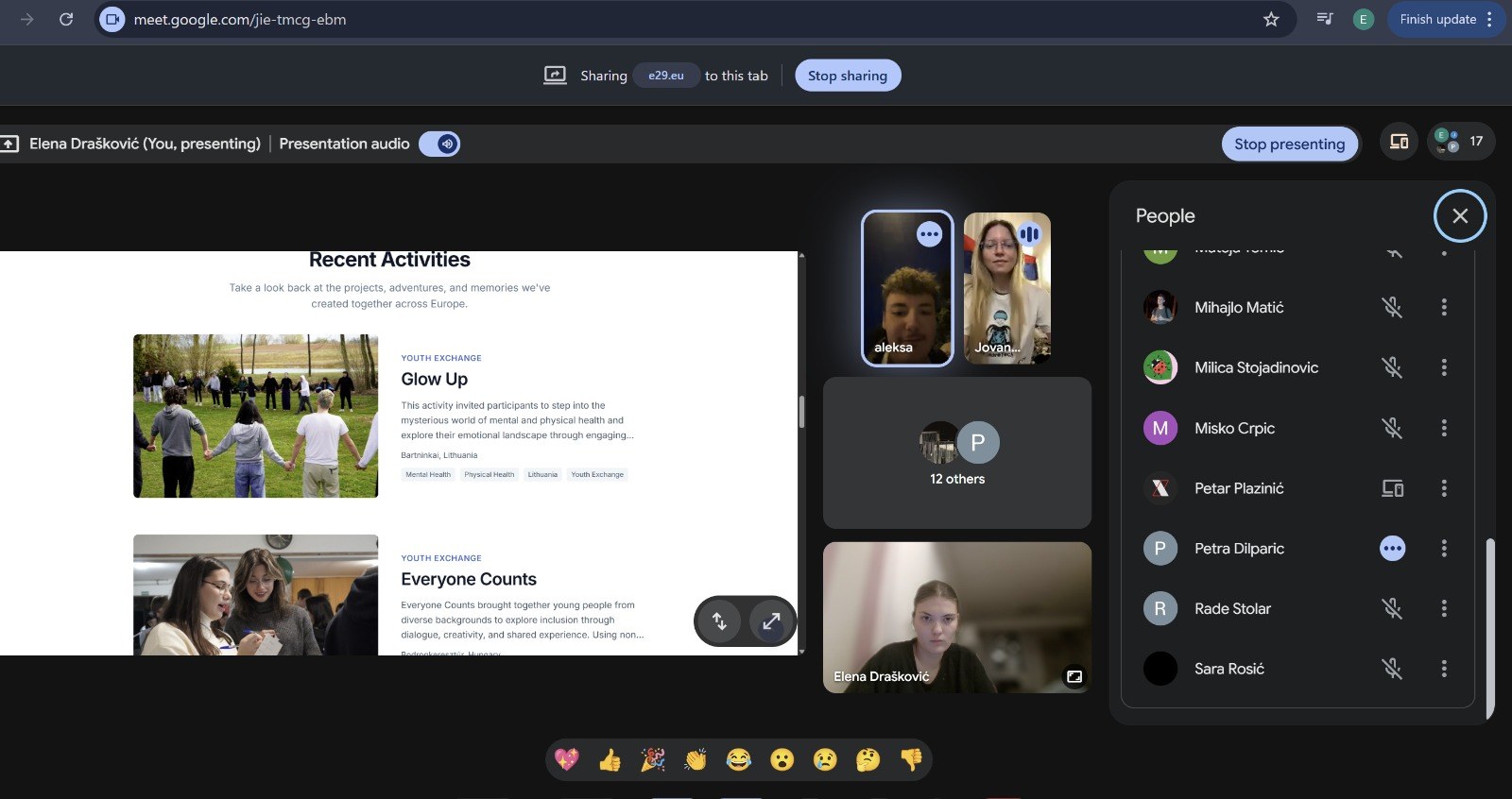
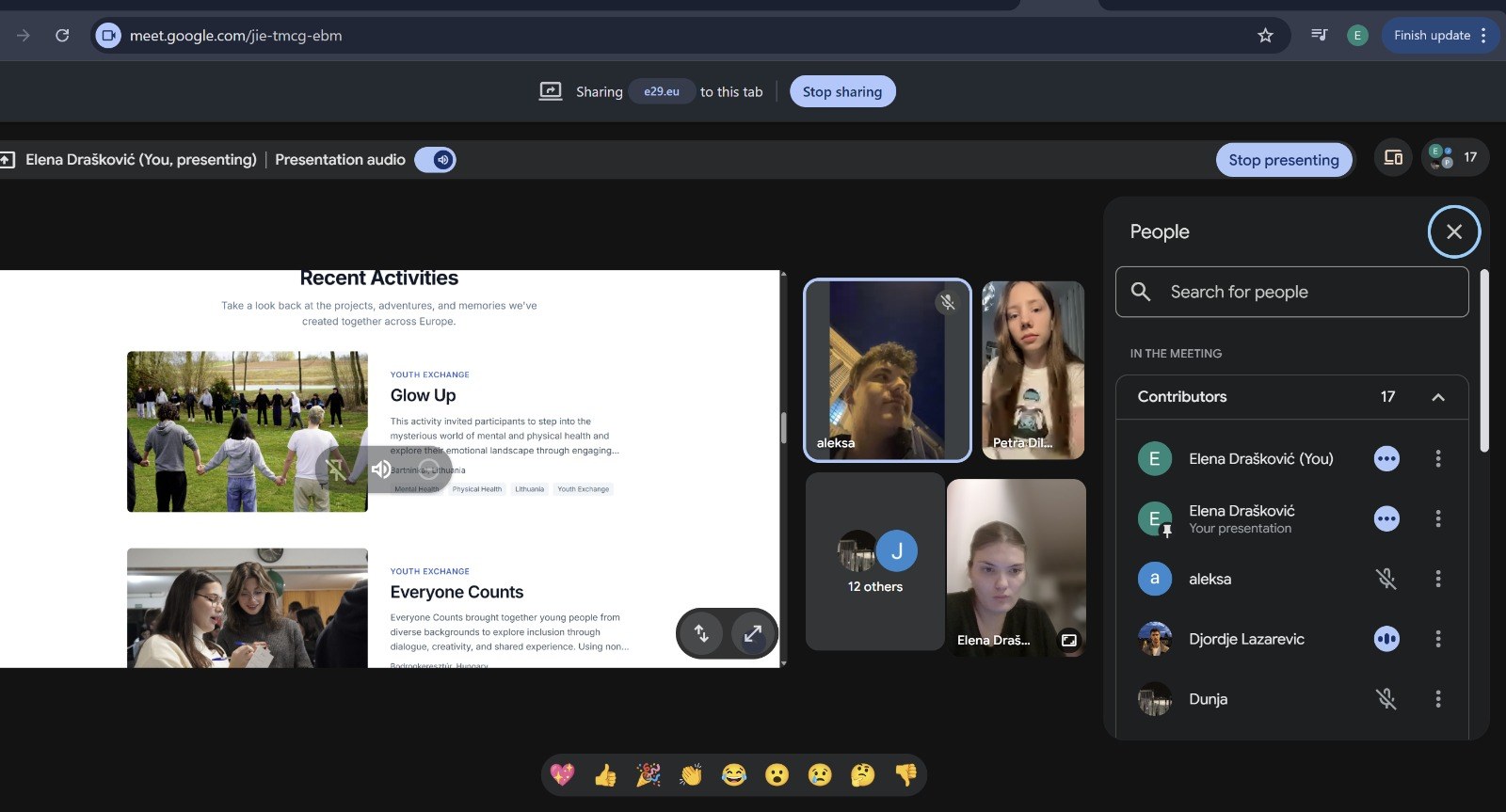
Almost the entire Serbian team gathered on Google Meet, around 30 people in total, to present the E29 website, talk about the project and their experiences, and motivate participants to apply for upcoming E29 projects.
Esztergom, Hungary, May 2026
Noel Moldován described what the group learned and what their days looked like to 15 students at the Géza Fejedelem Vocational High School in Esztergom, and explained how they can take part in E29 events.