We joined Everyone Counts with a clear aim: to spend ten days learning how inclusion holds up when it stops being a value on a wall and becomes something you do, hour by hour, alongside people you have only just met.
The youth exchange took place in Bodrogkeresztúr, a town in Hungary, and gathered young people from seven countries: Czechia, Hungary, Lithuania, Portugal, Slovakia, Romania, and Serbia. Run as part of E29’s Accreditation and co-funded by the European Union through Erasmus+, the exchange set our participants a practical challenge rather than a theoretical one: how do you build a group where every single person genuinely fits?
Learning Built Into the Doing
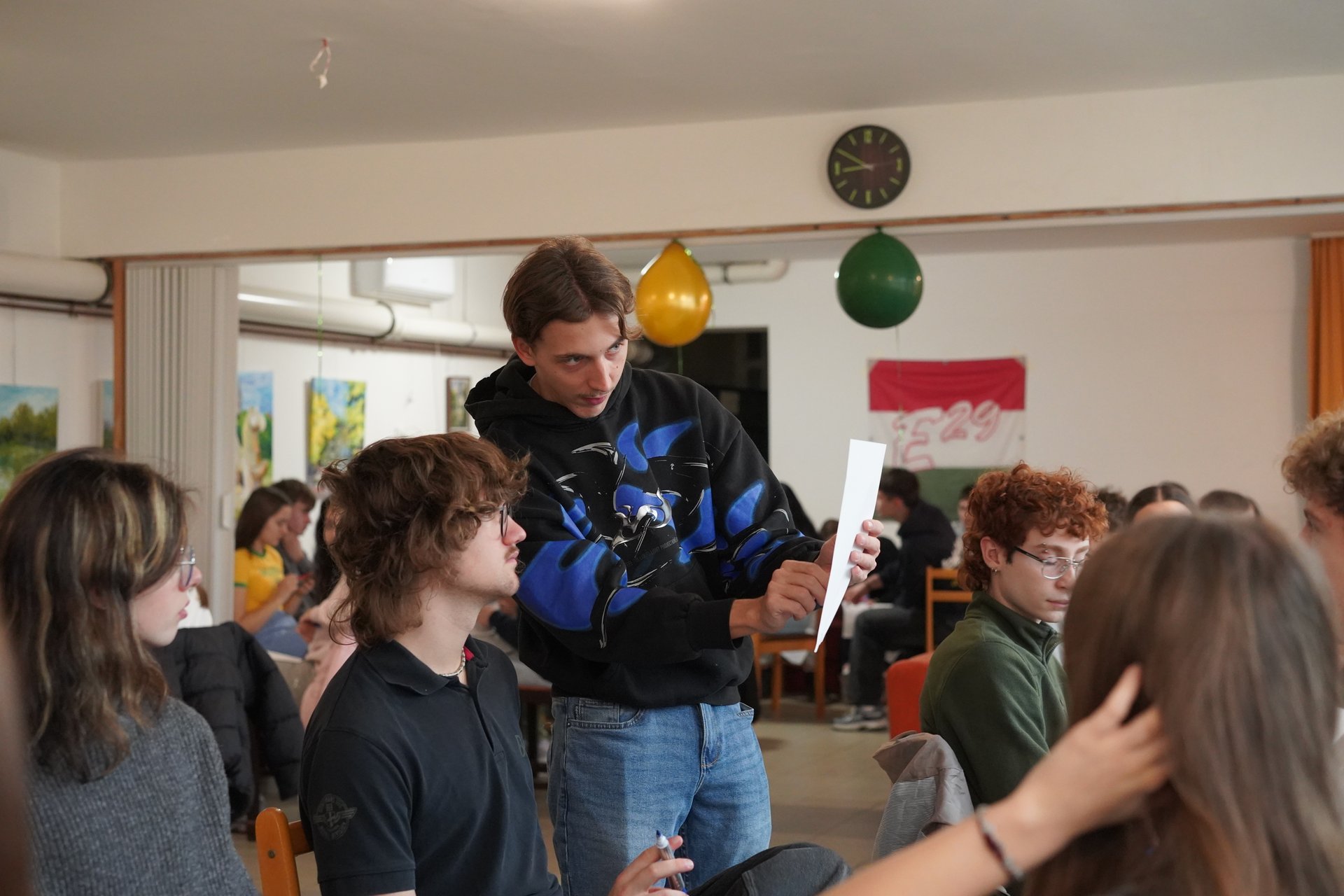
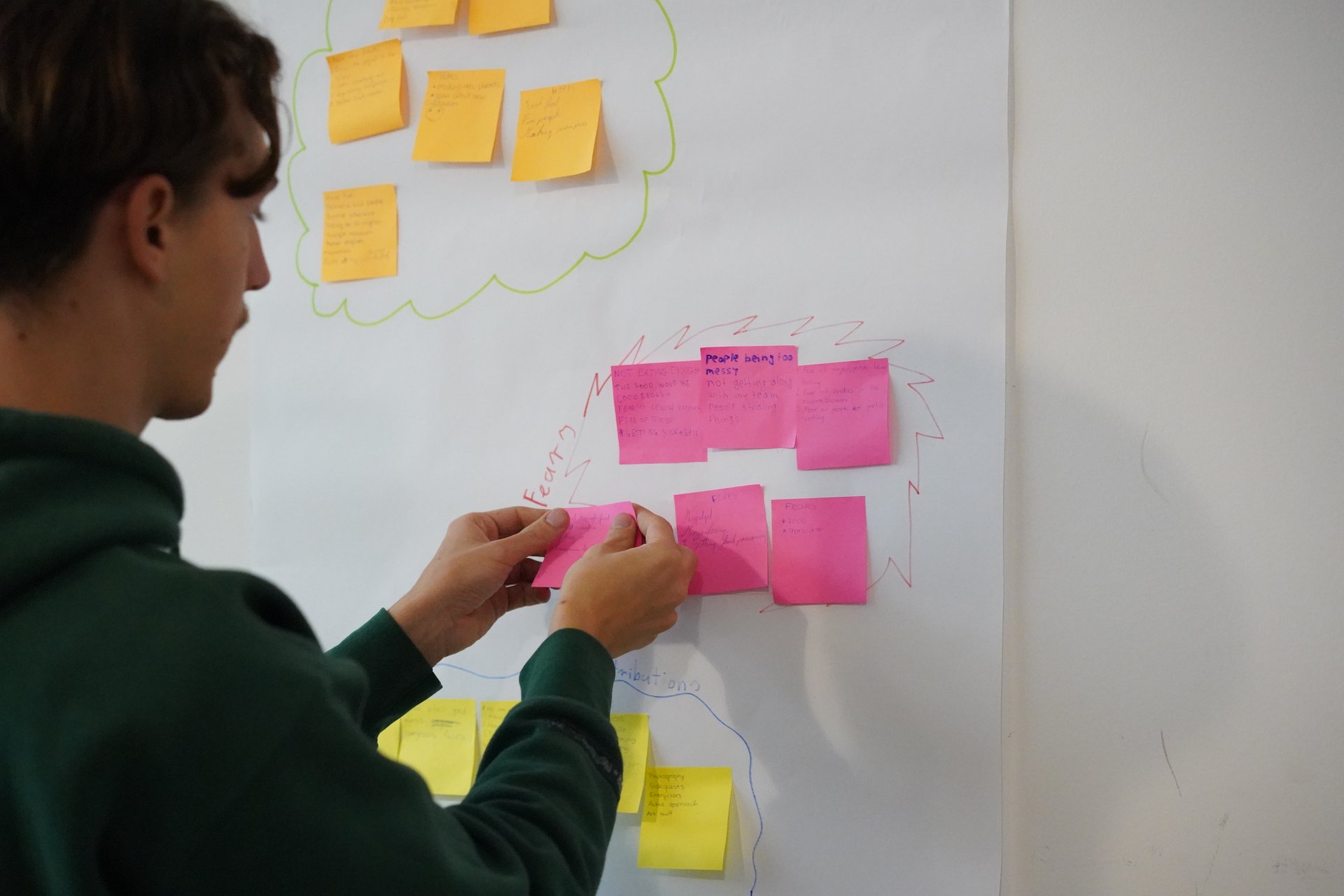
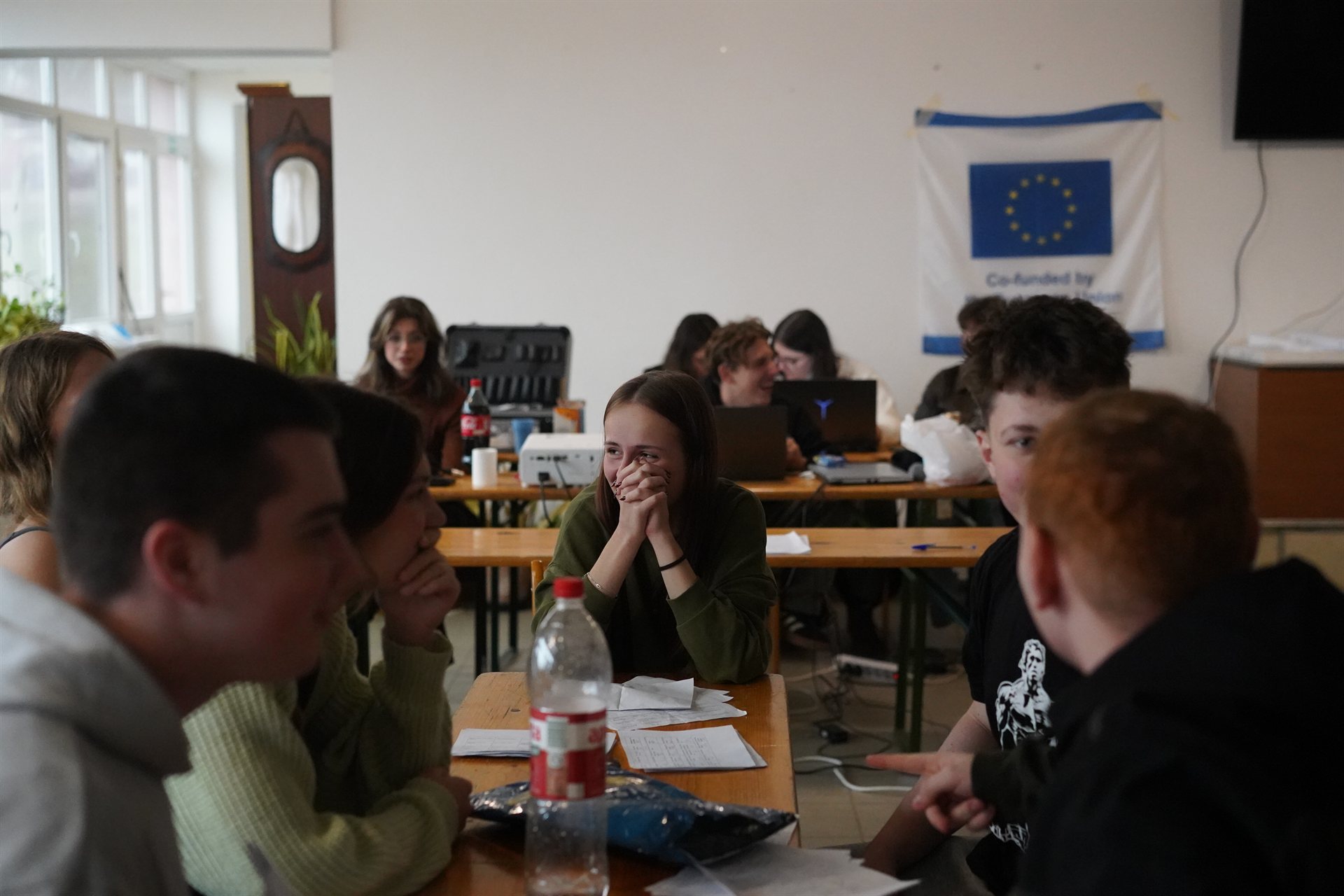
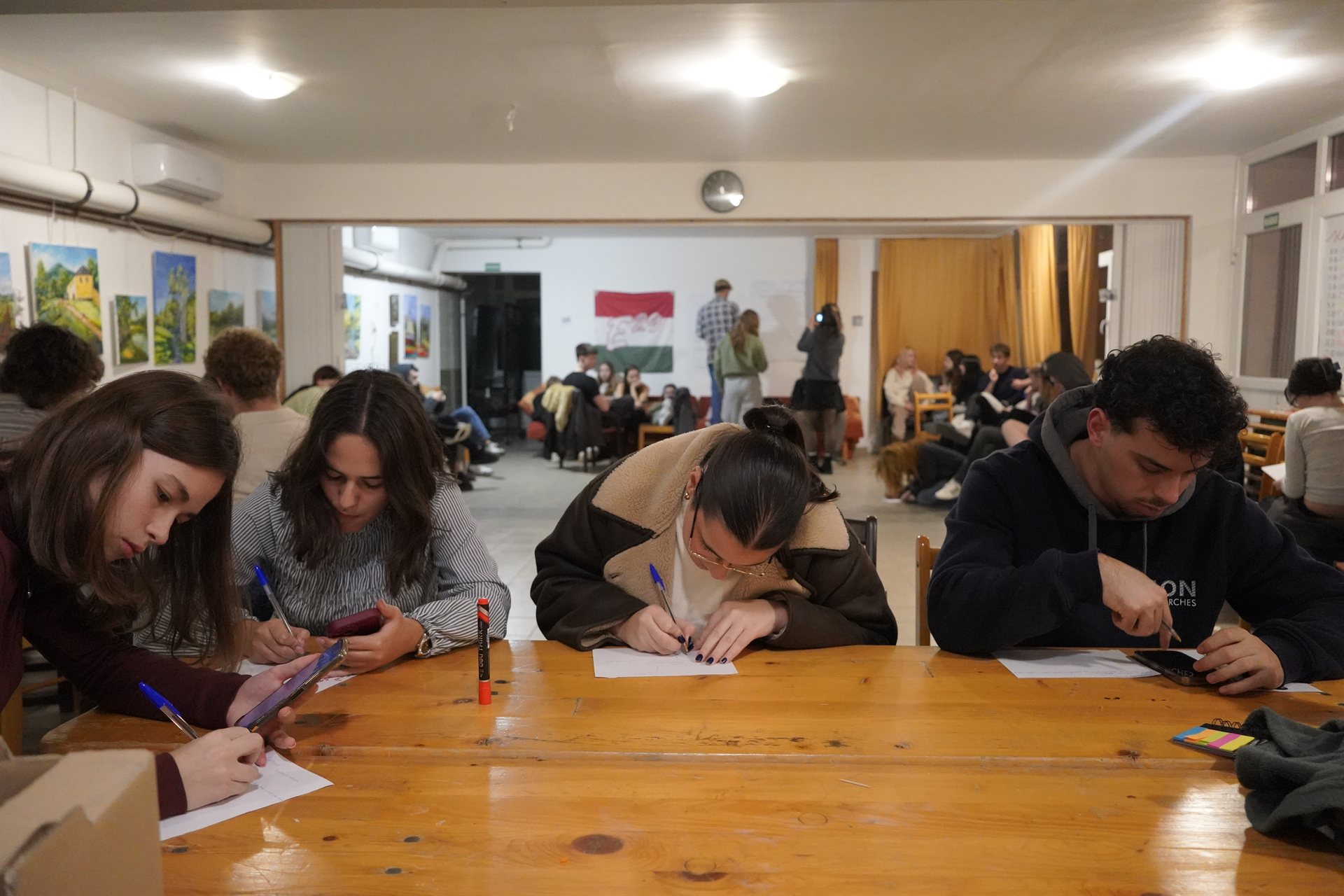
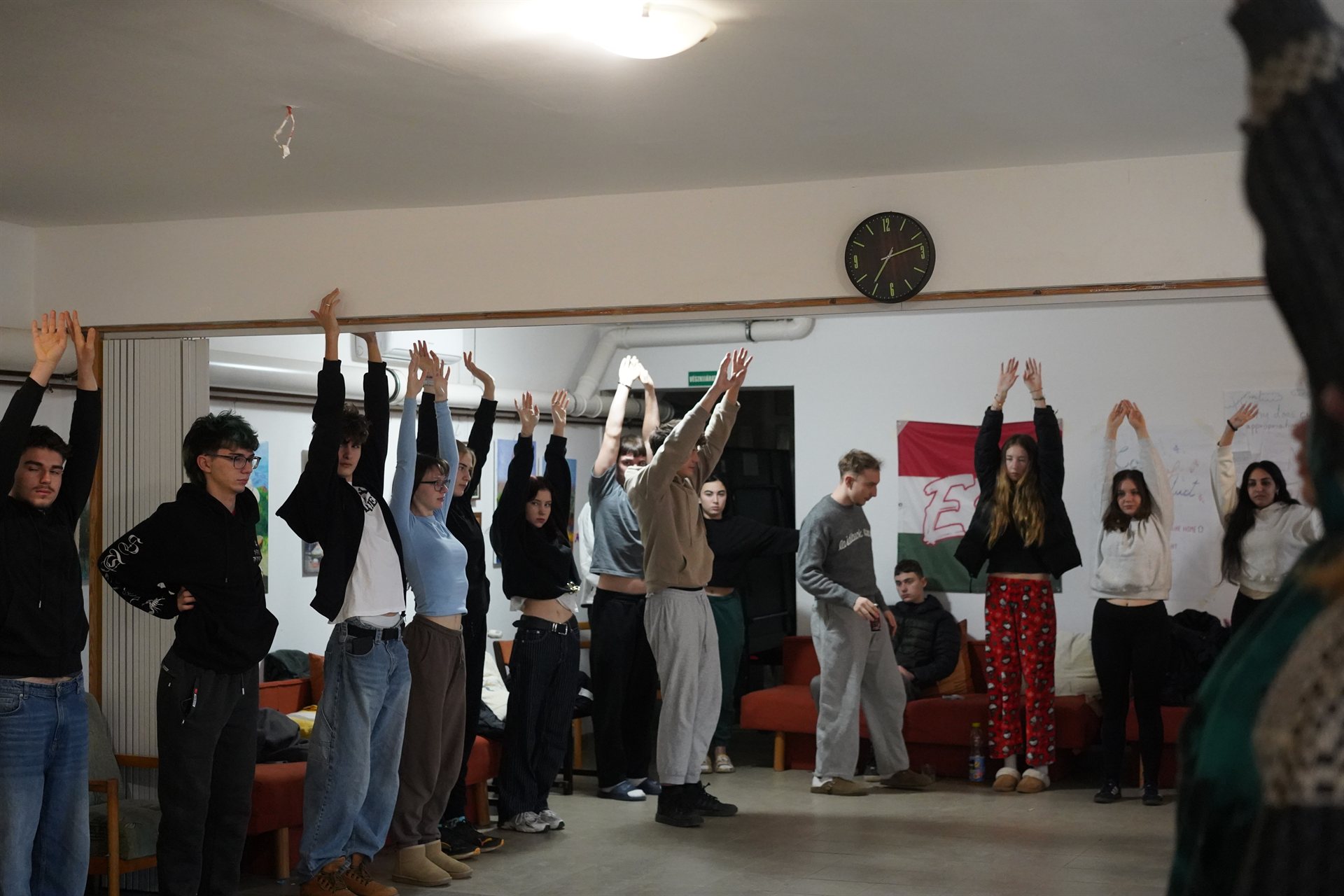
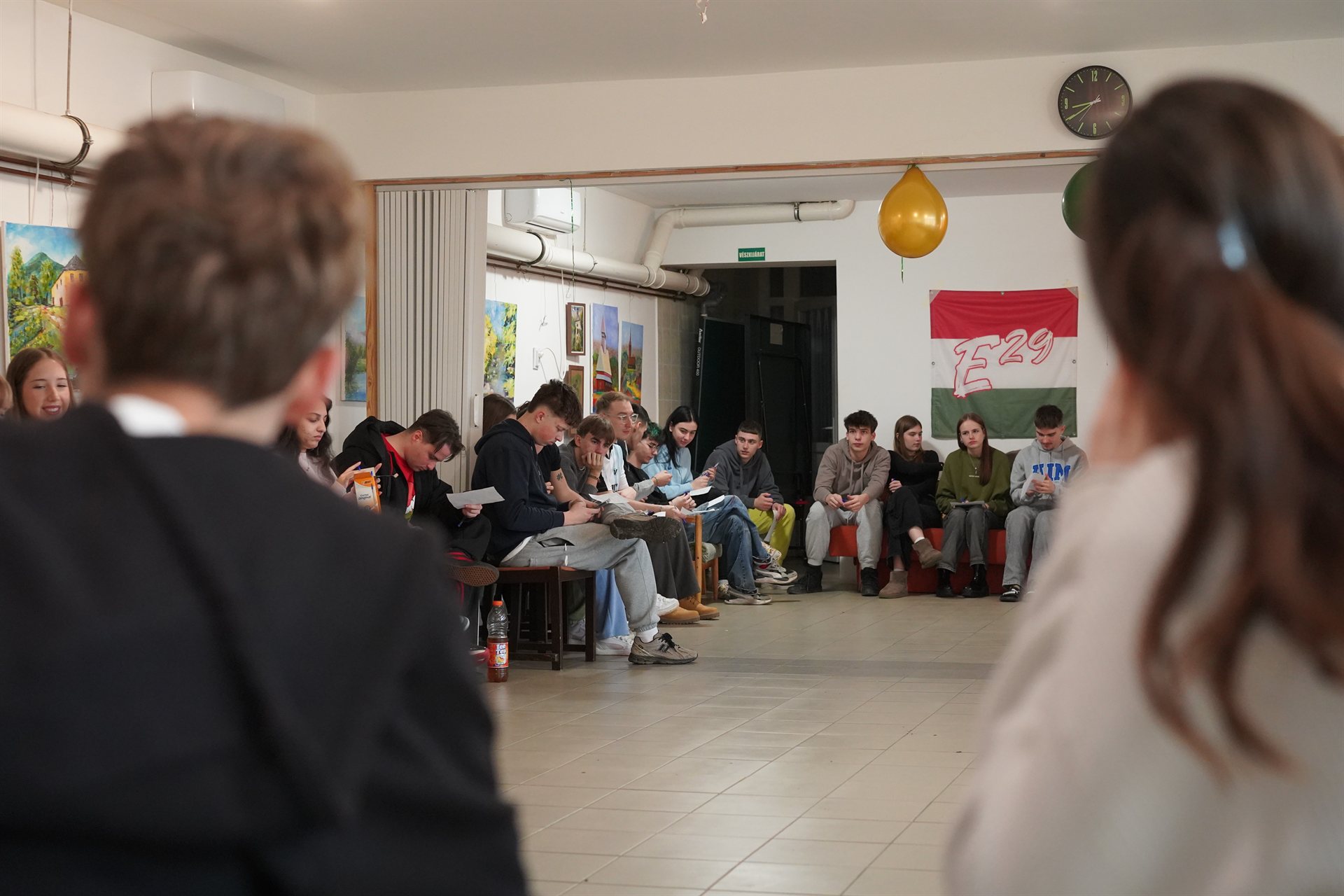
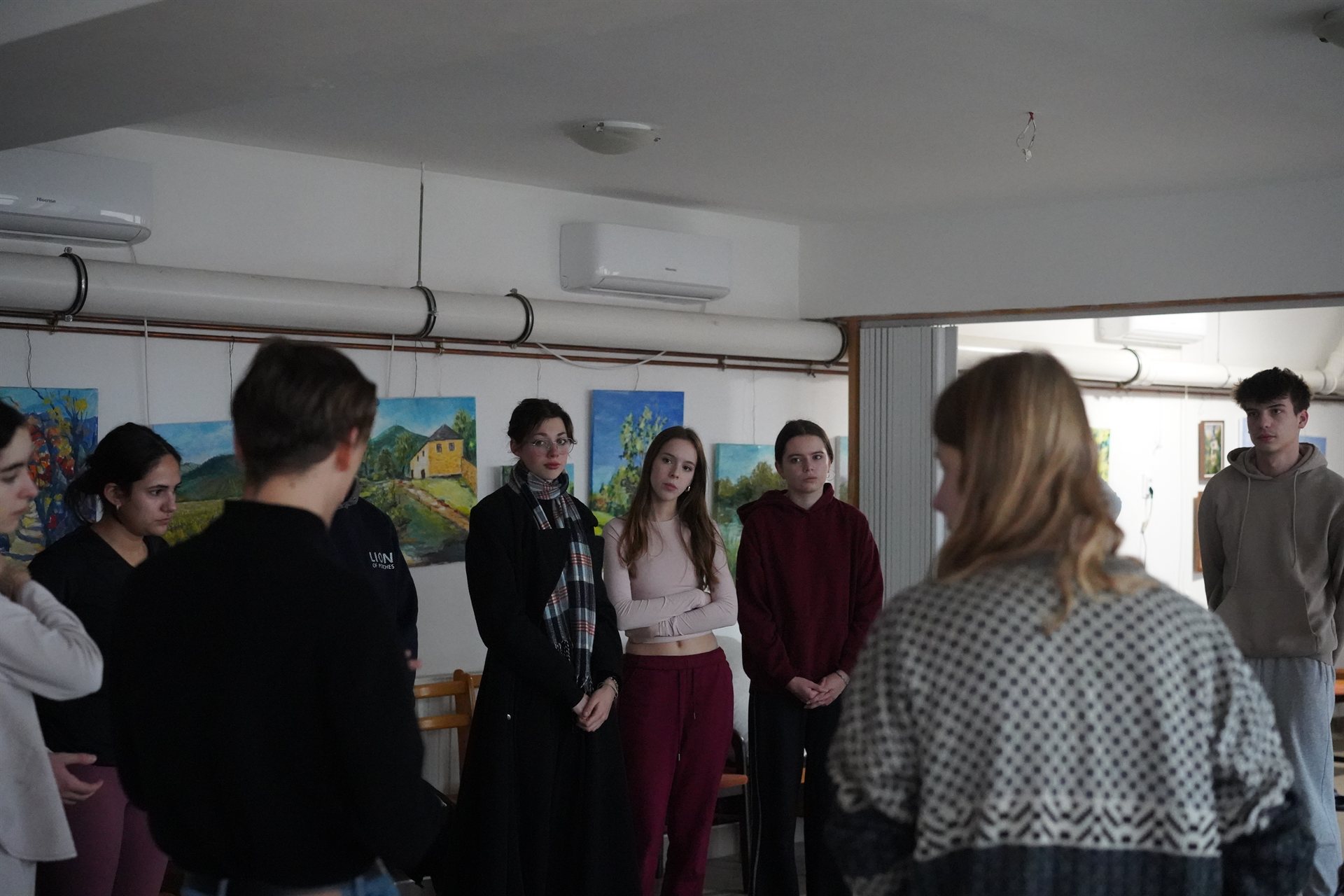
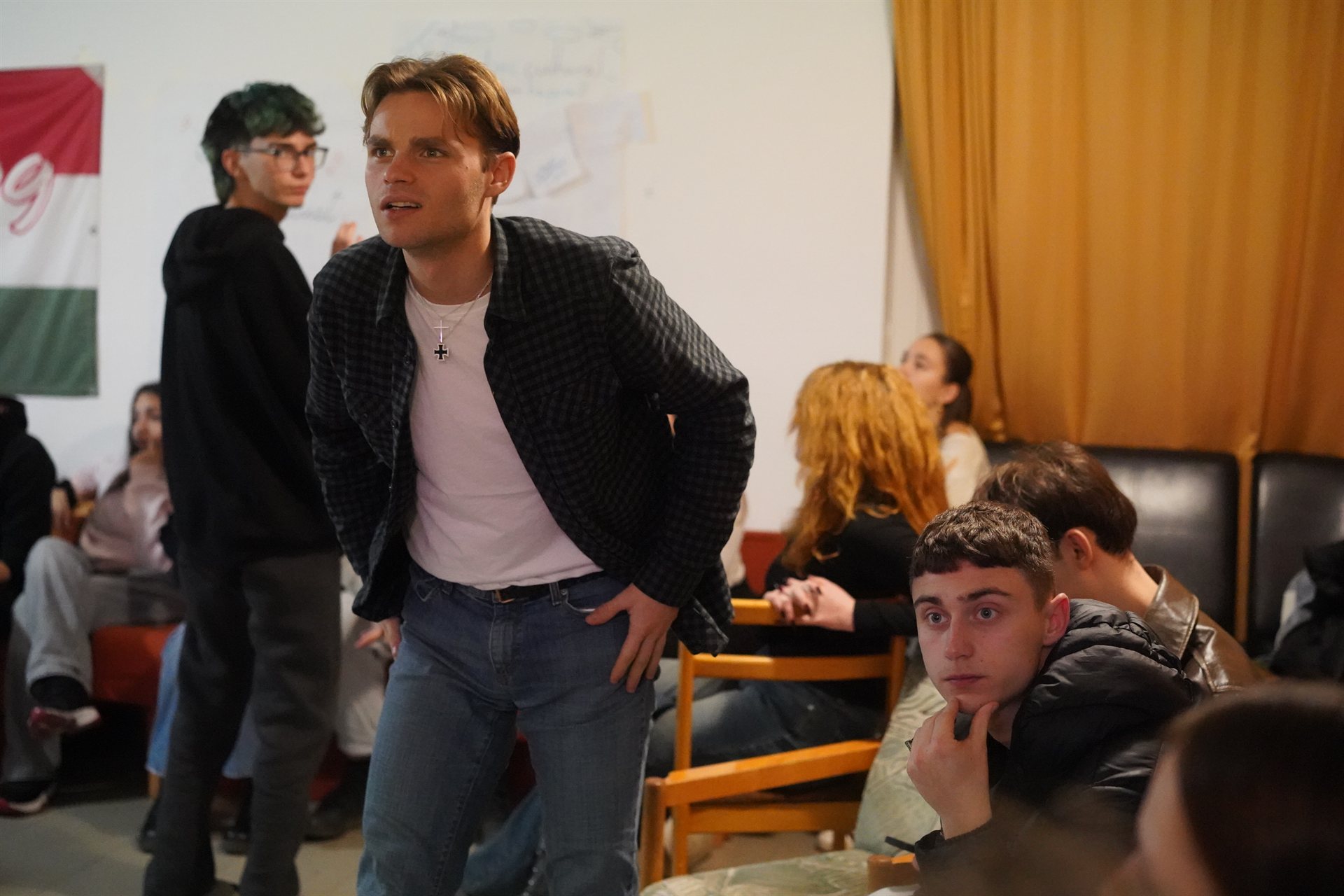
The days were shaped around action. Group challenges, role plays, creative workshops, and a reflection circle to close each evening carried the learning, in the way good non-formal education does, by letting people discover things for themselves rather than handing them the answer.
The first thing our team noticed is that a message is never just its words. Around every sentence sits a layer of signal that is easy to miss: tone, culture, the language someone thinks in, the reference that only makes sense back home. Lose that layer and half the meaning goes with it. So the group trained the harder skill underneath good communication, listening closely enough to catch what the words leave unsaid.
As the days went on, the dynamic warmed. First impressions gave way to something more direct, and participants started asking sharper questions, offering fuller answers, and speaking about their differences as comfortably as anything else in the room.
Where the Real Work Happened
A mixed international team is the ideal setting for this kind of learning, because seven backgrounds working on one task bring every quiet assumption to the surface.
When those assumptions met, the group worked through them openly, and that is where the most valuable moments of the exchange lived. The conclusion our participants brought home was concrete and genuinely useful: an inclusive group is one that moves through its differences together, with patience, keeping everyone in the same conversation. The methods were satisfyingly practical, rephrase a point, leave a pause, pass the floor to the next voice.
A Shared Language Made of Images
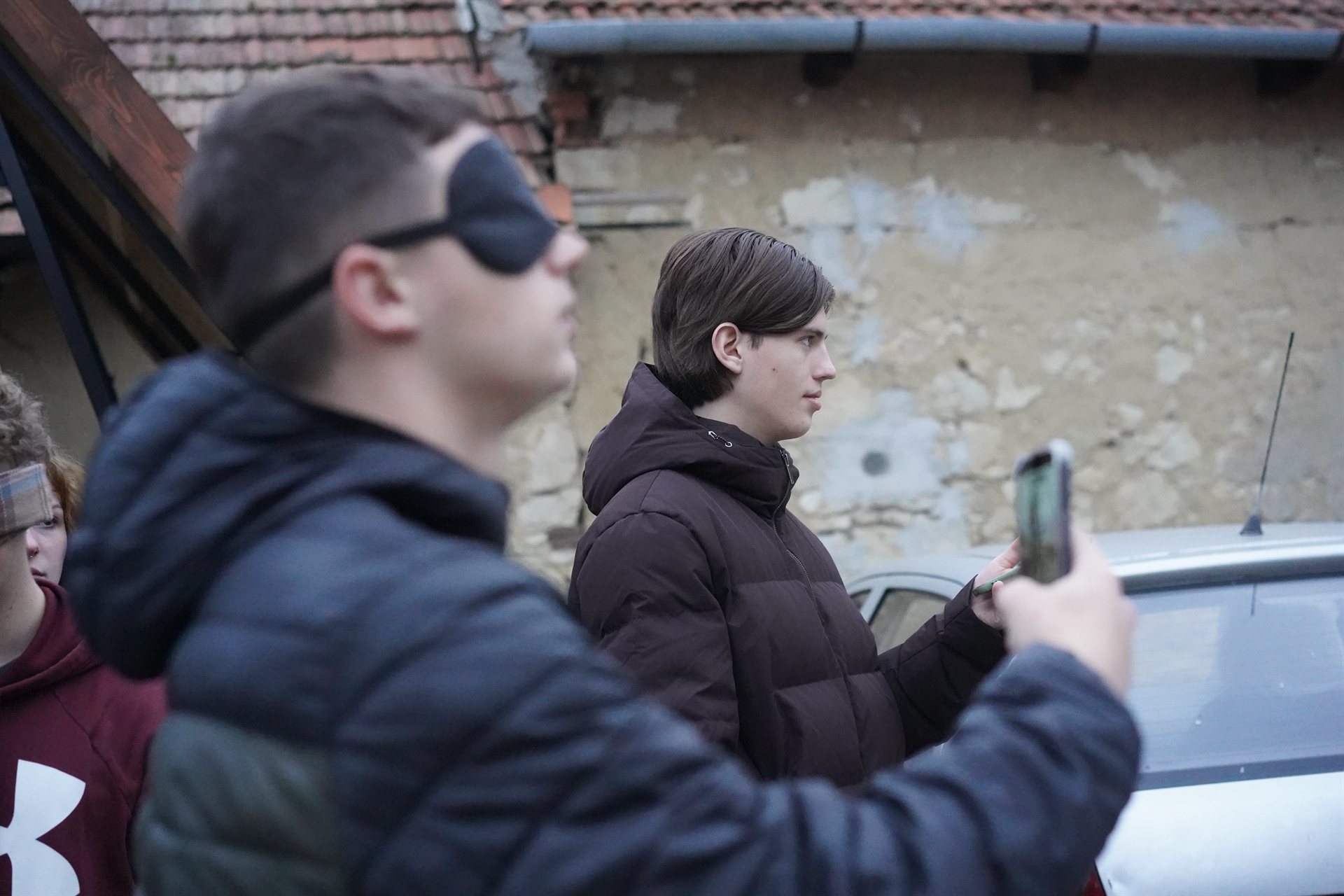
With seven part-shared languages in one room, words eventually reached their limit. The group answered by switching channels, into short videos, drawings, visual storytelling, and small performances. An image carried cleanly where a sentence stalled.
Creativity became the one language everyone handled with ease, and it doubled as the exchange’s memory. The photos, films, and presentations the participants made still hold the curiosity and the cooperation behind them, rather than a flat record of what the timetable said.
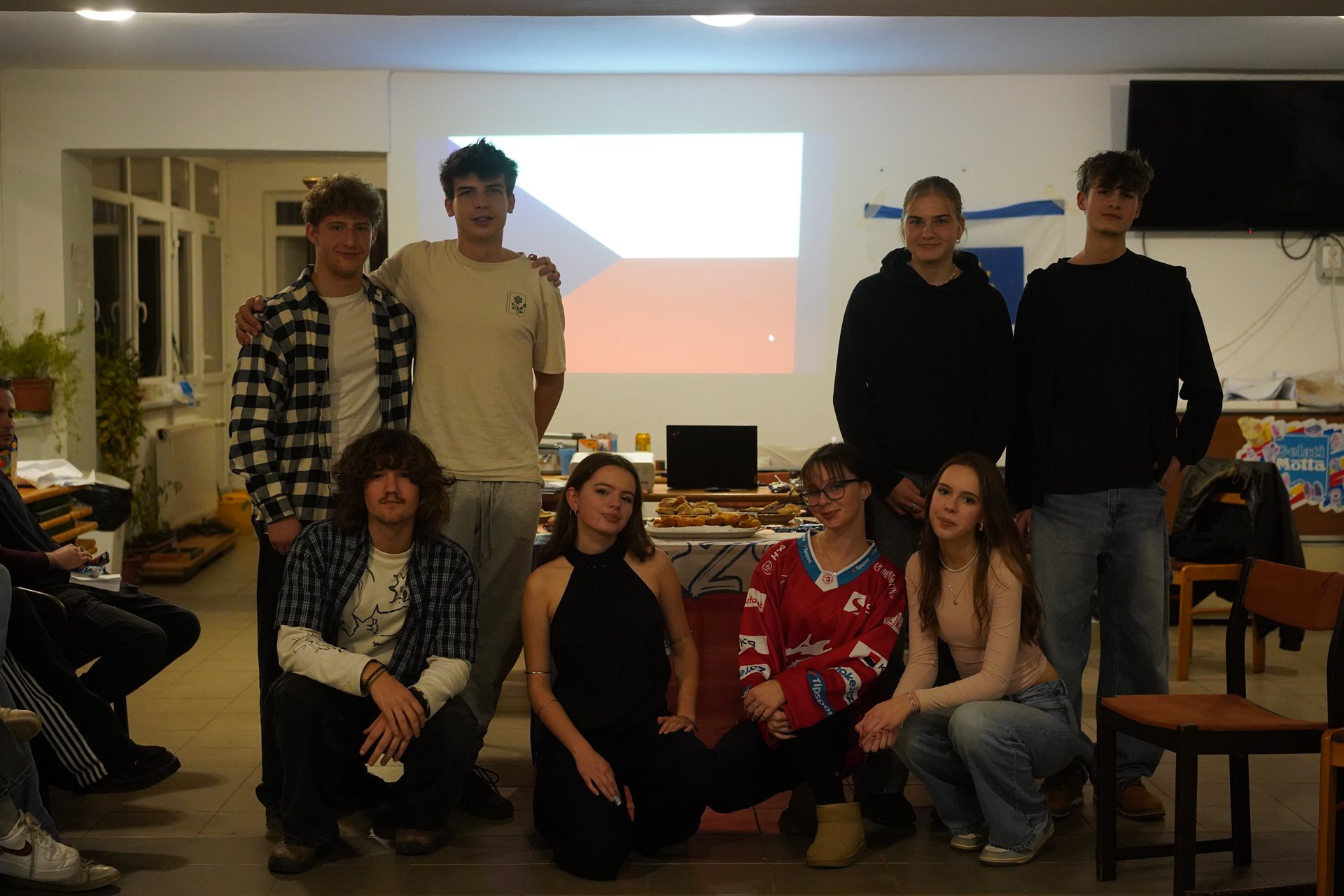
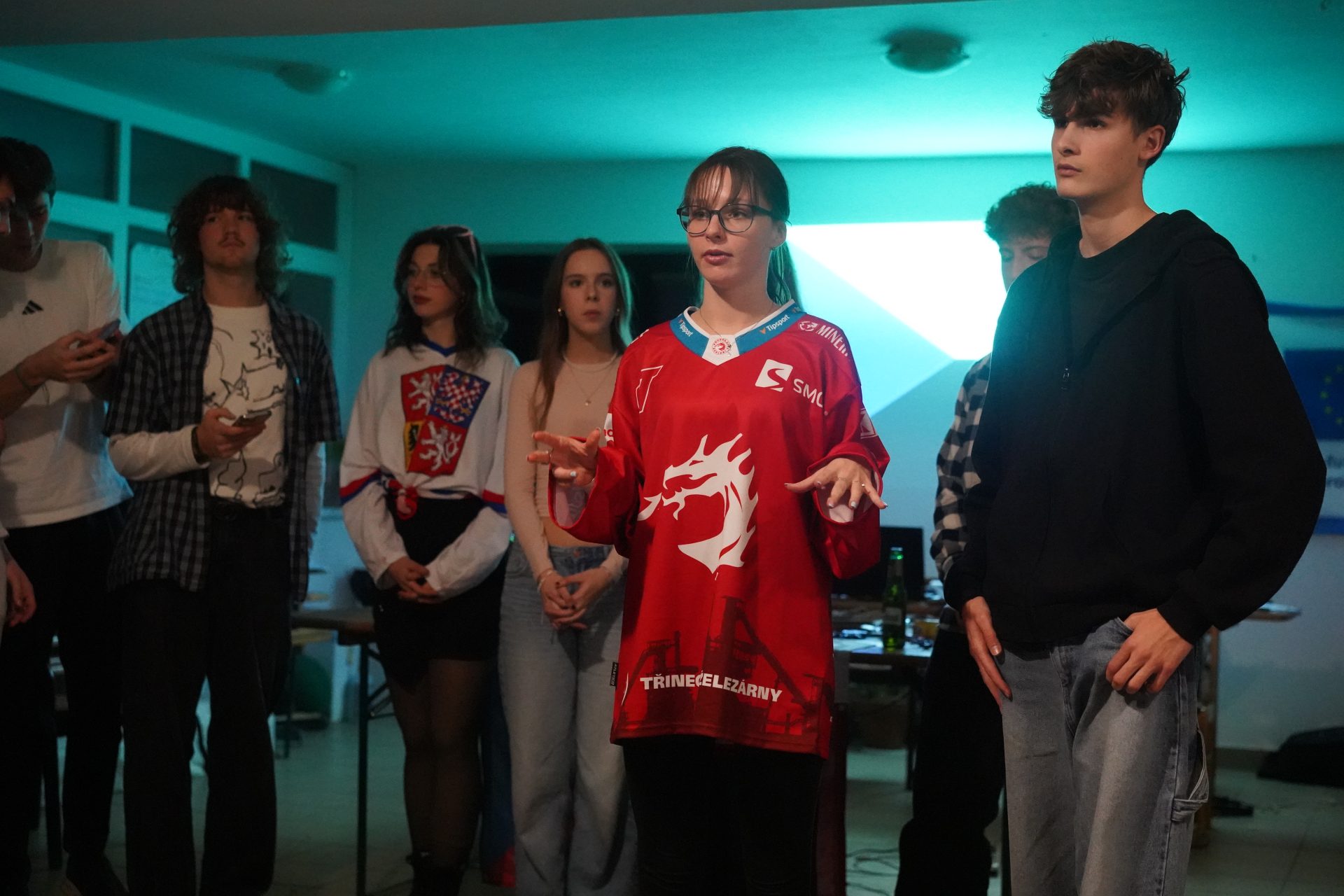
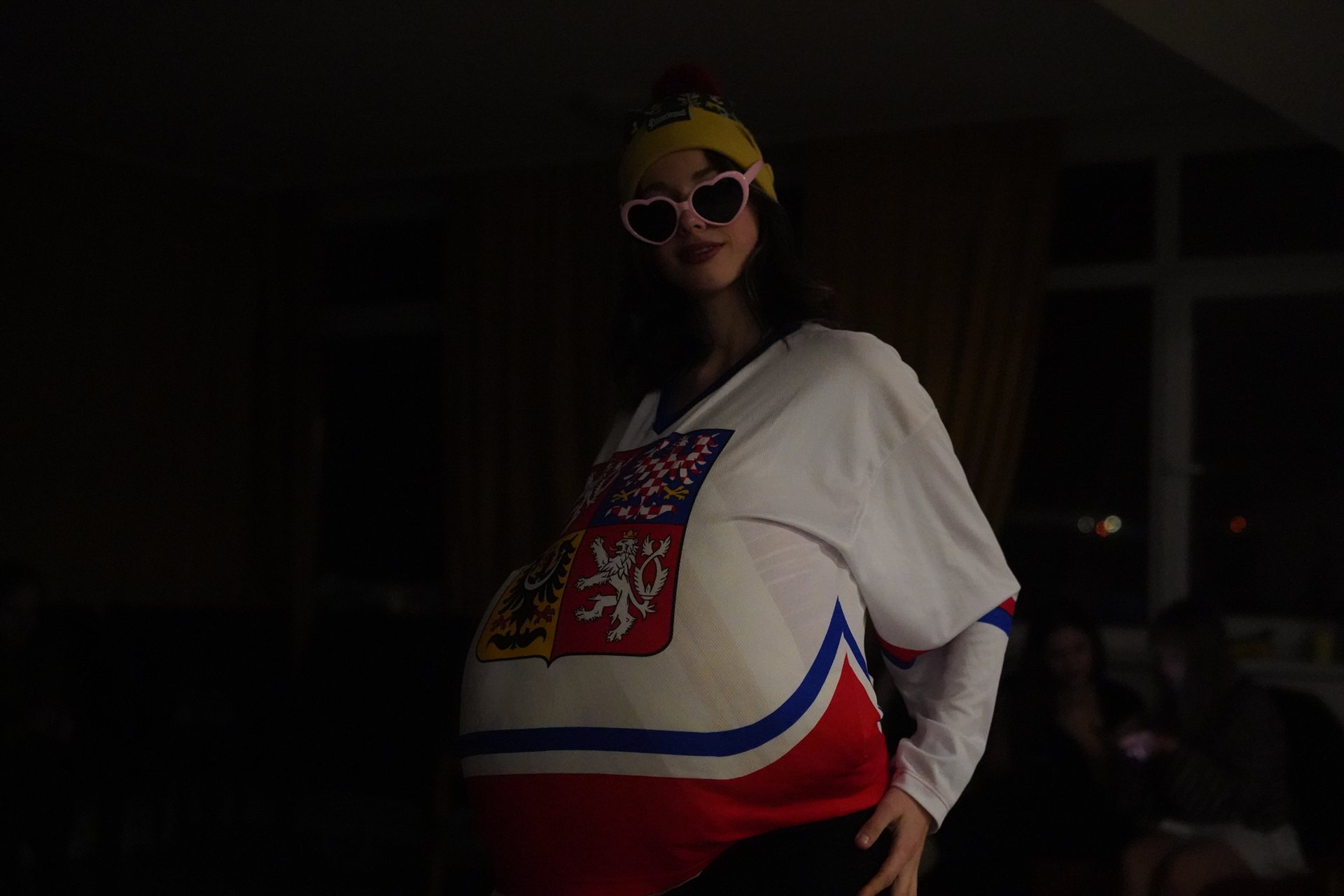
The cultural nights turned identity into something you could wear and taste. On the Czech evening, our team took over the room: hockey jerseys with the national coat of arms front and centre, a table of food from home, and the Czech flag lit up on the wall behind them. No translation needed, just an invitation to come and try.
What Our Participants Can Now Do
Our group came back able to read a conversation more carefully, adapt how they communicate across cultures, work through disagreement without losing the thread, and help a diverse group pull together. These are skills that keep paying off long after a youth exchange ends, in study, in work, and in everyday life across Czechia.
That is the quiet case for an exchange like this one. Ten days in a room of seven nationalities can teach a young person something a classroom rarely reaches, and watching that happen is why we keep saying yes to it. Inclusion, in the end, proved to be less a principle to agree with than a habit built in the ordinary moments between people.
Photo Gallery
A few more moments from this activity :)
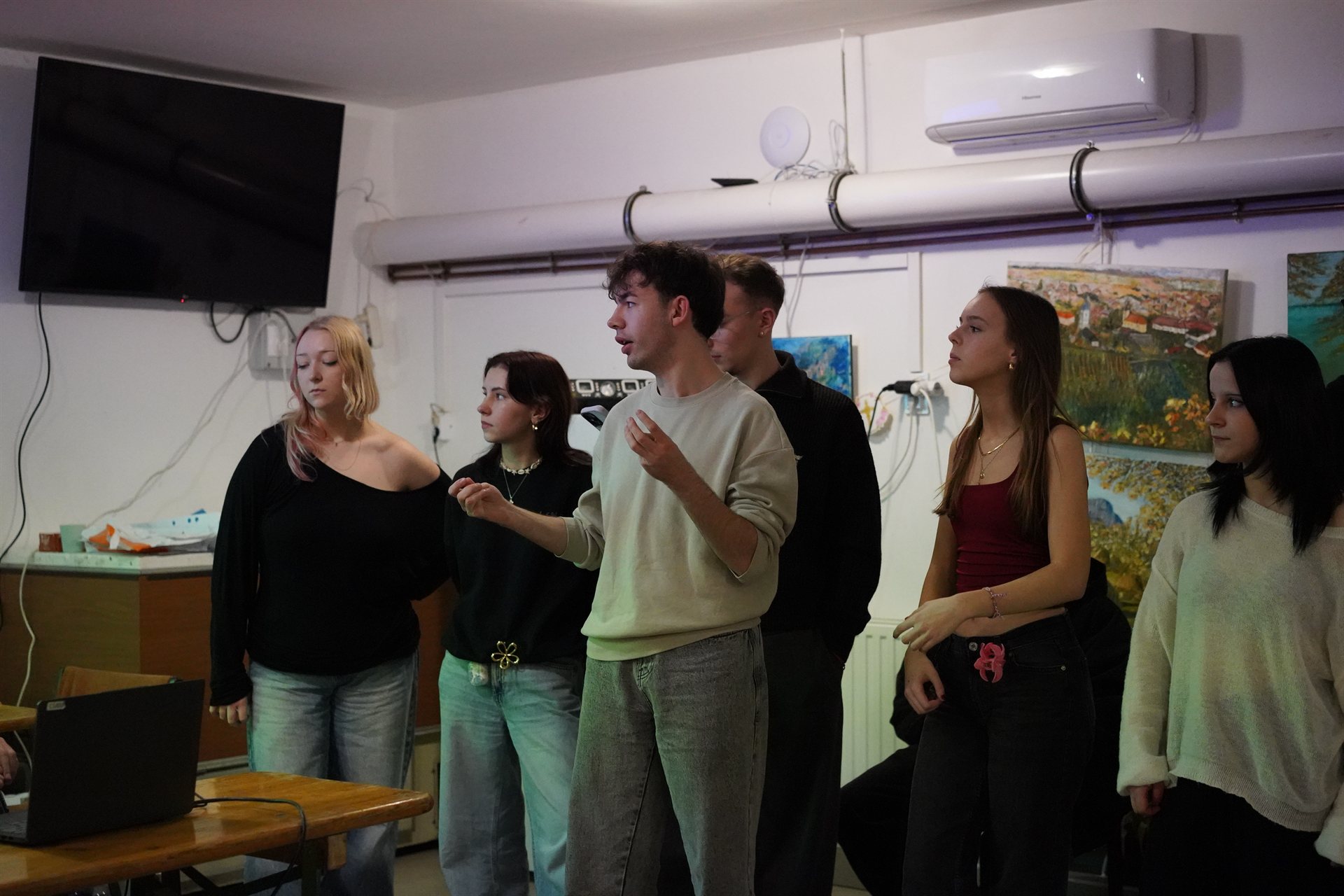
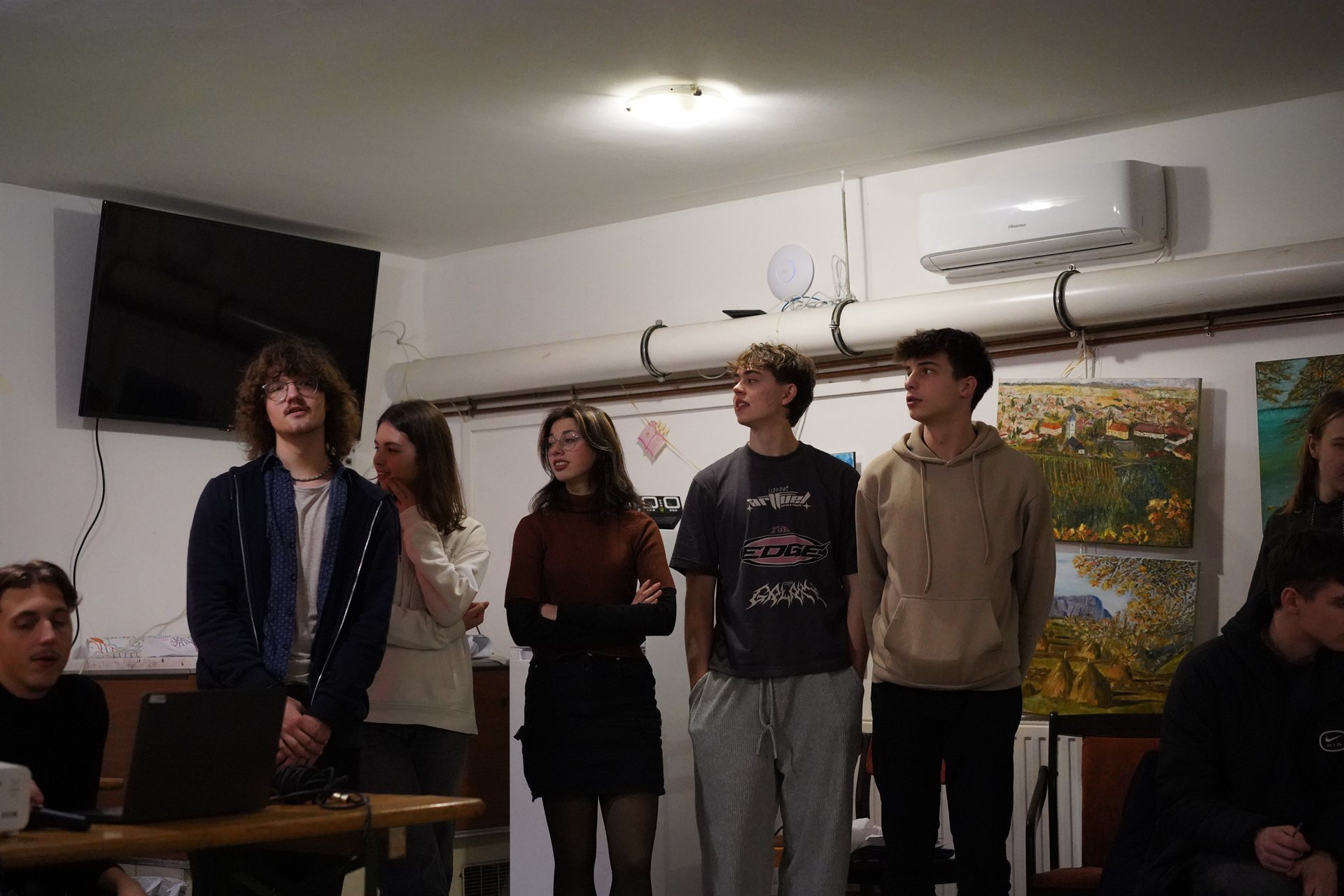
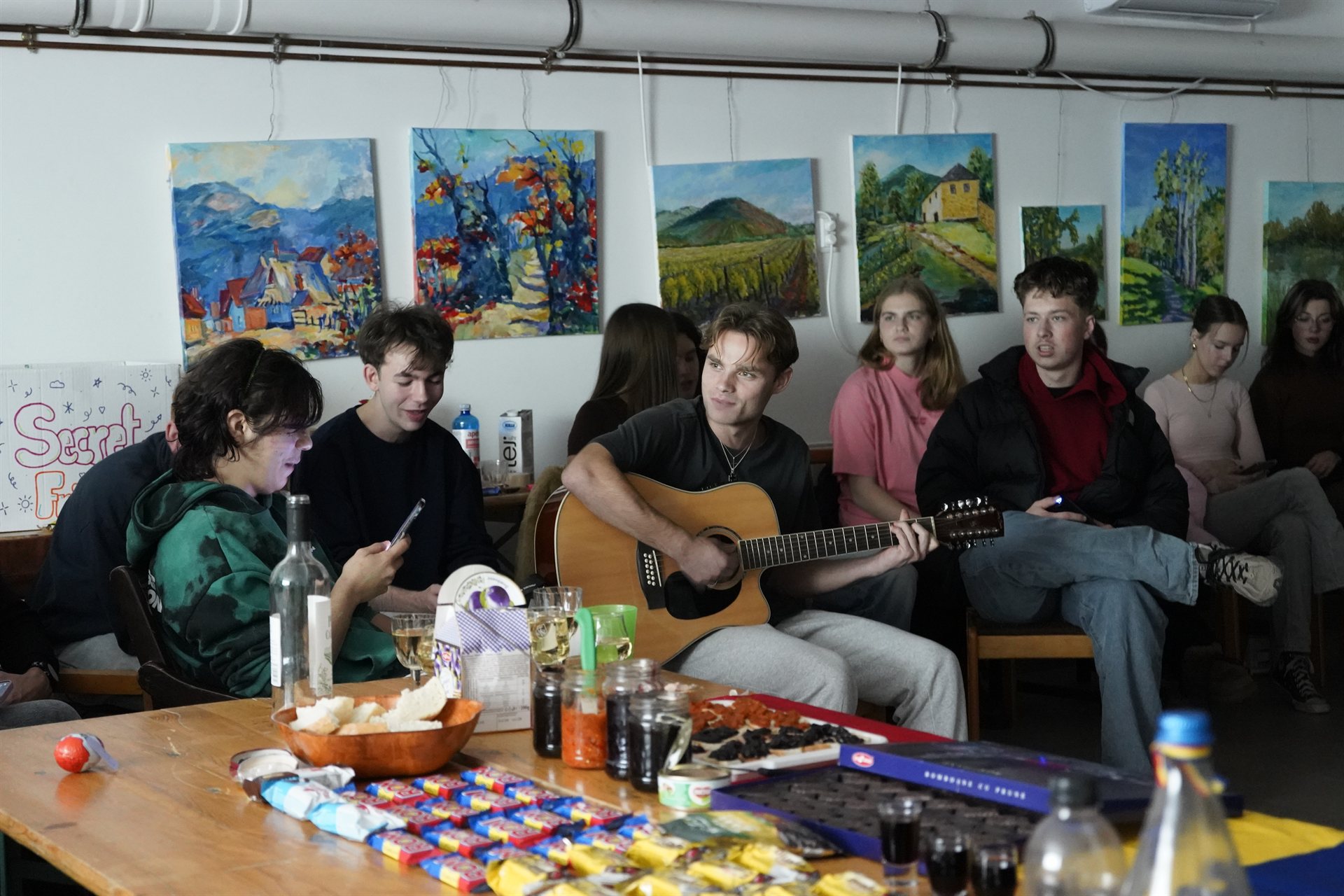
Check these and more photos in the activity’s photo album.