We coordinated Blooming Connections as a ten-day youth exchange in Bodrogkeresztúr, a quiet village in Hungary’s Tokaj hills, and brought together fifty-four young people from seven countries: Czechia, Hungary, Portugal, Serbia, Romania, Slovakia, and Lithuania. The theme was well-being, and from the first evening the focus narrowed to its social side: the connections, support, and everyday empathy that shape how healthy we actually feel.
Our team ran the activity around a simple idea. Well-being is easier to understand when you build it together than when you read about it, so the programme leaned on non-formal methods throughout: group challenges, role-play, drawing, debate, and reflection.
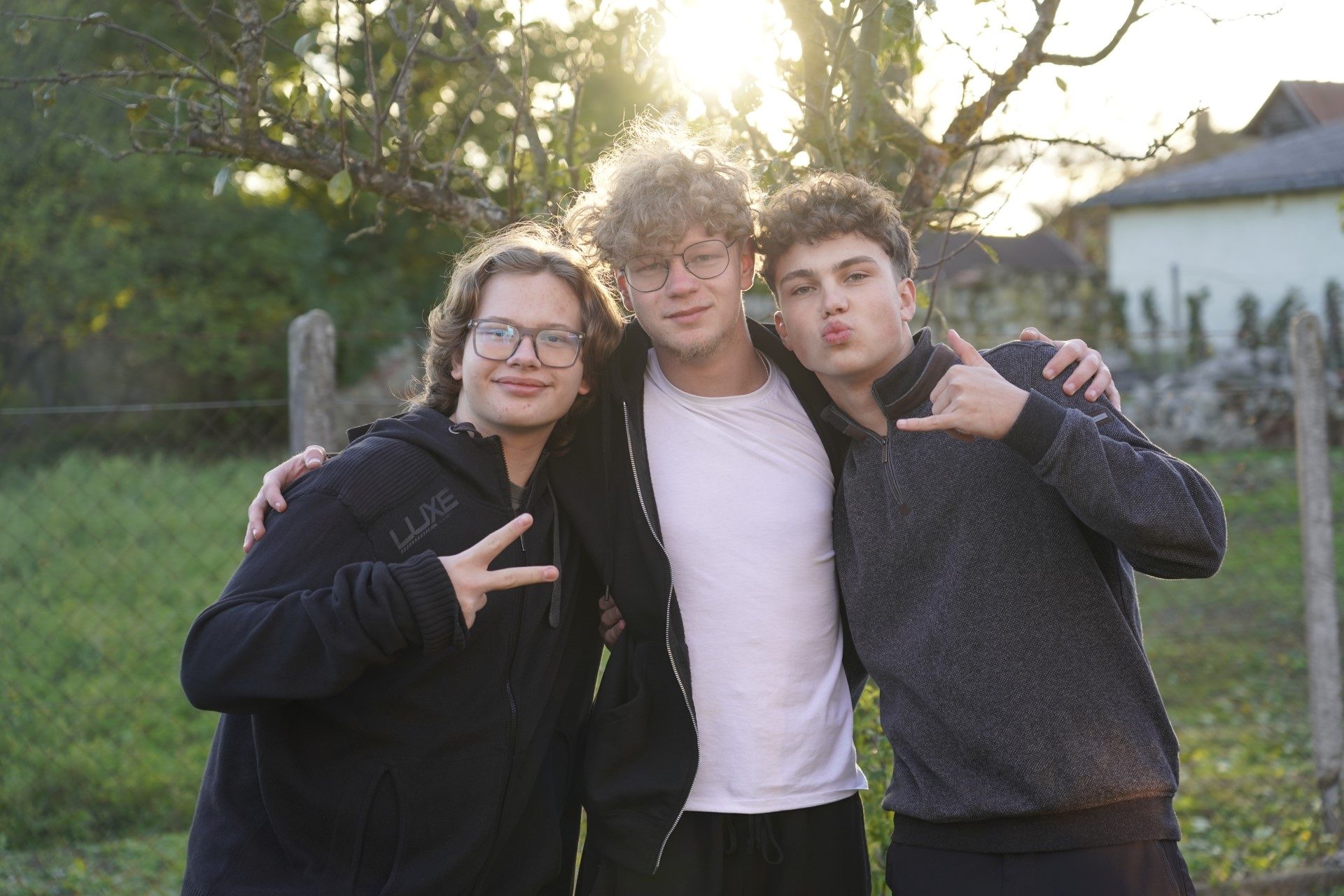
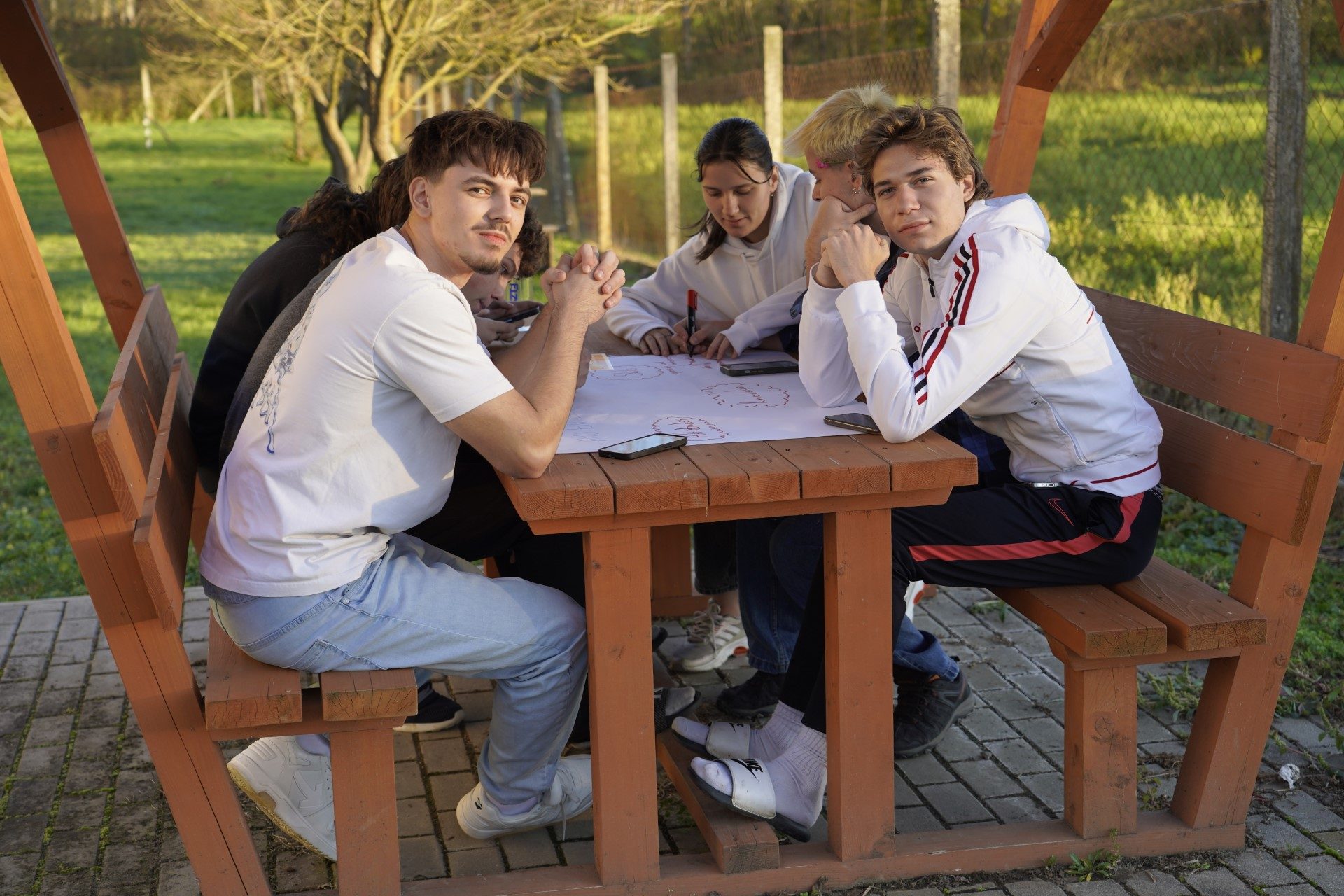
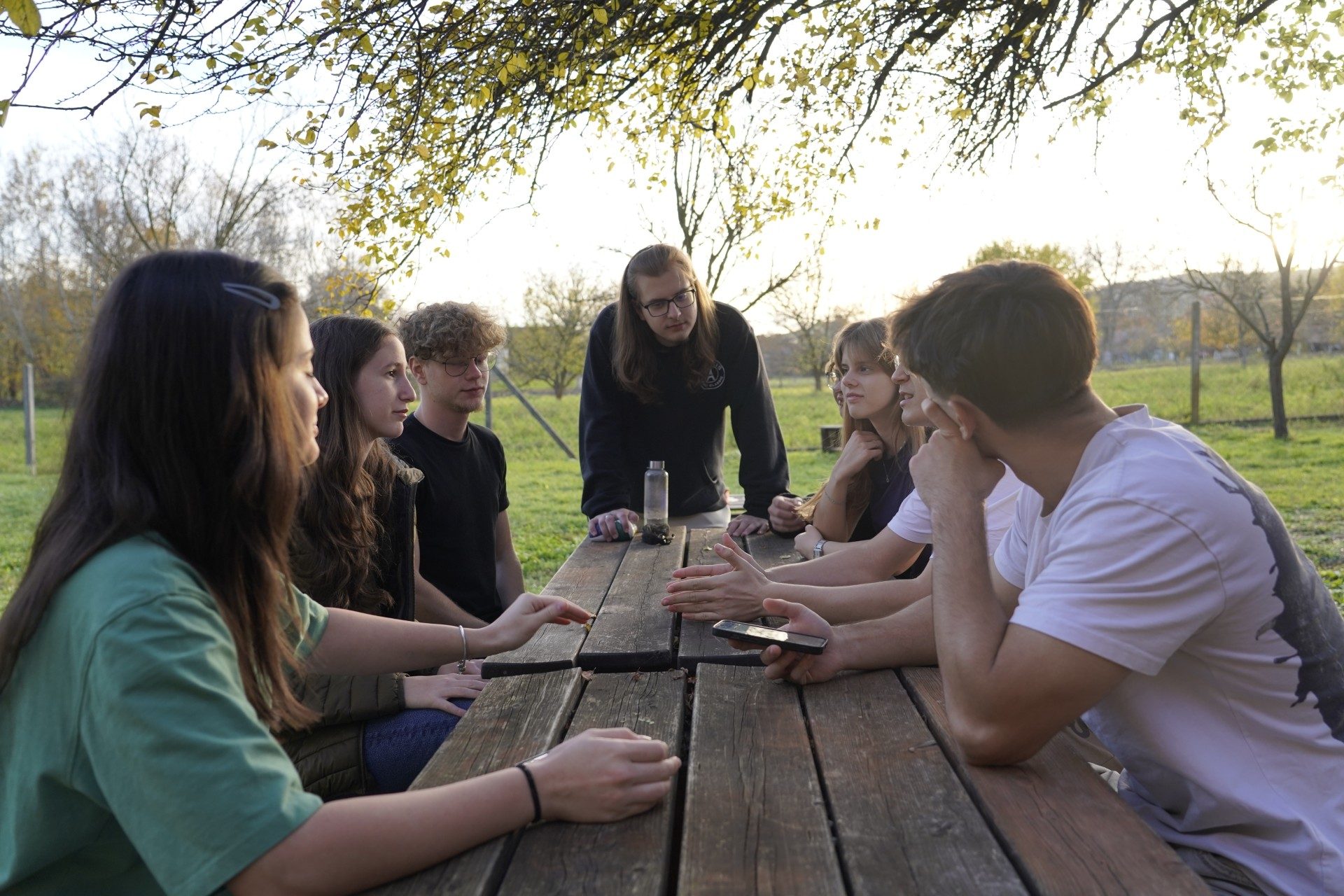
First Days in the Tokaj Hills
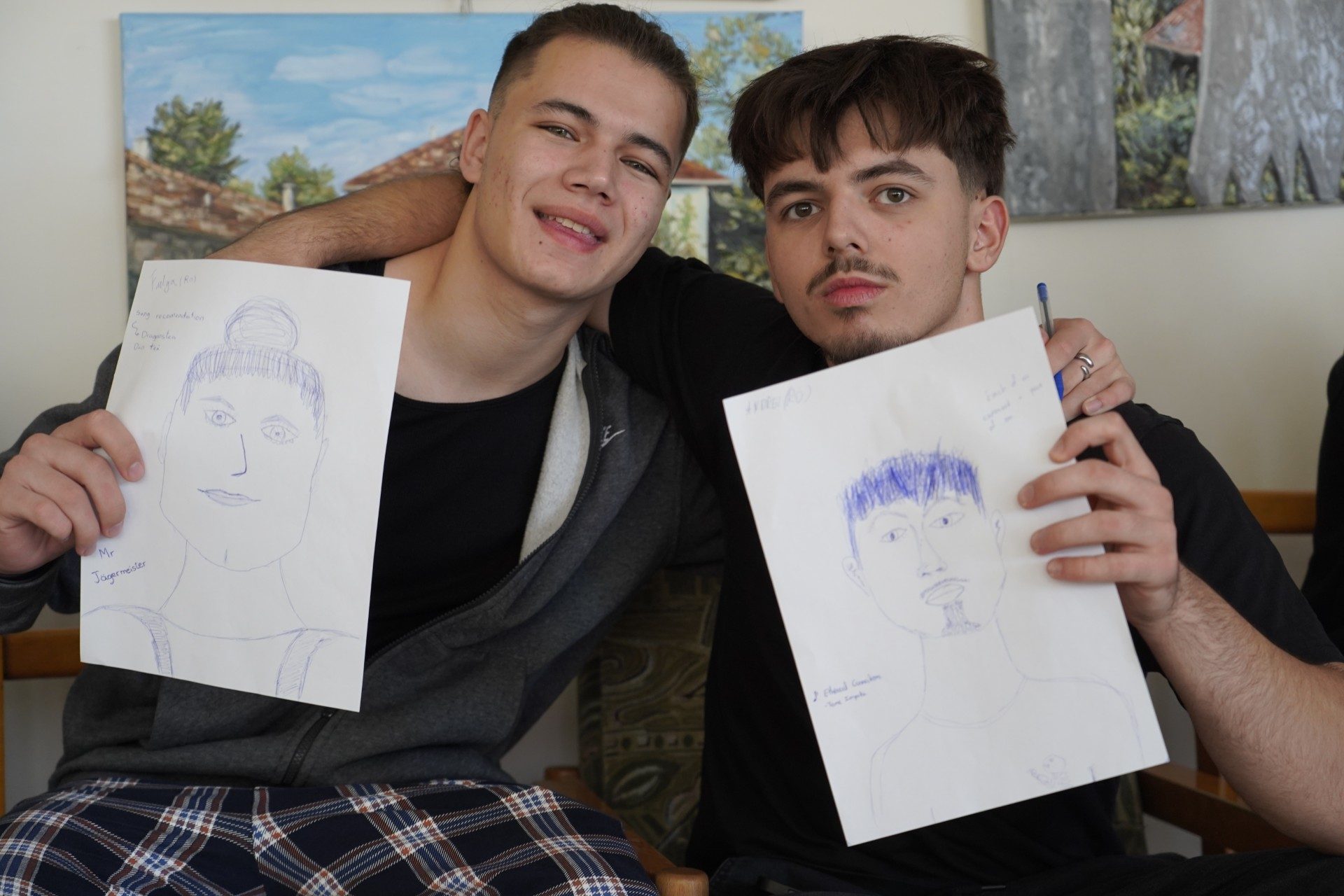
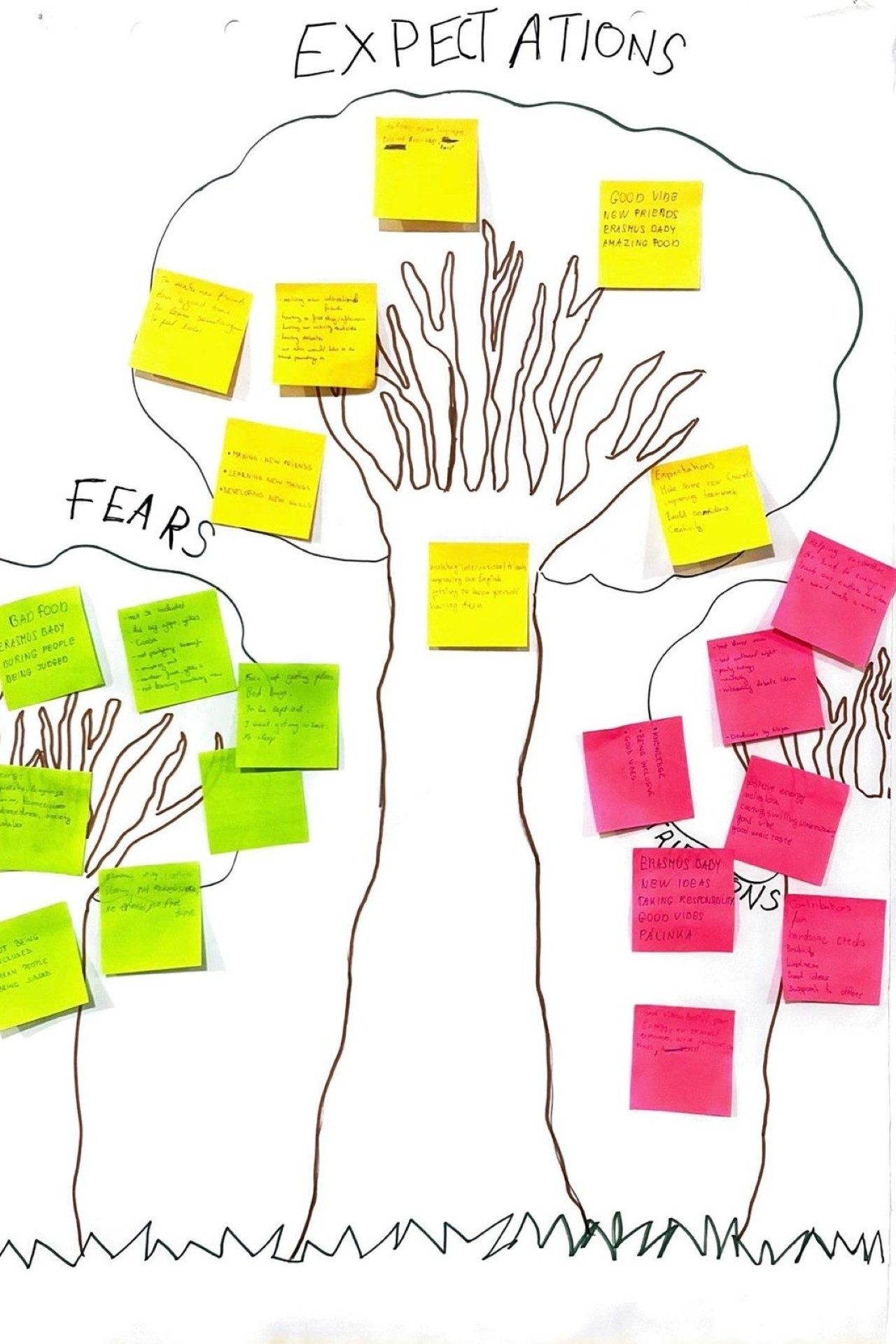
The opening days were about turning seven national groups into one. Name games set the tone: a tape-and-marker round where everyone guessed the letters of each other’s names, a silent line-up ordered only through gestures, and collaborative portraits passed around the circle one feature at a time. A Challenge Quest then sent international teams around the venue completing twenty playful tasks they documented on camera, and by the time the group sat down to map out its expectations, fears, and contributions on a shared flipchart, the room already felt smaller and warmer.
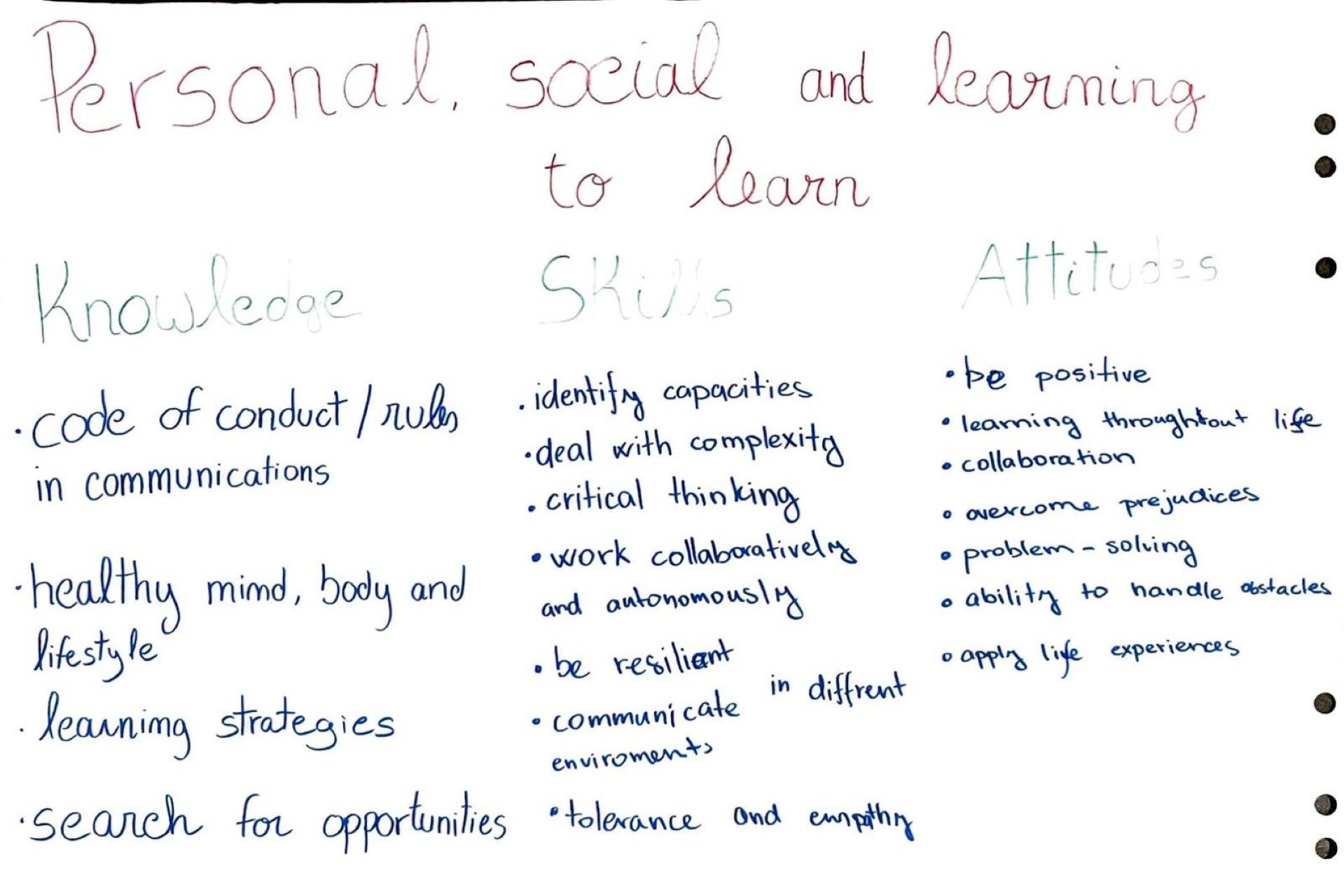
Before going deeper into the theme, participants explored what the European Union actually offers young people, researching opportunities like DiscoverEU, Youth Exchanges, and the European Solidarity Corps in small groups and presenting them back through short videos and performances. They built and signed a Code of Conduct together, including green commitments the group set for itself, from reducing waste to saving energy throughout. A session on the eight key competences for lifelong learning then had each team bring one competence to life through a flipchart, drawing, or performance, and a quiet gallery walk closed the stretch, asking everyone to pick the images and words that captured what well-being meant to them.
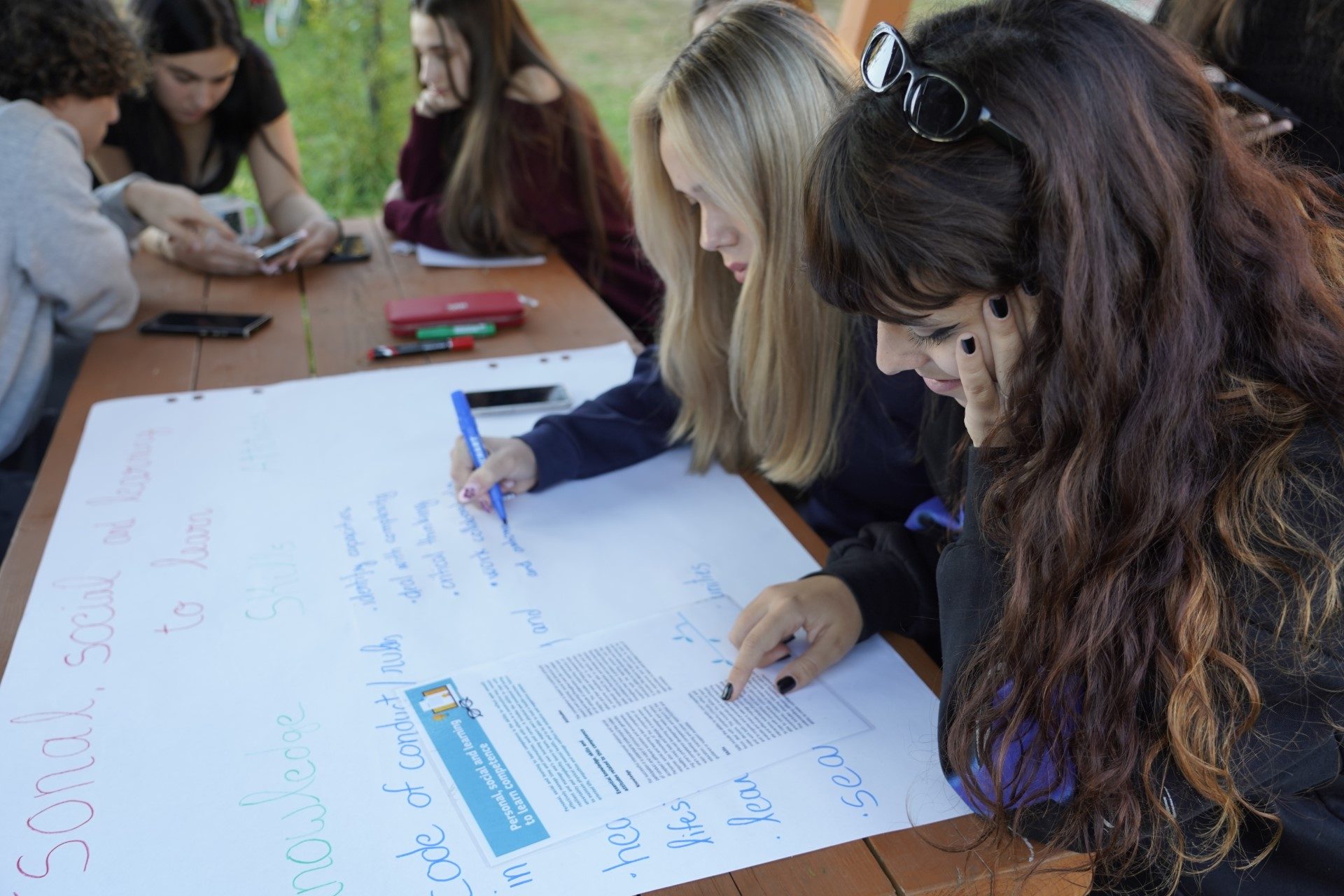
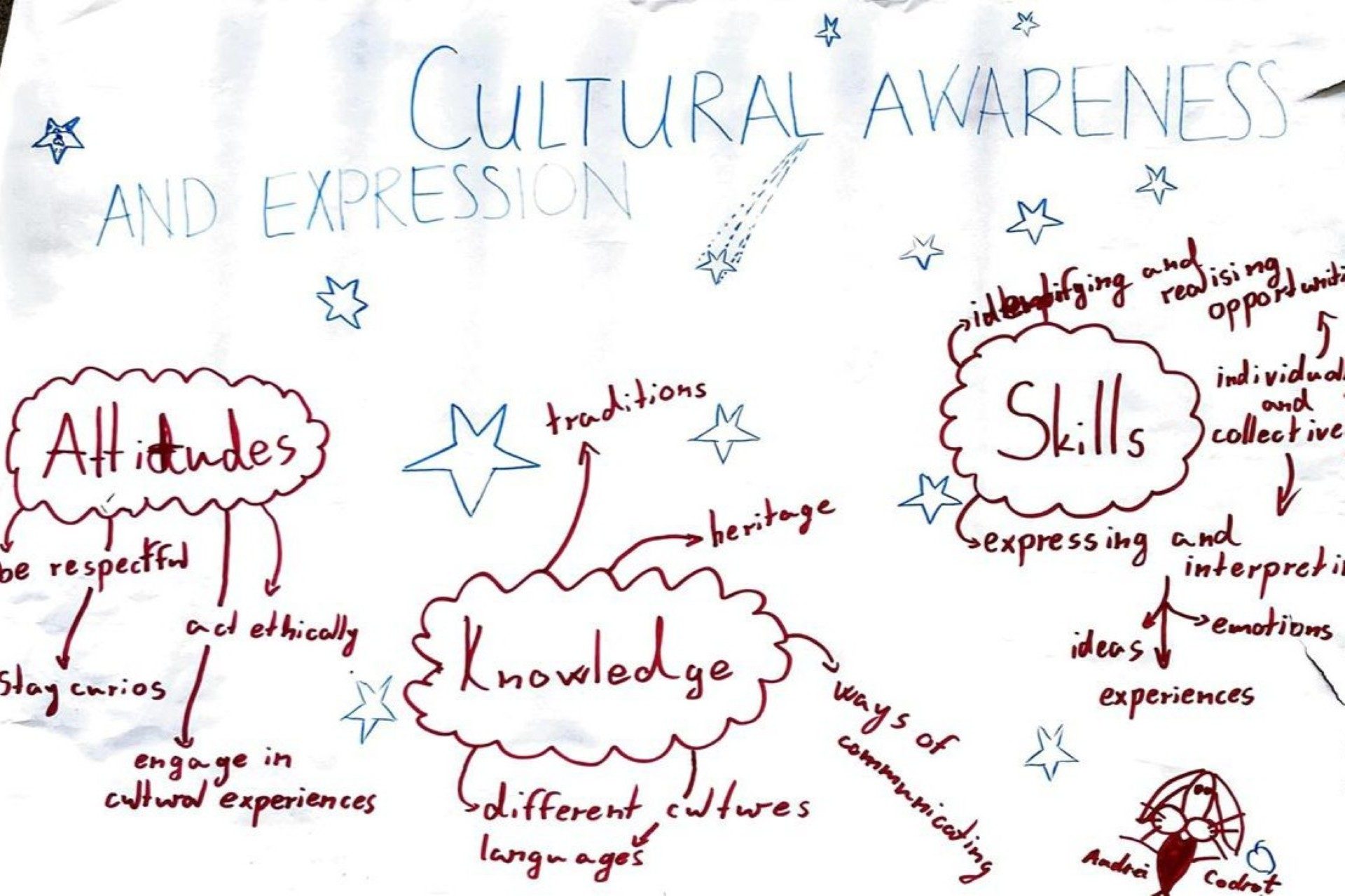
A team’s creative take on one of the eight key competences for lifelong learning.
What Well-being Came to Mean
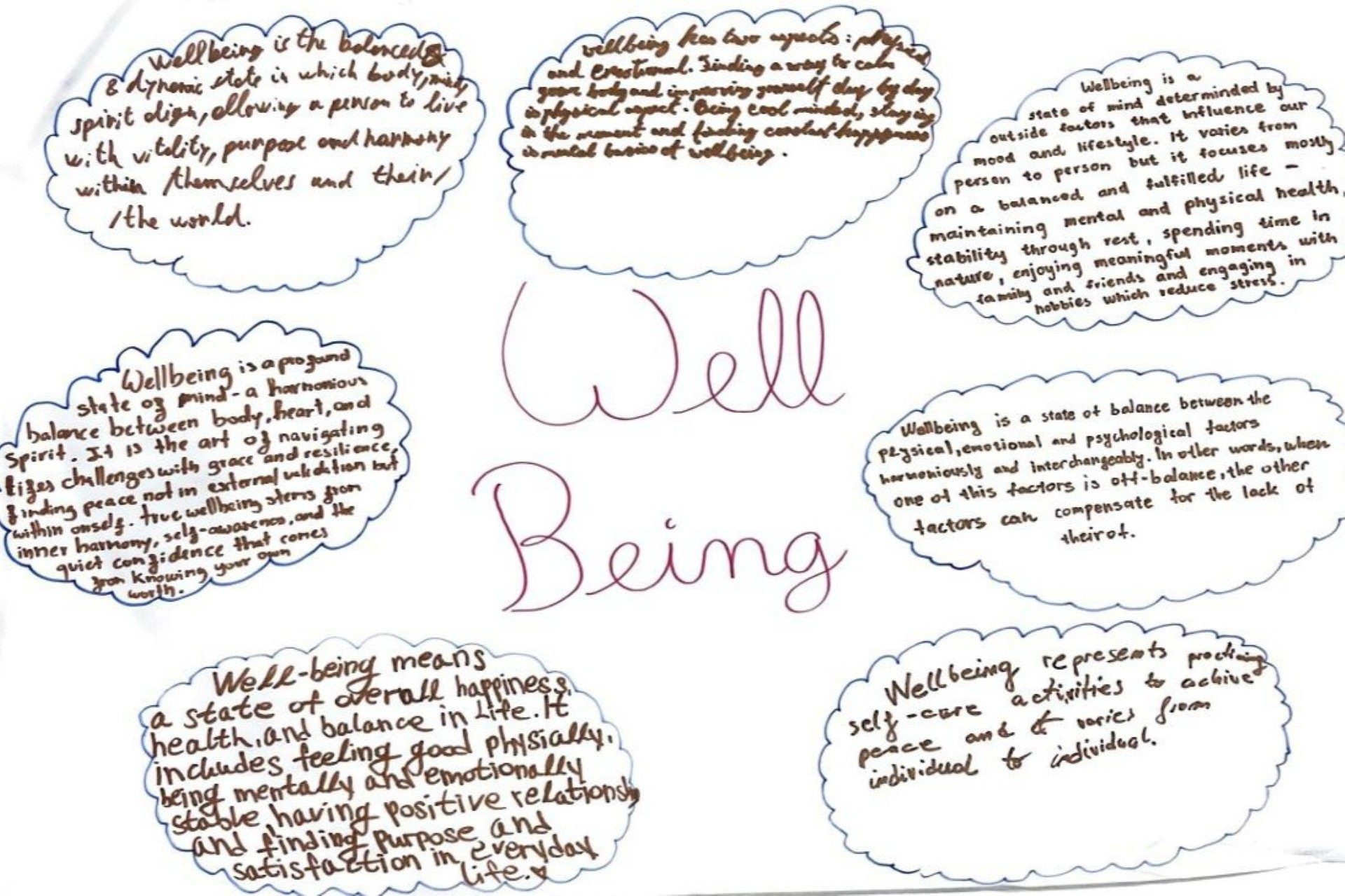
With the group settled, the programme turned to its central question. A reflective Walk and Talk paired participants across nationalities to share what well-being meant to them on the move, before a live Mentimeter brainstorm gathered everyone’s associations on the wall. Small “expert panels” then drafted their own professional-sounding definitions and merged them into one shared definition that stayed on display for the rest of the exchange. A Wellbeing Auction made the idea concrete: each team spent a fixed budget of credits on habits like sleep, mindfulness, and exercise, found they couldn’t afford everything, and revised their choices, a sharper lesson in trade-offs than any lecture. A personal “River of Well-being” drawing let everyone trace the factors, obstacles, and habits that shape their own balance.
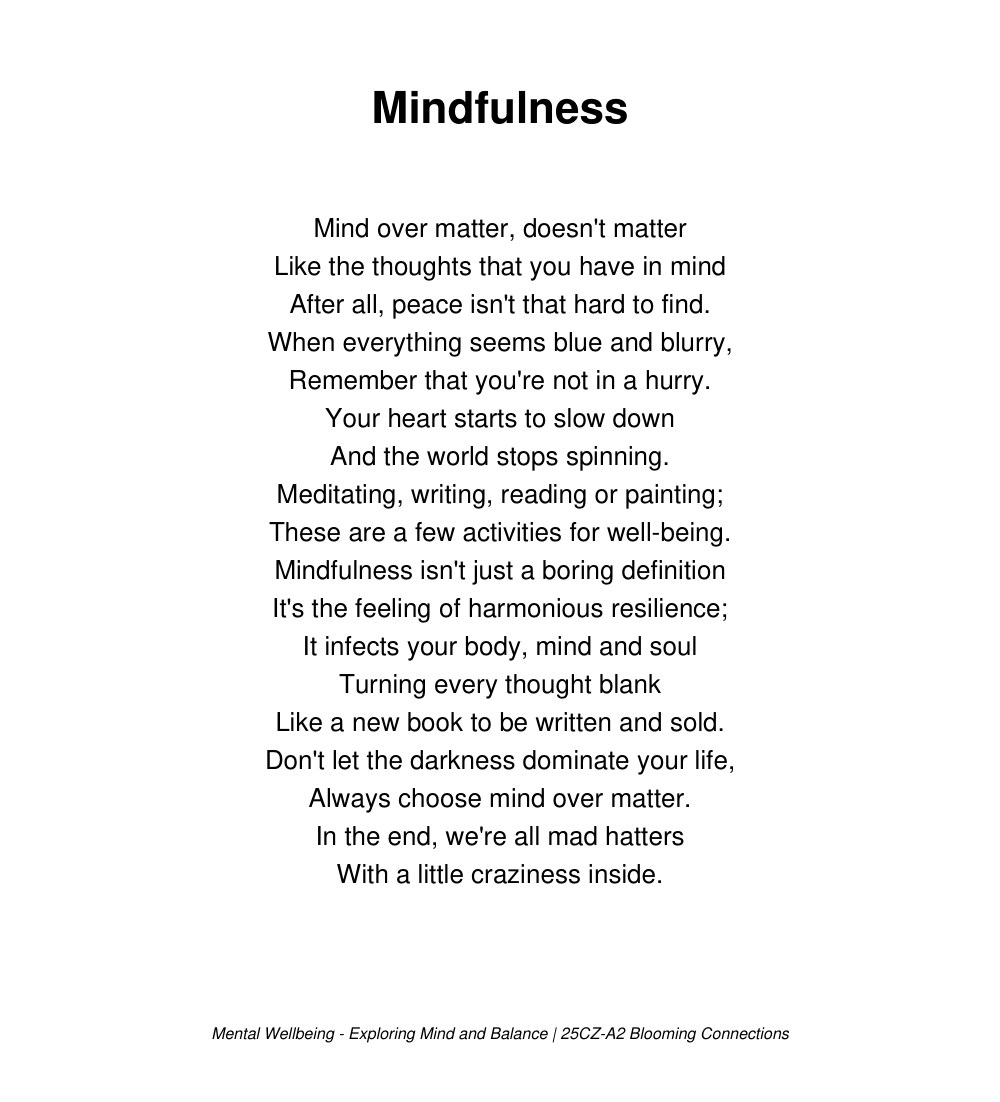
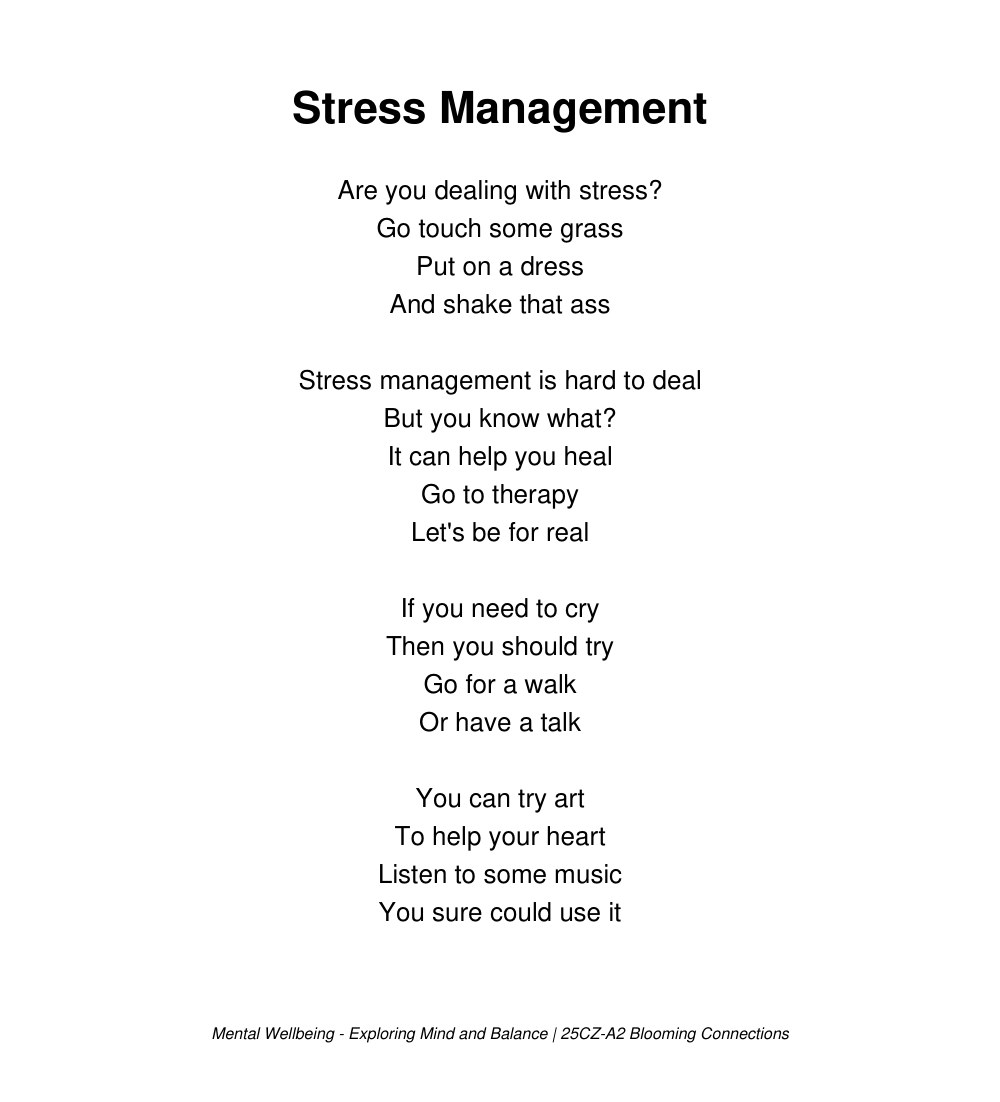
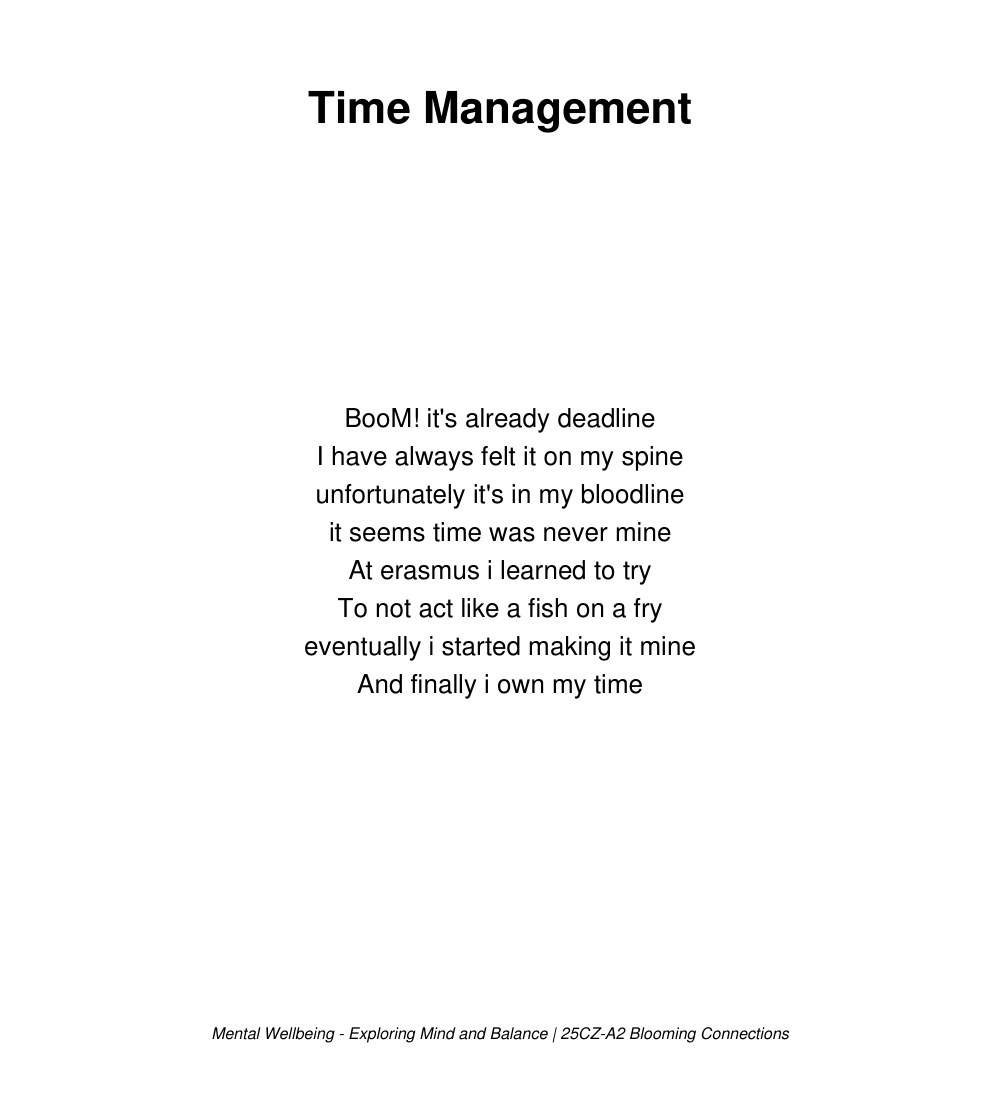
From there the group split well-being into its mental, physical, and social dimensions and explored each in turn. Mental well-being became poetry: each team took one strand of it (mindfulness, stress and time management, focus, self-reflection, emotional regulation) and wrote a short poem about it, reaching for a feeling rather than a definition. The results ran from quiet haiku to playful rhymes, but they all tried to say something true about keeping a steady mind. The one on mindfulness set the tone:
Mindfulness isn’t just a boring definition
It’s the feeling of harmonious resilience;
It infects your body, mind and soul
Turning every thought blank
Like a new book to be written and sold.
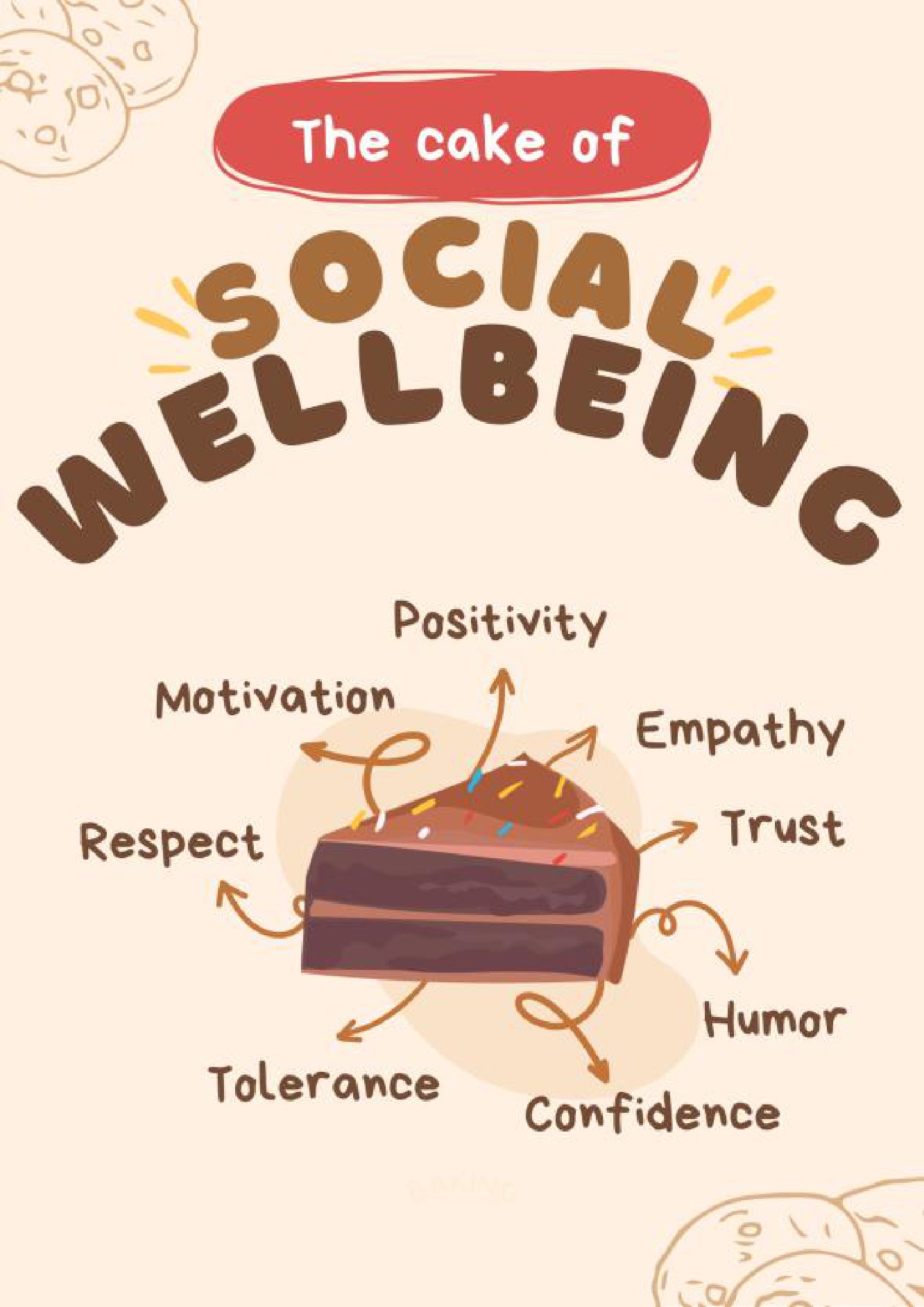
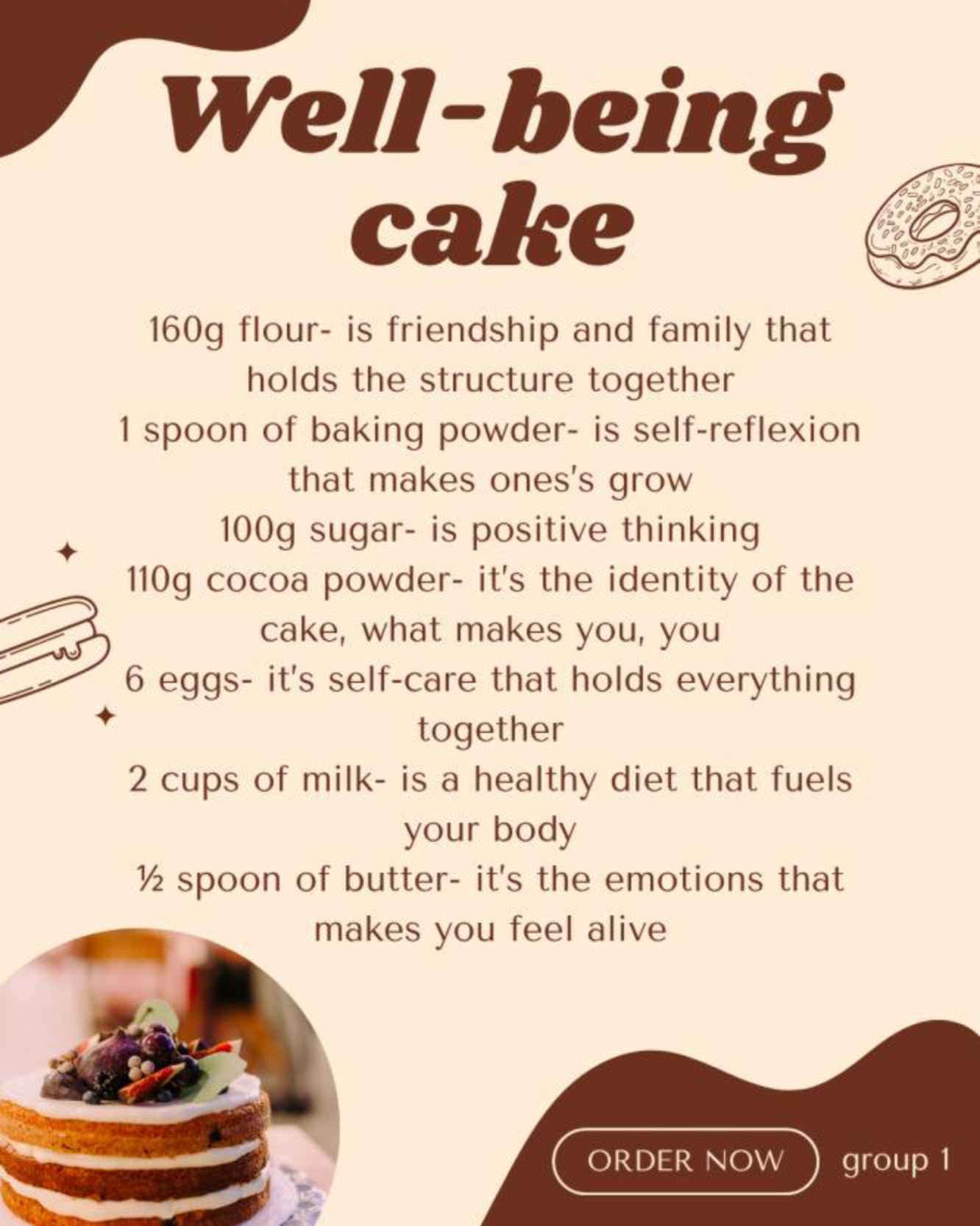
For the social side, they designed a “recipe for community” in Canva where each ingredient stood for something that holds people together: eggs for connection, sugar for positivity, flour for trust. And for the physical side, a guided yoga and stretching session closed the day with breath, movement, and a few partner poses.
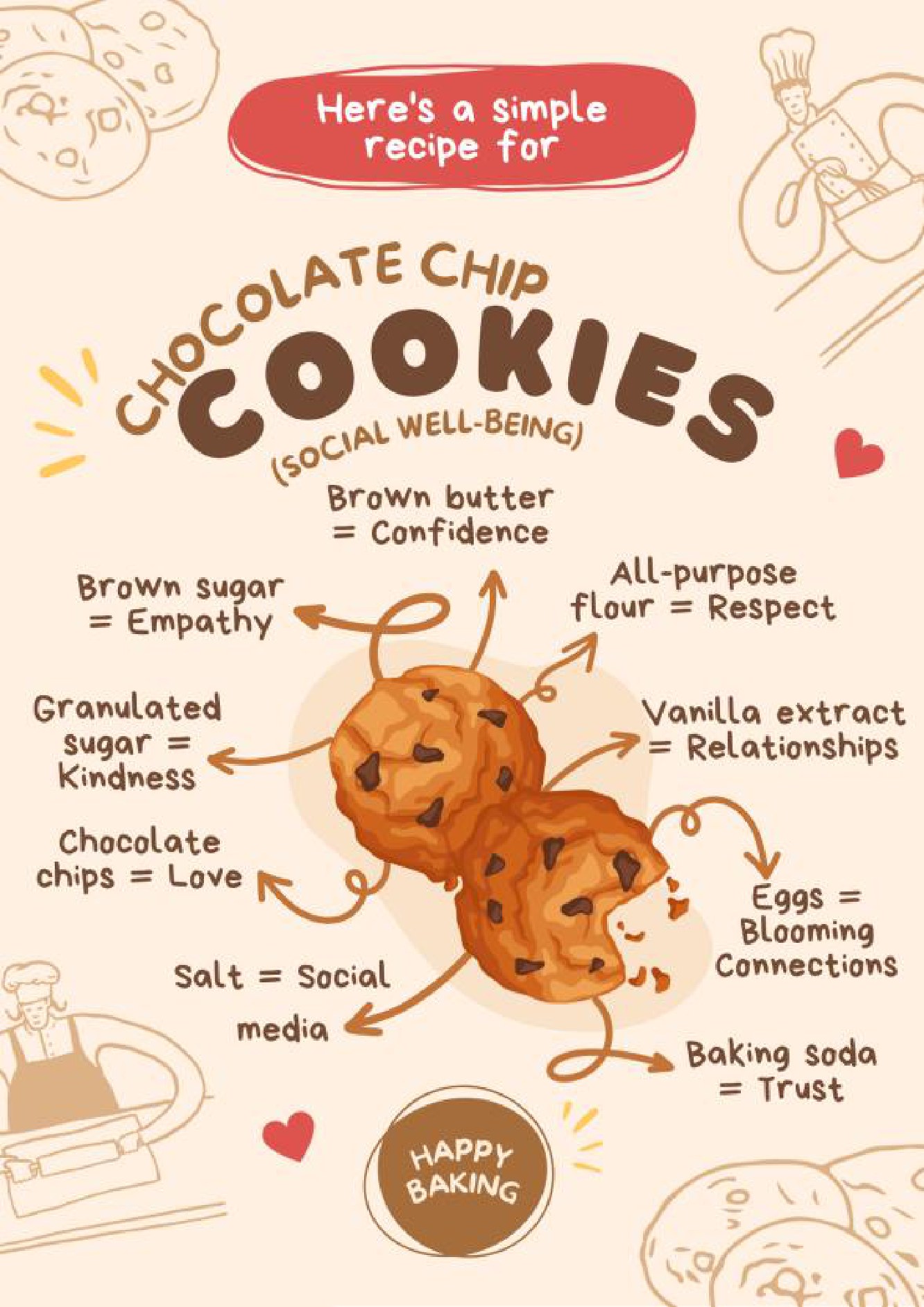
A group’s “recipe for community”, where each ingredient stands for an element of social well-being.
Social Well-being in Practice
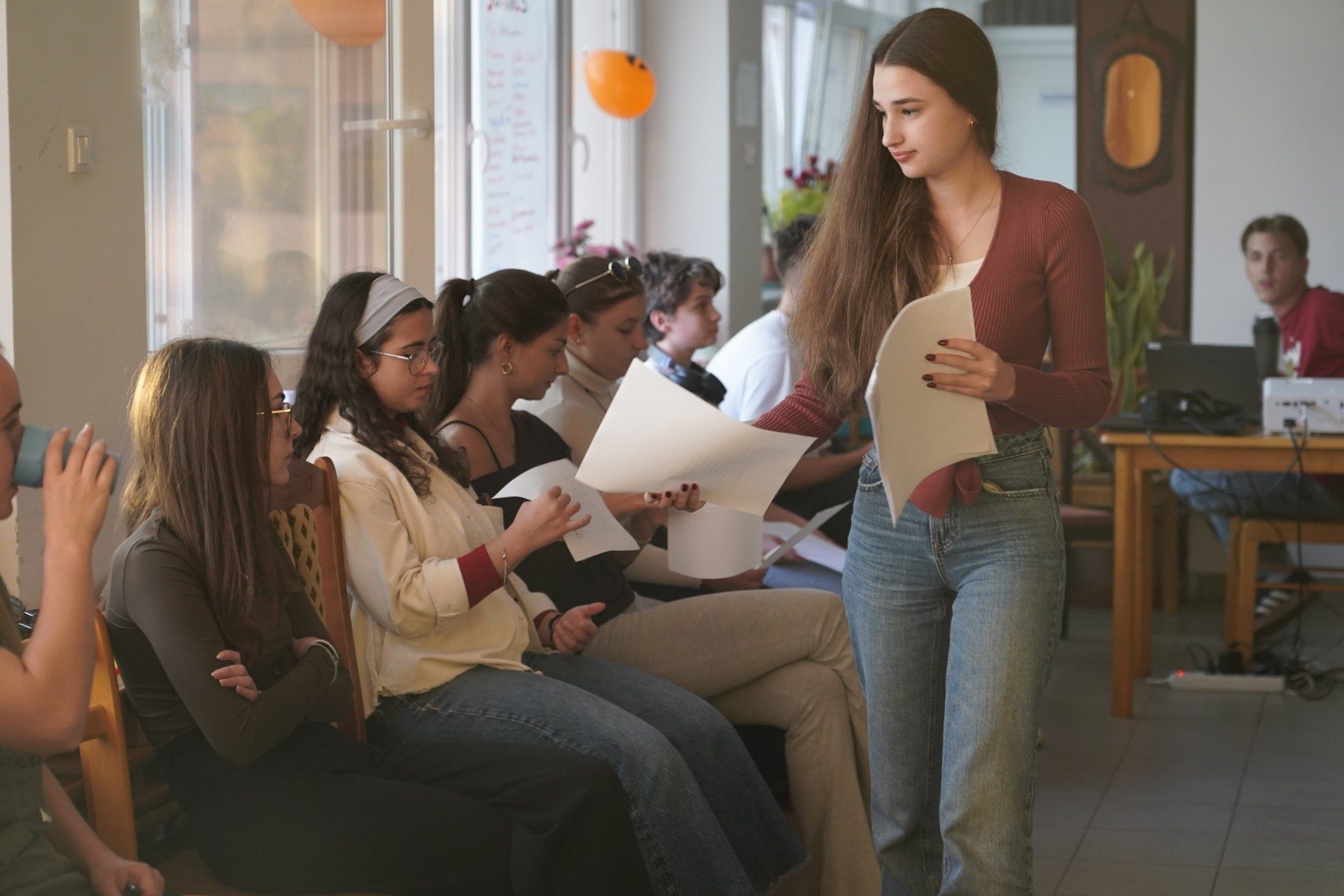
Theory gave way to practice in the second half of the exchange. An agree-or-disagree debate had participants physically take sides on statements about community and relationships, passing a ball to argue their case and switching sides when an argument changed their mind. Groups then acted out everyday situations, from exclusion at work to peer pressure at a party, and a Role Swap Café put volunteers in the shoes of people facing isolation, anxiety, or burnout while everyone else rotated between them, asking questions and listening.
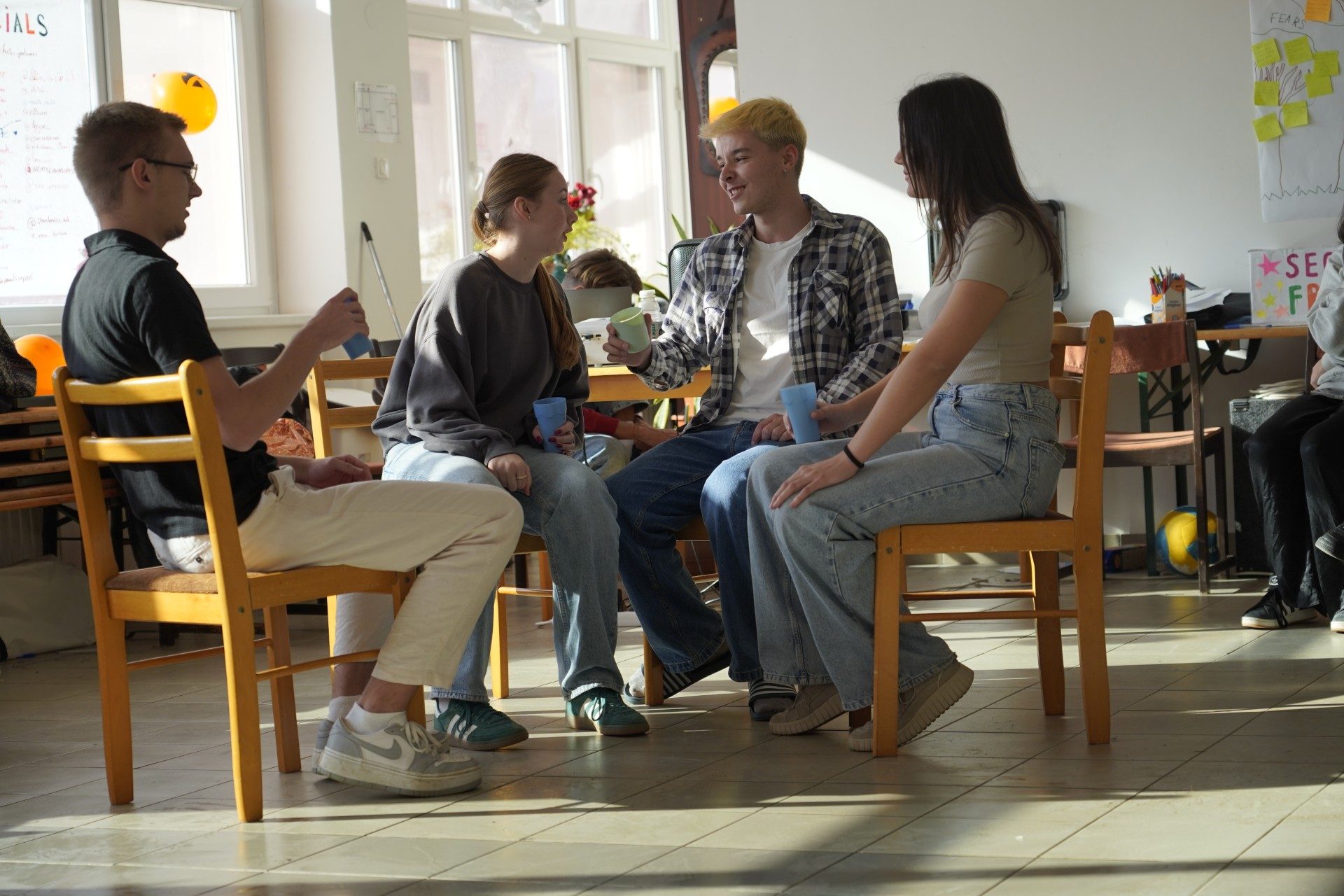
One session looked at social media in particular. Each group focused on a different side of it: the comparison trap of perfectly curated feeds, online bullying, and endless screen time, but also supportive communities and self-expression. They turned those themes into short skits and reels of two or three minutes and screened them for everyone else. Acting the problems out rather than just naming them made the trade-offs concrete, and the screenings led into an honest conversation about what a healthy online life looks like.
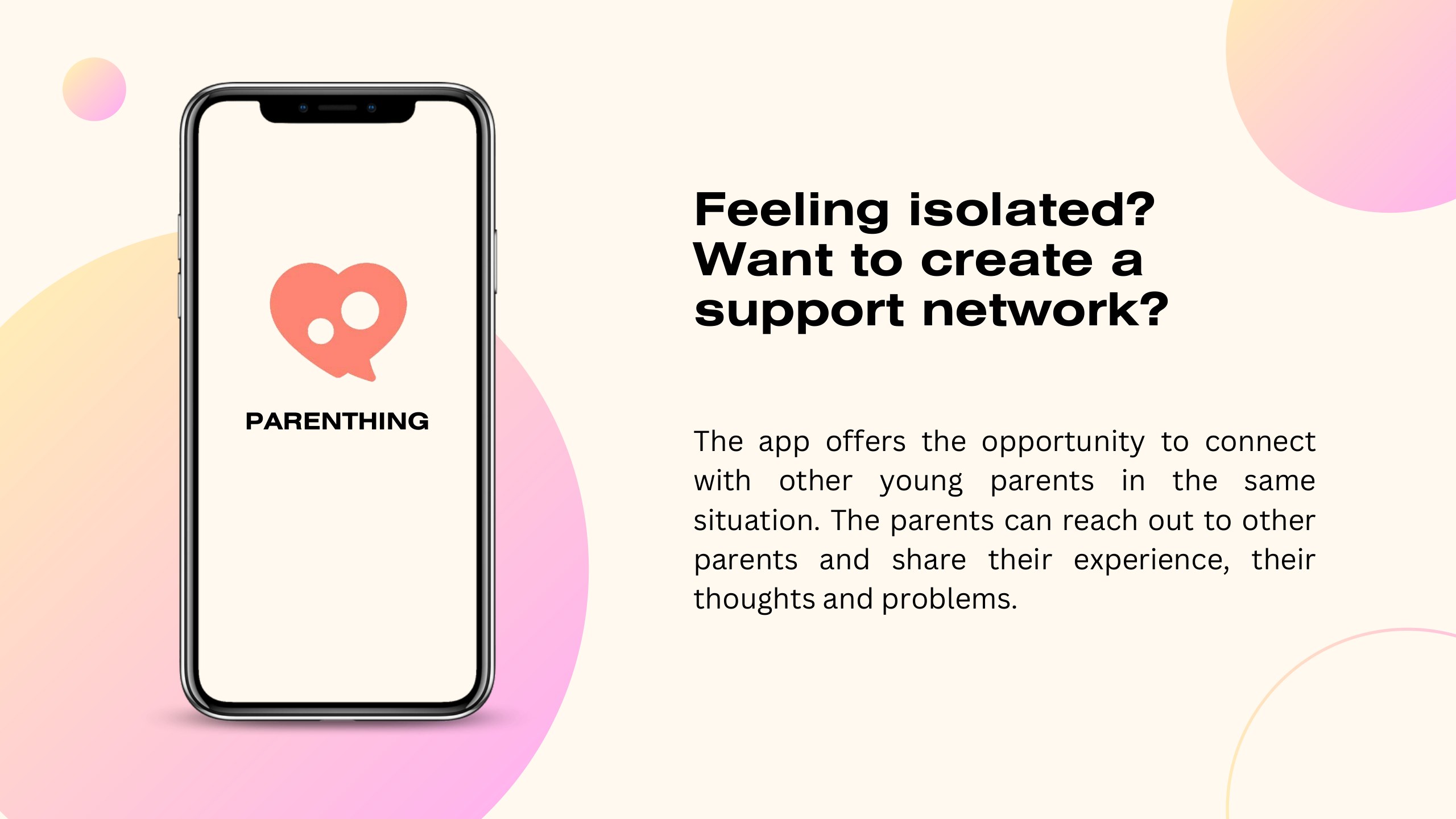
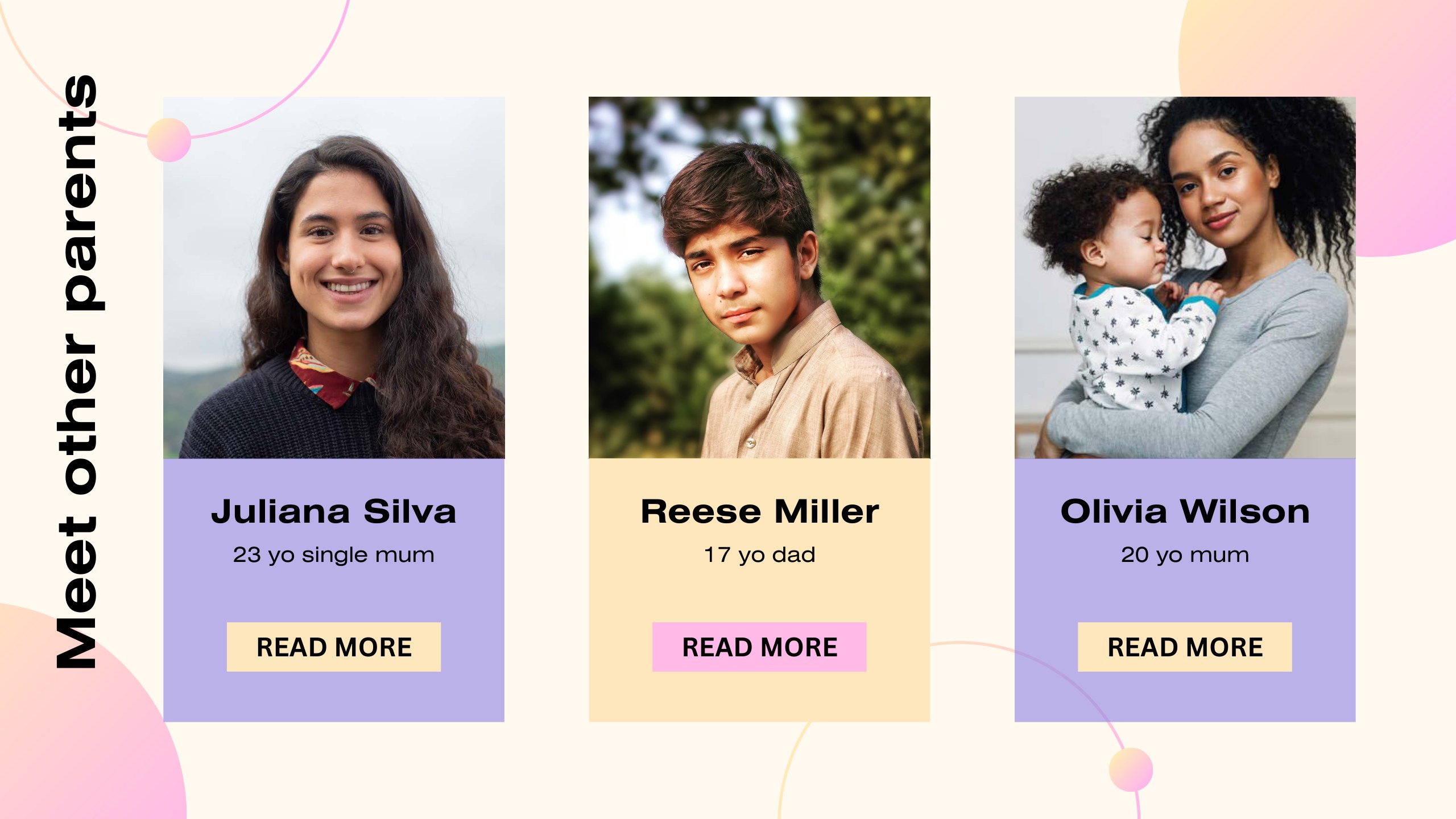
The biggest creative push was a Shark Tank. Teams designed a service, app, or product to improve social well-being and pitched it to a rotating panel of “investors”, defending their slogan, logo, and visuals under real questioning and a steady stream of follow-ups. Some of the ideas were surprisingly concrete: Parenthing imagined a support network for young parents finding their feet, while Task Buddy set out to tackle how hard it can be to build genuine relationships at work. What made the session land was the pressure of it. Selling an idea you believe in, out loud, to a sceptical room is its own small lesson in confidence, teamwork, and thinking on your feet.
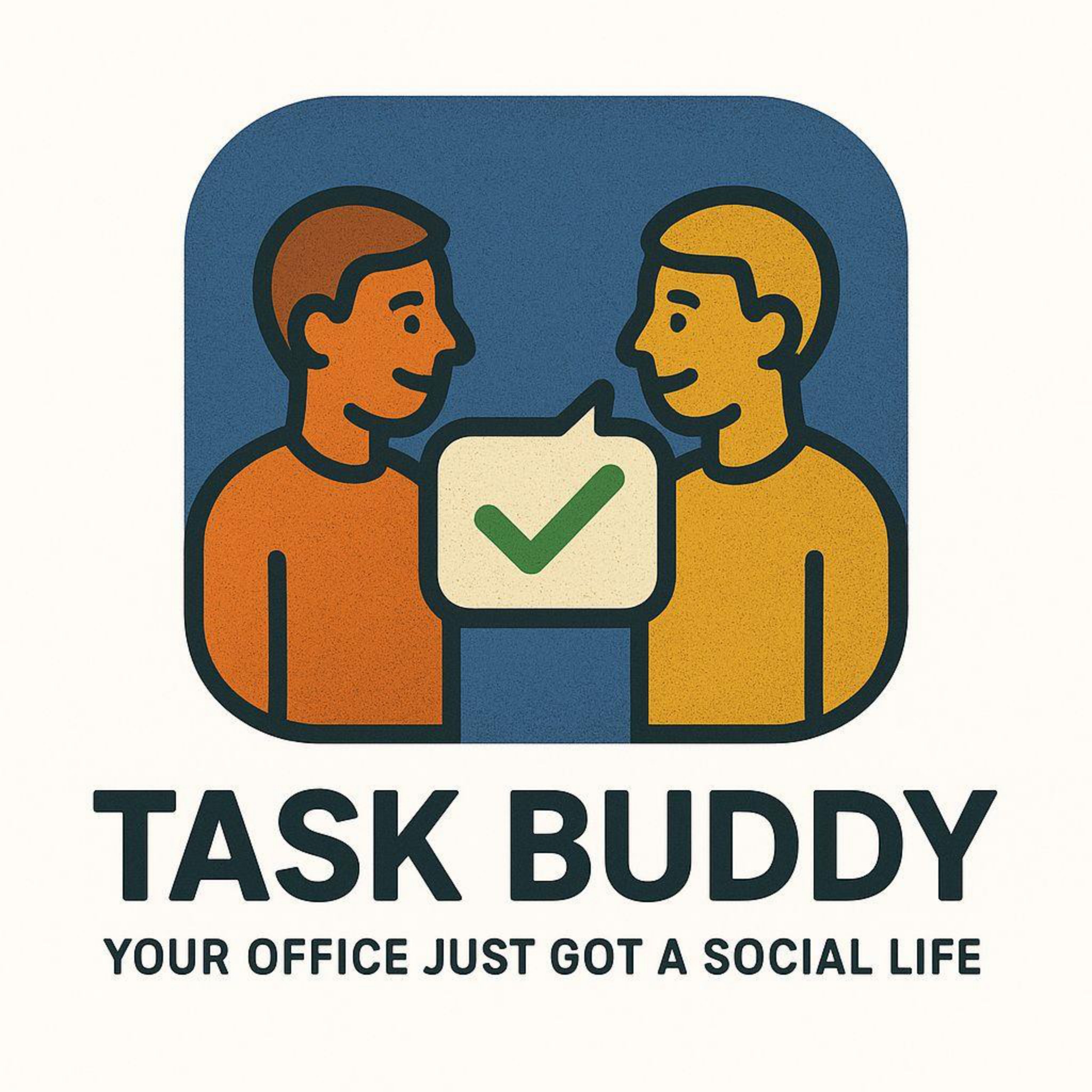
Task Buddy, one team’s Shark Tank pitch for building meaningful relationships in the workplace.
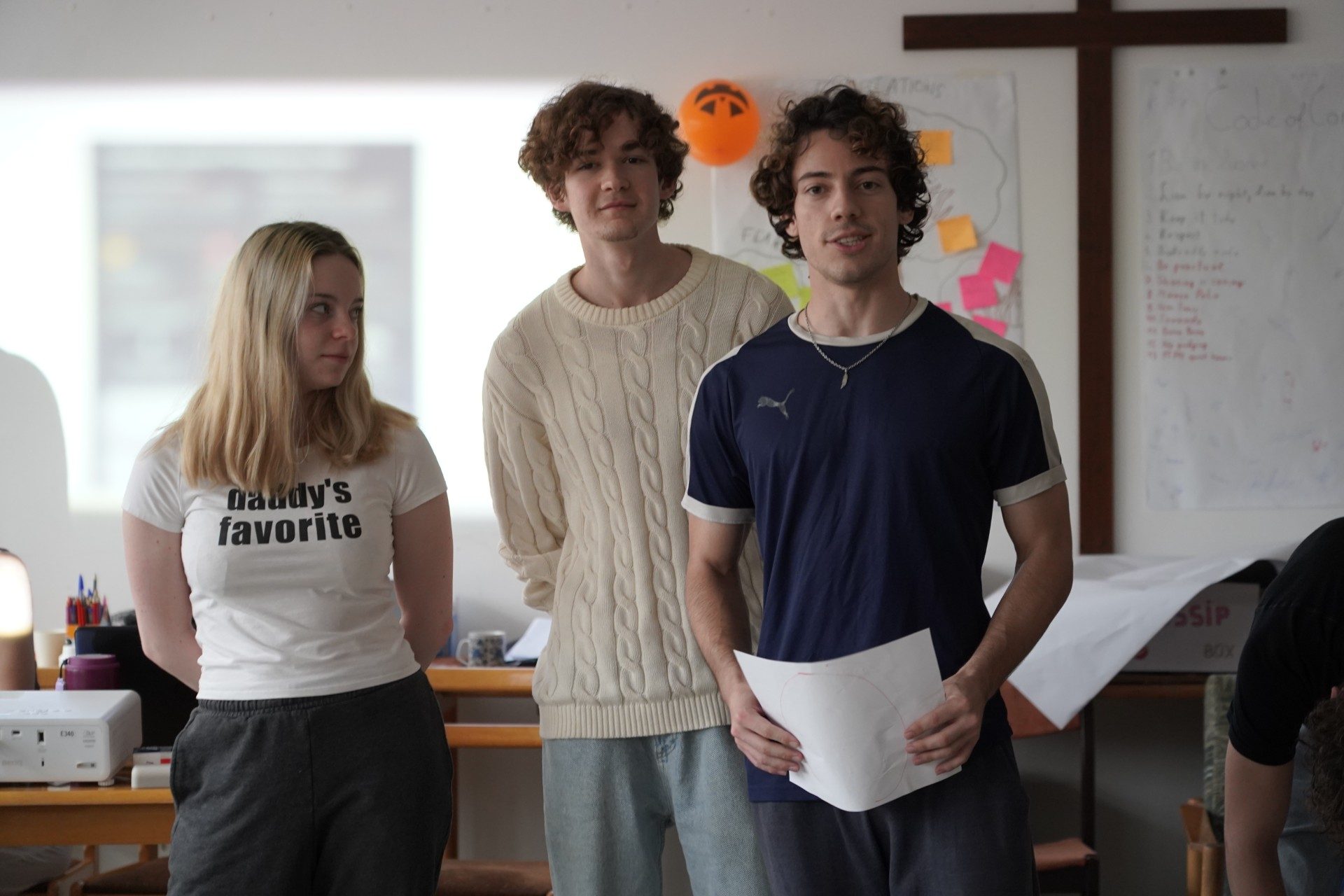
Around it sat quieter, more personal work: a Map of Life drawing of each participant’s journey, a Design Your Own Tarot Card session that built a collective deck of values and emotions, a wordless “Masks We Wear” theatre piece, and a national-team reflection on the stereotypes that shape how their countries welcome others.
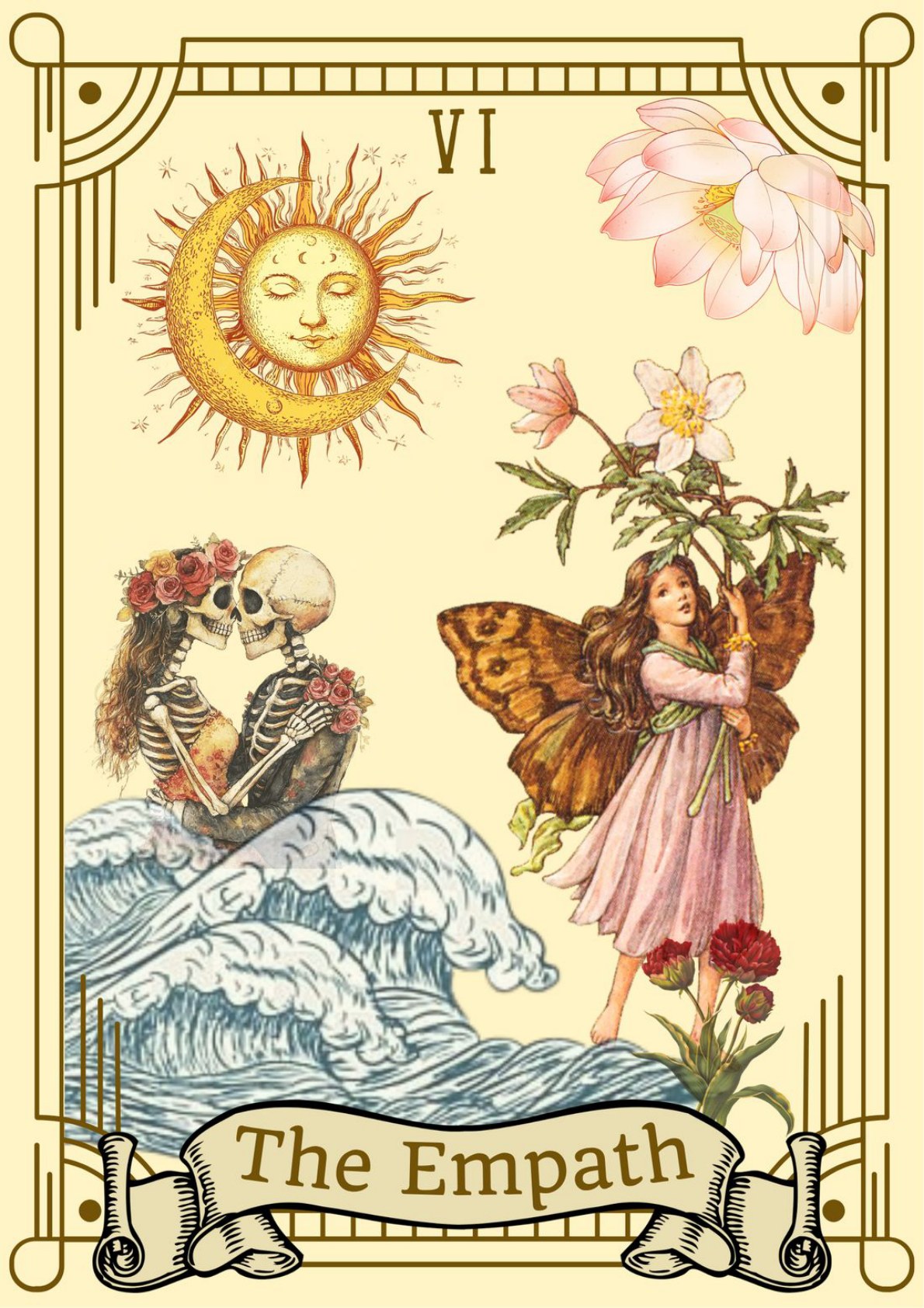
“The Empath”, one of the tarot cards participants designed to represent a value or emotion.
Beyond the Sessions
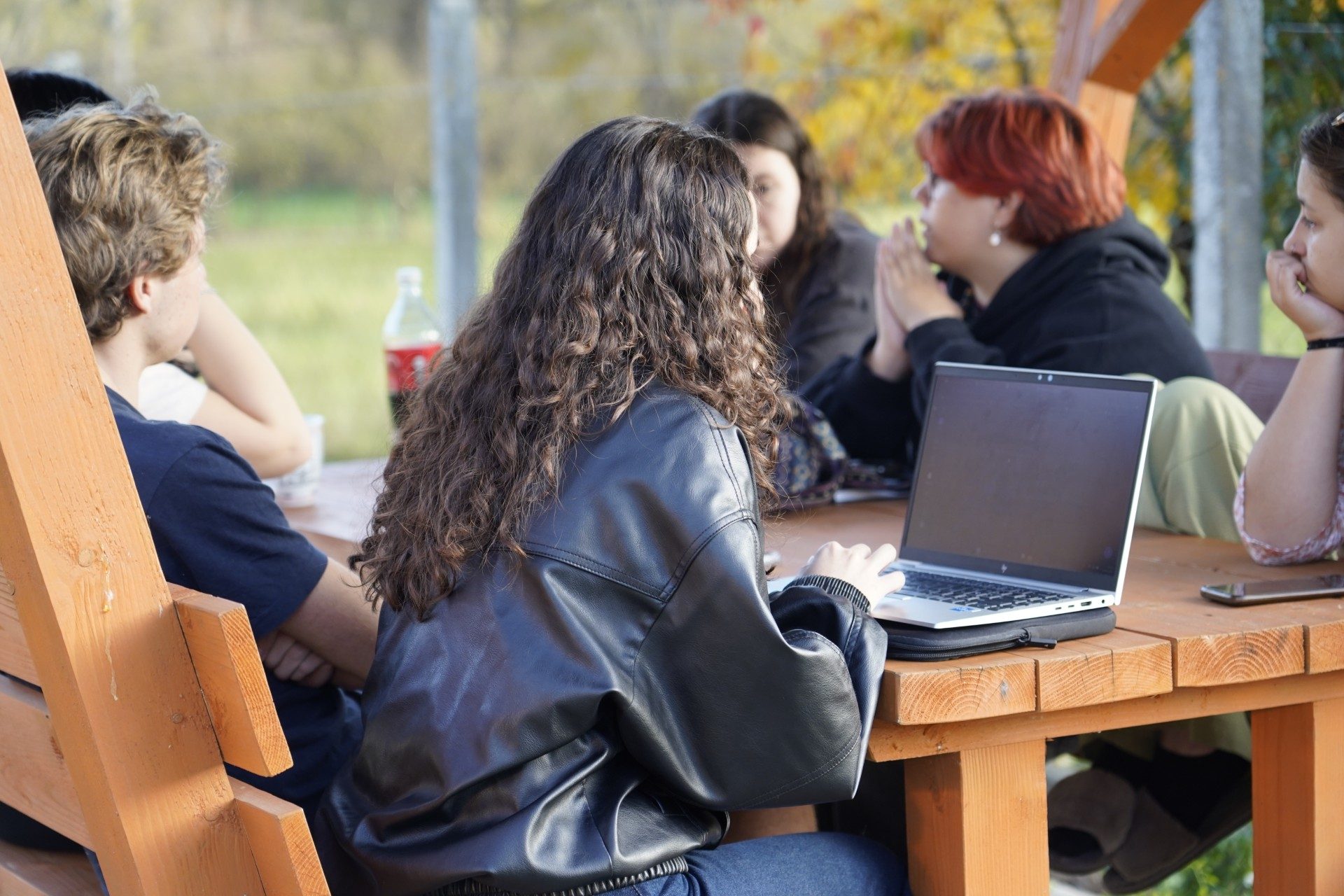
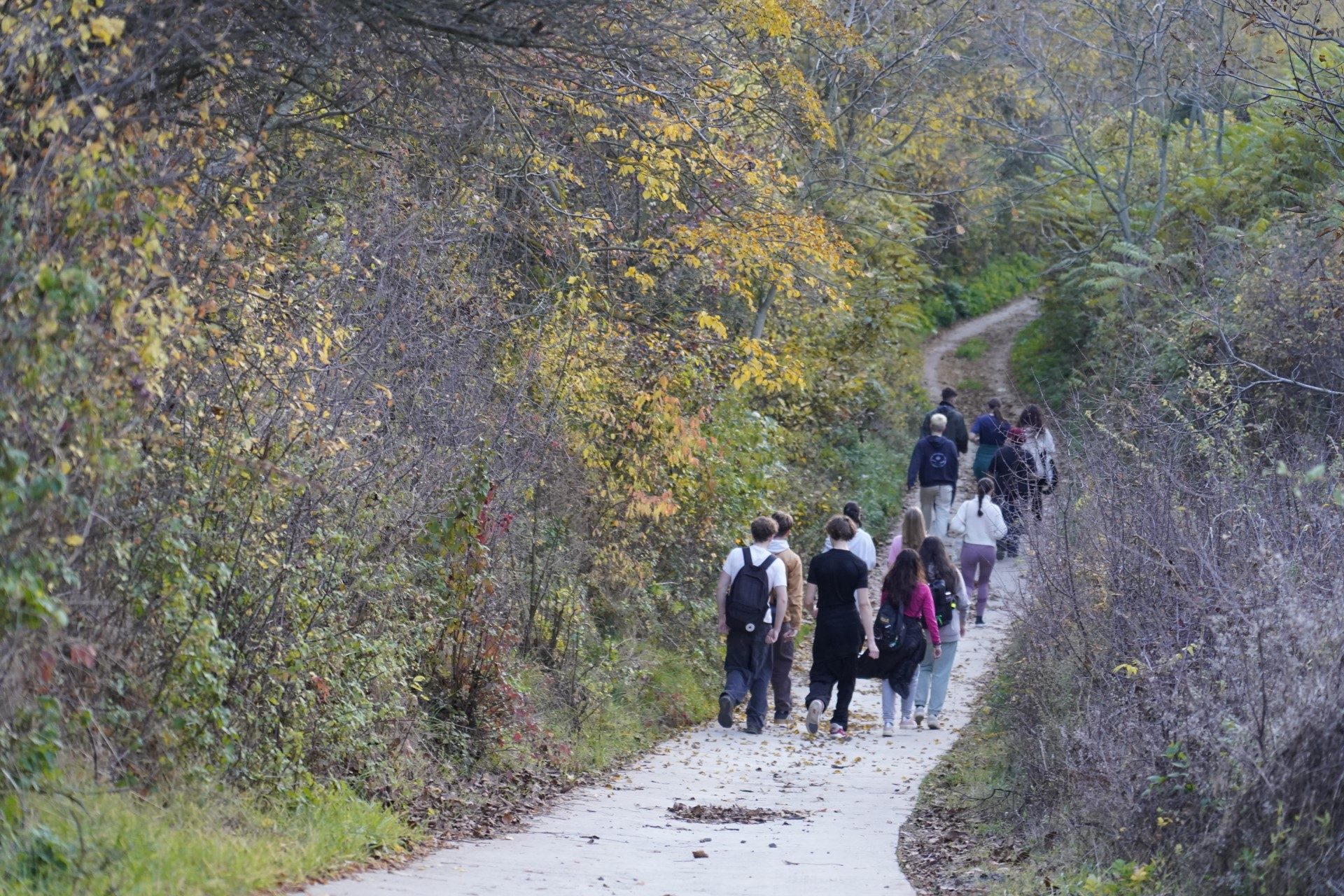
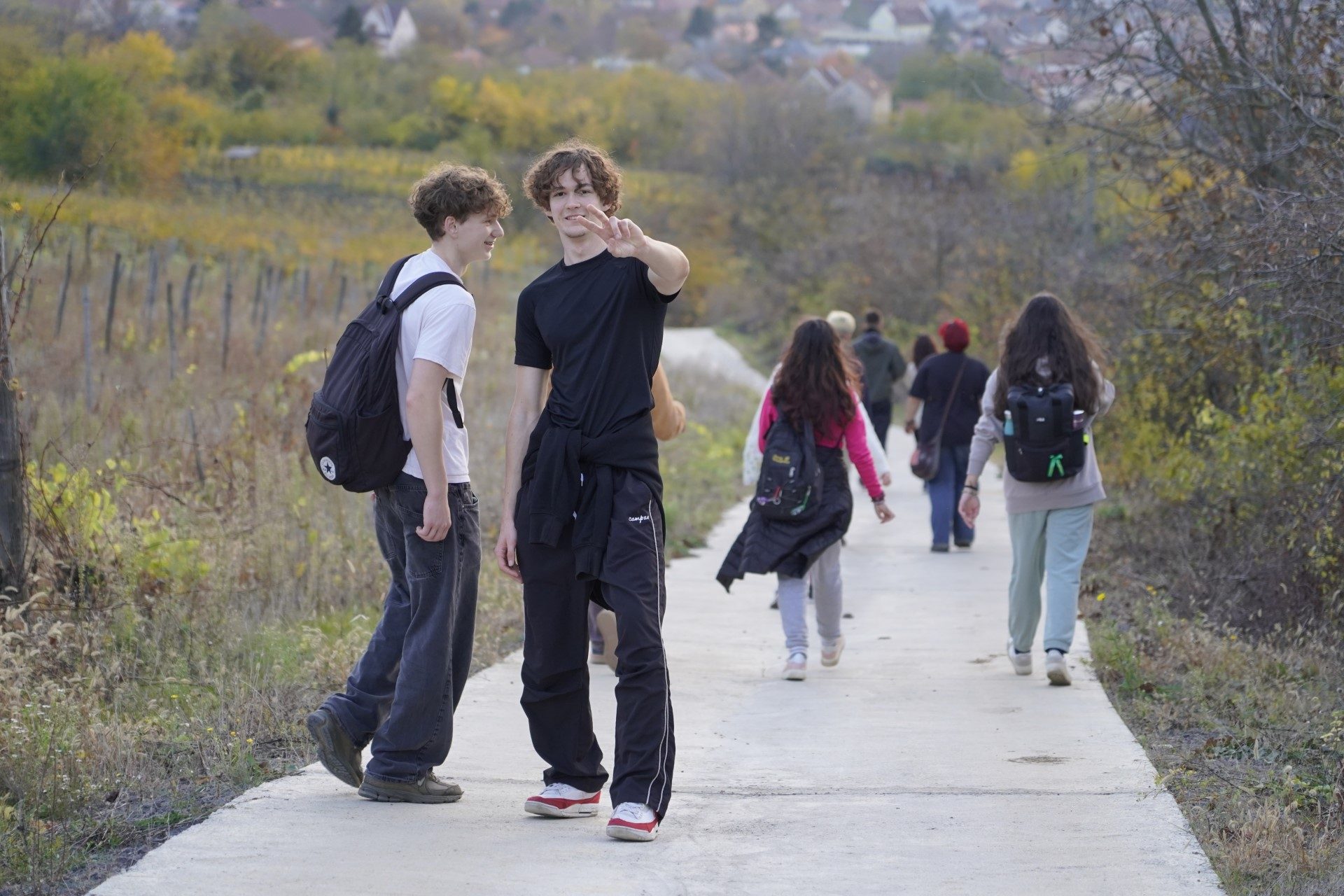
Not everything happened in the session room. On the day given over to how environment shapes well-being, the group took the theme outdoors for a two-part hike through the autumn Tokaj countryside, with a snack break to rest and recharge in between. Walking side by side kept the conversations from the indoor sessions going, about social media, connection, and empathy, but the setting did its own work. Participants noticed how a change of surroundings shifted their mood, energy, and sense of belonging, and away from distractions the talk turned more personal and honest. They came away with a simple idea: well-being is shaped not only by the people around you, but by the spaces you share with them.
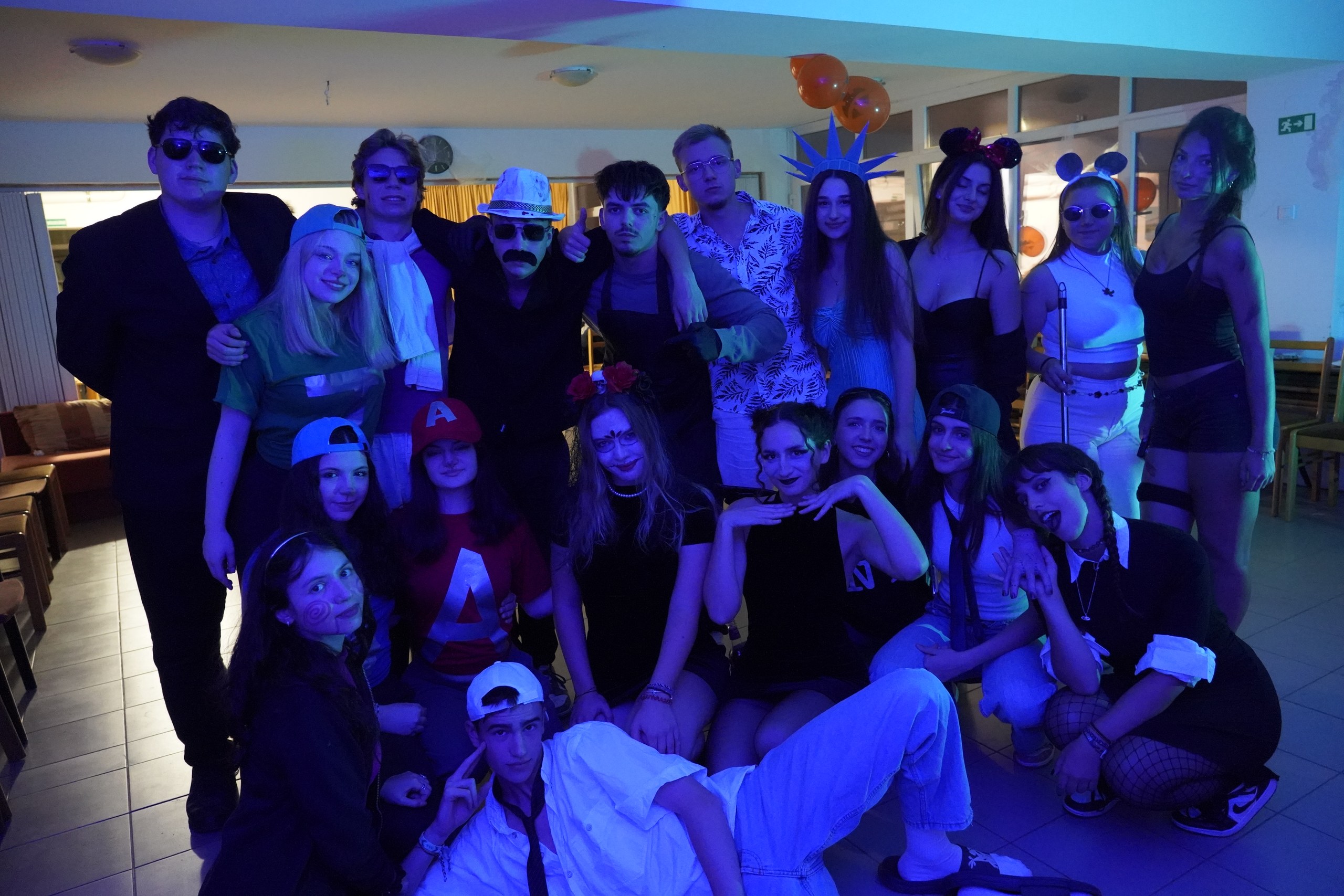
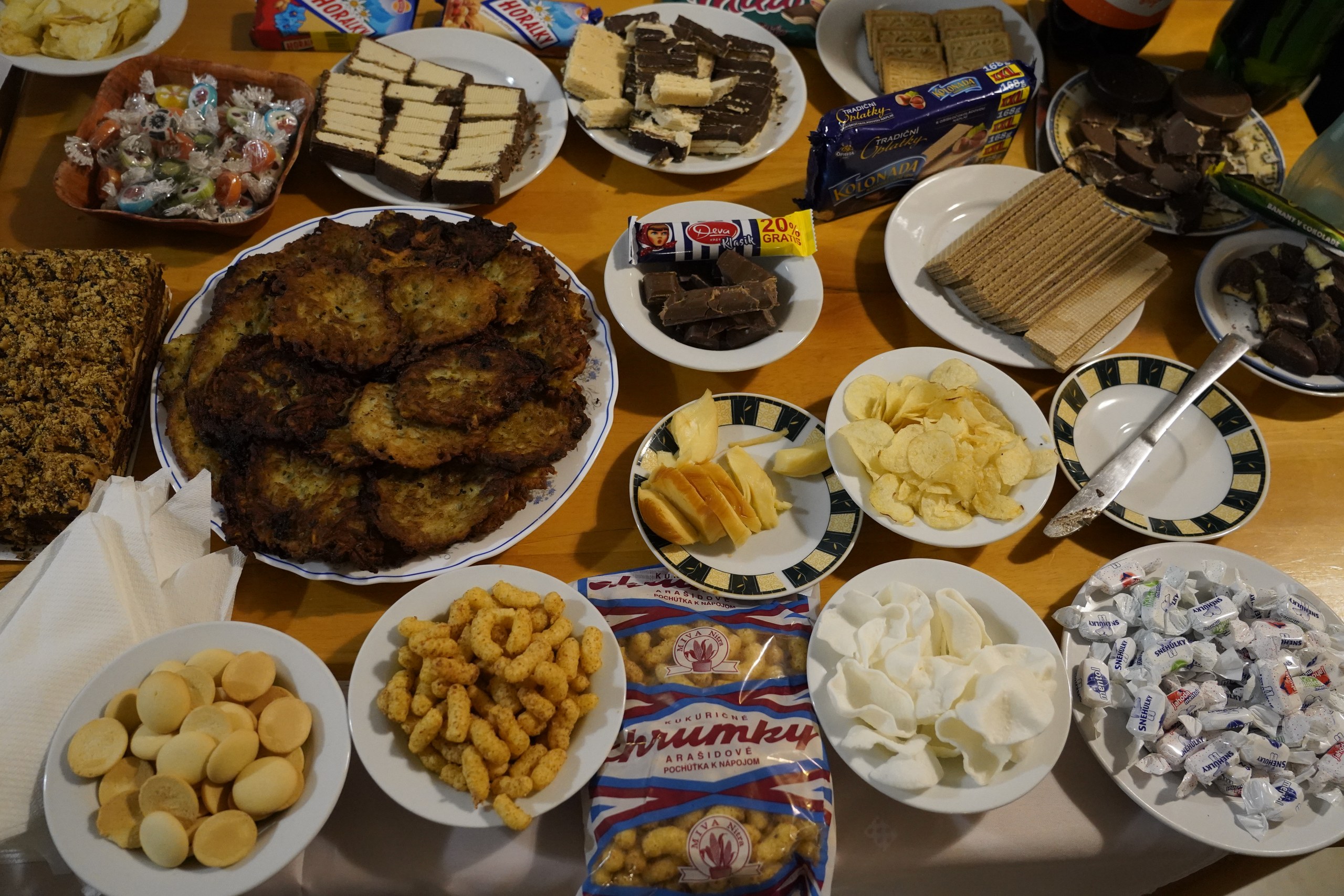
Evenings belonged to the group. A run of intercultural nights gave each national team the floor to show off its country through traditions, music, games, and the crowd favourite every time, a table of food and sweets brought from home, from Slovak Chrumky to homemade cakes and candies passed around until they ran out. Falling mid-exchange, on the night of the 31st, was a Halloween party the participants built themselves: costumes improvised from what they had packed, decorations strung up around the common room, and a blue-lit dance floor that turned a session space into the best night of the exchange for many of them.
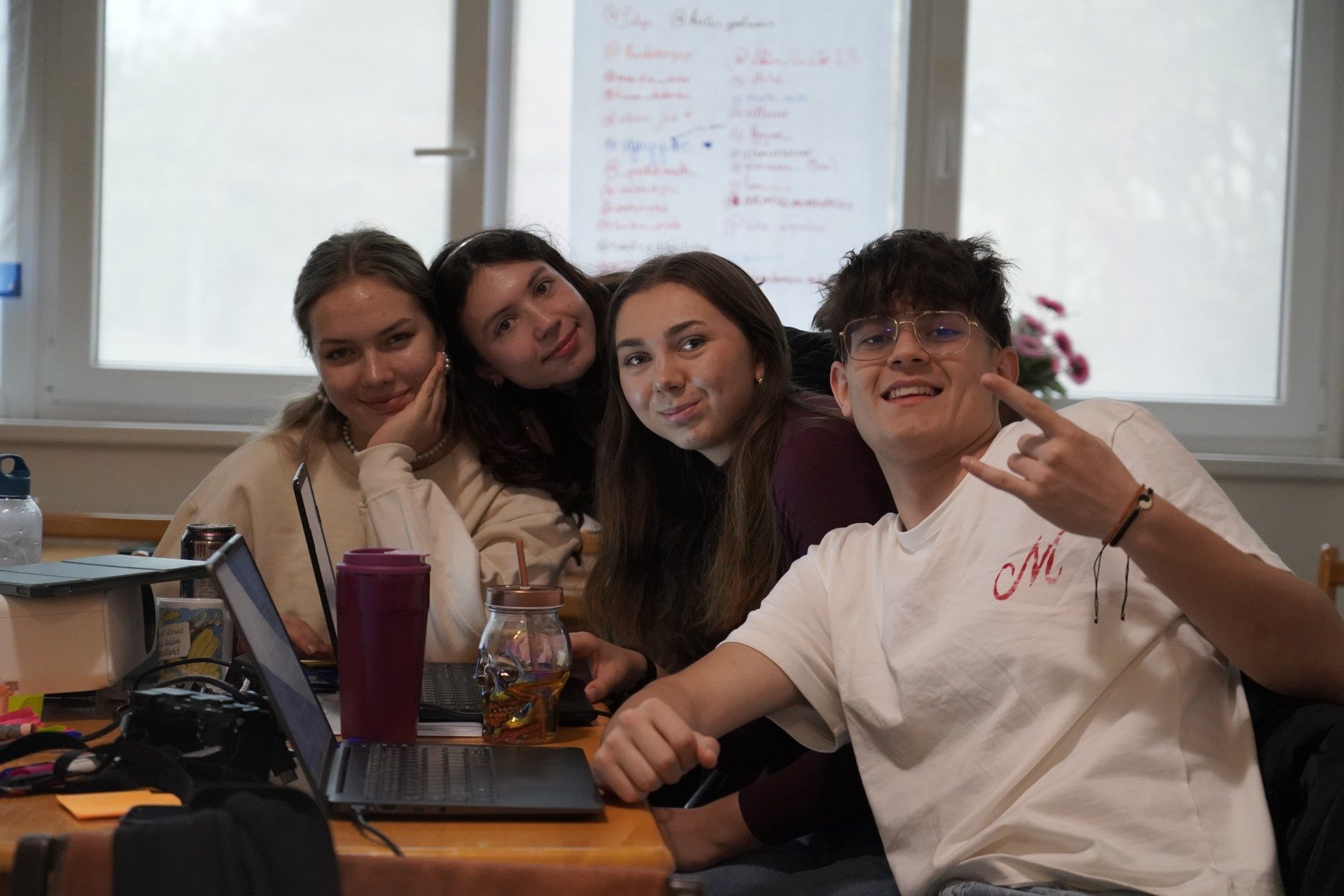
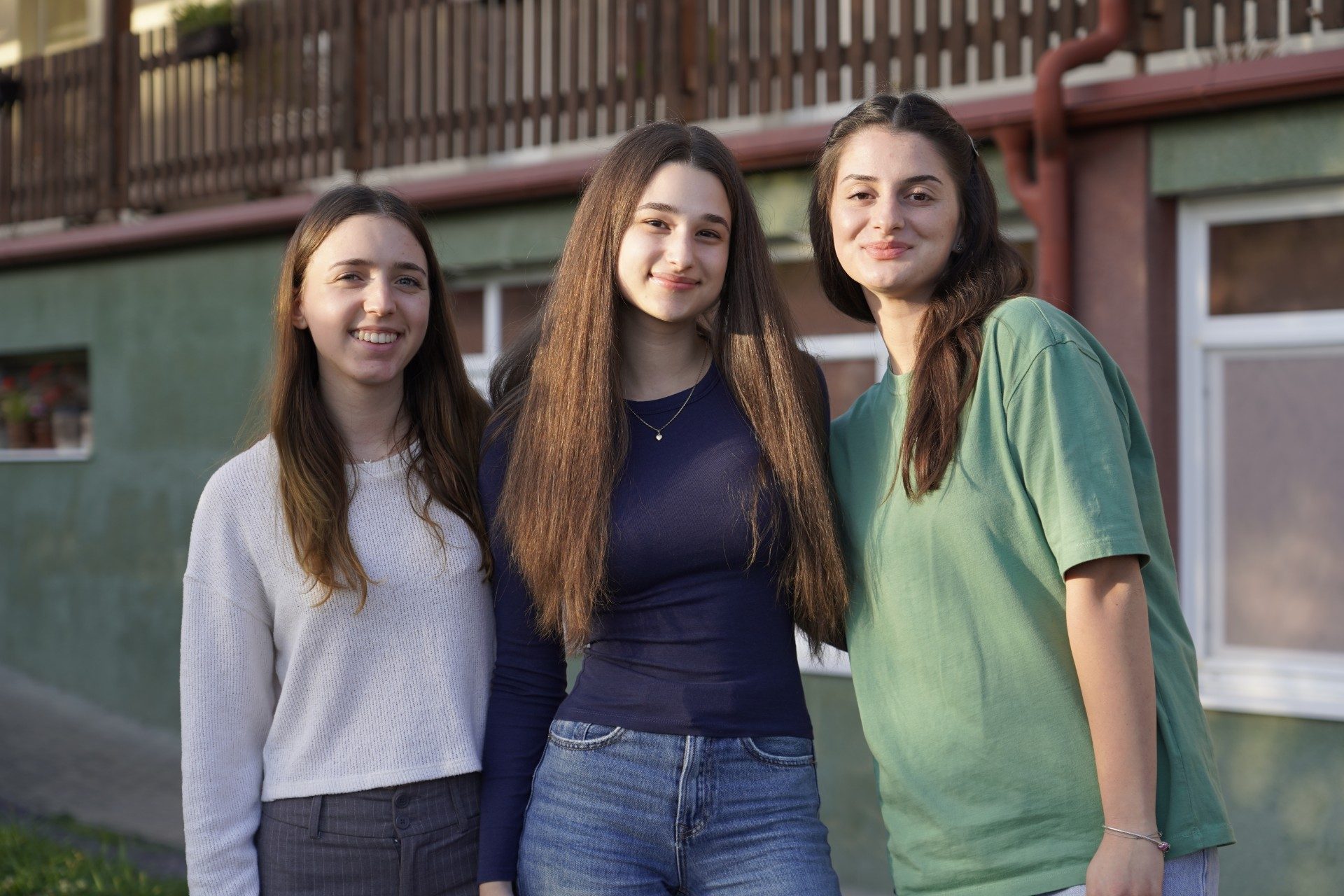
A quieter thread ran underneath all of it. Each day closed with small national “support groups” where participants named the emotions the day had stirred and answered what they liked, what could improve, and what they had learned. A Secret Friend game asked everyone to look out anonymously for one other person throughout, revealed only on the final evening, while a compliment box collected notes of appreciation that were read aloud each night. These small rituals kept the focus on how people were doing, not just what they were making, which is the point of an exchange built around social well-being.
What the Group Took Home
The final days were built for transfer, not goodbyes. Participants moved from personal reflection to group action, pooling concrete ways to support social well-being at home and brainstorming simple acts of kindness they could carry out straight away. In a Forum Theatre session, teams performed unresolved scenes of social difficulty, then replayed them so the audience could step in and change the ending, rehearsing how empathy and listening can shift a situation. On the last day, national teams designed realistic well-being events for their own communities, drafted concrete dissemination plans, sketched ideas for future youth exchanges, and filled in their Youthpass certificates, naming the competences they had developed. What participants carried back is specific: a shared vocabulary for social well-being, practical methods they can run themselves, and eight key competences they can point to and explain.
Blooming Connections is part of Four Links’ Accreditation, co-funded by the European Union through Erasmus+. For our team, coordinating it meant watching a method we believe in prove itself again: that young people understand well-being best when they build it, together, in the same room.
Results
Plenty of what the group produced is already woven through the story above, from the recipe for community to the social-media reels and the Shark Tank pitches. Besides those, this section gathers a few more of the tangible outputs in one place: the flipcharts, poems, designs, and decks the participants created as they worked their way through the theme of social well-being.
Expectations, Fears and Contributions
On the very first day, participants mapped what they hoped to gain from the exchange, what worried them, and what they could contribute to a good atmosphere, all gathered on this shared flipchart.
Discovering European Opportunities
Early on, groups explored the opportunities the European Union offers young people. This short video introduces DiscoverEU and how anyone can use it to explore Europe by rail.
The 8 Key Competences
Each group took one of the eight key competences for lifelong learning and presented it in a creative format, from flipcharts to a short film about putting digital skills to good use.
Defining Wellbeing Together
After a live brainstorm on what well-being means, groups role-played as teams of well-being experts and crafted a collective definition, captured on this flipchart.
Bake Your Own Community
Using the metaphor of a cake, participants built a recipe for a community, each ingredient standing for an element of social well-being such as connection, positivity, and trust, then turned it into a visual design.
Exploring Mind and Balance
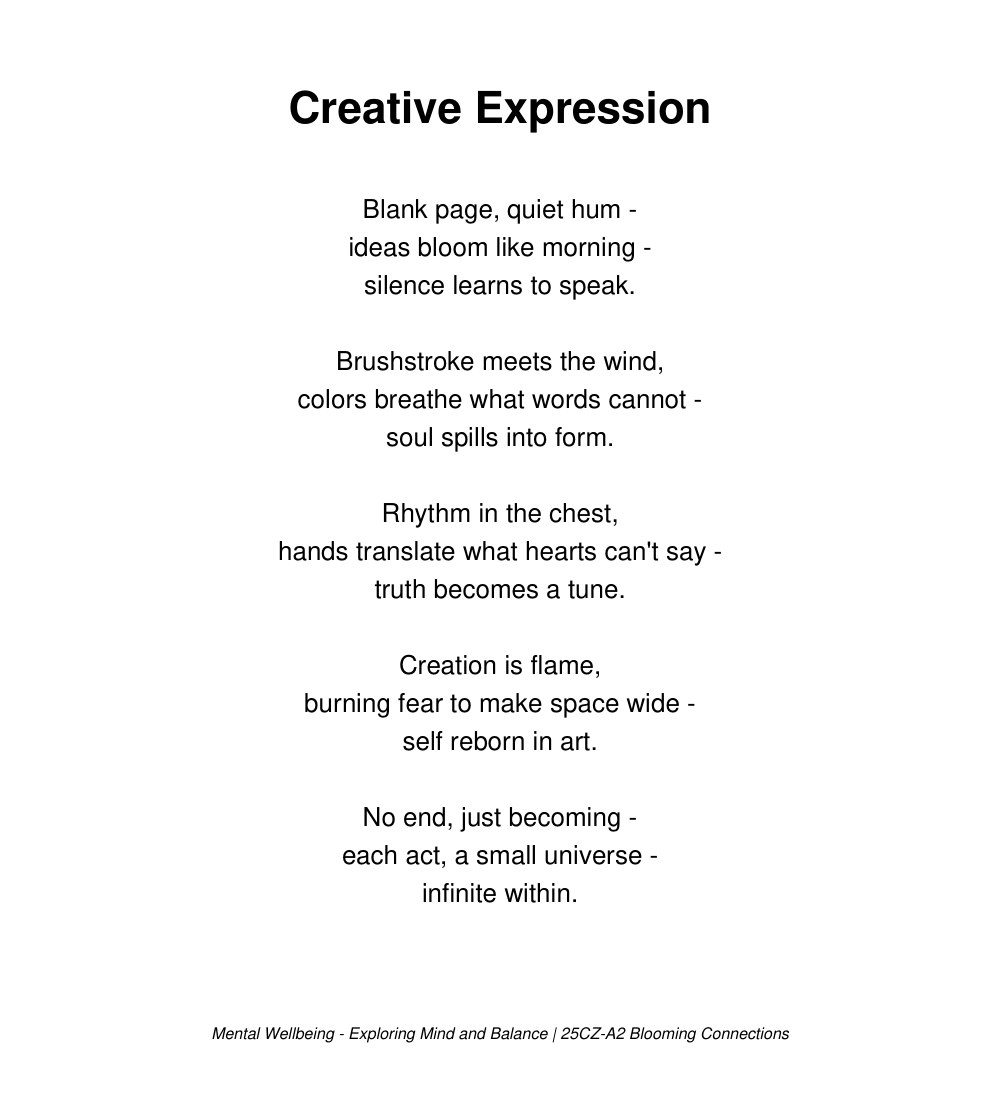
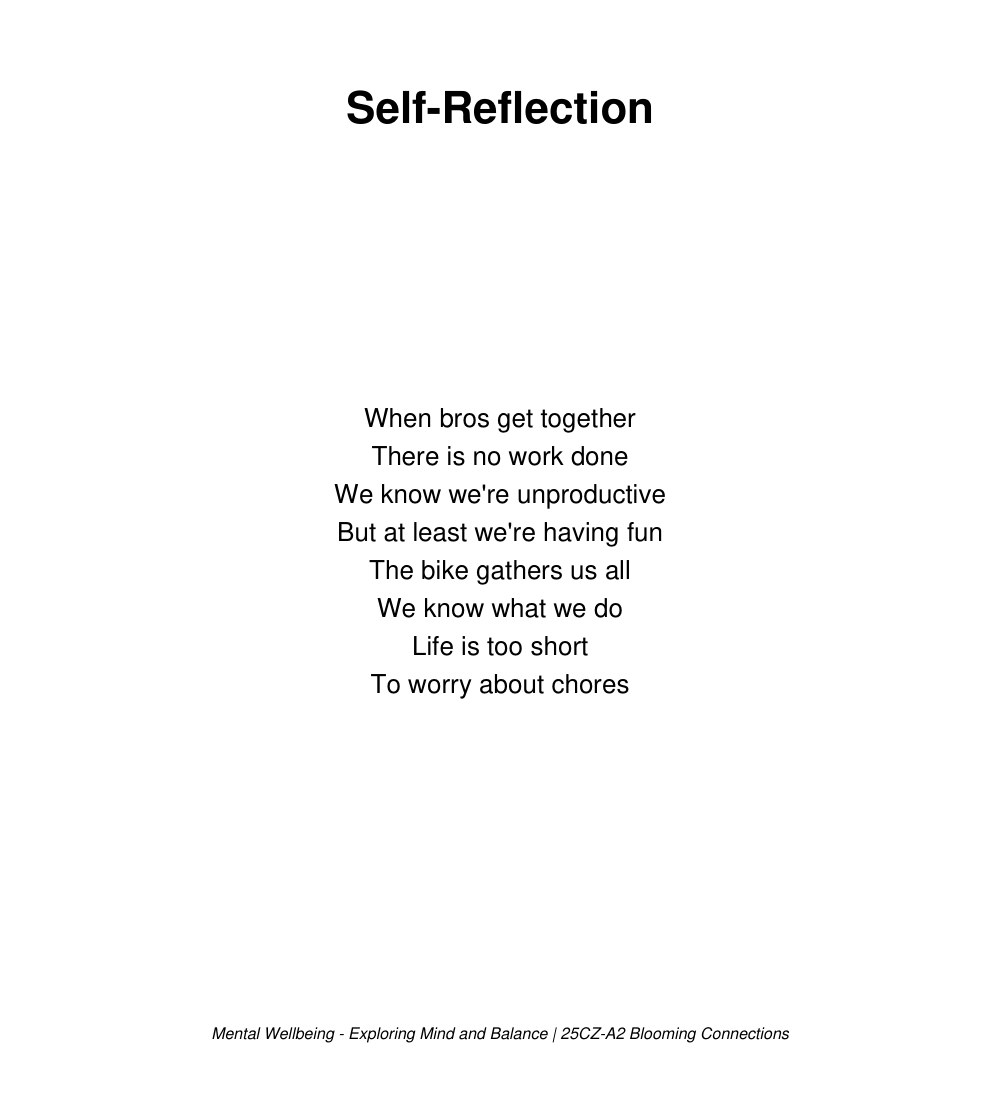
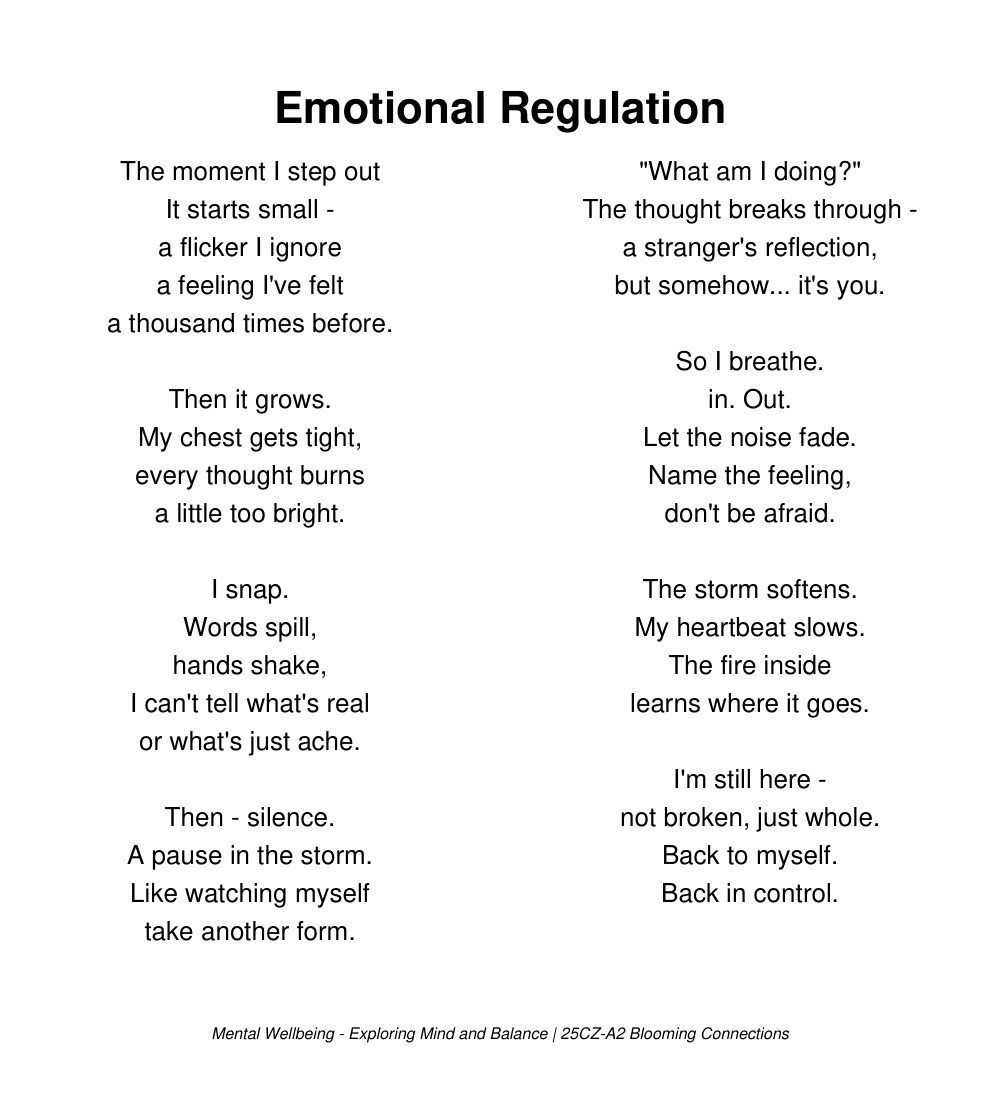
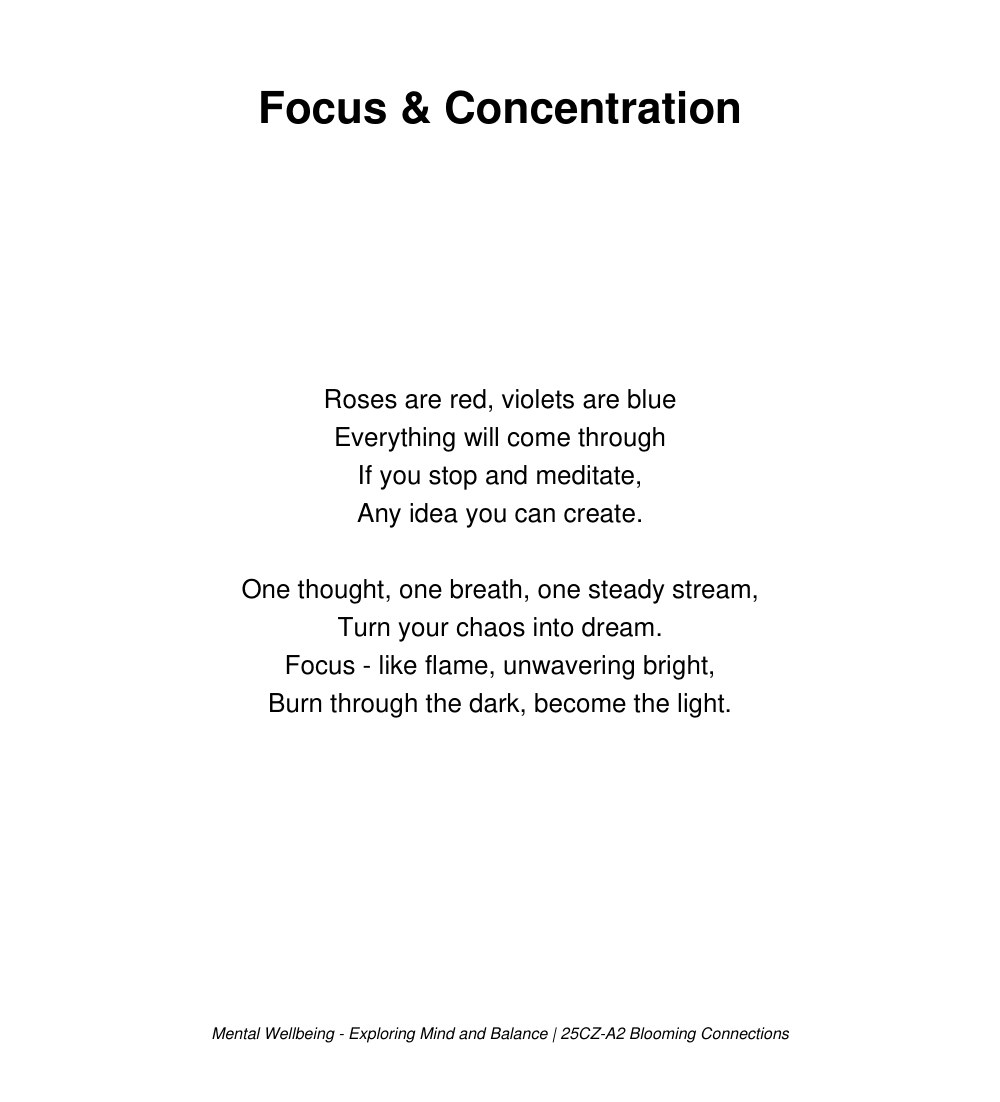
Groups each took an aspect of mental well-being, from mindfulness to creative expression, and wrote a short poem about it. Here is the collected anthology.
Social Media and Wellbeing
Groups created short reels exploring how social media shapes our well-being, from the empathy we lose when we are always multitasking to the comparison trap of perfectly curated feeds.
Shark Tank
Teams designed a product or service to improve social well-being and pitched it to a panel of “sharks”. Parenthing imagined a support network for young parents, while Task Buddy set out to solve the struggle of building meaningful relationships in the workplace.
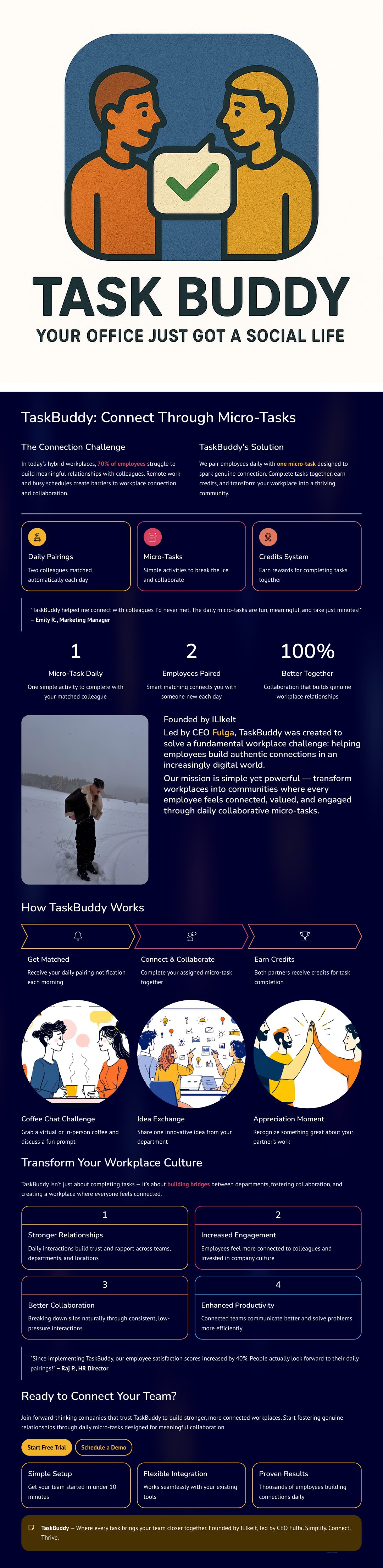
The Task Buddy pitch: logo and concept.
Tarot Cards
Each participant designed a personal tarot card representing a value, emotion, or aspect of life, naming it and describing its meanings. Together the cards formed a collective deck of the group’s shared wisdom.
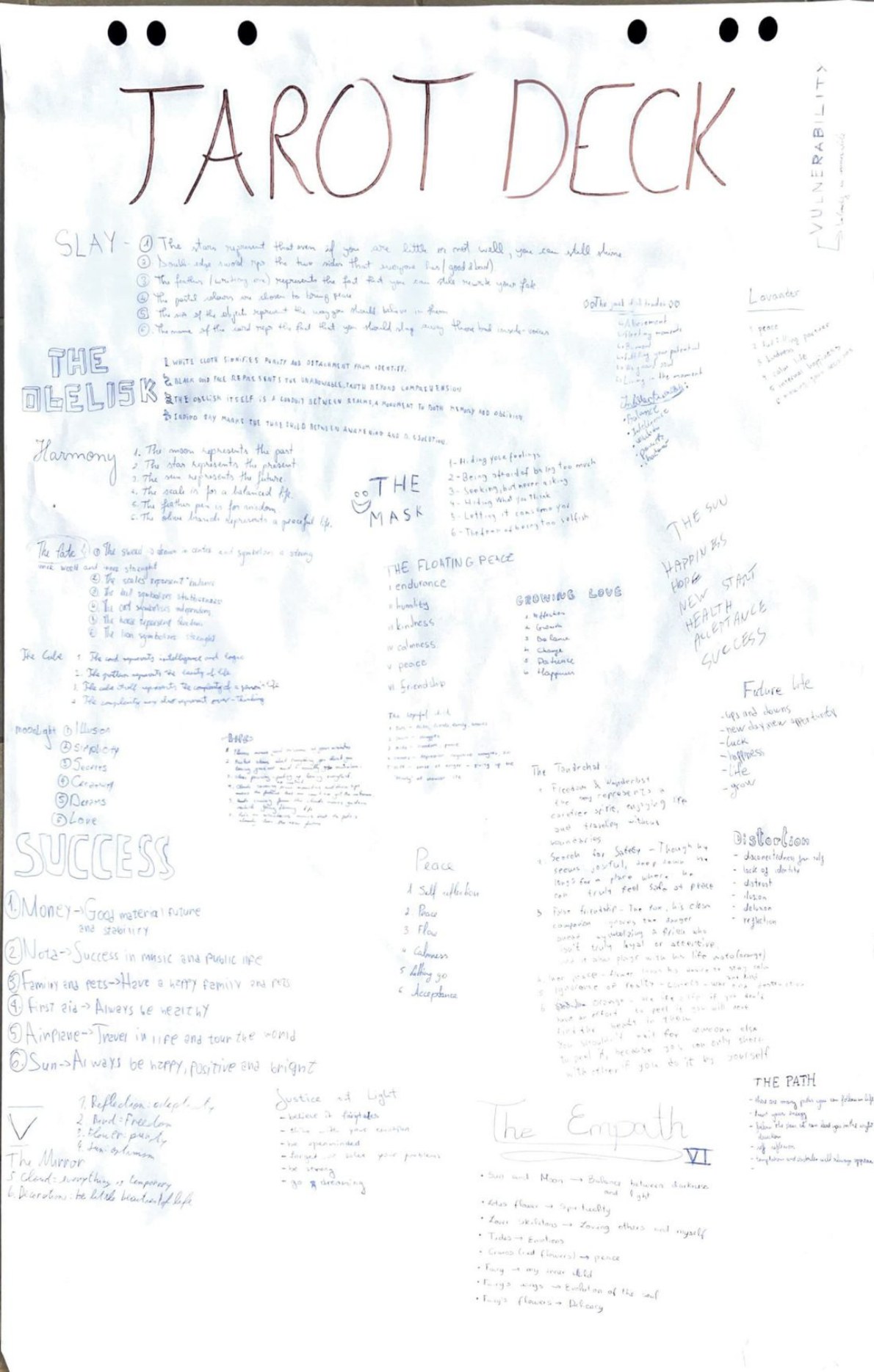
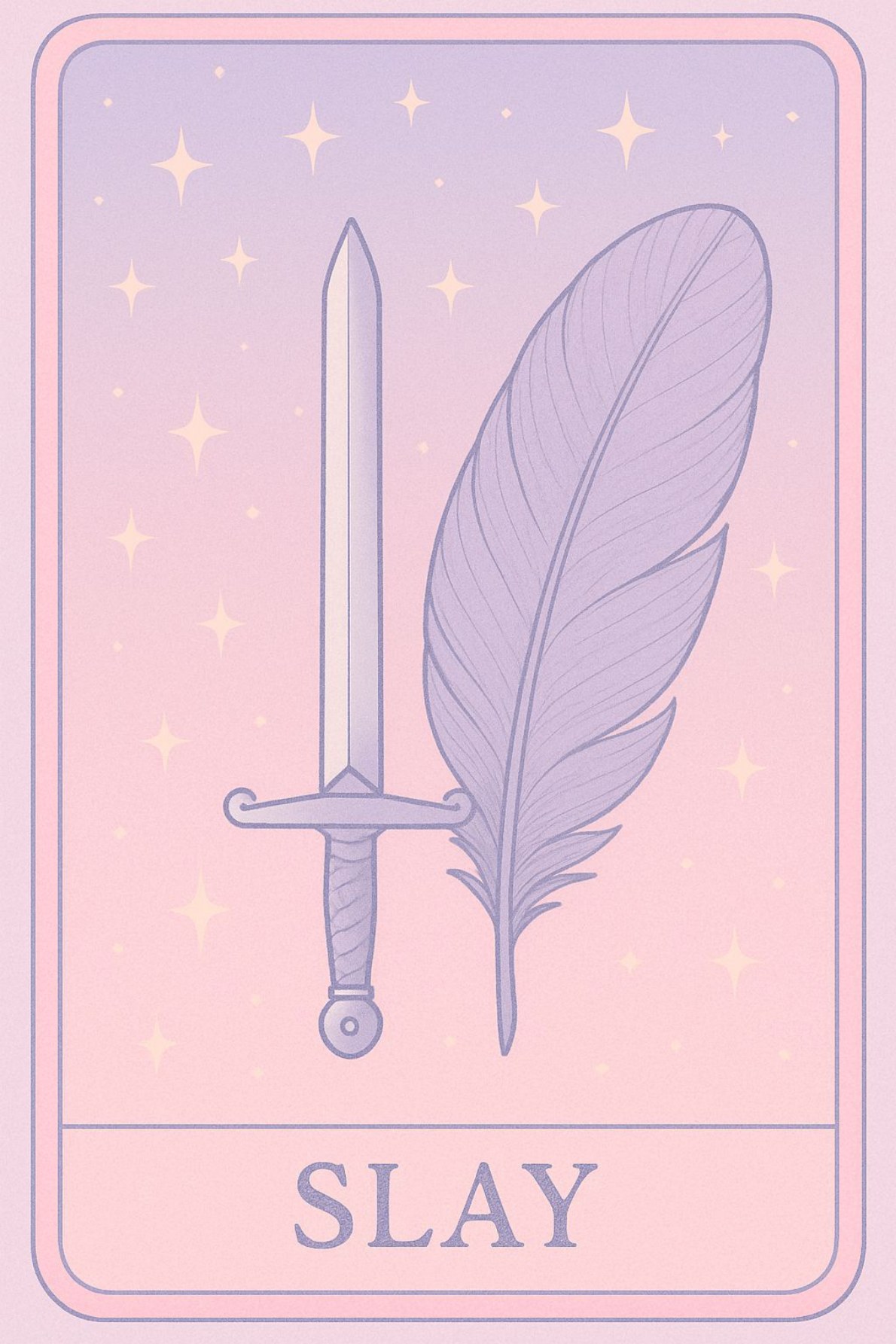
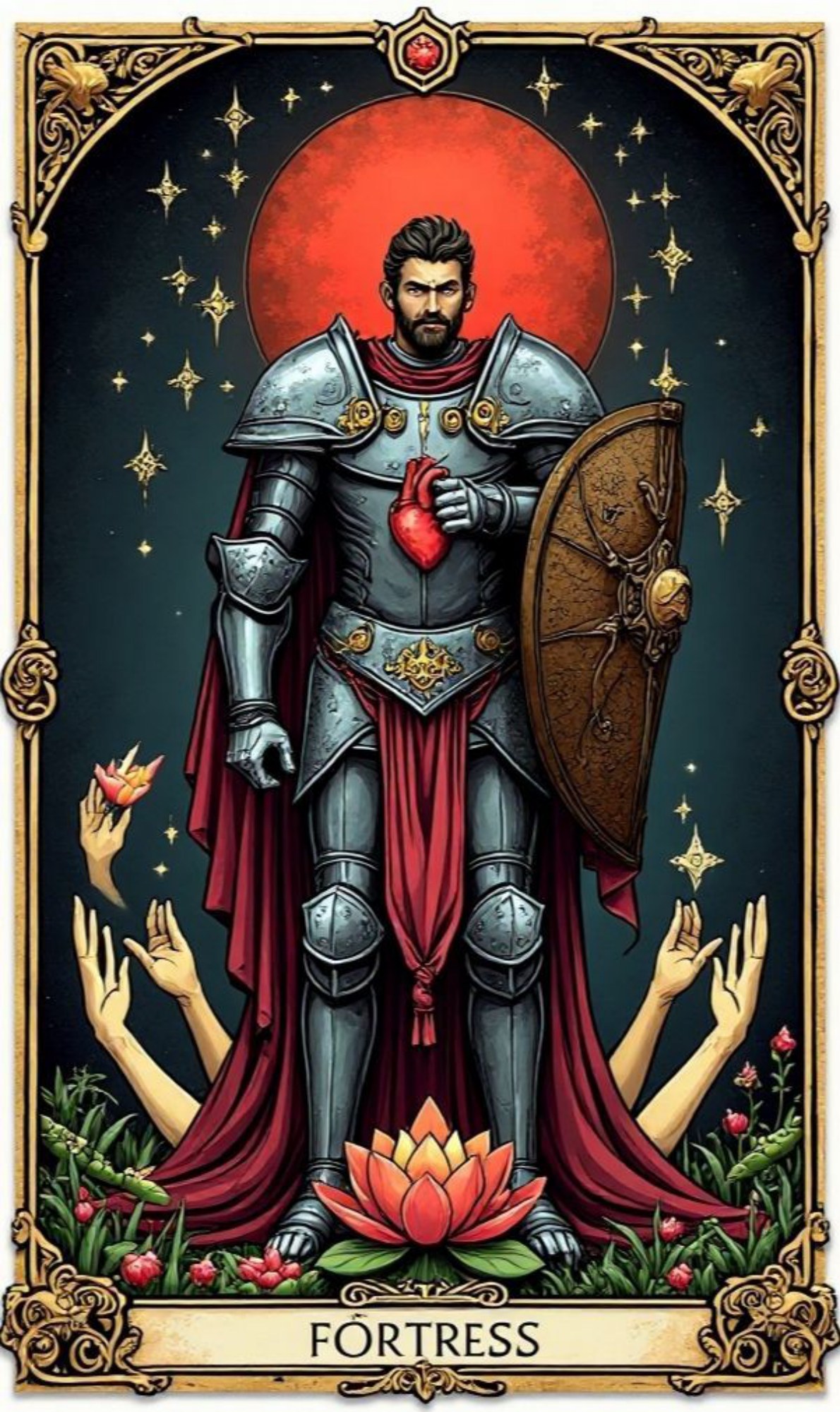
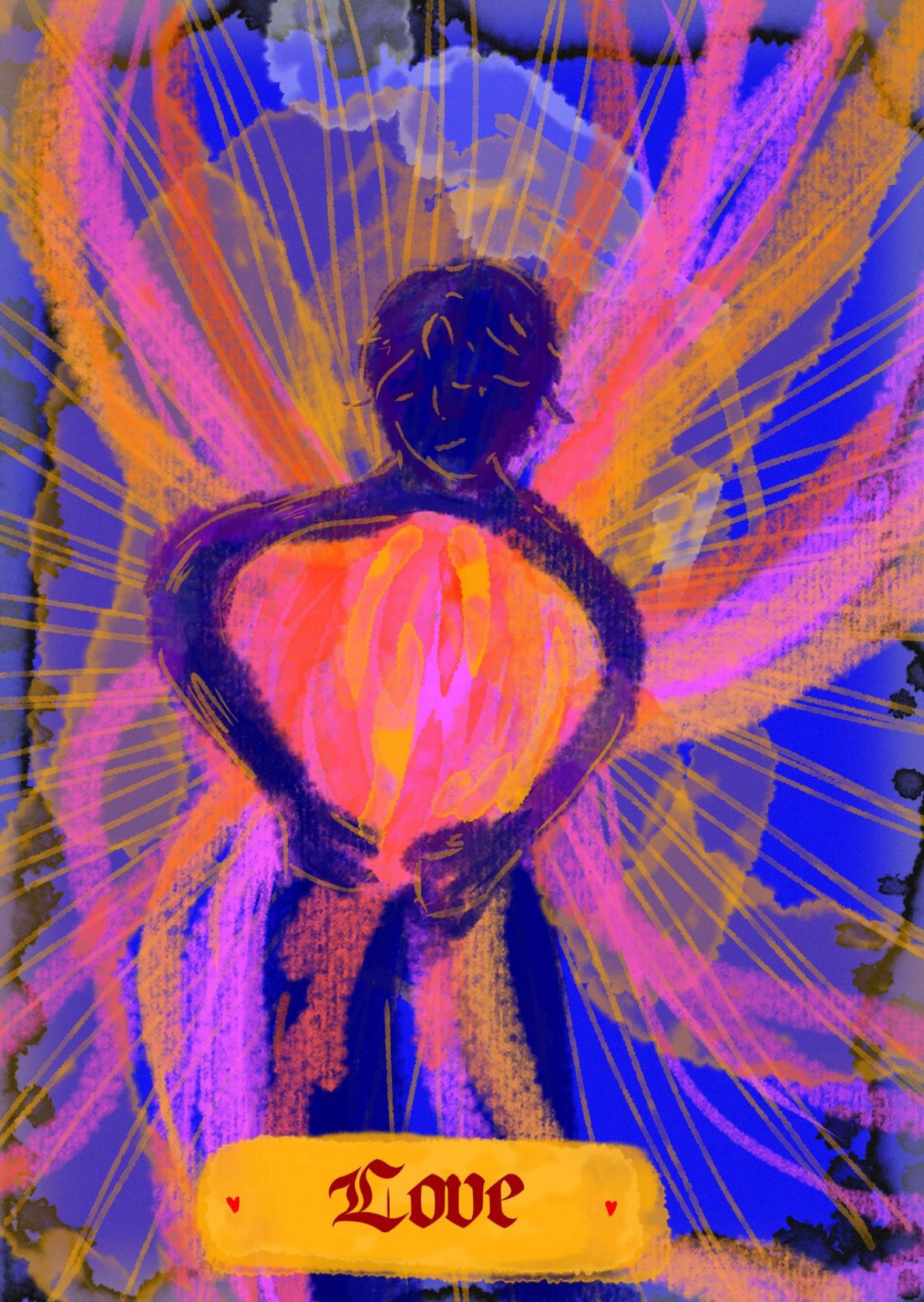
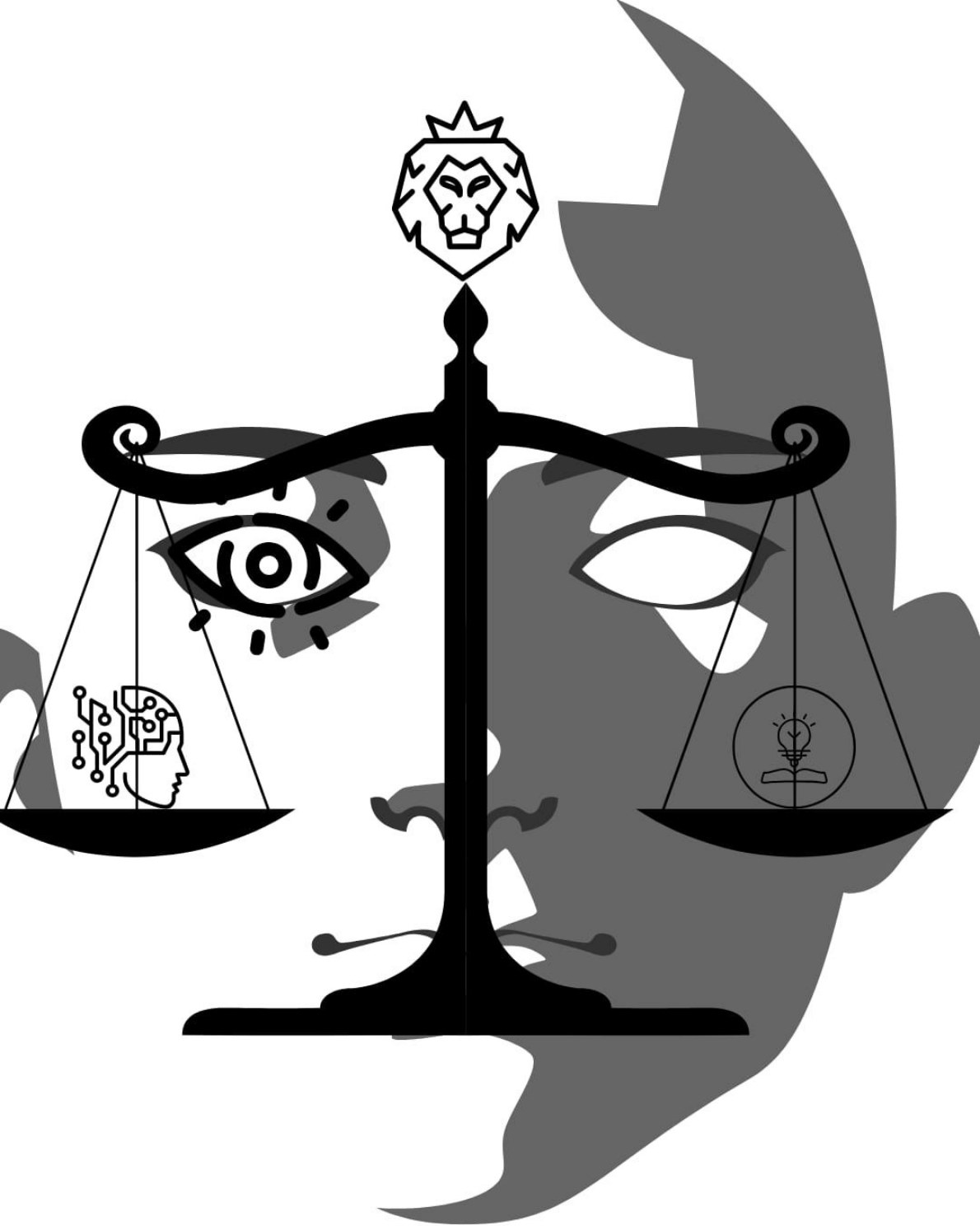
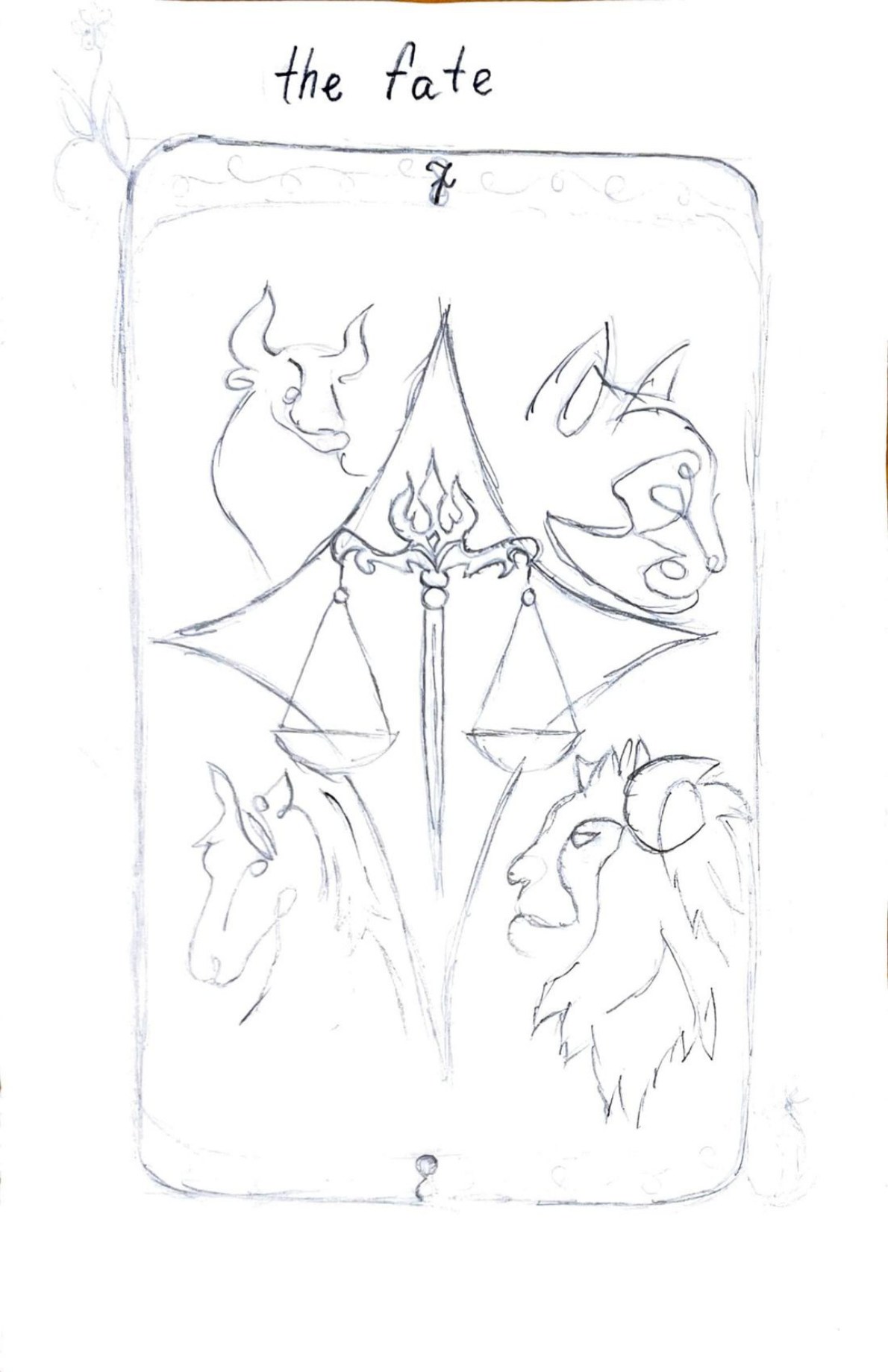
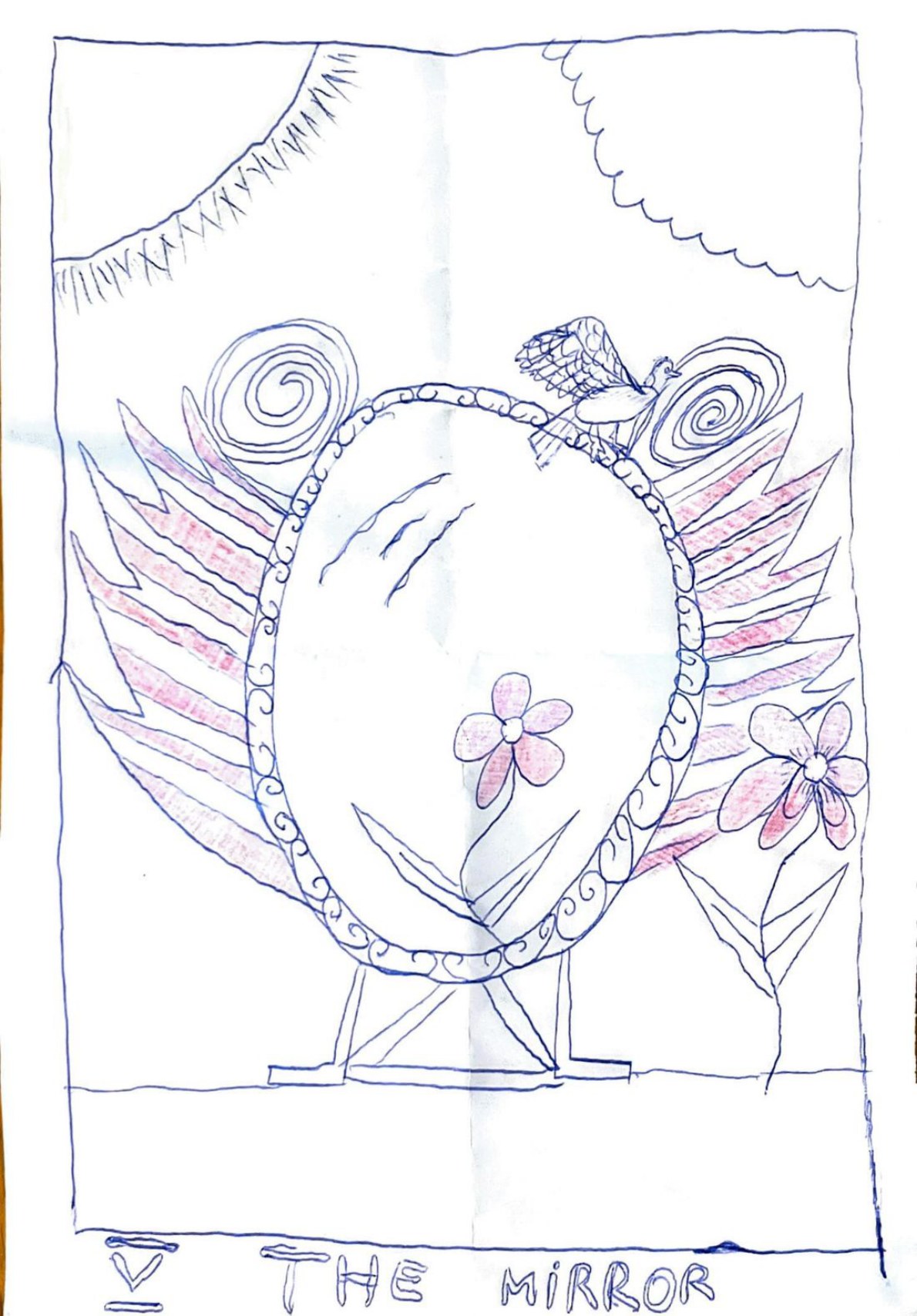
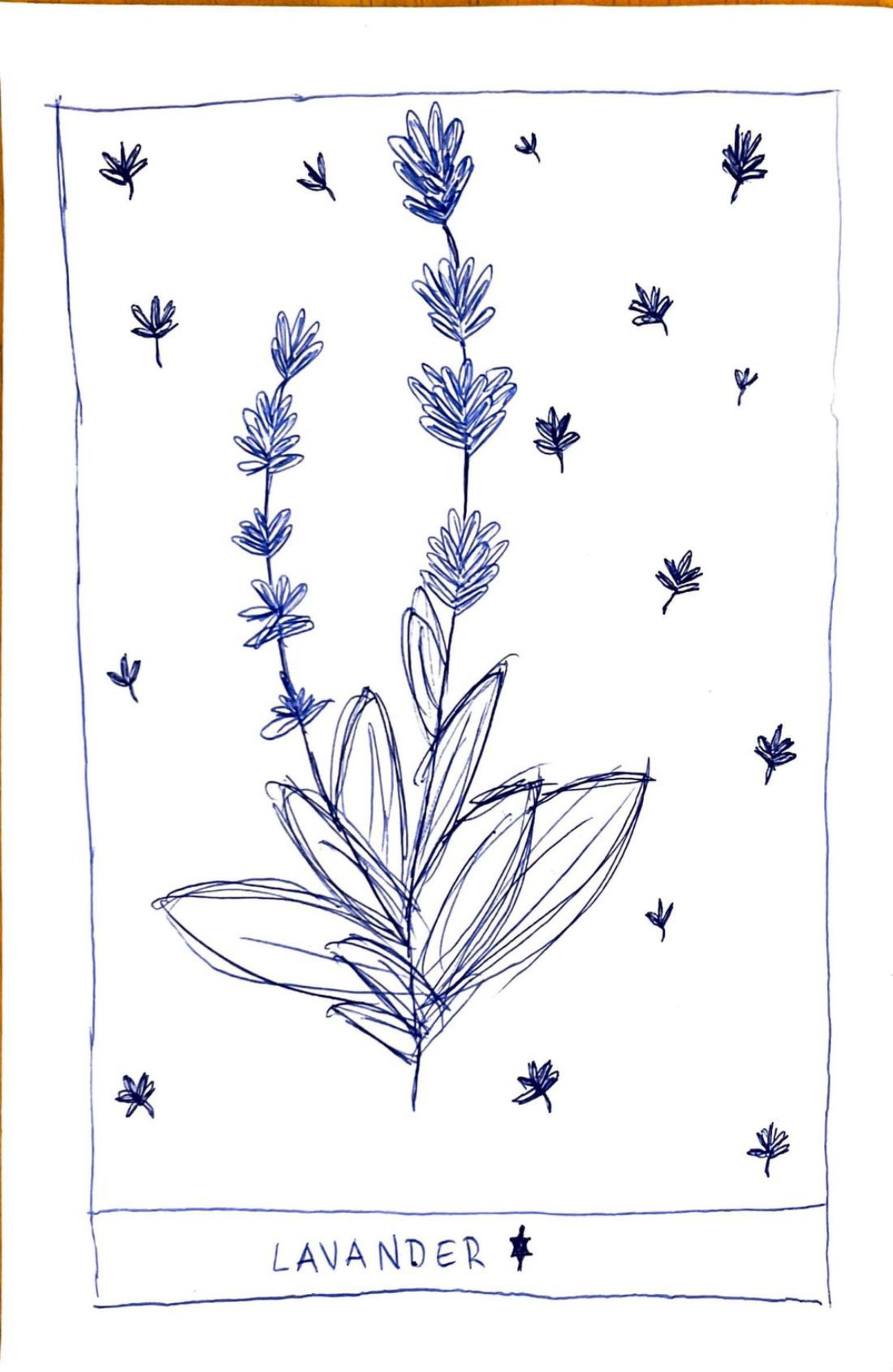
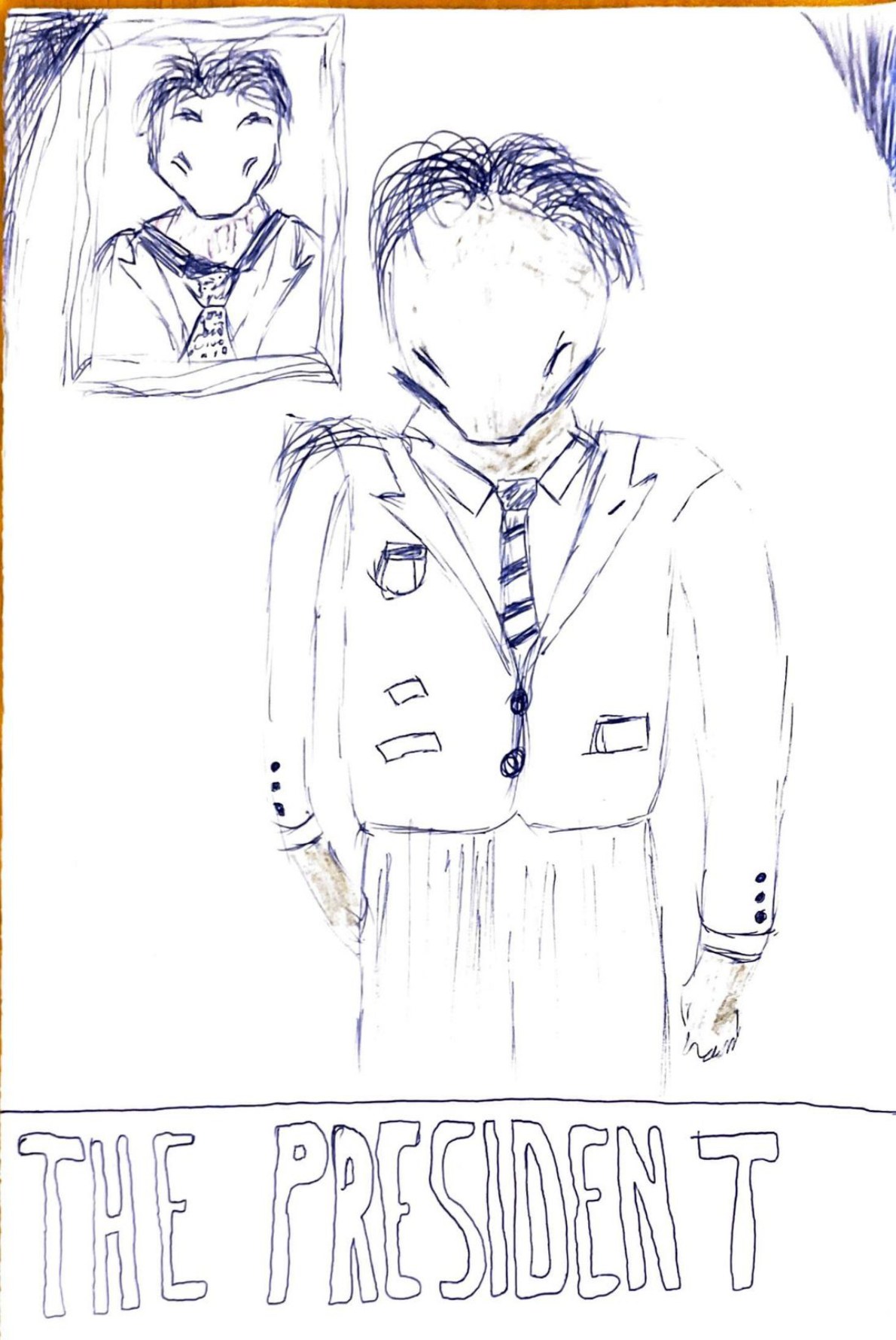
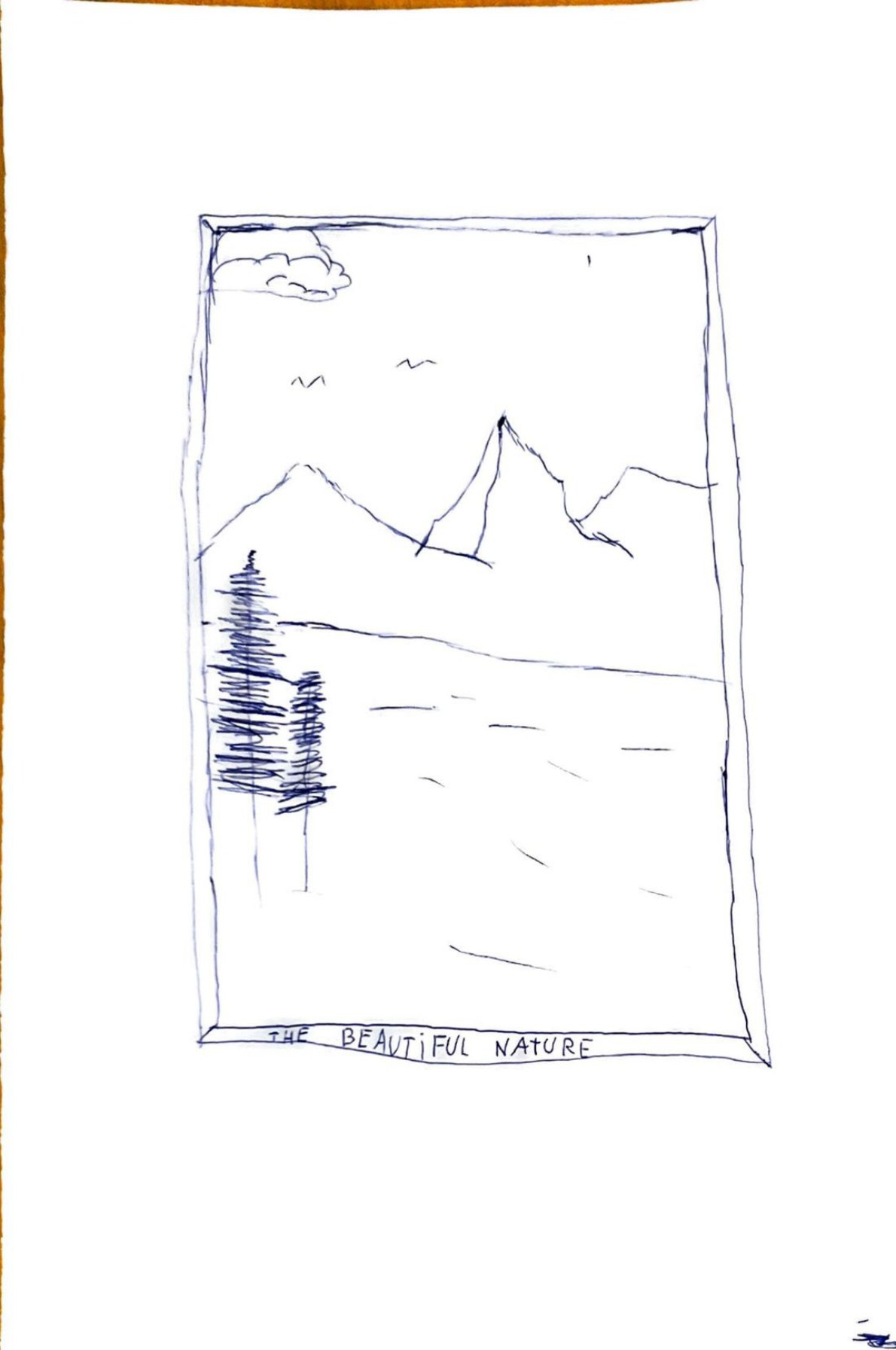
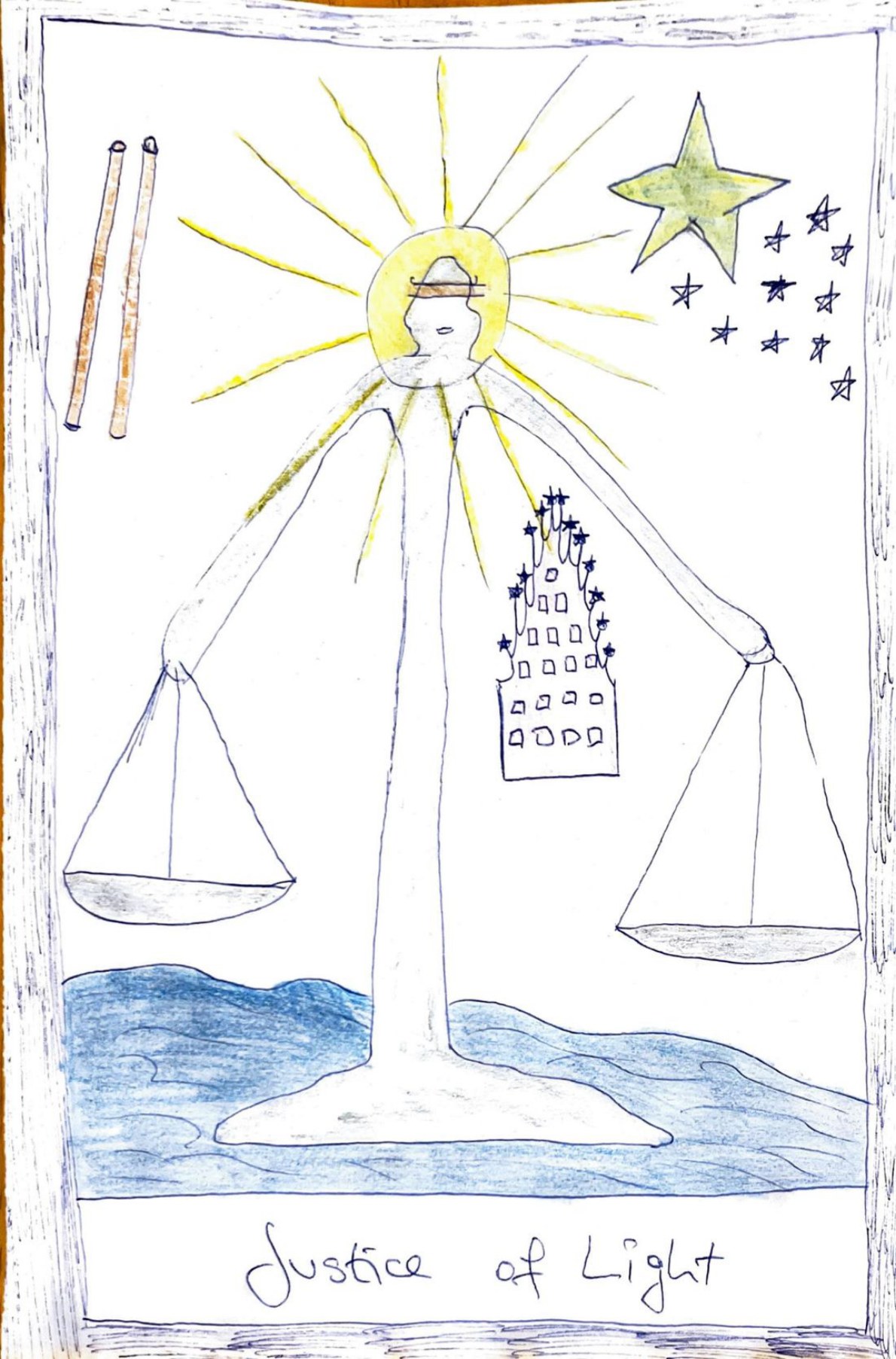
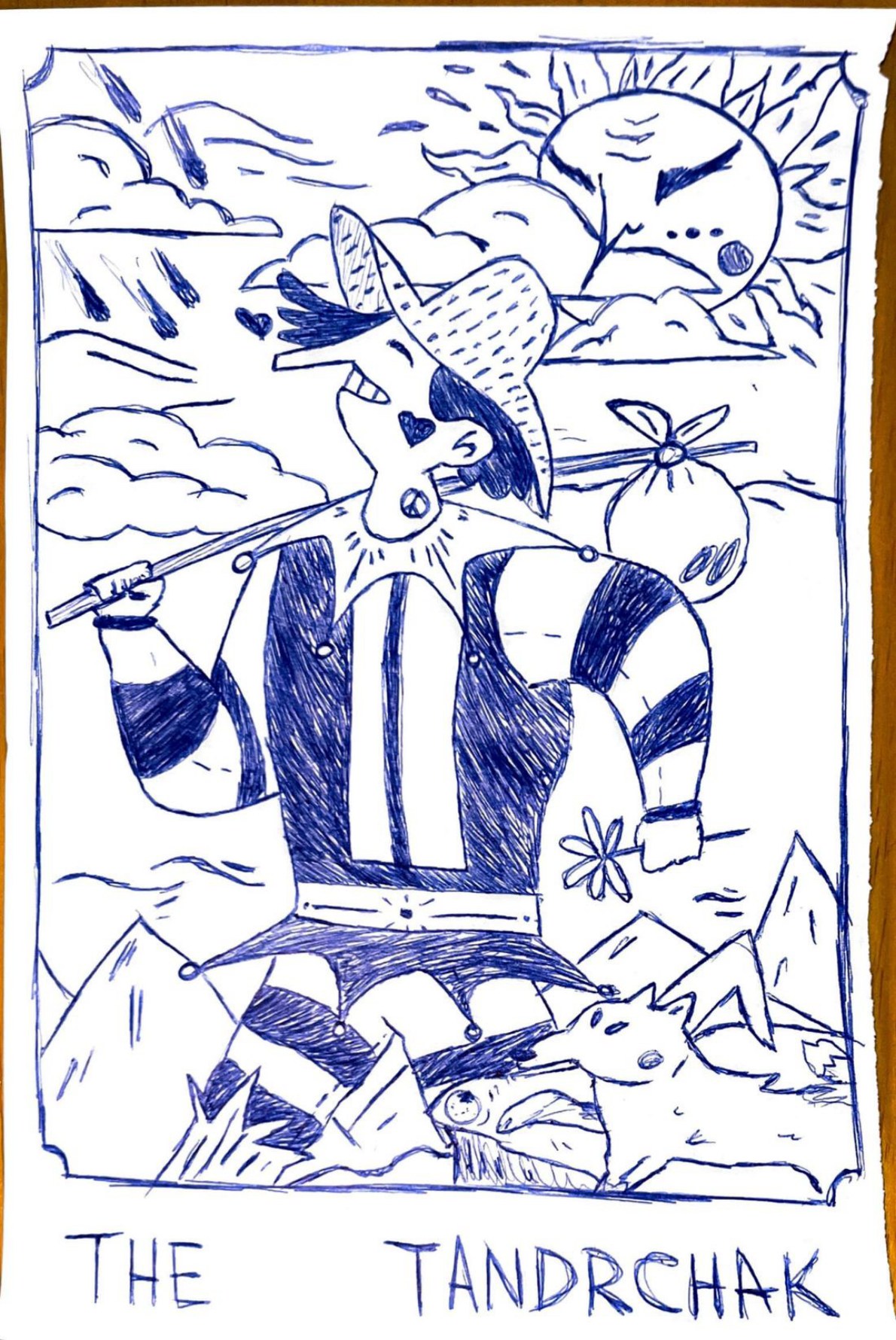
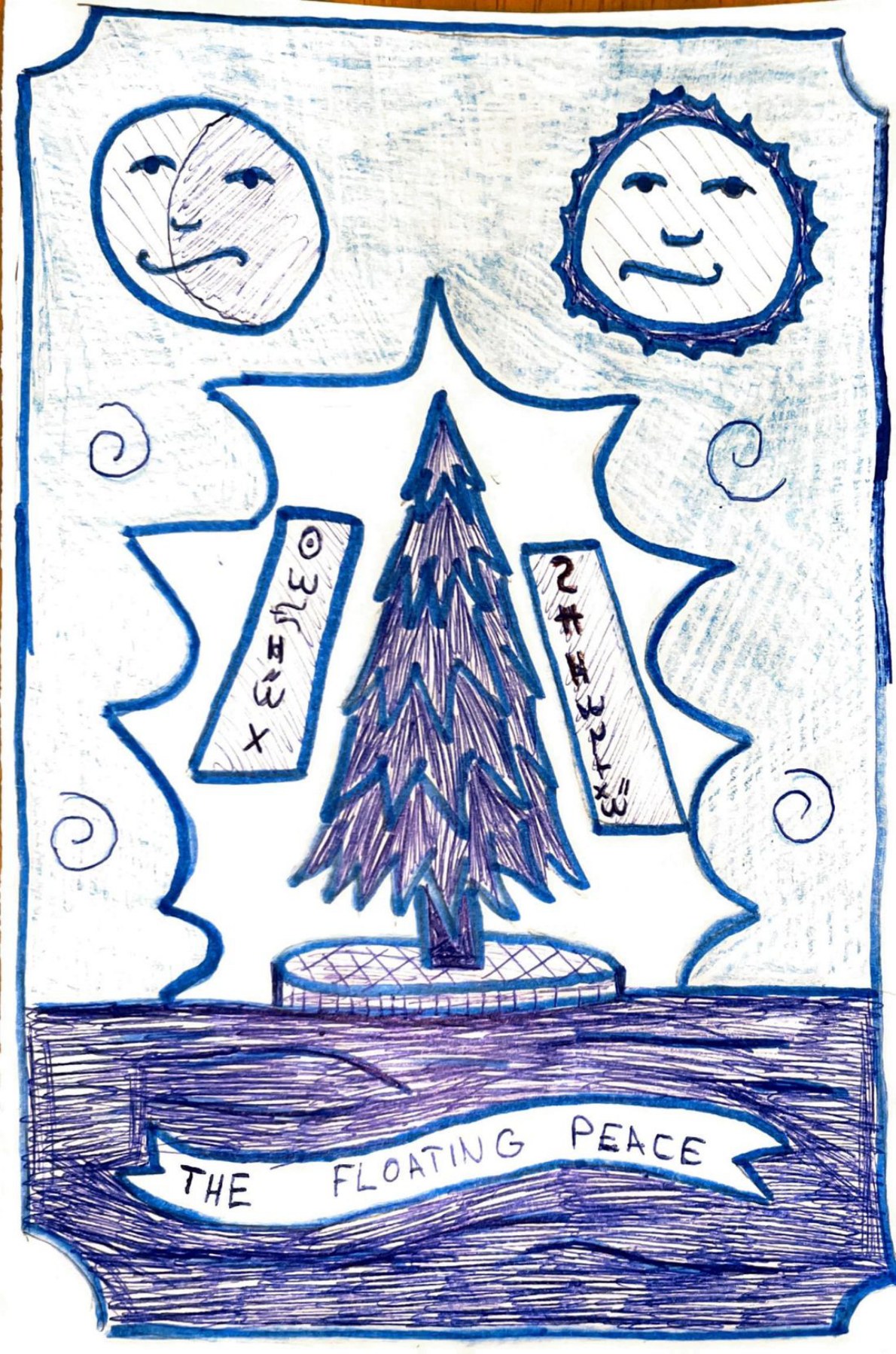
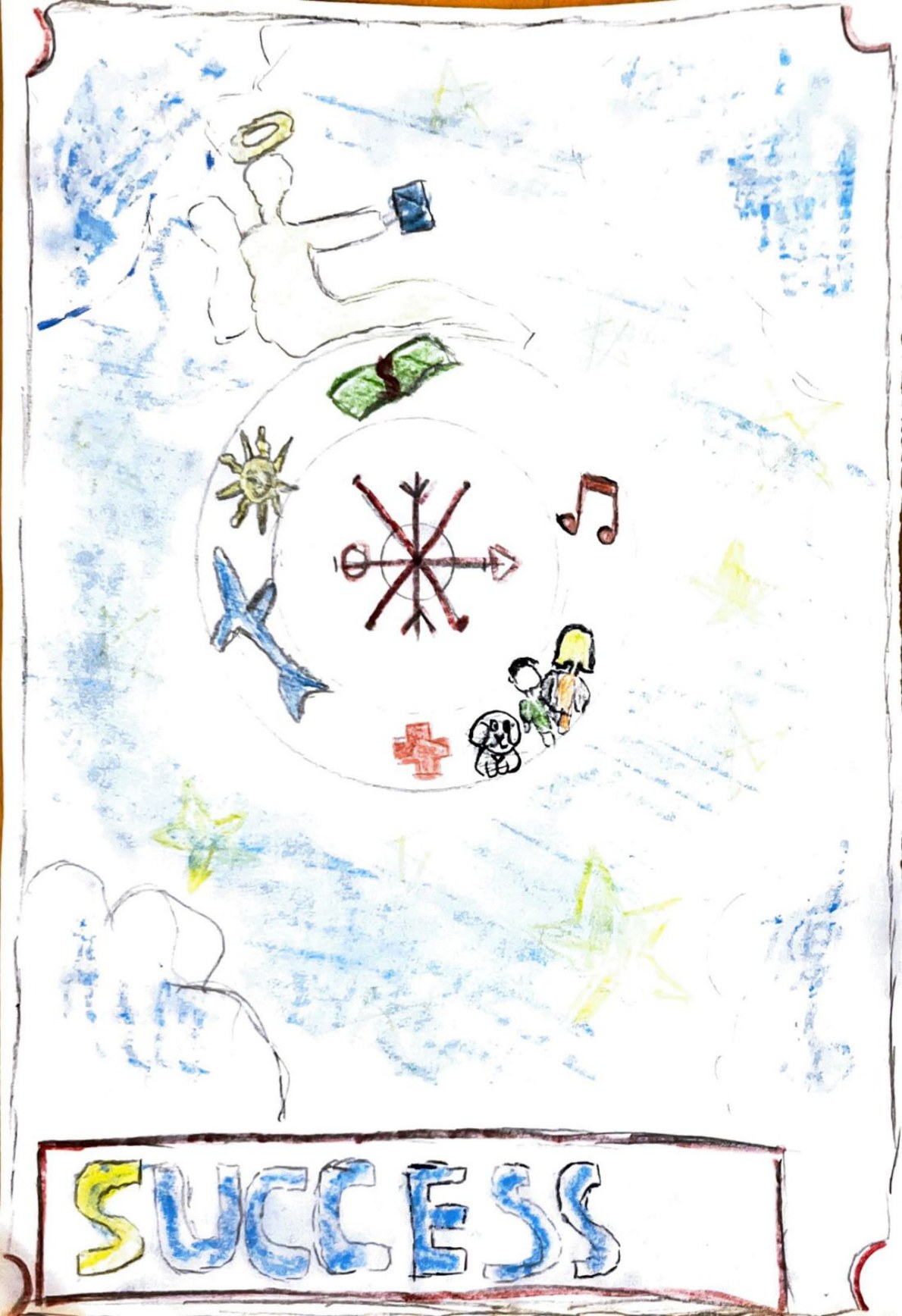
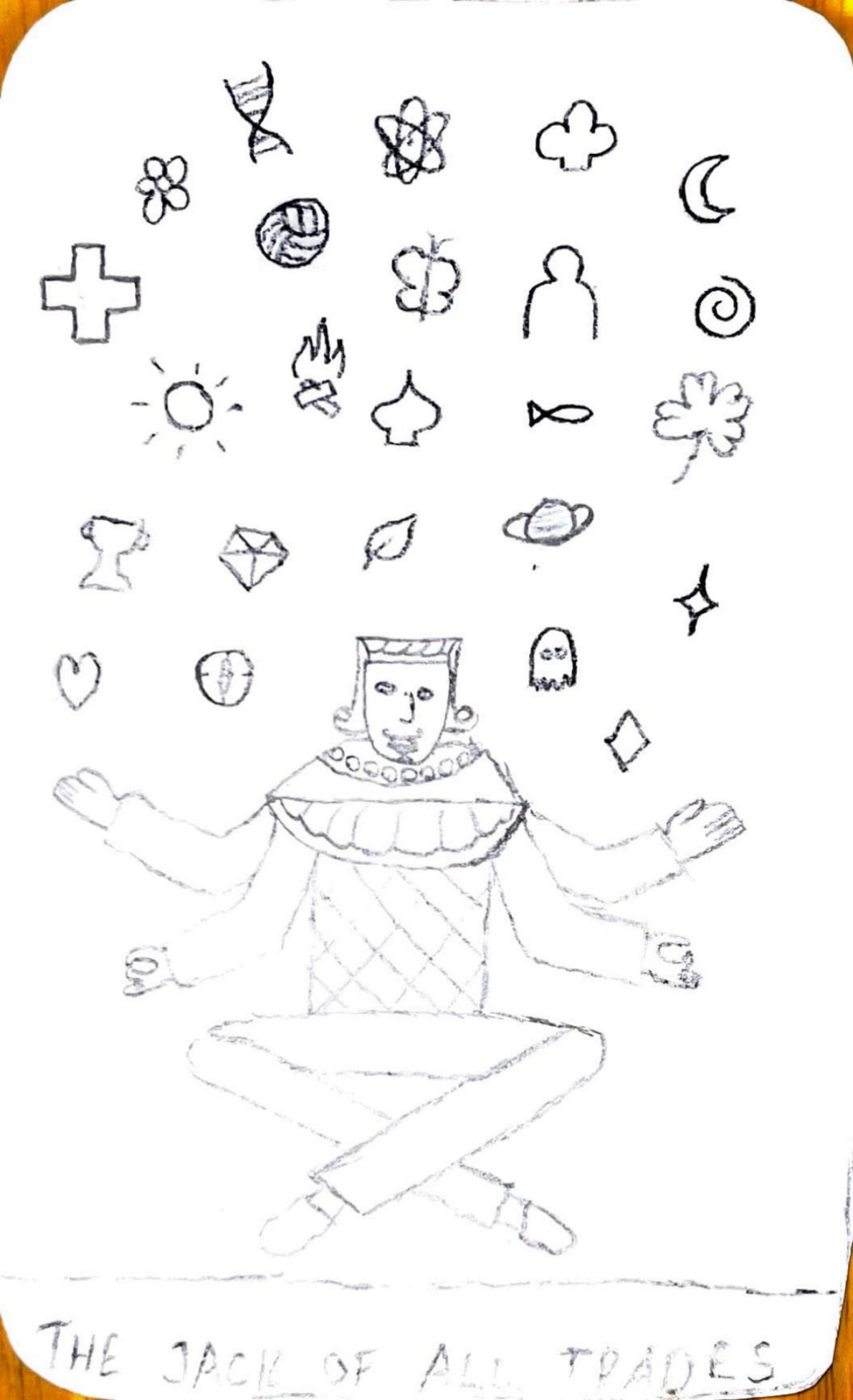
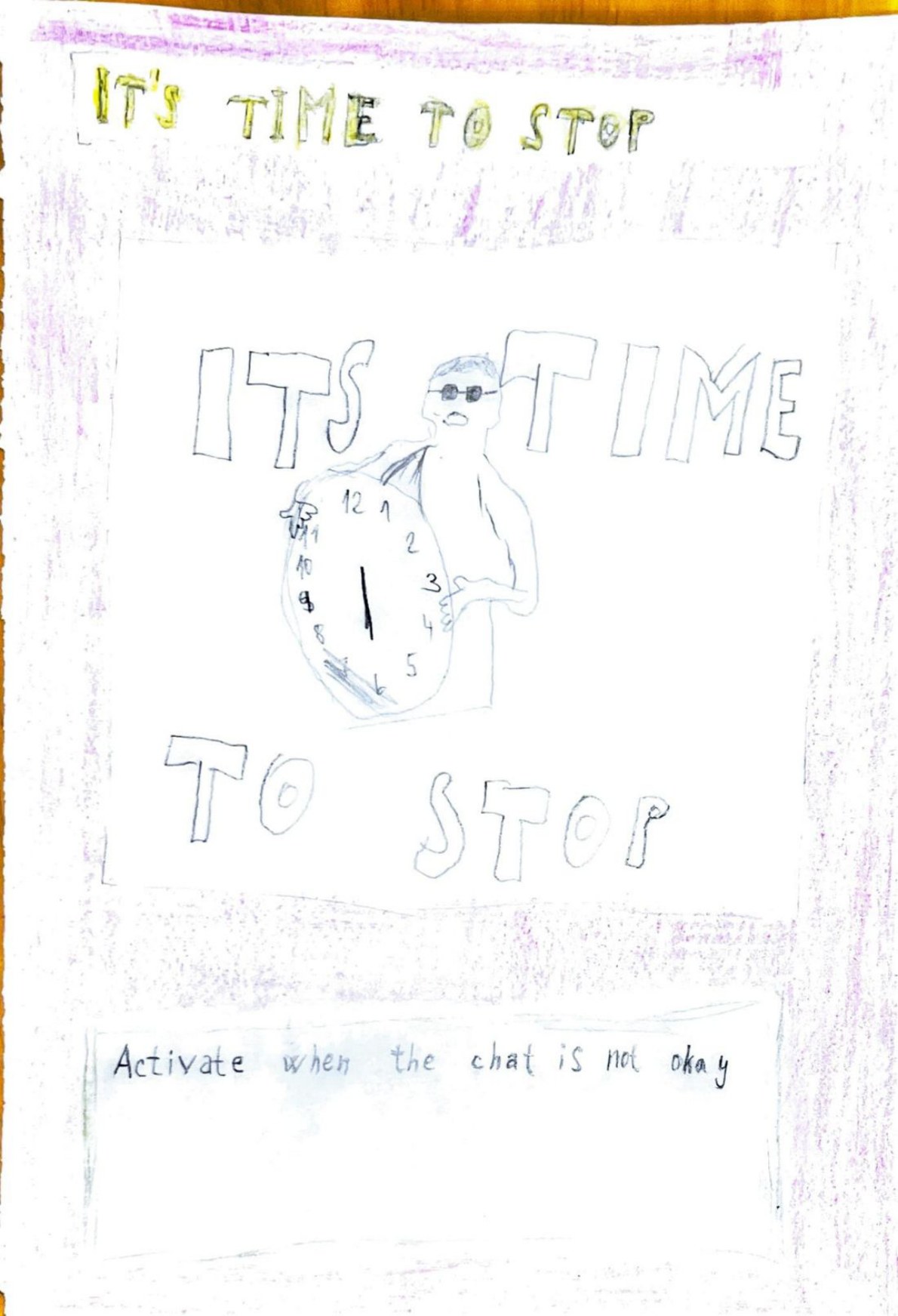
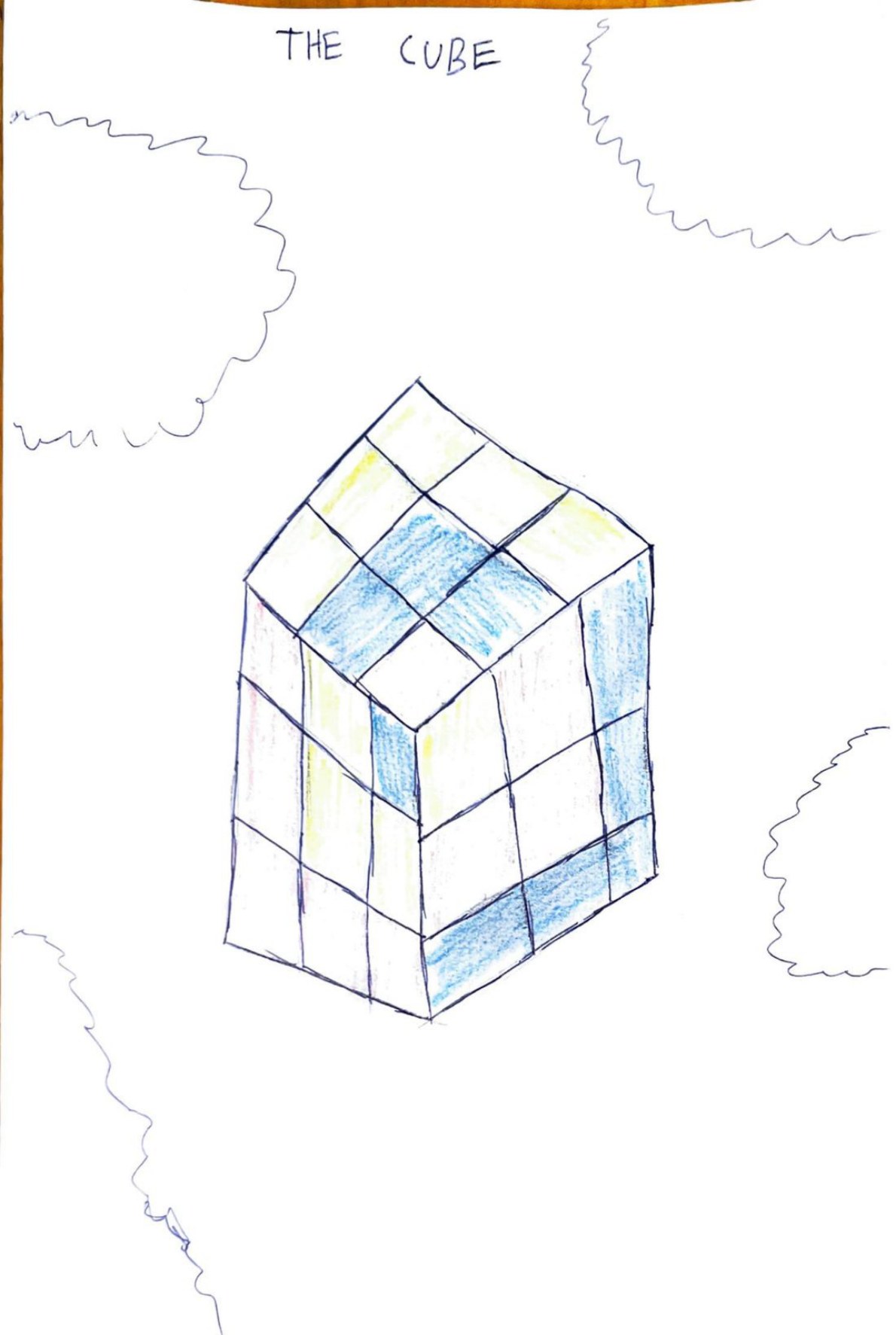
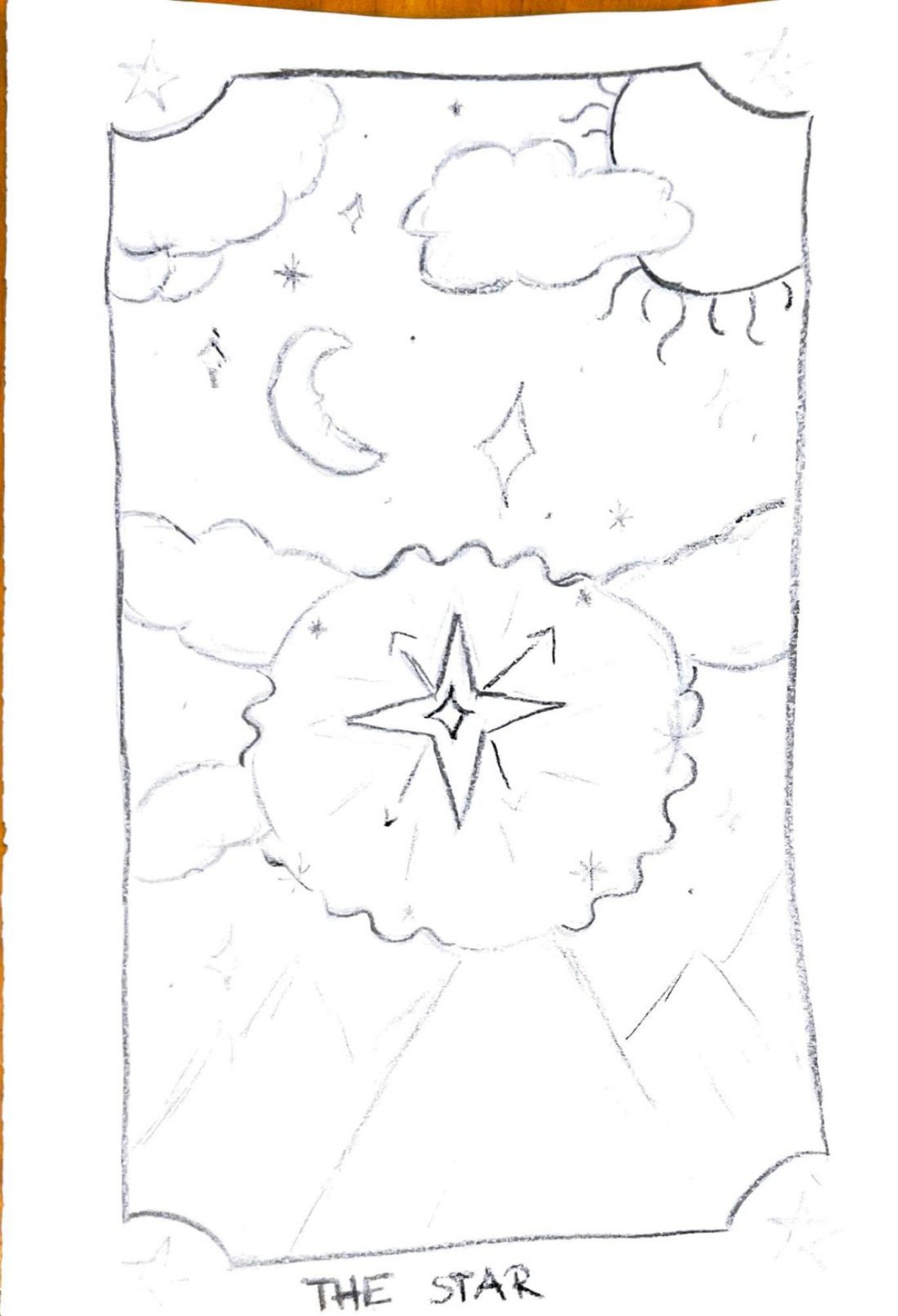
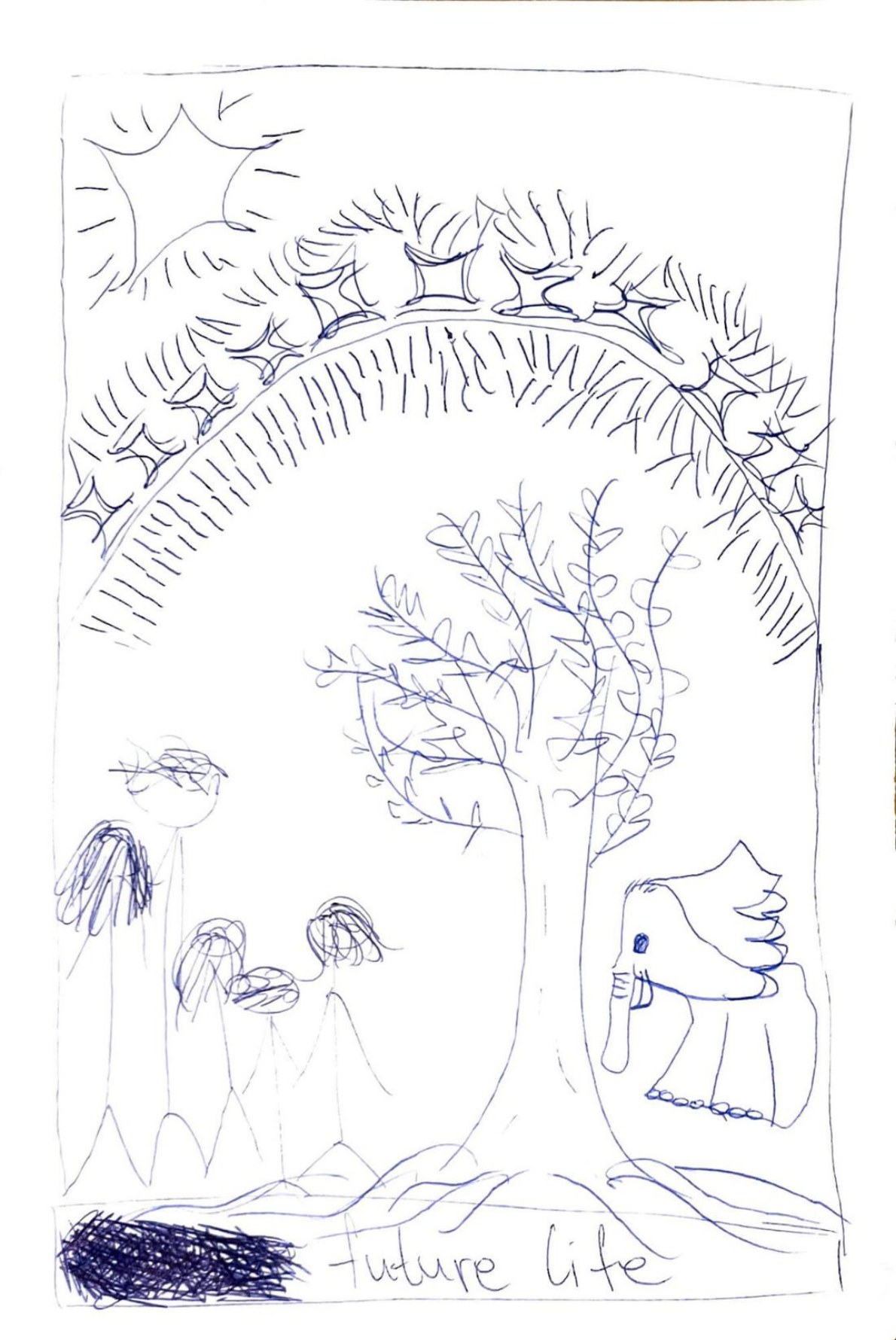
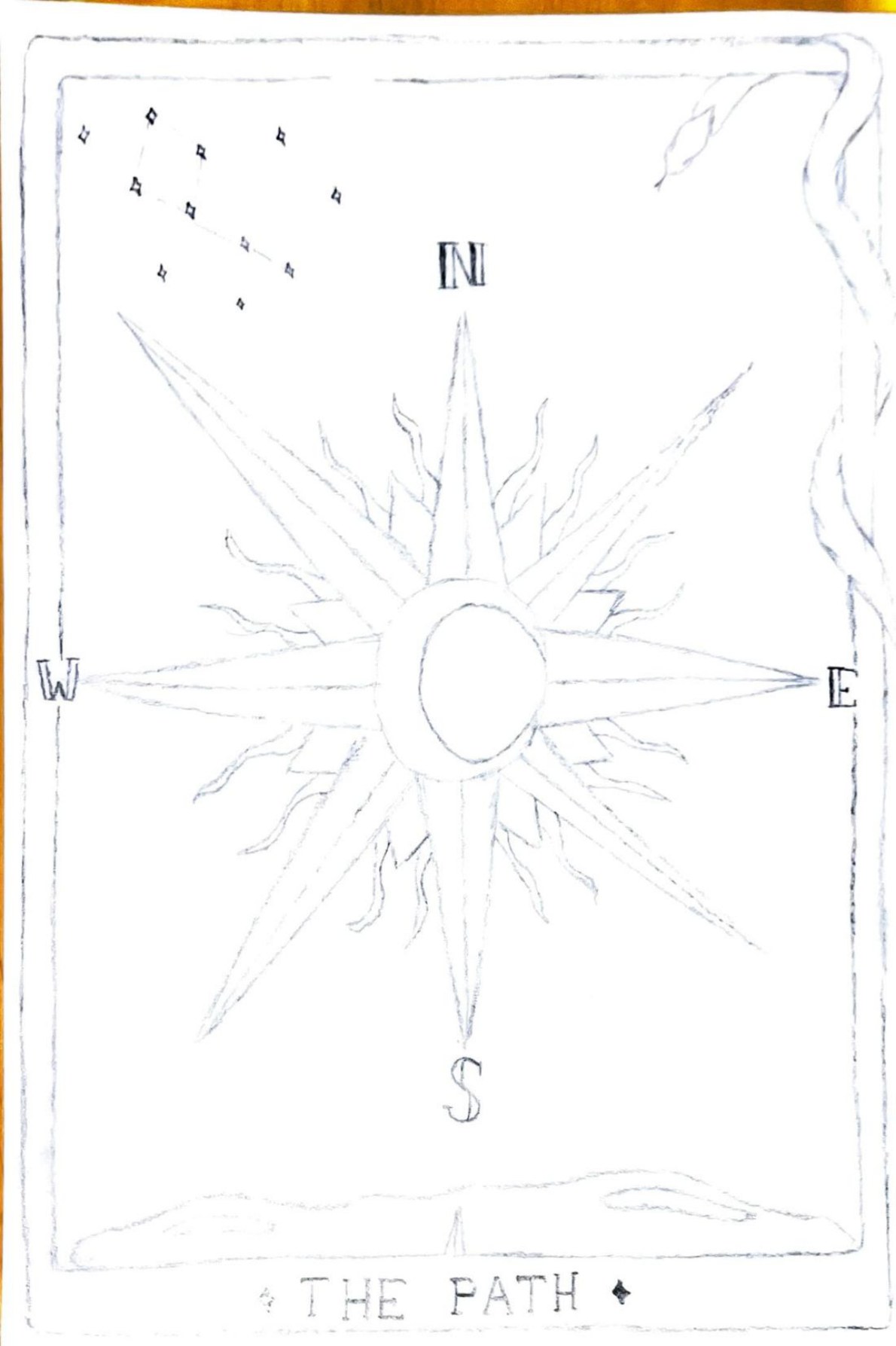
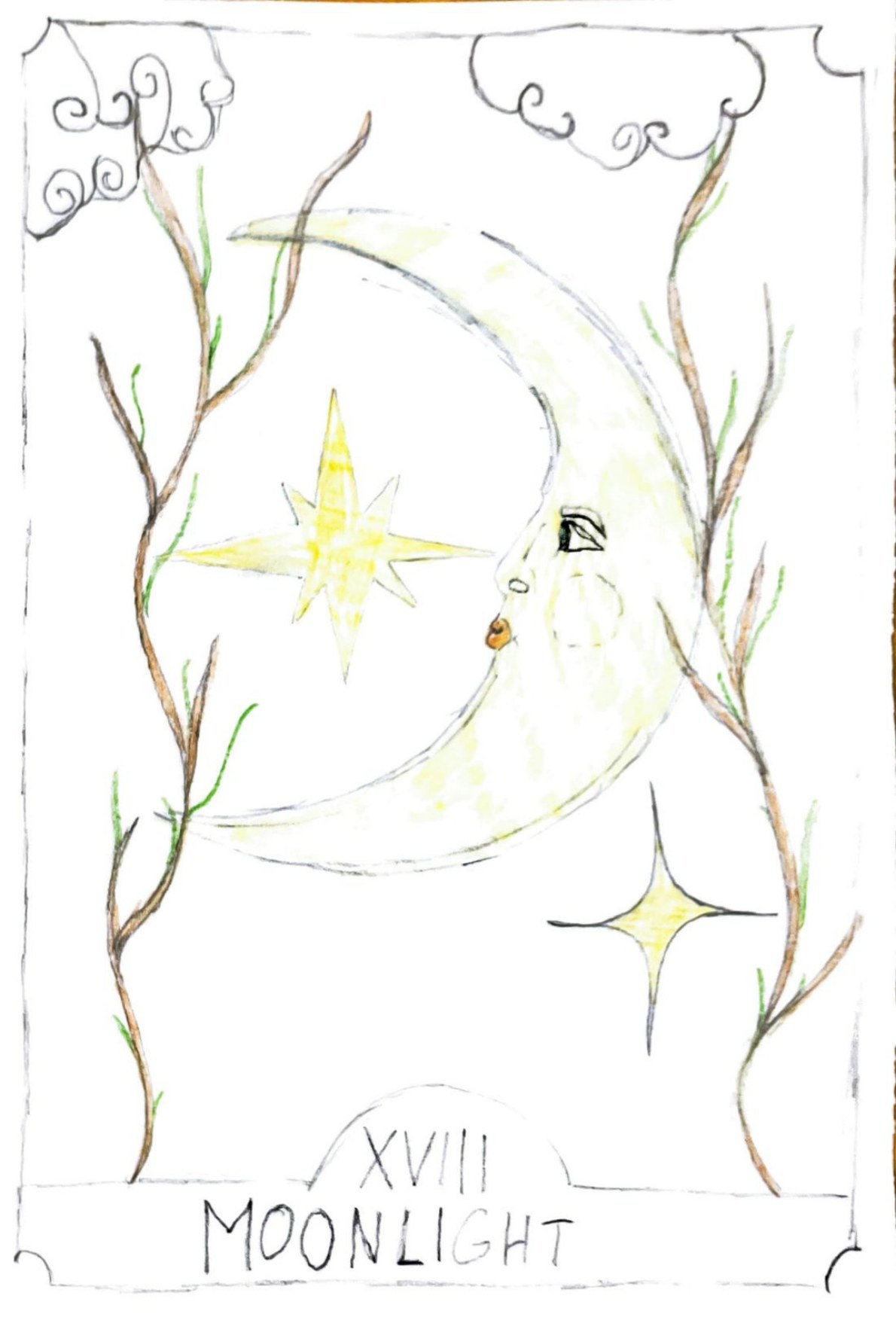
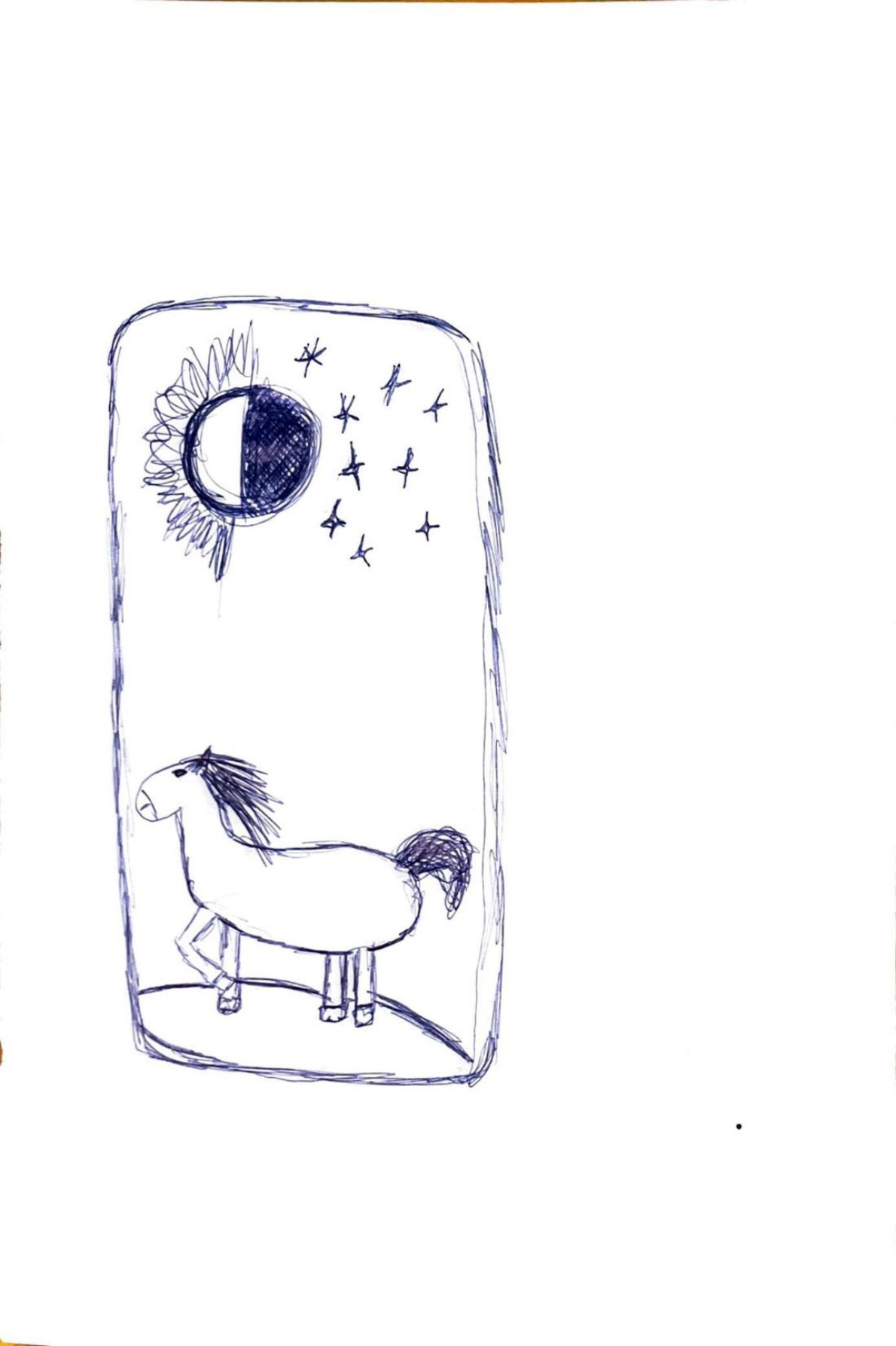
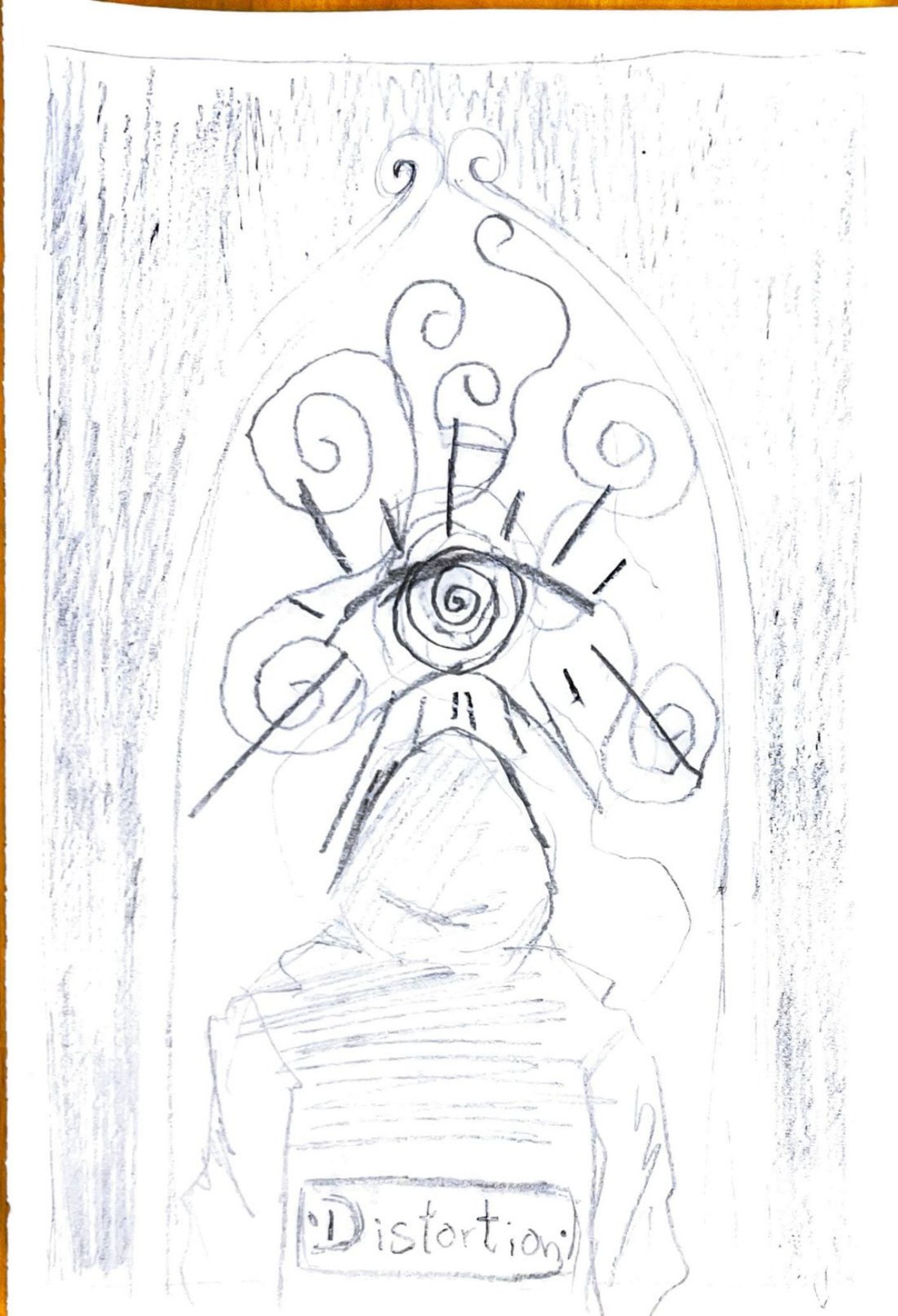
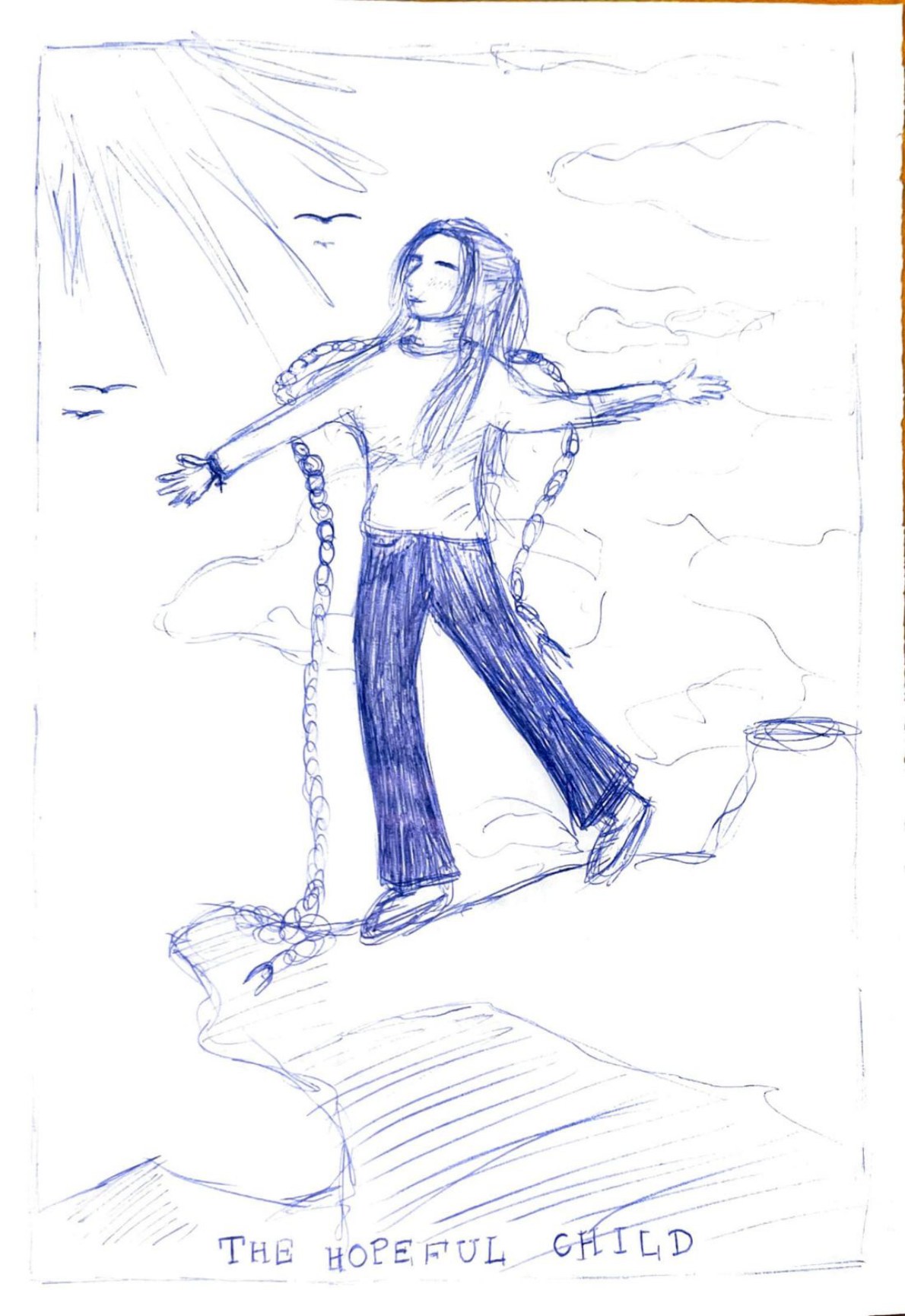
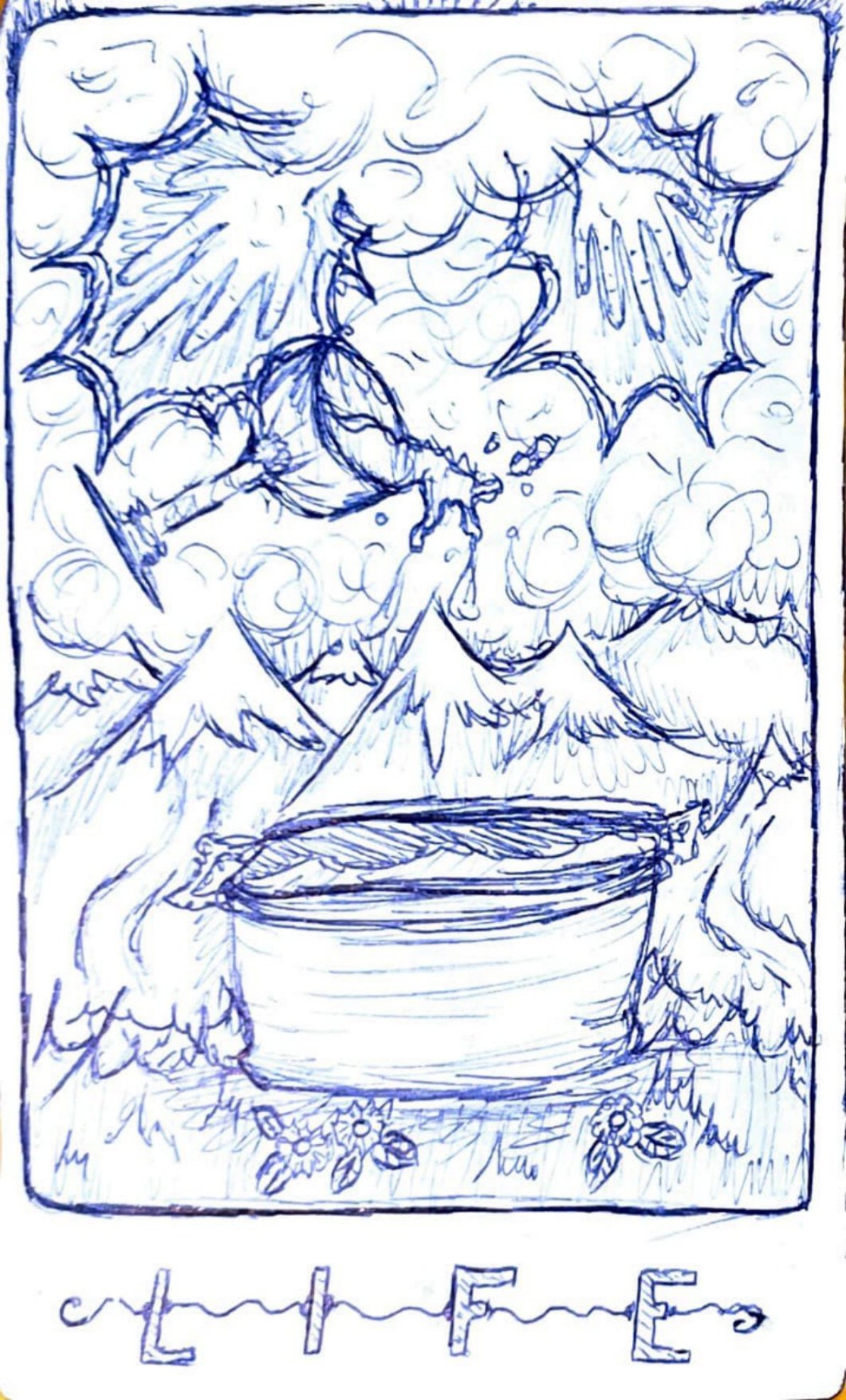
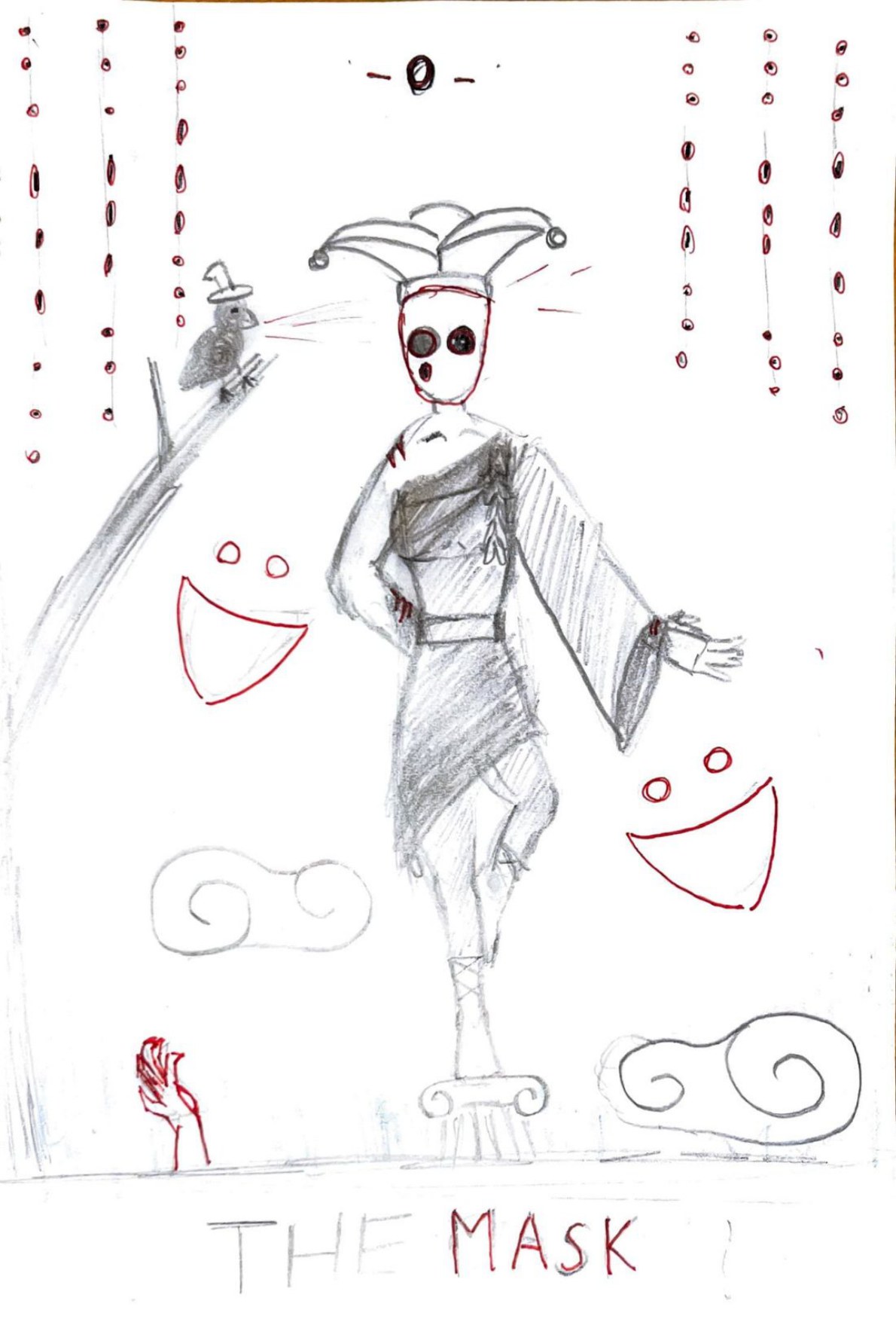
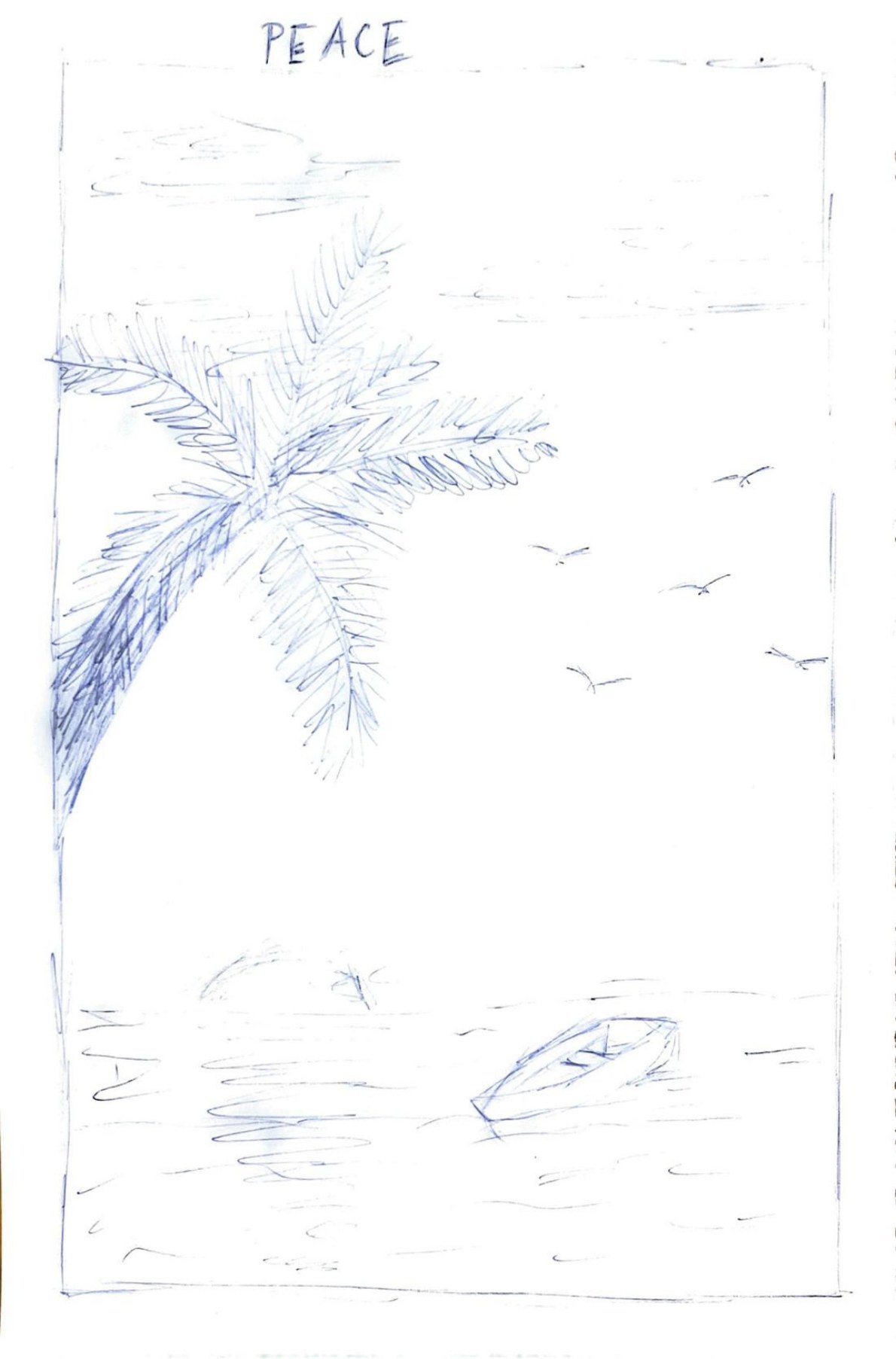
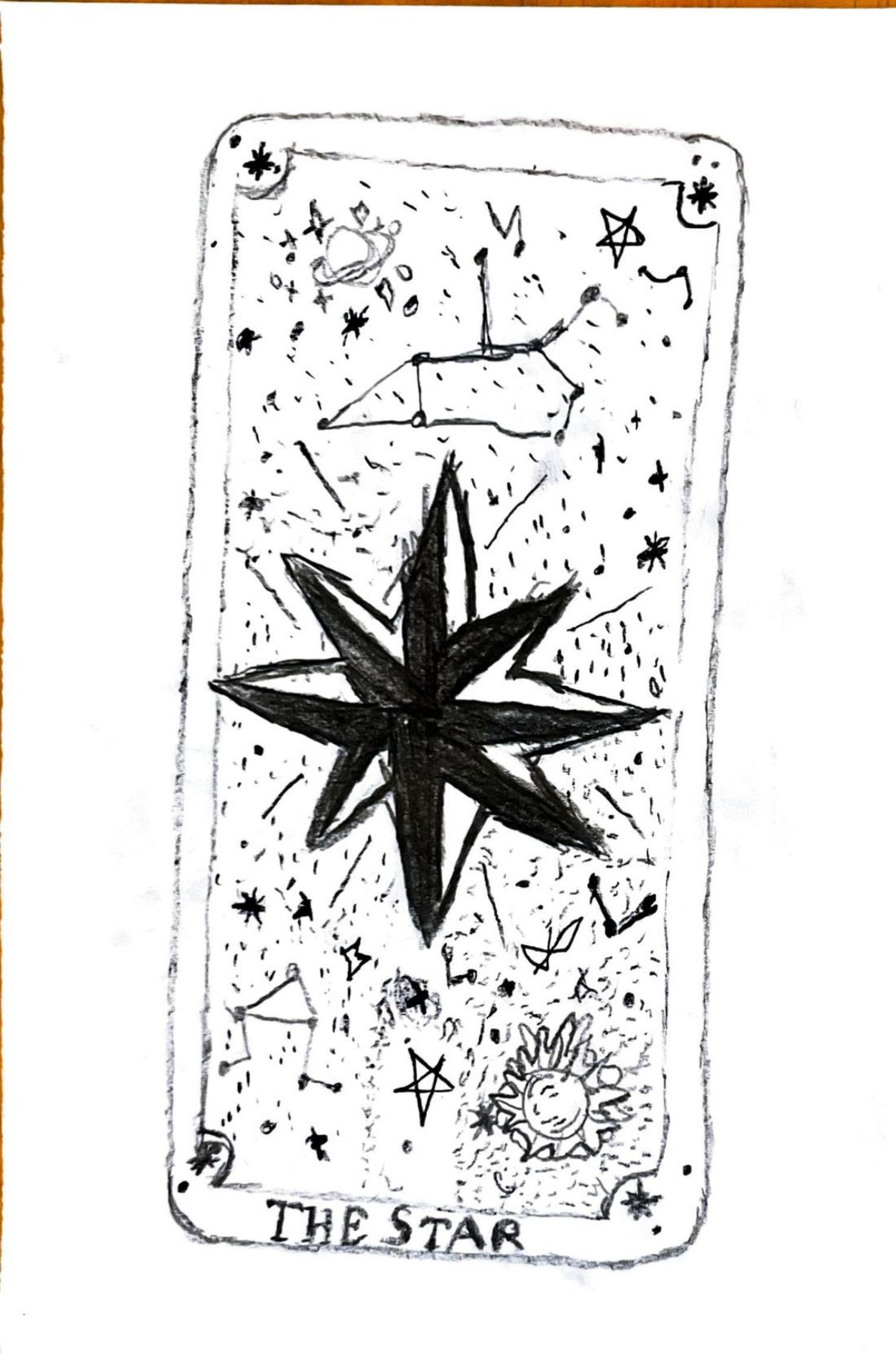
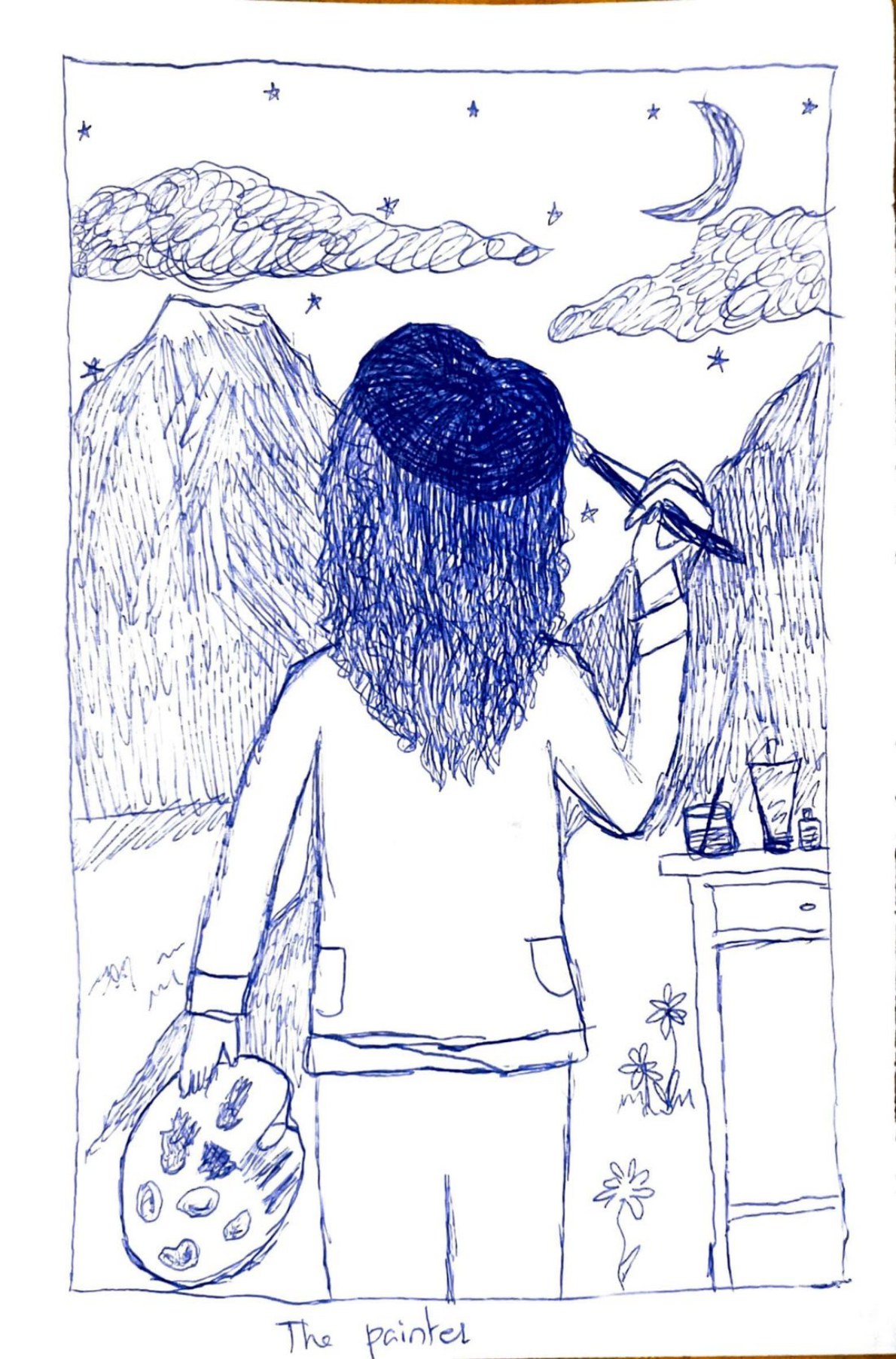
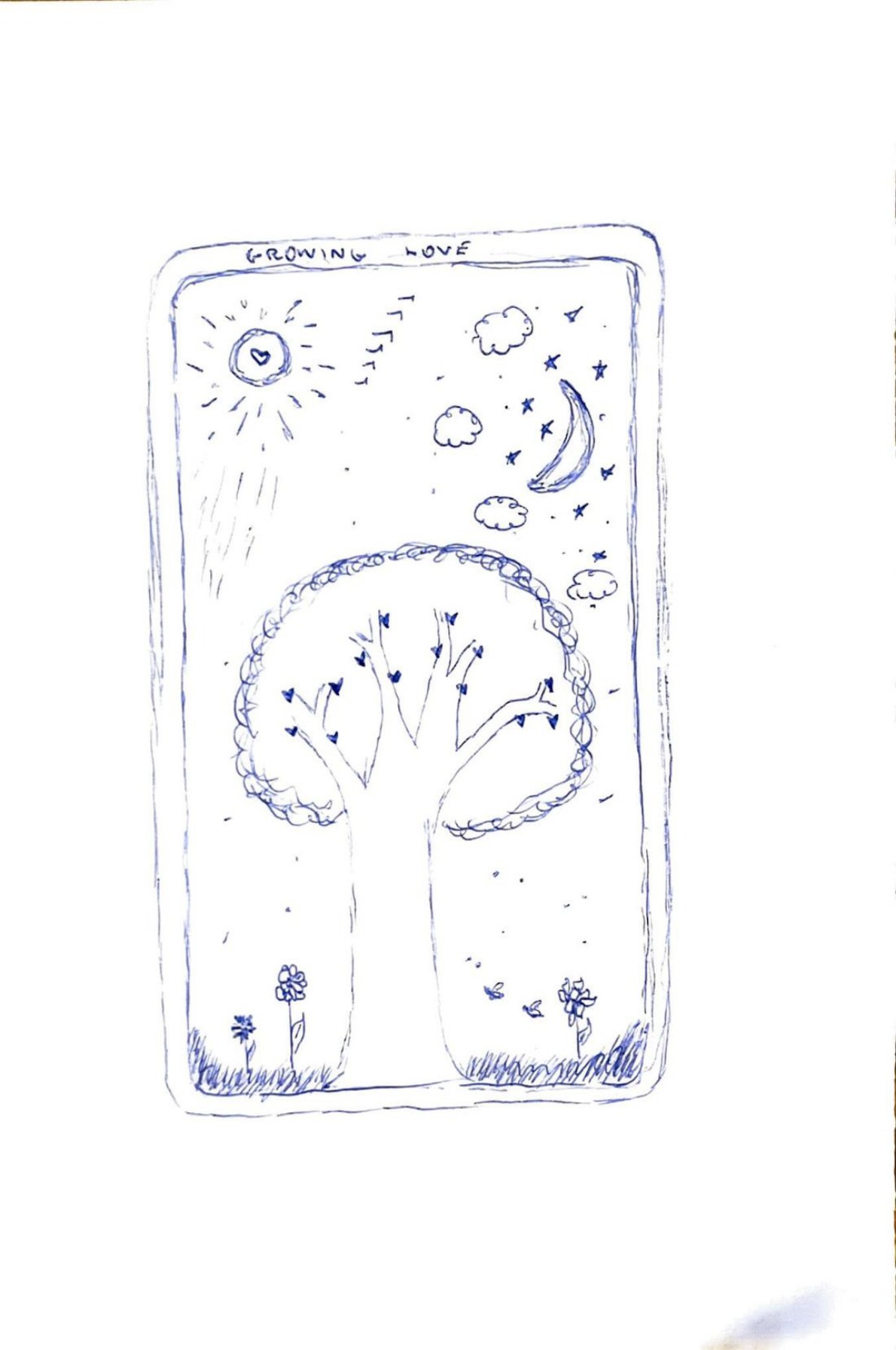
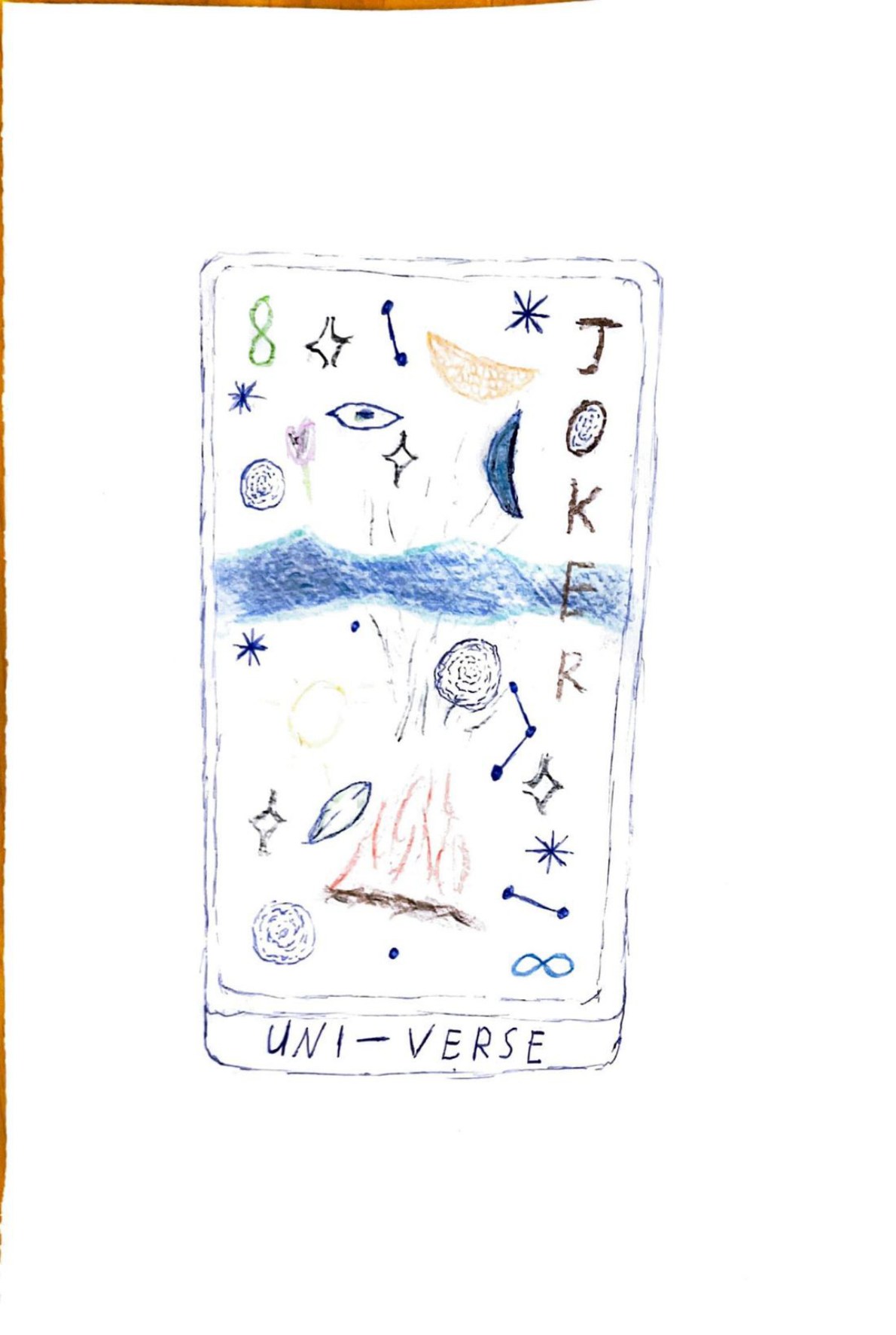
Photo Gallery
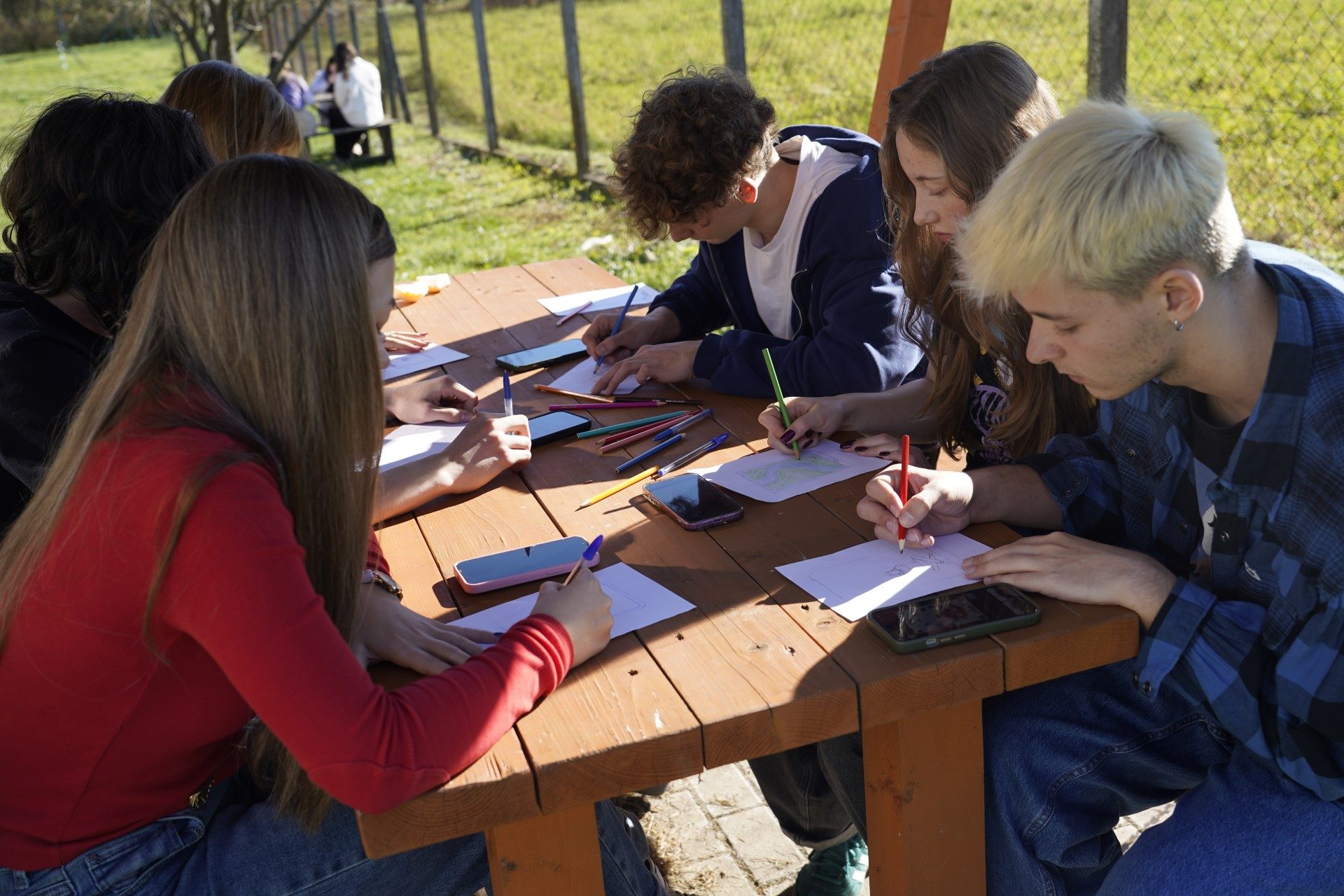
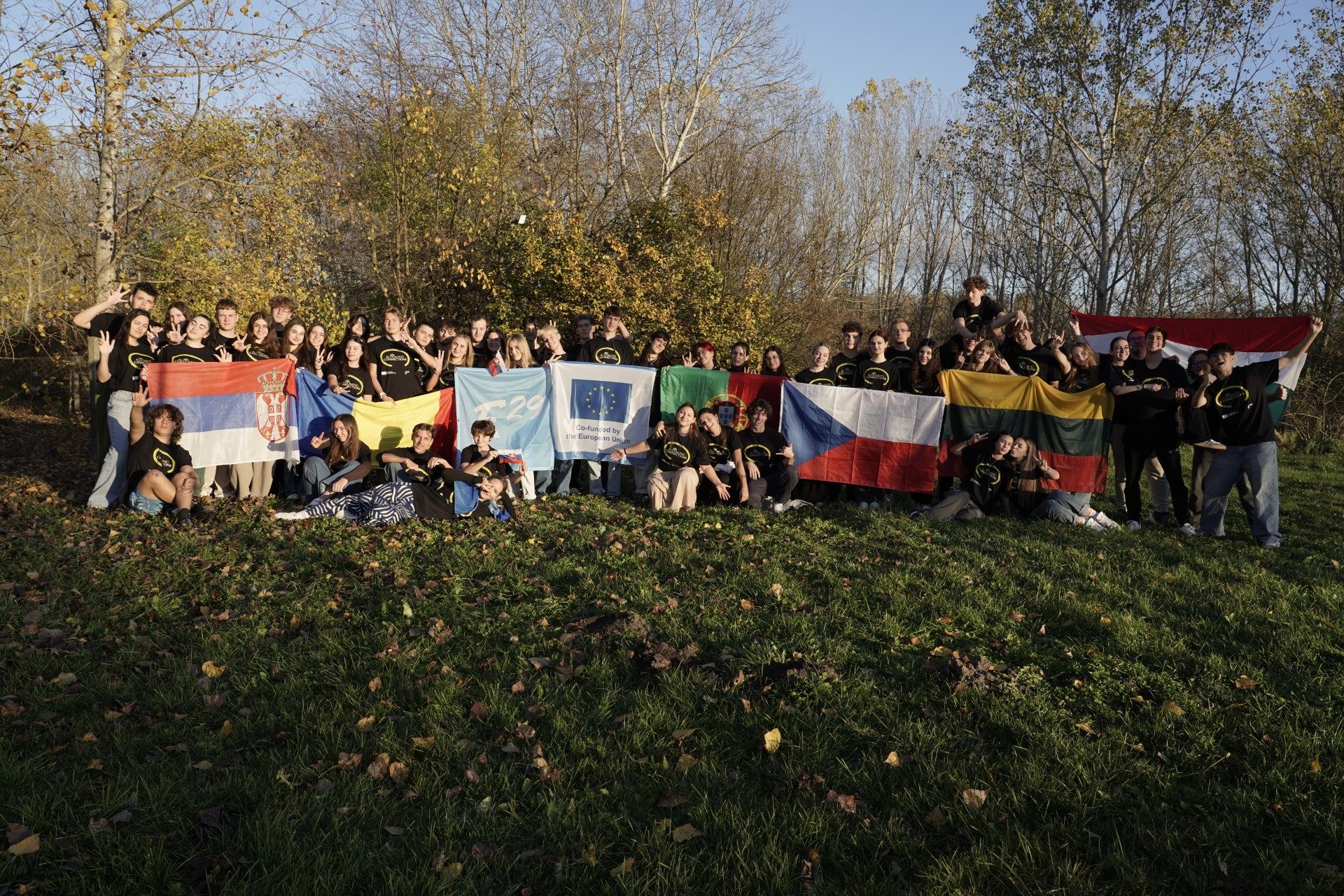
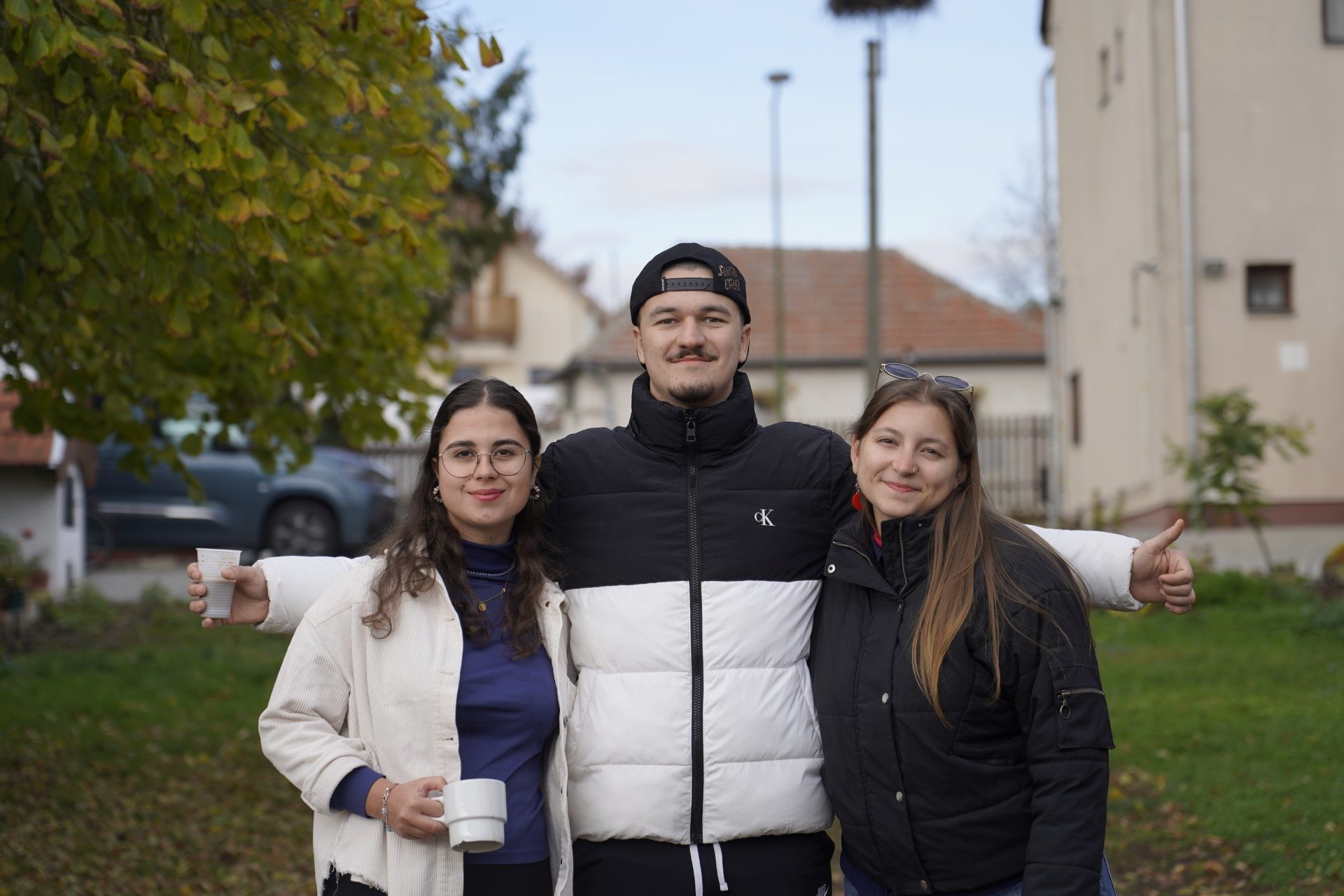
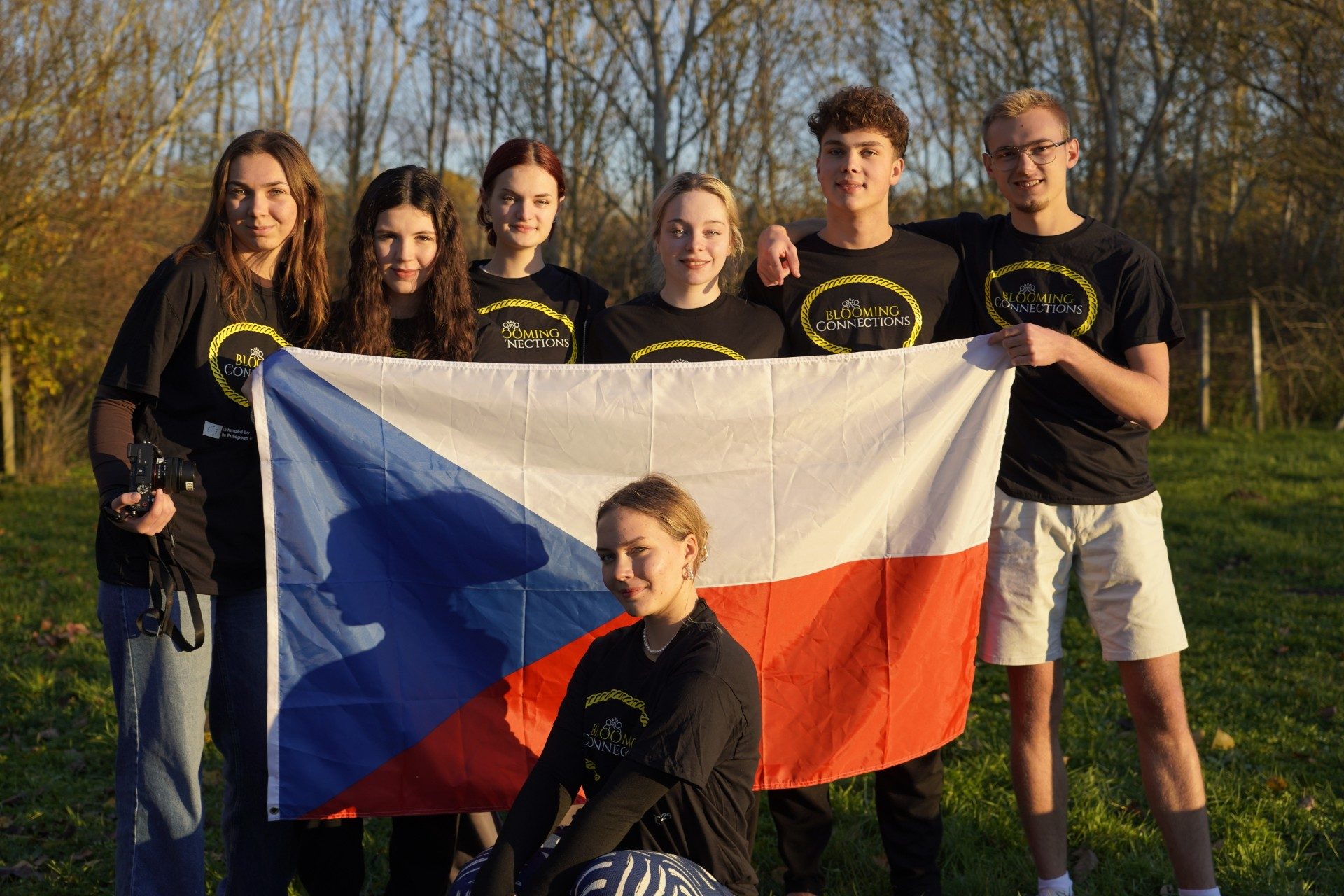
A few more moments from this activity :)
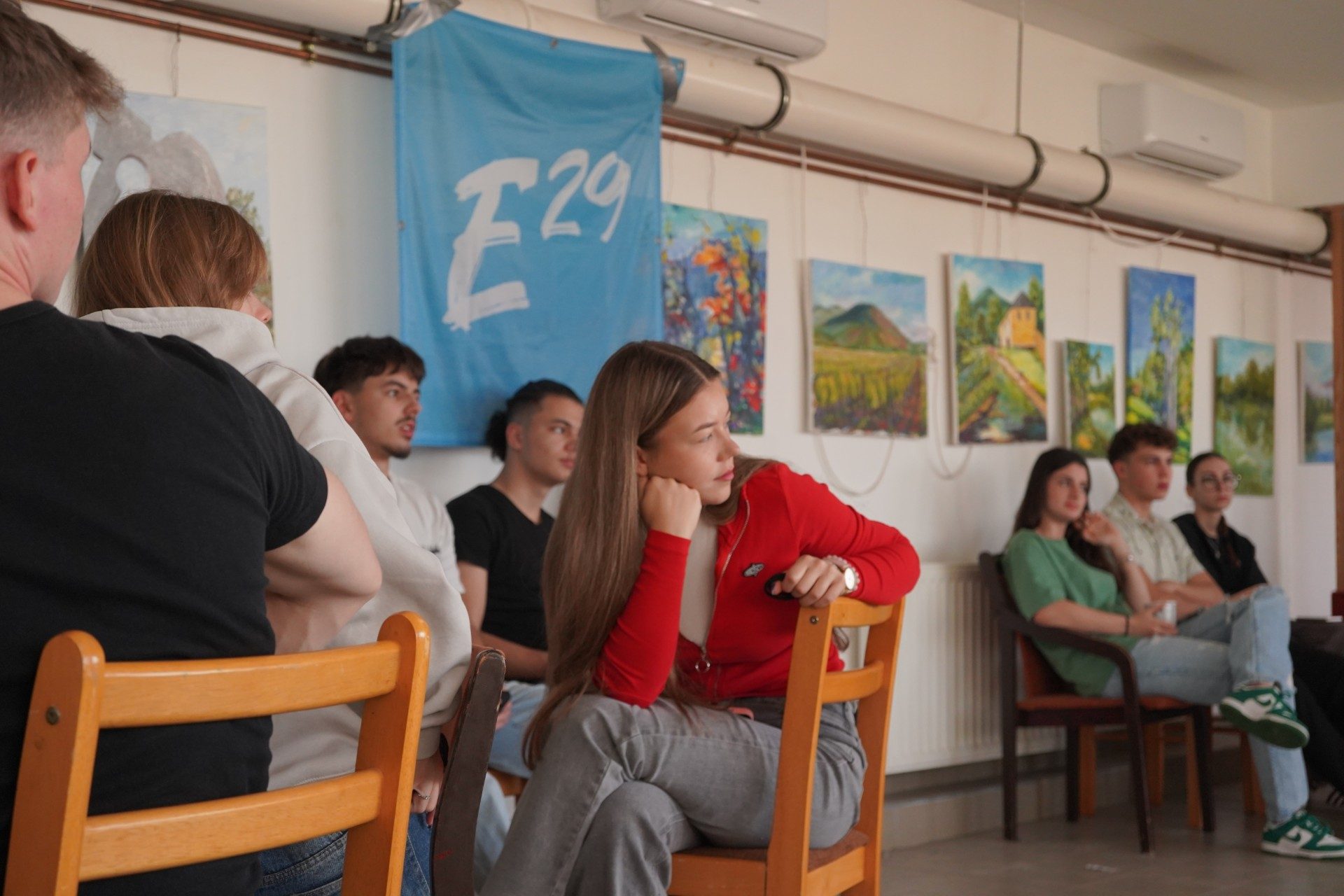
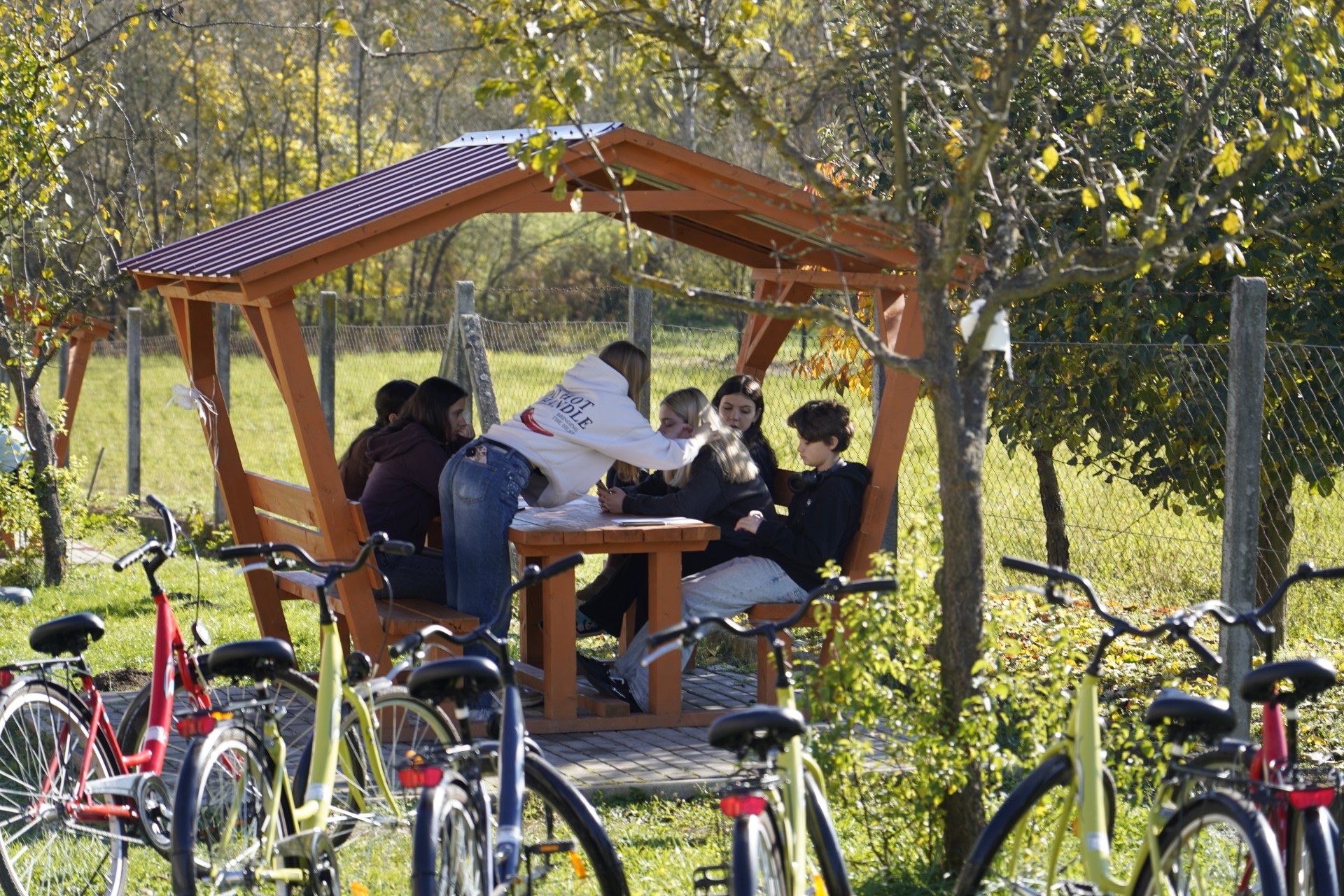
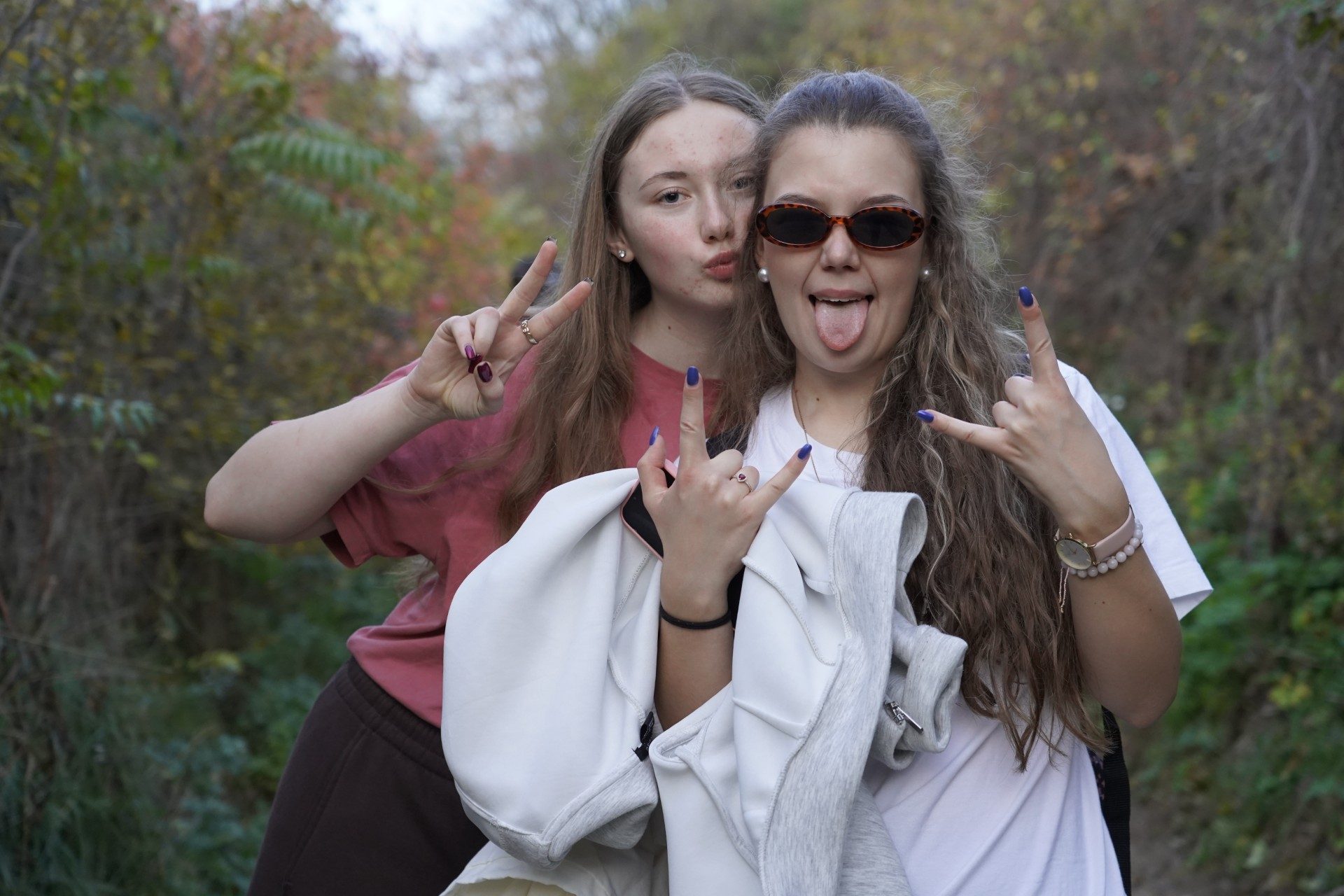
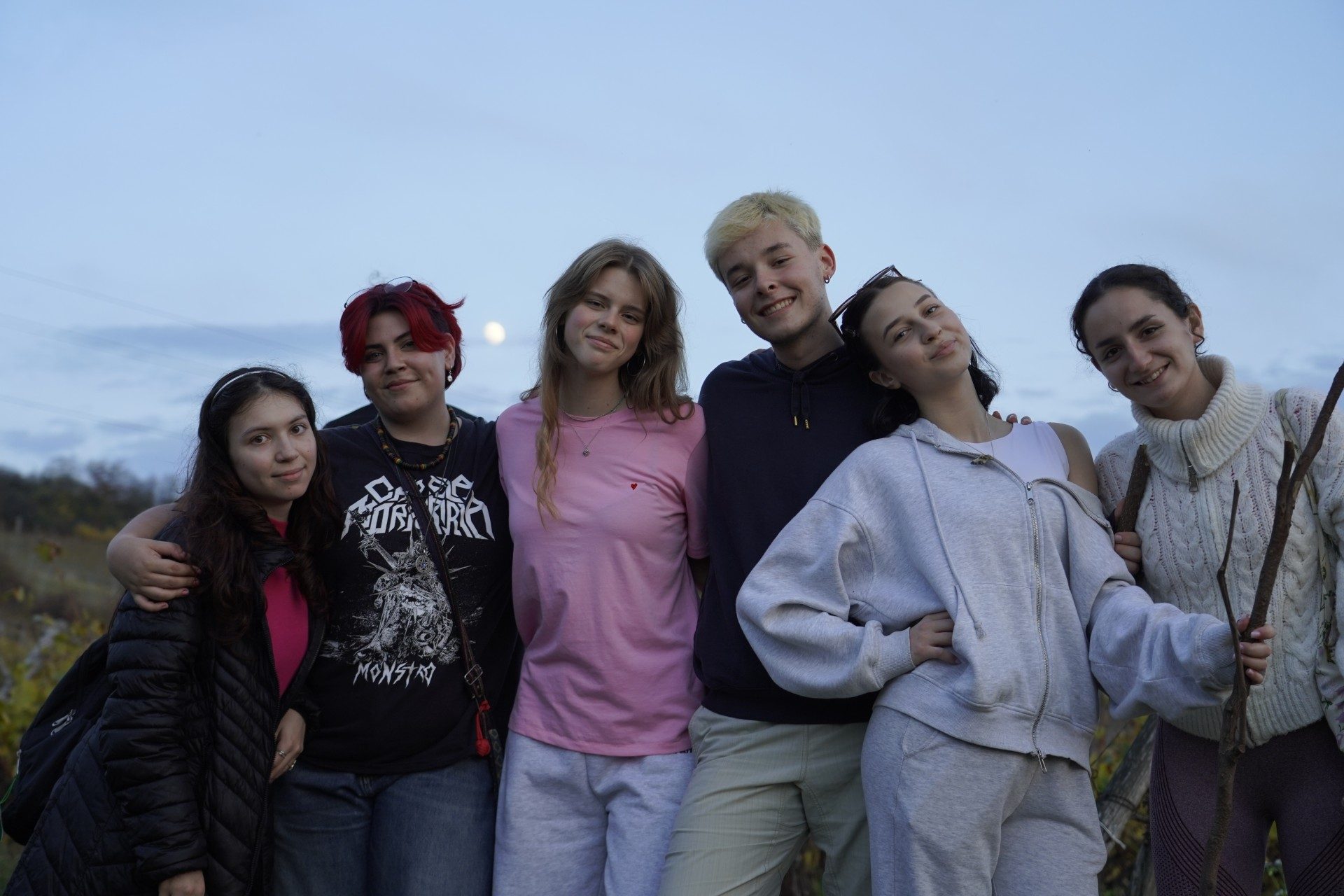
Check these and more photos in the activity’s photo album.
Dissemination Events
Our participants organized dissemination events, sharing the knowledge, skills and experiences they gained during the activities with their community.
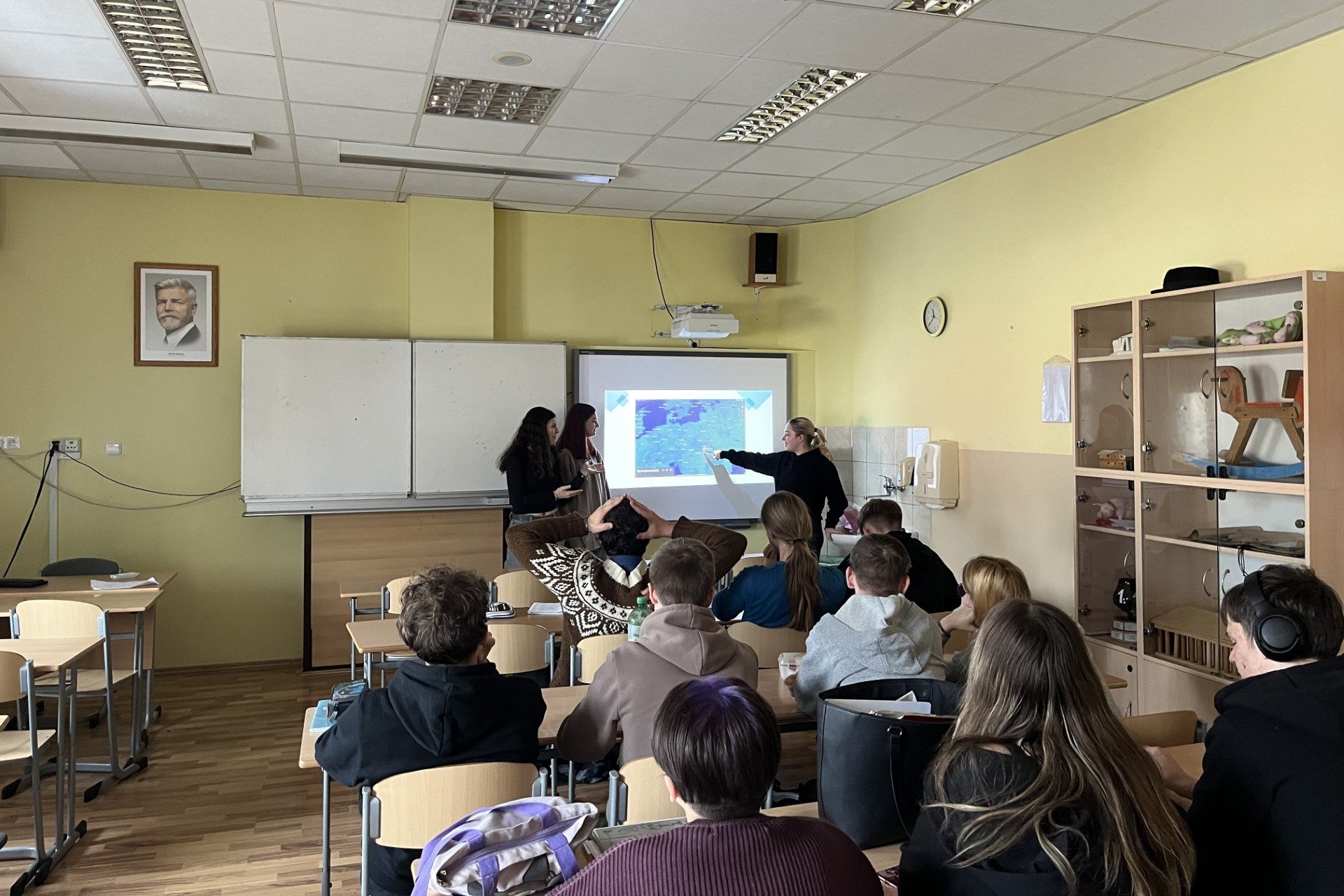
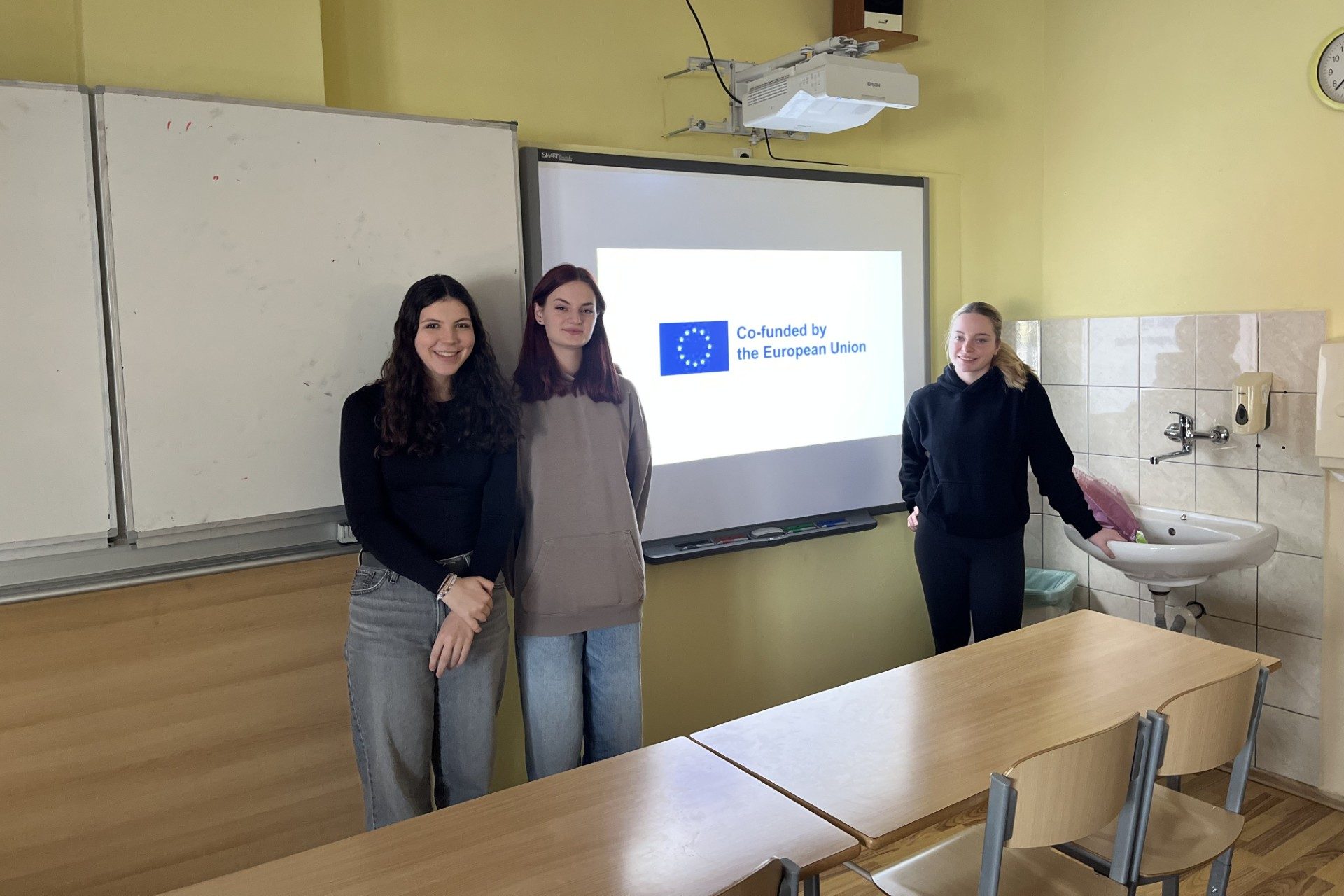
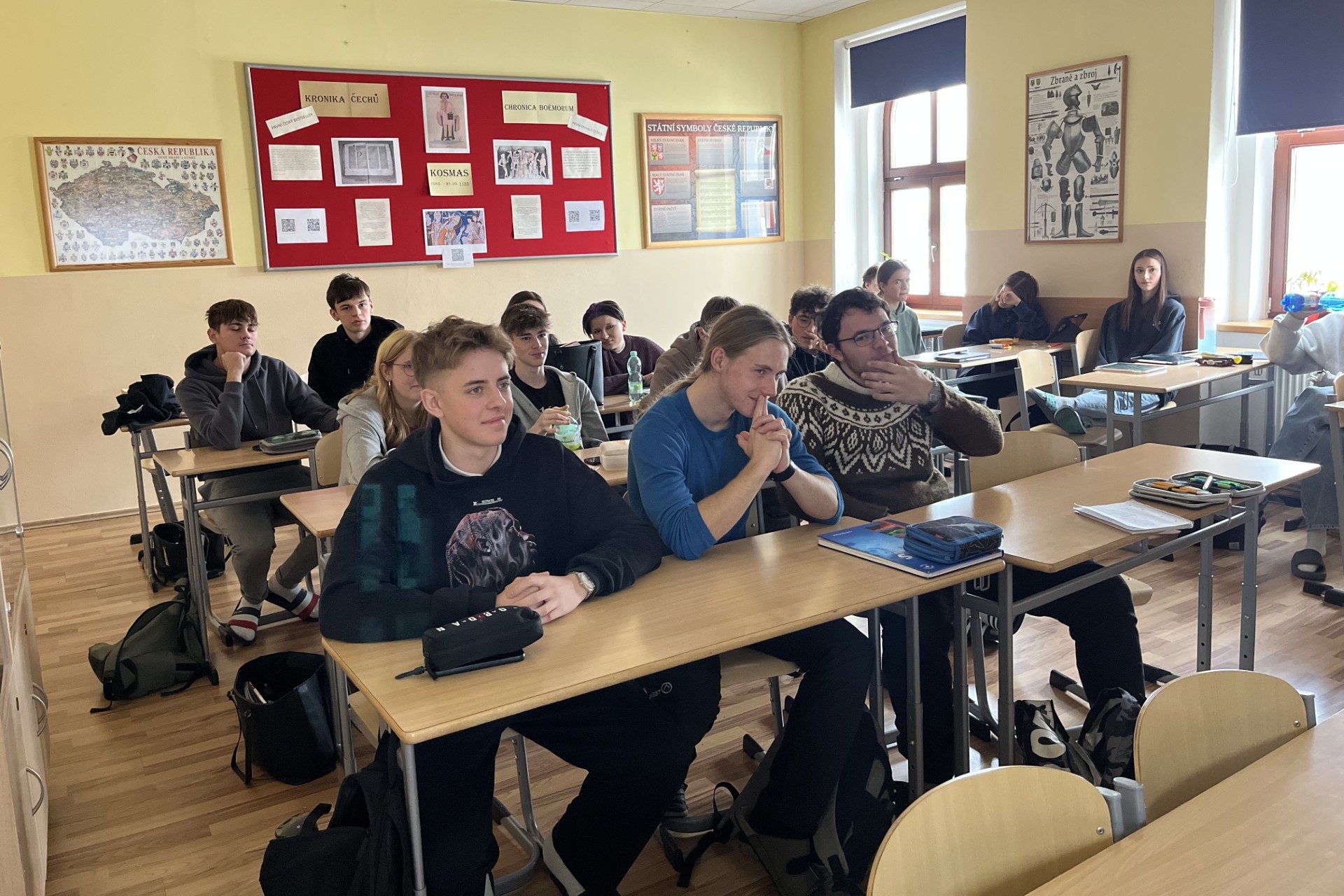
Ledec nad Sazavou, Czechia, Nov. 2025
Dissemination held by Adela, Anna and Barbora at Gymnazium Ledec nad Sazavou, for 16 people. They organized a presentation to share detailed information about their project. During the event, they explained the main goals of the project, what they learned throughout the participation, and the various activities they carried out as part of the program. They also discussed how they joined and signed the project, and presented the outcomes and experiences they gained.
Marijampole, Lithuania, Nov. 2025
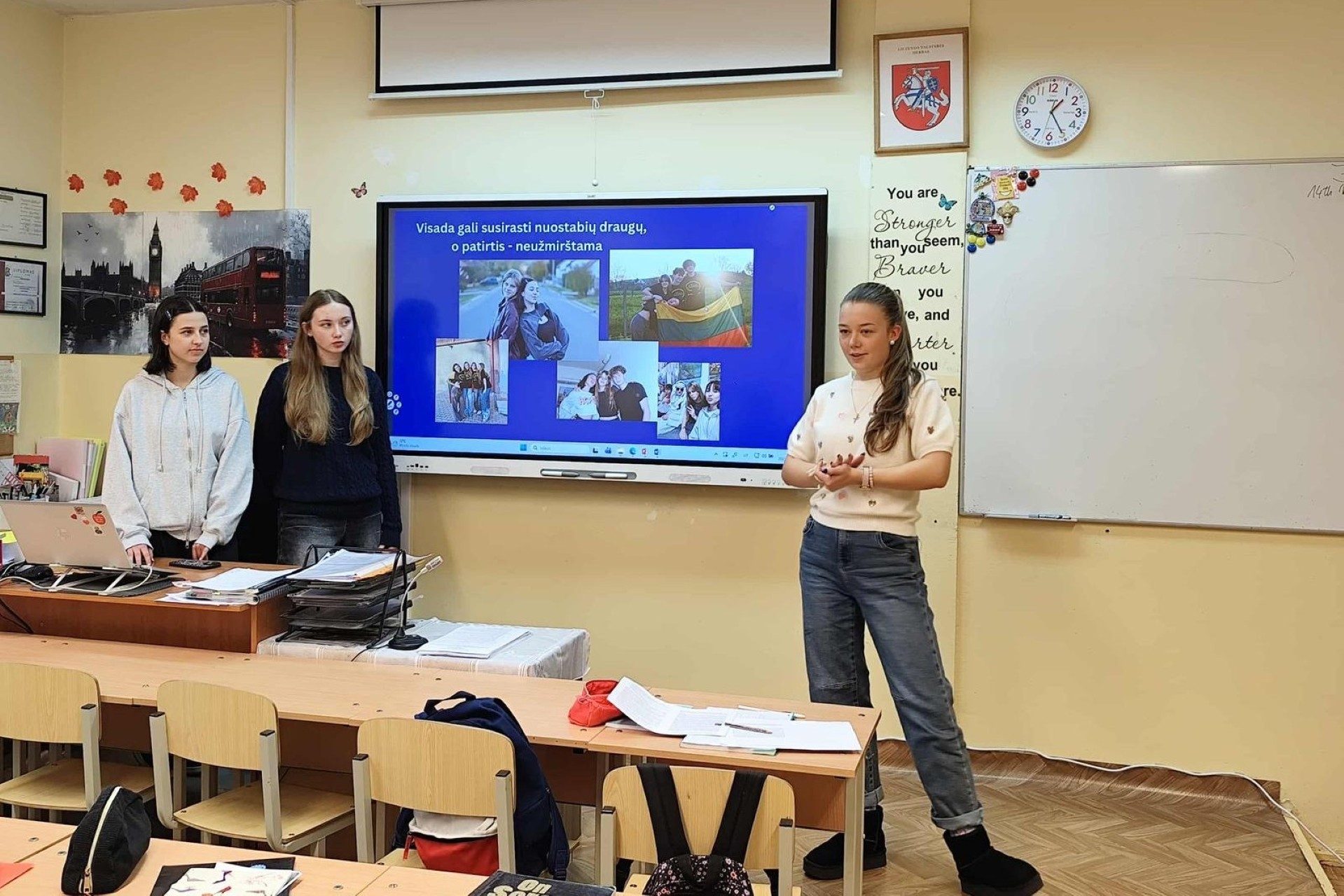
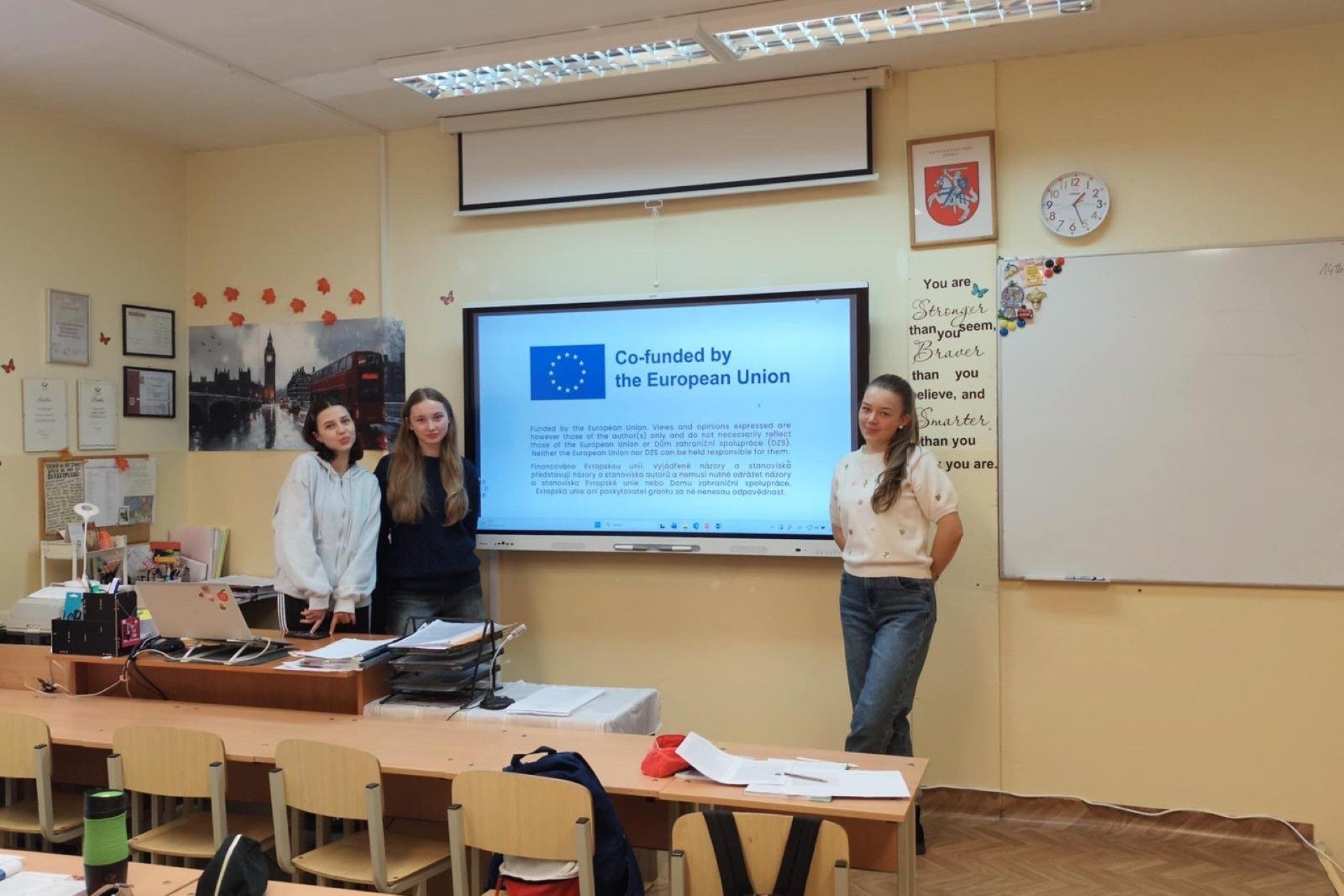
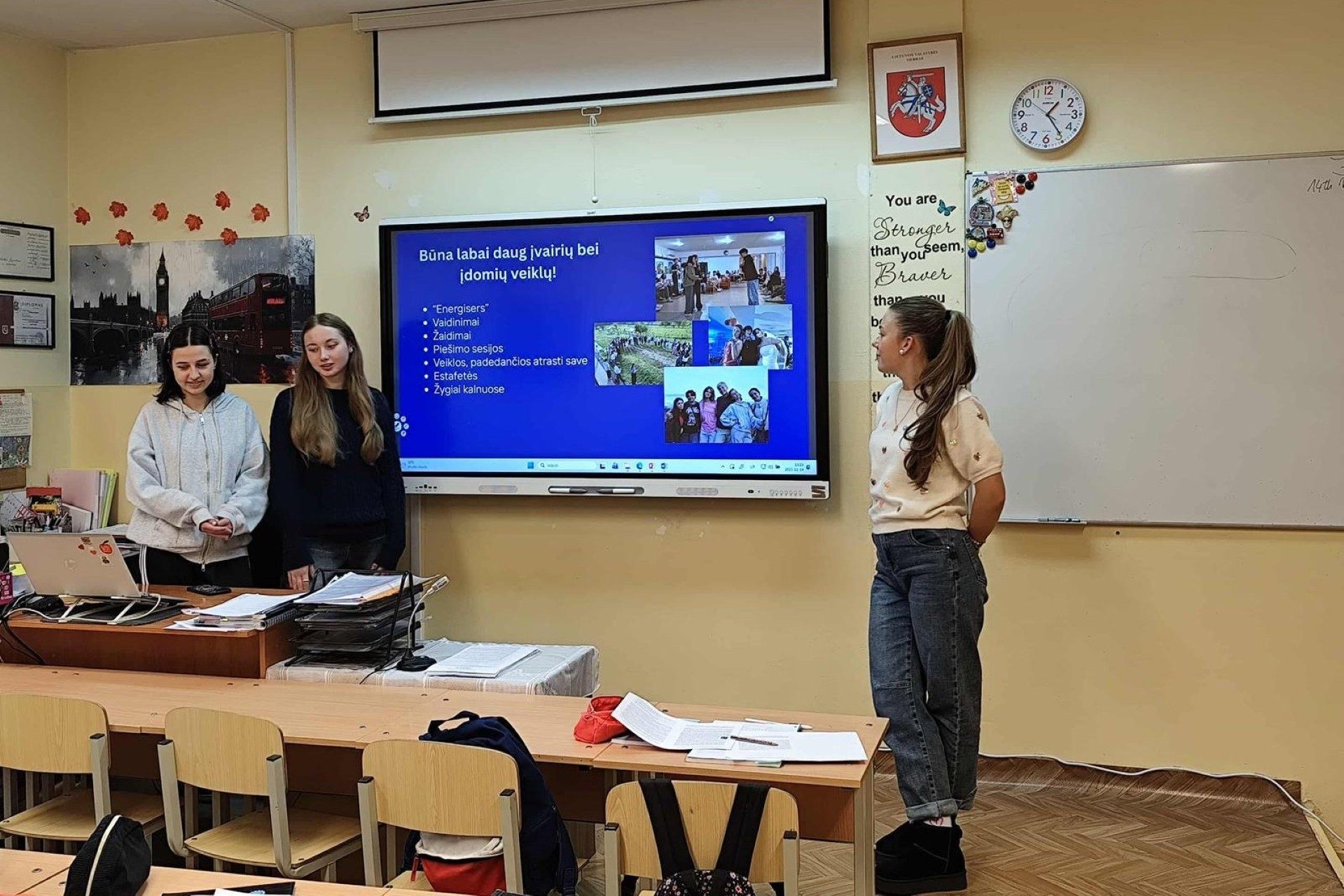
Dissemination held by Lea, Ugne and Atene at Marijampoles Rygiskiu Jono gimnazija, for 20 people. They presented to their class and shared their project experiences.
Pitesti, Romania, Nov. 2025
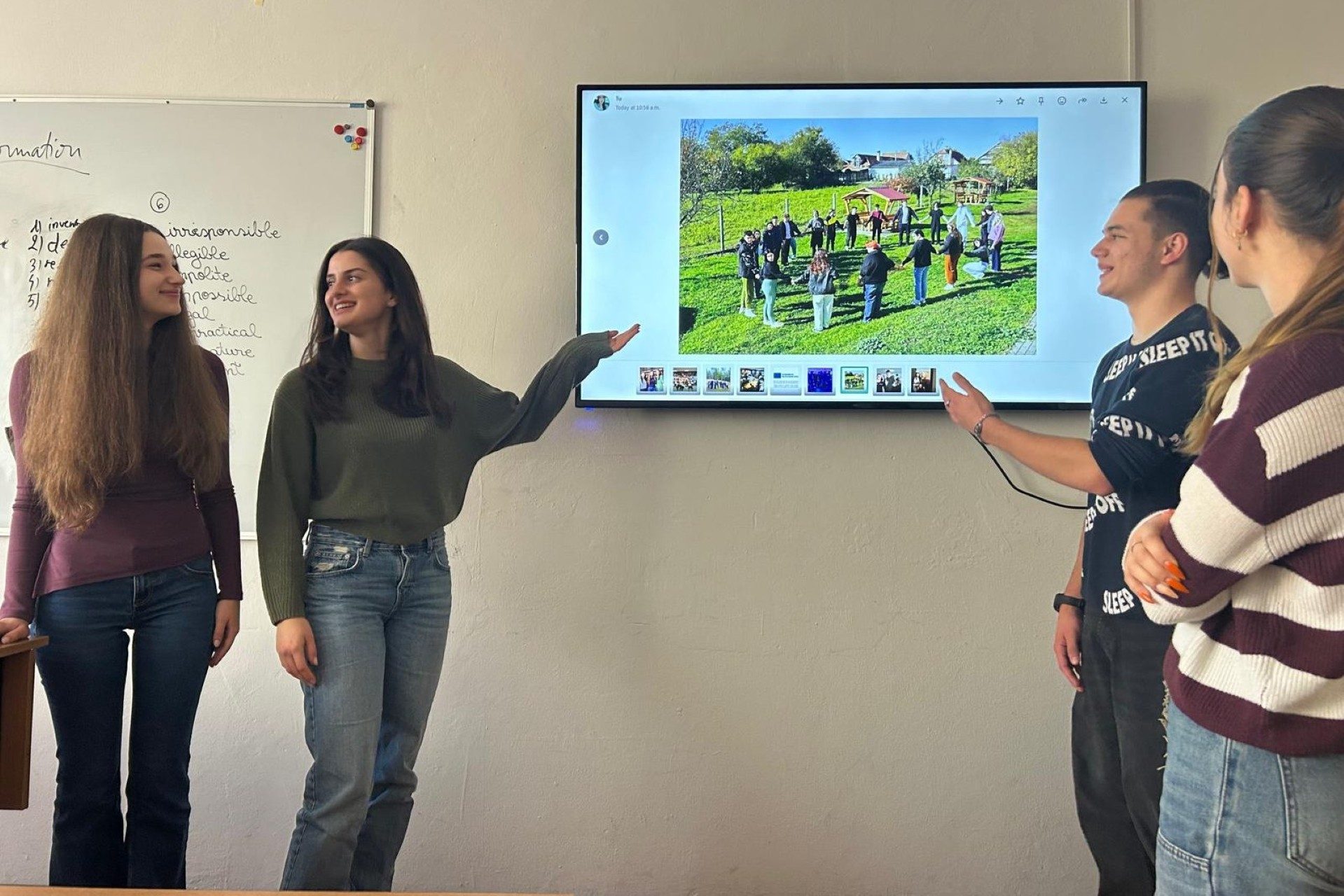
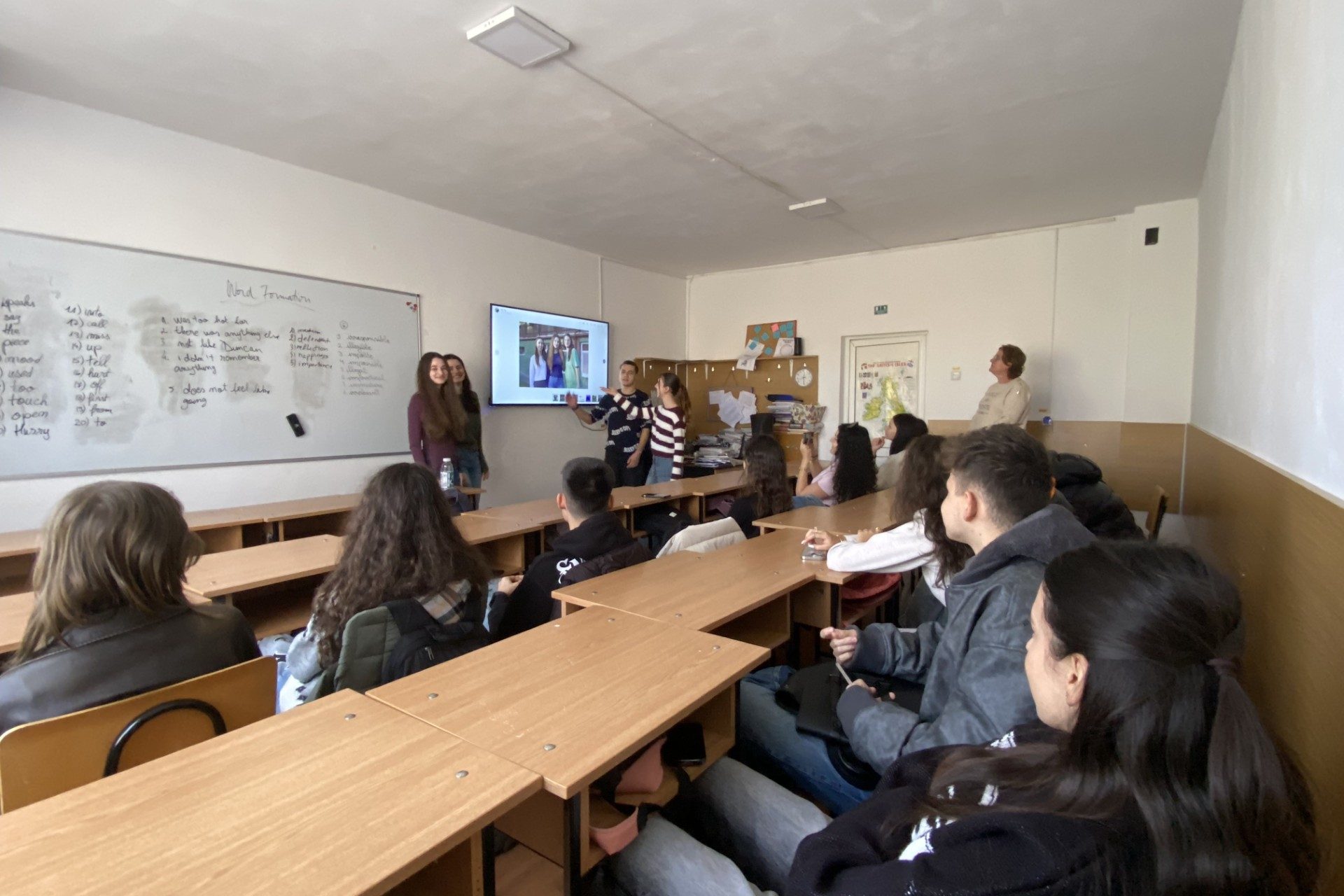
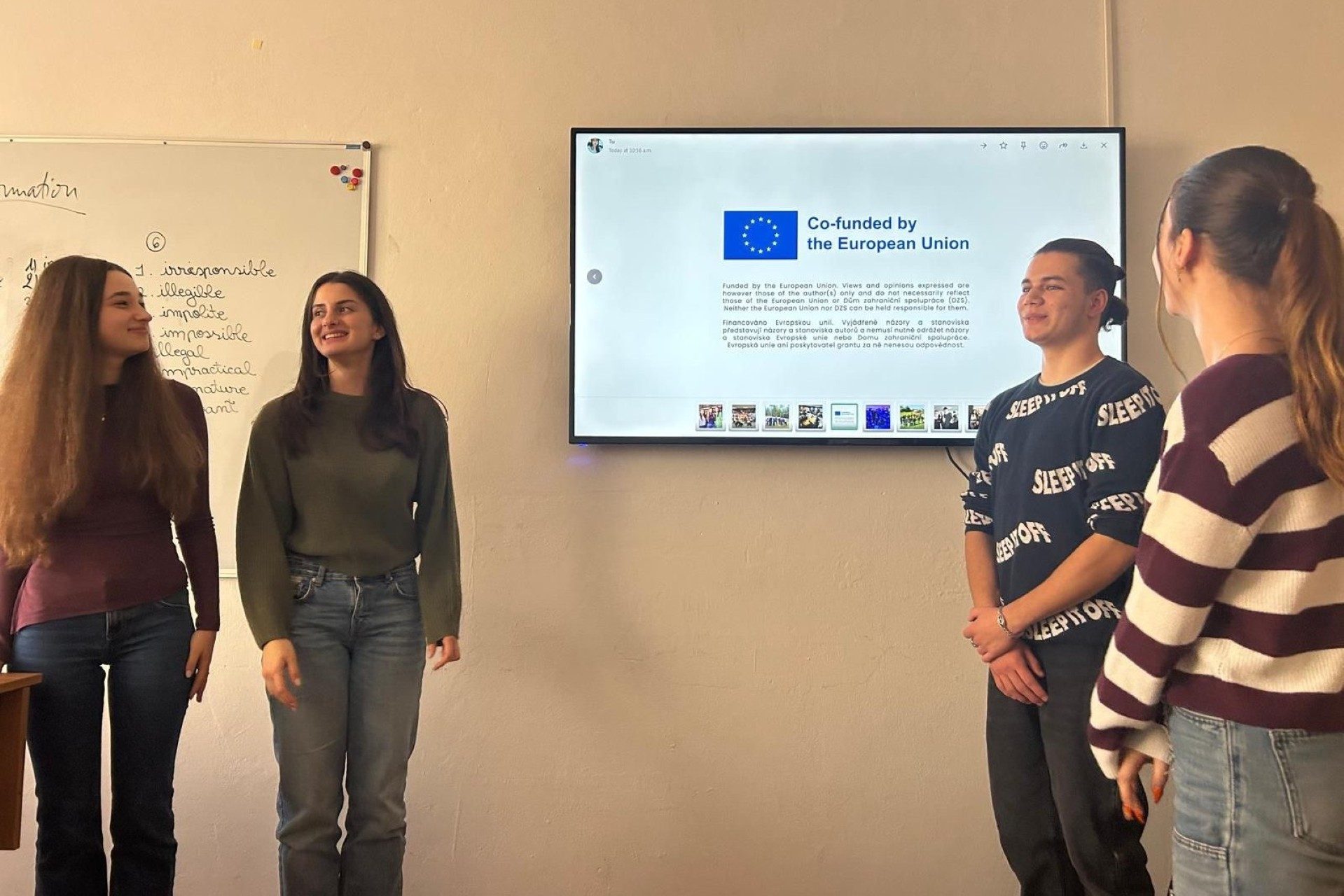
Dissemination held by David, Antonia, Daria and Alexandra at Colegiul National Alexandru Odobescu, for 20 people. They did presentation about the project and E29 for their classmates during english lesson. They showed them photos from the sessions and also from their free time to help them see how fun and creative erasmus is.
Marijampole, Lithuania, Nov. 2025
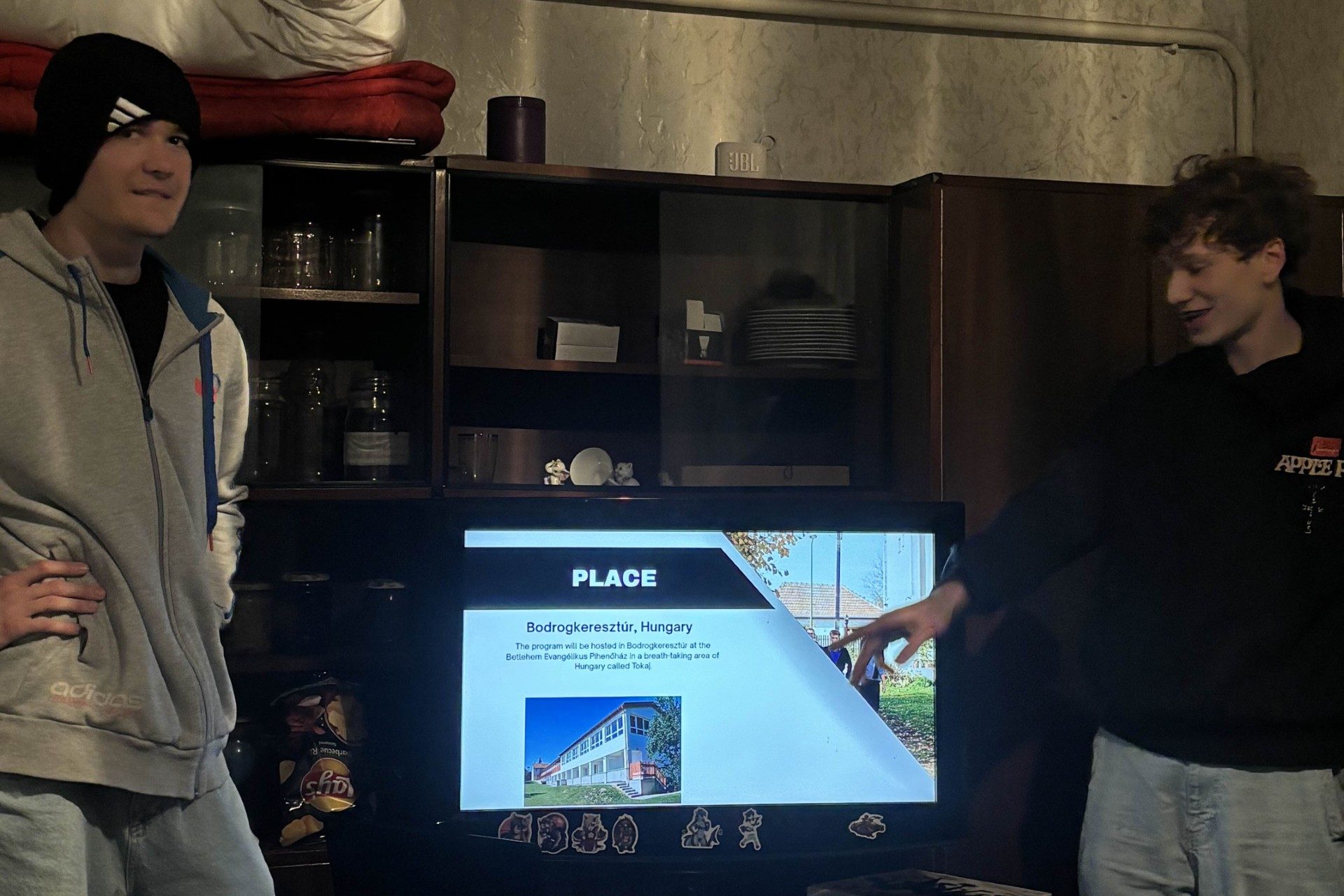
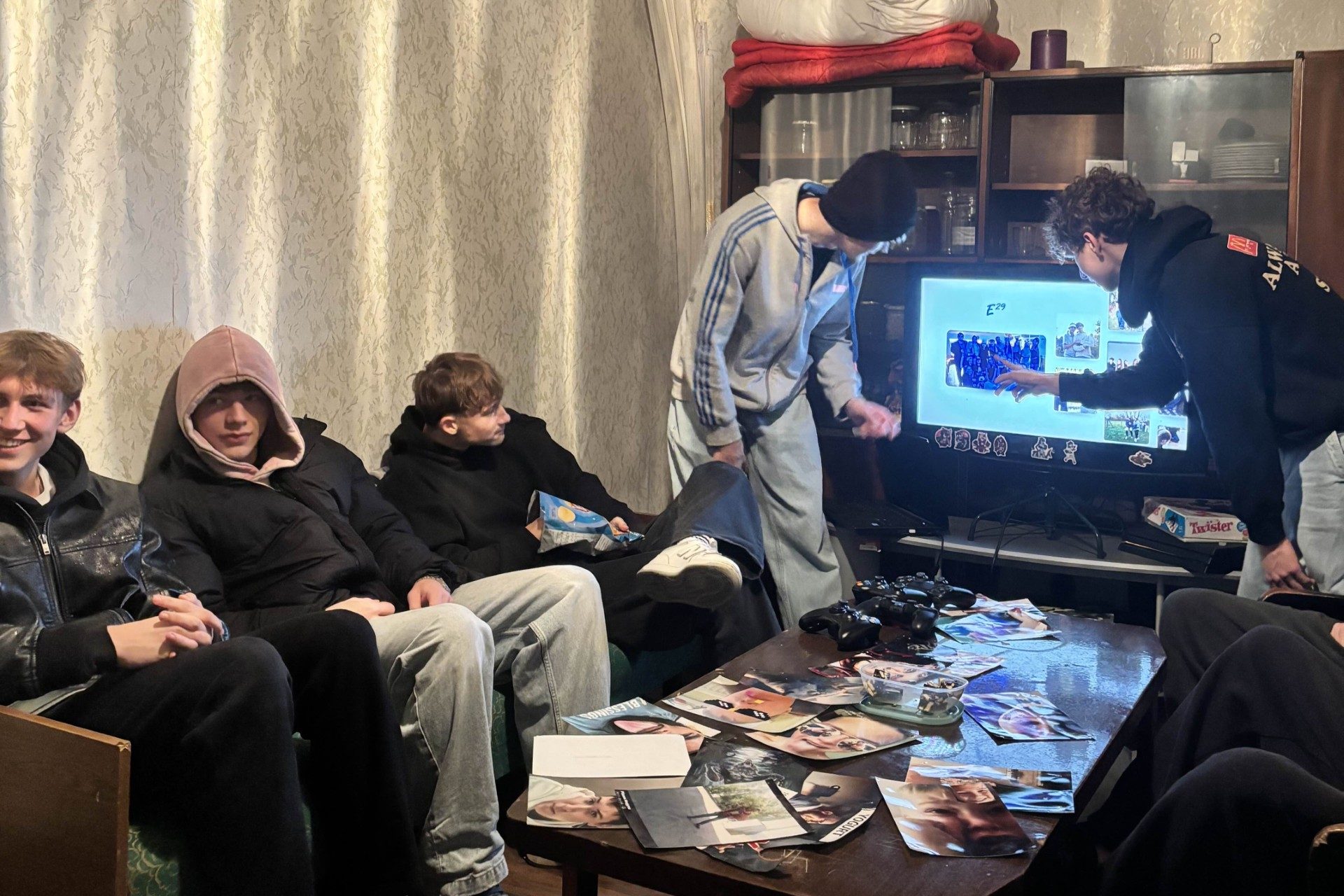
Dissemination held by Domantas and Joris at their friend’s house in Marijampole, for 10 people. Together they presented what they did during the youth exchange, they talked about the accommodation, sessions and they also presented the learning outcomes and values they learned and incorporated into their lives.
Bratislava, Slovakia, Nov. 2025
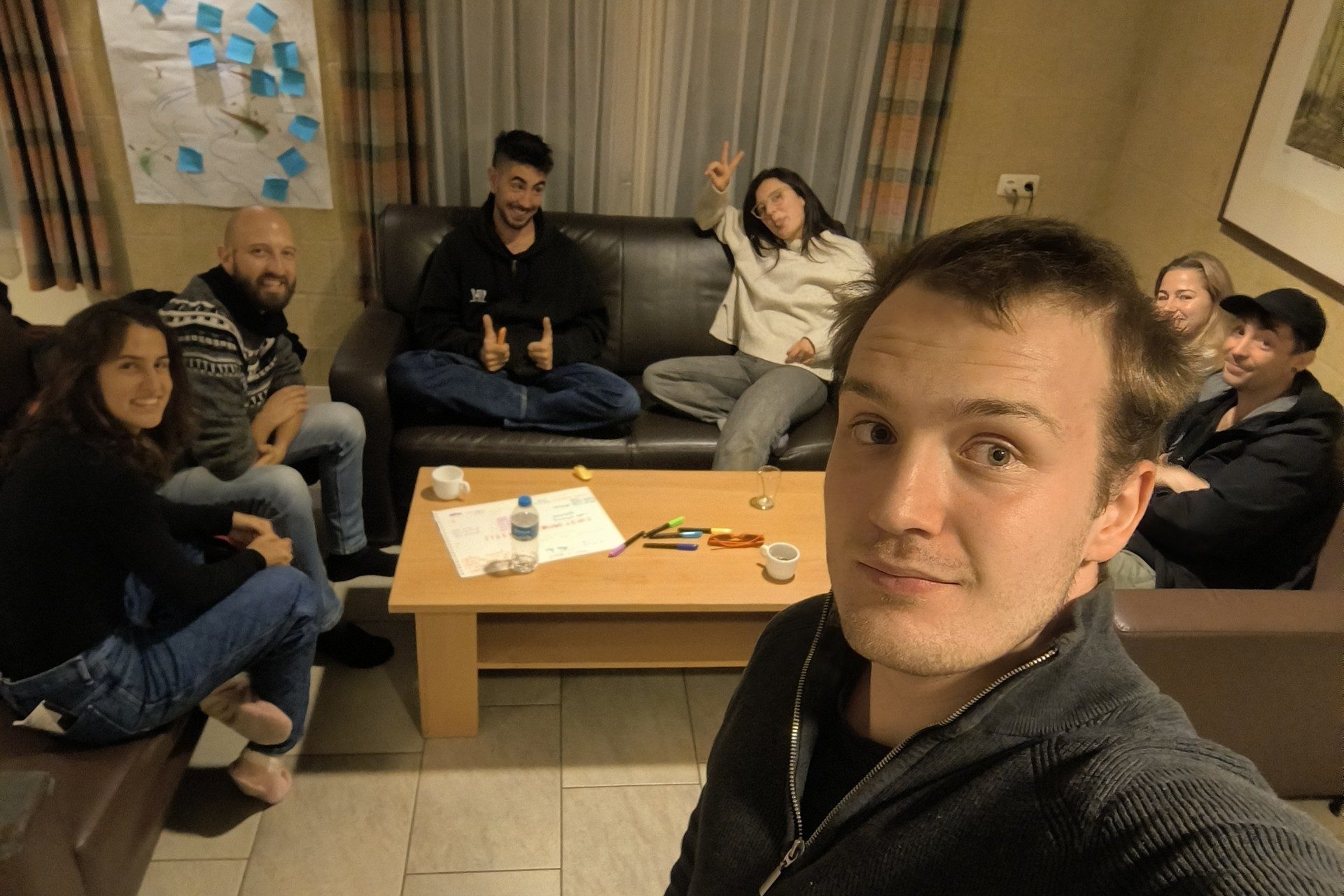
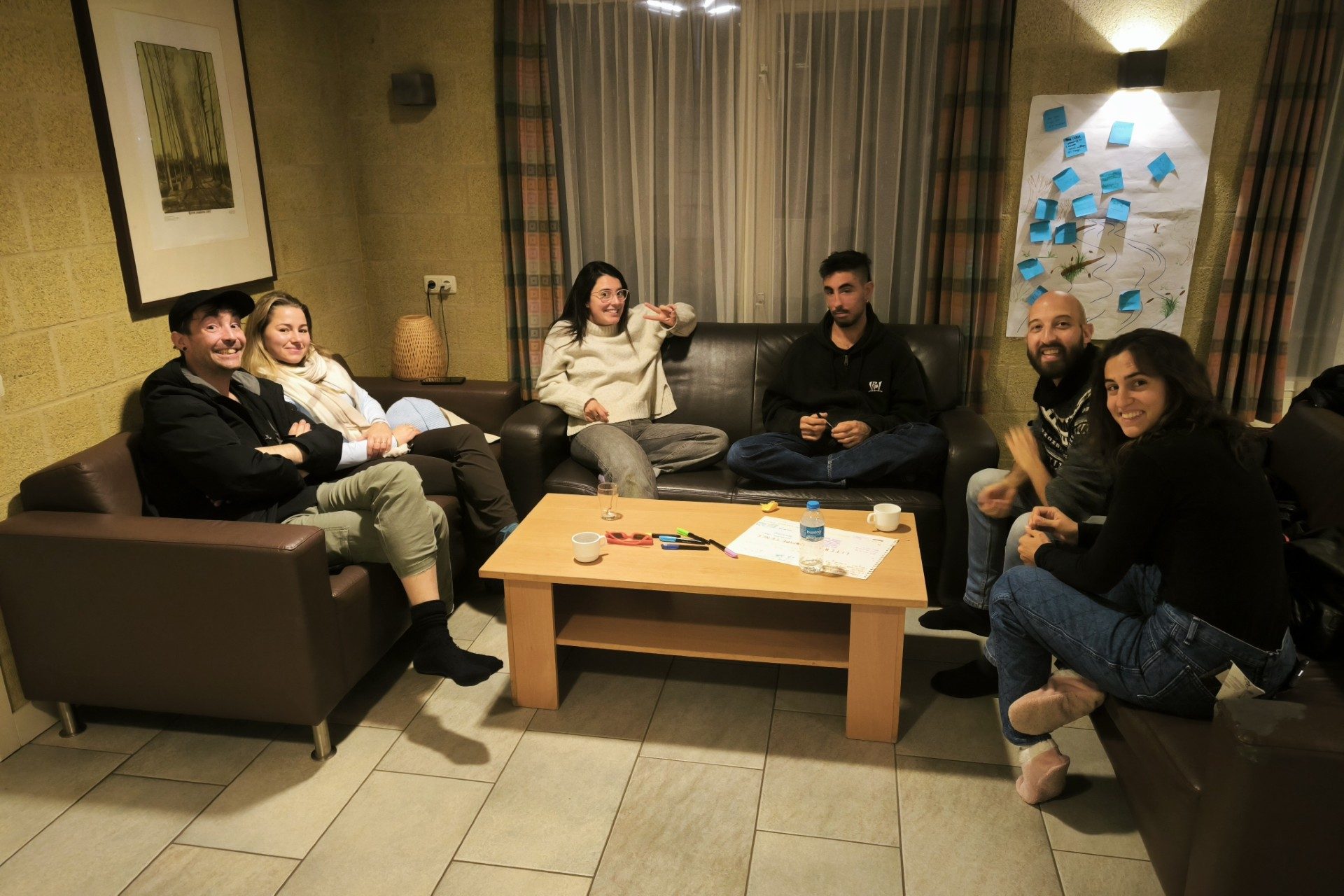
Dissemination held by Peter to his 6 friends. He talked to them about the youth exchange he attended and what opportunities Erasmus + brings.
Kralovsky Chlmec, Slovakia, Nov. 2025
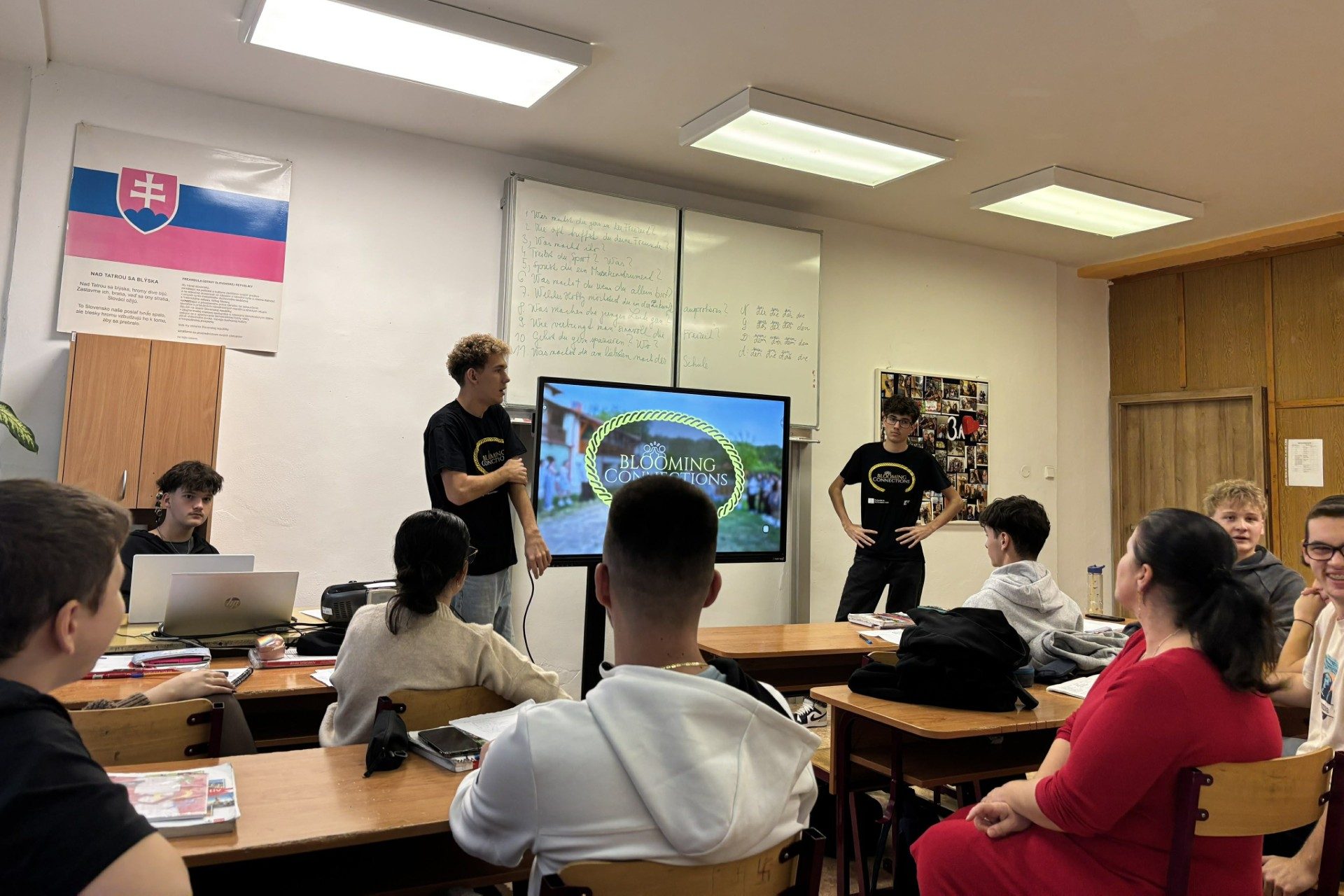
Dissemination held by Nicolas and Daniel at Gymnazium-Gimnazium Kralovsky Chlmec, for 20 people. They prepared presentation for their classmates, shared their experiences, knowledge and raised awareness about the program.
Dolni Kubin, Slovakia, Nov. 2025
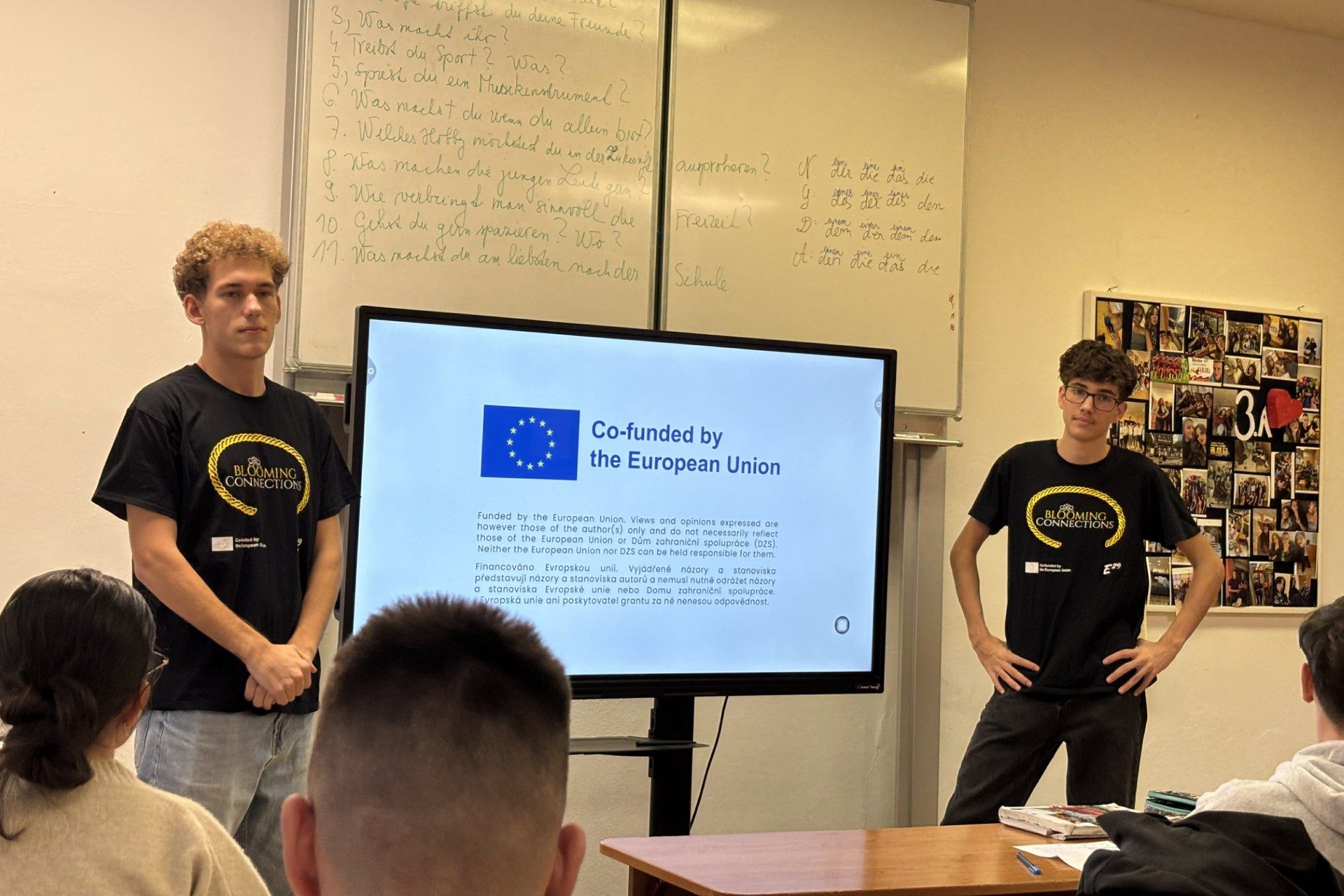
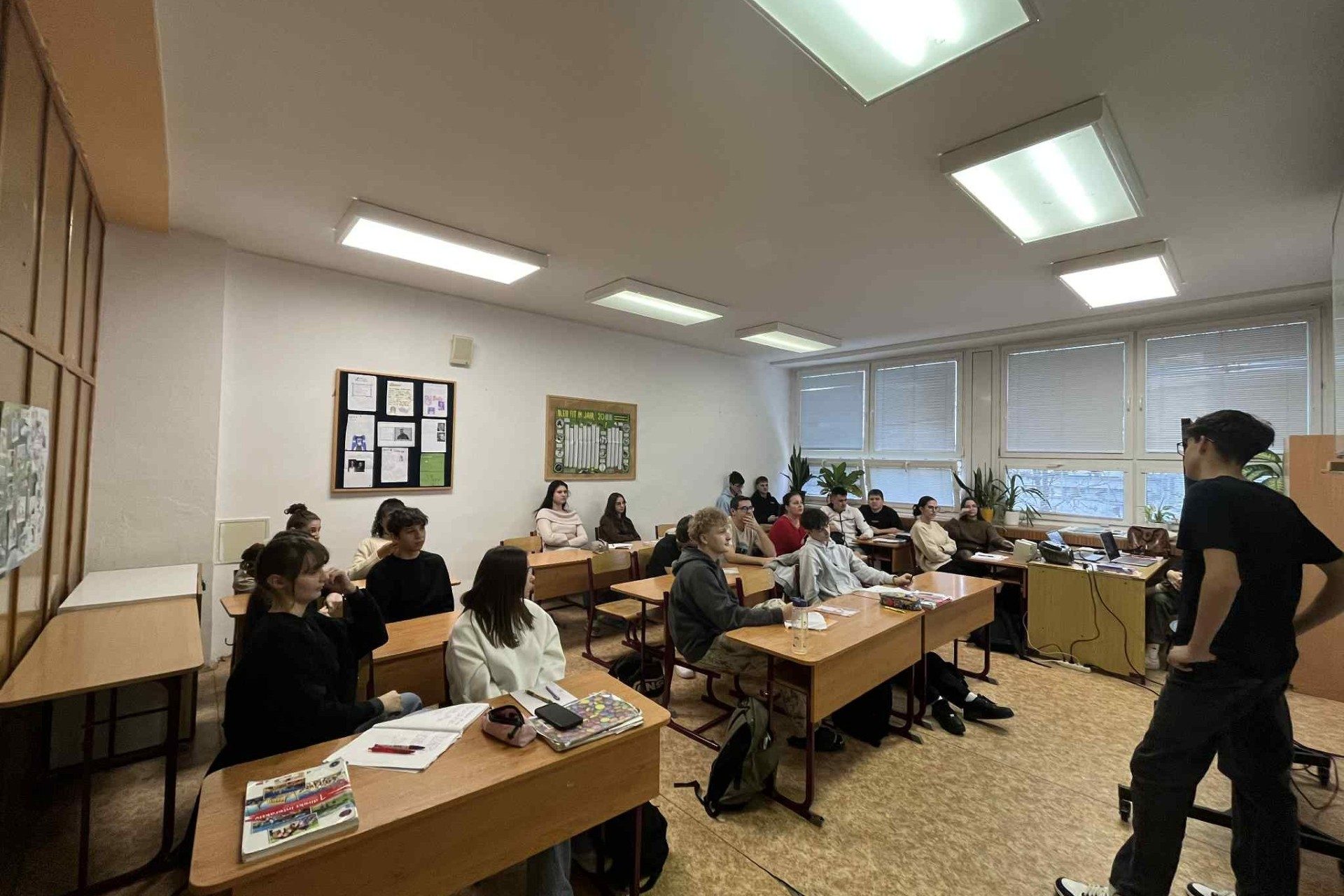
Dissemination held by Katarina at Cirkevne gymnazium Dolny Kubin, for 32 people. Through the presentation, she shared the information about Erasmus+ in general, about E29 and the types of Erasmus activities which are organised throughout the year. She focused mostly on her youth exchange, her experiences, memories and the things that Erasmus gave her personaly. She aslo tried to motivate her peers to go on an Erasmus+ project as it was such an enriching experience for her and it isn’t usual for students from her school to participate in Erasmus+ mobilities at all. That’s why she included the information about the profiles on social media where they can find Erasmus+ opportunities in her presentation as well.
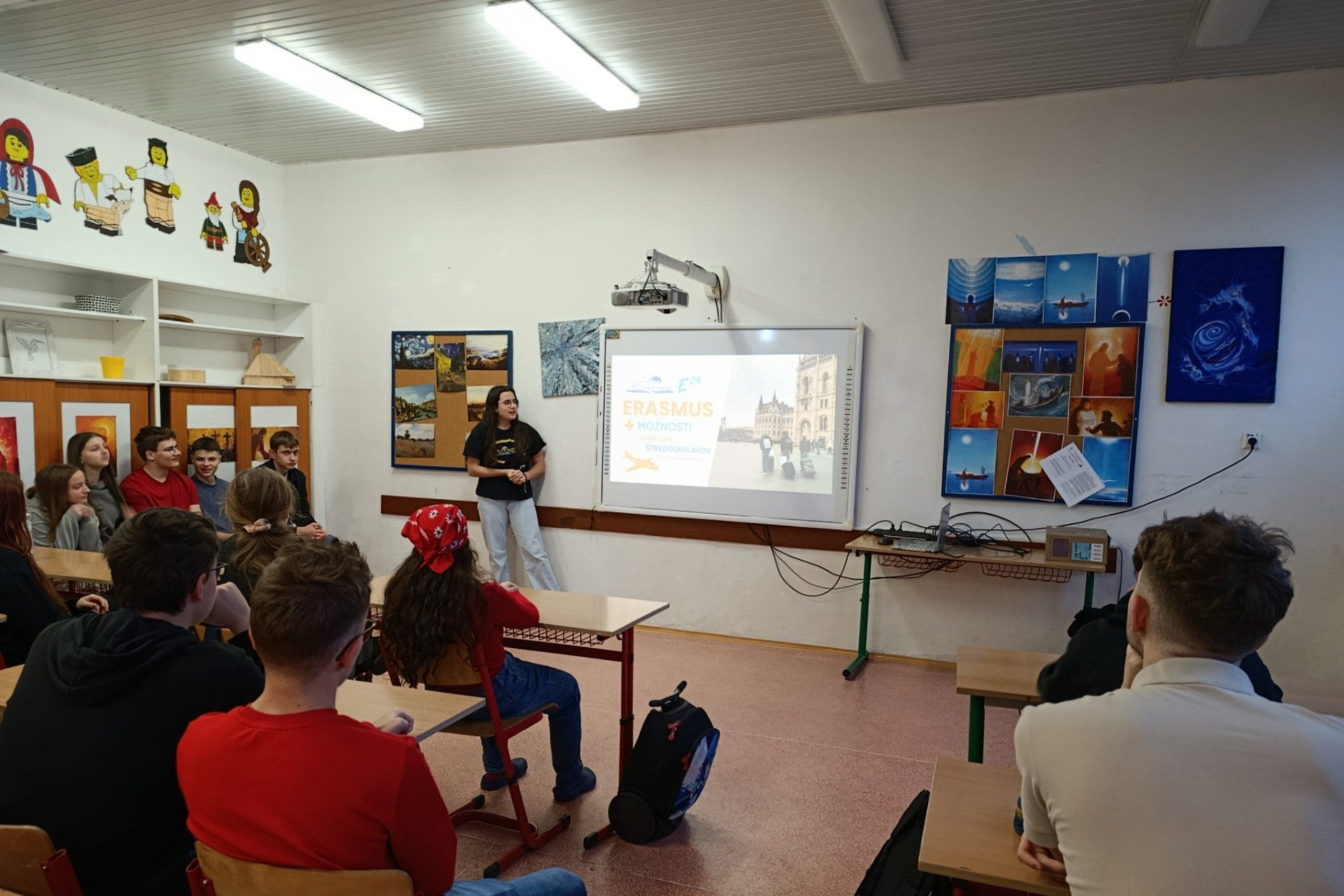
Belgrade, Serbia, Nov. 2025
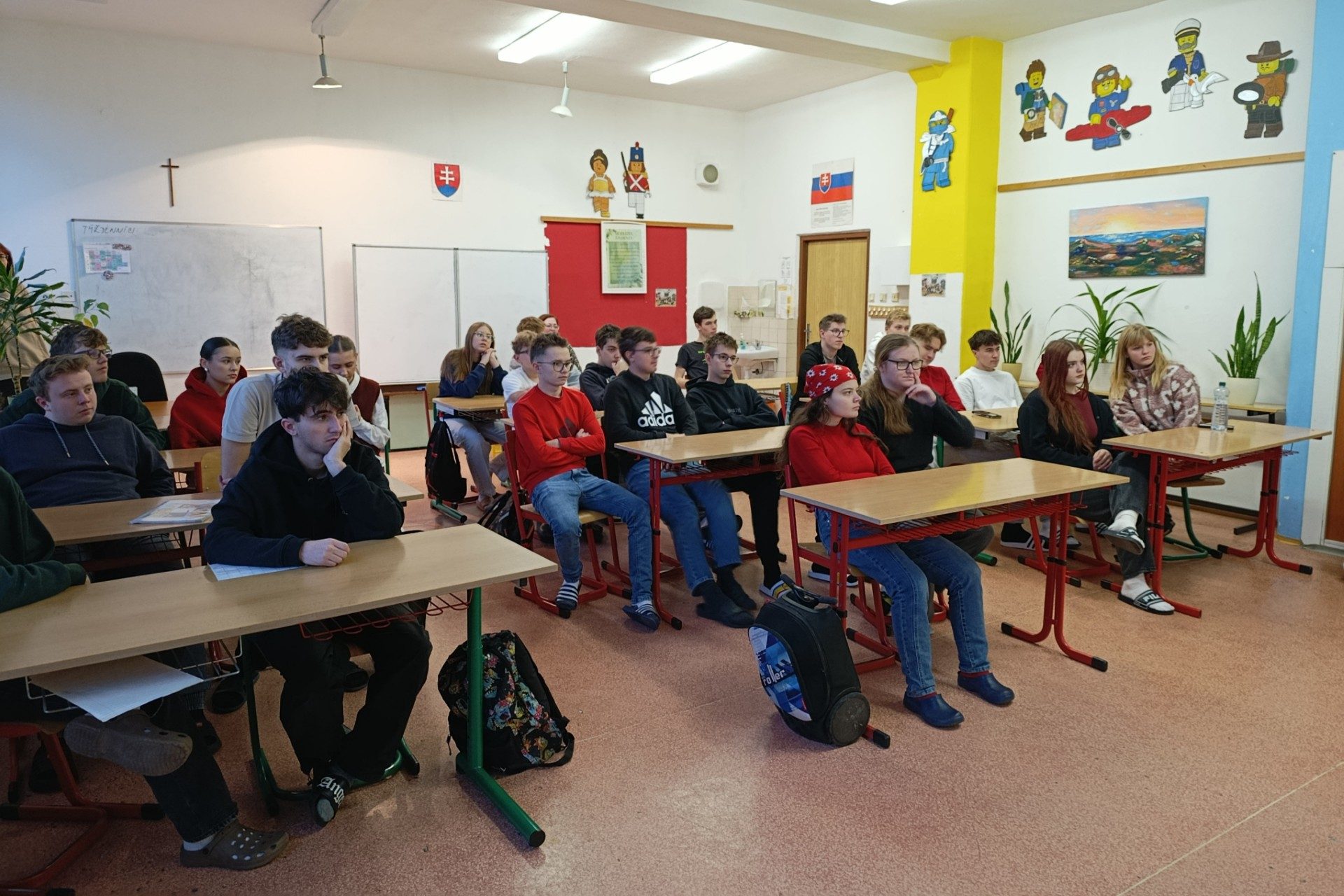
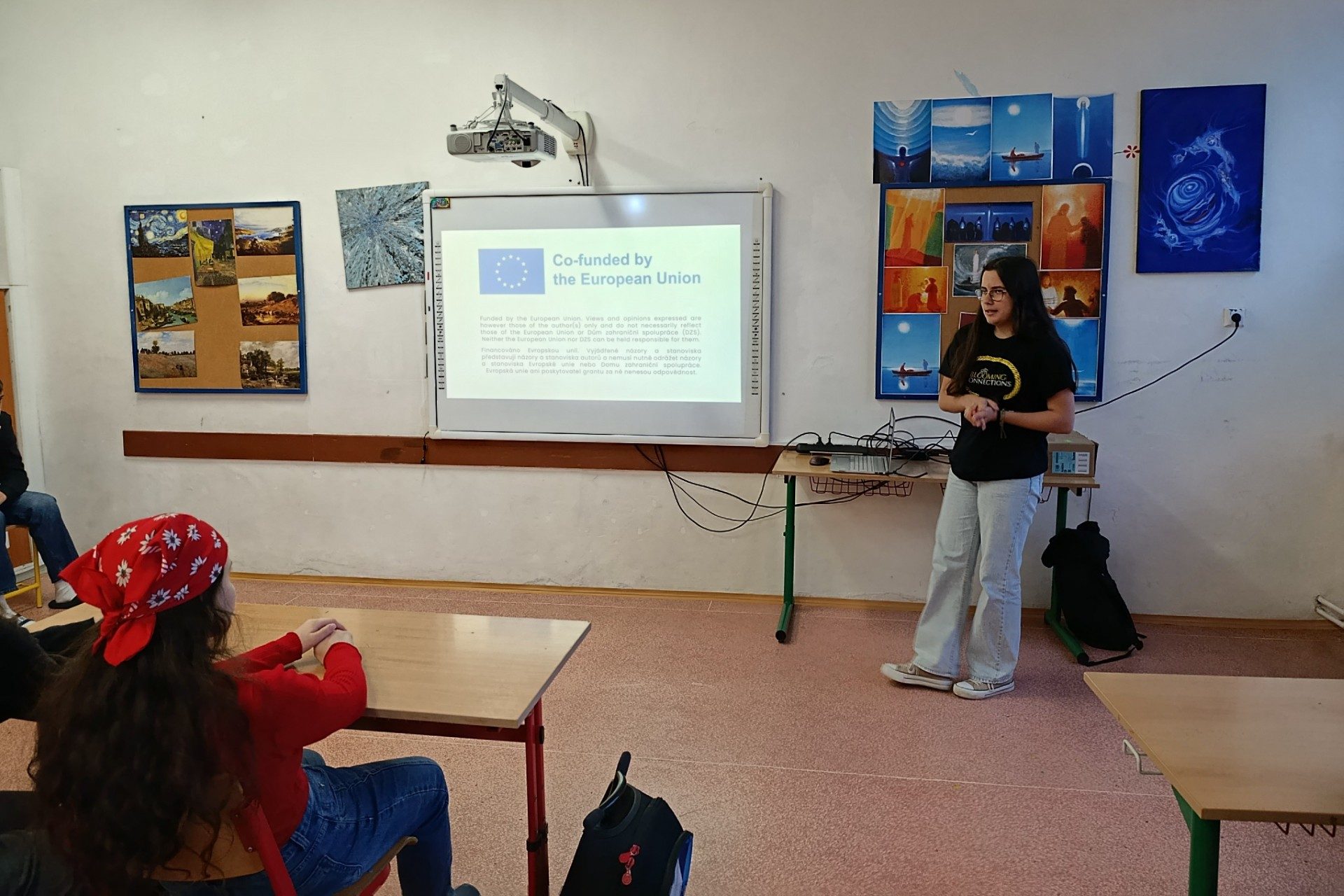
Dissemination held by Milica and Aleksa at First Belgrade gymnasium, for 20 people. They prepared a presentation in their school library for intrested peers. They explained what they did during the activity, talked about Erasmus and E29 as well.
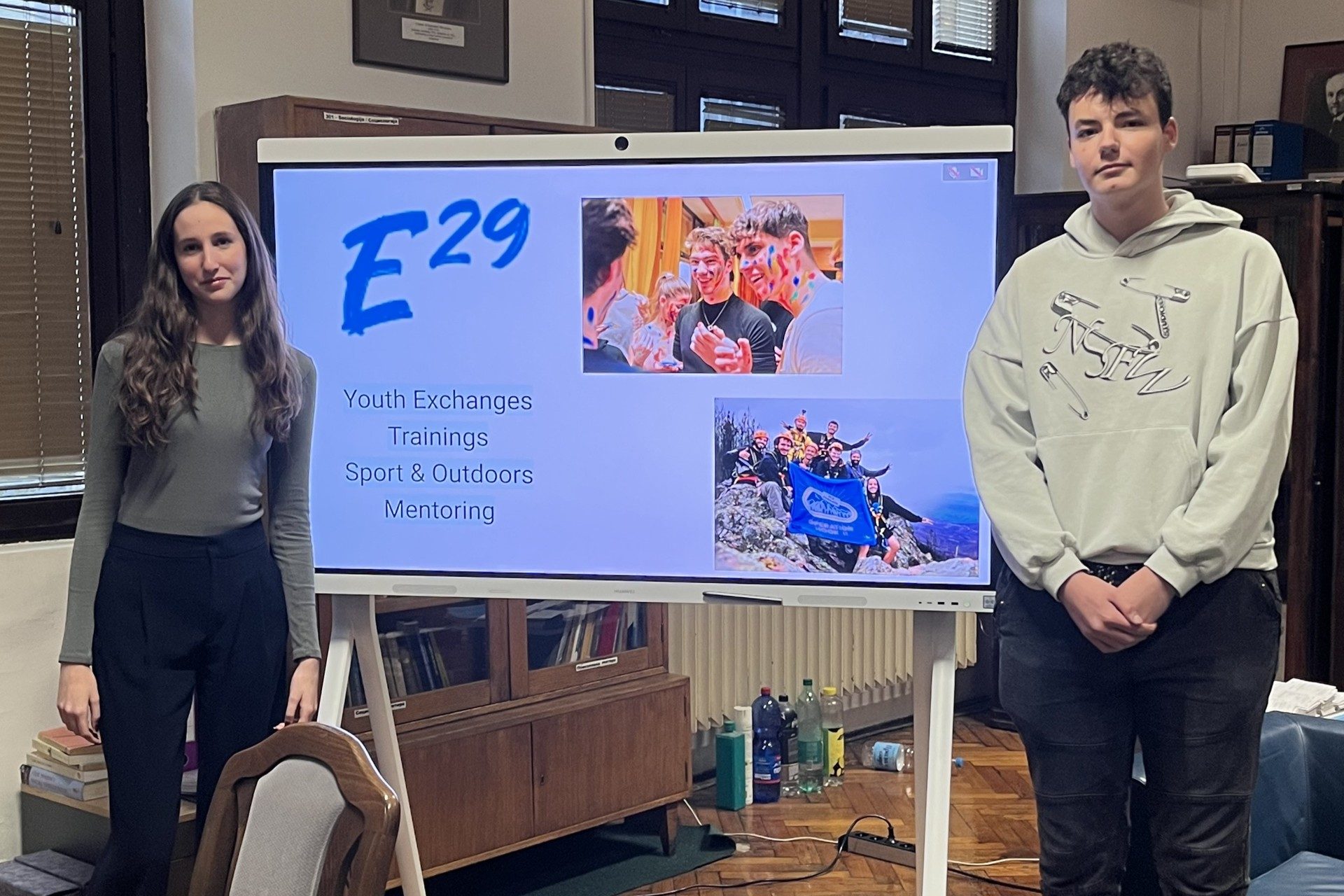
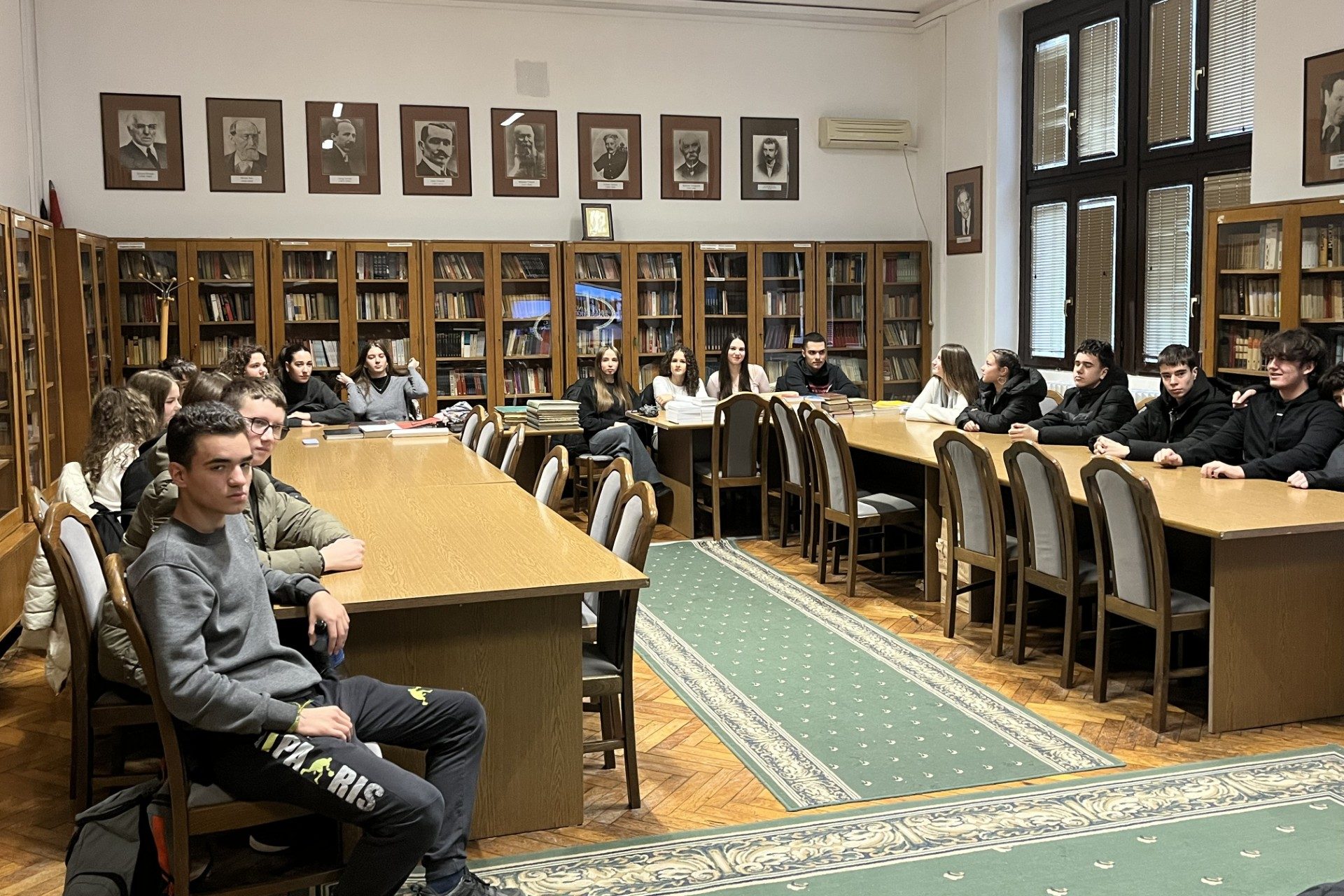
Kaunas, Lithuania, Nov. 2025
Dissemination held by Rapolas at Kauno Informaciniu Technologiju Mokykla, for 17 people. He did a presentation during his English class, he introduced E29, what is a youth exchange and how to take part.
Pancevo, Serbia, Nov. 2025
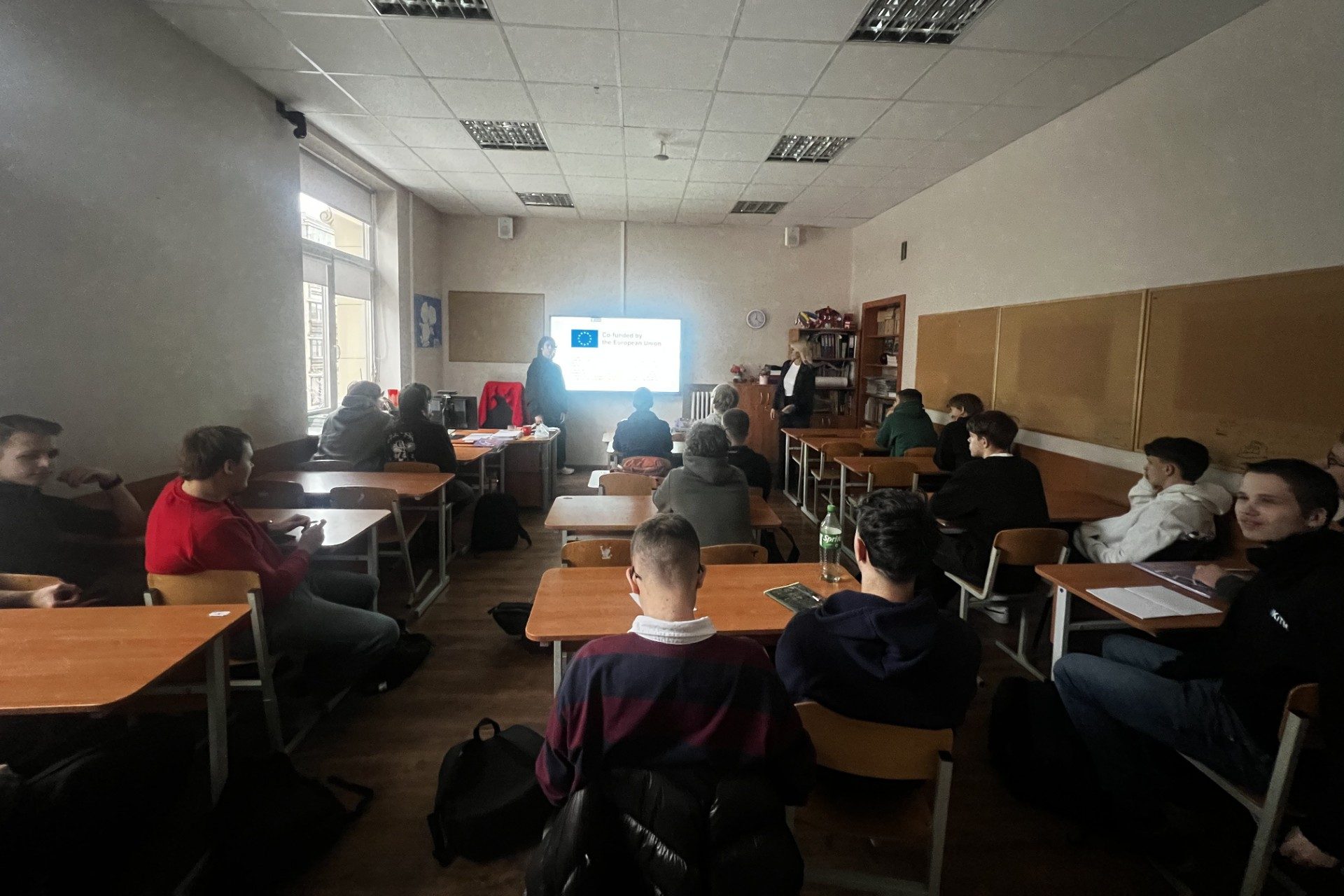
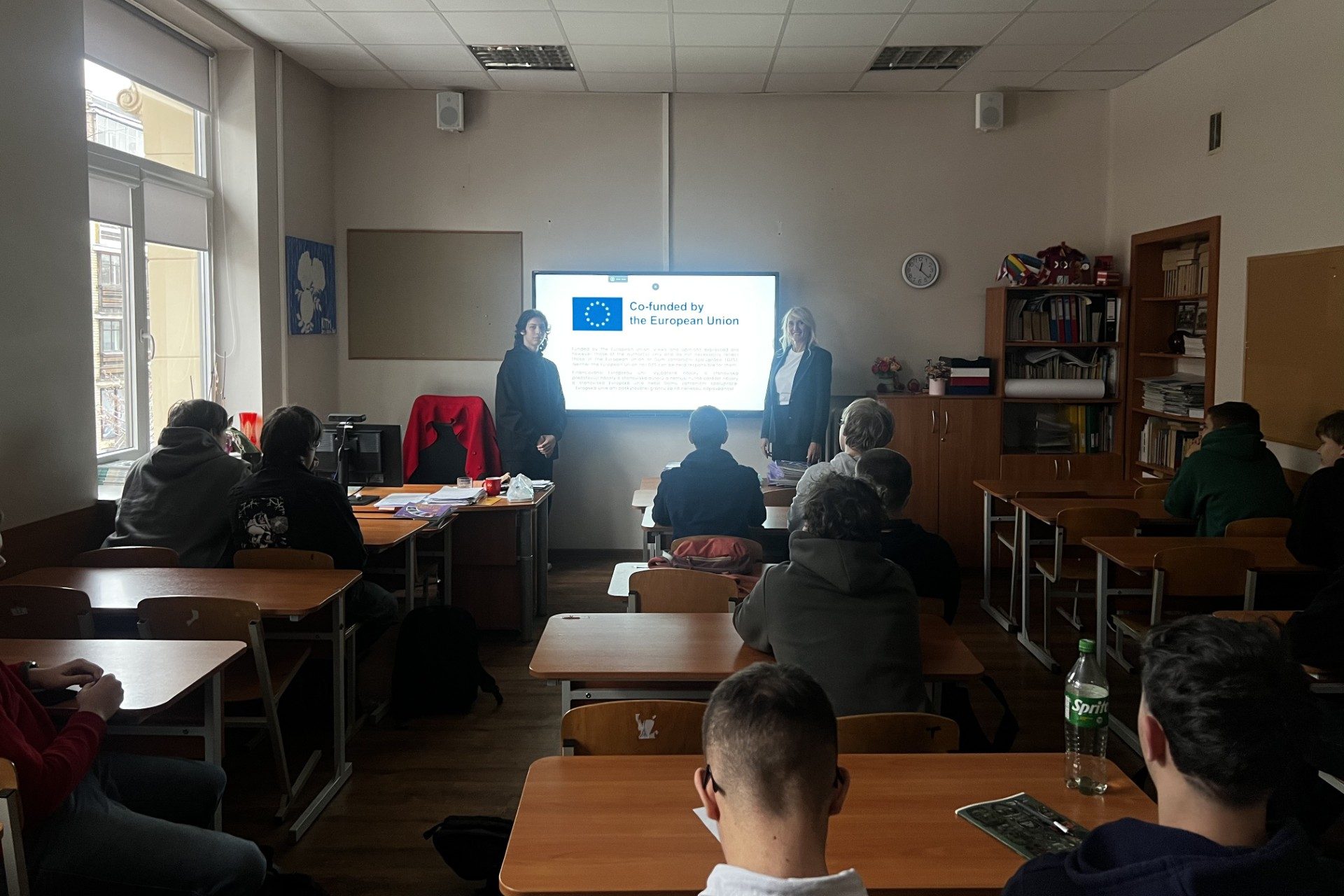
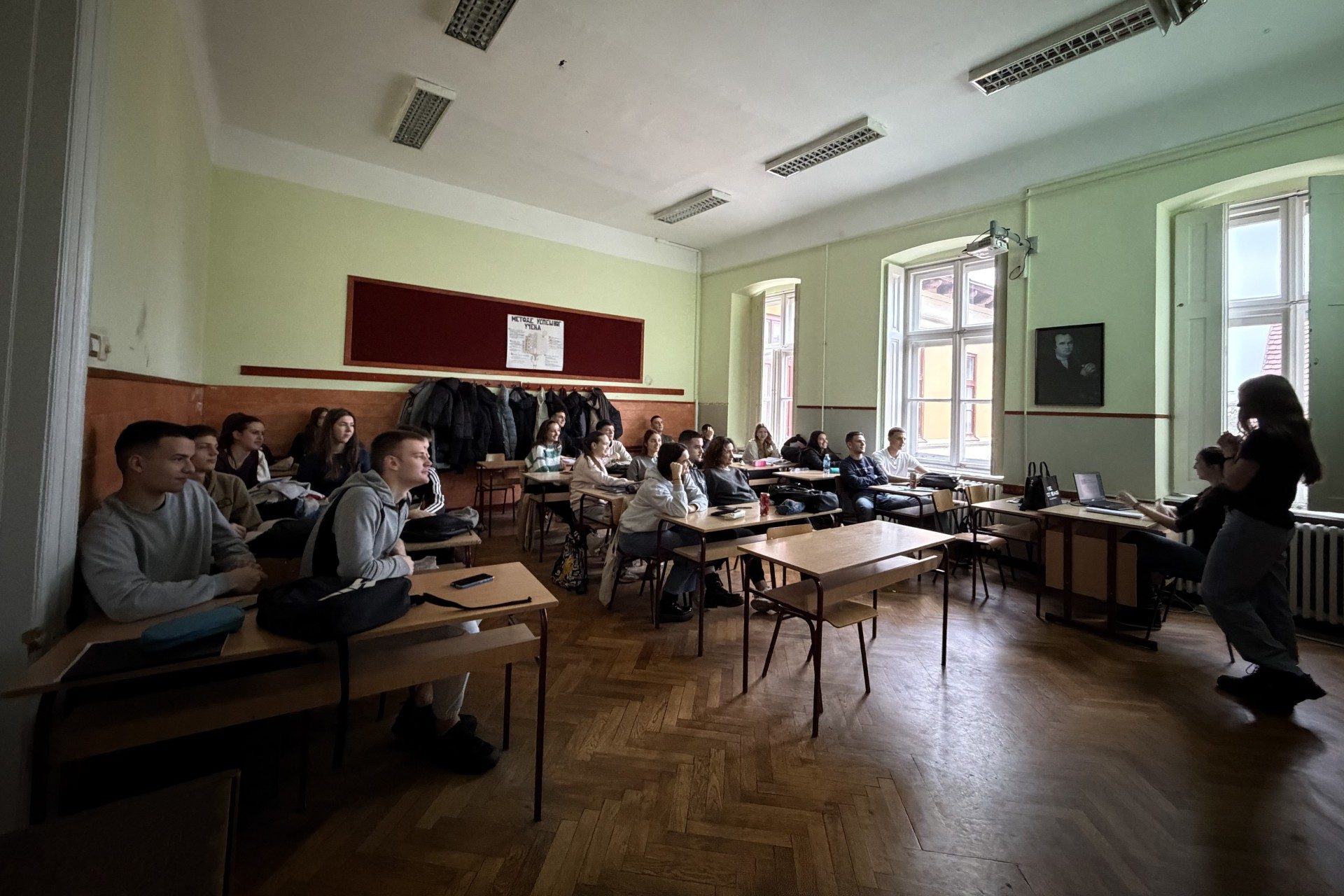
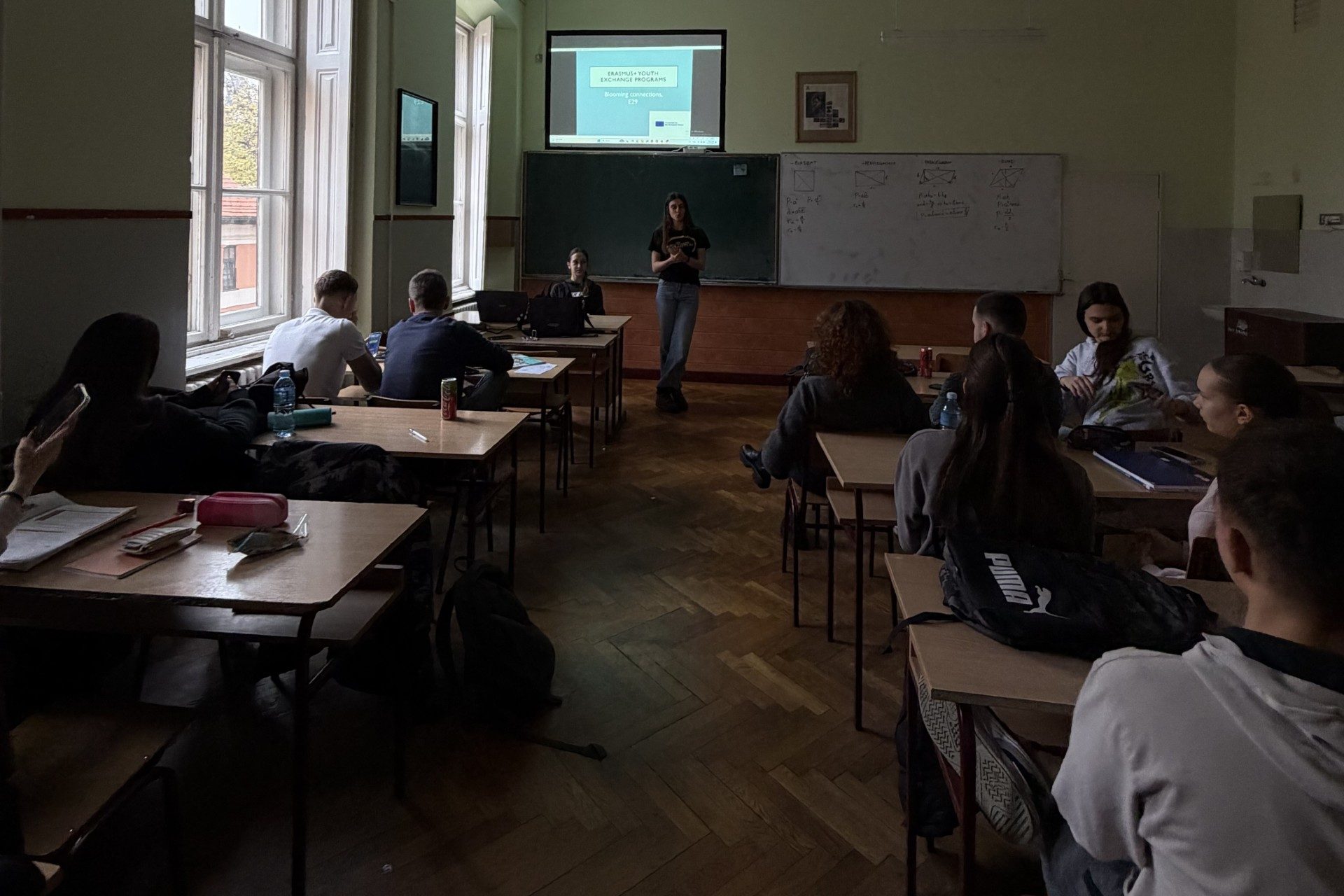
Dissemination held by Kalina at Gymnasium Uros Predic, for 27 people. She held her presentation at school to her class. She talked about E29 and the Blooming connections activity.
Bartninkai, Lithuania, Nov. 2025
Dissemination held by Marta and Yaroslava, reaching 45 young people. They showed the video of the project, some pictures and talked about the project, its topic and some of the activities.
Brno, Czechia, Dec. 2025
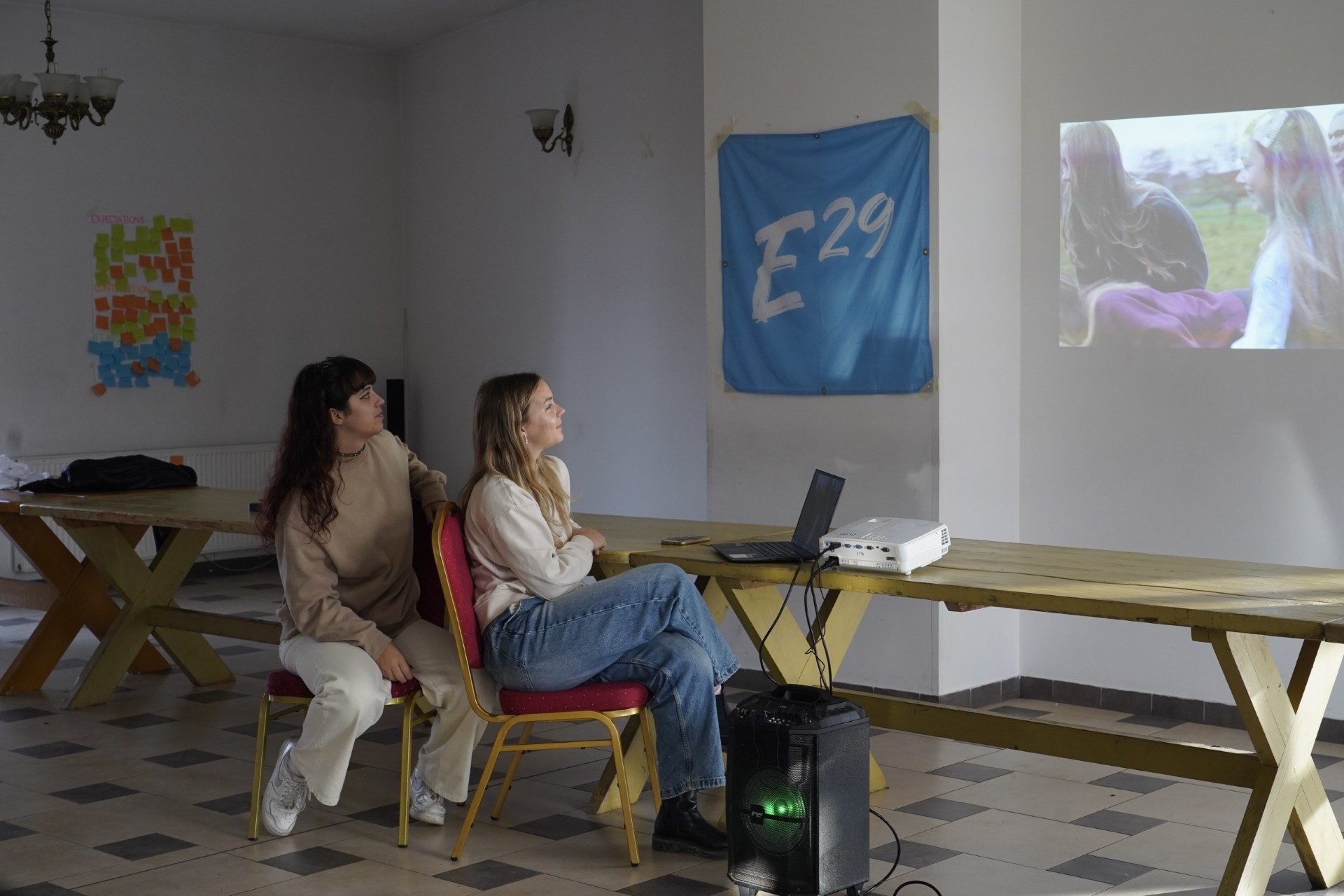
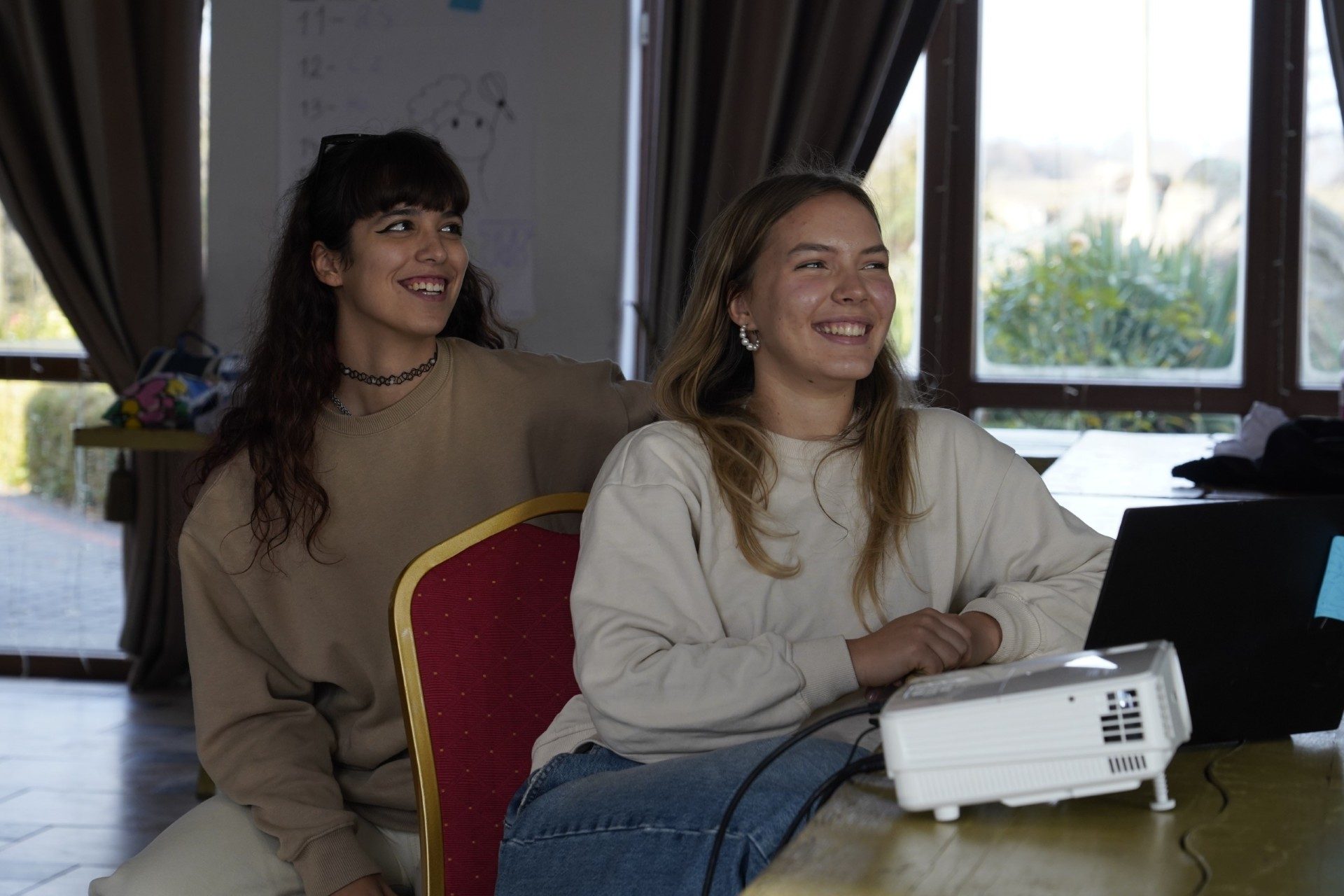
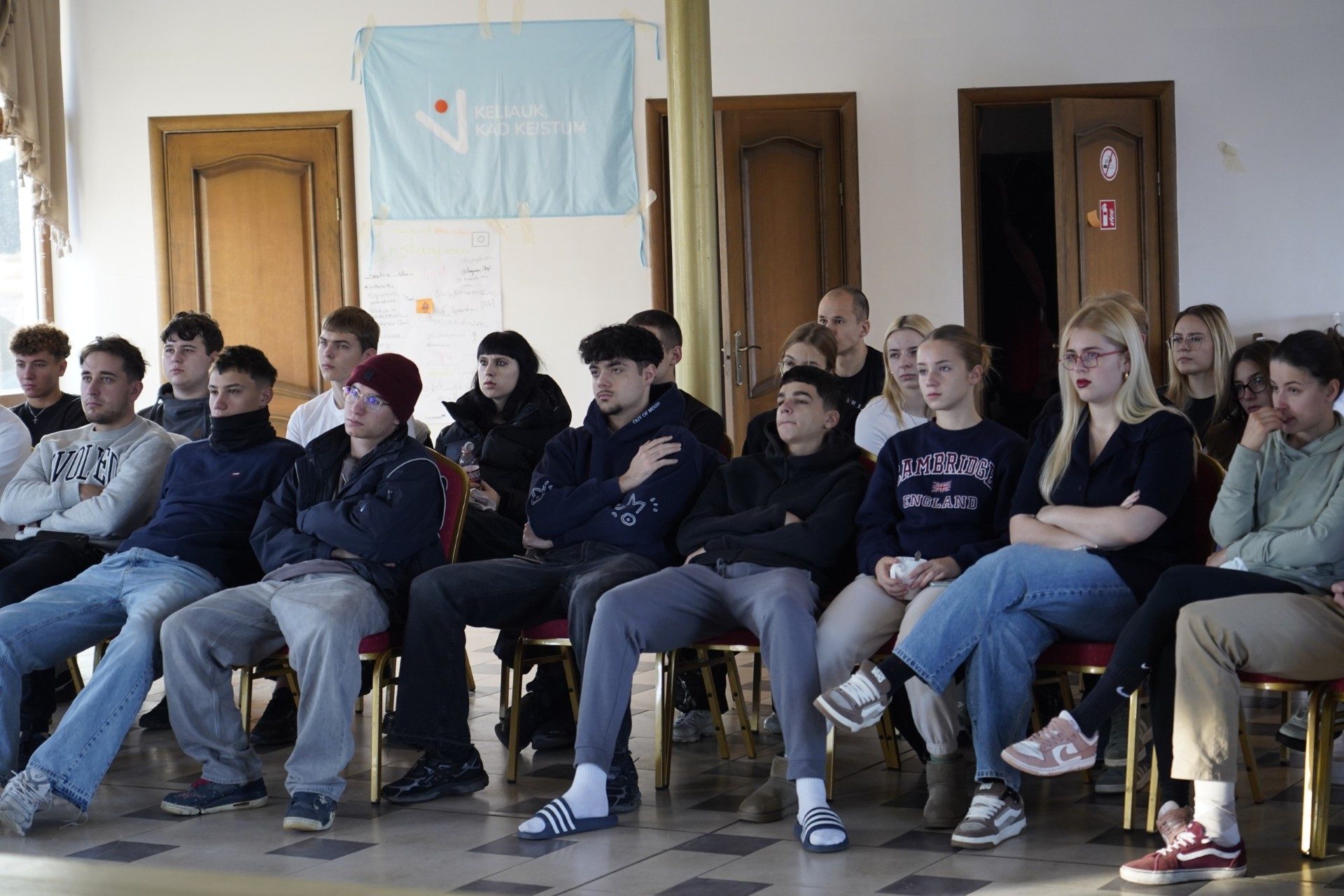
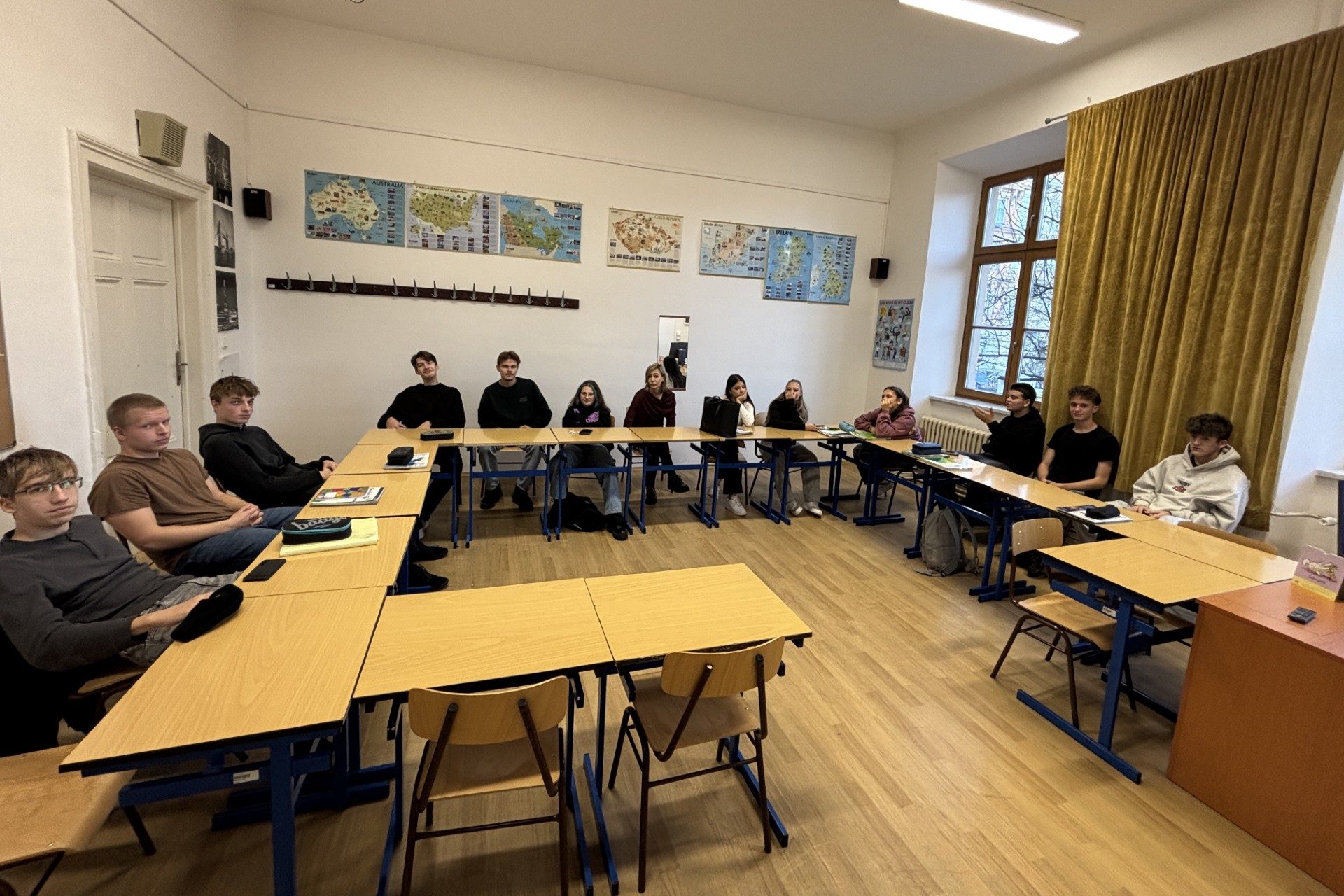
Dissemination held by Benedikt at Stredni Prumyslova Skola Stavebni Brno, for 13 people. He carried out his dissemination at his school, where he presented the Erasmus+ activity he took part in. He described the international teamwork, cultural evenings, and personal growth moments. He also introduced the E29 organization, explaining its role in creating supportive learning spaces. He also encouraged students to join future Erasmus+ exchanges and showed photos to illustrate how meaningful and inspiring the experience was.
Sjenica, Serbia, Dec. 2025
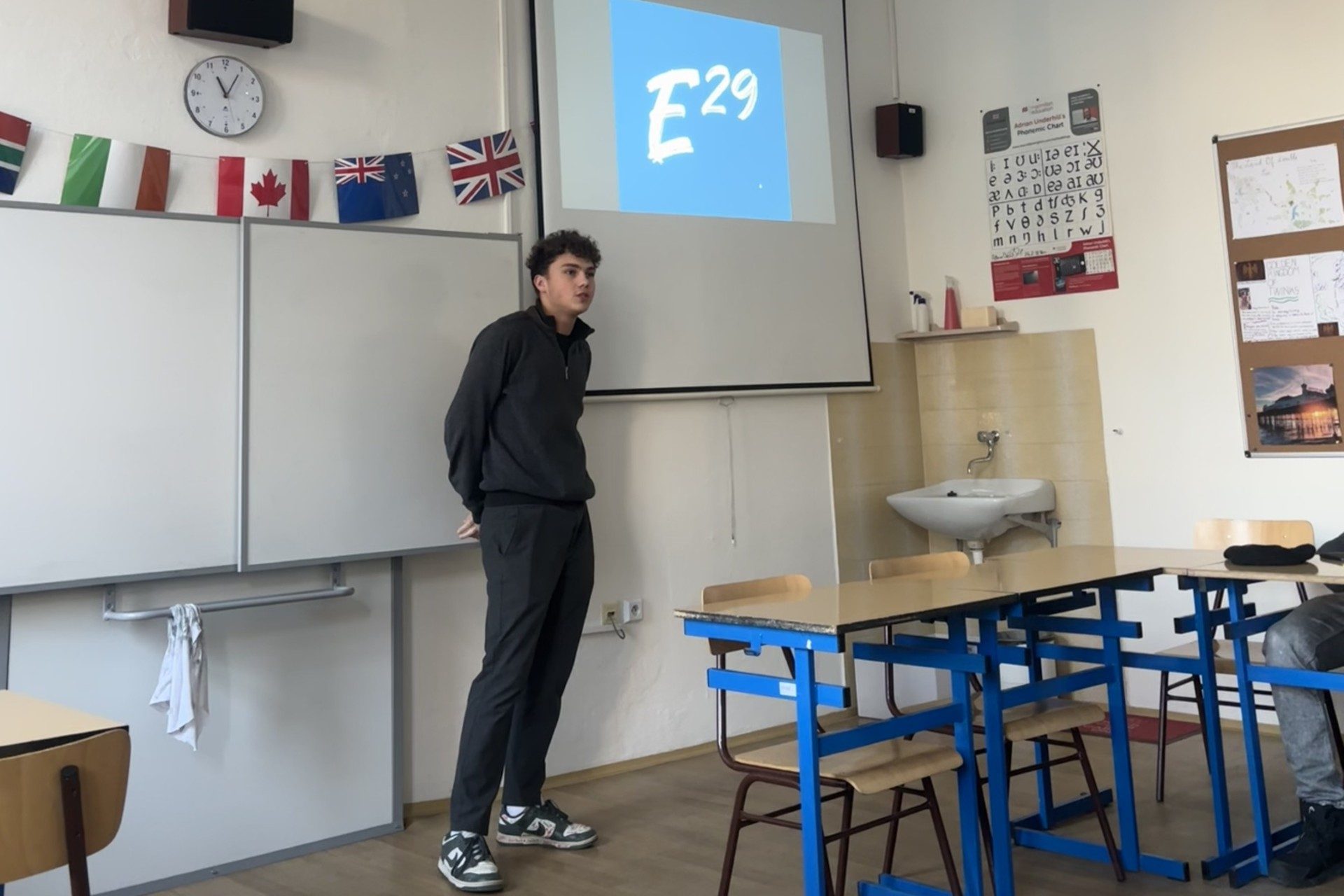
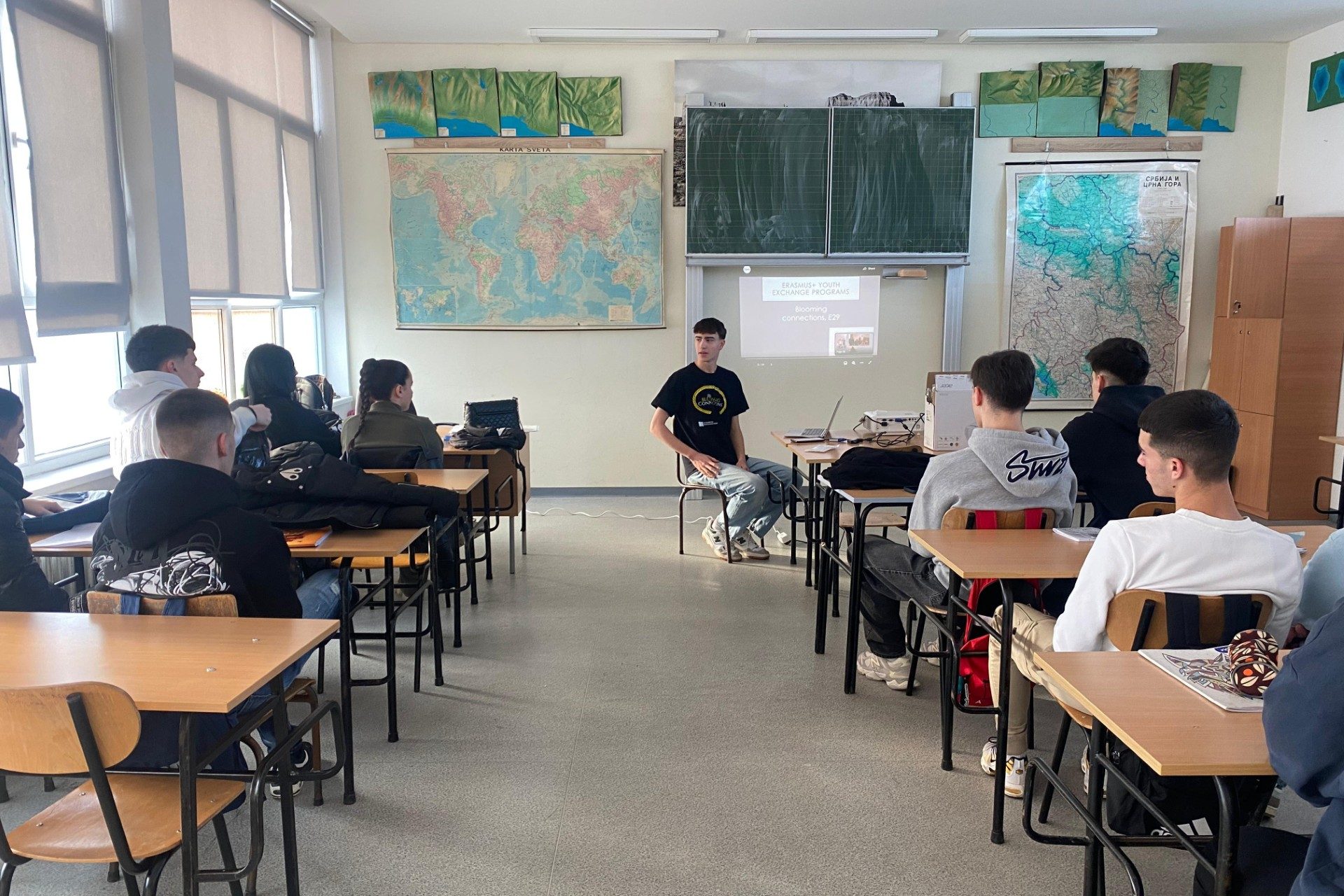
Dissemination held by Andrej at Gimnazija Jezdimir Lovic, for 17 people. During the dissemination activity, he briefly introduced the Erasmus+ programme and the opportunities it offers. Then he presented the E29 organization and its role in youth projects. In the end, he also shared his experience from the project he attended.
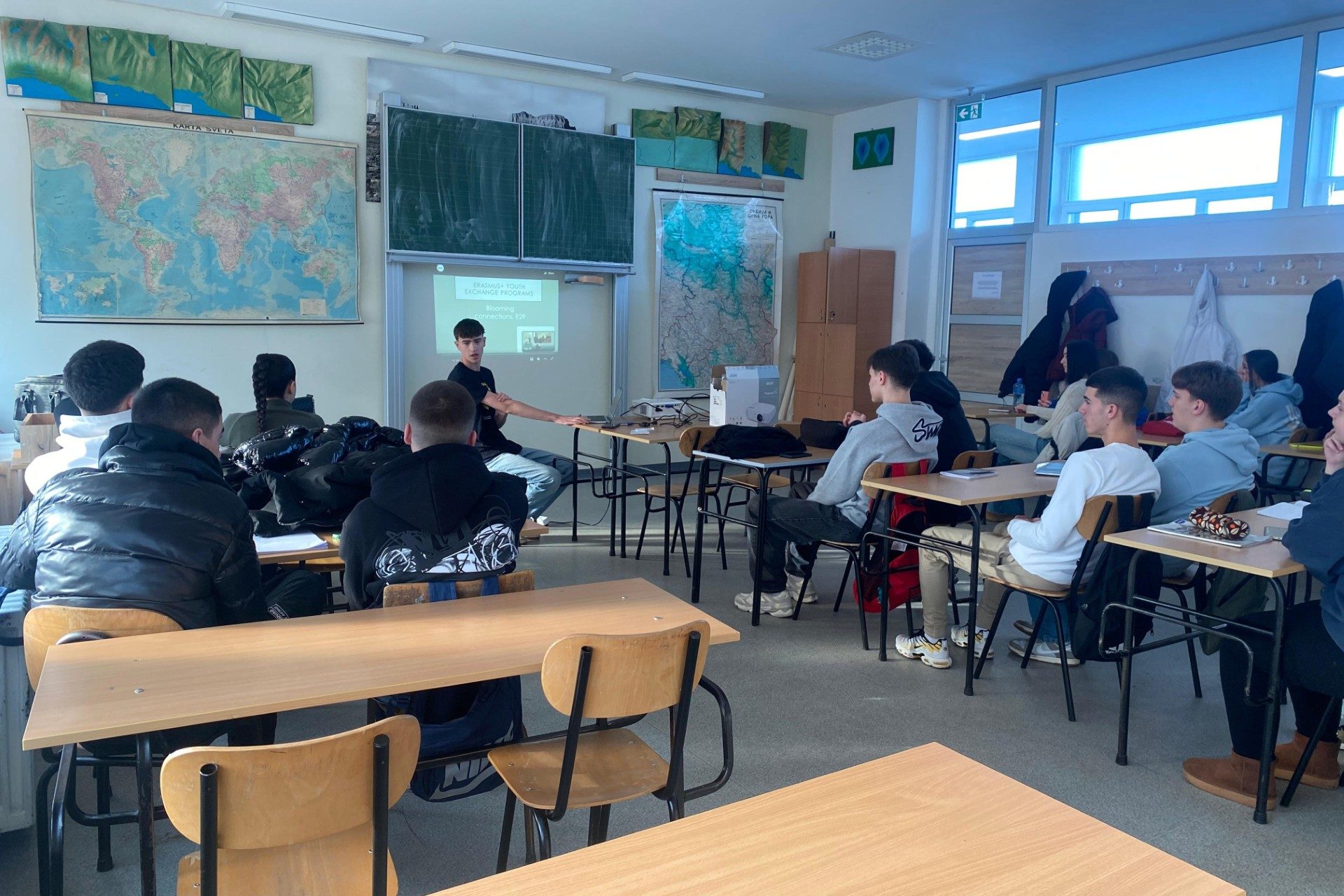
Nis, Serbia, Dec. 2025
Dissemination held by Vuk at Gimnazija Bora Stankovic, for 25 people. He gave a presentation to share information about Erasmus+ project he joined. He talked about the goals of Erasmus+ programme and explained the role of E29 organization. He described his personal experience, what he learned, and how the project helped him grow. To make the presentation more interesting, he also showed photos and videos from the activities and his time abroad.
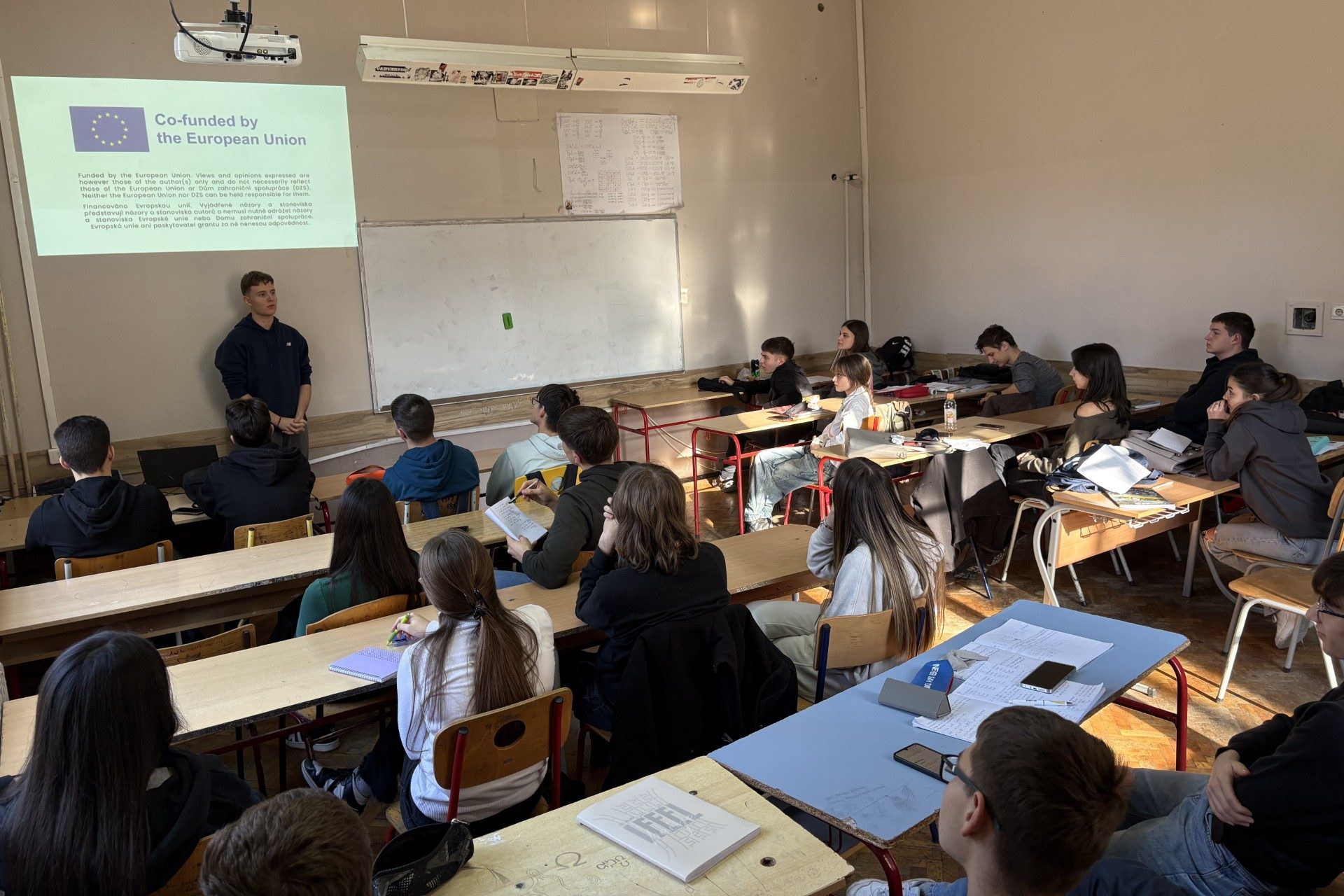
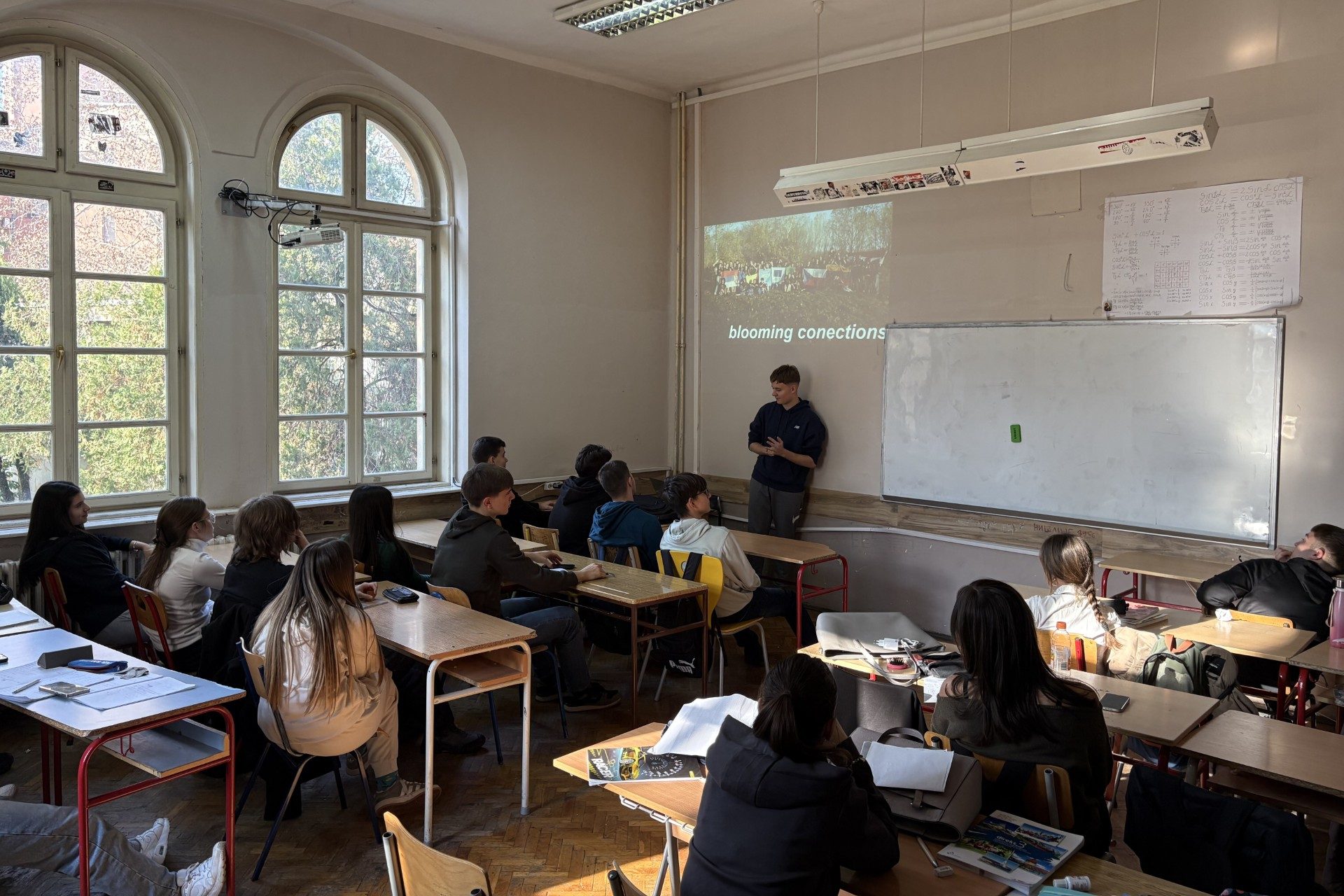
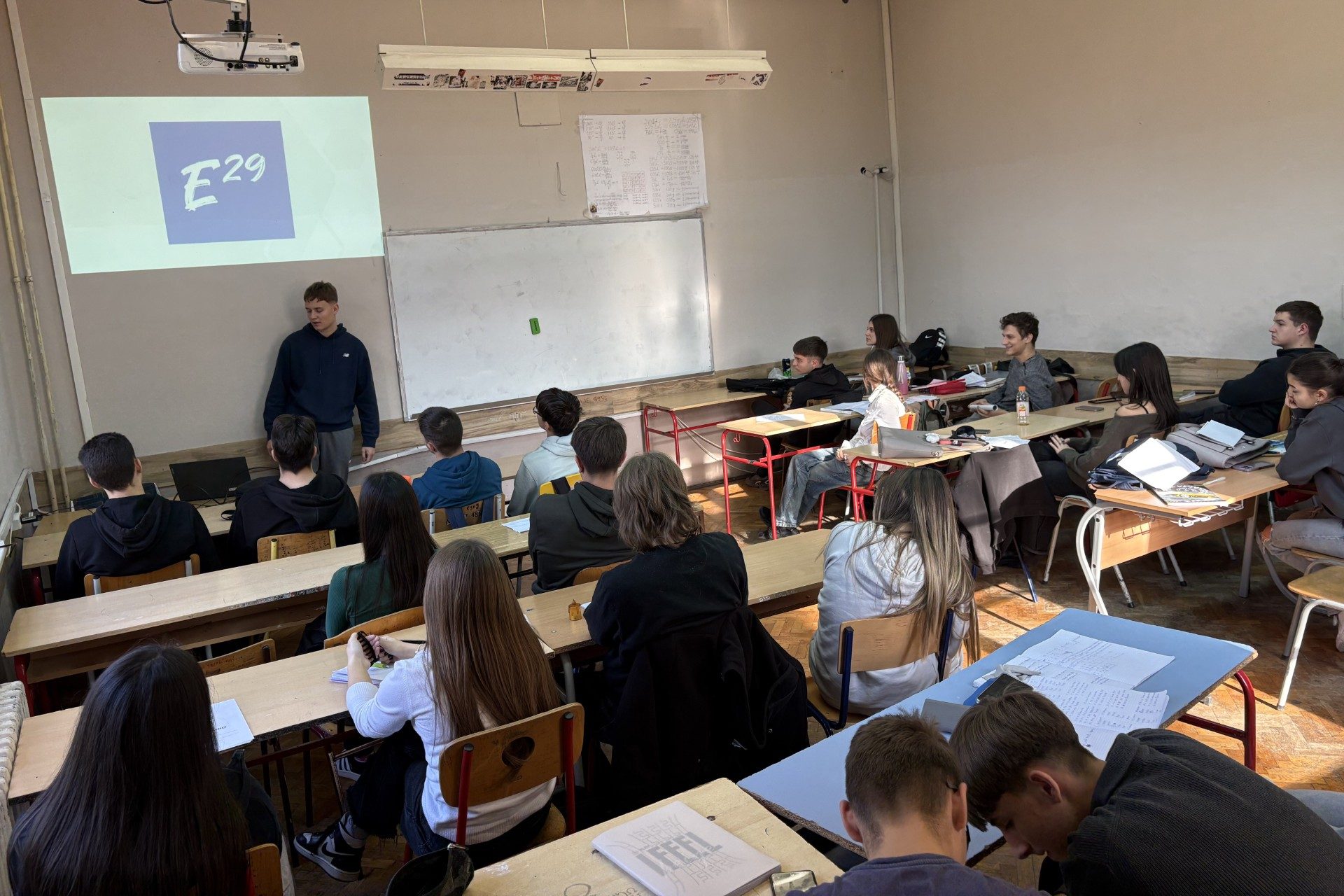
Presov, Slovakia, Nov. 2025
Dissemination held by Martin at Gymnazium Jana Adama Raymana, for 16 people. He prepared a presentation for students in his school. He shared his experiences, how to take part in similar activities and ended the presentation with time for questions.
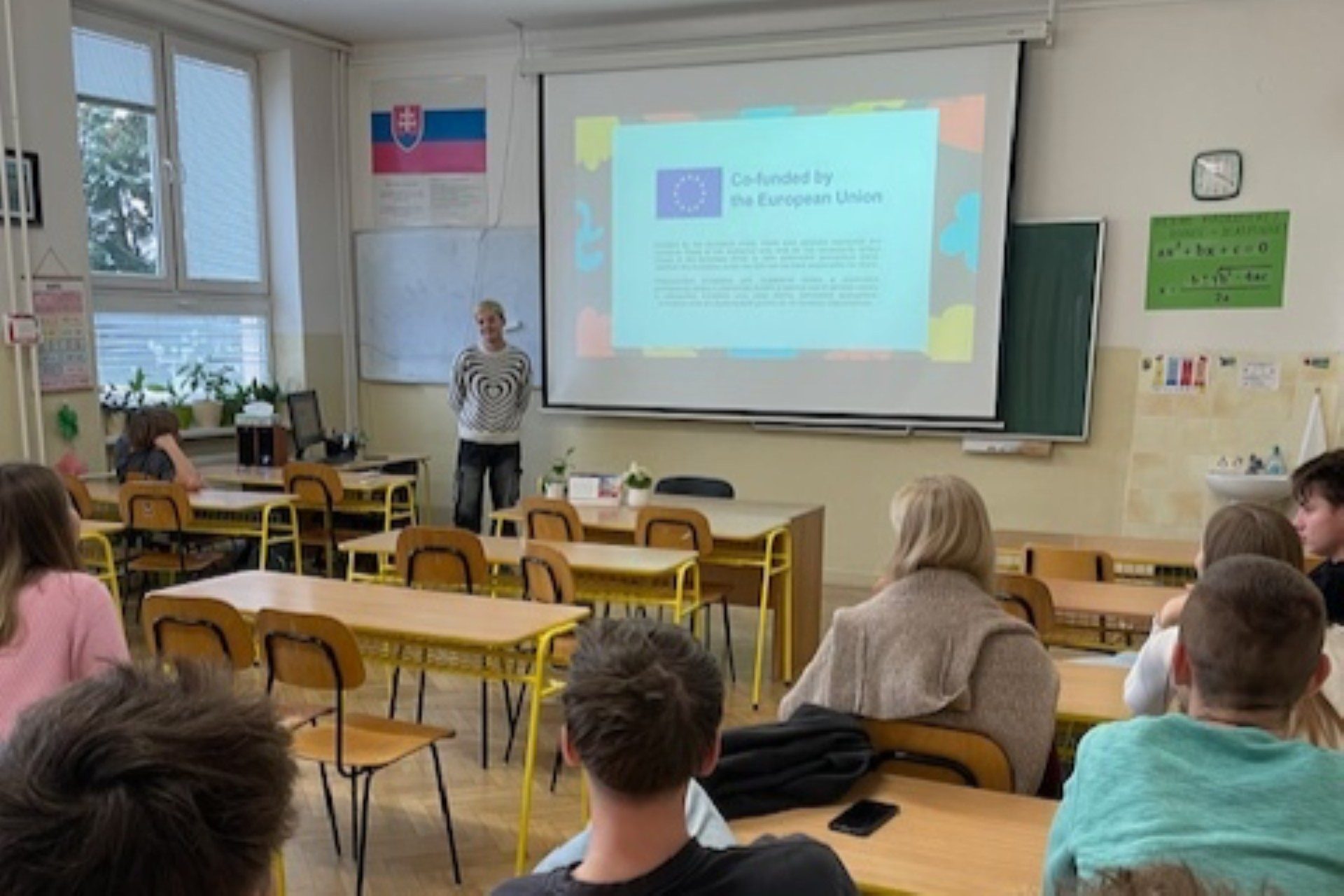
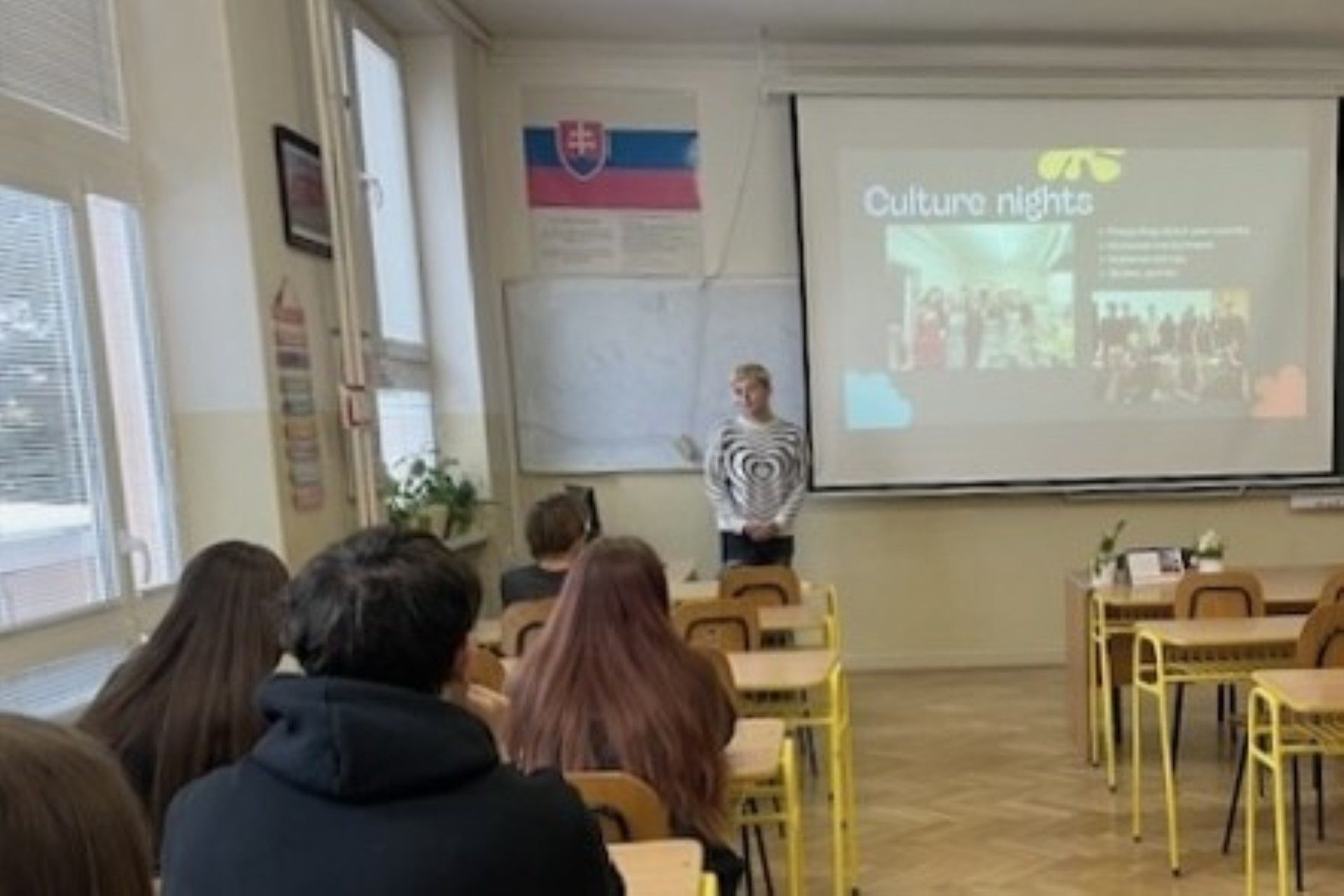
Marijampole, Lithuania, Dec. 2025
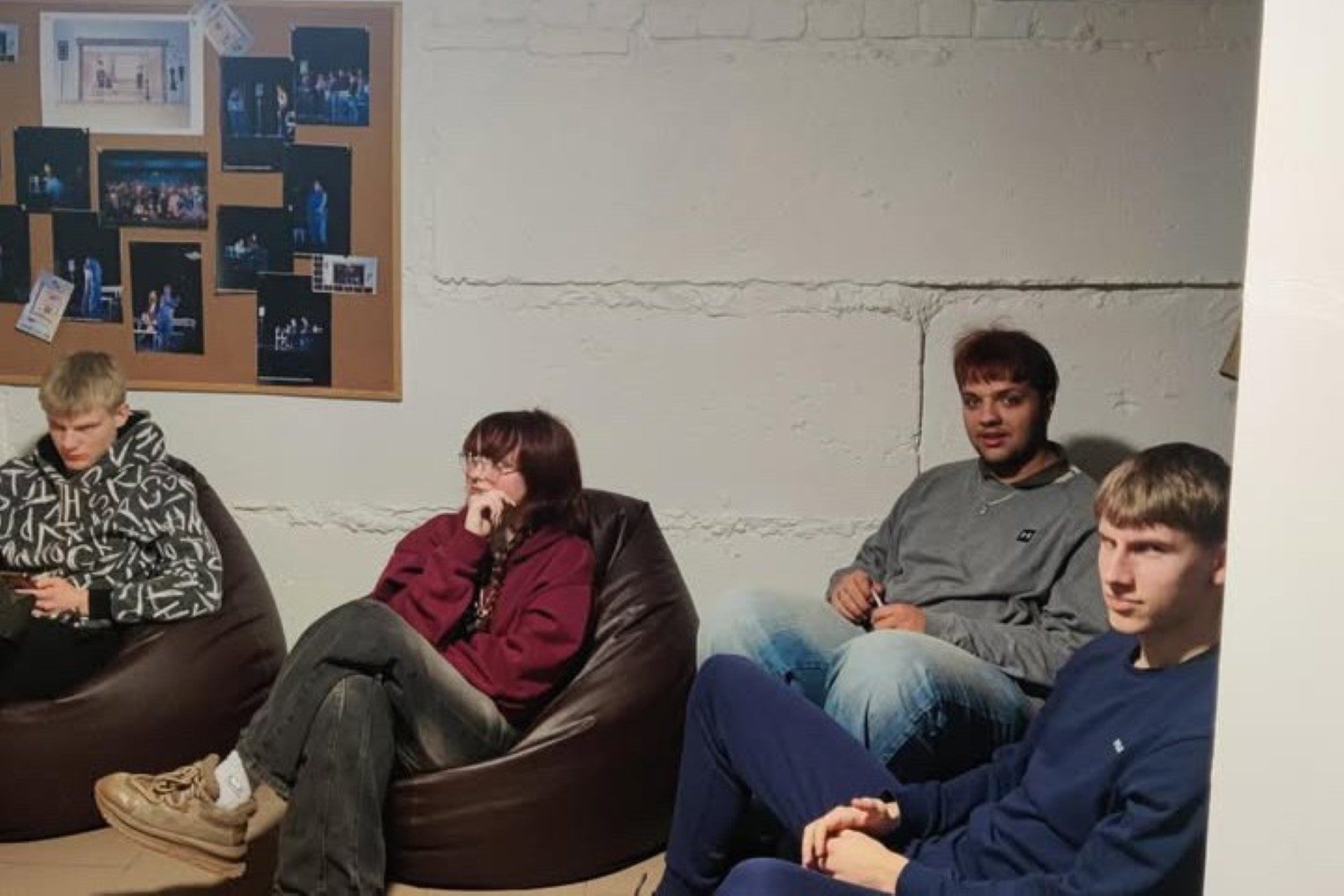
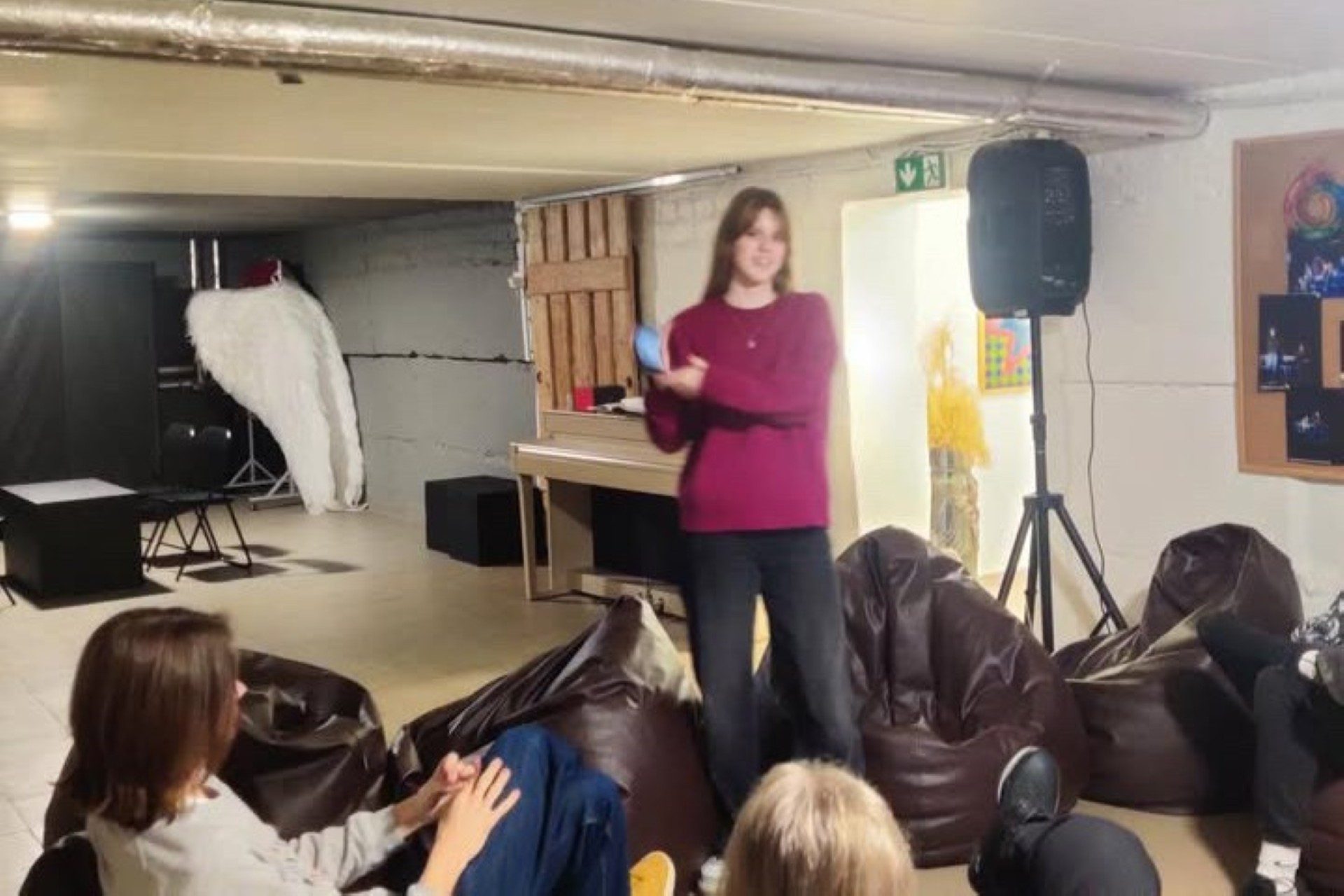
Dissemination held by Vilte at MKC Drama Club, for 10 people. She presented the project to her colleagues from her drama club. She talked about what they were doing during the project, shared her experinces and talked about how they enjoyed it.
Peniche, Portugal, Dec. 2025
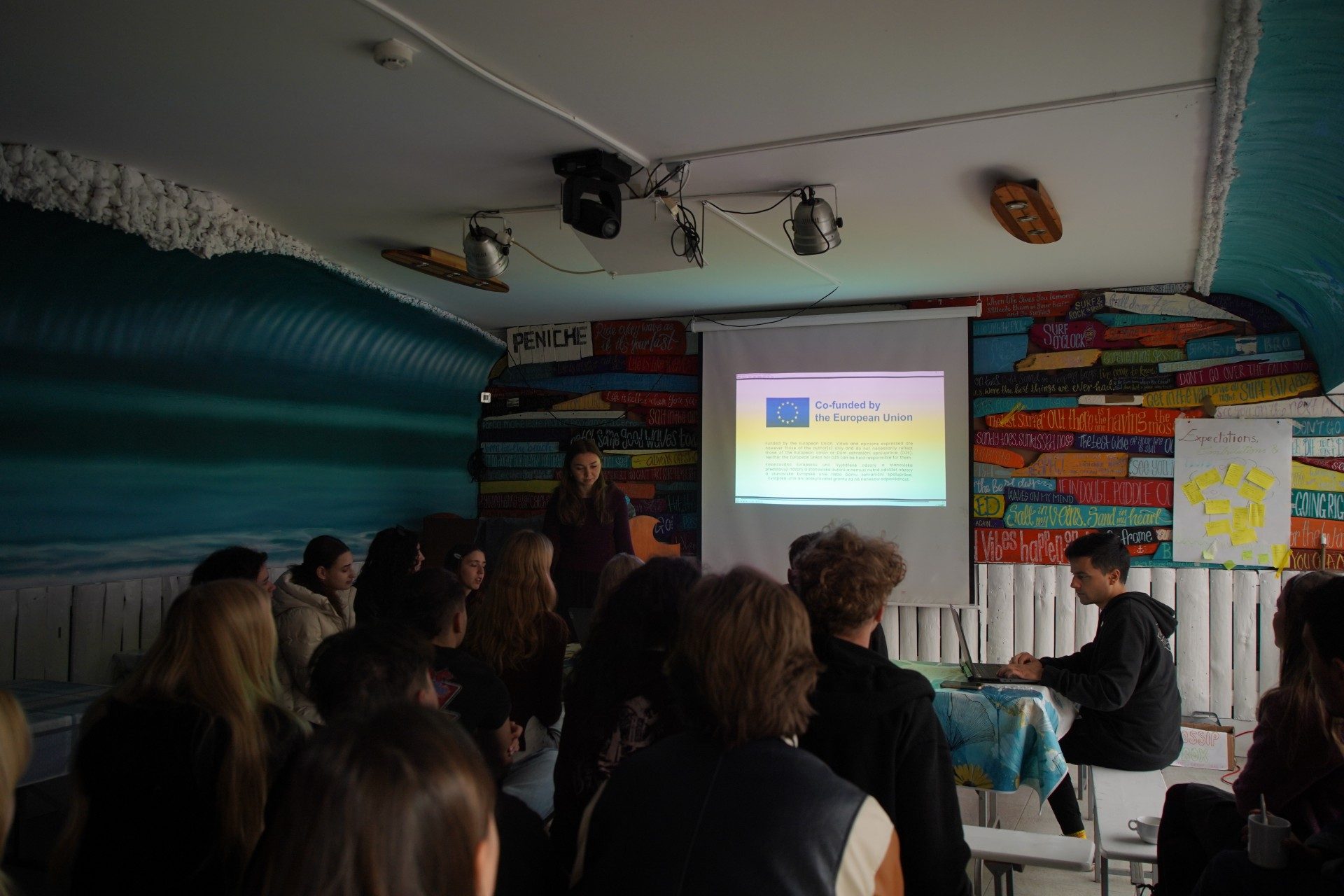
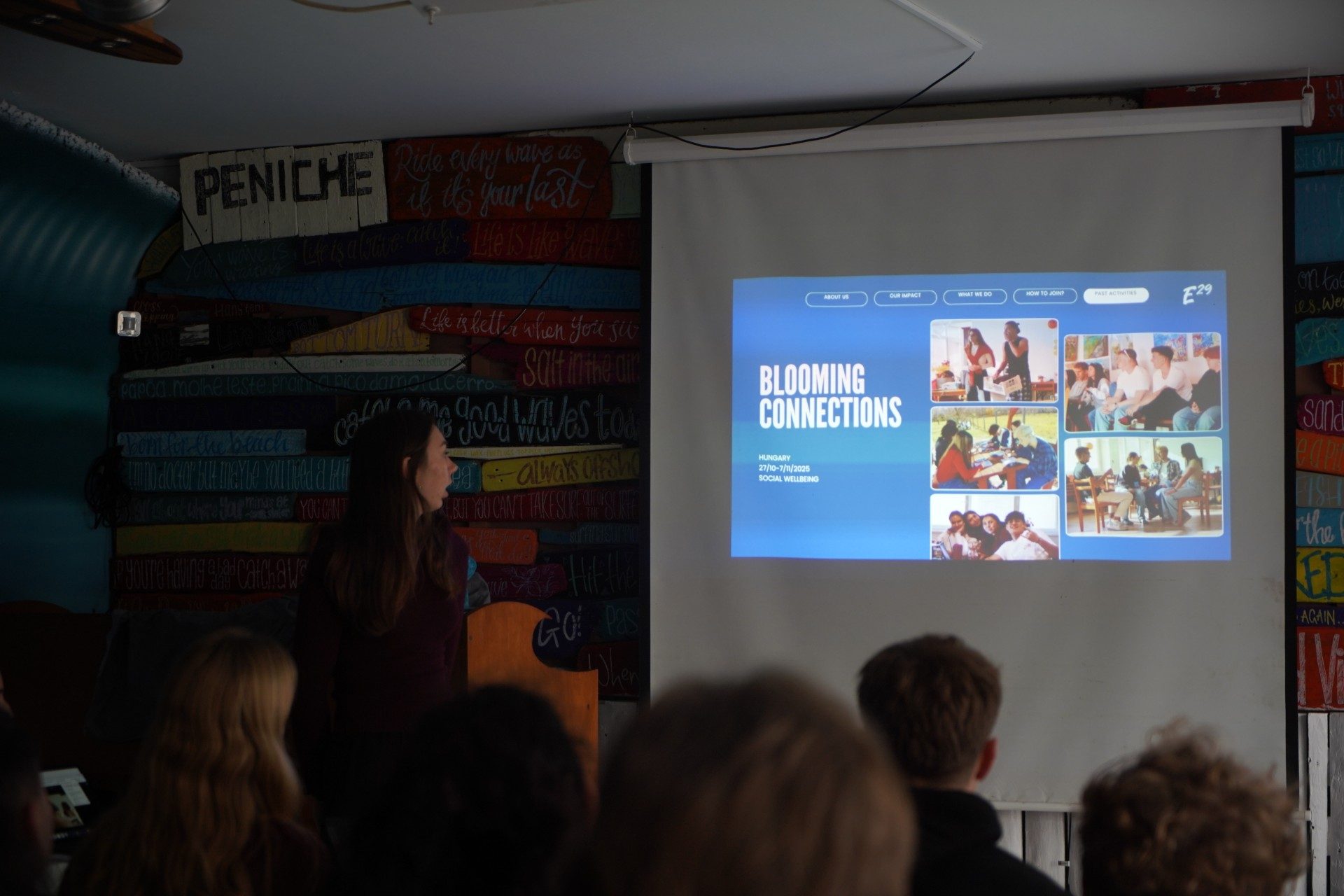
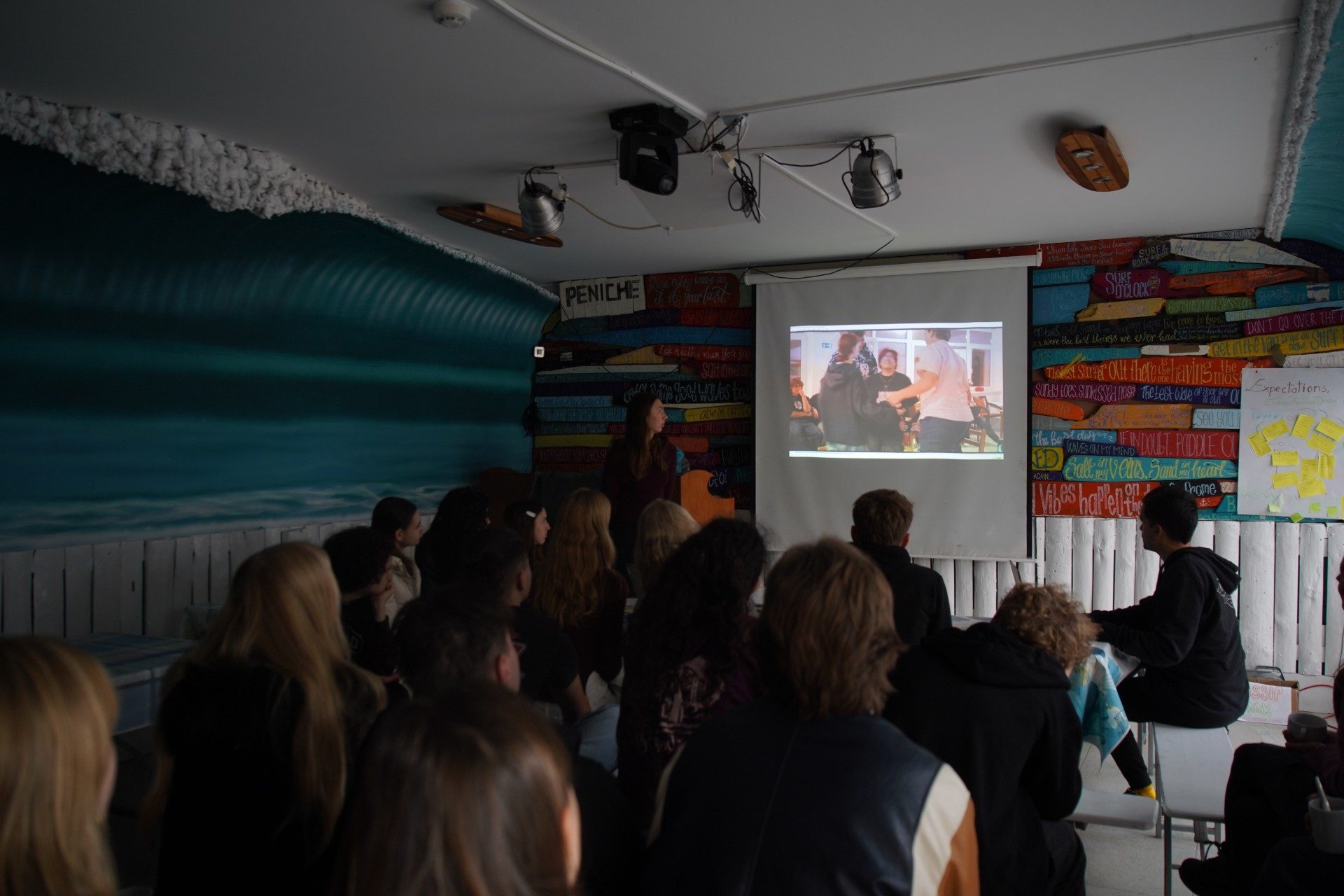
Dissemination held by Anna at Peniche Surf Camp, for 30 young people. She shared her personal experiences, highlighted some of the sessions she participated in during the activity, and included photos and the final video to make the presentation more engaging and interactive. She also provided information on how to take part in similar activities.
Zilina, Slovakia, Dec. 2025
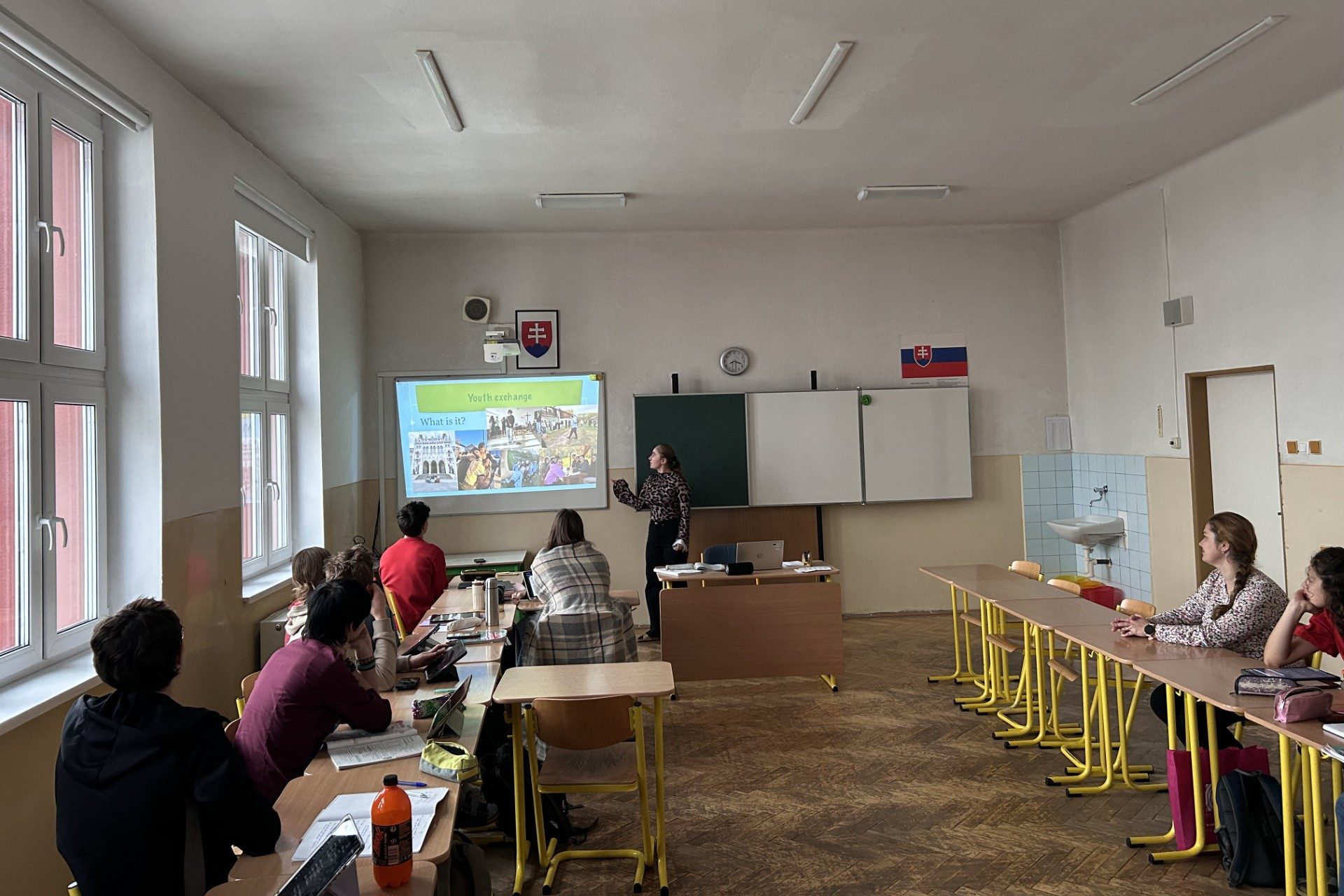
Dissemination held by Natalia at Grammar School Zilina, for 15 people. During her presentation she described what is a youth exchange, what was the activity focused on and what were the sessions about. She also provided her peers with the information about the organisation and the whole process of application.
Online, Portugal, Dec. 2025
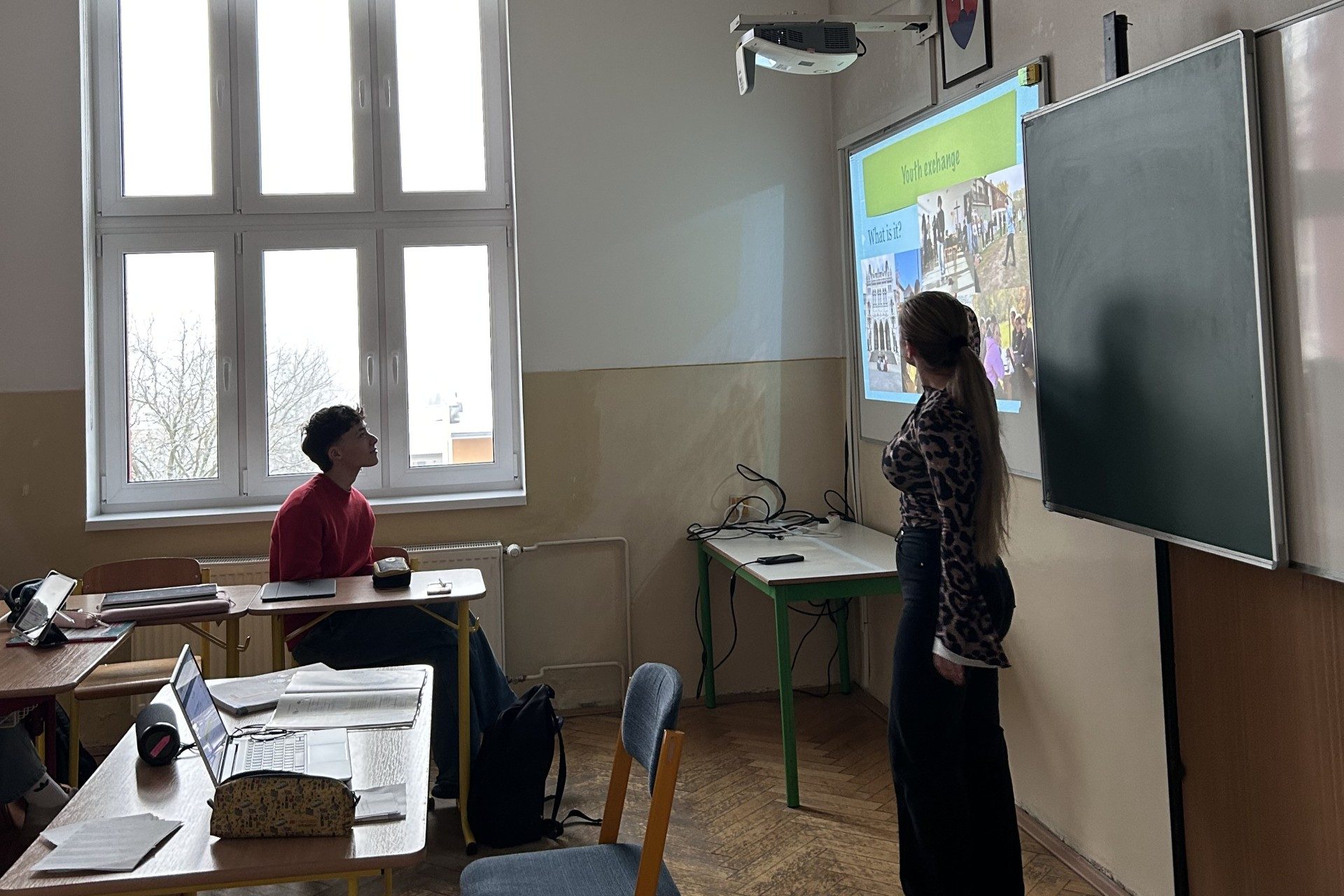
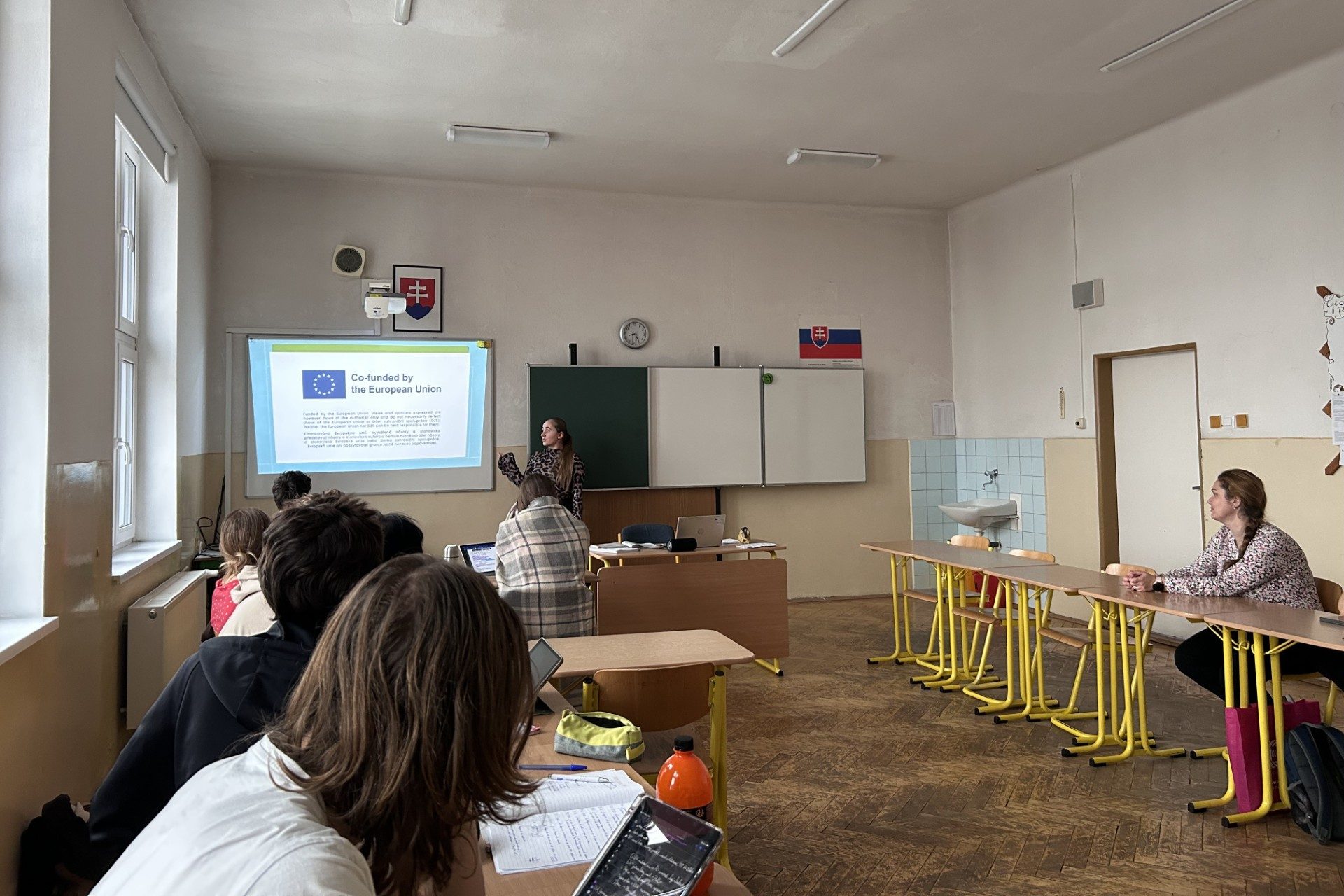
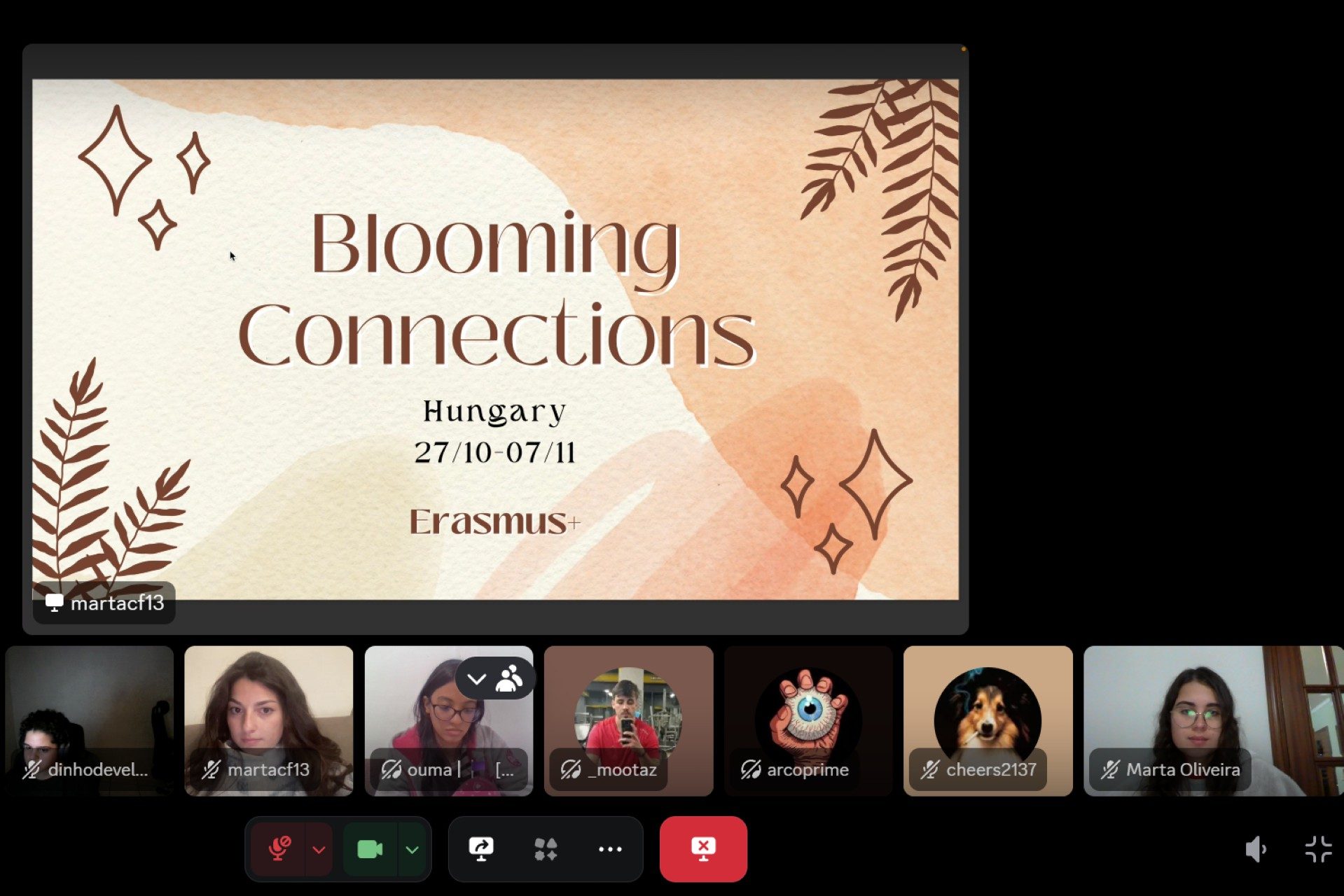
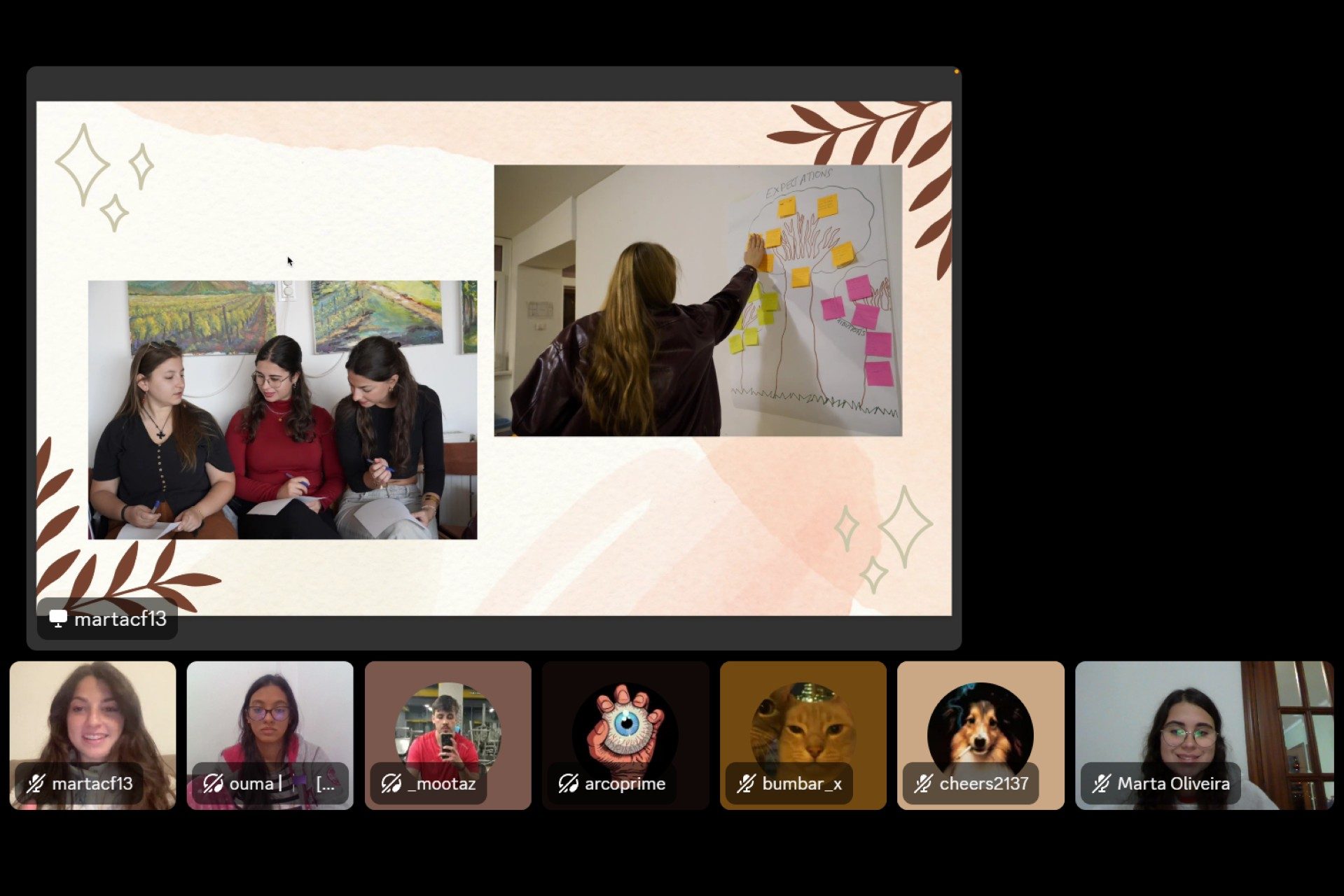
Dissemination conducted by Marta V. and Marta F. for 15 people, held online via Discord. They prepared a presentation, where they included pictures from the activity and explained what it was all about.
Leskovac, Serbia, Dec. 2025
Dissemination held by Tijana, for 8 people. She prepared a presentation for her intrested schoolmates. She talked to them about her experience from the exchange she attended.
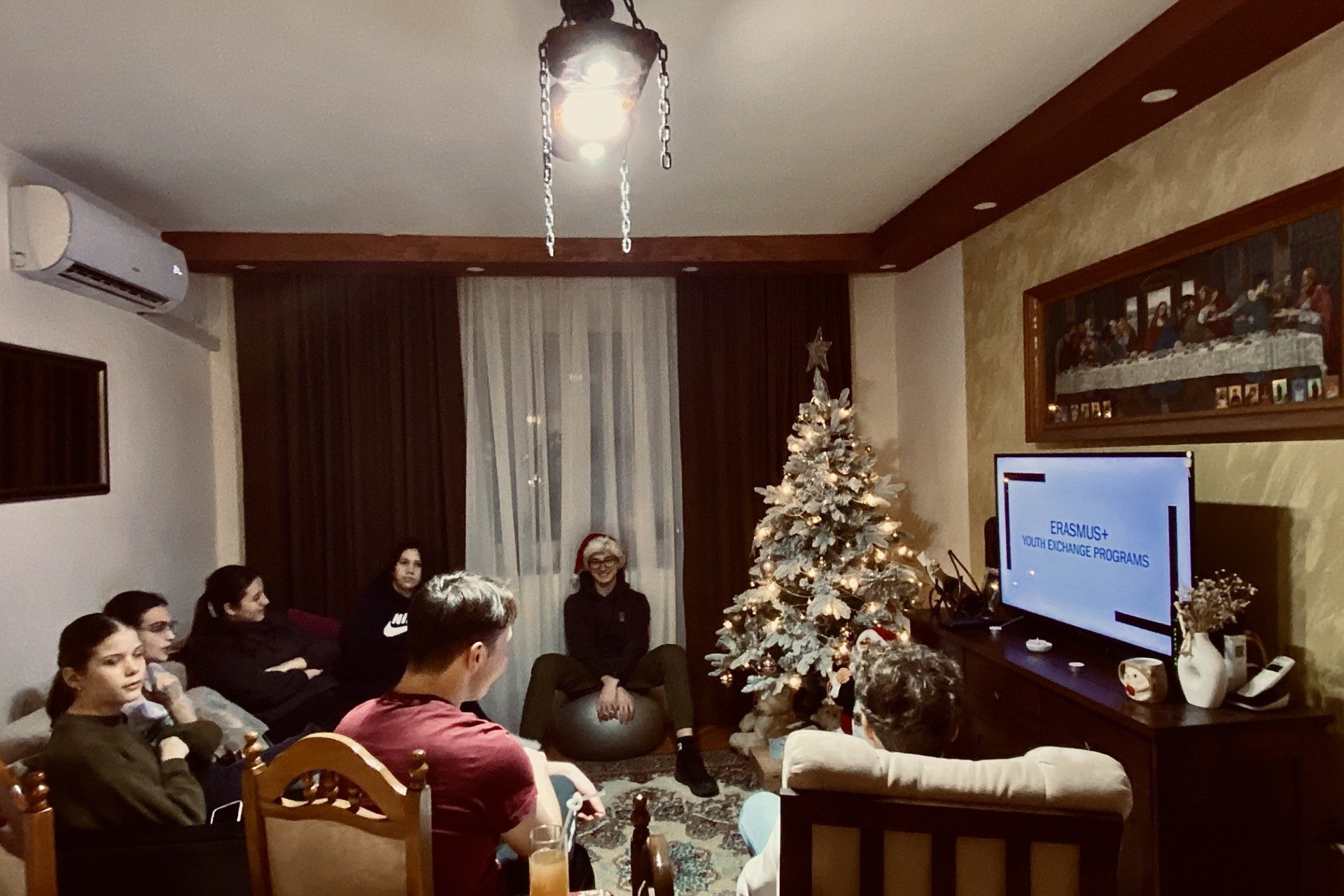
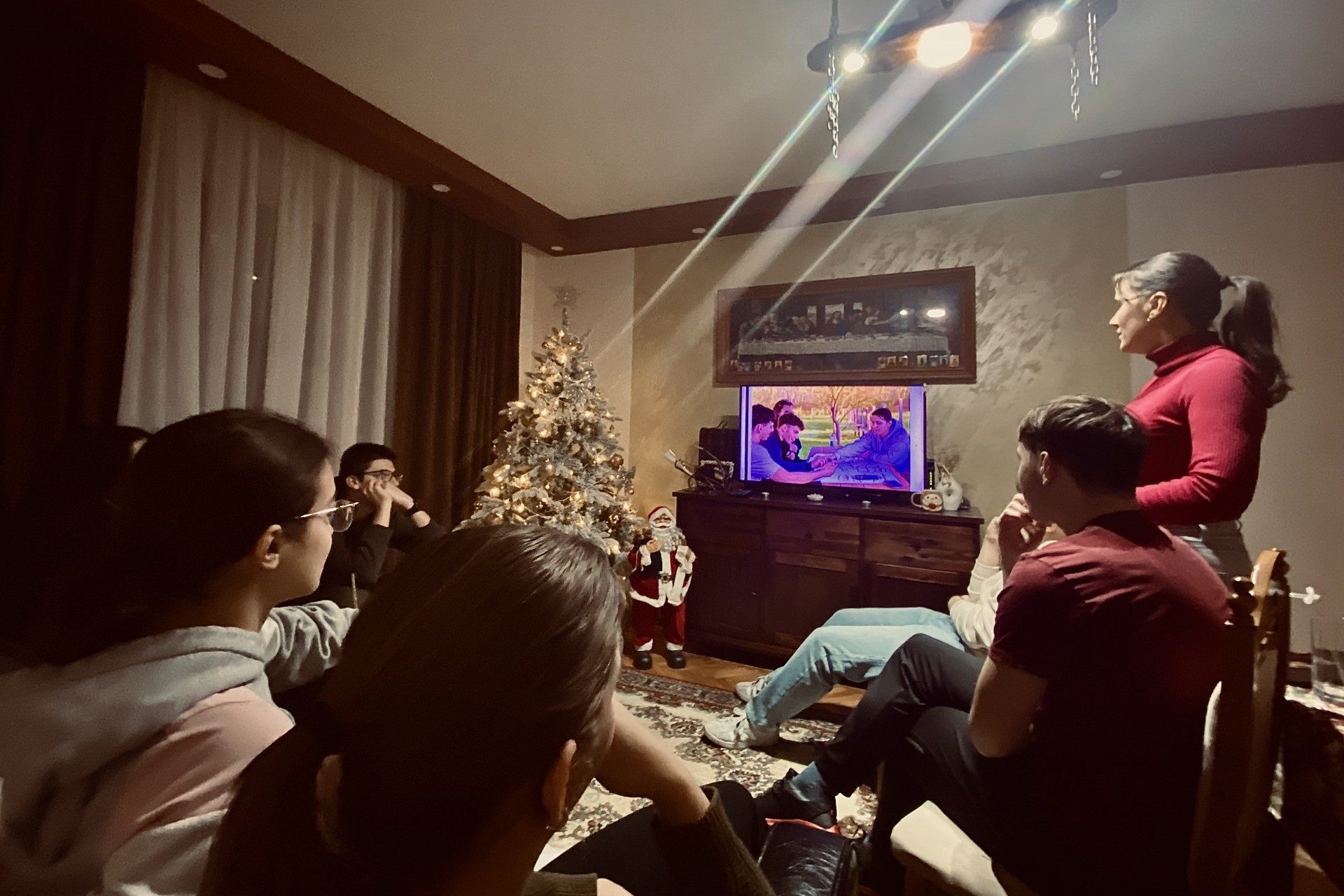
Budapest, Hungary, Dec. 2025
Dissemination held by Roland and Gergo at BMSZC Trefort Agoston Ket Tanitasi Nyelvu Technikum, for 24 young people. They shared their experiences with their class. They talked about the activities, the friends they made and also about the application process.
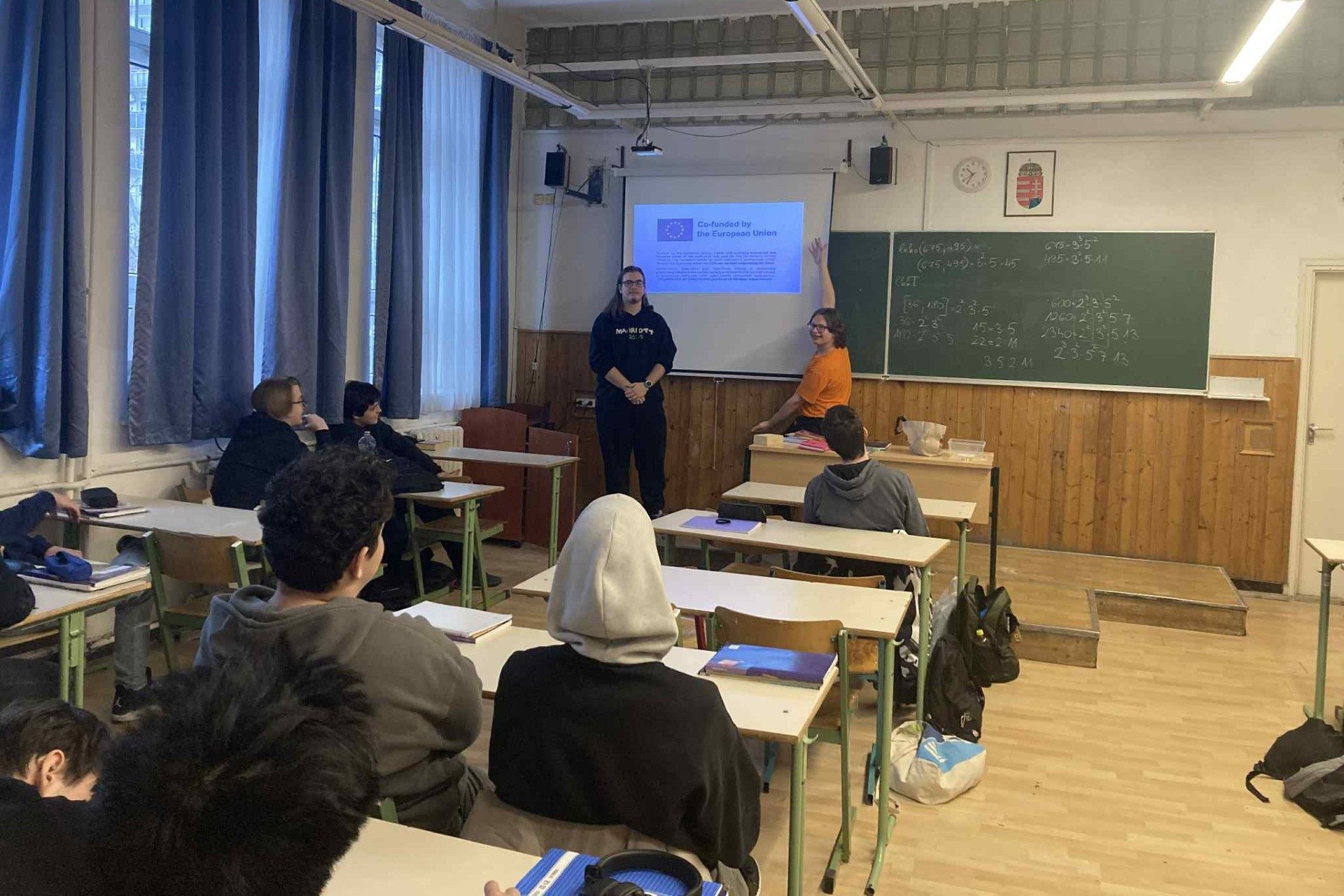
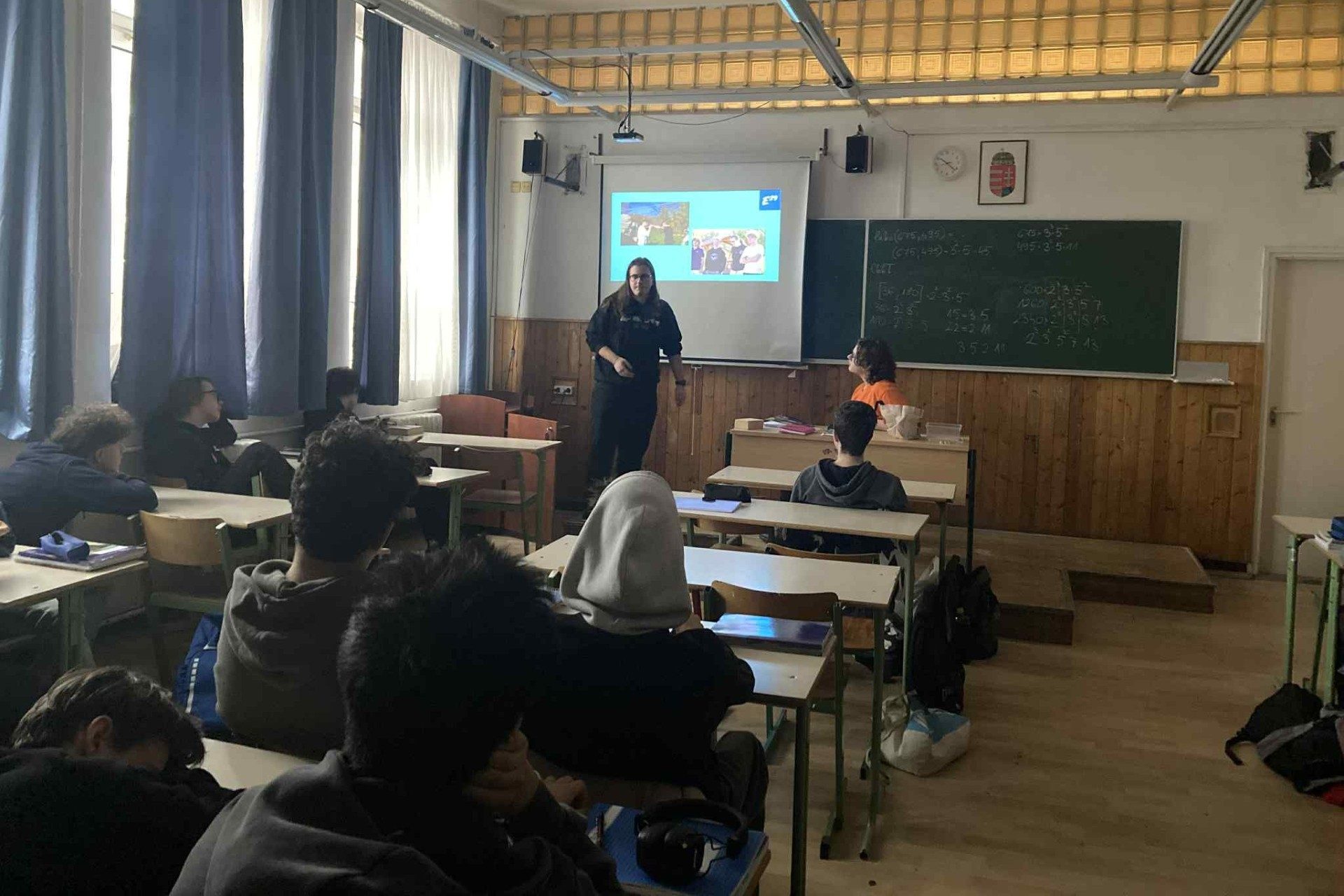
Presov, Slovakia, Dec. 2025
Dissemination held by Timea at Gymnazium Jana Adama Raymana, for 200 young people. She prepared a presentation about her Erasmus+ experience, which she presented to interested students during the open day at her school. During the day, she reached about 20 different groups of young people.
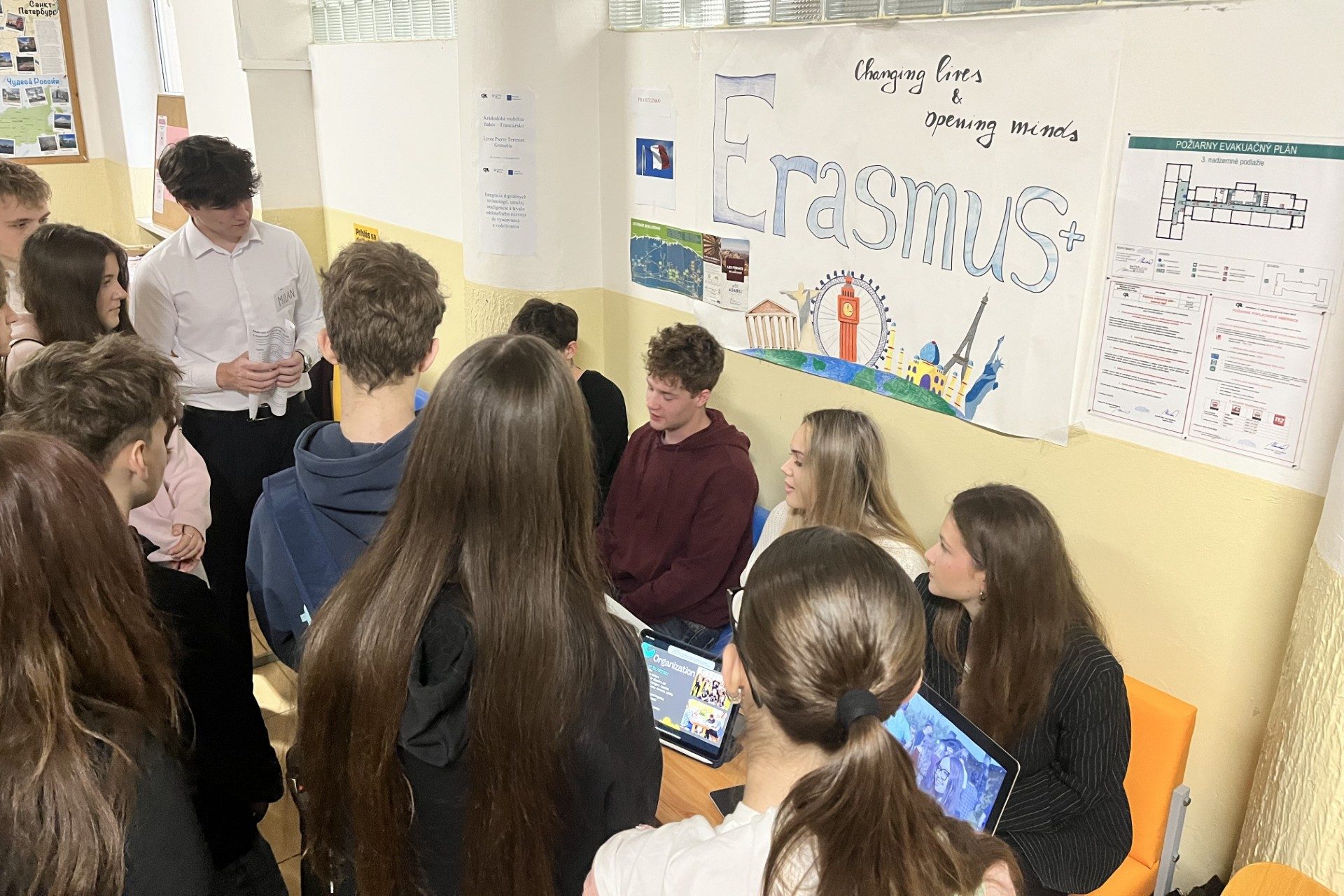
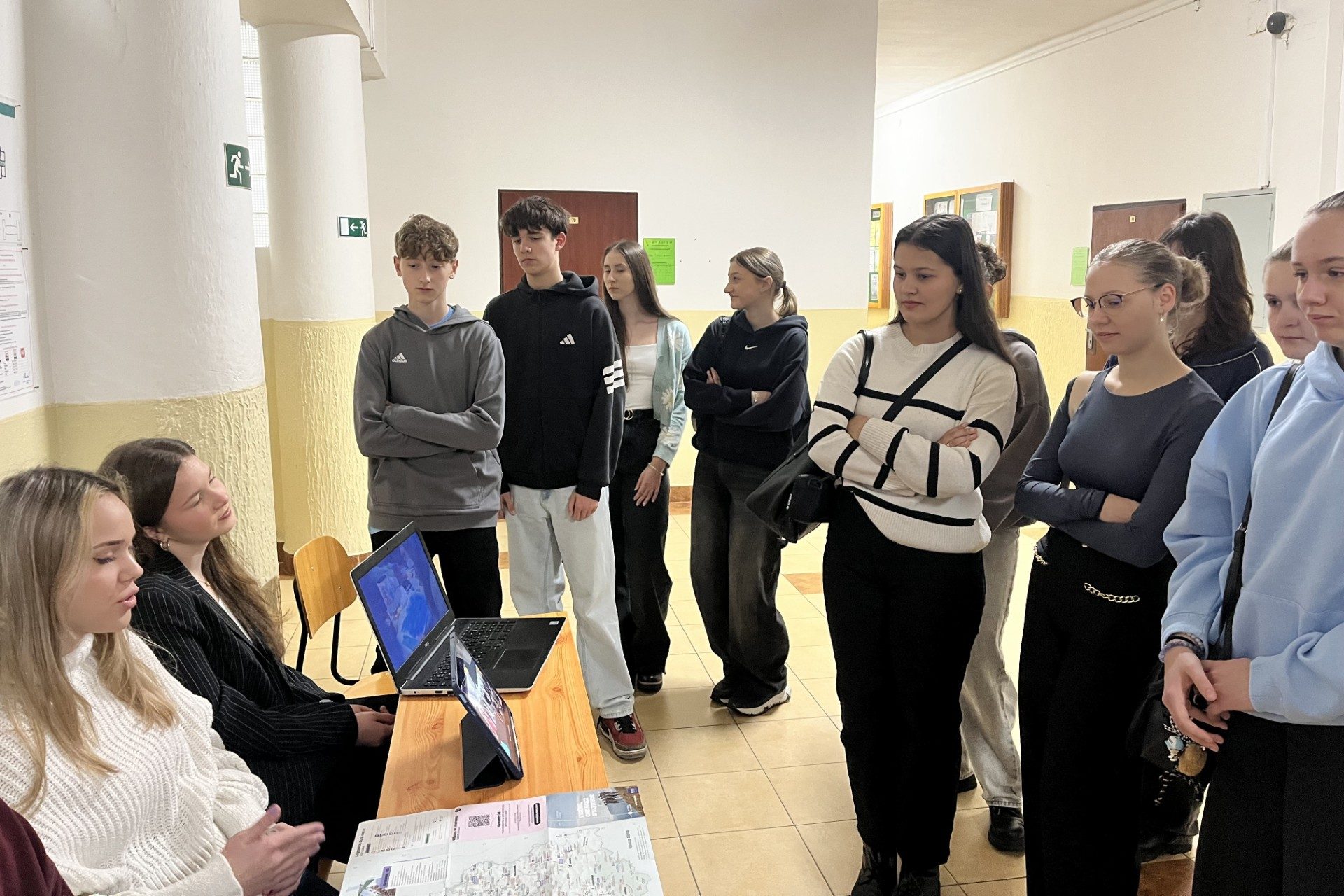
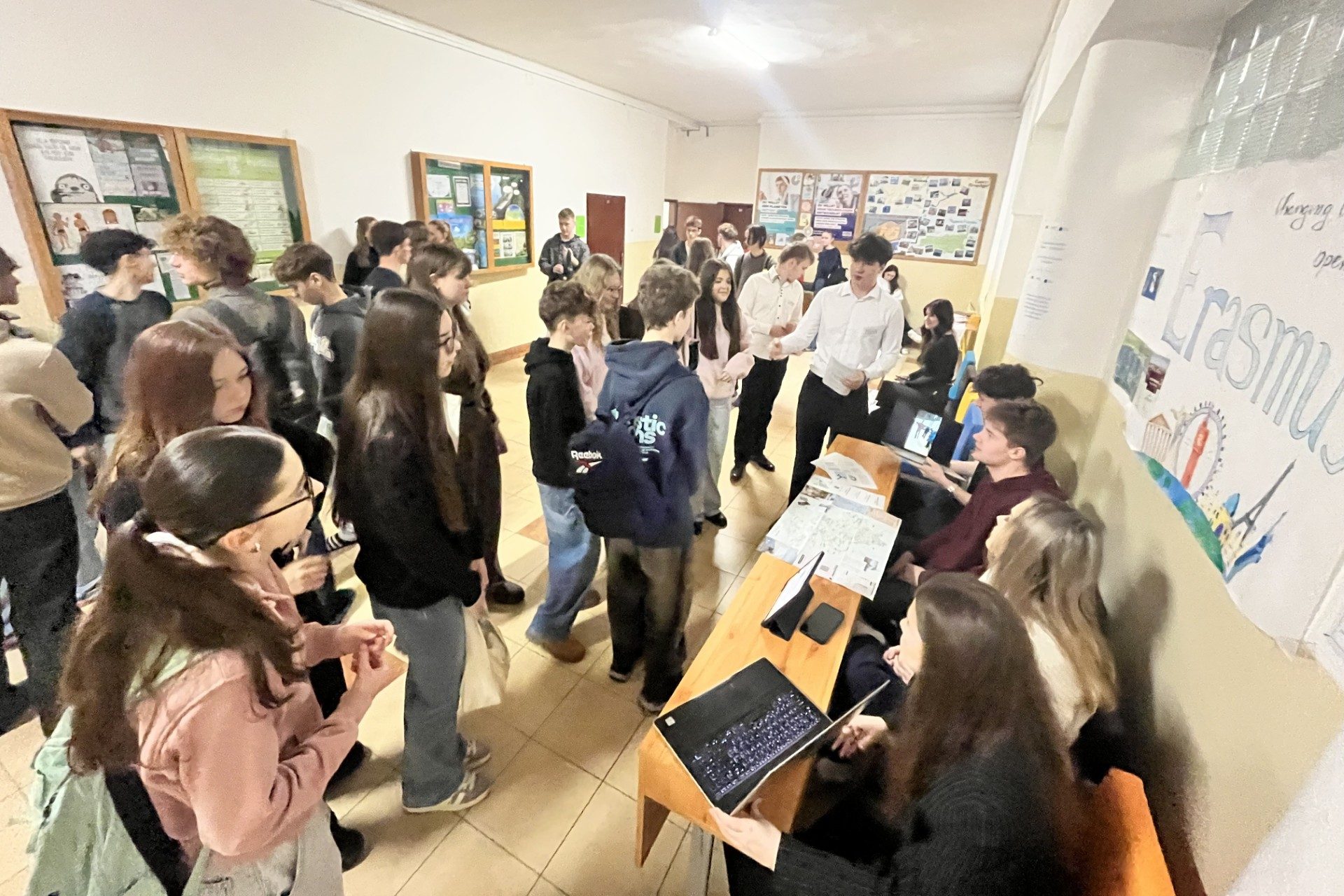
Nis, Serbia, Dec. 2025
Dissemination held by Tadija at Gymnasium Svetozar Markovic, for 20 young people. He did a presentation about E29 and the youth exchange he attended.
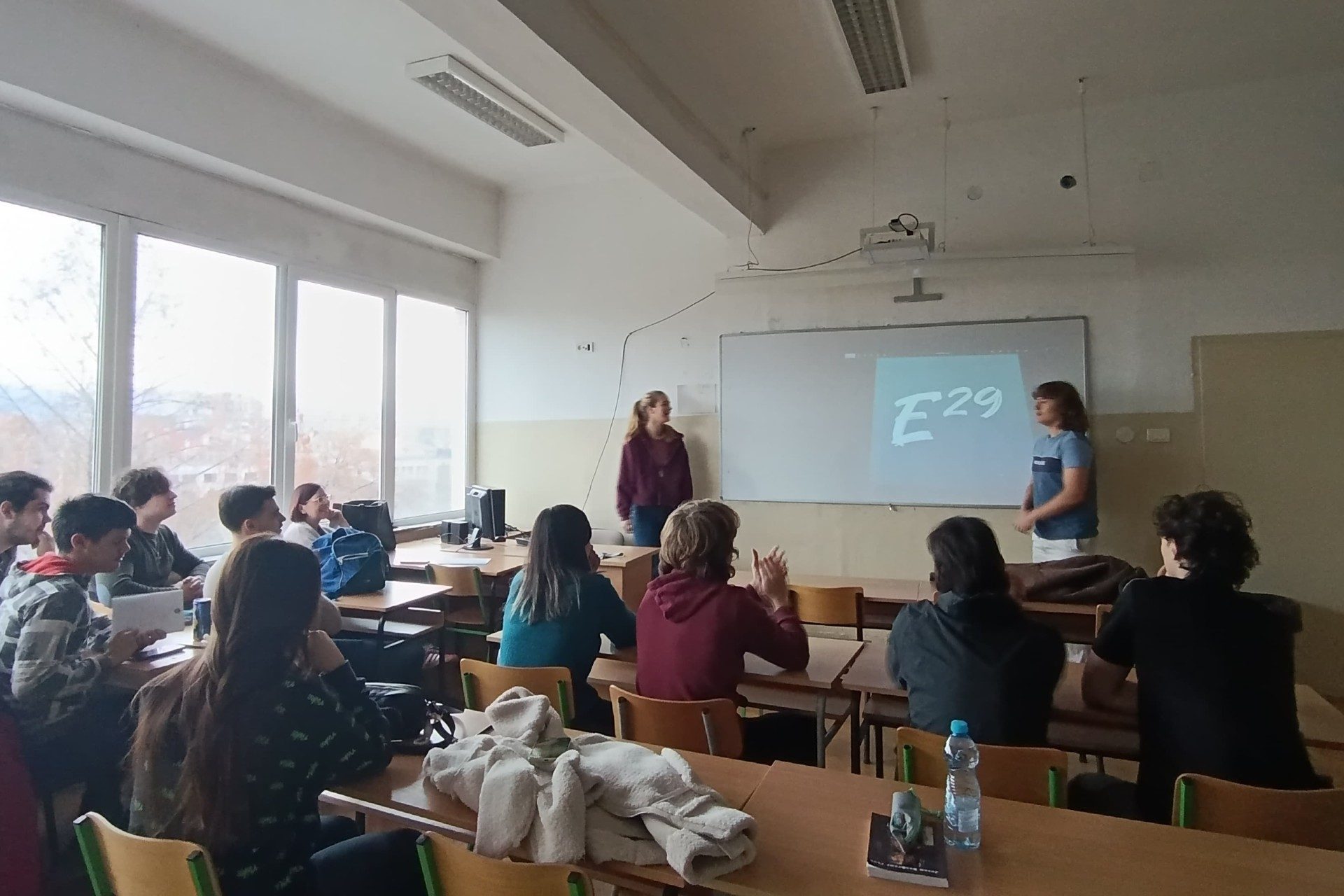
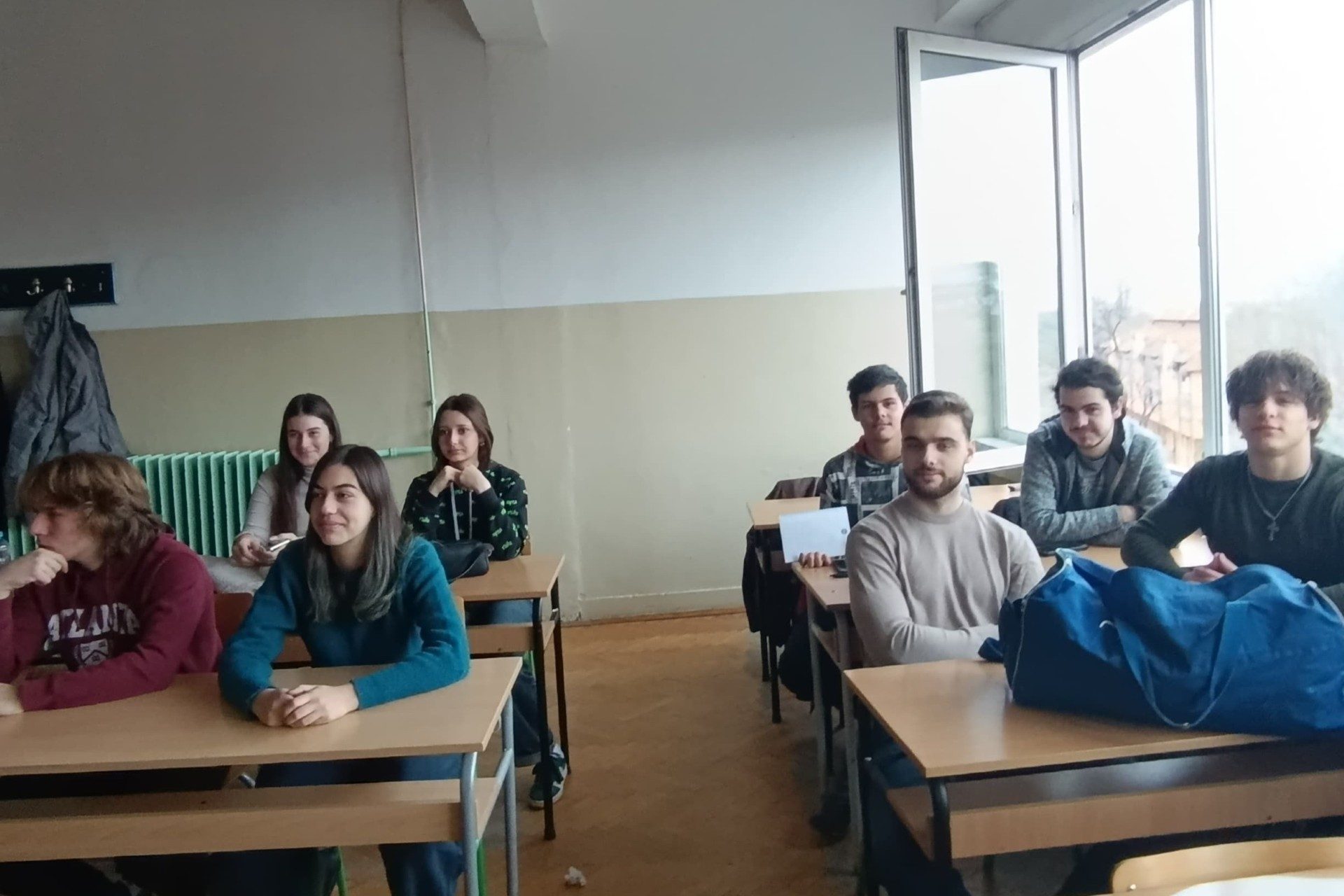
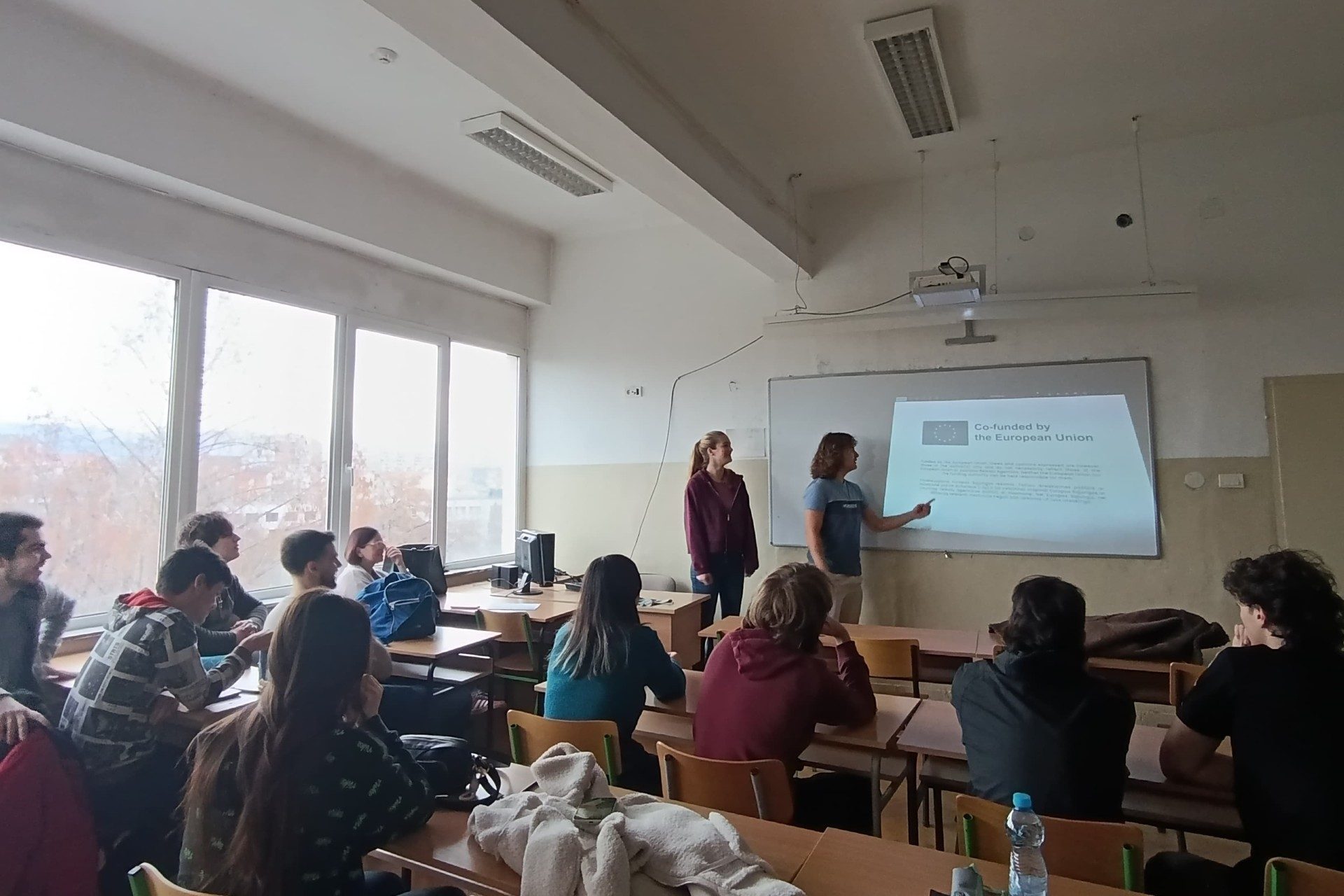
Reykjavik, Iceland, Dec. 2025
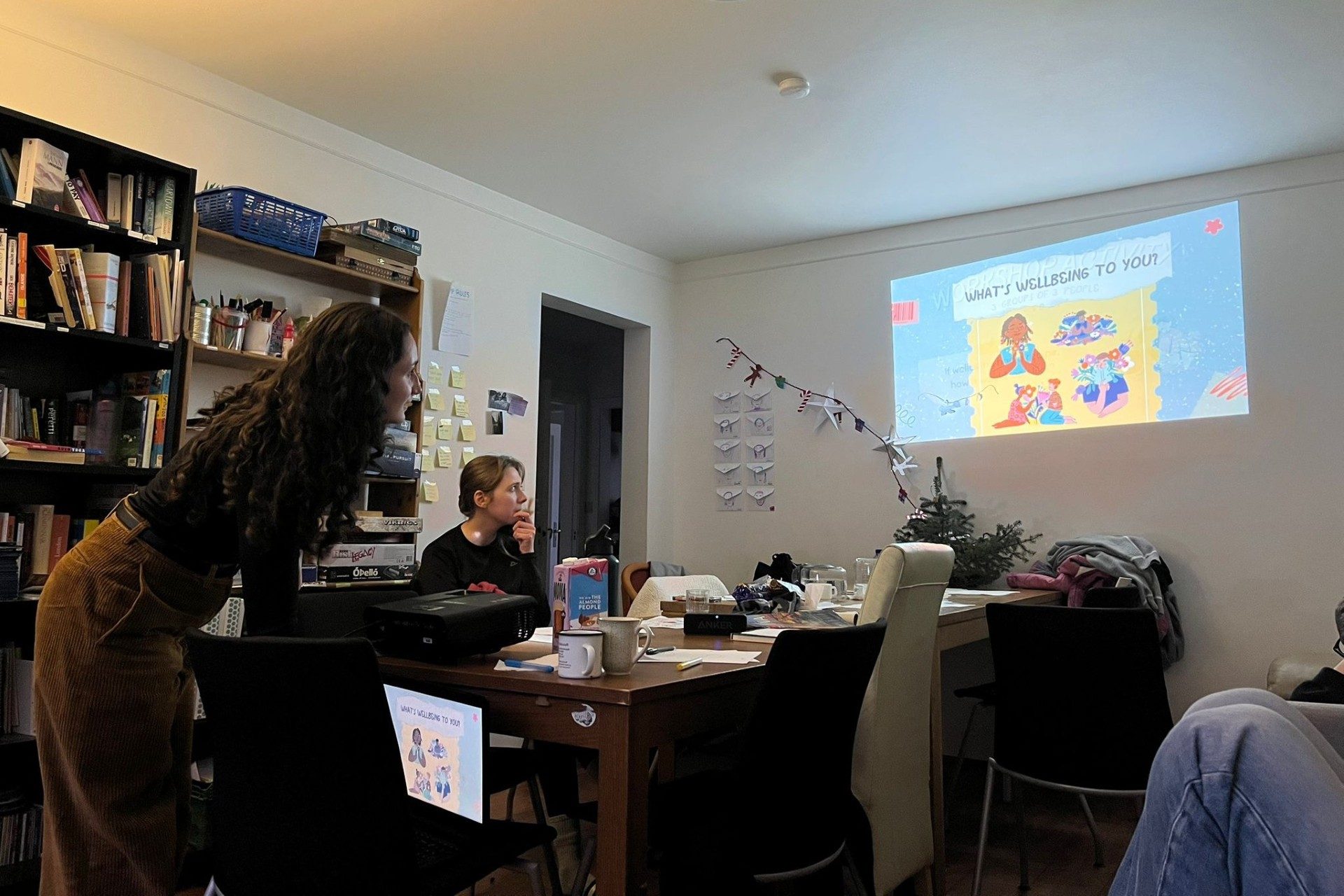
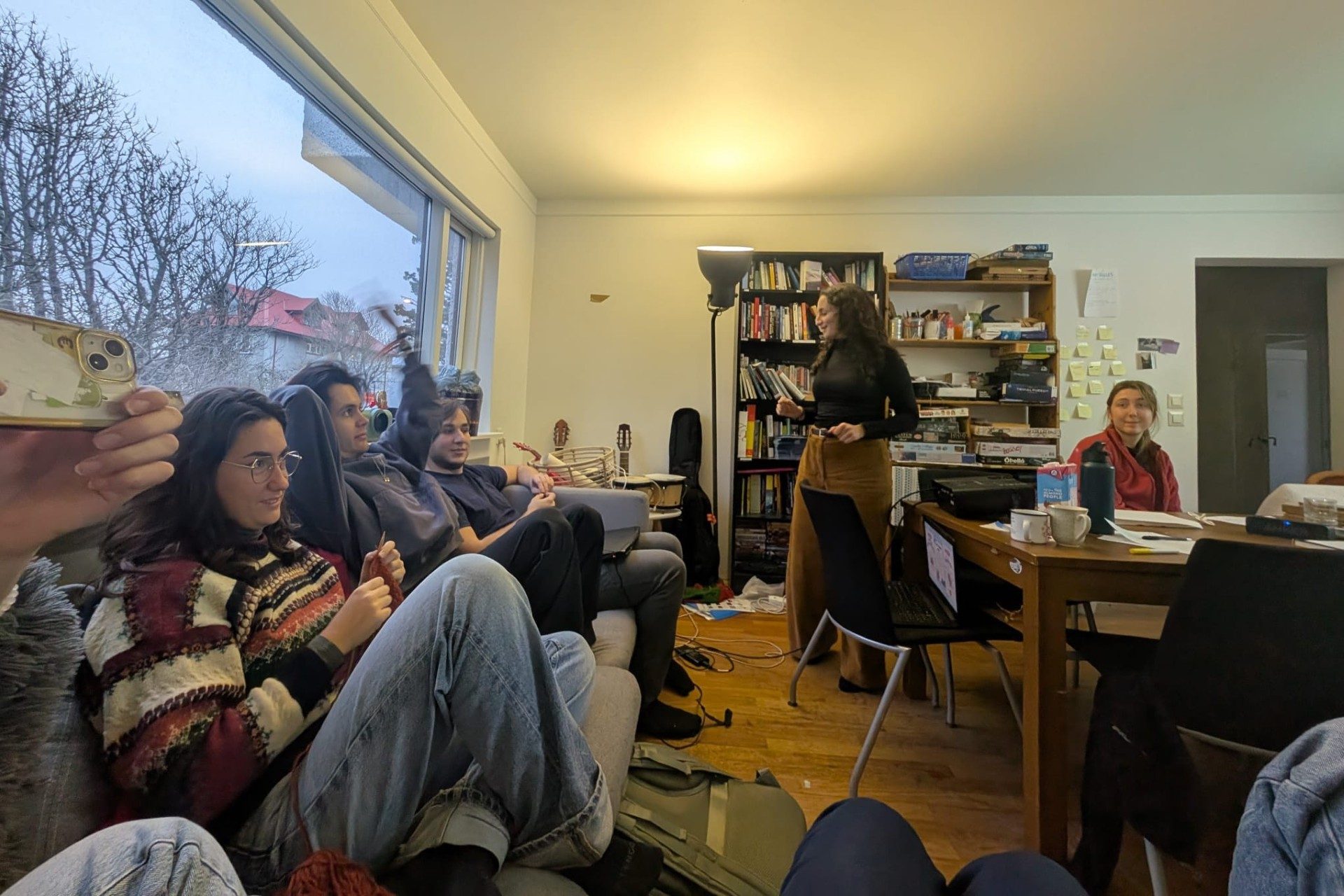
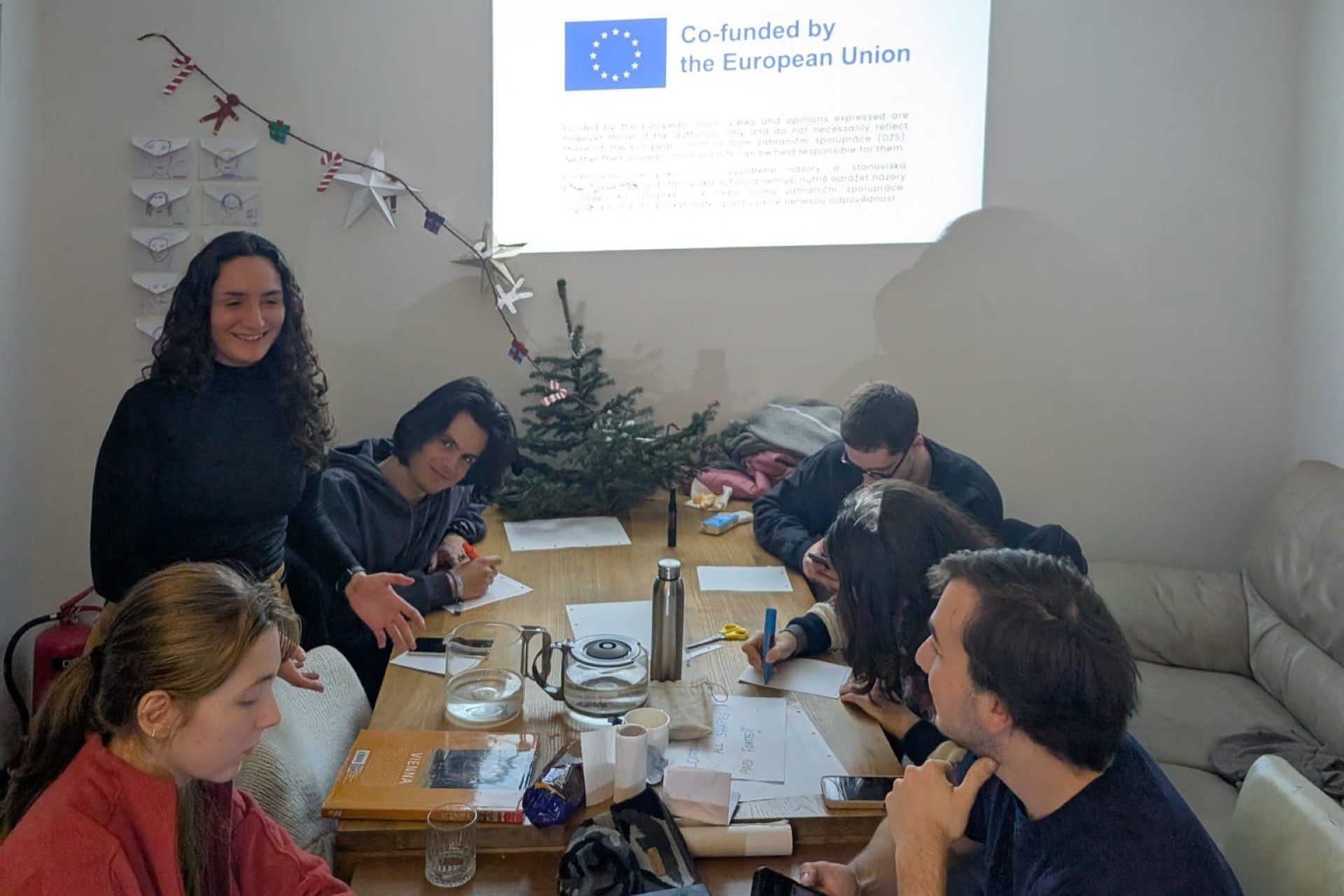
Dissemination held by Beatriz at Seeds Volunteer House, for 15 people. The dissemination was conducted in a workshop format, through a Canva presentation she’ve prepared. She began by introducing the topic of wellbeing, asking participants to share their own understanding of what wellbeing meant to them. Following this, participants engaged in the “Wellbeing Recipe” activity in small groups, drawing inspiration from examples from the youth exchange. After this introduction, she presented the Blooming Connections Youth Exchange, explaining and showing evidence of the activities we carried out and providing some information about the sending organization, E29. To conclude the workshop, she facilitated the tarot card activity, which participants really enjoyed and which allowed them to gain deeper self-insights. Finally, she proposed a New Year wellbeing challenge, considering the upcoming festivities, to encourage participants to continue practicing wellbeing beyond the workshop.
Bucharest, Romania, Jan. 2026
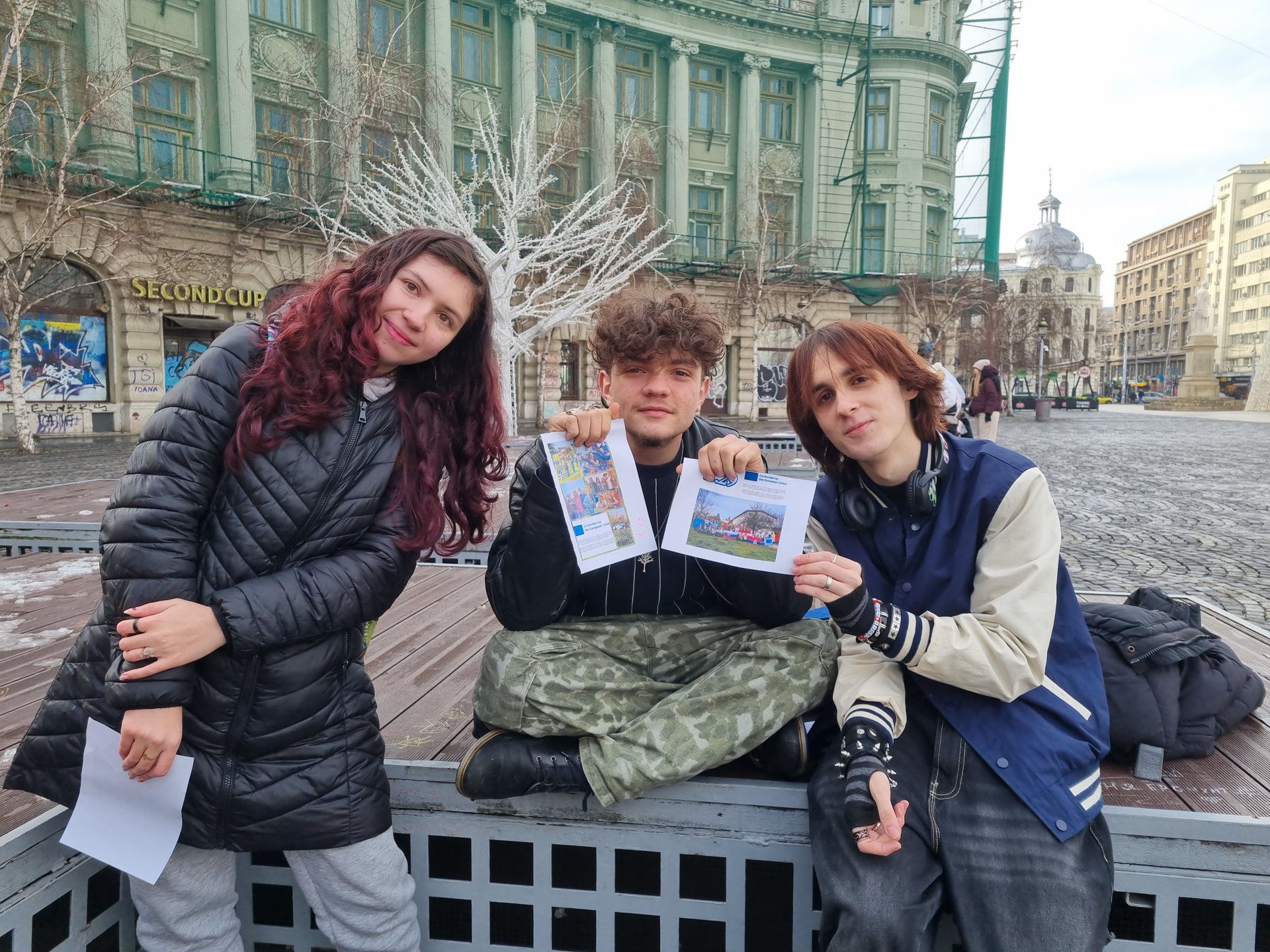
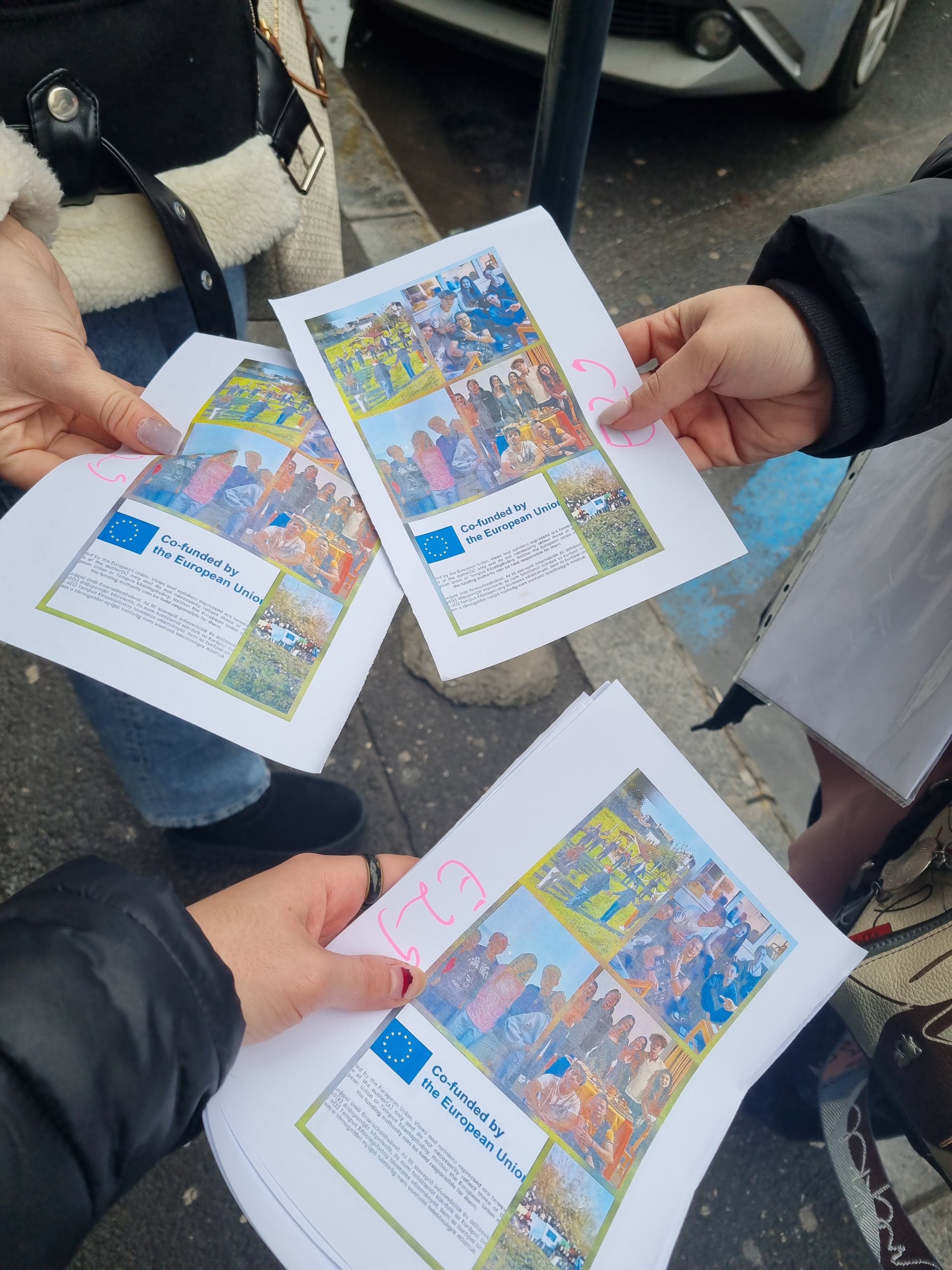
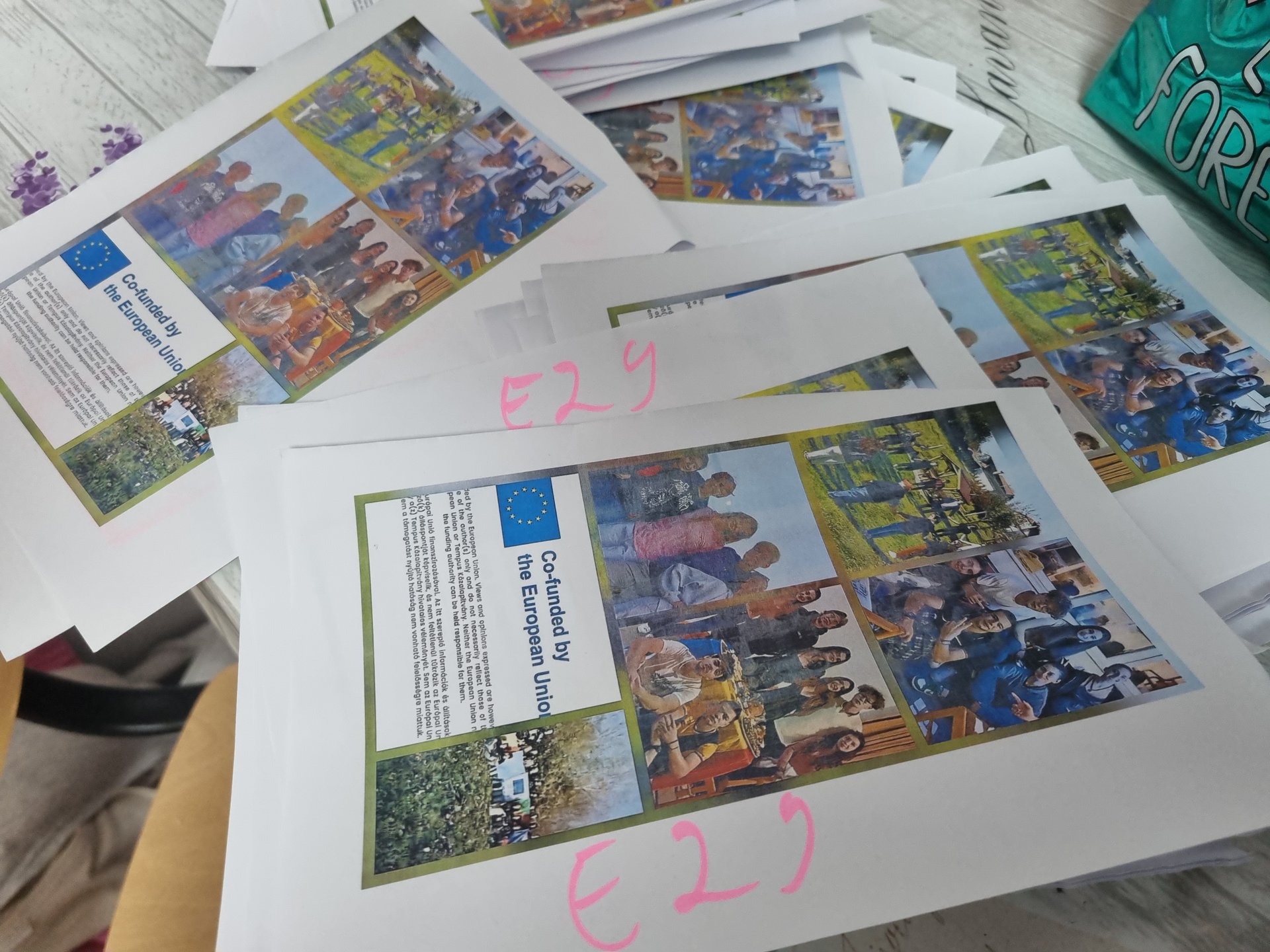
Dissemination held by Ariana on the streets of Bucharest, reaching around 70 people. She handed out fliers showing photos from the project and our organization’s name to young people in the city centre, explaining what the project was about, what our organization does, and how the application process works. A volunteer helped photograph the action, and she finished by putting the remaining fliers up on a Bucharest University building so they reached more students and teenagers. She also shared a post about the project on her Instagram.
Budapest, Hungary, Jan. 2026
Dissemination held by Zoltan and Krystof at Teleki Blanka High School, for 160 people. They prepared a presentation for the students to give them closer look into Erasmus+ projects.